How to Grow Epimedium (Barrenwort)
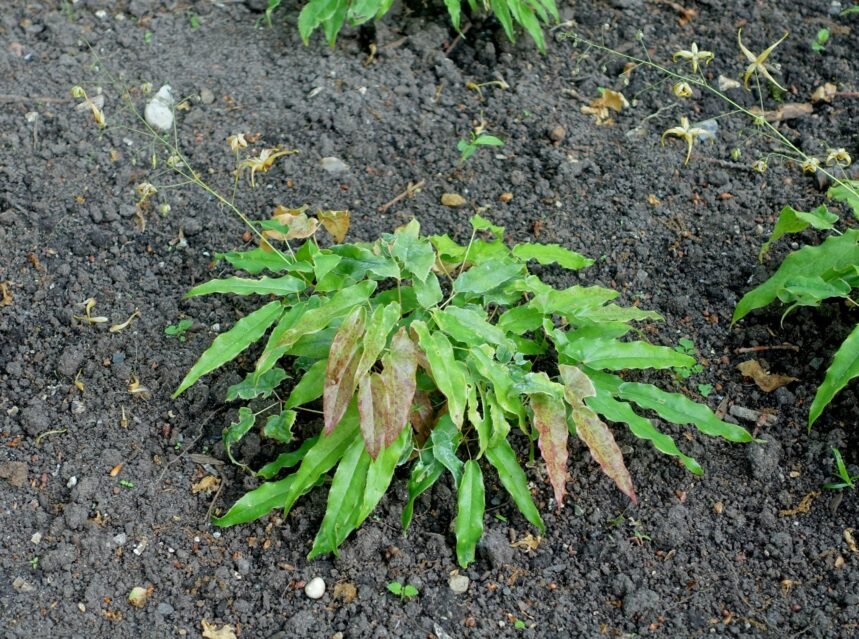
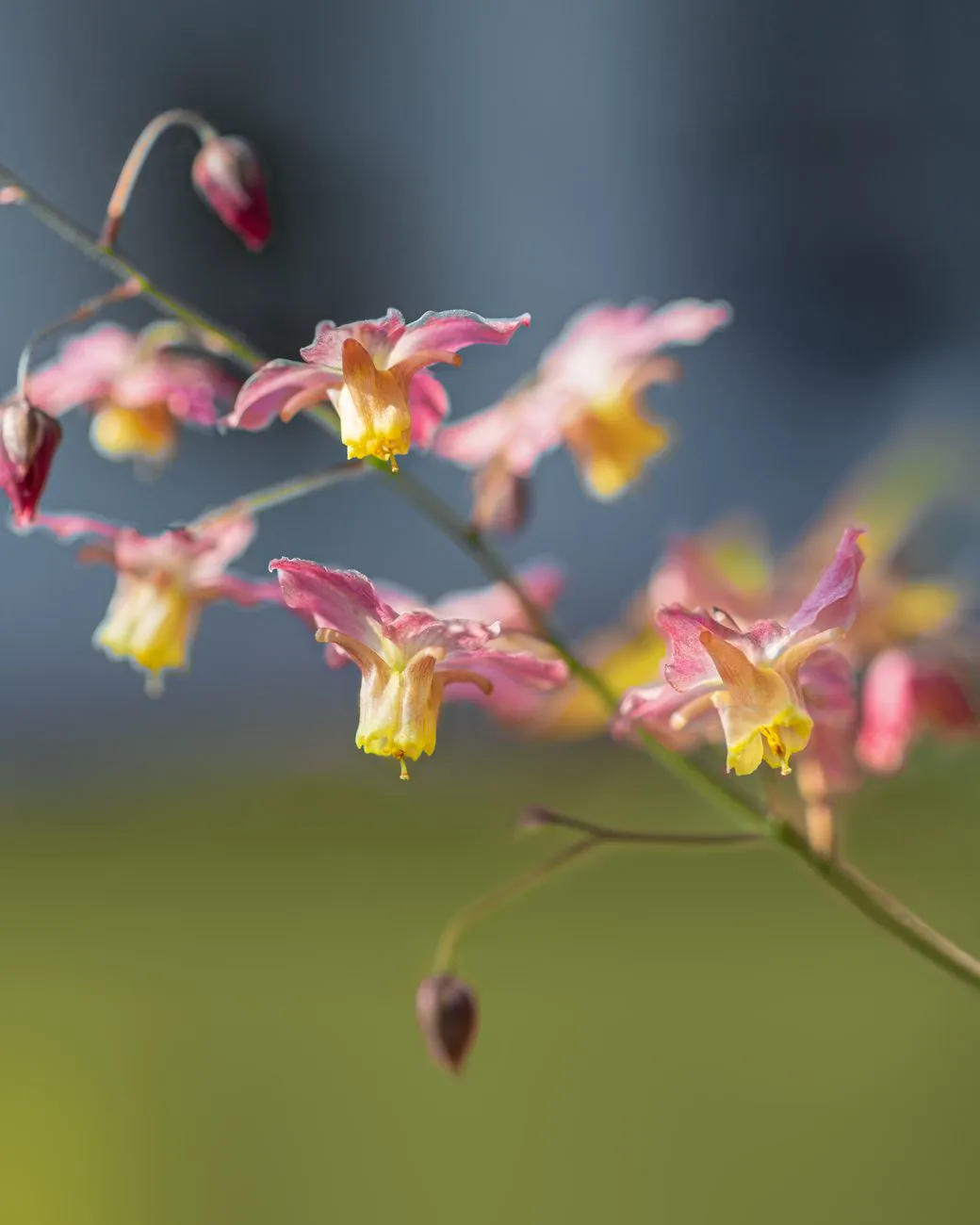
Epimedium, the barrenwort, is one of the toughest and most elegant groundcovers for shade. In spring it produces sprays of delicate, intricate flowers — like tiny columbines or fairy wings — in white, pink, yellow, orange, and red, above heart-shaped leaves that often emerge bronze-tinted and may stay evergreen. Famously able to cope with dry shade, it’s a problem-solving gem. Here is the complete guide on how to grow epimedium (barrenwort).
Quick start: Grow barrenwort in part to full shade in loamy, organically rich, well-drained soil. Keep it moist while establishing, then it tolerates even dry shade. Cut back the old foliage in late winter before new growth. Divide every 3–5 years. It flowers in spring and forms a tough, weed-suppressing carpet.
Epimedium, or barrenwort, is one of the best plants for that difficult spot of dry shade under trees, where it forms a tough, weed-suppressing carpet. Growers prize its delicate, almost orchid-like spring flowers and its handsome, often bronze-tinted foliage. The one piece of timely care is to cut back the old leaves in late winter, just before the flowers appear, so the blooms are not hidden. It is slow to establish but, once settled, thoroughly reliable and long-lived.
🧰 In a hurry? Jump straight to our tested picks for this guide ↓
Epimedium at a glance
| Feature | Detail |
|---|---|
| Botanical name | Epimedium species (family Berberidaceae) |
| Common names | Barrenwort, bishop’s hat, horny goat weed |
| Plant type | Semi-evergreen perennial groundcover |
| Sun | Part to full shade |
| Soil | Humus-rich, well-drained; tolerates dry shade |
| Height | 20–40 cm |
| Best for | Dry shade under trees, woodland edges |
Why grow epimedium?
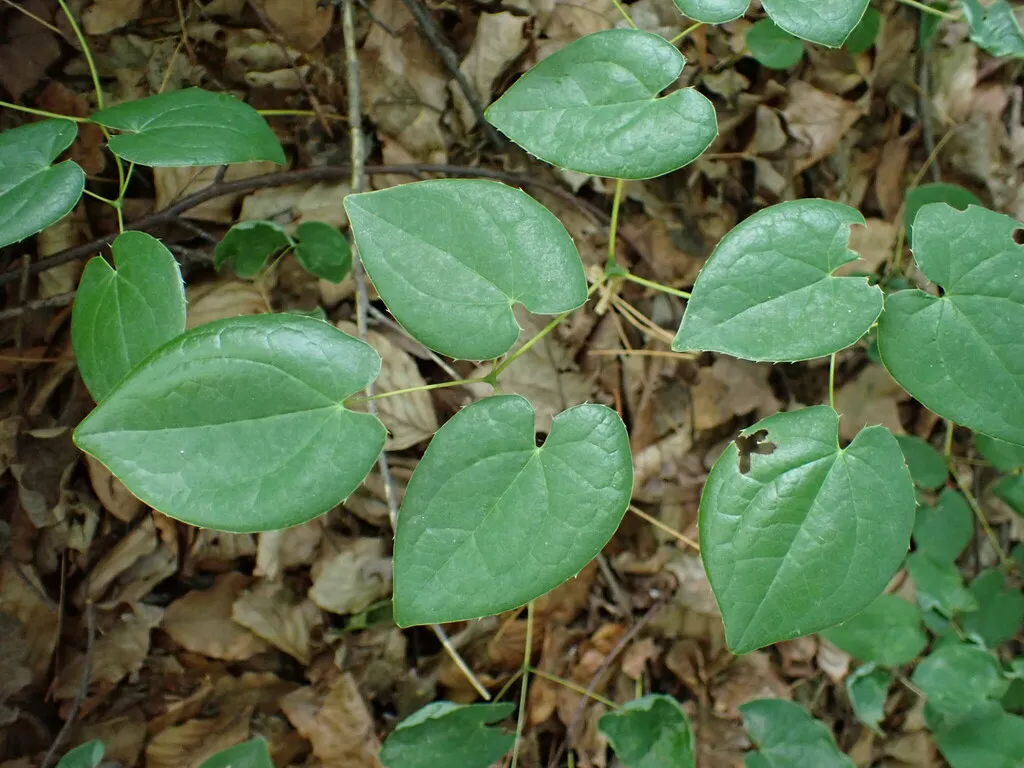
Epimedium is a tough, reliable groundcover with a rare talent: it copes with dry shade, the trickiest spot in many gardens. It offers delicate spring flowers and handsome, often bronze-tinted or evergreen foliage, suppresses weeds, and is low-maintenance and long-lived. For elegant problem-solving in difficult shady, dry places, it’s hard to beat.
History, origin & where epimedium grows
Epimedium (barrenwort) is native to the Mediterranean region and especially Asia, where it grows as a woodland and scrub plant in shady, often dry, rocky soils. So it’s adapted to part-to-full shade and loamy soil rich in organic matter, and once established it’s notably drought-tolerant. It’s hardy (zones 4–8) and very adaptable.
Epimedium is a woodland plant, with most species native to the forests of China, Japan and Korea, and a few from the Mediterranean and western Asia (see the RHS). In the wild it carpets the dappled floor beneath trees, which is exactly why it copes so well with the dry shade that defeats so many garden plants.
Chinese species have a long history in traditional herbal medicine, where the plant is known as yin yang huo (see Encyclopaedia Britannica). For gardeners, though, plant hunters introduced it for its delicate spring flowers and handsome foliage, and modern breeding has produced many beautiful hybrids. In hot climates it suits a shaded, leaf-rich corner, ideally in cooler regions or hill stations.
Best season & when to plant
Plant epimedium in spring or autumn. Its delicate flowers appear in spring on arched, wiry stems, followed by attractive foliage (evergreen in milder areas). It’s a long-lived perennial that spreads slowly by rhizomes into a weed-suppressing carpet over time.
How to plant barrenwort
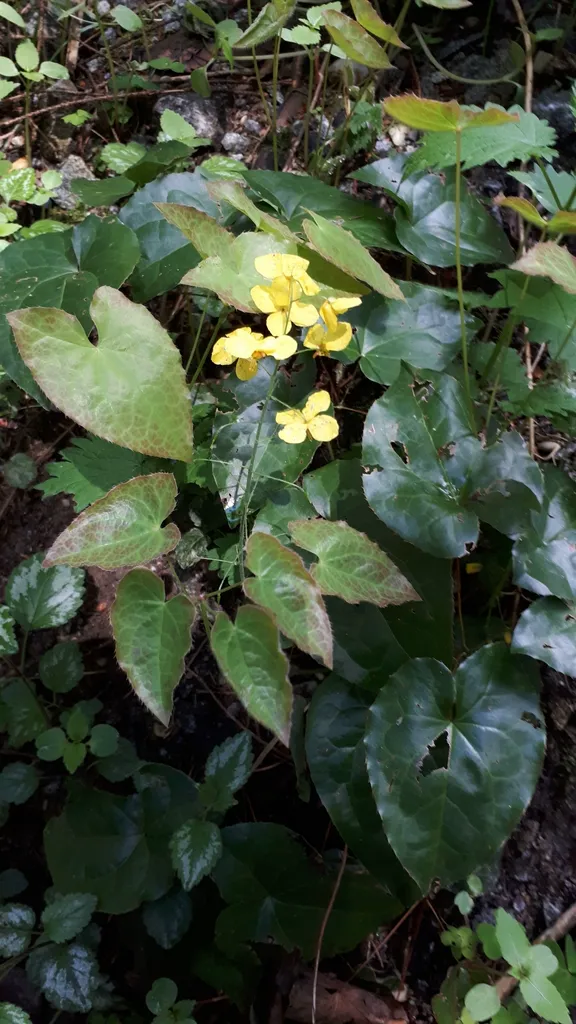
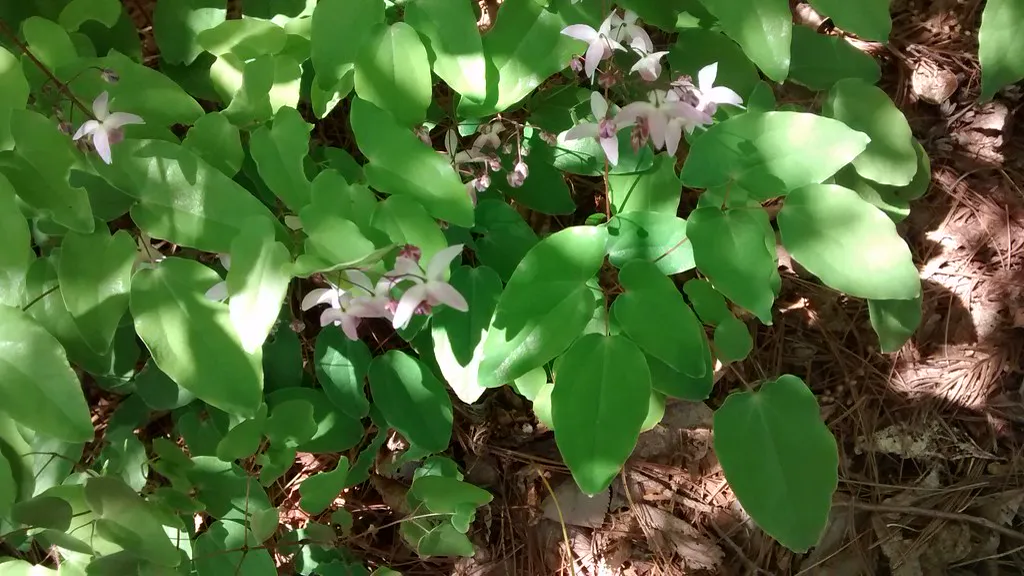
- Choose part to full shade (morning sun is fine if the soil stays cool and moist) in loamy, organically rich, well-drained soil, slightly acidic to neutral (see improving garden soil).
- Improve the soil with compost or leaf mould, and space plants about 12–15 inches apart.
- It’s ideal under trees and shrubs, in woodland gardens, and in dry, shady spots where little else thrives.
Watering & feeding
Keep epimedium evenly moist during the first growing season to establish it; after that it’s notably drought-tolerant and tolerates dry shade, though it prefers some moisture (see how often to water). It’s not a heavy feeder — a spring mulch of compost or leaf mould is usually enough.
The secret to epimedium is shade and a soil rich in leaf mould. It thrives in part to deep shade in humus-rich, free-draining soil, and once established it tolerates dry shade remarkably well. New plants, though, need regular watering through their first year or two to settle in, after which they largely fend for themselves (see how often to water plants). An annual mulch of leaf mould or compost keeps it happy and feeds it gently.
The key job: cutting back old leaves
The single most useful piece of care: trim or shear off the old, tatty foliage in late winter or early spring, before the new growth and flowers appear. This keeps it tidy, shows off the spring flowers and fresh bronze leaves, and removes any damaged or diseased foliage. Divide clumps every 3–5 years in spring or autumn to rejuvenate and make more.
Common pests & diseases
Epimedium is tough and largely trouble-free, with few serious pests or diseases. Occasional issues are slugs, snails, or vine weevil on new growth (see organic pest control), and very occasionally mosaic virus or rot in waterlogged soil. Its resilience is a big part of its appeal.
Benefits & uses
Barrenwort gives delicate spring flowers, handsome (often evergreen, bronze-tinted) foliage, and tough, weed-suppressing groundcover — even in dry shade, where few plants succeed. It’s low-maintenance, long-lived, and drought-tolerant once established, perfect for woodland gardens and difficult shady spots under trees. A truly elegant problem-solver.
This article is for general information only and is not medical advice. Talk to a qualified professional before using any plant medicinally.
Common epimedium problems
Flowers hidden / messy in spring
Old foliage left on. Cut it back in late winter to reveal the flowers and fresh leaves.
Slow to establish
Normal — keep it moist the first year, after which it’s tough and drought-tolerant.
Scorched leaves
Too much sun or dryness. Give it shade and keep the soil cool.
The one essential job: cutting back old leaves
If you do just one thing for your epimedium, it is this: cut away the old foliage in late winter, just before the new flowers appear. The previous year’s leaves become tatty and can carry disease, and they hide the delicate spring blooms held on wiry stems. A quick shear to the ground in February or March reveals the flowers beautifully and lets fresh, often bronze-tinted leaves unfurl behind them. After that, the plant needs almost nothing for the rest of the year.
Best companion plants
Epimedium is a perfect partner for other shade-lovers. Grow it alongside hostas, ferns and hellebores for a layered woodland planting that looks good for most of the year. As a tough, weed-suppressing carpet under shrubs and trees, it earns its place in the most difficult corners of the garden.
Growing epimedium in containers and as ground cover
Epimedium adapts happily to a shaded pot, which is a fine way to enjoy its spring flowers up close on a patio that gets little sun. Use a roomy container of humus-rich, free-draining compost, keep it out of harsh sun, and never let it dry out completely while it is establishing. In a pot it spreads more slowly, so it stays neat for several years before needing dividing. The same toughness that makes it such a good container plant also makes it one of the very best ground covers for difficult shade.
Massed under trees or along a shaded path, the overlapping leaves knit into a dense, weed-suppressing carpet that asks for almost nothing once settled. Many types colour beautifully through the seasons, their fresh spring growth flushed bronze or copper before settling to green, and some hold their leaves right through a mild winter. For a low-care, year-round green floor in the gloomiest part of the garden, few plants come close. Spreading types slowly widen their territory by creeping rhizomes, so a single planting steadily fills the space you give it, and lifting and dividing the clumps every few years both rejuvenates them and gives you free plants to extend the cover.
Related plant guides
- How to grow Japanese Anemone
- How to grow Tiarella
- How to grow Pulmonaria
- How to grow Liriope
- How to grow Bergenia
- How to grow Astilbe
Frequently asked questions
Does epimedium grow in dry shade?
Yes — it’s one of the best plants for dry shade once established, though it prefers some moisture.
Should I cut back epimedium leaves?
Yes — shear off the old foliage in late winter, before new growth, to show off the spring flowers and fresh leaves.
Is epimedium evergreen?
Many types are evergreen or semi-evergreen in milder climates; cutting back the old leaves keeps them looking fresh.
How often should I divide barrenwort?
Every 3–5 years, in spring or autumn, to rejuvenate the plant and make new ones.
When exactly should I cut back epimedium foliage?
Late winter to very early spring, just as the new shoots begin to push through — in most temperate gardens that means late February or early March. Shear the old leaves right down before the flower stems extend, because once the delicate flower spikes are up you cannot cut without damaging them. Leaving the old foliage on does no harm to the plant, but it hides the flowers completely, which rather defeats the point.
How fast does epimedium spread?
It depends entirely on the type. Clump-forming species such as Epimedium grandiflorum stay in a tidy mound and widen only slowly, while running types like E. x versicolor and E. pinnatum creep steadily on rhizomes and make genuine ground cover. Even the runners are well-mannered rather than invasive — expect useful coverage in three or four years, not one.
Why is my epimedium not flowering?
The most common reason is that the old leaves were left on and are simply hiding the flowers, so check before assuming there are none. Genuine failure to bloom usually means a plant that is still young and establishing, deep dry shade combined with tree-root competition, or a clump so congested it needs dividing. Cutting back at the right moment and an annual mulch of leaf mould fixes most cases.
How do I divide epimedium?
Divide in spring after flowering, or in early autumn, choosing a cool overcast day. Water the plant well beforehand, lift the clump, and cut the tough woody rhizomes into sections with a sharp knife or spade, each with roots and several buds. Replant immediately at the same depth and keep the divisions watered through their first season, since they establish more slowly than most perennials.
Will epimedium grow under trees?
Yes — this is exactly where it earns its reputation, coping with the dry shade and root competition beneath established trees where little else thrives. The catch is establishment: for the first two seasons it needs regular watering and a generous mulch of leaf mould or compost before it can compete with tree roots. Plant in autumn or spring rather than midsummer, and improve the planting hole rather than dropping it into bare dry soil.
Do slugs and deer eat epimedium?
Rarely. The leathery, wiry-stemmed foliage is unappealing to both, which is a major part of its value in a shade garden where hostas get shredded. Newly emerging spring growth is the softest and occasionally gets nibbled, but established clumps are usually left alone. As always, no plant is completely deer-proof when browsing pressure is high.
Is epimedium evergreen or deciduous?
Both, depending on the species and your climate. Many, including E. x versicolor and E. pinnatum, hold their leaves through winter in mild areas, while E. grandiflorum and several Japanese species are genuinely deciduous. In colder winters even the evergreen types finish the season looking battered, which is why cutting the old foliage back in late winter is standard practice either way.
Still stuck? Ask the Plant Doctor
Describe the problem — yellow leaves, holes, no flowers — and get a clear answer in seconds. FreeAI can make mistakes. Answers are guidance, not a guarantee — check anything important against the guide it links to, and always read the label on any product before you use it.