How to Grow Toad Lily (Tricyrtis)
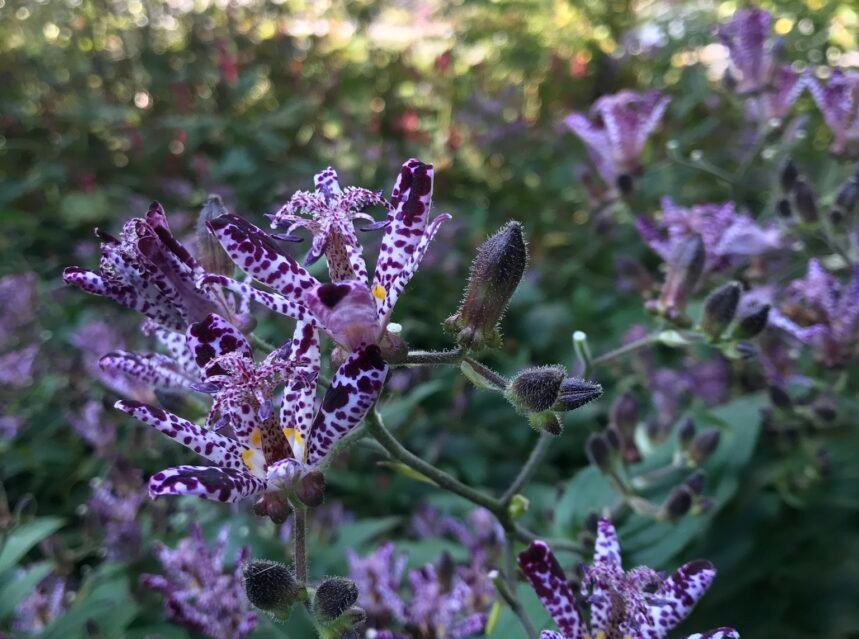
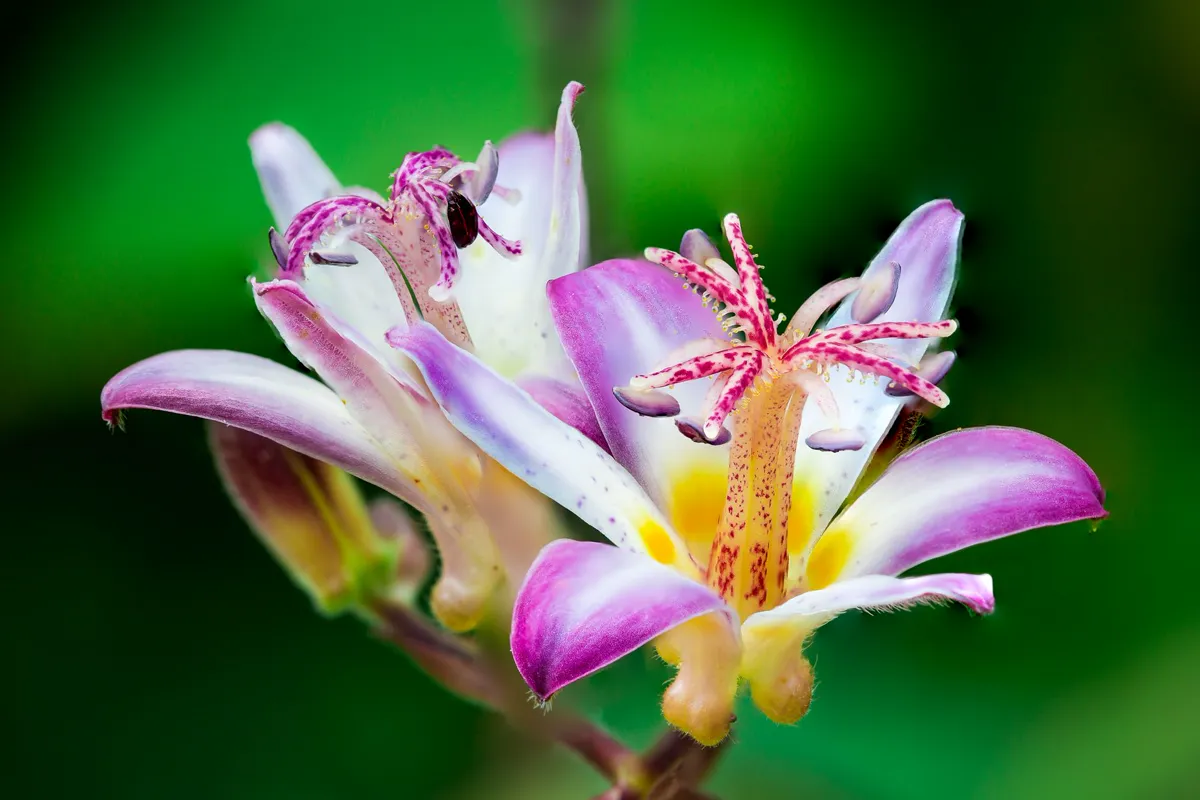
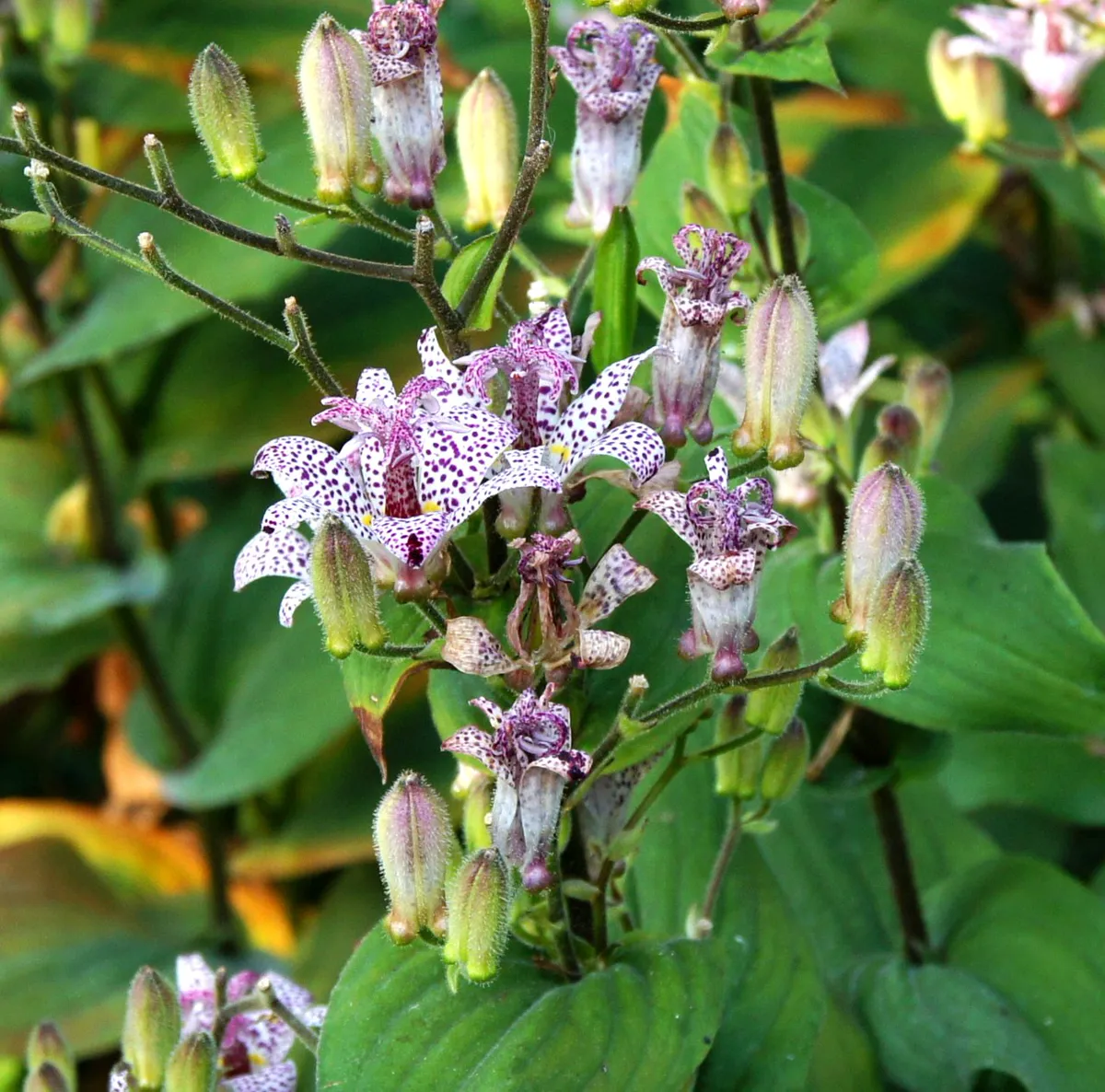
Toad lily (Tricyrtis) is a shade-loving perennial grown for its exotic, orchid-like flowers, heavily spotted in purple, that open in late summer and autumn. The intricate blooms are a surprise so late in the year, and they appear just as the shady garden needs colour. It thrives in the cool, moist, dappled conditions of a woodland edge. Here is the complete guide on growing toad lily.
Quick start: Grow toad lily in part to full shade in rich, reliably moist, humus-filled soil. Plant in spring, keep it watered, and shelter it from hot sun and wind. It flowers in early autumn on arching stems. Mulch well and cut back in late winter. An exotic, easy plant for shade.
Gardeners and the Royal Horticultural Society love toad lily for bringing intricate, almost tropical flowers to the autumn shade garden. The shared experience is that it needs two things: cool shade and steady moisture. Growers find the leaves scorch in sun or dry soil, and slugs adore the new spring shoots. Given a moist, shady, leaf-rich spot, though, it is hardy and reliable, flowering when little else in the shade does.
🧰 In a hurry? Jump straight to our tested picks for this guide ↓
Toad lily at a glance
| Feature | Detail |
|---|---|
| Botanical name | Tricyrtis (family Liliaceae) |
| Plant type | Hardy shade perennial |
| Light | Part to full shade |
| Soil | Rich, moist, humus-filled |
| Height | 40–80 cm |
| Bloom time | Late summer to autumn |
| Flowers | Orchid-like, purple-spotted |
| Best for | Woodland edge, shady borders, near paths |
Why grow toad lily?
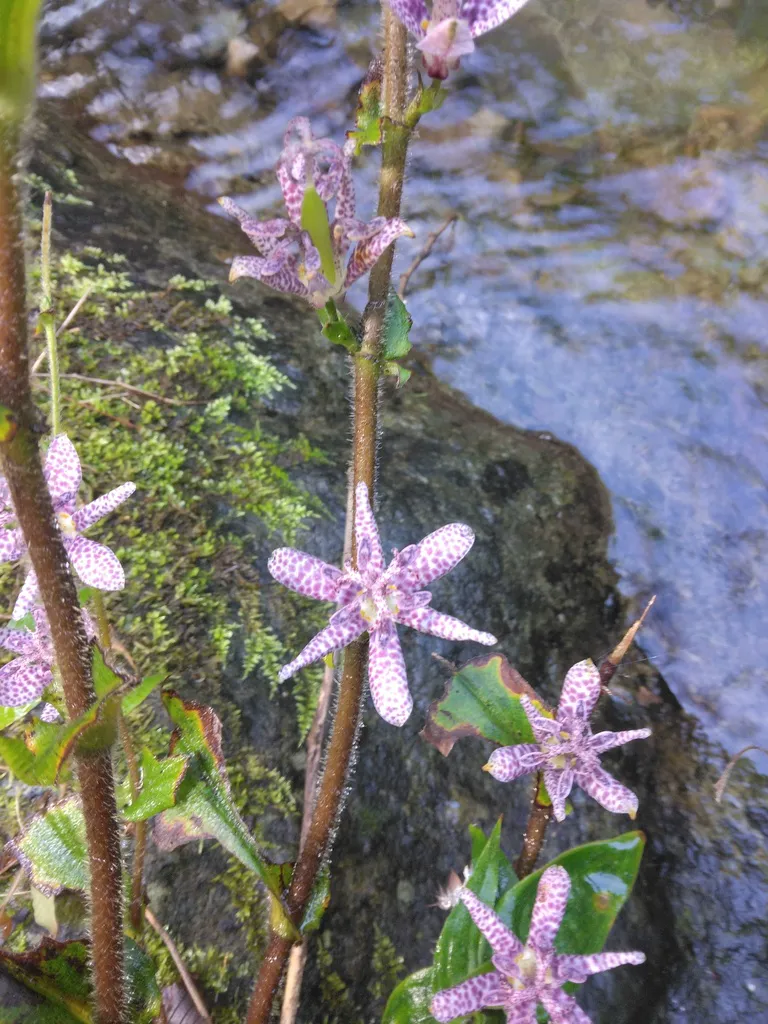
Toad lily brings exotic, detailed flowers to the shady garden just as autumn arrives. The orchid-like, spotted blooms reward a close look and surprise everyone who sees them.
It is hardy, long-lived, and genuinely happy in shade, where good flowers are scarce. The arching stems suit a woodland setting, and the late timing extends the season. For an unusual, easy shade plant, it is a gem.
History, origin & spread
Toad lily is native to the shady, moist woodlands and stream banks of East Asia, especially Japan, China, and the Himalayas. Its love of cool, damp shade comes directly from that woodland home (see Wikipedia on the toad lily).
It has long been grown in Japanese gardens, where it is prized as a refined autumn flower. Western gardeners later took it up for the difficult shady spots where it excels.
Today it is grown in temperate shade gardens worldwide. In India it suits the cool, moist Himalayan hill regions rather than the hot plains.
Best season & when to plant
Plant toad lily in spring, so it establishes through the season before its autumn flowering. Container plants can also go in during early autumn.
It flowers from late summer into autumn, then dies back for winter and returns each spring. It is fully hardy in cool climates.
How to plant toad lily
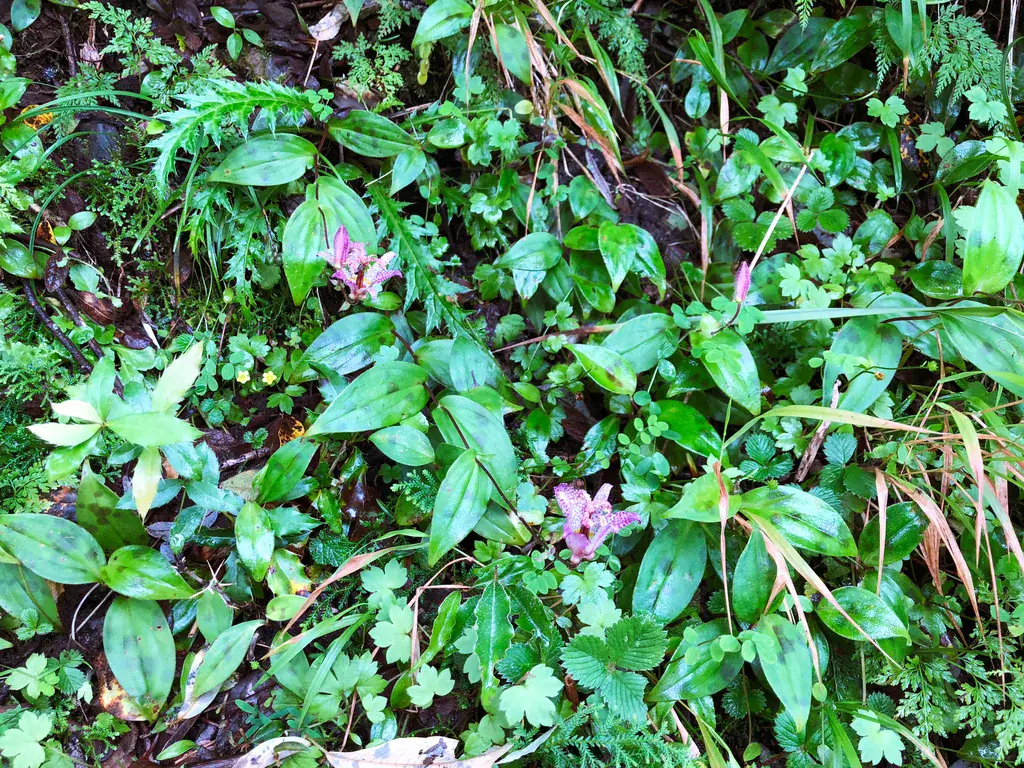
- Choose a shady, sheltered spot with rich, moist, humus-filled soil, such as a woodland edge (see improving garden soil).
- Dig in leaf mould or compost, then plant at the same depth, spacing plants 30–45 cm apart.
- Water in well and keep the soil consistently moist while it establishes.
Sun, soil, watering & feeding
Toad lily needs cool shade and steady moisture. Water in dry spells, as dry soil or hot sun scorches and crisps the leaves (see how often to water plants).
A generous spring mulch of leaf mould keeps the roots cool and damp and feeds the plant. It needs little extra feeding. Cut the old stems down in late winter, just before the new shoots emerge.
Common pests & diseases
Toad lily is fairly trouble-free, with slugs and snails the main enemy, especially of the soft new spring shoots.
Protect young growth with your preferred slug defences. In dry, sunny spots the leaves scorch, so the cure is shade and moisture. Watch for the odd aphids, and follow our organic pest control guide if needed.
Garden benefits & uses
Toad lily is grown purely as an ornamental, valued for its exotic late flowers and its rare ability to shine in shade. The blooms attract late bees and other pollinators (see attracting pollinators).
It is perfect for lighting up a woodland edge, a shady border, or the side of a path, where its intricate flowers can be admired up close. The arching stems also work well in a shady container.
Types of toad lily to grow
Several toad lilies are grown, differing in habit and markings. Tricyrtis hirta is the classic, with upright, hairy stems and white flowers densely spotted purple. Tricyrtis formosana spreads more freely and carries its starry, spotted blooms in branched clusters at the stem tips.
For something different, ‘Miyazaki’ has arching stems lined with flowers, lovely cascading over a path edge, while variegated and gold-leaved forms add foliage interest. Yellow-flowered species such as Tricyrtis macrantha bring a softer colour. Growing two or three forms gives a longer season and a range of heights and habits in the shade garden.
Propagation & dividing
Toad lily is easy to increase by division, which also refreshes older clumps. In spring, as growth begins, lift a clump and split it into sections, each with roots and shoots. Replant straight away in moist, shady soil and water well.
Dividing every few years keeps plants vigorous. Some types also spread gently by underground runners, giving young plants to lift and move. You can grow it from seed too, though division is quicker and keeps named forms true. As always, keep the divisions moist and shaded while they settle.
Companion planting & design
Toad lily is a natural for the woodland-style shade garden, where it mixes beautifully with other shade-lovers. It looks lovely with ferns, hostas, and heucheras, whose foliage sets off its delicate flowers. It also pairs well with Japanese anemones and astilbe for autumn interest.
Plant it near a path, seat, or step, where the intricate spotted blooms can be enjoyed close up, as they are easy to miss from a distance. Group several together for more impact in dappled light. Its late flowering makes it a valuable partner for spring and summer shade plants that have already finished, extending the season in the cool corners of the garden.
Toad lily through the seasons
Toad lily keeps its best moment for last, which is part of its charm. In spring, soft new shoots push up and the arching stems grow steadily, clothed in fresh green leaves. This is the time to guard the tender growth from slugs.
Through summer the plant builds quietly, with little to show, gathering its strength. Then, just as much of the shade garden is winding down, the intricate orchid-like flowers open along the stems in late summer and autumn. They keep coming for weeks, drawing late bees. After flowering, the plant dies back for winter, and a single cut in late winter clears the way for next year’s display.
Why toad lily is worth growing
Toad lily earns its place by doing two difficult things at once: flowering beautifully in shade, and flowering late, when colour is scarce. The exotic, spotted blooms look almost too refined for an easy garden plant, yet that is exactly what it is.
Given the cool, moist shade it loves, it is hardy, long-lived, and undemanding. It turns a dim autumn corner into a quiet showpiece and rewards anyone who stops to look closely. For gardeners with shade to fill and a love of the unusual, the toad lily is a small, late-season treasure.
Frequently asked questions
Does toad lily grow in shade?
Yes — it is one of the best perennials for part to full shade, especially in moist, woodland-type soil.
When does toad lily flower?
From late summer into autumn, with exotic, orchid-like spotted flowers.
Why are my toad lily leaves scorched?
Usually too much sun or dry soil. Move it to cool shade and keep the soil reliably moist.
Can I grow toad lily in India?
Best in the cool, moist Himalayan hill regions, rather than the hot plains.
Are toad lily flowers really like orchids?
Yes — the small, spotted, upward-facing blooms have an intricate, orchid-like look, best enjoyed close up.
Is toad lily slug-prone?
Slugs love the soft spring shoots. Protect new growth early, then the plant is largely trouble-free.
How tall does toad lily get?
Most toad lilies grow to around 2 to 3 feet tall, forming upright or gently arching stems clothed in neat foliage. The exact height depends on the species and how moist and rich the soil is, with happier plants reaching the taller end of the range. They rarely need staking, though the arching types look best spilling gently over a path edge. Their modest size suits the front or middle of a shady border.
How do you propagate and divide toad lily?
The simplest way to multiply toad lily is by division in early spring as new growth appears. Lift the clump, separate it into sections that each carry roots and shoots, and replant them straight away in moist, shady soil. You can also take basal stem cuttings in late spring or let established plants self-sow. Keep divisions well watered while they re-establish, and they will bulk up again quickly.
Does toad lily spread and is it invasive?
Toad lily spreads slowly by underground rhizomes to form a widening clump, but it is not aggressive or invasive and is easy to keep in check. Over several years it may gently colonise a moist, shady patch, which is usually welcome. If it outgrows its space, simply divide it in spring. It plays well with other woodland plants rather than swamping them.
Is toad lily toxic to pets?
Toad lily is not a true lily, so it does not carry the severe kidney risk that true lilies pose to cats. Reports on its safety vary, with some sources describing it as non-toxic and others as only mildly irritating if eaten, so the sensible course is to discourage pets from chewing on it. If a pet does eat a large amount and seems unwell, contact your vet. This is general guidance, not veterinary advice.
Is toad lily a true lily?
No, despite the name, toad lily (Tricyrtis) is not a true lily at all, though it does belong to the wider lily family. Its exotic, spotted, orchid-like flowers and shade-loving woodland habit set it apart from garden lilies grown from bulbs. This distinction matters for pet owners, since true lilies are far more dangerous to cats. Botanically it is its own distinctive group of perennials.
Does toad lily come back every year?
Yes, toad lily is a hardy herbaceous perennial that dies back to the ground in winter and re-sprouts from the roots each spring. In colder zones a light mulch over the crown helps it through hard frosts. Because it emerges fairly late in spring, mark its position so you do not accidentally dig into it. Given cool, moist shade it returns reliably for many years.
Still stuck? Ask the Plant Doctor
Describe the problem — yellow leaves, holes, no flowers — and get a clear answer in seconds. FreeAI can make mistakes. Answers are guidance, not a guarantee — check anything important against the guide it links to, and always read the label on any product before you use it.