How to Grow Japanese Anemones (Windflowers)
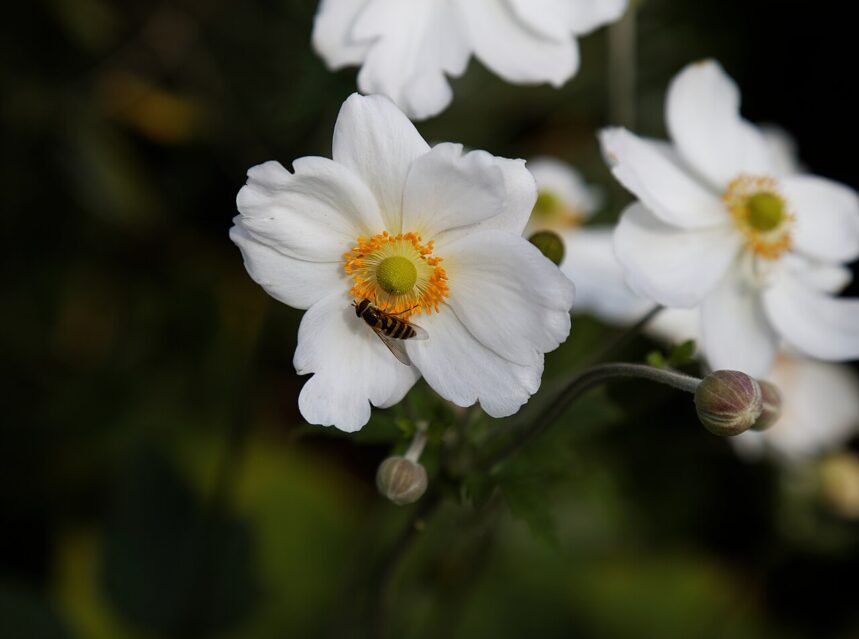 Image: Acabashi — CC BY-SA 4.0, via Wikimedia Commons
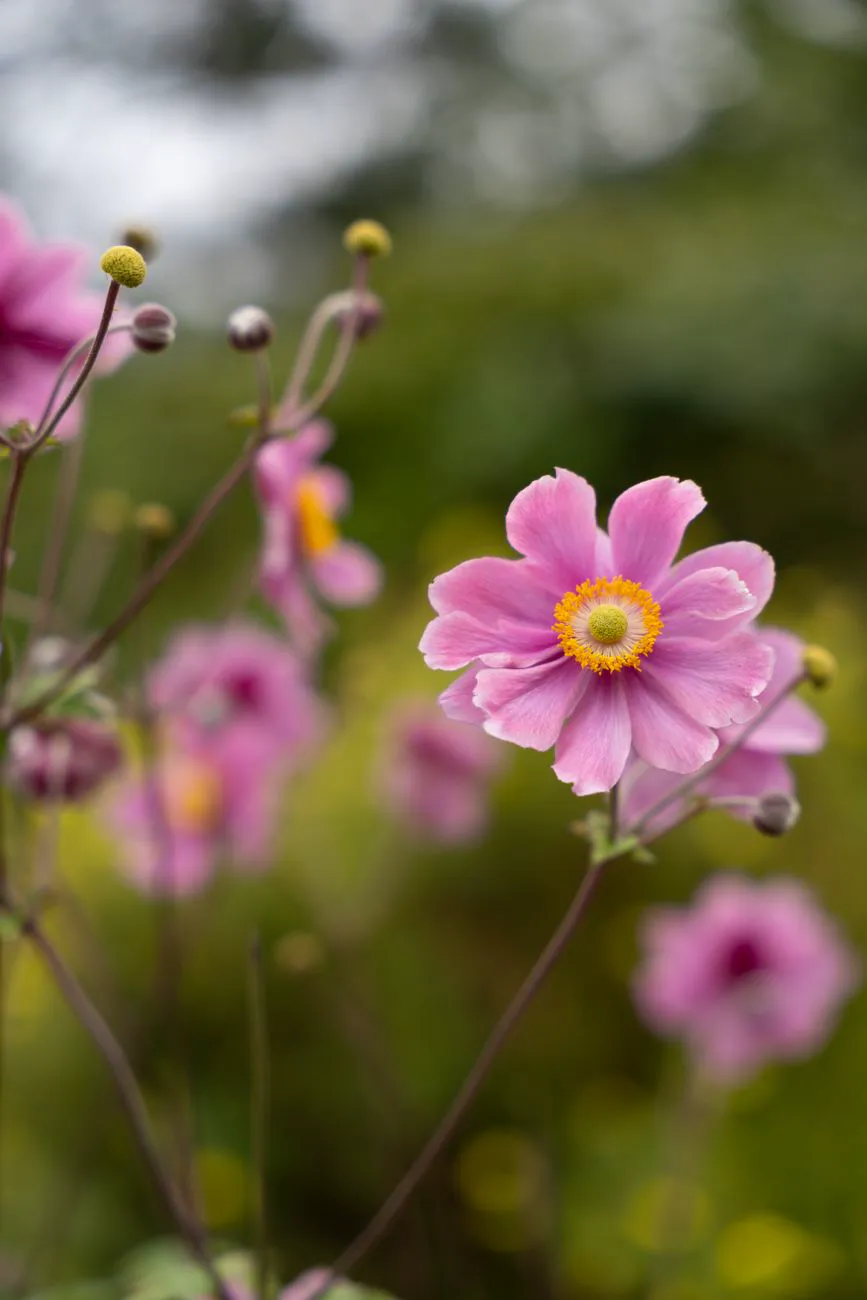
Japanese anemones, or windflowers, are among the most elegant flowers of late summer and autumn. Just as the garden begins to fade, they send up tall, branching stems topped with simple, saucer-shaped blooms in soft pink or pure white, each with a boss of golden stamens, dancing in the breeze above handsome foliage. Hardy and graceful, they bring a long, late season of beauty. Here is the complete guide on how to grow Japanese anemones.
Quick start: Grow Japanese anemones in sun or part shade in rich, humusy, evenly moist, well-drained soil (never waterlogged). Plant in autumn or spring and water until established. Mulch yearly, and don’t let them dry out. They flower from midsummer well into autumn and spread happily once settled.
Japanese anemones are among the most elegant plants for late summer and autumn, holding their poised flowers on tall, wiry stems above handsome foliage. Growers prize them for flowering well in part shade, but they come with a clear warning: established plants spread vigorously by underground runners and can be hard to remove. The usual experience is that they sulk for a year, then suddenly take off, so patience at first is rewarded. They do best in moist, fertile soil and are best sited where they have room to roam.
🧰 In a hurry? Jump straight to our tested picks for this guide ↓
Japanese anemone at a glance
| Feature | Detail |
|---|---|
| Botanical name | Anemone hybrids (family Ranunculaceae) |
| Plant type | Hardy perennial |
| Sun | Part shade to full sun |
| Soil | Moist, fertile, well-drained |
| Height | 60–120 cm |
| Flowers | Pink or white; late summer to autumn |
| Note | Spreads vigorously once established |
Why grow Japanese anemones?
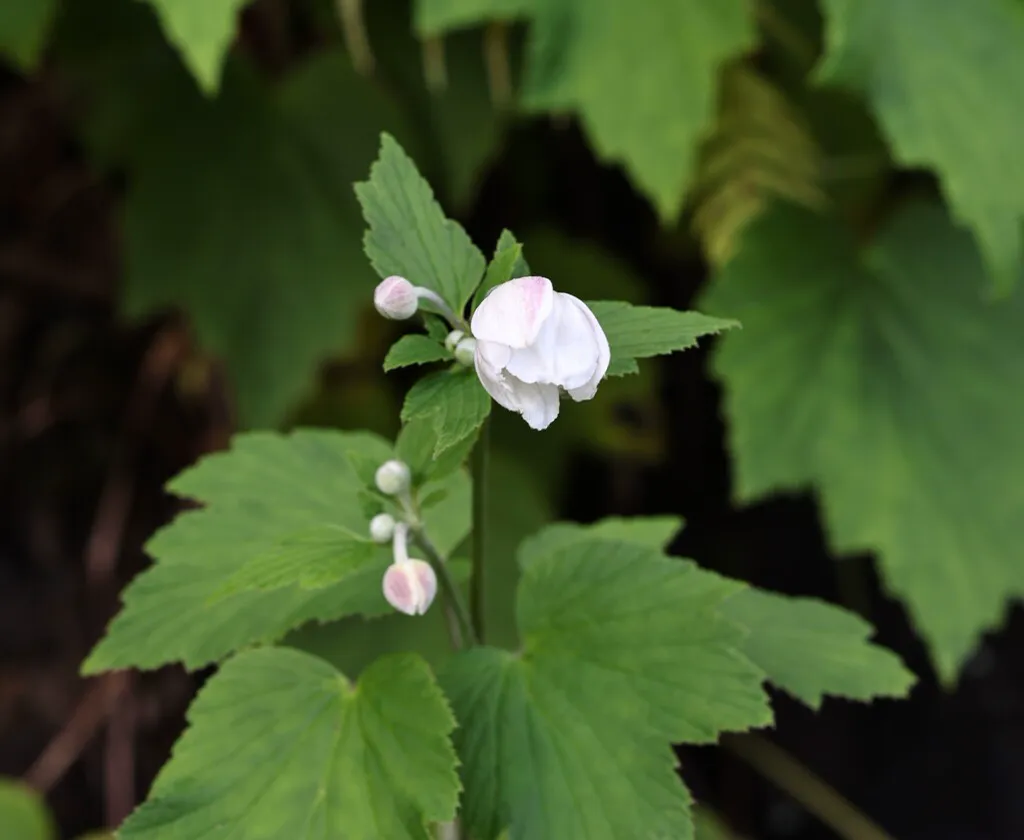
Japanese anemones deliver elegant, long-lasting flowers in late summer and autumn, exactly when the garden needs fresh interest. They’re hardy, graceful, and easy, thrive in sun or part shade, draw late pollinators, and spread into beautiful drifts. With their airy, dancing blooms on tall stems, they bring movement and a long late season to borders. For autumn elegance, they’re unbeatable.
Where Japanese anemones come from
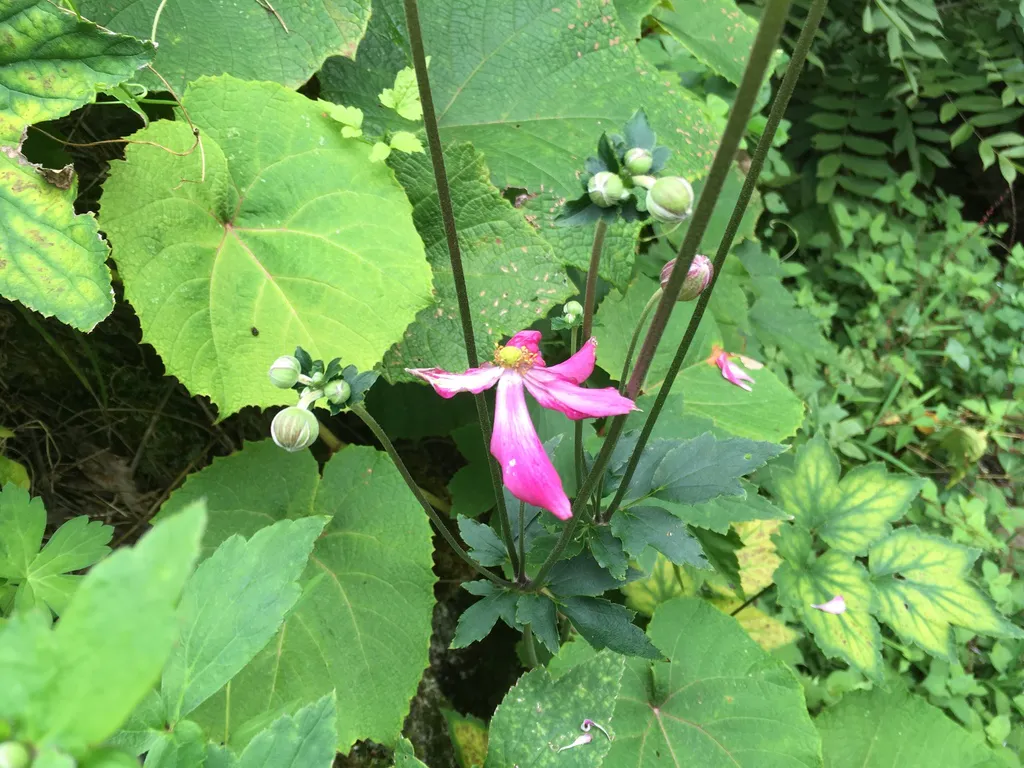
Japanese anemones (Anemone × hybrida and relatives) originate from China and Japan (despite the name, much of the breeding traces to Chinese species). So they like rich, humusy, evenly moist but well-drained soil in sun or part shade, and dislike saturated ground. They’re hardy perennials that perform reliably for years once established.
Best season & when to plant
Autumn is the ideal planting time (the warm, moist soil lets roots establish before summer), though spring works too. They flower from midsummer into mid-autumn in a long display. They can be slow to settle in their first year but then bulk up and spread, returning bigger each year.
How to plant Japanese anemones
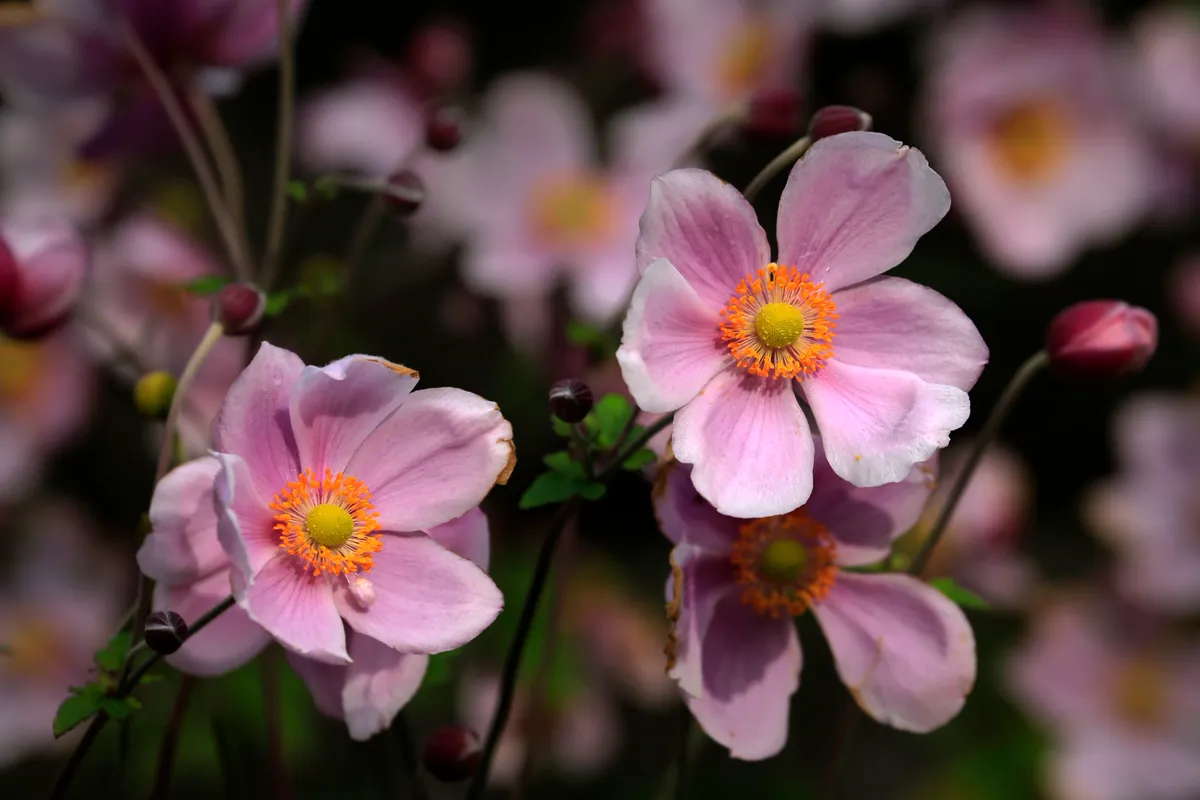
- Choose sun or part shade in any good, rich, humusy soil that stays evenly moist but isn’t saturated — improve it with compost or aged manure (see improving garden soil).
- Plant in autumn or spring while the ground is warm and moist so they settle in well.
- Give them room to spread; they’re lovely in borders, cottage gardens, and woodland edges.
Watering & feeding
Water newly planted anemones through at least their first summer until established, and don’t let them dry out (see how often to water). Once settled, border plants need watering only in long dry spells. Mulch annually with well-rotted manure or compost to feed the soil and retain moisture.
They also need patience. Japanese anemones characteristically sulk for their first season or two, doing very little above ground while they build roots, and then establish suddenly and grow away strongly. Many gardeners dig them up as failures just before they would have taken off.
Care & dividing
Japanese anemones are low-maintenance. Cut back the dead stems after flowering or in late winter. They spread by runners and can be vigorous once happy — to make more (or curb their spread), simply divide clumps in early spring or autumn. Note they can be slow to re-establish after dividing, so be patient.
Common pests & diseases
Japanese anemones are largely trouble-free. Occasional issues include powdery mildew in dry conditions, foliar nematodes, and the odd aphid or caterpillar (see aphid control). Even moisture and reasonable airflow prevent most problems; see our organic pest control guide if needed. (All parts are mildly toxic if eaten.)
Benefits & uses
Japanese anemones give graceful, long-lasting flowers from midsummer into autumn, a valuable late season of colour and pollinator forage (see attracting pollinators), and easy spreading drifts. They suit borders, cottage gardens, and woodland edges in sun or shade, returning reliably each year — an elegant, dependable choice for late-season beauty.
This article is for general information only and is not medical advice. Talk to a qualified professional before using any plant medicinally.
Common Japanese anemone problems
Slow first year
Normal — they take a season to settle, then spread and flower freely. Be patient and keep them watered.
Spreading too much
Vigorous runners once happy. Divide or remove excess in spring or autumn to control them.
Wilting / mildew
Too dry. Keep the soil evenly moist and mulched.
History, origin & where they grow
Despite the name, the most familiar garden Japanese anemones are hybrids derived from species native to China, long cultivated in Japan before reaching Western gardens in the nineteenth century (see the RHS). Plant hunters were captivated by their elegant late flowers, and they quickly became border favourites.
They have since spread into gardens across the temperate world, valued above all for flowering in that difficult late-summer-into-autumn window (see Encyclopaedia Britannica). In hot climates they do best with afternoon shade and reliably moist soil, performing most strongly in cooler regions and hill stations where the autumn is gentle.
Managing their vigorous spread
The one thing every grower must know is that, once happy, Japanese anemones spread enthusiastically by underground runners and can be hard to remove. The sensible approach is to site them where that vigour is welcome, such as filling a large shady bed, rather than in a tight, fussy planting (see improving garden soil). Where they outgrow their space, lifting and dividing the clumps in spring keeps them in check and gives plenty of plants to spread elsewhere.
Companions and garden value
Few plants do more for the late garden, their poised flowers held high on wiry stems above handsome foliage just as summer fades. They look wonderful with hostas, ferns and ornamental grasses in a cool, shaded scheme, and the white forms in particular shine in low evening light. For pollinators, the open flowers offer valuable late nectar, making this an elegant and genuinely useful plant for the close of the season.
Why japanese anemones are worth growing
For all their vigour, Japanese anemones are among the most elegant and useful perennials a gardener can grow, and a well-placed group repays its keep many times over. They flower at the most valuable time of all, in the lull of late summer drifting into autumn, when the early-summer perennials have finished and the garden can look tired and green. Into that gap they bring fresh, poised flowers held high on slender stems, swaying above neat mounds of foliage and catching the soft, low light of the season beautifully.
They are happiest in the cool, part-shaded conditions where so many flowering plants refuse to perform, which makes them invaluable for brightening a shady border or the dappled ground beneath trees and shrubs. Once they settle in, they are tough, long-lived and almost entirely self-reliant, asking only that you give them room to spread and divide them when they outgrow their welcome. They combine the rare qualities of looking delicate and refined while being genuinely robust and easy, and for that reason they have remained a treasured plant in gardens for well over a century, as cherished now as when the Victorian plant hunters first introduced them.
Related plant guides
- How to grow Epimedium
- How to grow Sanguisorba
- How to grow Thalictrum
- How to grow Pulmonaria
- How to grow Polemonium
- How to grow Aconitum
Frequently asked questions
When do Japanese anemones flower?
From midsummer into mid-autumn, giving a long, late season of colour when much else is fading.
Do Japanese anemones grow in shade?
Yes — they thrive in sun or part shade, as long as the soil stays rich and evenly moist.
Are Japanese anemones invasive?
They spread by runners and can be vigorous once established; divide or remove excess to keep them in bounds.
When should I plant Japanese anemones?
Autumn is best, while the soil is warm and moist, so the roots establish before summer; spring also works.
What are the best Japanese anemone varieties to grow?
Honorine Jobert is the classic and still one of the best, an RHS award-winner with pure white single flowers on tall stems. Praecox and September Charm give warm pink singles that start earlier, while Whirlwind offers semi-double white blooms and Pamina a deeper rose-pink on a shorter, tidier plant. For a smaller border, look for the more compact Anemone hupehensis selections rather than the taller hybrids.
Which soil and site do Japanese anemones prefer?
Rich, humus-heavy soil that stays evenly moist but never waterlogged is the ideal, with morning sun and shade through the hottest part of the afternoon. They tolerate a wide pH range and are not fussy about that. What they genuinely dislike is heavy wet clay in winter, which rots the crowns, and thin dry soil in summer, which produces small flowers and scorched leaf edges.
How do I take root cuttings from Japanese anemones?
Winter, while the plant is dormant, is the time. Expose part of the root system or lift a section, cut pencil-thick roots into pieces about 5 cm long, keeping the top end cut flat and the bottom cut slanted so you know which way up they go. Lay or insert them in gritty compost, barely covered, and keep them just moist and frost-free. Shoots appear in spring, and this method disturbs the parent far less than dividing it.
Do Japanese anemones need staking?
Usually not. Despite reaching 1-1.5 metres, the wiry stems are self-supporting and sway rather than flop, which is much of their late-season charm. Staking becomes worthwhile only in exposed windy gardens, on very rich soil that has produced soft growth, or where plants lean out of deep shade towards the light. In that case, ring supports put in early are far better than tying up collapsed stems later.
What can I plant with Japanese anemones?
They pair well with anything that peaks earlier and can take their late-season company — ornamental grasses such as Miscanthus and Calamagrostis, asters, Verbena bonariensis, and Japanese anemone’s usual companions of hostas and ferns in the shadier parts of a border. Because they spread, avoid putting delicate small perennials directly beside them; give them robust neighbours or a natural boundary such as a path or wall.
Do slugs, snails or deer eat Japanese anemones?
Rarely, on all counts. The foliage contains irritant compounds that make it unappealing to deer and rabbits, and established clumps shrug off slug damage, though very young shoots in spring can be nibbled. This resilience, combined with their late flowering and tolerance of part shade, is what makes them such a dependable border plant. No plant is entirely deer-proof under heavy browsing pressure.
Are Japanese anemones actually from Japan?
Not originally. Anemone hupehensis is native to central China, and the plants long grown in Japanese gardens were introductions that later naturalised there. Robert Fortune collected the plant from a Chinese graveyard near Shanghai in 1844 and sent it to Britain, where the name Japanese anemone stuck because of the Japanese garden connection. Botanically the whole group has recently been reclassified under Eriocapitella by many authorities.
Do Japanese anemones spread by seed or by roots?
Almost entirely by roots. They travel on shallow, fibrous underground runners that push up new shoots a surprising distance from the parent clump, which is why they seem to jump across a border. Seed is rarely the culprit — many popular cultivars are sterile hybrids anyway. Knowing this matters, because deadheading will not slow their spread; only root control does.
How do I divide Japanese anemones?
Lift a clump in early spring or late autumn, and separate it into sections each with roots and a growth bud, replanting immediately. Be aware that division sets the plant back noticeably — Japanese anemones resent disturbance and often sulk for a full season afterwards before flowering properly again. Taking root cuttings in winter is the gentler method if you simply want more plants.
Why are my Japanese anemones not flowering?
The commonest reason is that the plant is newly planted or recently divided, because these perennials take a year or two to settle before blooming well. Beyond that, deep shade, dry soil in summer, and excess nitrogen all produce leaf at the expense of flowers. Give them steady moisture, morning sun with afternoon shade, and above all leave them undisturbed once they are happy.
How much space do Japanese anemones need?
Plant them 45-60 cm apart and expect a clump to fill considerably more ground than that over a few years. They suit the middle or back of a border, since the flower stems reach 1-1.5 metres depending on variety. Give them room away from delicate neighbours that they could overrun, or plant them where a spreading colony is exactly what you want, such as under shrubs or along a boundary.
Are Japanese anemones toxic to pets?
Anemone species contain protoanemonin, an irritant compound found across the buttercup family, so chewing the foliage can cause drooling, mouth irritation, and stomach upset in cats and dogs, and the sap may irritate skin. Serious poisoning is uncommon because the taste is unpleasant enough to deter most animals. Wear gloves when dividing, and contact a vet if a pet eats a quantity — this is general information, not veterinary advice.
Still stuck? Ask the Plant Doctor
Describe the problem — yellow leaves, holes, no flowers — and get a clear answer in seconds. FreeAI can make mistakes. Answers are guidance, not a guarantee — check anything important against the guide it links to, and always read the label on any product before you use it.