How to Grow Culvers Root (Veronicastrum virginicum)
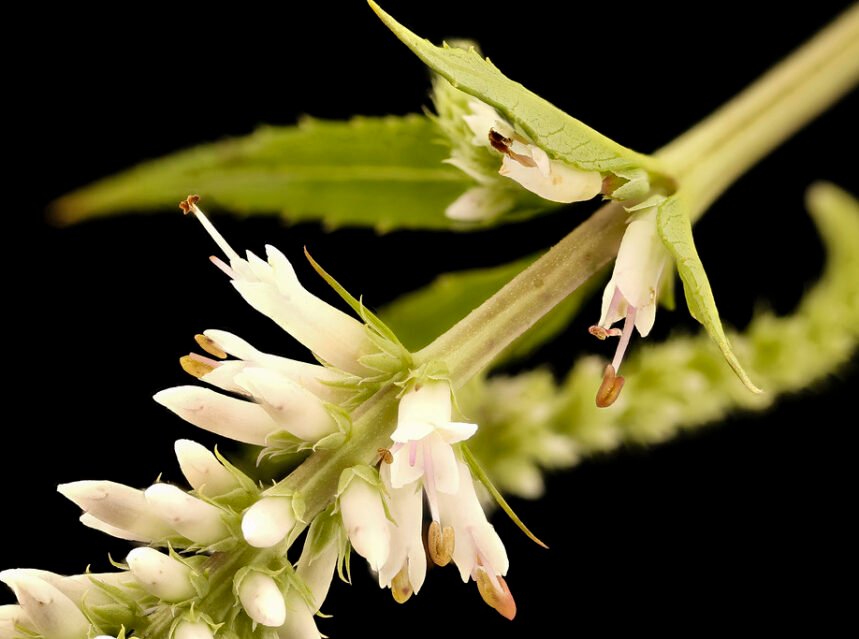
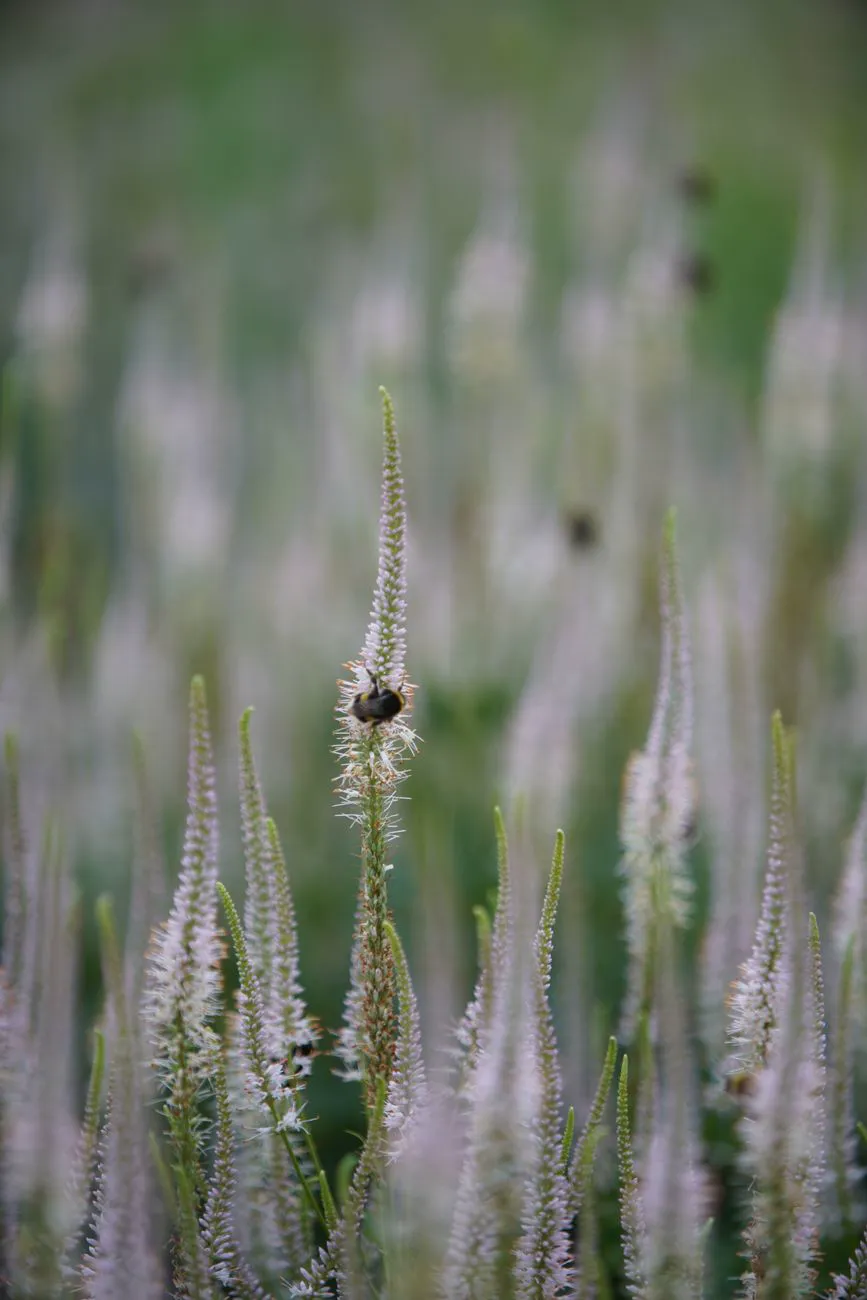
Culvers root, also written Culver’s root (Veronicastrum virginicum), is a tall, elegant native perennial grown for its slender, tapering spires of white or pale-lilac flowers held above tiers of whorled leaves. Architectural and graceful, it gives height and a soft, vertical accent to summer borders. It is a favourite of bees and a backbone plant of naturalistic, prairie-style planting. Here is the complete guide on growing culvers root.
Quick start: Grow culvers root in full sun to part shade in rich, reliably moist soil. Plant in spring, water well, and give it room to form a tall clump. It flowers in mid- to late summer and rarely needs staking. Cut it down in late winter. A elegant, low-fuss, pollinator-friendly perennial.
Gardeners and the Royal Horticultural Society value culver’s root for its strong upright shape and its appeal to bees. The common experience is that it thrives in soil that stays moist and only struggles when it dries out. Growers note its stems are sturdy enough to stand without staking, unlike many tall perennials, and that clumps slowly expand into an impressive, self-supporting column of spires. It is tough, hardy, and reliably perennial.
🧰 In a hurry? Jump straight to our tested picks for this guide ↓
Culver’s root at a glance
| Feature | Detail |
|---|---|
| Botanical name | Veronicastrum virginicum (family Plantaginaceae) |
| Plant type | Tall hardy perennial |
| Light | Full sun to part shade |
| Soil | Rich, reliably moist |
| Height | 1.2–1.8 m |
| Bloom time | Mid- to late summer |
| Wildlife | Excellent for bees |
| Best for | Back of border, prairie planting, cut flowers |
Why grow culver’s root?
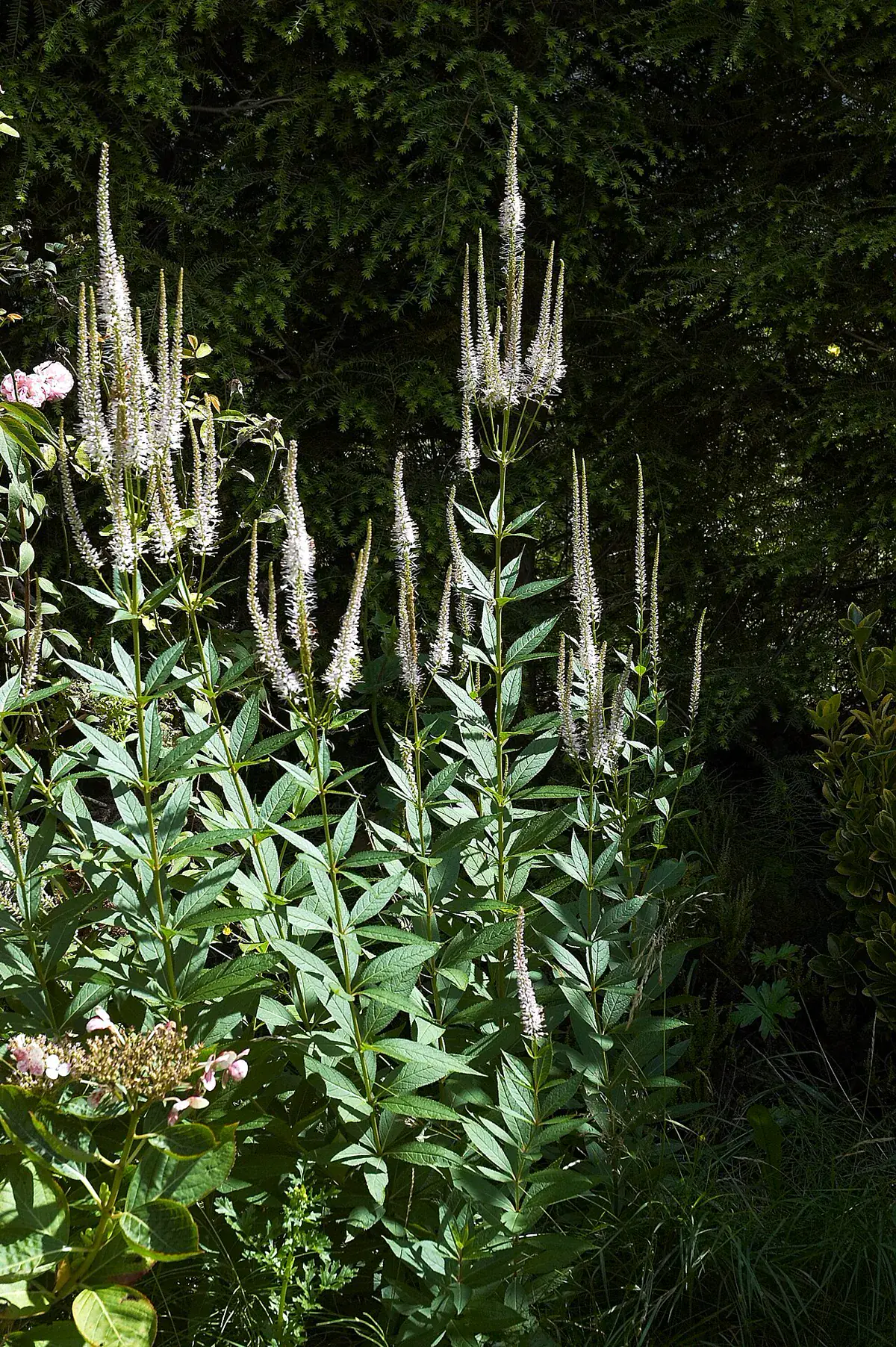
Culver’s root adds elegant, vertical height that few perennials match. Its fine, candle-like spires rise cleanly above the border in mid-summer.
It is also self-supporting, hardy, and long-lived, with whorled foliage that looks good even before flowering. Bees love the spires, and it shines in modern, naturalistic planting. For graceful structure with little effort, it is a fine choice.
History, origin & spread
Culver’s root is native to the moist prairies, meadows, and woodland edges of eastern and central North America. Native American communities and early settlers used its root in traditional medicine, which is the source of its common name (see Wikipedia on Veronicastrum).
Long valued in its homeland, it became popular with European garden designers for prairie-style and naturalistic schemes, where its vertical lines are prized.
Today it features in temperate gardens worldwide. In India it suits cooler hill gardens with moist soil rather than the hot plains.
Best season & when to plant
Plant culver’s root in spring, so it can build strong roots before flowering. Autumn planting also works in mild areas.
It flowers from mid- to late summer, then dies back for winter and returns each spring. It is fully hardy and gradually forms a larger clump over the years.
How to plant culver’s root
- Choose full sun to part shade with rich, reliably moist soil (see improving garden soil).
- Give it room, spacing plants about 45–60 cm apart, as it forms a tall, upright clump.
- Water in well and keep the soil moist while it establishes.
Sun, soil, watering & feeding
Moisture is the main need. Water in dry spells, as drought causes weak growth and scorched leaves (see how often to water plants).
A spring mulch of compost holds moisture and feeds the plant. The sturdy stems rarely need staking. Leave the elegant seed spires standing for winter structure, then cut the plant down in late winter.
Common pests & diseases
Culver’s root is robust and rarely troubled by pests or disease.
In hot, dry conditions the leaves may scorch, and powdery mildew can appear on drought-stressed plants. Keeping the soil moist prevents most problems. Watch for the odd aphids, and follow our organic pest control guide if needed.
Garden benefits & uses
Culvers root is grown as an ornamental and wildlife plant. Its nectar-rich spires are a magnet for bees and other pollinators through mid-summer (see attracting pollinators).
It gives valuable vertical structure to borders and prairie plantings, makes a graceful cut flower, and its standing winter seedheads look beautiful in frost. The historic medicinal use of its root is of interest only, not a garden use.
This article is for general information only and is not medical advice. Consult a qualified professional before using any plant medicinally.
Common culvers root problems
Scorched, weak growth
Soil too dry. Water deeply and mulch to keep the roots moist.
Powdery mildew
Usually drought stress. Keep the soil moist and improve airflow.
Slow to establish
Normal in the first year. Keep it watered and it bulks up well from the second season.
Why culver’s root deserves a place
Culvers root is the plant to reach for when a border needs height without heaviness. Its fine, tapering spires draw the eye upward and add a calm, vertical rhythm that mixes beautifully with daisies and grasses.
It is also refreshingly low-maintenance: sturdy enough to skip staking, hardy through hard winters, and reliably back each year. Give it moist soil and sun, leave the seedheads for winter, and it rewards you with elegant structure and a steady stream of bees all summer.
Types of culvers root to grow
There are several fine forms of culver’s root, differing mainly in flower colour. The wild species has slender white spires that glow in the border and mix with almost anything. It is elegant and understated.
For colour, ‘Fascination’ is the best-known selection, with pale lilac-pink spires that often branch into a candelabra at the tip. ‘Lavendelturm’ (Lavender Tower) gives soft lavender-blue flowers, while ‘Erica’ is a gentle pink and ‘Album’ a crisp pure white. The Asian relative Veronicastrum sibiricum is a touch shorter and tougher. Planting two or three forms together, in white, pink, and lilac, makes a beautiful, airy column of colour at the back of a summer border.
How to propagate culver’s root
Culver’s root is easily increased by division, which also rejuvenates older clumps. In early spring, as growth begins, lift a clump and cut it into sections, each with roots and a shoot or two. Replant straight away in moist soil and water well.
Doing this every few years keeps plants vigorous and free-flowering. You can also take basal cuttings in spring, or sow seed, though named forms are best kept by division so they stay true. As with planting, the secret to success is keeping the young divisions moist while they root, since this is a plant that never likes to dry out.
Companion planting & design
Culver’s root is a star of modern, naturalistic planting, where its vertical spires play against rounded and daisy shapes. It looks superb among ornamental grasses, echinacea, rudbeckia, and sedums in a prairie-style bed. The fine spires also rise gracefully behind phlox and hardy geraniums.
Place it towards the back or middle of a border, in a group of three or more, so its height and rhythm read clearly. It pairs naturally with joe-pye weed, which enjoys the same moist soil and flowers at the same time. Leave the slim seed spires standing into winter, where they catch frost and add structure long after the flowers have gone.
Culver’s root through the seasons
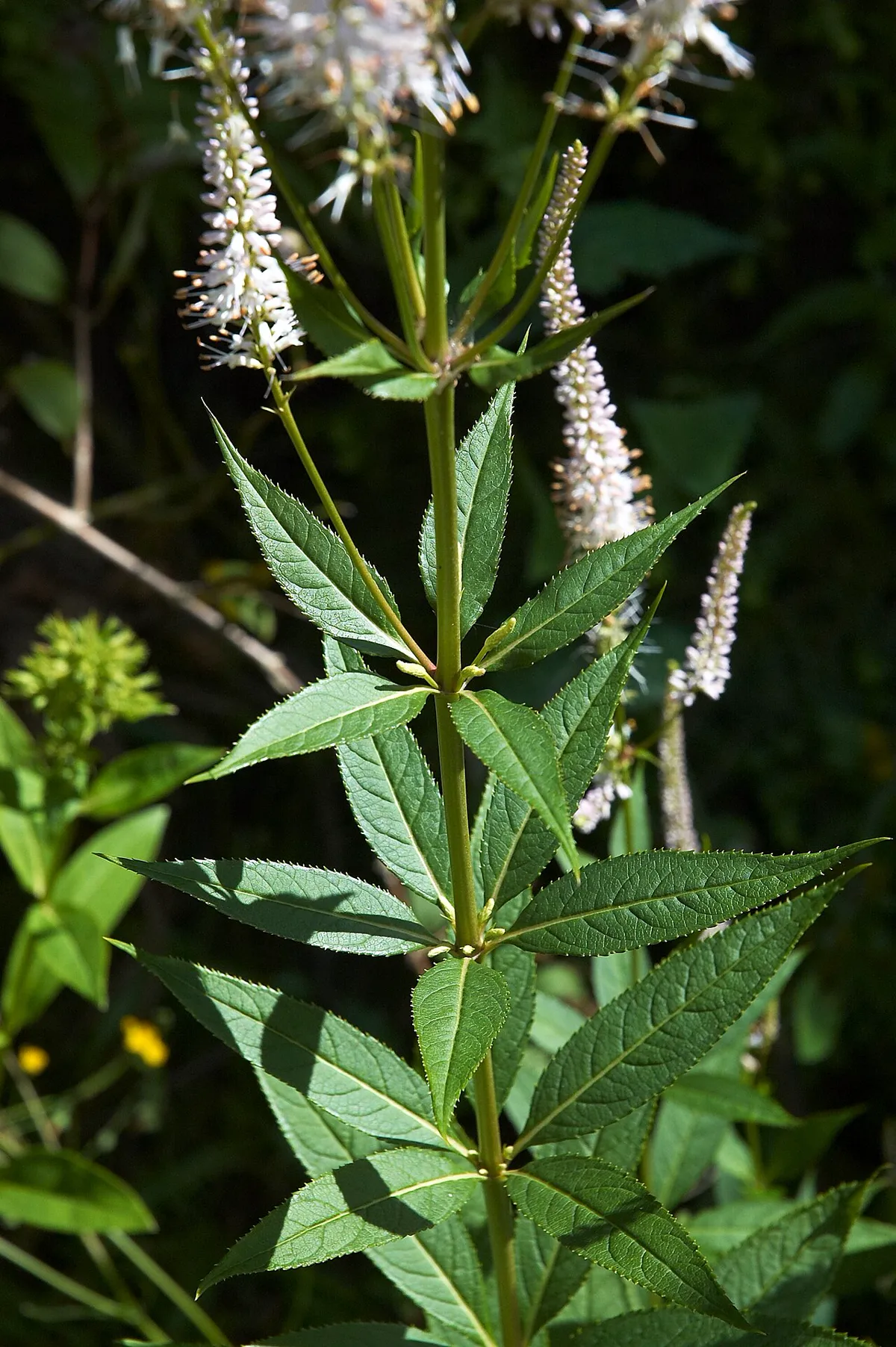
Culver’s root offers quiet interest across the whole year. In spring, neat tiers of whorled leaves climb the stems, giving a fresh, layered look well before any flowers. The foliage alone is attractive in a border.
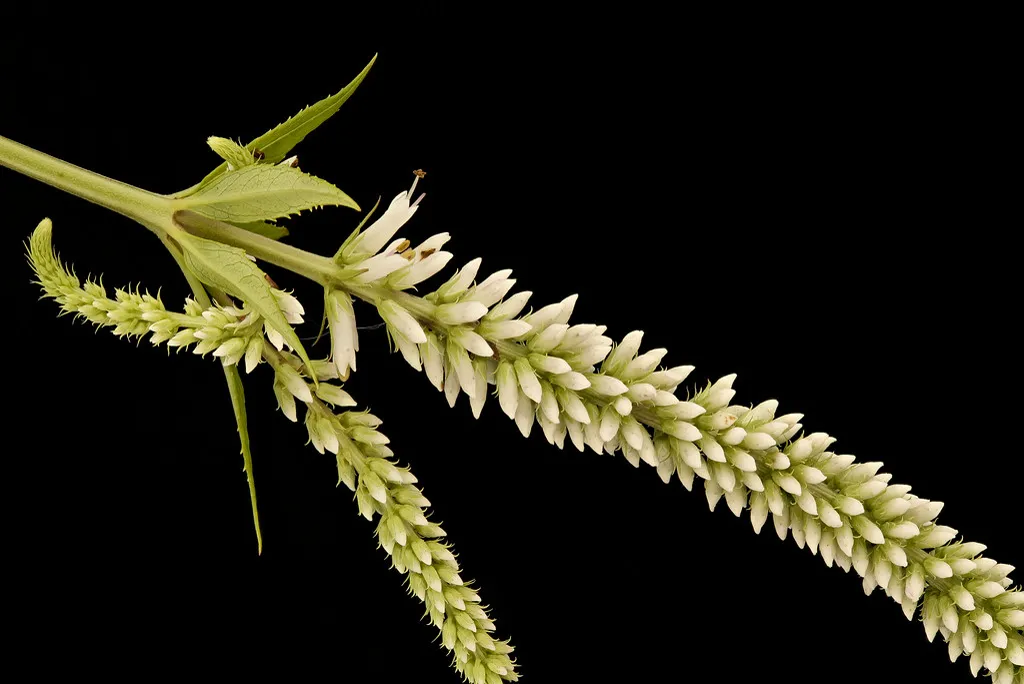
By mid-summer the slender spires open from the base upwards, in white, pink, or lilac, and bees work them for weeks. As the flowers fade, they leave fine, narrow seedheads that hold their shape beautifully. Standing through autumn and winter, those dark spires catch frost and add elegant structure to the sleeping garden. A single cut in late winter clears the old stems for the new season.
A backbone plant for naturalistic borders
If you are planting in the modern, prairie-inspired style, culver’s root is one of the most useful plants you can choose. Its strong vertical lines give rhythm and contrast among the rounded shapes of daisies, sedums, and grasses. It never needs staking and never flops into its neighbours.
It is also a long-term investment, slowly forming a bigger, better clump each year without becoming a nuisance. Give it sun, moisture, and space, and it quietly anchors the border with grace, structure, and a steady supply of bees from one season to the next.
Frequently asked questions
Does culver's root need staking?
Usually not — its stems are sturdy and upright, unlike many tall perennials.
Does culver's root like wet soil?
It thrives in reliably moist soil and dislikes drying out, so it suits damp borders well.
When does culver's root flower?
From mid- to late summer, with elegant white or pale-lilac spires.
Can I grow culver's root in India?
Best in cooler hill gardens with moist soil, rather than the hot plains.
How tall does culver's root get?
Most plants reach about 1.2-1.5 m in flower, and in rich, reliably moist soil a happy clump can push towards 2 m. The whorled leaves climb the stem in neat tiers, so the plant reads as a slim vertical column rather than a wide bush — each clump spreads only about 45-60 cm across. Named cultivars such as ‘Fascination’ and the compact pink and lilac forms stay shorter, which is useful in a small border. Give it space at the back of a bed, or use it as a see-through screen in the middle.
Is culver's root invasive?
No. Veronicastrum virginicum is a North American native of moist meadows and prairies, and it grows as a slowly expanding clump from a tough rootstock rather than running through a border. It self-seeds only lightly, and seedlings are easy to spot and pull. Gardeners are far more likely to complain that an established clump is hard to dig up than that it has taken over. Outside its native range it behaves the same way — well mannered and long lived.
Is culver's root deer resistant?
It is one of the more reliably deer-resistant tall perennials, and rabbits generally leave it alone too. The foliage is unpalatable to browsing animals, so it usually stands untouched in gardens where hostas and daylilies are grazed to the ground. Bear in mind that no plant is deer proof — in a hard year, or where deer pressure is heavy, young growth can still be sampled. Planting it in a group with other unpalatable natives, such as mountain mint or rattlesnake master, gives the best protection.
Is culver's root poisonous to pets or people?
The root is the part to be careful with. Dried culver’s root was historically used by Native American peoples and later by settlers as a strong purgative, sold in the nineteenth century as Culver’s physic, and the fresh root has long been regarded as considerably harsher and best avoided. The flowers and foliage are not a recognised hazard and the plant is not on the main lists of common pet poisons, but there is little modern safety data either way, so it is sensible to discourage dogs from digging and chewing the roots. Contact a vet or doctor if a pet or child eats any part of it. This is general information, not medical or veterinary advice.
How do you grow culver's root from seed?
The seed needs a cold, damp spell before it will germinate. Either sow into pots in autumn and stand them outside over winter, or mix the seed with barely moist sand in a bag and refrigerate it for around 30-60 days before sowing in spring. The seed is dust-fine, so scatter it on the surface and press it in rather than burying it, since it needs light to germinate. Seedlings grow slowly and usually flower in their second or third year, which is why most gardeners start with a nursery plant and use seed to bulk up later.
When should you divide culver's root?
Divide in early spring, just as the new shoots break through, or in early autumn once flowering has finished. Established crowns become genuinely woody, so lift the whole clump and cut it into sections with a sharp spade or a saw, keeping several buds and a good share of roots on each piece. Replant immediately at the same depth and water thoroughly until growth restarts. Clumps do not need frequent division — every four or five years is plenty, and many gardeners never bother.
Does culver's root need full sun?
Full sun gives the strongest, straightest stems and the best flowering, and it is where the plant grows in the wild. It also does well in light or part shade, particularly in hotter regions where afternoon shade reduces the moisture stress, but plants in shade grow taller and looser and may lean towards the light. If yours flops, the cause is usually shade or an over-rich, over-fed soil rather than a genuine need for staking. A pinch of the stem tips in late spring produces a shorter, sturdier plant with more, smaller spires.
What pollinators does culver's root attract?
The pale spires are busy with bees from midsummer onwards — honeybees, bumblebees and a wide range of solitary and mining bees work the tiny flowers, and butterflies and hoverflies visit too. Because it flowers at the height of summer, it fills the gap between the early perennials and the late asters and goldenrods, which is exactly when foraging insects need it. It pairs beautifully with echinacea, rudbeckia, joe-pye weed and ornamental grasses, all of which enjoy the same moist, sunny conditions. Leaving the seed heads standing over winter adds structure and shelter for insects.
Still stuck? Ask the Plant Doctor
Describe the problem — yellow leaves, holes, no flowers — and get a clear answer in seconds. FreeAI can make mistakes. Answers are guidance, not a guarantee — check anything important against the guide it links to, and always read the label on any product before you use it.