How to Grow Hellebores (Lenten Rose)
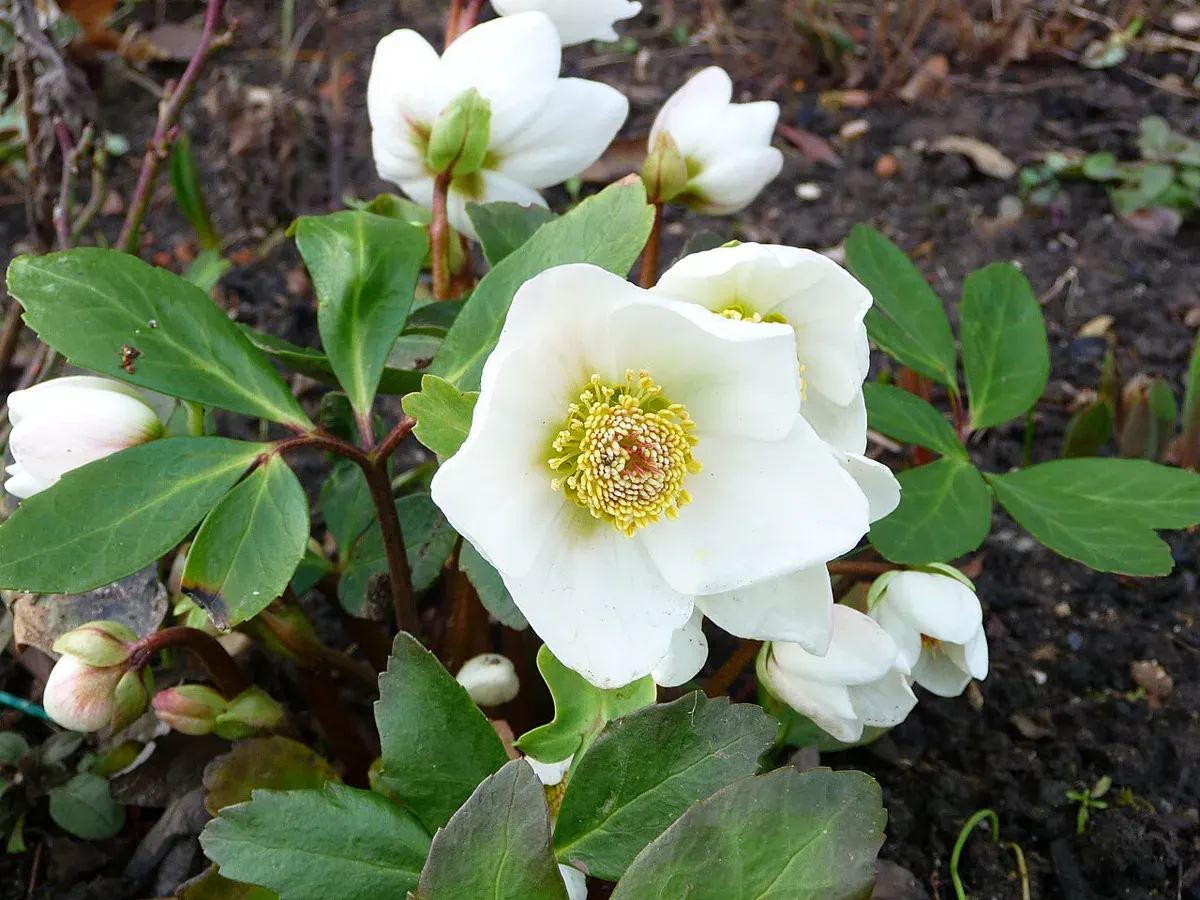
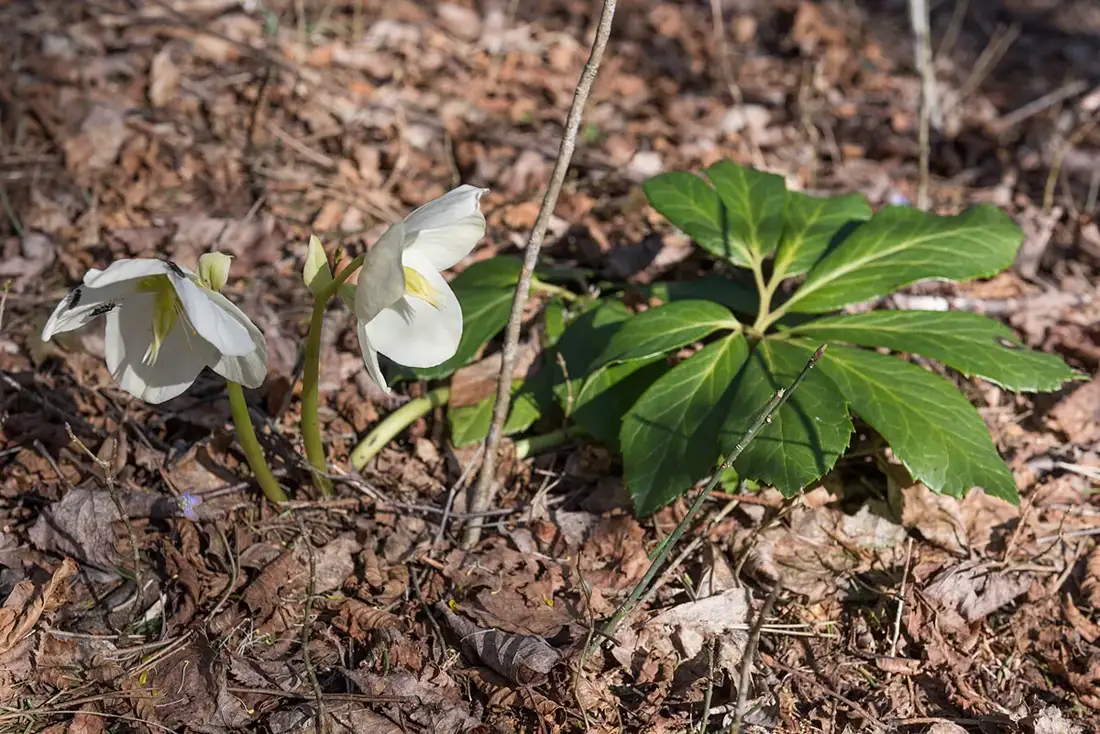
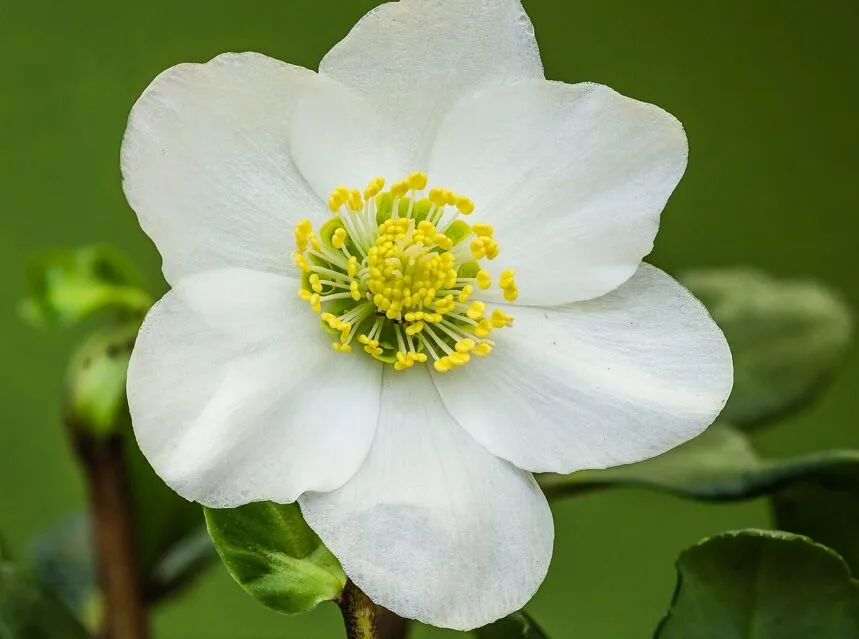 Image: Dominicus Johannes Bergsma — CC BY-SA 4.0, via Wikimedia Commons
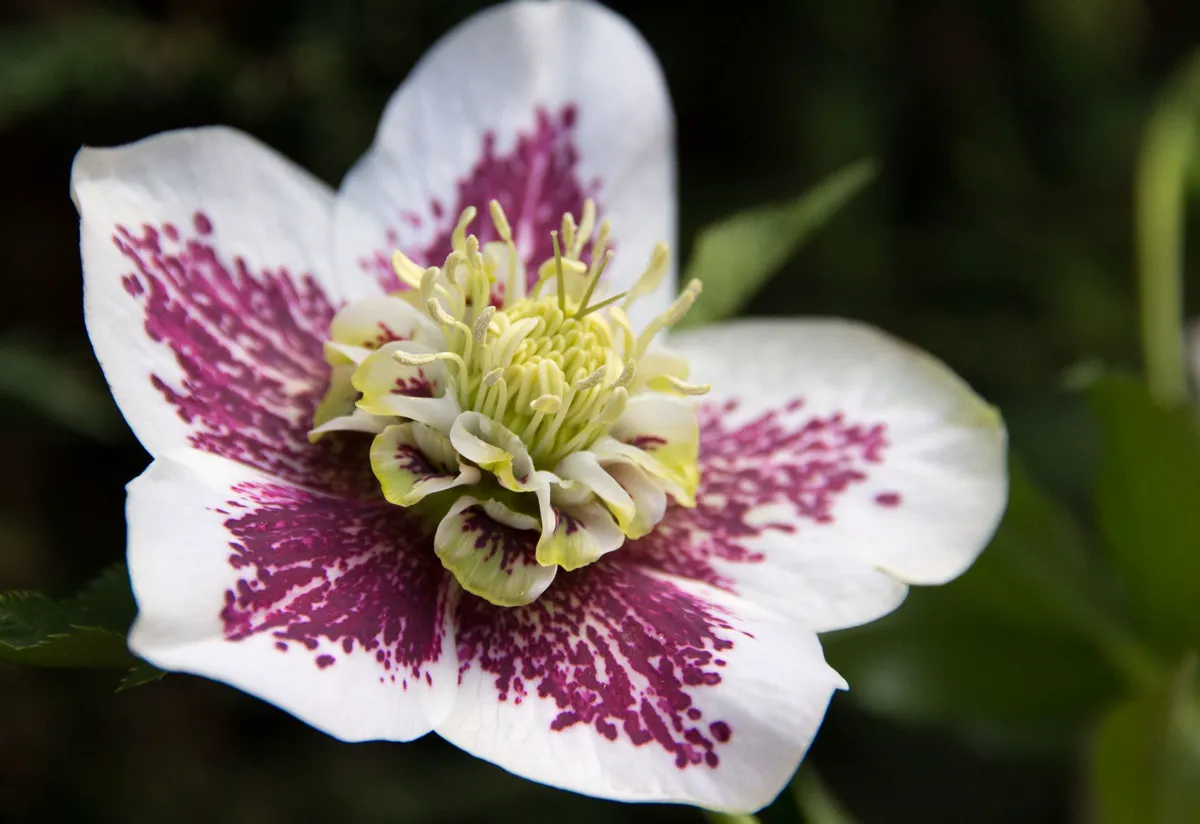
Hellebores (Helleborus), including the Lenten rose and Christmas rose, are shade-loving evergreen perennials grown for their nodding, cup-shaped flowers in the depths of winter and early spring — among the most precious of all cold-season blooms. While the garden sleeps, they open cups in white, green, pink, plum and near-black, often beautifully spotted, above handsome evergreen leaves. Hardy and long-lived, they are a treasured winter perennial. Here is the complete guide on how to grow hellebores.
Quick start: Grow hellebores in partial to full shade in fertile, humus-rich, well-drained soil (they hate soggy soil). Water to establish, then they are fairly drought-tolerant. In late winter, cut off the old, tatty leaves to reveal the flowers. Top-dress with compost yearly. They bloom in winter to early spring for years.
Hellebores are treasures of the winter and early-spring garden, opening their nodding flowers when almost nothing else is in bloom. The single most useful job growers do is to cut away the old, tatty leaves in late winter, which shows off the flowers and helps prevent leaf-spot disease from spreading. They thrive in moist, rich soil in part shade and, once settled, are long-lived and self-seed gently. All parts are toxic, so they are handled with a little care.
Warning for cat and dog owners: every part of a hellebore is poisonous to pets, not just to people handling it. The ASPCA lists Helleborus as toxic to dogs, cats and horses; the plant carries bufadienolides and related glycosides, and a pet that chews leaves, stems or flowers may show drooling, abdominal pain, diarrhoea, colic or depression. Plant hellebores where cats and dogs do not graze, and call a vet if you think one has eaten any part.
🧰 In a hurry? Jump straight to our tested picks for this guide ↓
Hellebores at a glance
| Feature | Detail |
|---|---|
| Botanical name | Helleborus (family Ranunculaceae) |
| Common names | Lenten rose, Christmas rose |
| Plant type | Hardy evergreen perennial |
| Light | Partial to full shade |
| Soil | Fertile, humus-rich, well-drained |
| Flowers | White, green, pink, plum; winter–early spring |
| Key task | Cut off old leaves in late winter |
| Warning | All parts toxic — wear gloves |
Why grow hellebores?
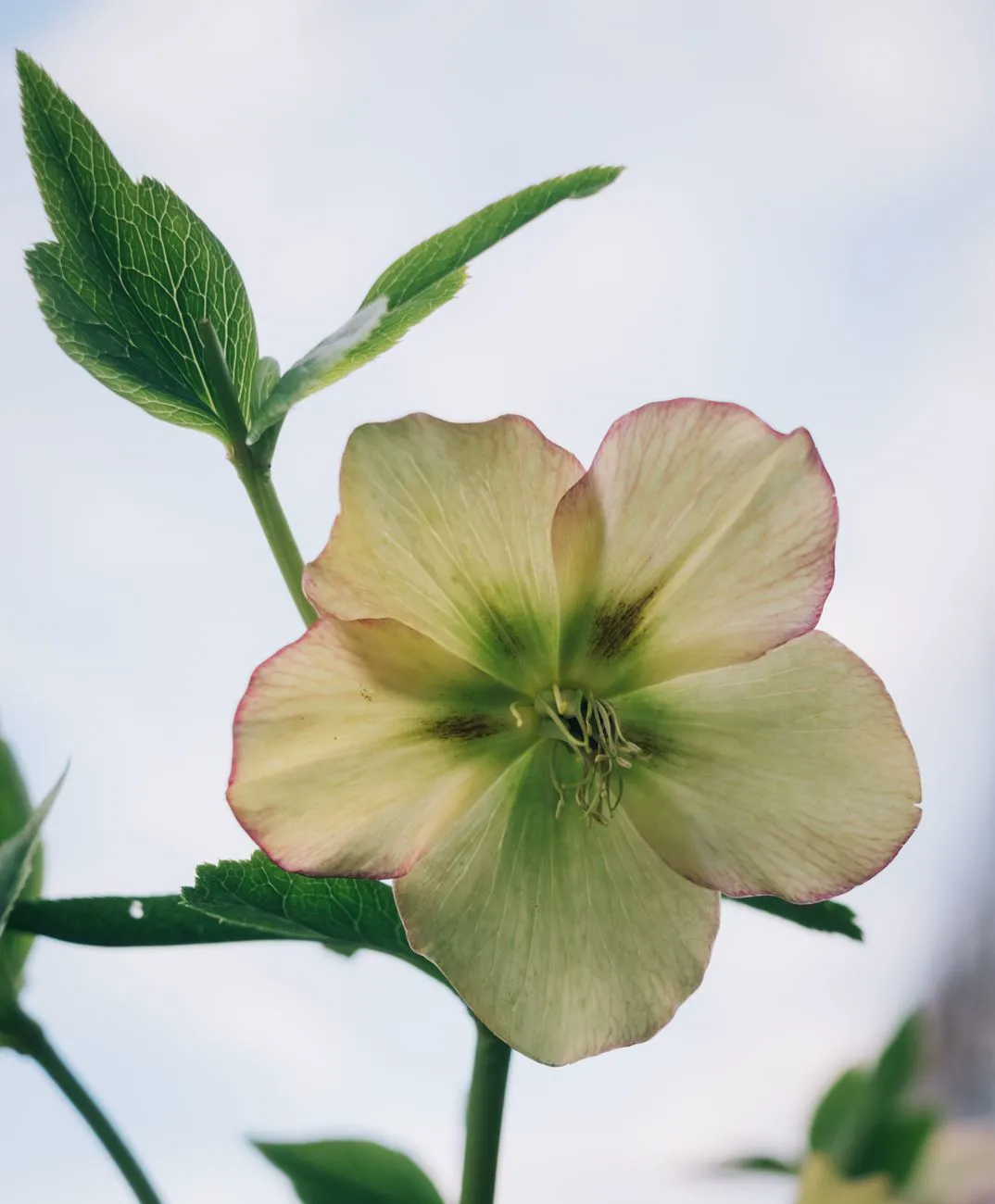
Hellebores bring colour exactly when the garden needs it most. A few reasons to grow them:
- Winter flowers. They bloom when little else dares, in the coldest months.
- Early bee food. They are an important early nectar source on mild days.
- Shade-loving and evergreen. They brighten woodland and shady borders year-round.
- Long-lived. Plant once, and they reward you for many years.
History, origin & where hellebores grow
Helleborus species are native to Europe and western Asia, many from woodland and mountain habitats around the Balkans and Mediterranean (see Encyclopaedia Britannica). They have a long history in folklore and traditional medicine, though they are poisonous and were used with great caution. The Christmas rose features in many old winter legends.
From the wild, they became cherished garden plants, especially for shade. Plant breeders have created a huge range of colours and patterns in the modern Lenten rose hybrids. These now offer freckled, picotee and double forms.
Because of their woodland origins, they love partial to full shade and fertile, humus-rich, well-drained soil, and they are very sensitive to soggy ground (see the Royal Horticultural Society). They are hardy perennials that thrive in cool, shaded, well-drained spots. In warm regions, give them deeper shade.
Best season & when to plant
Plant hellebores in early spring or autumn, while the weather is cool, so the roots establish. The popular Lenten rose (H. × hybridus) flowers in late winter to early spring; the Christmas rose (H. niger) can bloom even earlier, around midwinter. They are long-lived and bloom reliably for many years once settled.
How to plant hellebores
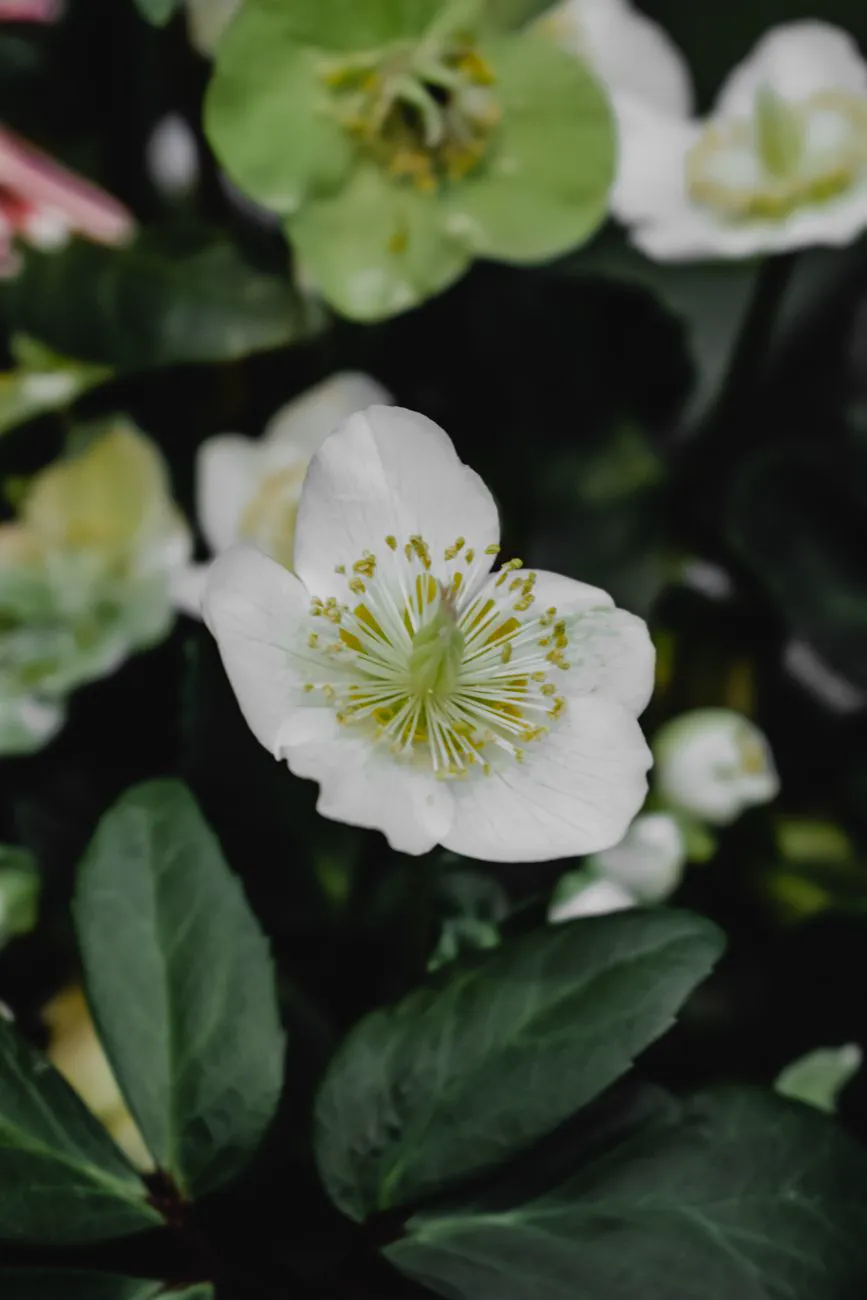
- Choose dappled or partial shade (morning sun is fine; avoid hot afternoon sun), giving more shade in warm regions.
- Use fertile, well-drained soil rich in organic matter; they are very sensitive to soggy ground, so good drainage is essential (see improving garden soil).
- They are perfect under deciduous trees and shrubs, with snowdrops and other early bulbs.
Watering & feeding
Water regularly through the first year to establish; once settled, hellebores are fairly drought-tolerant but appreciate a deep drink in dry spells (see how often to water plants). They are not heavy feeders — top-dress with compost or leaf mould each autumn or early spring, with an optional light slow-release feed (see our mulching guide). Avoid waterlogging at all costs.
The key job: removing old leaves
The most useful piece of hellebore care: in late winter (around February or March), just before or as the flower buds emerge, cut off all the previous year’s old, leathery leaves at the base. This shows off the flowers, improves air circulation, and removes any disease, such as hellebore leaf spot, carried on old foliage. Deadhead after flowering if you do not want self-sown seedlings.
Growing hellebores from seed and self-seeding
Hellebores are generous self-seeders, which can be a delight. Around an established plant, tiny seedlings often appear. So you can build a whole colony for free.
The seedlings take a few years to reach flowering size. Excitingly, hybrid plants produce variable offspring, so each one may be a little different. Lift and transplant the small seedlings to where you want them.
If you prefer not to have seedlings everywhere, simply deadhead after flowering. To collect seed, gather it fresh in early summer and sow it straight away. Fresh seed germinates far better than stored seed.
Choosing hellebore types and colours
There is a wonderful range of hellebores to choose from. Picking a few extends the season and the colour. So it is worth knowing the main groups.
The Lenten rose hybrids are the most popular and varied, in shades from white to deepest plum. The Christmas rose flowers earliest, in pure white. Other species offer green or pewter-edged foliage and unusual flower shapes.
Look for spotted, picotee and double-flowered forms for extra interest. Because the flowers nod, plant them on a slope or raised bed to see inside. All grow the same easy way in cool shade.
Designing with hellebores
Hellebores are made for the shady, cool corners of a garden. They shine where summer plants would struggle. So they turn a difficult spot into a winter highlight.
Plant them in bold groups under deciduous trees and shrubs, where winter light reaches them. They pair beautifully with snowdrops, winter aconites and early crocus. The evergreen leaves give structure long after the flowers fade.
Because the flowers nod downwards, position them where you can see inside. A slope, raised bed or the top of a low wall works perfectly. Float a few cut blooms in a shallow bowl to enjoy the freckled faces up close.
Common pests & diseases
Hellebores are tough but can suffer hellebore leaf spot (a fungal disease) — removing the old leaves in late winter greatly reduces it — plus occasional aphids (see aphid control) and rot in soggy soil. Good drainage, shade and airflow keep them healthy; see our organic pest control guide. Note that all parts are toxic if eaten and the sap can irritate skin, so wear gloves.
Benefits & uses
Hellebores give precious winter and early-spring flowers, evergreen structure, and early bee forage, all in shade, from a hardy, long-lived, low-maintenance perennial (see attracting pollinators). They are perfect for woodland and shady borders with snowdrops and bulbs, and the blooms last for weeks. For the cold-season garden, they are an irreplaceable treasure.
This article is for general information only and is not medical advice. Talk to a qualified professional before using any plant medicinally.
Common hellebore problems
Black blotches on leaves
Hellebore leaf spot. Remove and bin affected leaves and old foliage in late winter to control it.
Rotting or poor growth
Soggy soil. Plant in well-drained, humus-rich ground in shade.
Flowers hidden by foliage
Old leaves left on. Cut them off in late winter to reveal the blooms.
Related plant guides
- How to grow Azaleas
- How to grow Brunnera
- How to grow Snowdrop
- How to grow Camellias
- How to grow Aconitum
- How to grow Epimedium
Frequently asked questions
When do hellebores flower?
In winter to early spring — the Christmas rose around midwinter, the Lenten rose in late winter to early spring.
Should I cut back hellebore leaves?
Yes — remove the old, leathery leaves in late winter to show off the flowers, improve airflow, and reduce disease.
Are hellebores poisonous?
Yes — all parts are toxic if eaten, and the sap can irritate skin, so wear gloves and keep them from being eaten.
Do hellebores grow in shade?
Yes — they are shade-lovers, best in dappled or partial shade with well-drained soil.
Can I grow hellebores in pots?
Yes — use a deep container of rich, well-drained compost in shade. Keep it watered but never waterlogged, and top-dress with fresh compost each year.
How long do hellebores live?
They are remarkably long-lived plants, thriving happily for many years and even several decades in a good, settled spot. Once established, they need very little care beyond removing the old leaves each winter and giving them an annual mulch of compost.
Can you propagate hellebores from cuttings?
Not in the usual way. The common stemless border hellebores grow from a crown, so a piece of stem has no growth point and simply rots in the pot. The two reliable routes are division of an established clump and raising plants from seed. Specialist nurseries do bulk up named clones by micropropagation in a laboratory, which is why a named hellebore costs several times the price of a seedling one, but that is not a home technique.
How do you grow hellebores from seed?
Fresh seed is far more successful than packet seed, so collect it as soon as the pods turn papery and start to split, usually early summer. Sow it straight away in pots of gritty compost, cover lightly, and stand the pots outside in a shaded, sheltered corner. Hellebore seed needs a warm spell followed by winter cold before it will break dormancy, so germination usually appears the following late winter or spring — do not throw the pots away too soon. Expect three to four years from sowing to the first flower, and remember that seedlings from hybrids will vary rather than match the parent.
Should I move the seedlings that appear around my hellebore?
Yes, if you want good plants. Self-sown seedlings germinate in a dense mat under the parent, where they compete with each other and with the mother plant’s roots. Lift them carefully when they have two or three true leaves, in autumn or early spring while the soil is moist, and either pot them singly or line them out in a nursery bed about 15 cm apart. Be prepared for muddy colours: seedlings of a fine named hybrid rarely repeat the parent, so grow them on, flower them, then keep the best and compost the rest.
Can hellebores be divided, and when?
They can, though they resent it and are best left undisturbed unless a clump has grown too large or you want more of a favourite plant. Divide just after flowering in spring, or in early autumn when the soil is still warm and moisture is returning. Lift the whole crown, wash the soil off so you can see the buds, and cut it into sections with a sharp knife, each with several growth buds and a solid share of root. Replant immediately at the same depth, water well, and accept that the divisions may take a season off before flowering properly again.
How far apart should hellebores be planted?
Allow roughly 45 cm between plants, since a mature clump of a hybrid hellebore spreads to about that width and resents being moved later. Give the larger species such as Helleborus argutifolius nearer 60 cm, and the compact Christmas rose a little less at around 30 to 40 cm. Planting depth matters more than spacing: set the crown level with the soil surface, because a buried crown flowers poorly and is prone to rot. Mulch between the plants with leaf mould or garden compost, keeping it clear of the crowns themselves.
Why are my hellebore flowers turning green?
This is normal ageing, not a disease. What look like petals on a hellebore are actually sepals, and unlike true petals they do not drop after pollination — they stay on the plant and gradually take on chlorophyll, so white and pink blooms fade to lime and dusty green over several weeks. Many gardeners like the effect and leave the flowers standing well into late spring. Cut the stems off at the base once you have had enough of them, or leave a few if you want self-sown seedlings.
Why do hellebore leaves turn black or develop dark spots?
The usual culprit is hellebore leaf blotch, a fungal disease caused by Coniothyrium hellebori, which makes irregular dark brown to black blotches that spread from the leaf edges and can run down the flower stalks. It is worse in damp, crowded, poorly ventilated plantings. Cut off and bin every affected leaf, thin the clump for airflow, and clear away old foliage each winter to break the cycle. Black streaks that follow the veins, plus ring patterns and distorted growth, are a different problem — black death, a virus with no cure, and those plants must be dug up and destroyed.
Why is my hellebore not flowering?
Newly planted or recently divided hellebores commonly skip a year while they rebuild their root system, so patience is often the whole answer. Beyond that, the frequent causes are too much shade in summer, competition from tree roots that leaves the plant dry and starved, or planting the crown too deep — the crown should sit at soil level, not buried. A spring mulch of garden compost and a feed after flowering usually restore performance. Plants left in heavy, waterlogged soil sulk and rarely bloom well until drainage improves.
Why do hellebore flowers hang downwards?
Nodding blooms are the species’ natural design; the drooping shape shelters the pollen and nectar from winter rain so that early bees can still work the flowers. It is not a sign of thirst or ill health. Breeders have released many outward-facing and upward-facing selections if you prefer to see the markings from standing height. Otherwise, plant hellebores on a bank, in a raised bed or beside a path where you look at them from below, and float a few cut blooms in a shallow bowl indoors.
What is the difference between a Christmas rose and a Lenten rose?
Christmas rose is Helleborus niger, a smaller plant with white, outward-facing flowers on short stems that open around midwinter and age to pink. Lenten rose covers Helleborus x hybridus and its relatives, which are bigger, tougher and far more varied, flowering from late winter into spring in cream, plum, slate, yellow and spotted forms. Lenten roses are the easier group for most gardens, coping with drier shade and clay better than H. niger, which prefers a moist, sheltered, limey spot. If you want reliable garden performance, start with the hybrids.
Still stuck? Ask the Plant Doctor
Describe the problem — yellow leaves, holes, no flowers — and get a clear answer in seconds. FreeAI can make mistakes. Answers are guidance, not a guarantee — check anything important against the guide it links to, and always read the label on any product before you use it.