How to Grow Camellias (Elegant Winter Blooms)
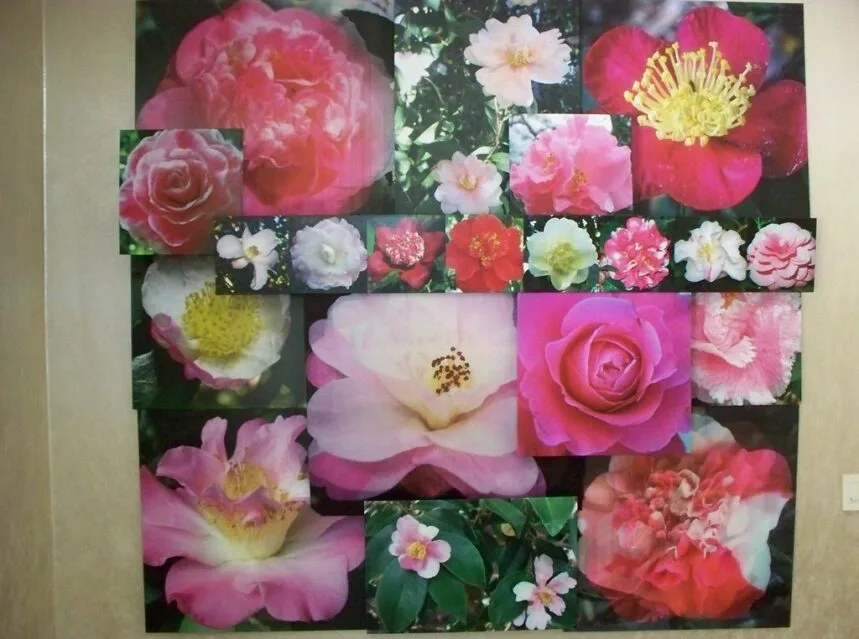
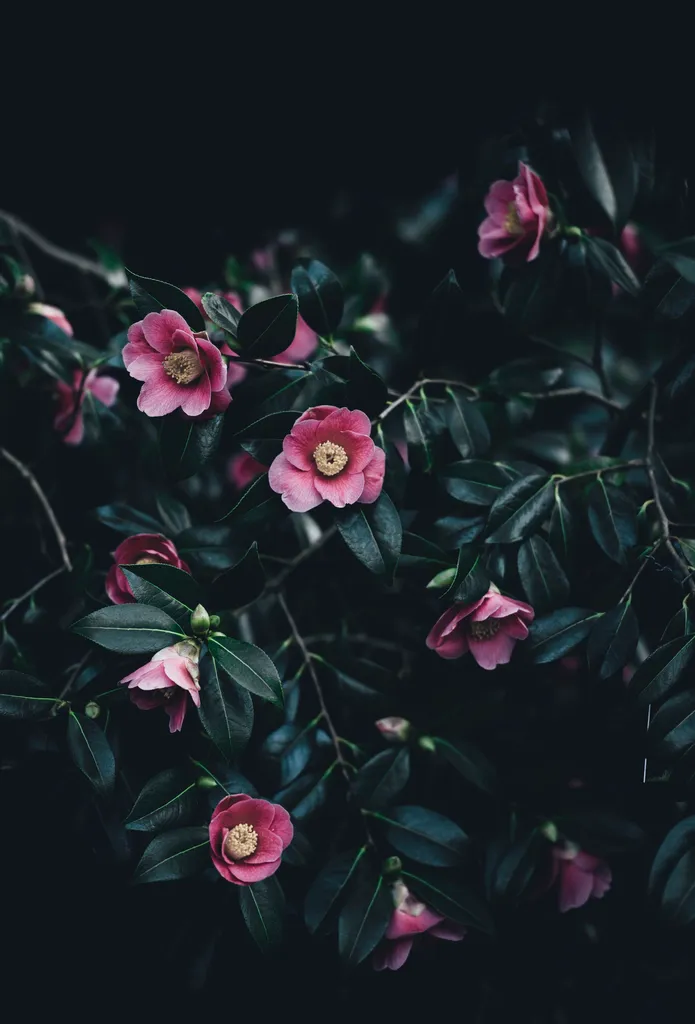
Camellias are elegant evergreen shrubs grown for their glossy year-round foliage and rose-like winter and early-spring blooms in white, pink and red — among the most graceful flowering shrubs you can grow. The flowers appear when little else does, lighting up the cold months. They are long-lived and graceful, asking mainly for acidic soil and a sheltered, shady spot. Here is the complete guide on how to grow camellias.
Quick start: Grow camellias in acidic, well-drained soil and partial shade, sheltered from harsh morning sun. Keep the soil moist, especially in summer when buds form, and use rainwater where possible. Prune right after flowering, not later.
Camellias are glorious in flower, but their secret is that next year’s buds form in the previous summer, so a dry spell then leads to disappointing bud drop the following spring. Growers therefore keep them well watered through summer and mulched to hold moisture. They are acid-lovers, needing ericaceous soil or, in limey areas, a pot of the right compost watered with rainwater. A spot with morning shade is wise, as early sun on frosted buds can ruin the flowers.
🧰 In a hurry? Jump straight to our tested picks for this guide ↓
Camellia at a glance
| Feature | Detail |
|---|---|
| Botanical name | Camellia (family Theaceae) |
| Plant type | Evergreen flowering shrub |
| Light | Partial / dappled shade |
| Soil | Acidic (pH 5.5–6.5), well-drained |
| Flowers | White, pink, red; winter–early spring |
| Key task | Water well in summer (buds form then) |
| Prune | Right after flowering only |
| Bonus | Glossy evergreen foliage year-round |
Why grow camellias?
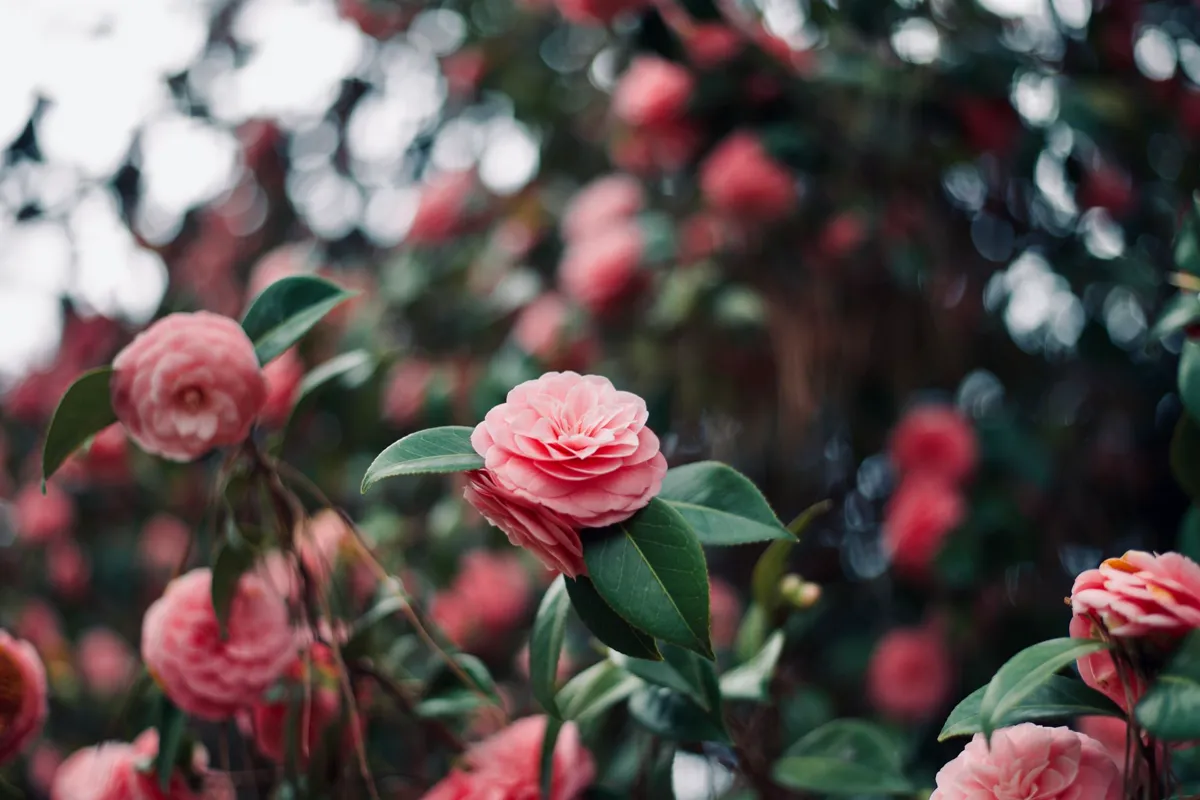
Camellias offer year-round beauty. The glossy evergreen foliage looks smart in every season, and the blooms arrive in the cold months for a rare winter-into-spring show. They’re long-lived, elegant, and superb in shady spots, beds, and large pots. They share acid-loving care with azaleas, making them great companions.
History, origin & where camellias grow
Camellias are woodland understorey shrubs of tropical and subtropical eastern and southern Asia, from the Himalayas east to Japan and Indonesia — and the centre of gravity is further south than “China and Japan” suggests: of more than 220 described species, almost all are found in southern China and Indochina (Camellia). One of them you have already drunk: Camellia sinensis is the tea plant. The genus honours the Jesuit botanist Georg Joseph Kamel, who worked in the Philippines. Cherished for centuries in Asian gardens and art, camellias reached Europe and America with plant hunters and set off a Victorian craze.
A close and famous relative, Camellia sinensis, is the plant from which all tea is made. The ornamental garden camellias are mainly C. japonica and C. sasanqua, plus their hybrids. Breeders have created thousands of varieties in countless flower forms.
Their forest origin explains their love of dappled shade, acidic soil and steady moisture (see the Royal Horticultural Society). They dislike alkaline soil, drought and harsh sun. In warm climates, give them the coolest, shadiest, most sheltered spot.
The key: acidic soil & the right spot
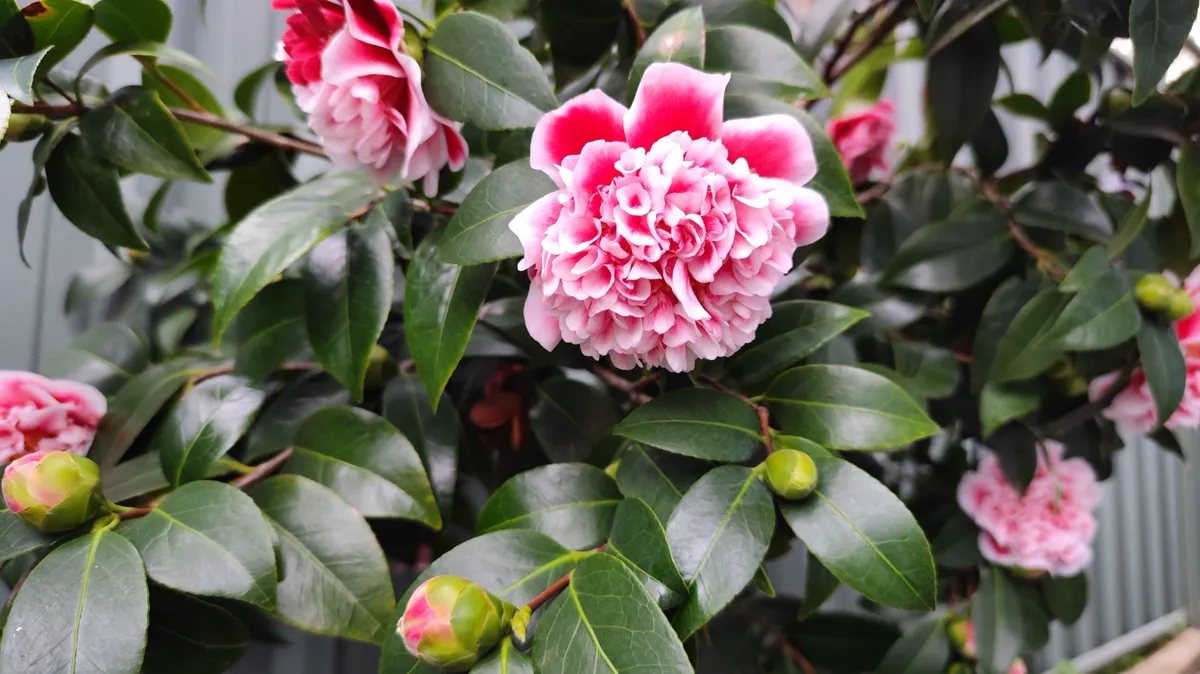
Camellias need acidic, well-drained soil (pH about 5.5–6.5) rich in organic matter, or ericaceous compost in pots. They also want a sheltered spot in partial or dappled shade. Avoid east-facing positions with direct early-morning sun, because rapid thawing can damage frosted buds. Morning shade is ideal (see improving garden soil).
How to plant camellias
- Choose a spot in partial or dappled shade, sheltered from cold winds and harsh early-morning sun, in acidic, well-drained soil rich in organic matter.
- Dig in plenty of ericaceous compost or leaf mould, and avoid limy, alkaline ground (see improving garden soil).
- Plant so the top of the rootball sits level with the soil, never deeper, then water in well and mulch with bark or pine needles.
Best camellia types and varieties
There is a camellia for almost every garden, and knowing the main groups helps. They differ in flowering time and hardiness. So choose to suit your climate and taste.
The Camellia japonica types are the classic spring-flowering camellias, with large, formal blooms. The autumn-and-winter-flowering C. sasanqua types are often more sun- and heat-tolerant, with smaller, scented flowers. There are also tough hybrids bred for colder gardens.
Flower forms range from simple singles to full, rose-like doubles. Colours span pure white, every shade of pink, and rich red, plus bicolours. Growing both a japonica and a sasanqua extends the display across many months.
Watering (crucial in summer)
Keep camellias evenly moist, and pay special attention in mid-to-late summer — this is when next year’s flower buds form, so drought now means few blooms later (see how often to water). Use rainwater where you can, since hard tap water raises soil pH over time. Mulch with bark or pine needles to hold moisture and acidity.
Reducing bud drop
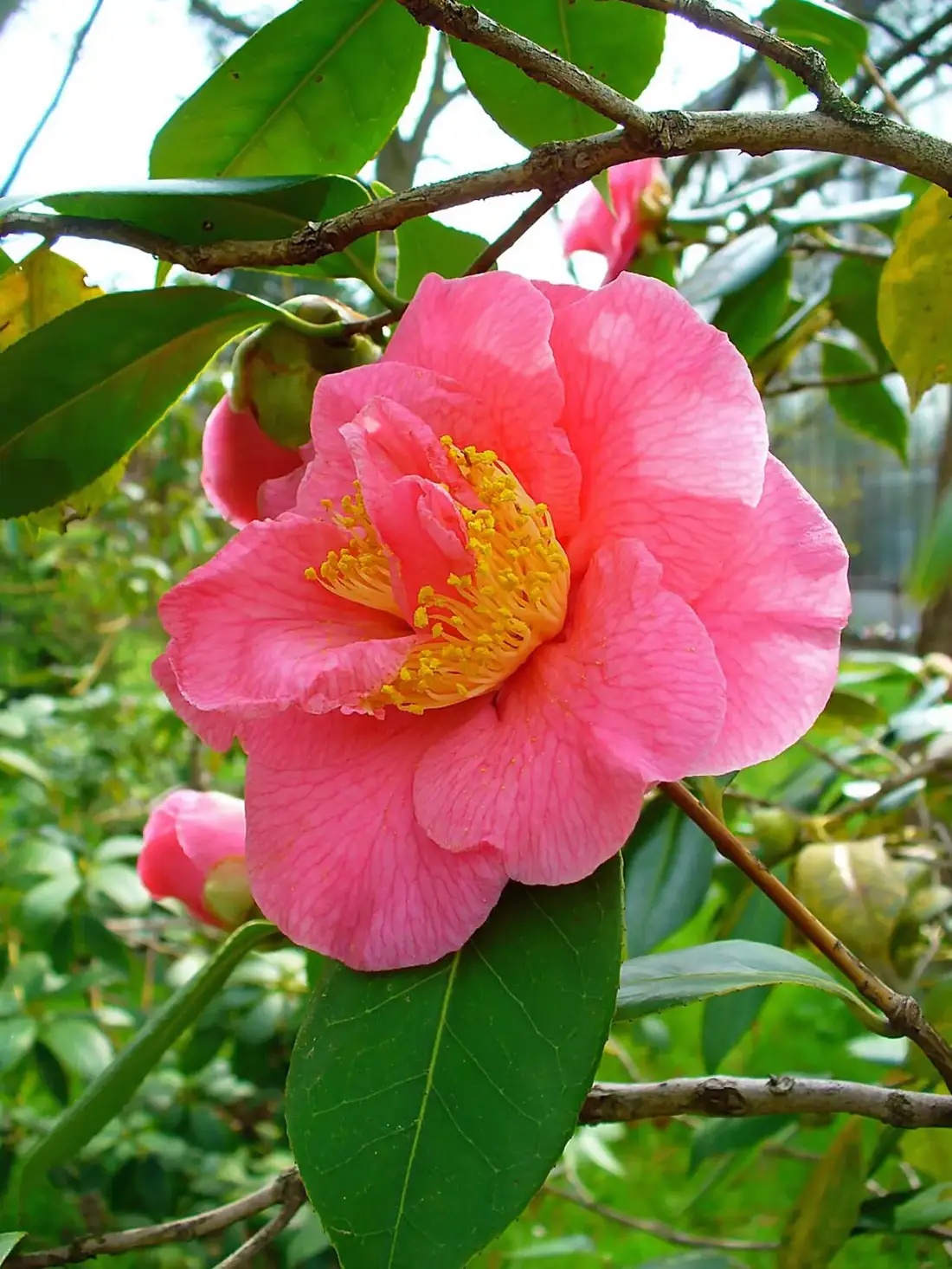
Camellias often set more buds than they can open, and some naturally drop. To get bigger, better flowers, you can thin the buds — remove some along each branch, leaving one large bud at the tip of each stem. Steady moisture also helps prevent excessive bud drop.
Best season & when to plant
Plant camellias in autumn or spring, while the weather is cool and moist, so the roots settle before any heat or hard frost. They flower in winter and early spring, with the exact timing depending on the type and variety. Autumn planting gives the roots a long, gentle spell to establish before the first big flowering.
Spring is also a good time to buy a plant in flower and choose your colour. Whichever season you plant, water it in well and mulch the base. Avoid planting in summer heat or the depths of a hard freeze.
Growing camellias in containers
Pots are a brilliant solution if your soil is not acidic. A container lets you give camellias exactly the conditions they need. So almost anyone can grow them, whatever their ground.
Use a large pot with good drainage and fill it with ericaceous (acidic) compost. Stand it in dappled shade, sheltered from cold winds and harsh morning sun. Keep the compost evenly moist, ideally watering with rainwater.
Feed in spring with an ericaceous fertiliser and mulch the surface. Water especially carefully in summer, when next year’s buds are forming. A potted camellia makes a glorious winter centrepiece on a shady patio.
Pruning
Camellias do not need much pruning. If you prune for shape or size, do it right after flowering. They set buds in late summer and fall, so pruning then removes next year’s flowers. A light shaping and removal of dead wood is usually enough.
Designing with camellias
Camellias bring rare structure and colour to shady gardens. Their glossy evergreen leaves work hard all year. So they are valuable far beyond their flowering weeks.
Use them in shady borders, woodland edges and sheltered courtyards. They pair beautifully with other acid-lovers like azaleas, rhododendrons and ferns. The dark, glossy foliage makes a fine backdrop for paler plants.
Larger types can form an evergreen screen or hedge in the right soil. Compact varieties suit pots and small, shady corners. Either way, the winter flowers float beautifully in a bowl of water indoors.
Common pests & diseases
Watch for aphids, scale, and sooty mould (which grows on the sticky honeydew pests leave), plus yellowing from alkaline soil or hard water. Keep the soil acidic, and treat pests with the methods in our organic pest control guide; rinse off aphids. Cold winds can brown the buds, so shelter the plant.
Benefits & uses
Camellias provide rare cold-season colour and year-round evergreen structure, making them invaluable for shady borders and courtyards. The blooms float beautifully in a bowl of water indoors, and the early flowers offer nectar to winter pollinators. They’re a graceful, long-lived investment in beauty.
This article is for general information only and is not medical advice. Talk to a qualified professional before using any plant medicinally.
Common camellia problems
Yellowing leaves
Soil too alkaline or hard water. Acidify the soil and use rainwater.
Buds drop or fail to open
Dry roots (especially in summer), cold, or stress. Keep moisture steady and shelter from cold winds.
Few flowers
Summer drought (buds didn’t form) or too much shade. Water well in summer and give dappled light.
Related plant guides
- How to grow Azaleas
- How to grow Rhododendron
- Pieris
- How to grow Gardenias
- How to grow Hellebore
- How to grow Osmanthus
How to propagate camellias
Camellias are propagated from cuttings, which is the only way to reproduce a named variety exactly. They root slowly, so patience matters more than skill.
From cuttings
Two timings work. Take 7–10 cm cuttings of firm wood with a heel at the end of June and root them in a frame, keeping them in a cool greenhouse for their first year. Or take 10–15 cm cuttings of almost-ripe wood with a heel in August or September and root them in a shaded frame; a high proportion take, but they are slow. Leaf-bud cuttings in July or August are a third route and stretch one stem into several plants. Root everything into a lime-free, ericaceous mix — the same acid conditions the growing plant needs, and the point at which most attempts quietly fail.
From seed
Seed is for species camellias and for breeding, never for copying a variety. Sow it fresh in a greenhouse. Stored seed should be soaked for 24 hours in warm water, with the hard covering around the micropyle filed down to a thin layer first. It usually germinates in one to three months at 23°C. Plant the seedlings out once they are more than 15 cm tall, and give them protection from winter cold for their first year or three.
Frequently asked questions
What soil do camellias need?
Acidic, well-drained soil (pH about 5.5–6.5) rich in organic matter, or ericaceous compost when grown in pots.
Do camellias like sun or shade?
Partial or dappled shade, sheltered from harsh early-morning sun on frosted buds.
When should I prune camellias?
Right after flowering, before they set next year’s buds in late summer.
Why are my camellia buds falling off?
Usually dry roots, often from summer drought when the buds were forming, plus cold or stress. Keep the soil evenly moist all year and shelter the plant from cold winds.
Why are my camellia leaves turning yellow?
The usual cause is soil that is not acidic enough, which locks up iron and magnesium and leaves the foliage pale with darker green veins. Treat it by feeding with a sequestered iron or ericaceous fertiliser and mulching with composted bark or leaf mould. Scale insects on the leaf undersides can also cause blotchy yellow patches, so turn a few leaves over and check. Some yellowing is perfectly normal, though — camellias are evergreen but still shed their oldest inner leaves each spring.
How fast do camellias grow?
Camellias are steady rather than fast, typically adding about 4-8 inches (10-20 cm) of growth a year once established. Camellia sasanqua types tend to be a little quicker than the classic Camellia japonica. Most garden plants settle at roughly 6-10 feet (2-3 m) after many years, though very old specimens can reach far more. Because they are slow, buy the largest plant your budget allows if you want impact quickly.
Can I grow camellias in pots?
Yes, and a pot is the easiest answer if your garden soil is chalky or alkaline. Use a soil-based ericaceous compost in a container at least 12 inches (30 cm) wide, with plenty of drainage holes and a sheltered, part-shaded spot. Container plants dry out fast, so water regularly through summer when next year’s buds are forming. Repot or top-dress every two to three years, because the compost becomes tired, compacted and soggy over time.
Why do my camellia flowers turn brown?
Brown, mushy petals on an otherwise healthy plant are usually camellia petal blight, a fungal problem that spreads from fallen flowers on the ground. Rake up and bin every dropped bloom rather than composting it, and replace the surface mulch each year to break the cycle. Frost damage looks similar but hits only the outer petals of buds exposed to early-morning sun. Planting where the sun reaches the plant late in the morning helps a great deal.
When do camellias flower?
It depends on the species. Camellia sasanqua opens in autumn and early winter, while Camellia japonica and the popular williamsii hybrids flower from late winter into spring. By planting one of each you can have blooms across several months. Individual flowers last only days, but a mature shrub keeps producing new ones for weeks.
Should I water camellias with rainwater or tap water?
Rainwater is better, especially in hard-water areas where tap water is alkaline and slowly raises the pH in a pot. A water butt is worth setting up if you grow camellias in containers. If you only have tap water, use it rather than let the plant go dry, and correct the balance with an ericaceous feed. Drought in late summer is the single biggest cause of bud drop the following spring.
How and when should I feed a camellia?
Feed once in early spring as growth starts, then again in early summer, using a fertiliser formulated for acid-loving plants such as azaleas and rhododendrons. Stop by midsummer, because late feeding pushes soft growth that frost can damage. A mulch of leaf mould or composted pine bark each spring supplies slow, steady nutrition and keeps the shallow roots cool. Avoid general-purpose lawn or high-lime feeds, which quickly turn the leaves yellow.
Still stuck? Ask the Plant Doctor
Describe the problem — yellow leaves, holes, no flowers — and get a clear answer in seconds. FreeAI can make mistakes. Answers are guidance, not a guarantee — check anything important against the guide it links to, and always read the label on any product before you use it.