How to Grow Lily Of The Valley
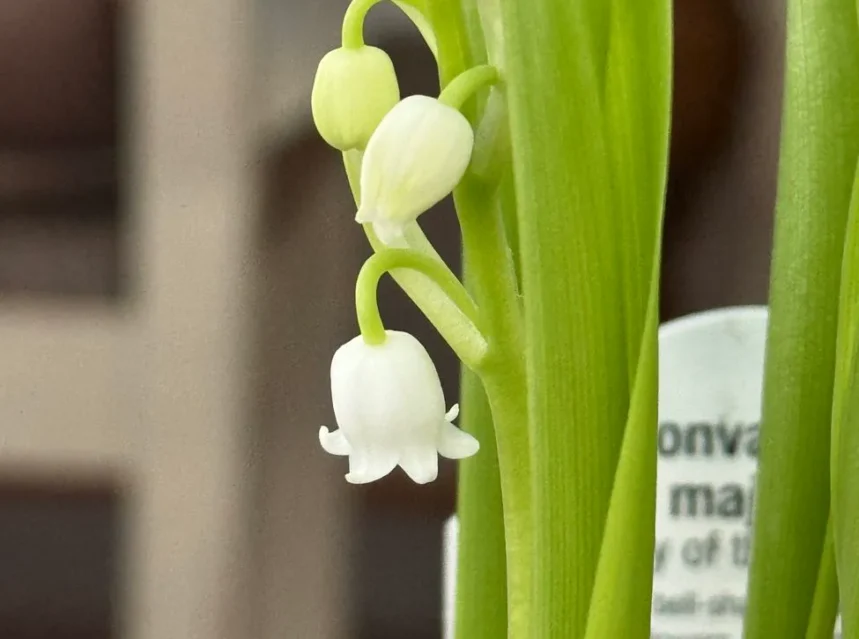
Lily of the valley (Convallaria majalis) is a low, spreading woodland perennial grown for its arching stems of tiny, intensely fragrant white bells in spring — one of the most sweetly scented of all garden flowers. It forms a lush green carpet in shade, spreading by underground roots. Note that every part is highly toxic. Here is the complete guide on how to grow lily of the valley.
Quick start: Plant lily of the valley “pips” (rooted buds) in autumn, in shade and moist, humus-rich soil. It spreads steadily to carpet the ground and flowers in mid to late spring. Keep it cool and moist, and give it room, as it can be invasive. Handle with care and wash your hands, because the whole plant is poisonous.
Experienced growers and the Royal Horticultural Society describe lily of the valley as a tough, fragrant shade-filler, with a couple of clear lessons. The first is its spread. Gardeners love how it carpets difficult dry shade. But they warn it travels by creeping roots and can swamp delicate neighbours, so they give it room or a contained bed. The second is patience, as newly planted pips often sulk for a year before settling in. Everyone repeats the safety point too. The plant, and its red berries, are highly toxic, so keep it away from children and pets.
🧰 In a hurry? Jump straight to our tested picks for this guide ↓
Lily of the valley at a glance
| Feature | Detail |
|---|---|
| Botanical name | Convallaria majalis (family Asparagaceae) |
| Plant type | Spreading rhizomatous perennial |
| Height | About 15–25 cm |
| Sun | Part to full shade |
| Soil | Moist, humus-rich, free-draining |
| Bloom time | Mid to late spring |
| Best for | Shade ground cover, fragrance, woodland |
| Watch out | Highly toxic; spreads vigorously |
Why grow lily of the valley?
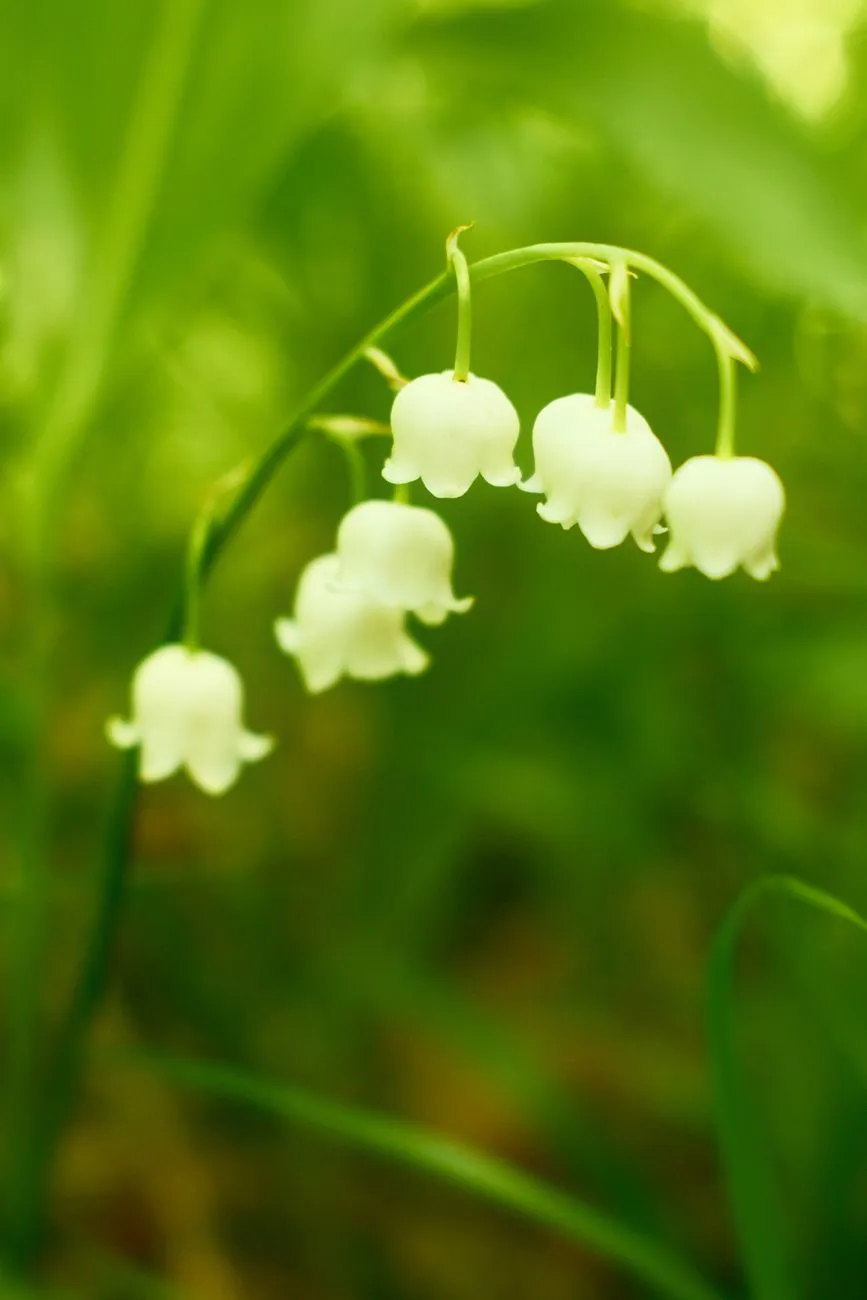
Lily of the valley solves one of gardening’s hardest problems: what to grow in cool, shady ground. It thrives there, forming a fresh green carpet where many plants struggle, and smothering weeds as it goes. Sweet woodruff is its classic partner, carpeting the same dry shade with starry white flowers.
Above all, it is grown for its scent. The dainty white bells release a famous, heady perfume that fills the spring air and has long been treasured for posies and weddings. Tough and reliable, it returns and spreads year after year.
History, origin & where it grows
Lily of the valley grows wild in the woodlands of Europe and parts of Asia, with a North American species too. Its natural home in dappled forest shade is the key to growing it well.
It carries deep cultural meaning, linked to spring, purity, and luck. In France it is famously sold in the streets on May Day (see the background on Convallaria majalis). The flower has been loved in gardens and bouquets for centuries.
It thrives in cool-temperate regions such as the UK, northern Europe, Canada, and the cooler US. In India, lily of the valley grows only in the cold Himalayan hill stations. There it finds the cool, moist, shaded conditions it needs. It will not cope with the heat of the plains.
Best season & when to plant
Plant lily of the valley pips, the small rooted buds, in autumn, so they settle over winter and grow away in spring. You can also plant pot-grown clumps in spring.
It flowers in mid to late spring, with the scent at its peak then. In India’s hills, plant in autumn in a cool, shaded, moist spot, and expect the best displays once the plants have settled for a year or two.
How to plant lily of the valley
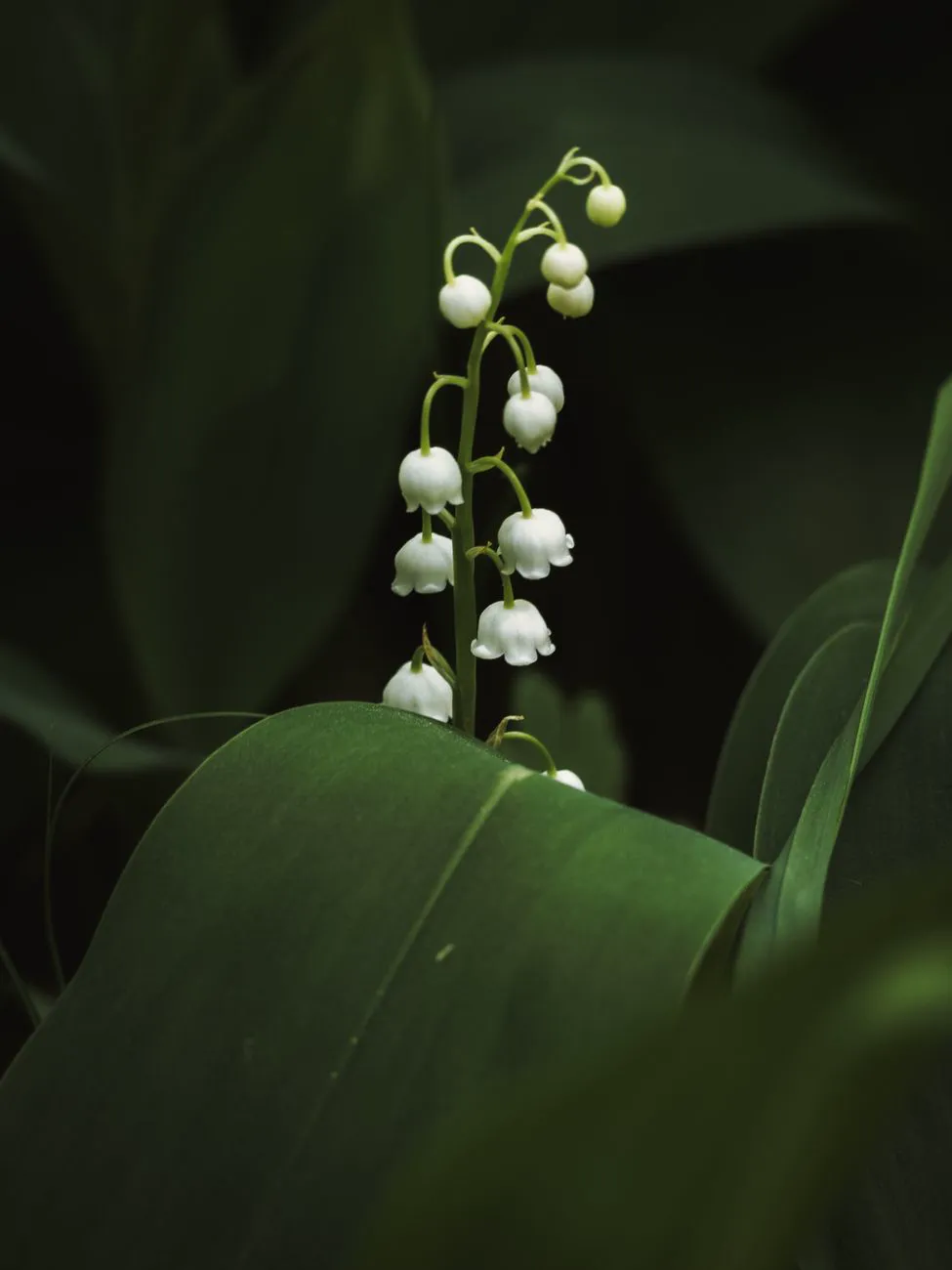
Lily of the valley is grown from pips or divided clumps, and it establishes best in the right shady spot. To plant it well:
- Choose a site in part to full shade, such as under trees or shrubs, with cool, moist soil.
- Enrich the ground with leaf mould or compost to mimic a woodland floor (see improving garden soil).
- Set pips upright about 10 cm apart, with the tips just below the surface.
Water in well and add a mulch of leaf mould. Give it space or a defined bed, since it will spread, and wash your hands after handling the plant.
Sun, soil, watering & feeding
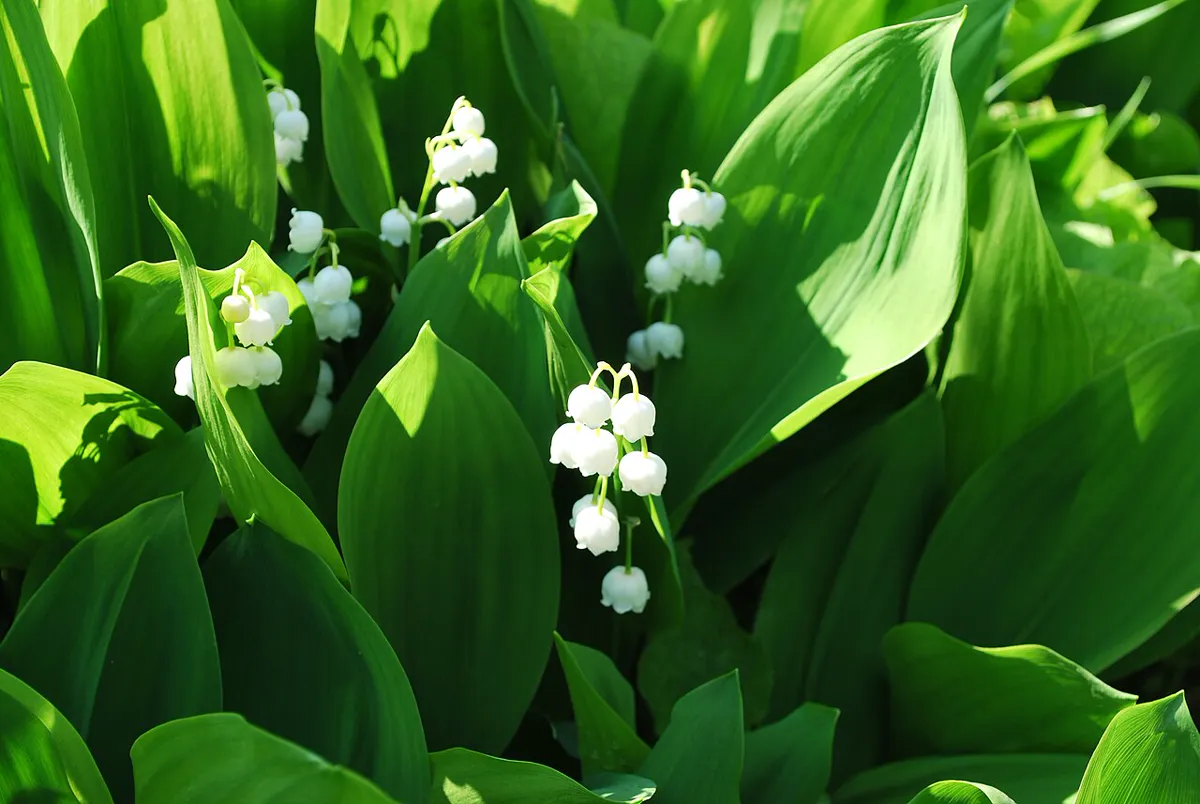
Lily of the valley wants shade, from dappled to deep, and dislikes hot sun, which scorches its leaves. It prefers moist, humus-rich, free-draining soil that stays cool through the year.
Keep it watered in dry spells, especially while establishing, as it hates drying out (see how often to water plants). Feeding is barely needed; an annual mulch of leaf mould or compost feeds it and keeps the soil moist. This simple care keeps the carpet lush.
Spreading and dividing
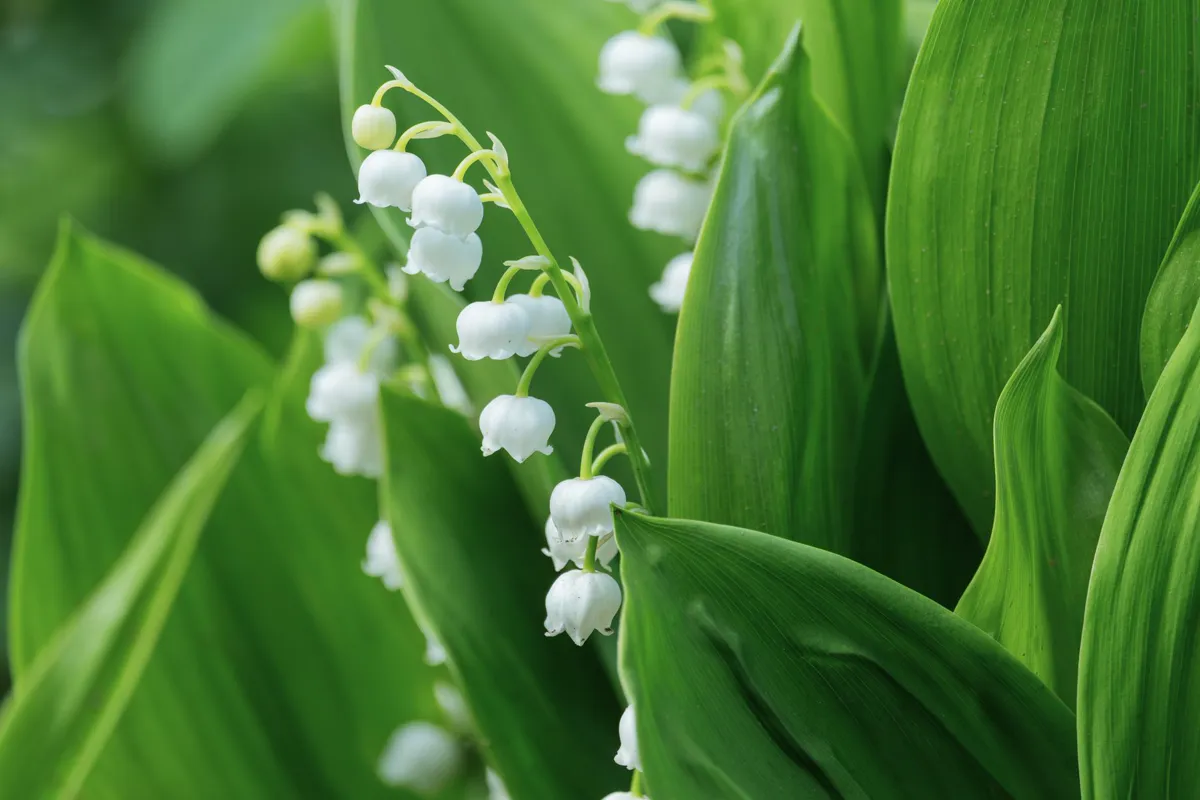
Lily of the valley spreads by underground stems called rhizomes, steadily widening into a dense colony, which is exactly why it makes such good ground cover.
To make more plants, simply lift and divide a clump in autumn, separating it into sections of rhizome each with a few pips, then replant. Because it spreads so freely, plant it where it can roam, or contain it with a buried barrier so it does not overrun choicer plants.
Growing lily of the valley in pots
Growing lily of the valley in a pot is a smart way to enjoy its scent while keeping its spread in check. A container also lets you place the fragrance near a door or window.
Choose a wide, fairly deep pot with drainage holes. Fill it with a moist, humus-rich compost, and set the pips just below the surface. Stand the pot in shade and keep the compost cool and damp at all times. Top-dress with leaf mould each autumn. Every couple of years, tip the plant out and divide the crowded rhizomes to keep it healthy and flowering well.
Common pests & diseases
Lily of the valley is remarkably tough and rarely bothered by pests, partly thanks to its toxic nature. Most issues are minor.
In damp, crowded conditions it can suffer leaf spot, grey mould, or stem rot, and weevils occasionally notch the leaves. Keep colonies from becoming too congested, remove any diseased leaves, and ensure the soil drains despite staying moist. Healthy plants in shade usually need no intervention.
Uses & benefits
Lily of the valley is grown as an ornamental ground cover and cut flower, prized for its scent and its ability to green up shade. It carpets woodland gardens, lines shady paths, and supplies fragrant spring posies, and it is even used in perfumery.
It offers some early nectar to pollinators, but its main value is beauty and fragrance. A small patch by a path or doorway fills the spring air with scent, and a few stems make a charming, old-fashioned posy. Crucially, every part of the plant, including the red berries, is highly toxic if eaten, so keep it well away from children and pets and never use it in food or home remedies. For information only, not medical advice — consult a professional.
Common lily of the valley problems
No flowers, just leaves
Often newly planted, overcrowded, or too dry. Give plants a year or two to settle, divide congested clumps, and keep the soil moist.
Scorched, browning leaves
Usually too much sun or dry soil. Move plants into shade and keep them cool and moist with a leaf-mould mulch.
Spreading too far
Natural for this vigorous plant. Contain it with a buried barrier, or grow it where it can carpet freely without smothering other plants.
Related plant guides
- How to grow Sweet Cicely
- How to grow Liriope
- How to grow Sarcococca
- How to grow Daphne
- How to grow Hardy Geranium
- How to grow Sweet Woodruff
Frequently asked questions
Is lily of the valley easy to grow?
Yes, in the right spot. Given cool shade and moist, humus-rich soil, it is very easy and spreads happily, though it may take a year to settle in.
Is lily of the valley poisonous?
Yes, highly. Every part, including the leaves, flowers, and red berries, is toxic if eaten, so keep it away from children and pets and wash hands after handling.
Does lily of the valley spread?
Very much so. It spreads by underground rhizomes to form a dense carpet, which is great for ground cover but can be invasive, so give it room or contain it.
Can lily of the valley grow in a warm climate?
It needs cool, shaded, moist conditions and a winter rest, so in warm regions it only succeeds in cool hill areas, not the hot plains.
Is lily of the valley poisonous to touch or to smell?
The serious danger is swallowing it, not standing near it. The scent is harmless, and simply brushing past the plant will not poison you. Handling is a different matter: sap on the skin can cause irritation or a rash in sensitive people, so wear gloves when dividing or pulling it and wash your hands afterwards, especially before touching your eyes or eating. One genuinely overlooked hazard is the vase water from cut stems, which absorbs the toxins — never let a child or pet drink it, and tip it down the sink rather than into a pet’s bowl area.
What happens if a dog or cat eats lily of the valley?
Treat it as an emergency and phone a vet or an animal poison line at once, before symptoms appear. The plant contains cardiac glycosides, convallatoxin among them, which act directly on the heart, and every part — leaves, flowers, rhizomes and the red autumn berries — carries them. Reported signs in pets include drooling, vomiting, diarrhoea, weakness and a slow or irregular heartbeat, with collapse or seizures in severe cases. Take a piece of the plant with you so the vet can confirm what was eaten. This is general information, not veterinary advice.
How do you get rid of lily of the valley?
Persistence beats any single treatment, because the plant regrows from any scrap of rhizome left behind. Dig in autumn or early spring with a fork rather than a spade, lifting the soil and sifting out the pale, brittle underground stems by hand, then check the same patch every few weeks through the next two seasons and pull every shoot that reappears.
Smothering works alongside digging: cover the cleared ground with thick cardboard and a deep mulch and leave it in place for at least a full growing season. Avoid the folk remedy of pouring salt on the soil, which sterilises the bed for years and can wash into neighbouring plantings. Wear gloves throughout and bag the rhizomes rather than composting them.
Why is my lily of the valley not blooming?
Overcrowding is the usual answer. A patch that has spread into a solid mat has more pips than the soil can support, so it makes leaves and no flowers — lift and divide it in autumn, replanting single pips about 10 cm apart. Too much sun or, at the other extreme, very deep dry shade under a hedge also suppresses flowering. Newly planted pips commonly sulk for a season before blooming, and pips planted too deep flower poorly, so set the growing tip just at or barely below the soil surface. A spring mulch of leaf mould helps a hungry old patch recover.
Why are my lily of the valley leaves turning yellow or brown?
If it is midsummer and the whole patch is fading together, this is normal. Lily of the valley is a spring plant that dies back and rests once the weather turns hot and dry, and the foliage yellows, browns and disappears until the following spring. Earlier yellowing usually points to drought or too much sun, since the plant wants cool, evenly moist, humus-rich soil. Brown crispy leaf edges in a dry spring are a watering signal, while sudden brown blotches in a wet season are more likely a fungal leaf spot — thin the patch to improve airflow and clear away the affected leaves.
How and when do you plant lily of the valley pips?
Pips are the pointed dormant buds sold with a length of rhizome attached, and the natural planting seasons are autumn or very early spring while the plant is dormant. Soak them in water for an hour or two, then plant them upright with the tip just at soil level, spacing them roughly 10 to 15 cm apart in ground enriched with leaf mould or garden compost. Water them in and mulch lightly. Expect leaves in the first spring but often no flowers until the second, since the plant spends its first season building the rhizome network.
Can you grow lily of the valley in a pot?
Yes, and a container is the smartest way to keep this rampant spreader under control. Use a wide, fairly shallow pot at least 25 to 30 cm across, fill it with a loam-based compost mixed with leaf mould, plant the pips about 10 cm apart and stand the pot in cool shade. The one thing to watch is drying out, since the compost must stay evenly damp through spring. Leave the pot outside over winter, because the plant needs a real cold rest to flower well, and refresh or divide the contents every two to three years when it becomes congested.
Still stuck? Ask the Plant Doctor
Describe the problem — yellow leaves, holes, no flowers — and get a clear answer in seconds. FreeAI can make mistakes. Answers are guidance, not a guarantee — check anything important against the guide it links to, and always read the label on any product before you use it.