How to Grow Sweet Woodruff: Fragrant Shade Groundcover Guide
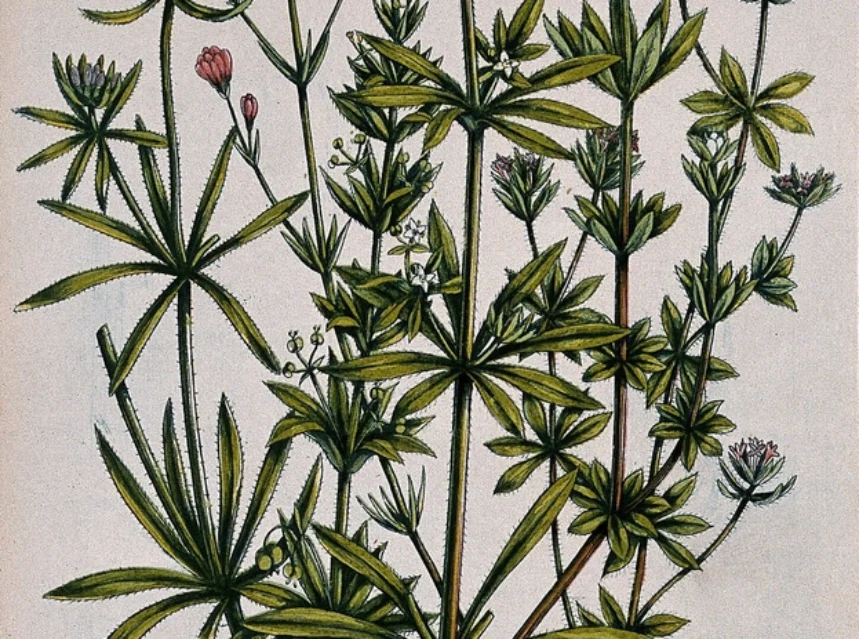
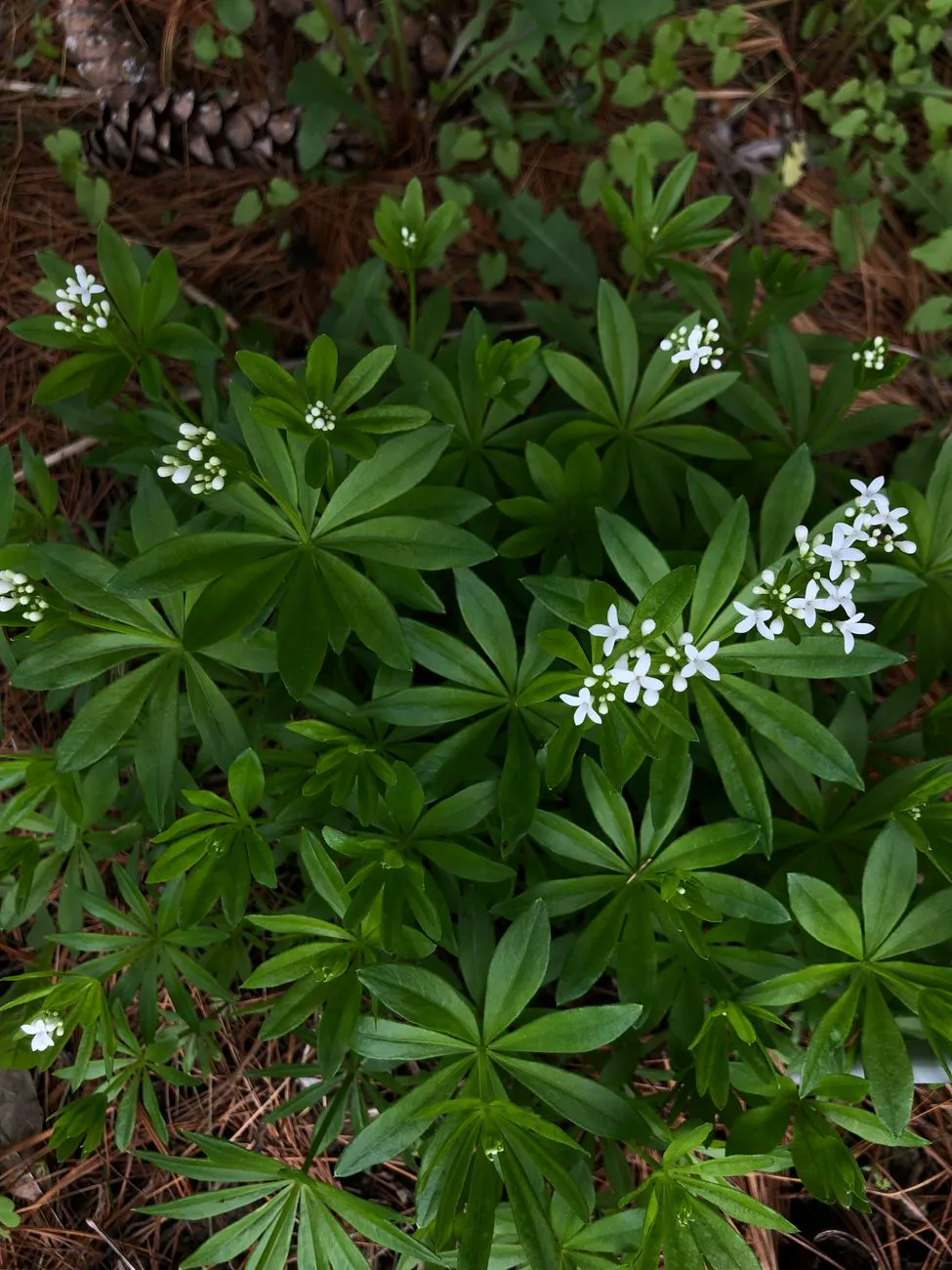
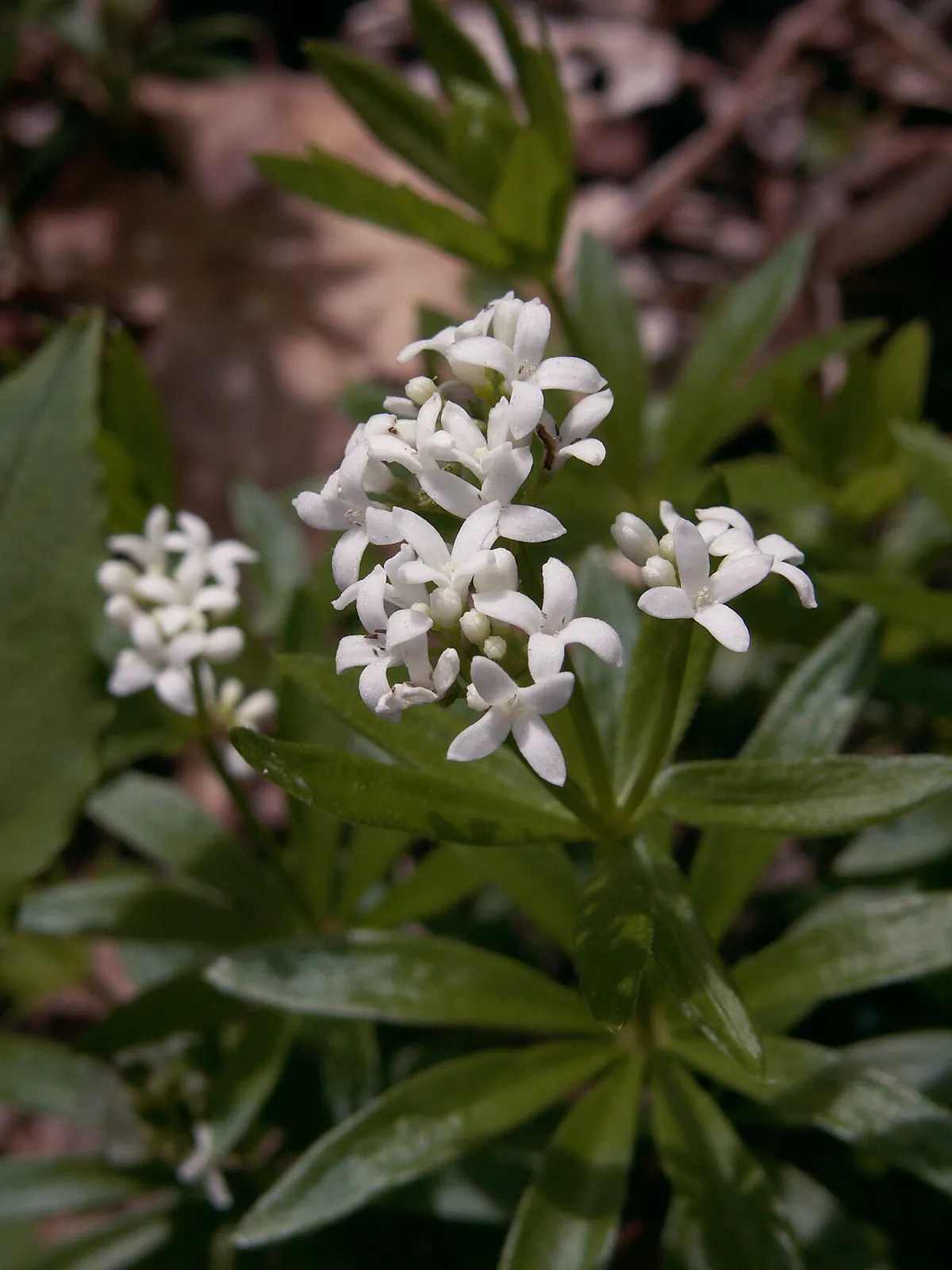
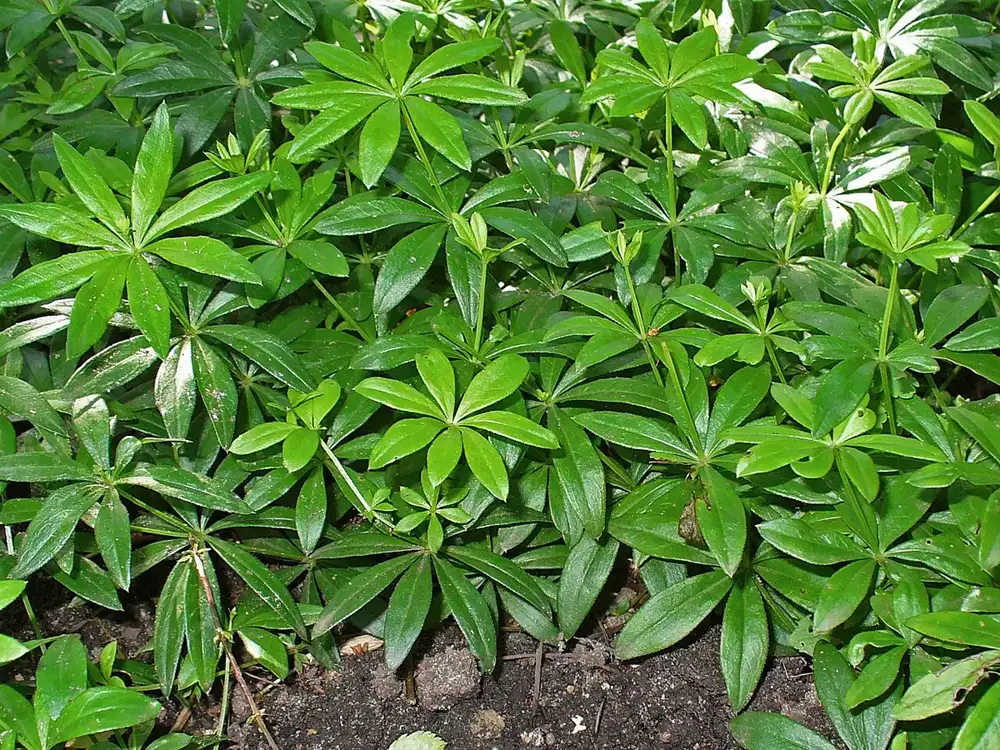
Sweet woodruff (Galium odoratum) is a charming, low-growing perennial herb grown as a shade-loving groundcover. It forms a soft carpet of bright green, whorled leaves. In late spring these are topped with a froth of tiny, star-shaped white flowers. Its real magic is in the scent. Once dried, the foliage smells of fresh hay and vanilla. For centuries it has flavoured drinks and freshened linens. For a shady spot, few herbs are lovelier. Here is the complete guide on how to grow sweet woodruff.
Quick start: Grow sweet woodruff in partial-to-full shade in moist, humus-rich, slightly acidic, well-drained soil. Plant in spring or autumn 12 inches apart, water in dry spells, and it spreads readily into a fragrant groundcover. It needs no feeding. Easy and shade-loving — but it can be invasive, so edge it in yearly.
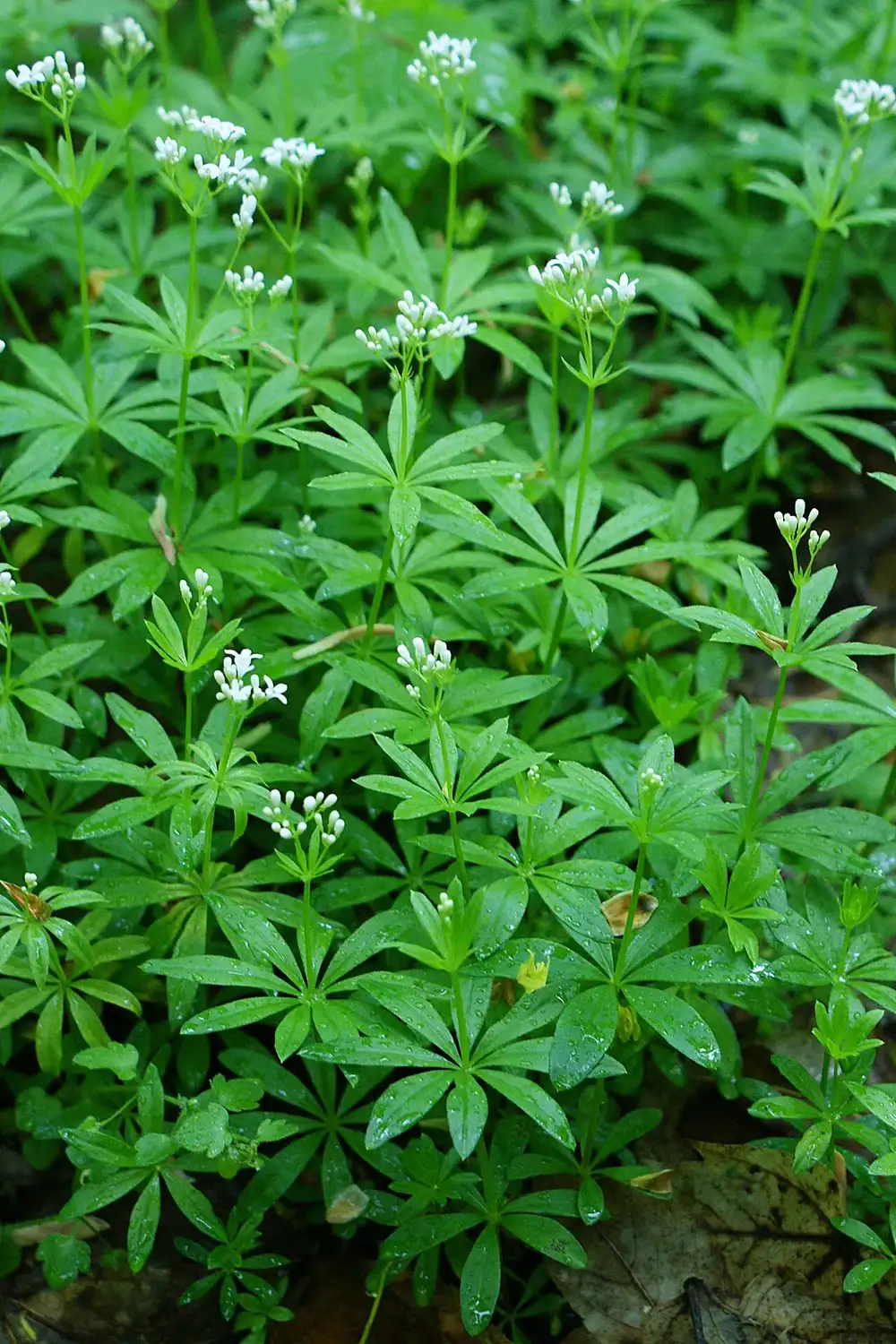
Sweet woodruff is a charming, low groundcover for shade, its neat whorls of leaves topped with starry white flowers in spring. Its real magic is the scent of new-mown hay it releases as the foliage dries, long valued for flavouring drinks and scenting linen. Growers use it to carpet the cool, moist ground beneath trees and shrubs, where it spreads steadily and suppresses weeds. It can be vigorous in ideal conditions, so it is best given a spot where it has room to roam.
🧰 In a hurry? Jump straight to our tested picks for this guide ↓
Sweet woodruff at a glance
| Feature | Detail |
|---|---|
| Botanical name | Galium odoratum (family Rubiaceae) |
| Plant type | Hardy perennial ground cover |
| Sun | Part to full shade |
| Soil | Moist, humus-rich |
| Height | 15–25 cm |
| Flowers | Starry white; spring |
| Scent | New-mown hay when dried |
Why grow sweet woodruff?
Sweet woodruff is one of the best edible, fragrant groundcovers for shade. It thrives where many plants struggle, knitting into a weed-suppressing green carpet with dainty white spring flowers. The dried foliage is deliciously scented with hay and vanilla, and is traditionally used to flavour May wine and freshen linens. It’s low-maintenance, pollinator-friendly, and spreads readily. For a sweet-smelling solution to a shady corner, it’s a delightful, easy herb.
Where sweet woodruff grows best
Sweet woodruff is native to the woodlands of Europe, western Asia, and North Africa. It’s grown across Europe, the UK, and cooler North America. It’s a shade-loving, cool-climate perennial (USDA zones 4–8) that thrives in dappled shade and moist, leafy woodland soil. It suits temperate, shaded gardens (UK, US, Canada), and in India it suits cooler hill stations with shade and moisture. It dislikes hot, dry, sunny conditions.
Best season & when to plant
Plant sweet woodruff from spring through autumn, ideally in spring or early autumn when the soil is moist and cool. It flowers in late spring to early summer, carpeting the ground with white blooms. As a perennial it returns and spreads year after year, dying back a little in cold winters and re-emerging in spring. Establish it in a shady, moist spot and it largely takes care of itself.
How to plant and grow sweet woodruff
- Plant divisions or young plants about 12 inches apart (it fills in quickly), or scatter seed lightly over raked soil and barely cover it.
- Choose partial-to-full shade (full shade is fine; give part shade in hot climates) in moist, humus-rich, slightly acidic, well-drained soil — leafy, woodland-type soil is ideal (see improving garden soil).
- To boost acidity, mulch with composted oak leaves or pine straw; this also mimics its woodland home.
Sun, soil, watering & feeding
Sweet woodruff likes shade and consistently moist, humus-rich soil — once established, it only needs watering in dry spells (see how often to water). It needs no fertilizer; rich, leafy soil is plenty, and feeding just makes it spread faster. Its main “care” is simply keeping its vigorous spread in check: drive a spade around the patch’s edge each year to sever the runners. Shady, moist, and unfed is exactly how it likes life.
Common pests & diseases
Sweet woodruff is tough and almost trouble-free. Pests and diseases rarely bother it, and it’s often used as a healthy, weed-suppressing groundcover. Very occasionally it suffers fungal issues in stagnant, wet conditions, or slugs on new growth. Reasonable airflow and good drainage are all it needs; see our organic pest control guide for the rare problem. Its biggest “issue” is simply its enthusiasm to spread.
Harvesting & using
Harvest sweet woodruff by cutting sprigs of foliage just before or as it flowers, when the scent is strongest. Crucially, the fragrance only develops as the leaves dry. Fresh leaves are nearly scentless, but dried they smell of new-mown hay and vanilla (from coumarin). Dry the sprigs and use them in potpourri and scented sachets for linens. Traditionally they also flavour May wine and cordials. (Use culinary quantities sparingly, as large amounts of coumarin are not advised.)
Health, history & uses
Sweet woodruff has a long history as a “strewing herb” and fragrance plant, and a gentle traditional remedy. Its dried, coumarin-scented leaves flavour the German springtime drink Maibowle (May wine), jellies, and cordials. They also perfume linen closets and potpourri, while the flowers attract pollinators. (Because coumarin can be harmful in quantity, use it only in small, traditional culinary amounts.) Mostly, though, it earns its place as a beautiful, shade-carpeting groundcover.
This article is for general information only and is not medical advice. Talk to a qualified professional before using any plant medicinally.
Common sweet woodruff problems
Spreading too far
Its vigorous nature in rich, moist soil. Spade-edge the bed yearly to sever runners and contain it.
Scorched, struggling plants
Too much sun or dry soil. Move it to shade and keep the soil moist.
No scent
Leaves are used fresh — the fragrance only develops once dried. Dry the sprigs first.
History, origin & where it grows
Sweet woodruff is native to the woodlands of Europe, North Africa and western Asia, where it forms a low carpet beneath trees (see Encyclopaedia Britannica). It has long been valued for the sweet, hay-like scent its leaves release when dried, used to flavour drinks and to scent linen.
It spread through cottage and herb gardens across temperate regions and naturalised in shady, moist places (see the RHS). Its woodland origin is the key to growing it, as it thrives in the cool, moist shade where many plants struggle, making it a superb ground cover for difficult dark corners.
The famous scent and traditional uses
The magic of sweet woodruff is in the drying, as the fresh leaves are almost scentless but release a wonderful fragrance of new-mown hay and vanilla as they dry (see improving garden soil). This scent, from a compound called coumarin, led to its traditional use in pot-pourri, in scented sachets, and most famously to flavour the German springtime drink Maibowle, or May wine.
Sun, soil & managing its spread
Sweet woodruff loves cool, moist, humus-rich soil in part or full shade, and once happy it spreads steadily by creeping roots to form a dense mat (see how often to water plants). In ideal conditions it can be vigorous, so it is best given a spot where it has room to roam, such as under shrubs or trees, where its spreading habit becomes an asset rather than a nuisance.
Why grow sweet woodruff
Sweet woodruff is a charming and useful ground cover for the shade garden, carpeting cool, moist, difficult corners with neat whorls of fresh green leaves and a froth of starry white spring flowers. It suppresses weeds beneath shrubs and trees, looks attractive for much of the year, and carries the lovely, nostalgic scent of new-mown hay once cut and dried, with a long history of traditional uses. Hardy, easy and self-spreading, asking only for shade and moisture, it brings both beauty and fragrance to the parts of the garden that are hardest to fill.
Sweet woodruff is a charming and genuinely useful ground cover for the shade, turning the cool, moist, difficult corners beneath shrubs and trees into a neat carpet of fresh green topped with a froth of starry white spring flowers, all while filling the air with the nostalgic scent of new-mown hay once cut and dried.
Related plant guides
- How to grow Tiarella
- How to grow Sweet Cicely
- How to grow Lily of the Valley
- How to grow Polemonium
- How to grow Creeping Thyme
- How to grow Soapwort
How to propagate sweet woodruff
Sweet woodruff spreads by itself once it is happy, so propagation is mostly a matter of moving what the plant has already made. Division is the quickest route; seed is the cheapest way to cover a large shady area.
By division
Lift and split an established carpet in spring or autumn, when the soil is moist. Each piece needs a few roots and a shoot or two. Replant the divisions about 12 inches apart in moist, humus-rich, slightly acidic soil in partial to full shade – they fill the gaps in quickly. Water them in and mulch with leaf mould or composted oak leaves to mimic the woodland floor they come from.
From seed
Scatter seed lightly over raked soil and barely cover it. Sow where the plants are to grow, in a shaded, moist spot, and keep the surface damp until seedlings appear.
Because sweet woodruff spreads readily by runners, plant it where that is welcome – under trees and shrubs, or in a bed with a hard edge – rather than in a small mixed border where it will crowd out slower neighbours.
Frequently asked questions
Does sweet woodruff grow in shade?
Yes — it’s one of the best fragrant groundcovers for partial-to-full shade and moist, leafy soil.
Why doesn't my sweet woodruff smell of anything?
The scent only develops as the leaves dry — fresh foliage is almost odourless, but dried it smells of hay and vanilla.
Is sweet woodruff invasive?
It can spread vigorously in rich, moist soil. Keep it in check by spade-edging the patch each year.
Can I grow sweet woodruff in India?
Best in cooler hill stations with shade and moisture; it dislikes hot, dry, sunny lowland conditions.
What is sweet woodruff used for?
Sweet woodruff has long been valued for the sweet, hay-and-vanilla scent that develops as its leaves dry, thanks to a compound called coumarin. Dried sprigs were once strewn on floors and tucked among linen as a natural air freshener and moth deterrent. It is best known in Germany for flavouring the traditional spring drink Maiwein, or May wine. Coumarin can be harmful in large amounts, so any culinary use is very light and occasional rather than a regular flavouring.
Is sweet woodruff toxic to dogs or people?
In the small amounts used traditionally it has a long history of safe use, but the coumarin it contains can be harmful if consumed in large quantities, which is why its food use is strictly limited. For pets, it is wise to discourage dogs from grazing on quantities of the foliage. As a groundcover it poses little everyday risk, since animals rarely eat much of it. If you have concerns about a pet, keep them away from it and consult a vet if a lot is eaten.
How do you plant sweet woodruff and how far apart?
Plant it in cool, moist, humus-rich soil in partial to full shade, spacing plants about 20 to 30 cm apart so they can knit together into a carpet. Work in leaf mould or compost first to mimic the woodland floor it loves. Water well until established, especially in the first season. Once settled, it spreads on its own by creeping roots to fill the gaps, so generous initial spacing is fine.
How fast does sweet woodruff spread?
In the conditions it likes, cool, damp, shaded and rich, it spreads quickly by underground runners and can form a dense mat within a couple of seasons. In drier or sunnier spots it grows much more slowly and stays tidier. This vigour makes it an excellent weed-smothering groundcover but means it can outgrow its space. Contain it with an edging or by digging around the patch each year if you want to keep it in bounds.
When does sweet woodruff flower?
It produces small, star-shaped white flowers in mid to late spring, typically around April and May, held in loose clusters above the whorled green leaves. The bloom is dainty rather than showy, but it lights up shady corners at a time when little else is flowering underfoot. After flowering, the plant continues as an attractive leafy carpet. The spring flowering is also why it features in May Day traditions.
Can you walk on sweet woodruff?
Sweet woodruff tolerates very light, occasional foot traffic but is not a tough lawn substitute and will not stand up to regular treading. It is better used to fill shady areas between stepping stones or under trees where people rarely walk. Repeated heavy footfall crushes the soft stems and thins the patch. Give it a low-traffic spot and it will reward you with a lush, fragrant carpet.
Does sweet woodruff need full shade, or will it take sun?
It grows best in partial to full shade with consistently moist soil, and this is where it looks lushest and spreads well. It can take some morning sun in cool climates provided the ground stays damp, but hot afternoon sun scorches the foliage and makes it struggle. In warmer regions, deeper shade and reliable moisture are essential. Think of the dappled floor of a woodland as the ideal it is trying to recreate.
Still stuck? Ask the Plant Doctor
Describe the problem — yellow leaves, holes, no flowers — and get a clear answer in seconds. FreeAI can make mistakes. Answers are guidance, not a guarantee — check anything important against the guide it links to, and always read the label on any product before you use it.