How to Grow Sweet Cicely
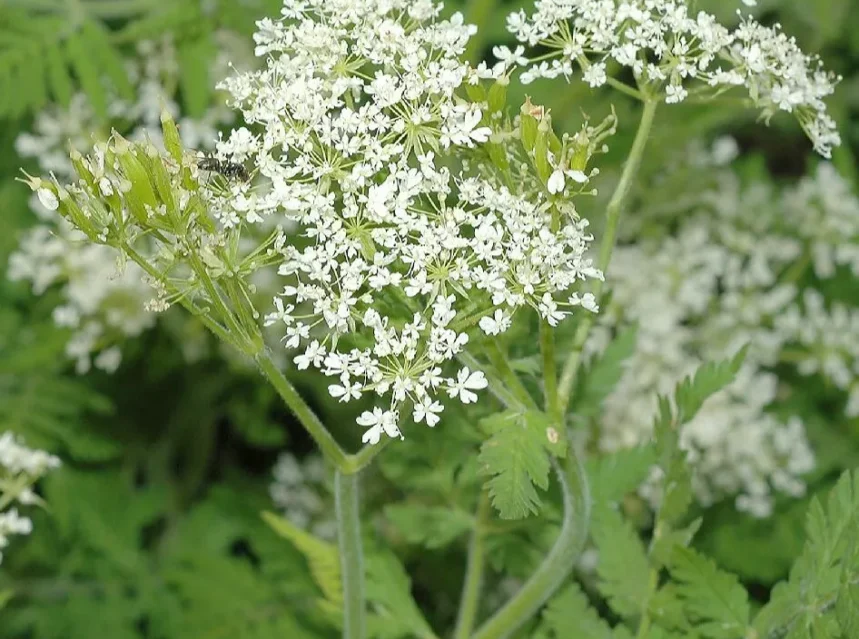
Sweet cicely (Myrrhis odorata) is a hardy perennial herb grown for its soft, ferny leaves, white lacy flowers, and large aromatic seeds, all with a gentle aniseed or liquorice flavour — an old cottage-garden plant traditionally used to sweeten tart fruit and add a mild sweetness to cooking. It thrives in cool, shady spots where many herbs struggle. Here is the complete guide on growing sweet cicely.
Quick start: Grow sweet cicely in part shade in moist, fertile, free-draining soil. Sow the fresh seed in autumn, as it needs cold to germinate, or plant a young plant. It is a hardy perennial that returns each year, self-seeds freely, and needs little care. Use the aniseed-flavoured leaves and green seeds in the kitchen through the season.
Experienced growers and the Royal Horticultural Society describe sweet cicely as an easy, useful shade herb, with a couple of lessons. The first is germination: the seed needs a period of cold to sprout, so gardeners sow it fresh in autumn and let winter do the work, rather than expecting quick spring results. The second is self-seeding, since it scatters seed freely and can pop up all over, so they deadhead if they want to control it. Most also love that it thrives in cool shade and that every part is mildly aniseed-scented.
🧰 In a hurry? Jump straight to our tested picks for this guide ↓
Sweet cicely at a glance
| Feature | Detail |
|---|---|
| Botanical name | Myrrhis odorata (family Apiaceae) |
| Plant type | Hardy perennial herb |
| Height/spread | About 0.6–1.2 m |
| Sun | Part shade (full sun in cool areas) |
| Soil | Moist, fertile, free-draining |
| Harvest | Leaves spring–autumn; green seeds summer |
| Best for | Shady herb gardens, sweetening fruit, pollinators |
| Watch out | Self-seeds freely; seed needs cold to germinate |
Why grow sweet cicely?
Sweet cicely is a charming, useful herb for the cool, shady spots where culinary plants like basil and rosemary will not grow. Its soft, ferny foliage is pretty in its own right, and the whole plant carries a gentle aniseed sweetness.
In the kitchen it is genuinely handy, traditionally cooked with tart fruit like rhubarb and gooseberries to reduce the need for sugar. It is also hardy, long-lived, and easy, returning every year and feeding early bees with its lacy spring flowers, so it earns its place in any shady herb garden.
History, origin & where it grows
Sweet cicely is native to the mountains and woodlands of Europe, and has been grown in herb and cottage gardens for centuries. It was a valued sweetening and flavouring herb long before sugar was cheap and common.
It featured in old monastery and physic gardens, used in the kitchen and in traditional country remedies (see the background on Myrrhis odorata). Its aniseed flavour made it a natural partner for tart fruit and a base for cordials.
Sweet cicely thrives in cool-temperate regions across the UK and Europe, needing cool, moist conditions and a winter chill. In India, it suits only the cool Himalayan hill stations, where the climate is cool and moist enough; it will not cope with the hot plains.
Best season & when to plant
Sow sweet cicely fresh in autumn, as the seed needs the cold of winter to break its dormancy and germinate in spring. Stale, dried seed sown in spring often fails.
You can also plant a young plant or division in spring or autumn. In India’s hills, plant in the mild season in a cool, shaded, moist spot. Once established, it returns every year and self-seeds to keep itself going.
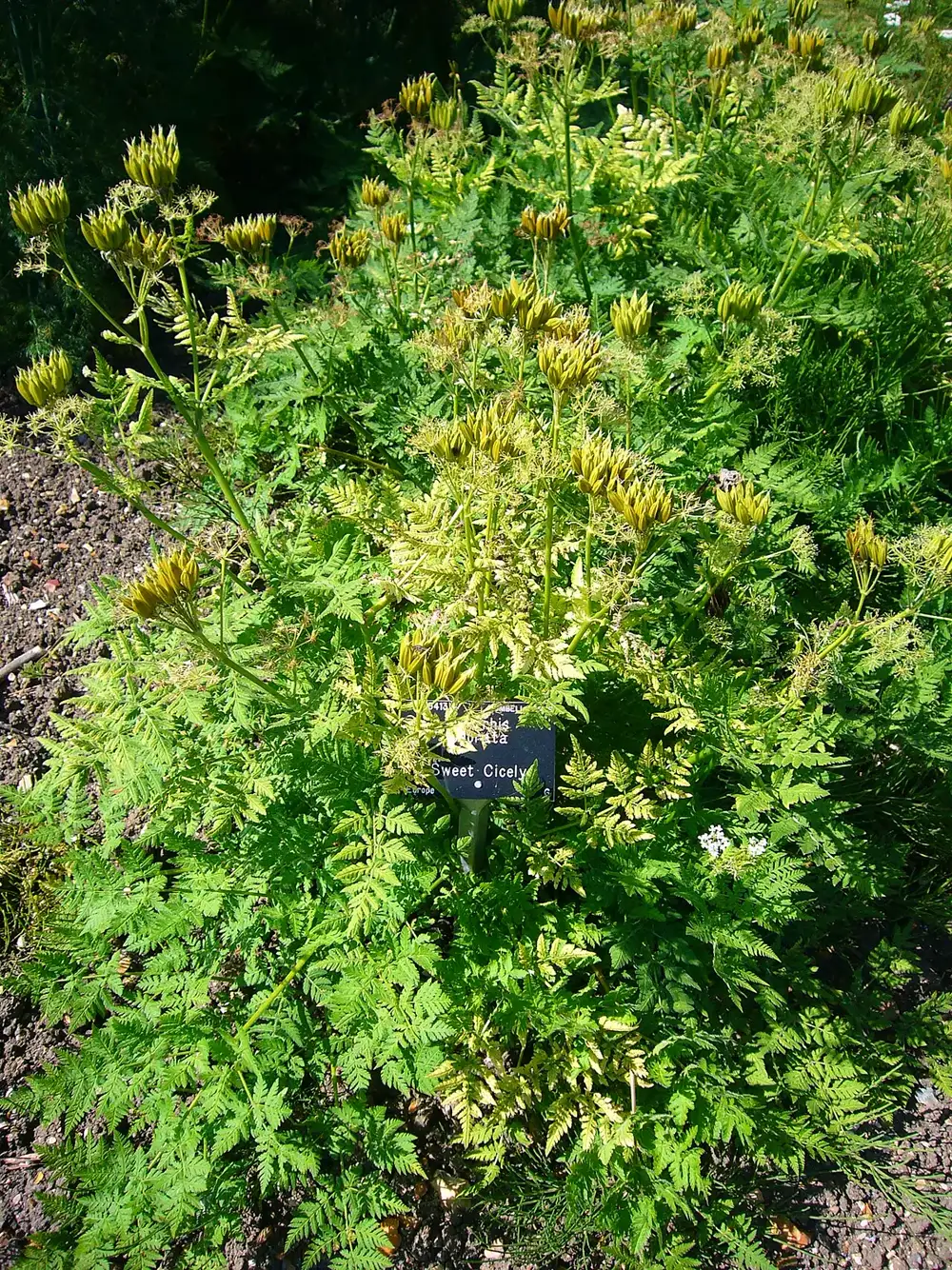
How to plant sweet cicely
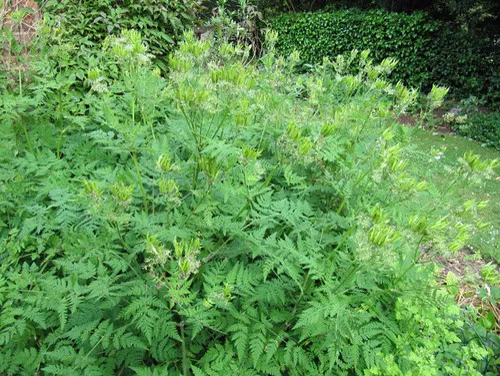
Sweet cicely is grown from fresh seed or young plants, and it has a deep taproot, so it dislikes being moved once settled. To establish it:
- Choose a spot in part shade (or full sun in cool climates) with moist, fertile, free-draining soil.
- Sow fresh seed in autumn where it is to grow, or plant a young plant, as the taproot resents disturbance (see improving garden soil).
- Enrich the soil with leaf mould or compost to mimic its woodland home.
Water in well and add a mulch to keep the roots cool and moist. Give it room, as it forms a substantial, long-lived clump over time.
Sun, soil, watering & feeding
Sweet cicely prefers part shade, though it grows in full sun where summers are cool. It likes moist, fertile, free-draining soil rich in organic matter, much like a woodland floor, and dislikes hot, dry conditions.
Keep the soil moist, especially in dry spells, as drought makes it struggle (see how often to water plants). Feeding is rarely needed; a spring mulch of compost or leaf mould is plenty. This easy care keeps the clump lush and productive for years.
Harvesting and using sweet cicely
Sweet cicely gives you two useful harvests, and both are simple to gather. The leaves and the green seeds are the prized parts.
Pick the young leaves from spring to autumn, using them fresh, as they lose flavour when dried. Gather the green, unripe seeds in summer for an intense aniseed flavour, eaten raw as a nibble or chopped into dishes. Traditionally, the leaves are simmered with stewed rhubarb, gooseberries, or other tart fruit to soften the sourness and cut down on added sugar.
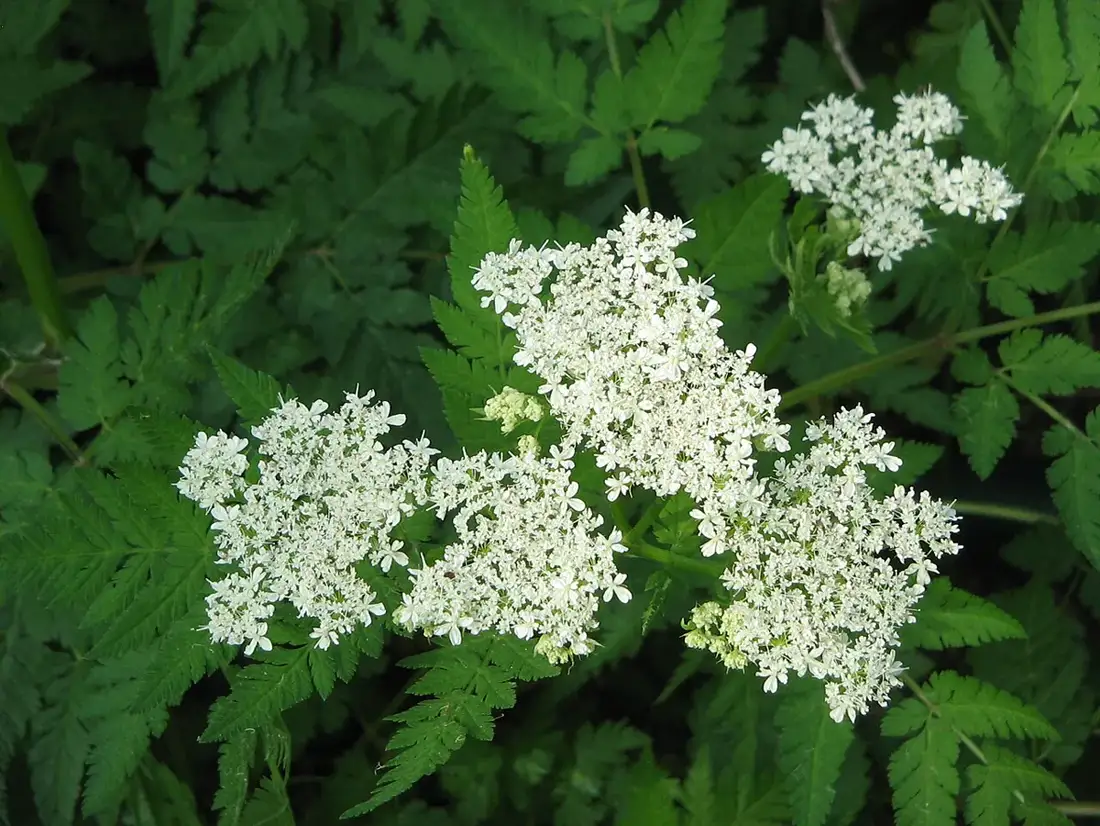
Sweet cicely in the garden and kitchen
Sweet cicely is a dual-purpose plant, useful in both the border and the kitchen, so it pays to make the most of both roles. Its soft, ferny look is a bonus.
In the garden, it is one of the prettiest herbs for a shady spot, its lacy white spring flowers feeding early bees and its fern-like foliage filling gaps under shrubs and trees. It mixes well with other woodland-edge plants like hostas, ferns, and pulmonaria. In the kitchen, the aniseed leaves are classically simmered with tart rhubarb and gooseberries to cut the sourness and reduce added sugar, and chopped into salads, dressings, and creamy dishes. The green seeds make a sweet, liquorice-flavoured nibble straight from the plant. Grown this way, a single clump quietly earns its place as both an ornamental and a genuinely useful culinary herb for years on end.
Common pests & diseases
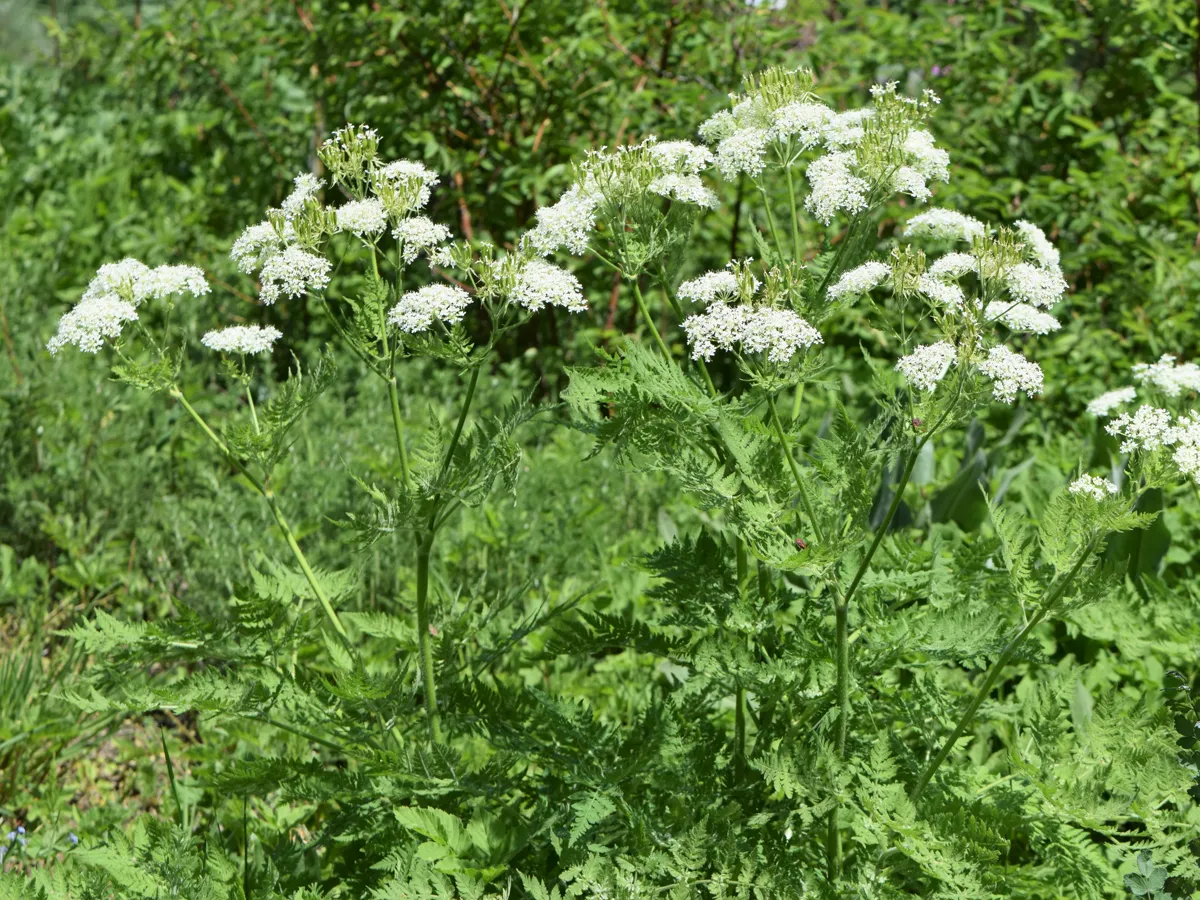
Sweet cicely is famously trouble-free, one of the easiest herbs to grow. Its aromatic foliage and tough nature keep most problems away.
It is rarely bothered by pests, though the odd aphid or slug may appear on soft spring growth. Powdery mildew can show on stressed, dry plants late in the season. Keep it cool and moist in part shade, and it will largely look after itself for many years.
Health benefits & uses
Sweet cicely is used in the kitchen as a natural sweetener and aniseed flavouring, cooked with tart fruit, stirred into creams and dressings, and used to flavour cordials and country wines. The roots can also be cooked as a vegetable.
It has a long history in traditional European herbal use, valued as a gentle, aromatic herb. Such uses are traditional rather than proven, so enjoy it as a flavouring as part of a balanced diet. For information only, not medical advice — consult a professional, and only ever eat plants you have identified with certainty.
Common sweet cicely problems
Seed not germinating
Usually old seed or spring sowing. Sow fresh seed in autumn so the winter cold can break its dormancy.
Seedlings appearing everywhere
Sweet cicely self-seeds freely. Deadhead after flowering if you want to limit it, or pull unwanted seedlings while small.
Struggling, scorched plants
Usually too much heat, sun, or dryness. Grow it in cool part shade and keep the soil moist.
Related plant guides
- How to grow Lily of the Valley
- How to grow Columbine
- How to grow Good King Henry
- How to grow Orach
- How to grow Soapwort
- How to grow Sweet Rocket
How to propagate sweet cicely
Sweet cicely is grown from seed or from division, and the timing matters more than the technique. Get the seed part right and the plant then keeps itself going, because it self-seeds freely.
From seed
Sow fresh seed in autumn, straight where the plant is to grow. The seed needs the cold of winter to break its dormancy, so autumn sowing lets the weather do the work and seedlings appear in spring. Barely cover the seed and keep the spot shaded and moist.
What does not work: stale, dried seed sown in spring. It often simply fails, because it has had no cold period and loses viability with age. This is the single most common reason gardeners give up on sweet cicely – the method was fine, the seed was old and sown in the wrong season.
By division
You can also lift and divide an established clump in spring or autumn. Do it while the plant is young: sweet cicely makes a deep taproot and resents disturbance once settled, so replant divisions promptly and water them in well.
In India, sweet cicely only suits the cool Himalayan hill stations – it will not take the heat of the plains, whichever method you use.
Frequently asked questions
Is sweet cicely easy to grow?
Yes, very, in the right spot. Given cool part shade and moist soil, it is a hardy, long-lived perennial that returns each year and self-seeds with little care.
What does sweet cicely taste like?
It has a gentle aniseed or liquorice flavour with a natural sweetness, which is why it is traditionally cooked with tart fruit to reduce the need for sugar.
Why won't my sweet cicely seed germinate?
The seed needs a cold period to sprout. Sow it fresh in autumn so winter breaks its dormancy, rather than sowing old seed in spring.
Does sweet cicely grow in shade?
Yes. It is one of the best culinary herbs for part shade, thriving in cool, moist, woodland-like conditions where sun-loving herbs would fail.
Is sweet cicely poisonous?
Garden sweet cicely (Myrrhis odorata) is not poisonous, and its leaves, seeds and roots have a long history of culinary use. The real danger is misidentification, because it belongs to the carrot family and superficially resembles deadly relatives such as poison hemlock and hemlock water-dropwort. Never forage a lacy white umbellifer unless you are certain of the plant, and crush a leaf to check for the true aniseed scent, which the poisonous lookalikes lack. When in doubt, grow it from named seed or plants rather than gathering it from the wild.
Which parts of sweet cicely can you eat?
Nearly all of the plant is usable in the kitchen. The soft, fern-like leaves are eaten raw or cooked, the unripe green seeds are chewed like a sweet, and the thick taproot can be cooked as a vegetable or candied. Its natural sweetness lets you cut back on added sugar when stewing tart fruit like rhubarb and gooseberries. The flowers are also edible and make a pretty garnish for salads.
Does sweet cicely spread or become invasive?
It is a well-behaved perennial rather than an aggressive spreader, but it does self-seed freely if the ripe seeds are left to fall. In a cool, moist garden a single plant can produce a small colony of seedlings over a few years. This is easy to control by removing the seed heads before they scatter, or by hoeing off unwanted seedlings while they are young. It is not classed as an invasive weed in the way some rampant plants are.
Where is sweet cicely native to?
Sweet cicely is native to the mountains of central and southern Europe, where it grows in cool, damp meadows, woodland edges and hedgerows. It was carried into cottage and monastery gardens across Britain and northern Europe as a valued herb and has naturalised in many temperate areas. Its love of cool, moist, partly shaded ground reflects those upland origins. This is why it struggles in hot, dry lowland climates.
How do you use sweet cicely in cooking?
Its gentle aniseed sweetness works best paired with sharp flavours. Cooks traditionally add chopped leaves to stewed rhubarb, gooseberries and other tart fruit to soften the acidity and reduce the sugar needed. The leaves also lift salads, omelettes, creamy dressings and fruit desserts, while the green seeds can be chopped into fruit salad. Because the flavour is mild, use it generously rather than as a mere pinch.
Does sweet cicely need sun or shade?
It positively prefers cool part shade and dislikes hot, exposed positions. A spot under deciduous trees or on the shady side of a border, in moist, humus-rich soil, suits it perfectly. It will tolerate more sun in cool northern gardens provided the ground never dries out. This shade tolerance makes it one of the few culinary herbs that thrives where sun-loving Mediterranean herbs would fail.
Is sweet cicely a perennial that comes back every year?
Yes, it is a fully hardy, long-lived herbaceous perennial. The top growth dies back in winter and fresh ferny foliage pushes up early the following spring, often before many other herbs have woken. Established plants develop a deep taproot and can live for many years in the same spot. Because it resents disturbance, choose its position carefully and leave it to settle in.
Still stuck? Ask the Plant Doctor
Describe the problem — yellow leaves, holes, no flowers — and get a clear answer in seconds. FreeAI can make mistakes. Answers are guidance, not a guarantee — check anything important against the guide it links to, and always read the label on any product before you use it.