How to Grow Agretti
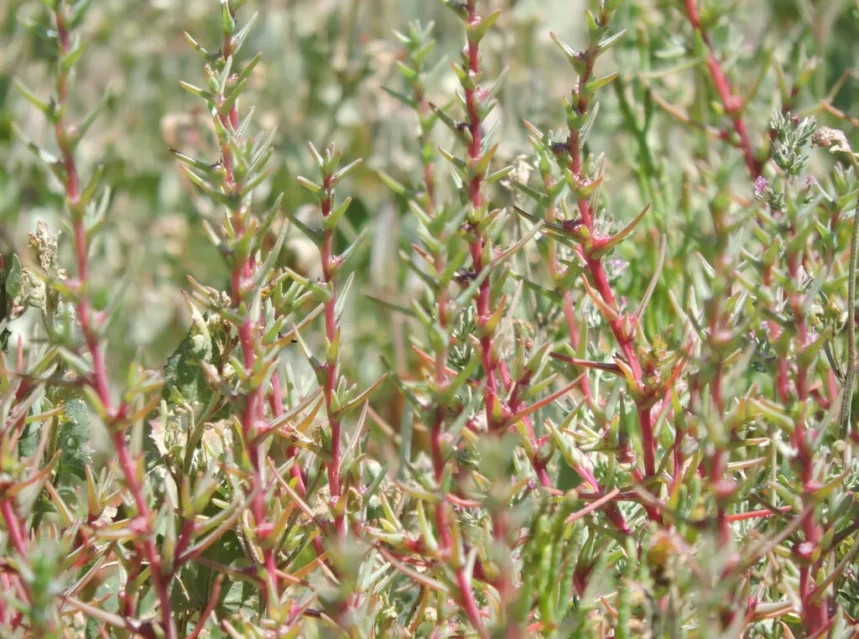
Agretti (Salsola soda), also called monk’s beard or saltwort, is an unusual leafy vegetable grown for its grassy, succulent, slightly salty shoots — an Italian delicacy eaten lightly cooked, with a fresh, mineral, almost seaside flavour. Quick-growing and tolerant of salty soil, it is a niche but rewarding spring crop for adventurous gardeners. on how to grow agretti.
Quick start: Grow agretti in full sun in light, free-draining soil, sowing very fresh seed in early spring. The seed is short-lived and germinates poorly, so sow thickly and use it quickly. Harvest the tender shoots with scissors as a cut-and-come-again crop in spring. It tolerates salty, coastal soils that defeat most vegetables. Here is the complete guide.
Experienced growers describe agretti as worthwhile but a little tricky, with two firm lessons. The biggest is the seed: it is notoriously short-lived, losing viability within months, so gardeners always buy the freshest possible seed, sow it thickly in early spring, and accept patchy germination. The second is harvest, since the grassy shoots are best cut young and tender, before the plant gets tough and woody. Most also note its salt tolerance, which makes it one of the few crops happy in salty, coastal ground.
🧰 In a hurry? Jump straight to our tested picks for this guide ↓
Agretti at a glance
| Feature | Detail |
|---|---|
| Botanical name | Salsola soda (family Amaranthaceae) |
| Plant type | Fast-growing leafy annual |
| Height | About 20–40 cm |
| Sun | Full sun |
| Soil | Light, free-draining; tolerates salty soil |
| Time to harvest | About 6–8 weeks |
| Best for | Spring greens, coastal/salty soil, Italian cooking |
| Watch out | Seed very short-lived; sow fresh and thickly |
Why grow agretti?
Agretti gives you a genuine gourmet vegetable that is almost impossible to buy fresh outside Italy. Its grassy, succulent shoots have a unique fresh, slightly salty, mineral taste that chefs prize, especially in spring.
It is also quick and unusual, cropping within a couple of months and tolerating salty, coastal soils where ordinary vegetables fail. For adventurous cooks and gardeners who like to grow something different, agretti is a rewarding spring crop with a flavour all its own. It is the kind of vegetable that surprises people who have never tasted it. And growing your own is often the only way to get it really fresh.
History, origin & where it grows
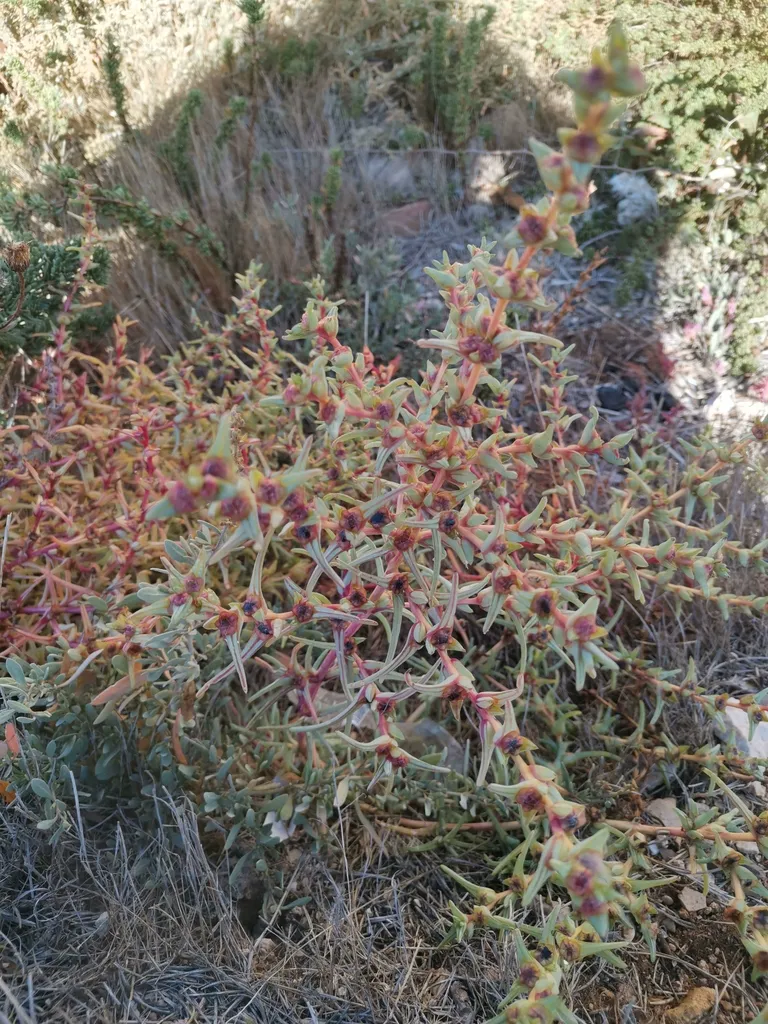
Agretti comes from the Mediterranean, where it grows wild in salty, coastal soils. It has a long history in Italy, both as a spring vegetable and, historically, as a plant burned to produce soda ash for glass and soap making.
It remains a seasonal delicacy in Italian cooking, typically sold in markets for only a few weeks each spring (see the background on Salsola soda). Its scarcity and short season are exactly why growing your own is appealing.
Agretti grows best in Mediterranean and temperate climates and tolerates salt better than almost any vegetable. In India, it is a niche crop best suited to cooler regions and the spring season, and to coastal or saline soils where its salt tolerance is an advantage.
Best season & when to plant
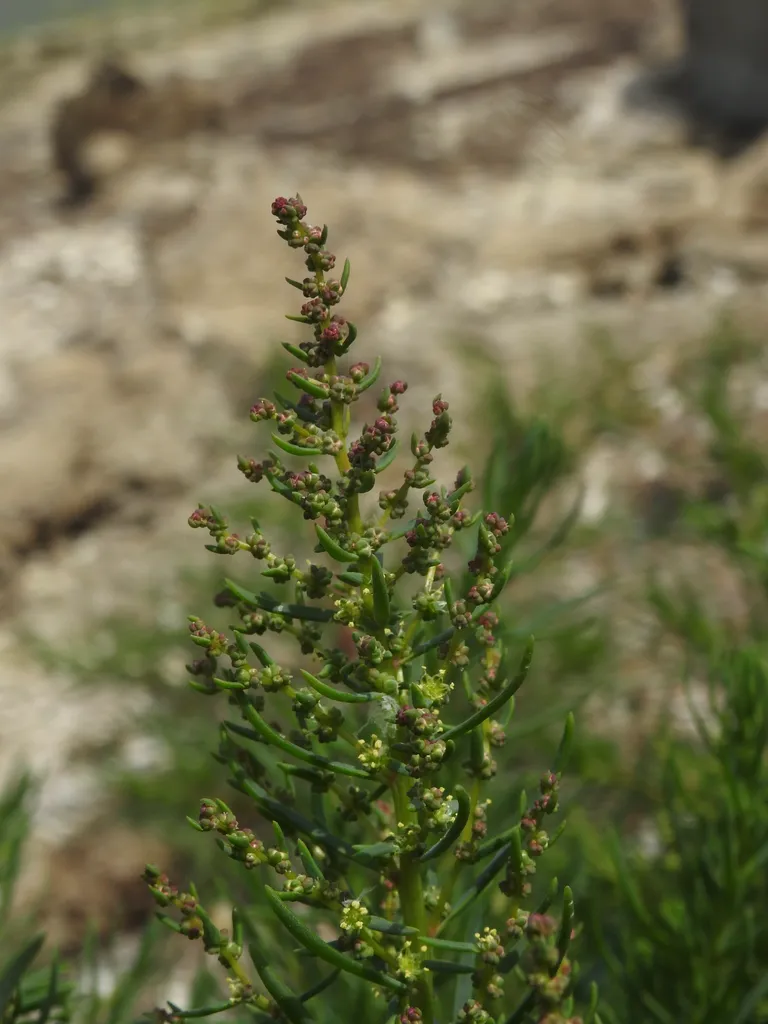
Sow agretti in early spring, as it is a cool-season spring crop that runs its course before high summer. Using the freshest possible seed is far more important than exact timing.
It is quick, ready to start cutting in about 6 to 8 weeks. In India and other warm regions, grow it in the cool spring season. Because the seed ages fast, sow it as soon as you get it rather than storing it for another year.
How to plant agretti
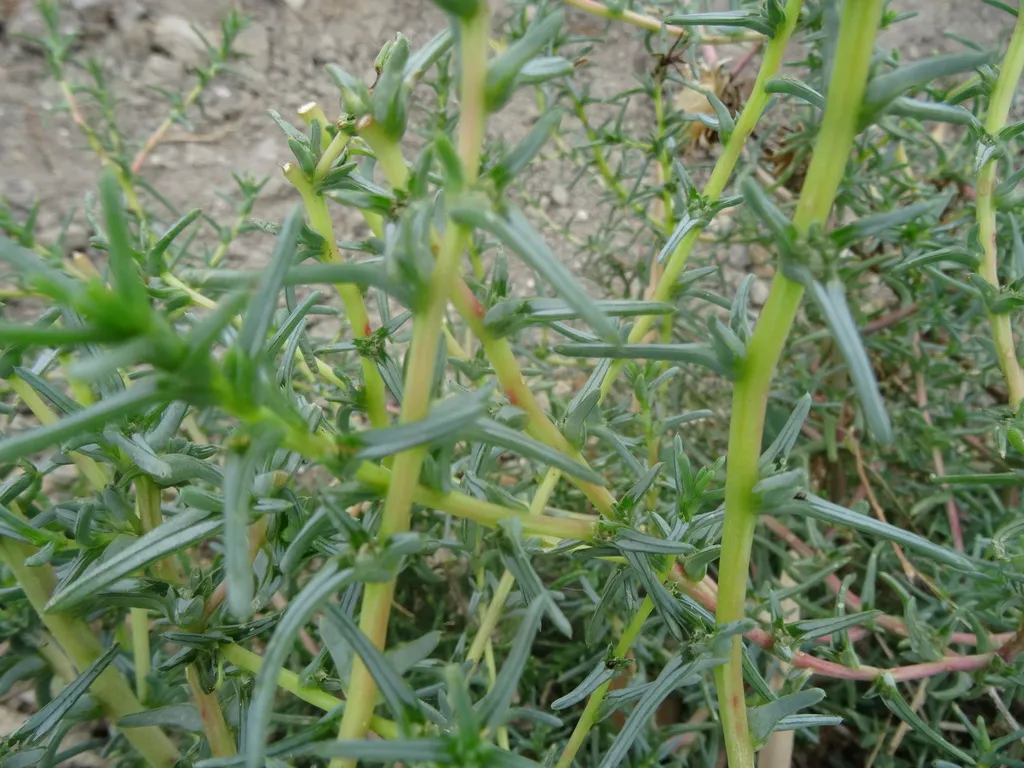
Agretti is grown from seed, sown directly where it is to grow, and the seed’s short life is the main challenge. To get a good stand:
- Buy the freshest seed you can and sow it promptly, as viability drops fast within months.
- Sow thickly in early spring in light, free-draining soil, expecting patchy germination (see improving garden soil).
- Cover lightly and keep the surface moist until the grassy seedlings appear.
Thin the seedlings only lightly, as agretti is happy growing in clumps. It tolerates poor and salty soil, so it does not need rich ground.
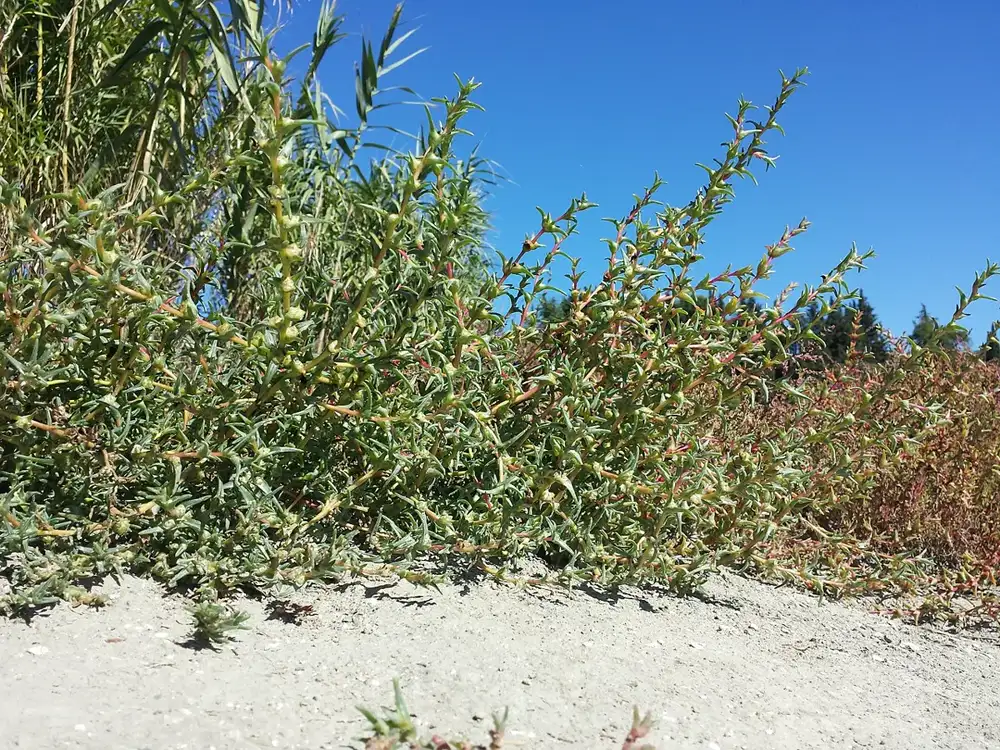
Sun, soil, watering & feeding
Agretti needs full sun and light, free-draining soil. Unusually, it thrives in salty and coastal soils that would harm most vegetables, and it does not want rich, heavy ground.
Water enough to keep the shoots tender and growing steadily, but avoid waterlogging (see how often to water plants). It needs little or no feeding, as it grows fast and is adapted to poor, lean conditions. Simple, sunny, well-drained conditions suit it best.
Harvesting agretti
Agretti is a cut-and-come-again crop, and picking young is the key to its fresh flavour and texture. The tender new shoots are the prized part.
When the grassy shoots are several centimetres long, cut them with scissors a little above the base, and the plant will regrow for further pickings over a few weeks. Harvest before the shoots get tough, woody, or start to flower, as quality drops quickly then. Use agretti fresh and soon after cutting, as it does not keep long.
Growing agretti in pots and getting seed to germinate
Agretti grows perfectly well in containers, which suits its short spring season and small size. The real skill, in pots or beds, is coaxing the seed to sprout.
Because the seed is so short-lived, buy it from a fresh, reliable source and sow it the moment spring arrives, never storing it for next year. Sow thickly, as germination is patchy, and keep the surface consistently moist and warm until the grassy seedlings appear. In a pot, use at least a 20 cm container of light, free-draining compost in full sun, sowing densely for a clump to cut from. A tray or pot also makes it easy to give the steady moisture and warmth that improve germination.
As a member of the saltwort genus (Salsola), it is adapted to salty, disturbed ground, but its short seed viability is the main reason crops fail, so freshness is everything. Get the seed up, and the growing itself is quick and easy.
Common pests & diseases
Agretti is a tough, fast crop with very few pest or disease problems. Its biggest challenge is germination rather than anything attacking the growing plant.
Occasionally slugs may nibble young seedlings, and rots can occur in wet, heavy soil. Grow it in light, free-draining ground in full sun, sow fresh seed thickly, and it is otherwise an easy, trouble-free crop that largely looks after itself.
Health benefits & uses
Agretti is eaten lightly cooked, classically blanched or quickly sautéed with garlic, olive oil, and a squeeze of lemon, and served as a fresh spring side dish. The youngest shoots can also be eaten raw. Its mineral, slightly salty taste pairs well with fish.
It provides fibre, vitamins, and minerals, like other leafy greens, with a naturally salty note. As with any food, enjoy it as part of a balanced diet. For information only, not medical advice — consult a professional for dietary guidance.
Common agretti problems
Poor or no germination
Almost always old seed, which loses viability fast. Buy the freshest seed possible, sow it promptly and thickly in spring.
Tough, woody shoots
The shoots were left too long. Cut them young and tender, before they get stringy or start to flower.
Plants flowering and finishing early
Often heat. Grow agretti as a spring crop and harvest before warm weather ends its season.
Related plant guides
- How to grow Shungiku
- New Zealand Spinach
- How to grow Celtuce
- How to grow Kailan
- How to grow Broccoli Rabe
- How to grow Tatsoi
Frequently asked questions
Is agretti easy to grow?
The growing is easy and fast, but the seed is the catch. It loses viability quickly, so success depends on sowing very fresh seed thickly in spring.
What does agretti taste like?
It has a fresh, grassy, succulent texture and a slightly salty, mineral flavour, a little like a seaside vegetable, which is why it is prized in Italian spring cooking.
Why didn't my agretti seed come up?
Agretti seed is notoriously short-lived. Old seed germinates poorly or not at all, so always buy the freshest seed and sow it as soon as possible.
Does agretti really grow in salty soil?
Yes. As a saltwort, it tolerates salty and coastal soils far better than most vegetables, which makes it useful where saline ground defeats other crops.
How long does agretti take to grow?
Agretti is a fast crop. From a spring sowing you can usually take a first cut about six weeks later, once the grassy shoots reach roughly 4 inches tall. The plants keep producing tender growth through the cool months of spring and early summer. Once hot weather arrives they toughen up and run to seed, so make the most of that early window.
Does agretti regrow after cutting?
Yes, agretti is a genuine cut-and-come-again vegetable. Snip the tender tops about 2 inches above the crown and the plant responds by branching, giving you a thicker, bushier flush for the next harvest. You can repeat this every couple of weeks while growth stays soft. Stop cutting once the stems turn wiry, which is the sign the plant is past its best.
Can I grow agretti in containers?
Yes, agretti adapts well to pots. Choose a container with good drainage, fill it with a potting mix that holds some moisture, and sow the fresh seed thickly on the surface. Stand the pot in full sun and keep the compost lightly moist while seedlings establish. A single wide planter can supply several cut-and-come-again harvests for the kitchen.
How do you harvest agretti?
Start harvesting when the plants are around 8 inches (20 cm) tall. Use scissors to snip the soft green tops, leaving a couple of inches of stem so the plant can regrow. Younger shoots are the sweetest and most succulent, while older growth becomes stringy. Harvest in the morning and use the greens fresh, as they wilt quickly.
Does agretti need fertilizer?
Not really. Agretti evolved on lean coastal ground, so it grows happily without feeding and is fairly drought tolerant once established. Rich soil or heavy feeding just produces soft, floppy growth with less of its characteristic mineral flavour. Reasonable drainage and steady light moisture matter far more than fertilizer.
How do you cook agretti?
Keep it simple, the Italian way. Blanch the trimmed shoots in boiling water for two or three minutes until just tender, then dress them with olive oil and lemon, or saute them briefly with garlic. The texture stays pleasantly crisp and the flavour is fresh, grassy, and faintly salty. It pairs beautifully with fish, eggs, and spring pasta dishes.
When should I sow agretti seeds?
Sow in early to mid spring while the weather is still cool, since agretti dislikes germinating in heat. Because even fresh seed germinates unevenly, sow it thickly and directly where the plants will grow, or in modules for transplanting while small. Successional sowings a few weeks apart stretch the harvest. Always use the current season’s seed — it loses viability within months.
Still stuck? Ask the Plant Doctor
Describe the problem — yellow leaves, holes, no flowers — and get a clear answer in seconds. FreeAI can make mistakes. Answers are guidance, not a guarantee — check anything important against the guide it links to, and always read the label on any product before you use it.