How to Grow Heliconia
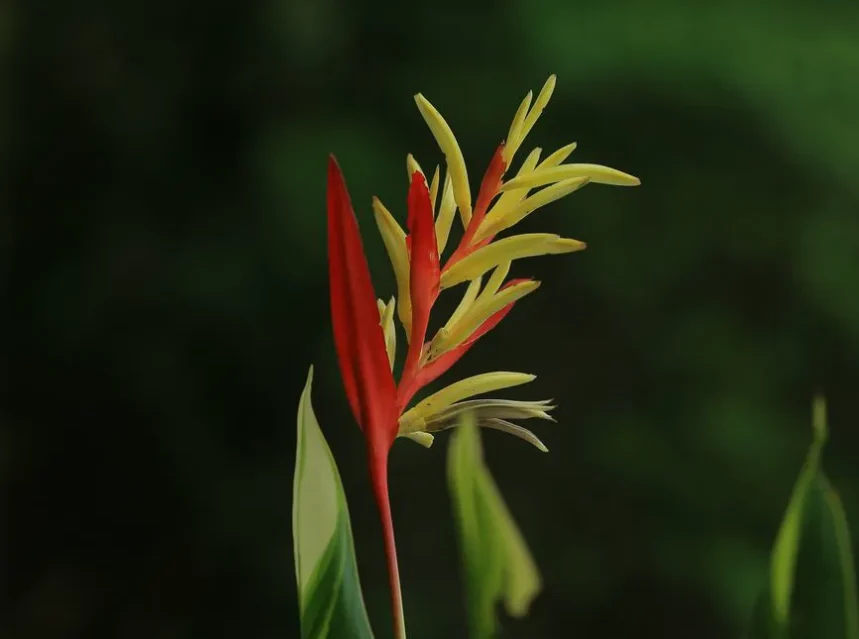
Heliconia (Heliconia), often called the lobster claw or false bird-of-paradise, is a dramatic tropical plant grown for its bold, brightly coloured bracts that hang or stand in striking claw-like rows above large paddle leaves — and it is one of the most exotic plants you can grow in a warm garden. The vivid red, orange and yellow bracts last for weeks and make spectacular cut flowers. It brings instant jungle drama. Here is the complete guide on how to grow heliconia.
Quick start: Give heliconia warmth, rich moist soil, high humidity and bright light with some shade. Water and feed generously in the growing season. It is frost-tender, so grow it outdoors only in warm climates, or in a large pot moved under cover in winter.
Experienced growers and tropical-plant references agree heliconia is easy where it is warm and a challenge where it is not. Growers report that the key needs are steady warmth above about 15°C, rich soil and plenty of water and feed while in growth. Many also note the clumps spread by rhizomes and benefit from dividing every few years. In cool climates, gardeners keep them in large pots under glass. In short, give heliconia tropical conditions and it rewards you with show-stopping bracts.
🧰 In a hurry? Jump straight to our tested picks for this guide ↓
Heliconia at a glance
| Feature | Detail |
|---|---|
| Botanical name | Heliconia (family Heliconiaceae) |
| Common names | Lobster claw, false bird-of-paradise |
| Plant type | Tropical rhizomatous perennial |
| Light | Bright light with some shade |
| Soil | Rich, moist, free-draining |
| Temperature | Warm; frost-tender (15°C+) |
| Best for | Warm-climate borders, large pots, cut flowers |
Why grow heliconia?
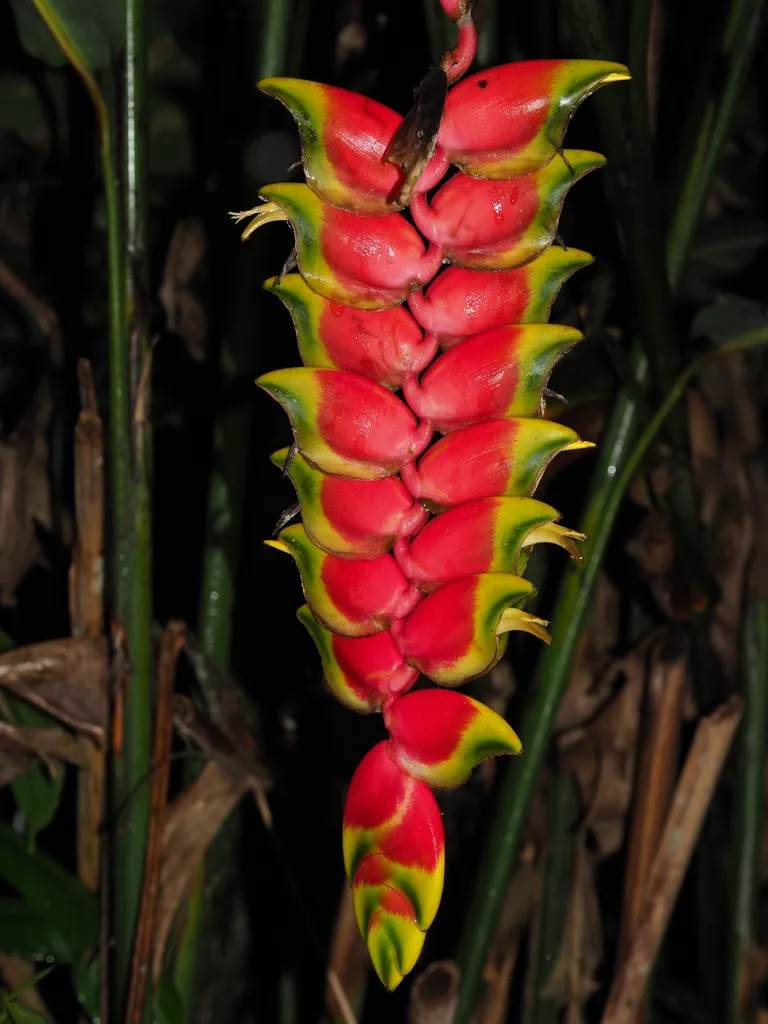
The flowers are pure drama. Heliconia’s waxy, brilliantly coloured bracts are unlike anything else in the garden, hanging or rising in bold claw-shaped rows that last for weeks. A single clump turns a warm garden into a tropical paradise.
They are also superb cut flowers, lasting a long time in the vase and beloved by florists. The big banana-like leaves add lush structure, and in the tropics the flowers draw in nectar-feeding birds. For impact in a warm climate, few plants compete.
History, origin & where it grows
Heliconia is native mainly to the tropical Americas, from Central and South America and the Caribbean, with some species in the islands of the western Pacific. Growing in warm, humid rainforests explains its love of heat, moisture and rich soil. In the wild, many species are pollinated by hummingbirds.
It belongs to its own family, the Heliconiaceae, related to bananas and gingers (see the Missouri Botanical Garden records). There are dozens of species, varying from compact to several metres tall.
Today heliconia is grown across the tropics and as a glasshouse plant elsewhere. In India it thrives outdoors in the warm, humid south, the coastal belt and the north-east, and is widely grown as a garden and cut-flower plant. In cooler or drier parts, grow it in large pots with extra humidity, and protect it from cold.
Best season & when to plant
Plant heliconia in spring or early in the warm season, when temperatures are reliably warm, so it establishes fast. It grows actively through the warm, humid months and rests when it is cooler.
In tropical India it can flower for much of the year, with peaks in the warm, rainy season. Plant rhizomes or divisions at the start of this active period for the strongest growth.
How to plant heliconia
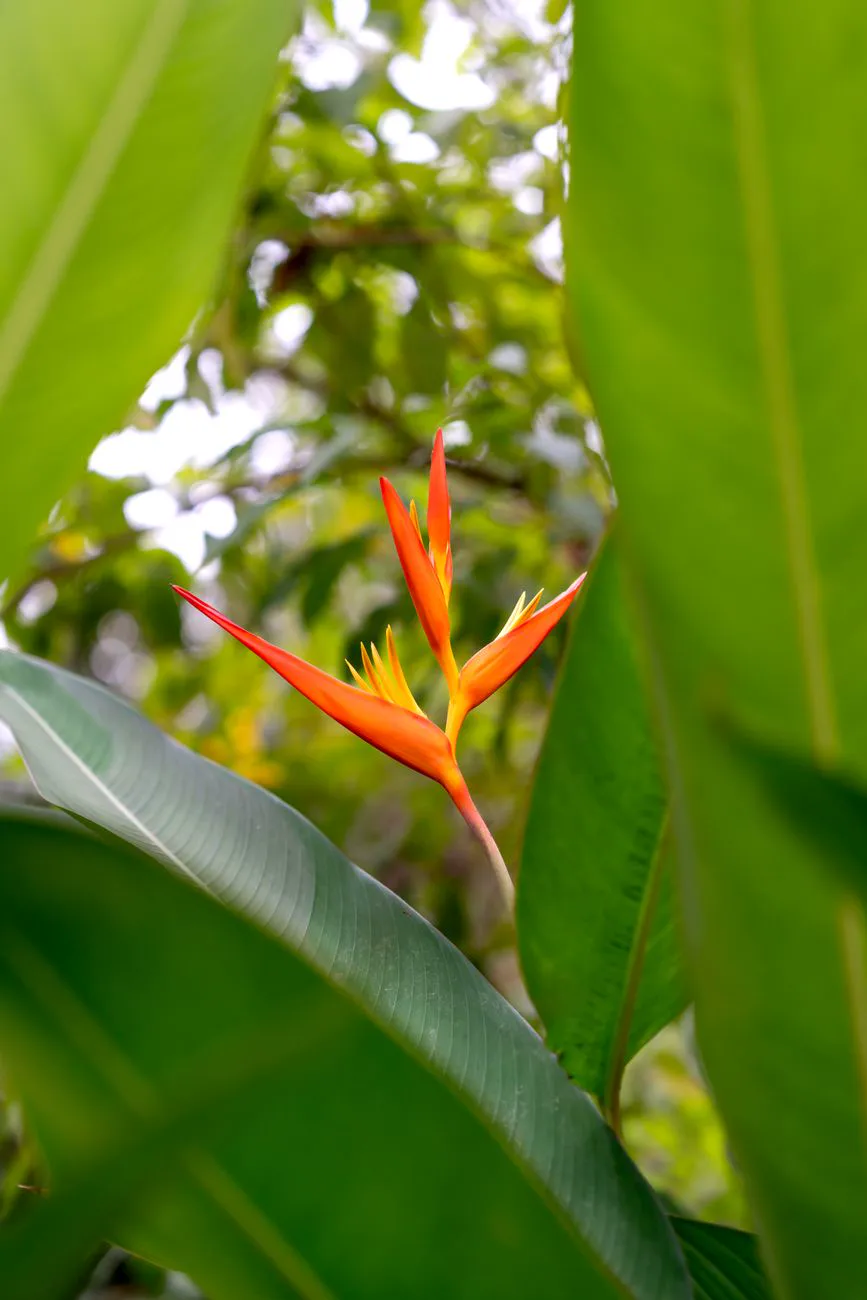
Rich soil, warmth and moisture are the essentials. To plant well:
- Choose a warm, sheltered spot with bright light and some shade, protected from strong wind that tatters the leaves.
- Use rich, moisture-retentive but free-draining soil, dug through with plenty of compost (see improving garden soil).
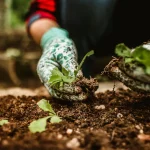
- Plant rhizomes just below the surface, allowing space for the clump to spread.
Water in thoroughly and mulch generously to lock in moisture and feed the soil as it breaks down.
Light, soil, watering & feeding
Heliconia likes bright light with some shade, especially from harsh afternoon sun in the hottest places. Deep shade reduces flowering, so aim for filtered light. Above all it needs warmth and rich, moist soil.
Water generously and often through the growing season (see how often to water), as these thirsty plants dislike drying out, but ensure the soil still drains. Feed regularly with a balanced or potassium-rich fertiliser to fuel strong leaves and plenty of bracts.
Dividing & growing in pots
Heliconia clumps spread steadily by underground rhizomes and benefit from occasional division. Every few years, or when a clump grows crowded, lift and divide it in the warm season, replanting healthy sections with a few shoots each. This renews vigour and gives you more plants.
In cool climates, grow heliconia in a large pot of rich compost that you can move into a warm, bright, humid spot or glasshouse before cold weather. Keep it warm and just moist over winter, then resume generous watering and feeding as warmth returns.
Common pests & diseases
Outdoors in the tropics heliconia is fairly trouble-free, but under cover or when stressed it can attract pests. Spider mites, mealybugs and scale are the most common, especially in dry indoor air. Raising humidity and good airflow keep them down.
Root rot can strike in cold, waterlogged soil, so warmth and drainage matter. Remove damaged leaves and treat insect problems early using our organic pest control guide. Healthy, warm, well-fed plants rarely suffer badly.
Heliconia types to know
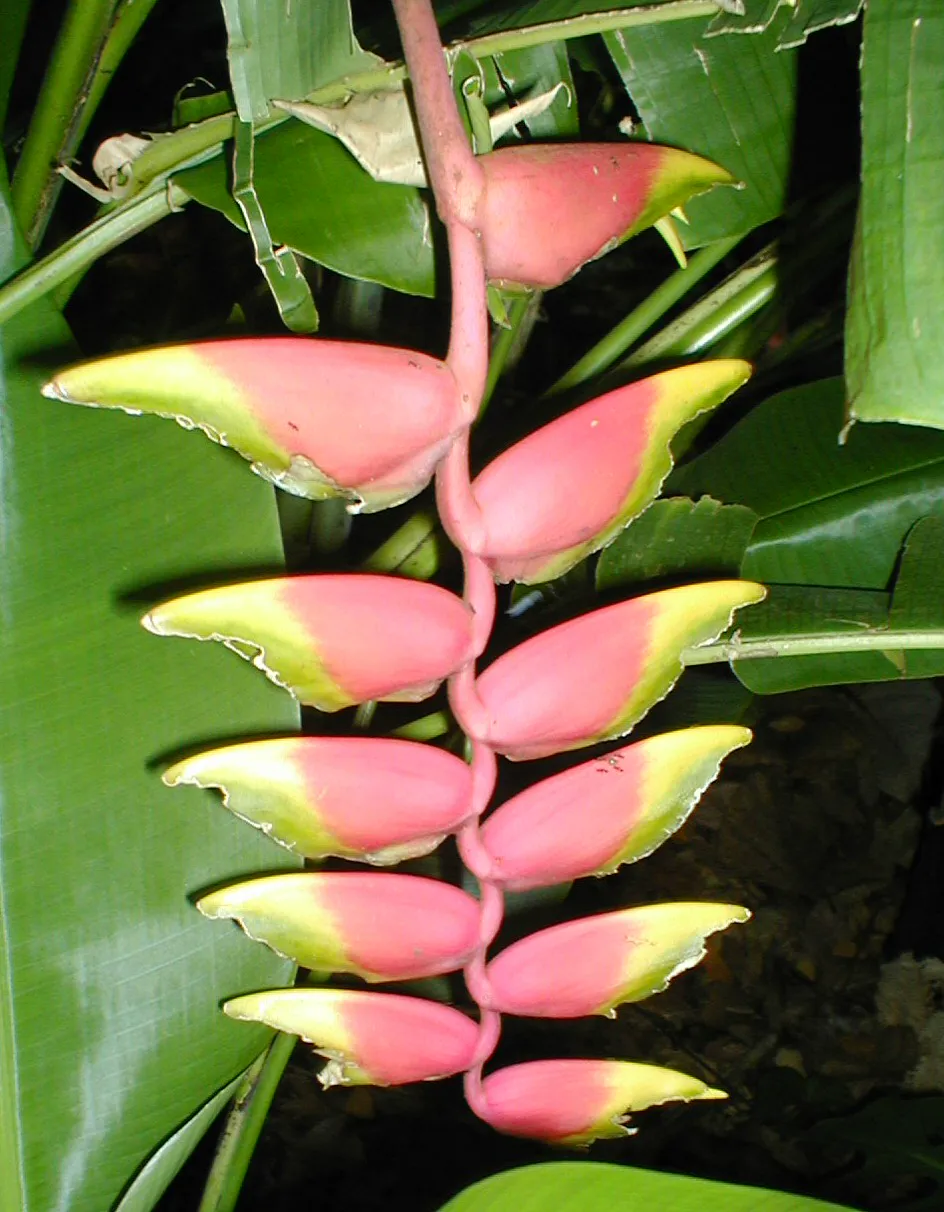
Knowing a few of the popular species helps you pick one for your space, as they range from compact pot plants to towering clumps. They share the same warm, moist needs but vary hugely in size and bract shape.
Heliconia rostrata (hanging lobster claw) is the famous one, with long, pendent chains of red-and-yellow bracts. Heliconia psittacorum (parrot’s beak) is smaller and free-flowering, ideal for pots and smaller gardens. Upright types like Heliconia bihai and Heliconia caribaea hold bold bracts erect on tall stems for dramatic landscaping. Choosing a compact species makes container growing and overwintering far easier in cooler areas. Whichever you grow, plant a few of one kind together for the boldest effect, as a generous clump reads far better than a lone stem. The cut bracts also last remarkably well in a vase, often two weeks or more, which is exactly why florists prize them for tropical arrangements.
Uses & benefits
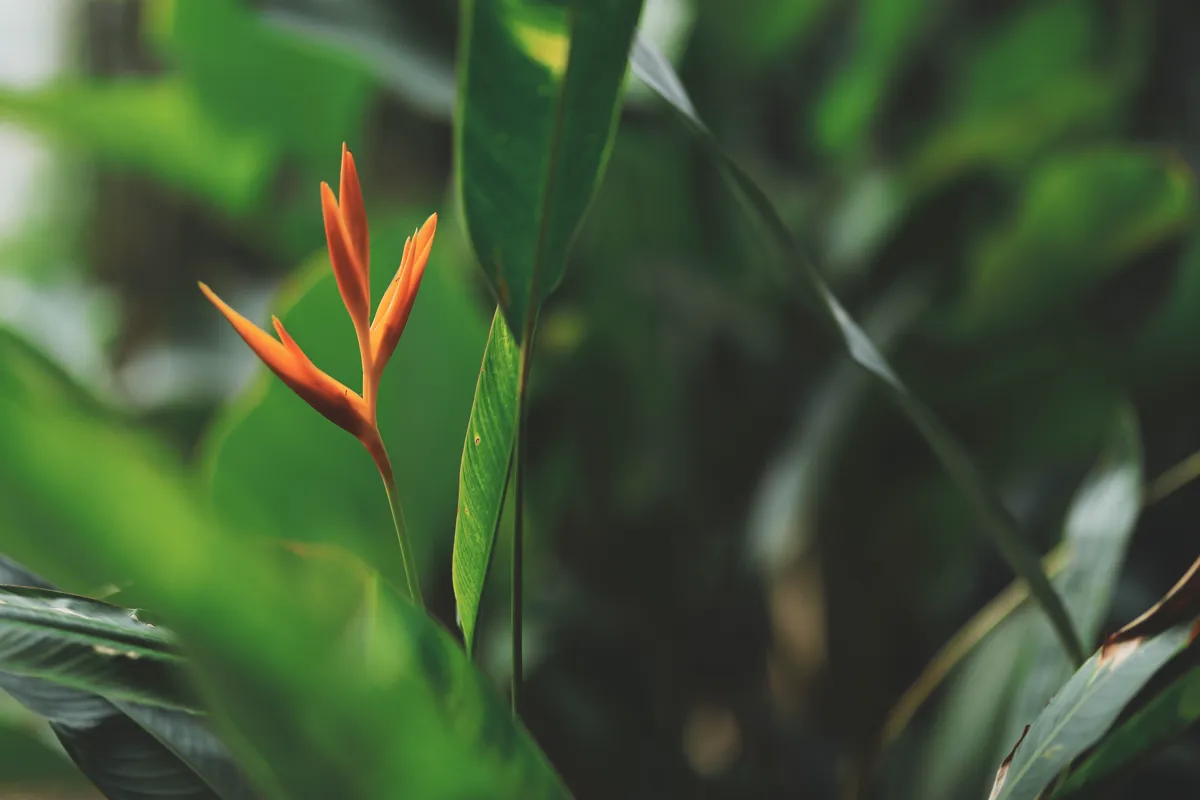
Heliconia is grown as a dramatic ornamental and cut flower, prized for its bold, long-lasting bracts, lush tropical foliage and value in warm-climate landscaping. It is a star of tropical gardens and a sought-after florist flower for exotic arrangements.
In its native range the flowers feed hummingbirds and other nectar-feeders. In warm-climate landscaping it is widely used for bold poolside plantings, tropical-themed borders and resort gardens, where its size and colour create instant impact. It is grown purely for ornament, not as a culinary or medicinal plant, so enjoy it for its spectacular looks.
This article is for general information only and is not medical advice. Talk to a qualified professional before using any plant medicinally.
Common heliconia problems
No flowers
Usually too little warmth, light or feeding, or a plant not yet mature. Give bright filtered light, warmth, rich soil and regular feeding, and be patient.
Brown, tattered leaves
Often cold, dry air, or wind damage. Raise humidity, shelter the plant from wind, and keep it warm and evenly moist.
Yellowing or rotting
Cold, waterlogged soil. Improve drainage, keep the plant warm, and ease off watering in cool spells.
Related plant guides
- How to grow Canna
- How to grow Crocosmia
- How to grow Agapanthus
- Mandevilla care
- How to grow Banana
- Pieris
Frequently asked questions
Is heliconia easy to grow?
In a warm, humid climate with rich, moist soil, yes — it is easy and vigorous. In cool climates it needs a heated glasshouse or a pot brought under cover.
What is the difference between heliconia and bird of paradise?
They look similar but are different plants. Heliconia has claw-like hanging or upright bracts, while true bird-of-paradise (Strelitzia) has crane-like orange and blue flowers.
Why won't my heliconia flower?
Usually too little warmth, light or feeding, or an immature plant. Give bright filtered light, warmth, rich soil and regular feeding, and allow it time to settle.
Can heliconia grow in pots?
Yes — in cool climates a large pot of rich compost is ideal, so you can move the plant somewhere warm, bright and humid for winter.
Why are my heliconia leaves turning yellow?
Start with water and drainage, because heliconia wants soil that is constantly moist but never waterlogged, and both extremes turn leaves yellow. A pot standing in a saucer of water will rot the rhizome and yellow the whole plant from the bottom up, while a plant that dries out repeatedly yellows and browns from the leaf edges inwards.
Cold is the next suspect — temperatures below roughly 10 to 13 degrees Celsius cause rapid yellowing and leaf collapse even if watering is perfect. If the plant is otherwise healthy but the newest leaves are pale with green veins, feed it, since heliconias are heavy feeders and quickly show nitrogen and iron shortage in poor compost. One or two old lower leaves yellowing on a growing clump is normal and nothing to worry about.
How do you propagate heliconia?
By dividing the rhizome, which is by far the most practical method for gardeners. Lift or cut away a section of the underground rhizome with at least one healthy shoot and a good chunk of root, ideally at the start of the warm growing season, and replant it about 8 to 10 cm deep in rich, well-drained soil. Keep it warm, shaded from harsh midday sun and evenly moist while it establishes, and it will usually push new shoots within a few weeks. Seed is possible but slow and unreliable, with hard-coated seed that can take months to germinate, and hybrids will not come true.
Is heliconia related to the banana?
Closely, yes. Heliconia sits in its own family, Heliconiaceae, but that family belongs to the order Zingiberales alongside bananas, gingers, cannas and bird-of-paradise, which is why the leaves and the way new shoots unfurl look so familiar. That kinship also explains the growing habit: what looks like a stem is a pseudostem made of rolled leaf sheaths, exactly as in a banana. Understanding this makes care obvious — treat heliconia like a banana that flowers, giving it heat, humidity, shelter from wind that shreds the leaves, and generous feeding.
Why is heliconia called lobster claw, and what are the main types?
The common names describe the shape of the bracts, which are the brightly coloured structures people mistake for petals — the actual flowers are small and tucked inside them. Heliconia rostrata, with heavy red and yellow bracts hanging in a zigzag chain, is the classic hanging lobster claw. Heliconia psittacorum, sold as parrot’s beak or parrot flower, is smaller, upright, quick to clump and by far the easiest for home gardens. Heliconia bihai and Heliconia stricta sit between the two in size, with bold upright claws. Choose an upright, compact species if space or pot size is limited, and save rostrata for a spot where a 2 to 3 m clump can arch freely.
Do heliconias attract hummingbirds?
In the Americas they are one of the great hummingbird plants — Heliconiaceae is among the most important hummingbird-pollinated groups anywhere, and the long tubular flowers, the perch-like bracts and the lack of scent are all adaptations to bird pollination rather than insects. It is worth being clear about geography, though. Hummingbirds live only in the Americas, so a heliconia grown in India, Southeast Asia or Africa will never see one; there the flowers are worked by sunbirds, spiderhunters and large bees instead, which is still a fine wildlife result. Nectar is produced generously either way, so the plant earns its place in any warm-climate wildlife garden.
Can heliconia be grown in India?
It grows very well across the warm, humid parts of India and is widely planted in Kerala, Goa, coastal Karnataka, Tamil Nadu, the north-east and around Mumbai, both as a landscape plant and as a commercial cut flower. The requirements are heat, humidity, rich soil and shelter, so the monsoon is the ideal planting window and light shade helps in the fiercest pre-monsoon heat.
Dry inland heat and the cold dry winter of the northern plains are the limiting factors — there heliconia is best in a large pot that can be moved, with regular misting and protection from cold nights and desiccating winds. Give it plenty of organic matter and steady feeding through the growing season and it will clump up quickly.
How long do heliconia cut flowers last?
They are among the longest-lasting tropical cut flowers, which is why they are grown commercially for export. Cut when the lower bracts have opened and coloured fully, take the stem at an angle with a clean sharp blade, strip any leaves that would sit in the water, and expect two weeks or more in a vase if the water is changed every few days. Keep them out of cold rooms and away from refrigeration, because heliconia suffers chilling injury and blackens at temperatures that suit roses. Recutting the stem base every few days keeps water uptake going.
Should you cut back heliconia stems after flowering?
Yes, and it is essential to keeping a clump looking good. Each pseudostem flowers only once and will never bloom again, so once the bracts fade cut that stem right down to ground level and let the rhizome push replacements. Remove damaged, wind-shredded and dead leaves at the same time, and thin overcrowded shoots so light reaches the centre of the clump. Doing this two or three times a year keeps the planting tidy, reduces fungal problems in humid weather, and channels the plant’s energy into new flowering shoots.
Sources and further reading
Still stuck? Ask the Plant Doctor
Describe the problem — yellow leaves, holes, no flowers — and get a clear answer in seconds. FreeAI can make mistakes. Answers are guidance, not a guarantee — check anything important against the guide it links to, and always read the label on any product before you use it.