Are Tulips Toxic to Cats? The Bulb Danger Explained

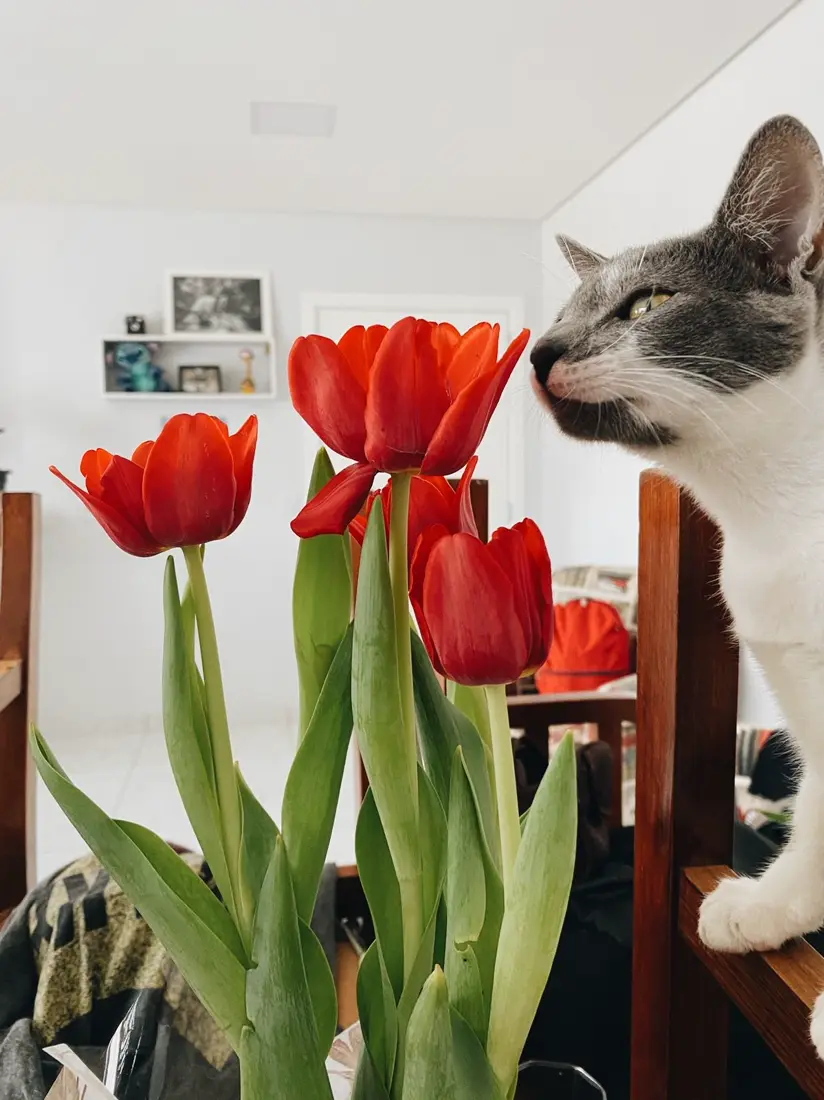
Are tulips toxic to cats? Yes. Tulips contain compounds called tulipalin A and B that are toxic to cats, causing drooling, vomiting, and diarrhoea. The key detail most people miss: the toxin is concentrated in the bulb, not the flower. So a cat that digs up or chews a bulb is far more at risk than one that sniffs a bouquet. Cases are usually mild, but the bulb deserves real caution. Here is the full picture.
Quick answer: If your cat chewed a tulip, especially the bulb, take it away, clear its mouth, and offer fresh water. Do not induce vomiting. Watch for drooling, vomiting, and diarrhoea, and for rare severe signs like a racing heart or breathing trouble. Call your vet if symptoms appear, and treat a chewed bulb as more serious. This article is general information, not veterinary advice.
🧰 In a hurry? Jump straight to our tested picks for this guide ↓
Are tulips toxic to cats? Severity at a glance
| What you notice | What it means |
|---|---|
| Drooling, vomiting, or diarrhoea | Typical mild reaction, monitor at home |
| Reduced appetite or low mood | Feeling off, call the vet if it deepens |
| Chewed a flower or leaf only | Lower dose, usually milder |
| Chewed or dug up a bulb | Higher dose, call the vet promptly |
| Rapid heart rate or laboured breathing | Severe, uncommon, emergency vet |
| Tremors, seizures, or collapse | Large bulb dose, emergency |
The bulb is the real danger, not the flower
This is the point that changes how you protect a cat from tulips, so understand it first. The tulipalin toxins are spread through the whole plant, but they are far from evenly distributed.
The bulb, the underground root part, holds by far the highest concentration. The stem, leaves, and flowers carry much less. So a cat nibbling a cut tulip in a vase is taking a smaller dose than a cat that digs up and gnaws a bulb.
Botanical references, including Wikipedia’s entry on the tulip, note that the bulb holds the highest concentration of these compounds, which is why it is the usual cause of serious cases. This is why stored bulbs and freshly planted beds are the situations to worry about most.
Why tulips hurt: tulipalin and where cats meet it
Tulips belong to the same broad group of spring bulbs as hyacinths and daffodils, which are also toxic to cats. Their irritant is tulipalin, which inflames the mouth, throat, and gut. The ASPCA lists tulips as toxic to cats and dogs, with the bulb as the main concern.
For a cat, there are two main exposure points. One is the cut flower in a vase, a lower-dose nibble. The other, more dangerous, is the bulb: a bag of bulbs stored in a cupboard, or bulbs planted in a pot or bed that a digging cat unearths.
So the tulip risk is really a spring-and-autumn, bulb-handling risk as much as a bouquet one. Anyone planting or storing spring bulbs in a cat home should treat those bulbs like any other toxin.
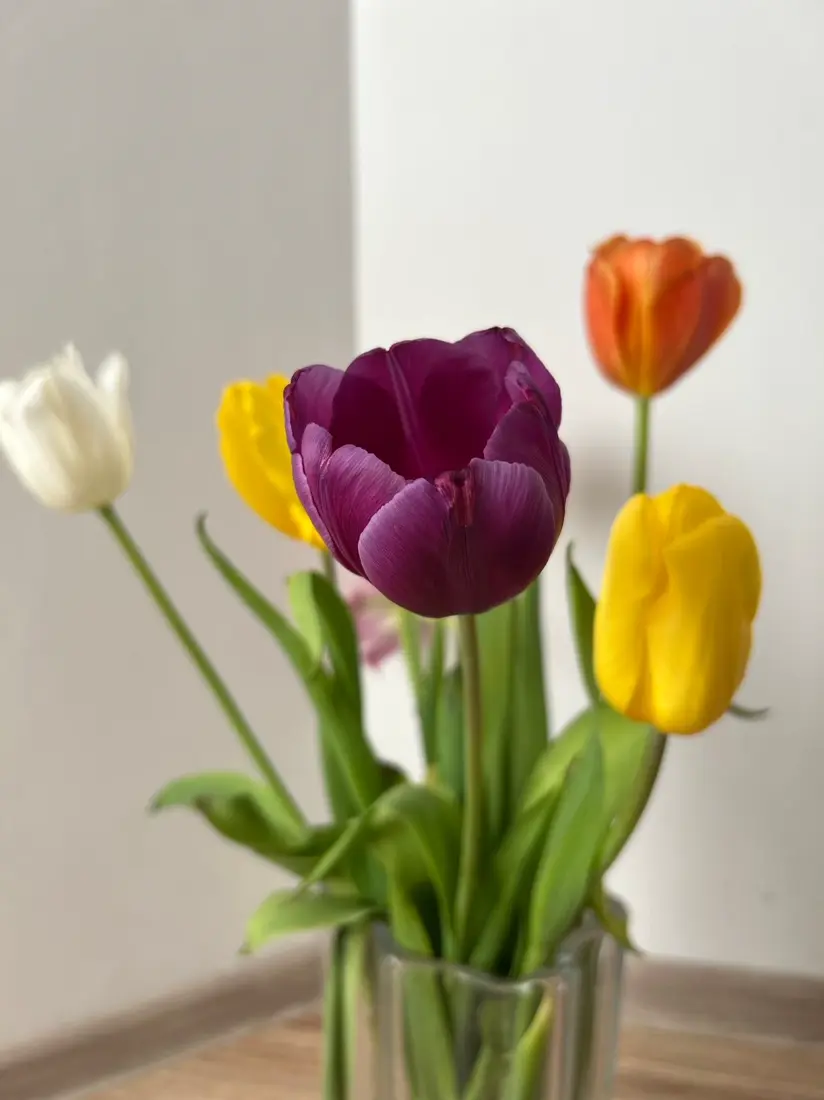
How dangerous is it really? The honest severity answer
Here is the balanced truth. Most tulip cases are mild, especially when a cat has only nibbled a flower or leaf.
The usual outcome is drooling, an upset stomach, and a quiet cat that recovers with supportive care. The North Carolina State Extension plant database lists tulips as toxic but notes most exposures cause mild effects. Unlike a true lily, a cut tulip in a vase is not usually a life-threatening emergency.
The exception is the bulb. A cat that eats a meaningful amount of bulb can develop more serious effects, including a rapid heart rate, breathing trouble, or in rare cases tremors and seizures. Kittens and small cats are most vulnerable. So judge the urgency by what was eaten: flower, mild; bulb, call the vet quickly.
What to do right now if your cat chewed a tulip
Work through this calmly, in order.
First, remove the plant, flowers, or bulbs from your cat’s reach, and clear any pieces from its mouth. Offer fresh water to help settle the stomach. Note which part was eaten, because a bulb is more serious than a petal.
Do not induce vomiting unless a vet tells you to. Then watch. Mild drooling or a single vomit from a flower nibble can often be monitored at home. Call your vet or an animal poison line if symptoms persist, your cat ate any bulb, or you see a fast heartbeat or breathing trouble. Bring a photo or a piece of the plant. Again: this is general information, and your vet’s advice always comes first.

Keeping cat, tulips and bulbs apart
Because the bulb is the biggest hazard, prevention is as much about storage and planting as about vases.
Keep bags of tulip and other spring bulbs in a sealed container in a cupboard your cat cannot open, never loose on a shelf or in an open bag. When you plant bulbs in pots or beds indoors or on a balcony, cover the soil or fence it, so a digging cat cannot reach them.
For cut tulips, keep the vase out of reach and clear any dropped petals or leaves. A pot of cat grass and regular play reduce the urge to chew. Our plant doctor tool helps you identify a mystery bulb or flower before deciding how careful to be.
Safe flowers and plants to enjoy instead
You can still have spring colour in a cat home. Swap tulips and other toxic bulbs for these cat-safe options:
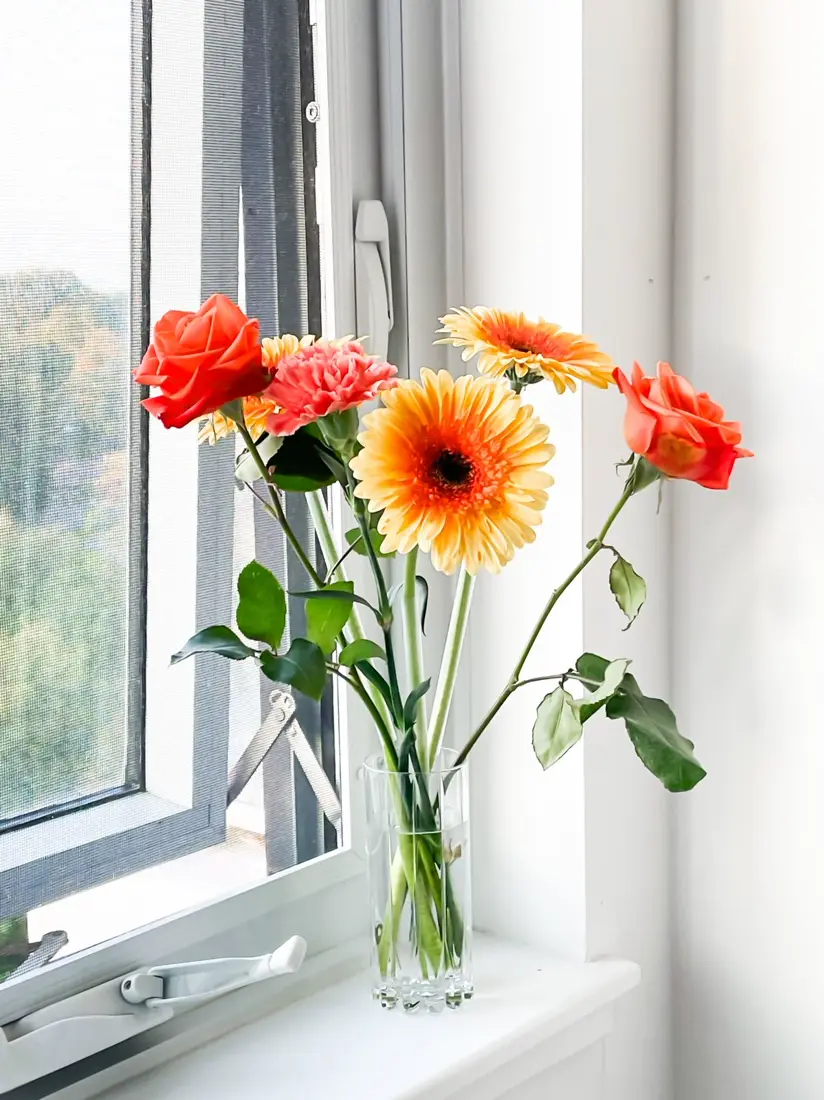
| Safe flower or plant | What it offers |
|---|---|
| Roses | Classic bouquet colour, non-toxic |
| Gerbera daisies | Bold, simple, cheerful blooms |
| Sunflowers | Bright seasonal cut flowers |
| Orchids (phalaenopsis) | Elegant, long-lasting flowers |
| Snapdragons | Colourful spring-style spikes |
All appear on the ASPCA’s non-toxic list. Our pet-safe houseplants guide covers safe greenery, and note that the far deadlier true lily should never share a home with a cat.
Tulips and cats step by step
- Know the risk: toxic, but the bulb is the dangerous part.
- A flower nibble is usually mild; a chewed bulb is serious.
- After chewing: remove the plant, clear the mouth, offer water.
- Never induce vomiting without vet instruction.
- Call the vet for any bulb ingestion or severe signs.
- Store bulbs sealed and fence planted beds from digging cats.
A cat household can still enjoy tulips and spring bulbs. It just keeps the bulbs sealed away and the flowers out of reach.
Tulips and cats in homes worldwide
Tulips are among the most popular spring flowers on the planet, brightening cat-owning homes from New York and London to Singapore and Sydney, both as cut bouquets and as garden and pot bulbs.
In India, tulips are prized as premium gifted bouquets and as a spring highlight in cooler and hill regions like Kashmir’s famous tulip gardens, and forced bulbs are increasingly grown at home. Wherever bulbs are planted or stored, they are the main cat hazard. The fixes translate directly: keep bulbs sealed and beds fenced, keep vases out of reach, give the cat its own pot of grass, and know your nearest vet’s number.
Wherever you live, save an animal poison helpline number in your phone before you need it, and remember the bulb is the part to guard most. Our guide to growing tulips and spring bulbs covers the plant’s side, and our pet-safe plant guide covers the cat’s.
Frequently asked questions
What happens if my cat eats a tulip?
It depends on which part. A nibble of flower or leaf usually causes mild drooling, vomiting, or diarrhoea that settles with supportive care. Eating the bulb is more serious, because it holds the highest concentration of the tulipalin toxins and can cause a rapid heart rate, breathing trouble, or rarely tremors. Remove the plant, clear the mouth, and offer water. Do not induce vomiting. Call your vet if symptoms persist or your cat ate any part of a bulb.
Are tulip bulbs more toxic than the flowers?
Yes, considerably. The tulipalin toxins are concentrated in the bulb, with much lower amounts in the stem, leaves, and flowers. This is why a cat digging up or chewing a bulb is at far greater risk than one nibbling a cut flower in a vase. It also means the biggest danger is often in the cupboard or the flower bed, not the bouquet. Store bulbs sealed and out of reach, and protect any beds where a cat might dig.
Can tulips kill a cat?
Fatalities are rare. Most tulip cases are mild, particularly when only a flower or leaf is eaten, and cats generally recover well with treatment. The serious risk comes from eating a significant amount of bulb, which can cause heart and breathing problems and, in extreme cases, can be fatal. Kittens and small cats are most vulnerable. Treat tulips as a plant to keep away from cats, guard the bulbs especially, and call the vet quickly for any bulb ingestion.
Are other spring bulbs like daffodils and hyacinths also toxic?
Yes. Tulips are part of a group of popular spring bulbs that are toxic to cats, which also includes daffodils and hyacinths. As with tulips, the bulb is usually the most dangerous part. So a bag of mixed spring bulbs, or a planted bulb bed, is a shared hazard, not a tulip-only one. Treat all spring bulbs the same way: store them sealed and out of reach, and keep cats away from freshly planted beds.
What are the first signs of tulip poisoning in a cat?
The earliest signs usually appear within a couple of hours: drooling, pawing at the mouth, and mild vomiting. Loss of appetite and a quiet, subdued mood often follow. These come from tulipalin irritating the mouth and gut lining. Watch closely if your cat chewed a bulb, since a racing heart or laboured breathing can develop later in more serious cases. Note what part it ate and call your vet if symptoms persist beyond a few hours.
Are tulips toxic to dogs as well as cats?
Yes. The ASPCA lists tulips as toxic to both dogs and cats, with the bulb carrying the highest concentration of the tulipalin toxins in either species. Dogs are more likely to dig up and chew a whole bulb, since they are drawn to digging, so vets see bulb ingestion in dogs fairly often. Symptoms mirror what a cat shows: drooling, vomiting, and diarrhoea, with a racing heart or breathing trouble in severe bulb cases. Treat storage and planting precautions the same for any household pet.
Should I call a poison control line if my cat eats a tulip?
Call one if your cat ate any part of a bulb, is showing more than mild drooling, or you are unsure how much it ate. The ASPCA Animal Poison Control Center (888-426-4435) can advise on next steps for a fee, and your own vet is the first call for anything urgent. Have the part of the plant eaten ready to describe. This is general guidance, not veterinary advice, so always follow a vet’s direction for your specific cat.
Is tulip pollen as dangerous to cats as lily pollen?
No, and this is an important distinction. True lily pollen can trigger fatal kidney failure in cats from just a lick off the fur, but tulips do not contain that kidney toxin. Tulip pollen can still cause mild mouth or stomach irritation if groomed off in quantity, so it is not something to ignore, but it does not carry the emergency risk of true lily pollen. The real tulip danger remains the bulb, not the pollen.
How long does tulip poisoning last in a cat?
A mild reaction from a nibbled flower or leaf usually clears within a day, once drooling and vomiting settle and the cat is eating and drinking normally again. A more serious bulb ingestion can take several days of veterinary supportive care, including fluids, before the heart rate and breathing return to normal. Kittens and small cats often take longer to recover. Call your vet again if symptoms return or your cat still seems unwell after 24 hours.
Can I keep a vase of cut tulips safely if I have a cat?
You can, with sensible precautions, since a cut flower carries far less toxin than a bulb. Put the vase somewhere your cat cannot reach, such as a closed room or a high shelf it cannot jump to, and sweep up any dropped petals or leaves promptly. Change the water regularly so a curious cat is not tempted to drink from it. If your cat is a determined plant-chewer, it is safer to choose one of the non-toxic flowers below instead.
Do dried or stored tulip bulbs stay toxic?
Yes, drying does not remove the tulipalin toxins, so bulbs kept in a bag over winter are just as dangerous as freshly dug ones. A cat that finds and chews a stored bulb faces the same risk as one that digs one out of the garden. Keep bags of bulbs sealed inside a cupboard or container your cat cannot open, never left loose on a potting bench or garage shelf where a curious cat can reach them.
Related guides
- Are lilies toxic to cats
- Is sago palm toxic to cats
- Are spider plants toxic to cats
- Best pet-safe houseplants
- How to grow tulips and spring bulbs
- Spider plant care guide
Still stuck? Ask the Plant Doctor
Describe the problem — yellow leaves, holes, no flowers — and get a clear answer in seconds. FreeAI can make mistakes. Answers are guidance, not a guarantee — check anything important against the guide it links to, and always read the label on any product before you use it.