Agrostemma Seeds
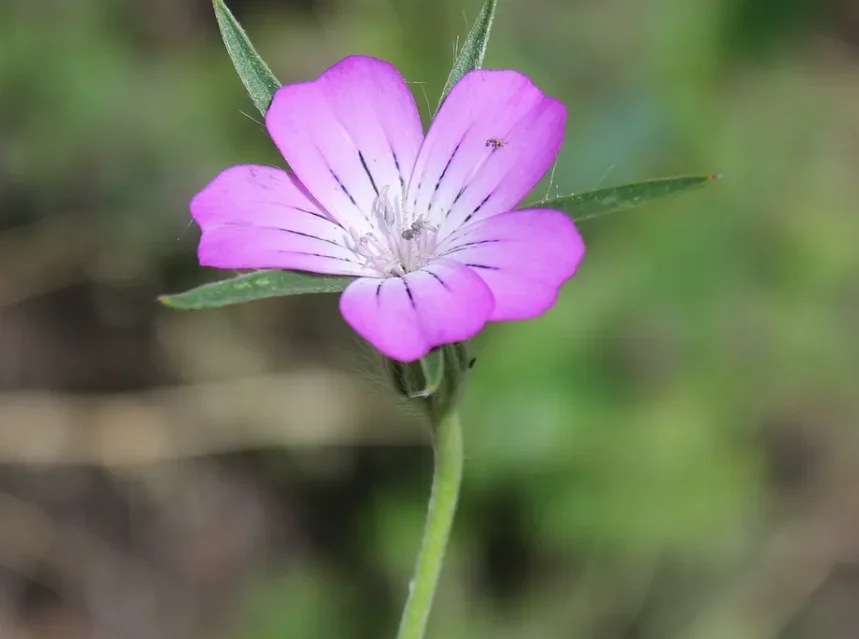
Agrostemma seeds grow into Agrostemma githago — corn cockle, a tall, airy wildflower with large, open, trumpet-shaped blooms in soft lilac-pink or white, finely etched with dark lines around a pale centre. Once a common cornfield flower, it is now a prized cottage and cut-flower annual, easy from seed and loved by bees. Its slender stems sway beautifully in meadows and bouquets. Every part is poisonous, so grow it for beauty only. This guide covers the best agrostemma seeds worldwide, exactly how to grow agrostemma from seed, when to sow, and where to buy quality seed.
Airy, easy, and bee-friendly. The corn cockle botany page and the RHS plant guide cover sowing, types, and care.
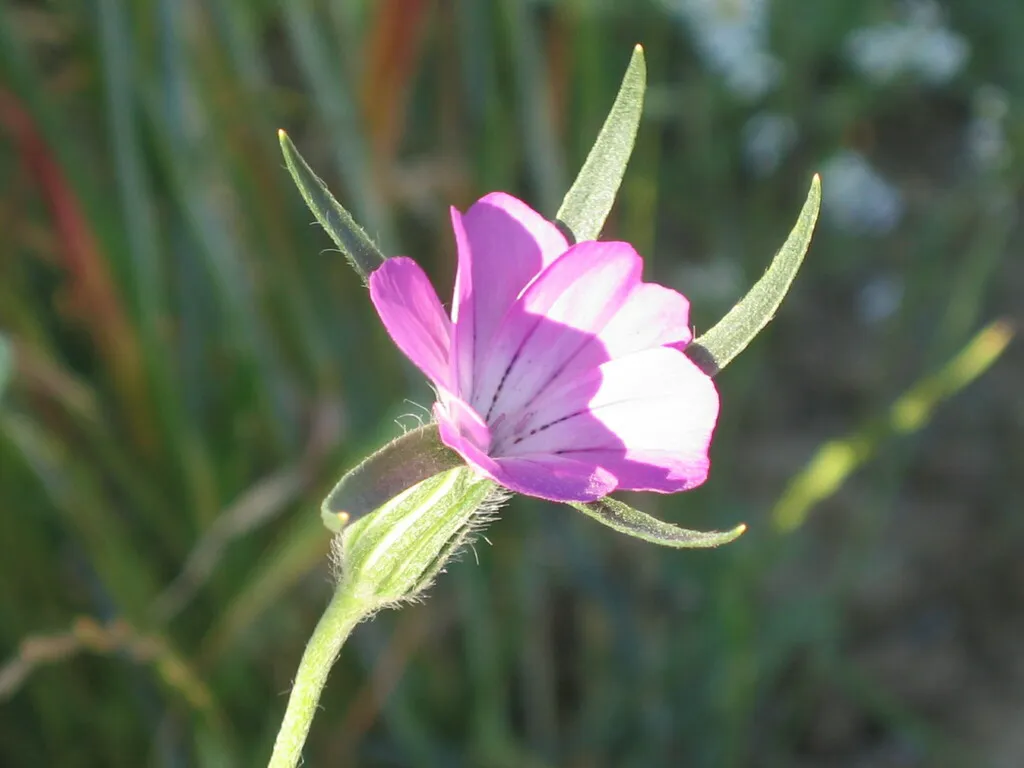
Those long pointed sepals sticking out past the petals are the quickest way to identify Agrostemma githago. Photo: Wikimedia Commons (CC0/PDM).
🧰 In a hurry? Jump straight to our tested picks for this guide ↓
Agrostemma seeds at a glance
| Feature | Detail |
|---|---|
| Botanical name | Agrostemma githago (family Caryophyllaceae) |
| Sowing depth | 3–6 mm; lightly cover, direct-sow |
| Germination temperature | 15–18°C (60–65°F) |
| Days to germinate | 8–14 days |
| Season | Cool-season hardy annual |
| Days to bloom | 70–90 days from sowing |
| Best for | Meadows, cottage borders, cutting, bees |
Why grow agrostemma from seed?
Agrostemma brings light, airy height to a border or meadow. First, its large, open trumpet flowers sway gracefully on tall, slender stems. Second, it is one of the loveliest and easiest cut flowers, with long stems and a good vase life.
Third, it is cheap, quick, and hardy from seed. It suits annual meadows, cottage borders, and cutting beds. It loves the same cool company as cornflowers, larkspur, and nigella. For the full growing routine, see our guide on how to grow corncockle.
The cornfield wildflower
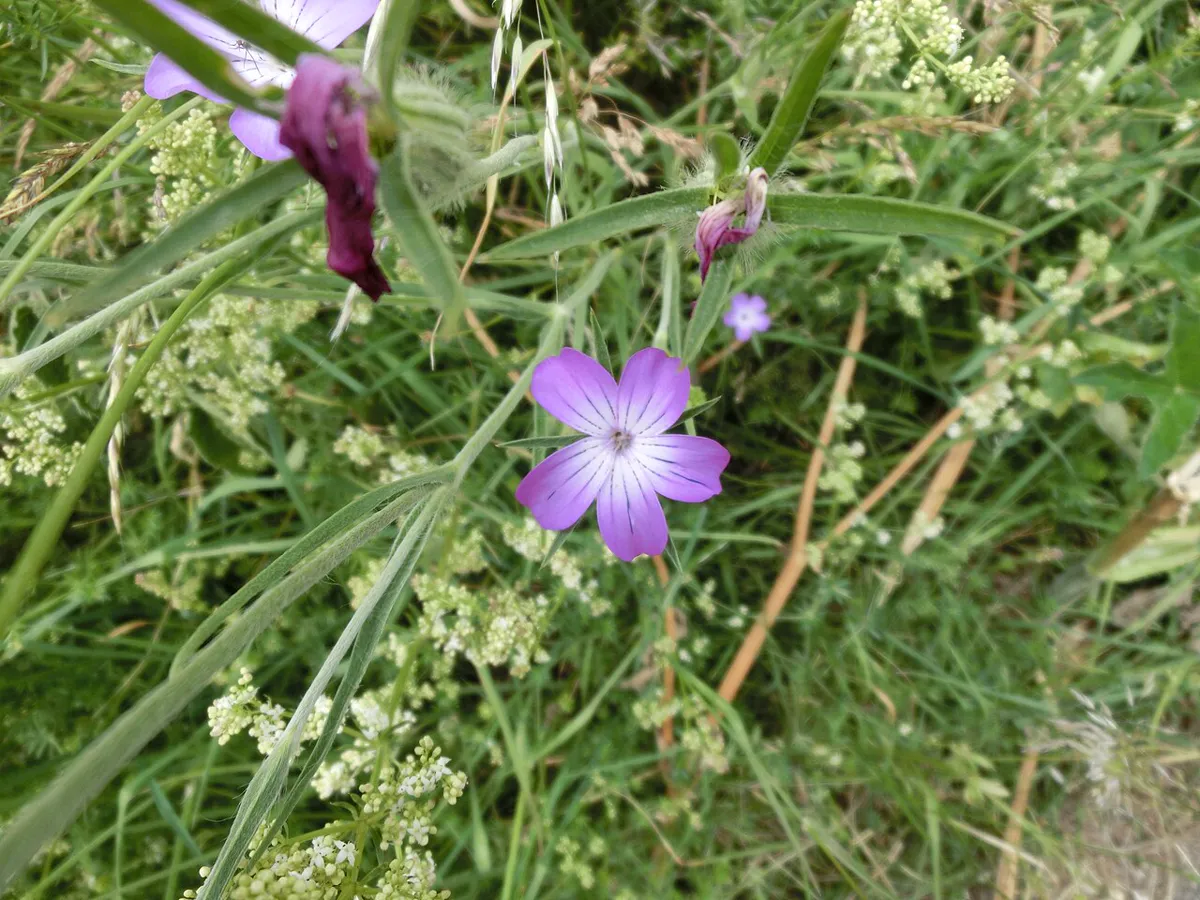
Agrostemma has a fascinating history as a wild flower. For centuries it grew as a weed in European wheat fields, its seeds mixed into the grain at harvest. This is how it spread, resown each year with the wheat.
Modern farming and seed cleaning made it rare in the wild, and it was even thought extinct in Britain until rediscovered in 2014. Today gardeners grow improved, showier forms on purpose, for their beauty in meadows and bouquets. It is a charming piece of living agricultural history.
Is agrostemma toxic?
Yes, this is important to know. All parts of agrostemma are poisonous, and the seeds especially contain natural saponins. Historically, seeds mixed into grain caused problems, which is one reason farmers worked to remove it.
So grow agrostemma strictly as an ornamental garden flower. Keep the seeds and plants away from children and pets, and never eat any part. Do not plant it in vegetable beds where the seed could mix with food crops. This is for information only and not medical advice.
Best agrostemma seed varieties to grow
Agrostemma seed comes as soft pinks, whites, and richer shades. Choose by colour for your meadow or cutting beds.
| Variety | Type | Best for | Region |
|---|---|---|---|
| Milas | Cerise-pink | Classic large lined blooms, cutting | global |
| Ocean Pearls | White, speckled | Award-winning airy white flowers | global |
| Milas Rose | Rose-pink | Heavy bloomer, many flowers | global |
| Purple Queen | Deep mauve-purple | Richer cottage colour | global |
| Contessa Pale Pink | Soft pink | Gentle pastel borders | global |
| Wild Corncockle | Native magenta | Wildflower and conservation beds | global |
| Corn Cockle Mix (India) | Cool-season annual | Easy Indian winter meadow flower | India |
Milas is the classic cerise-pink with finely lined petals. Award-winning Ocean Pearls offers airy white blooms. Milas Rose flowers heavily, while Purple Queen adds deeper colour. The wild form suits conservation meadows. In India, simple corn cockle mixes are an easy winter choice.
How to grow agrostemma from seed
Agrostemma is one of the easiest hardy annuals from seed.
- Direct-sow in place. Sow where the plants are to grow, as agrostemma has a taproot and dislikes moving.
- Lightly cover. Sow about 3–6 mm deep and firm gently.
- Sow cool. Sow in early spring or autumn, as agrostemma loves cool weather.
- Thin and support. Thin to 15–22 cm apart, and net the tall, slender stems against wind.
- Wear gloves. Handle the seed with care and wash your hands, as it is toxic.
Agrostemma grows fast and flowers through summer. Autumn-sown plants grow taller and flower earlier than spring-sown ones. In India, sow in the plains from October to November for cool-season meadow colour.
Best season & when to sow
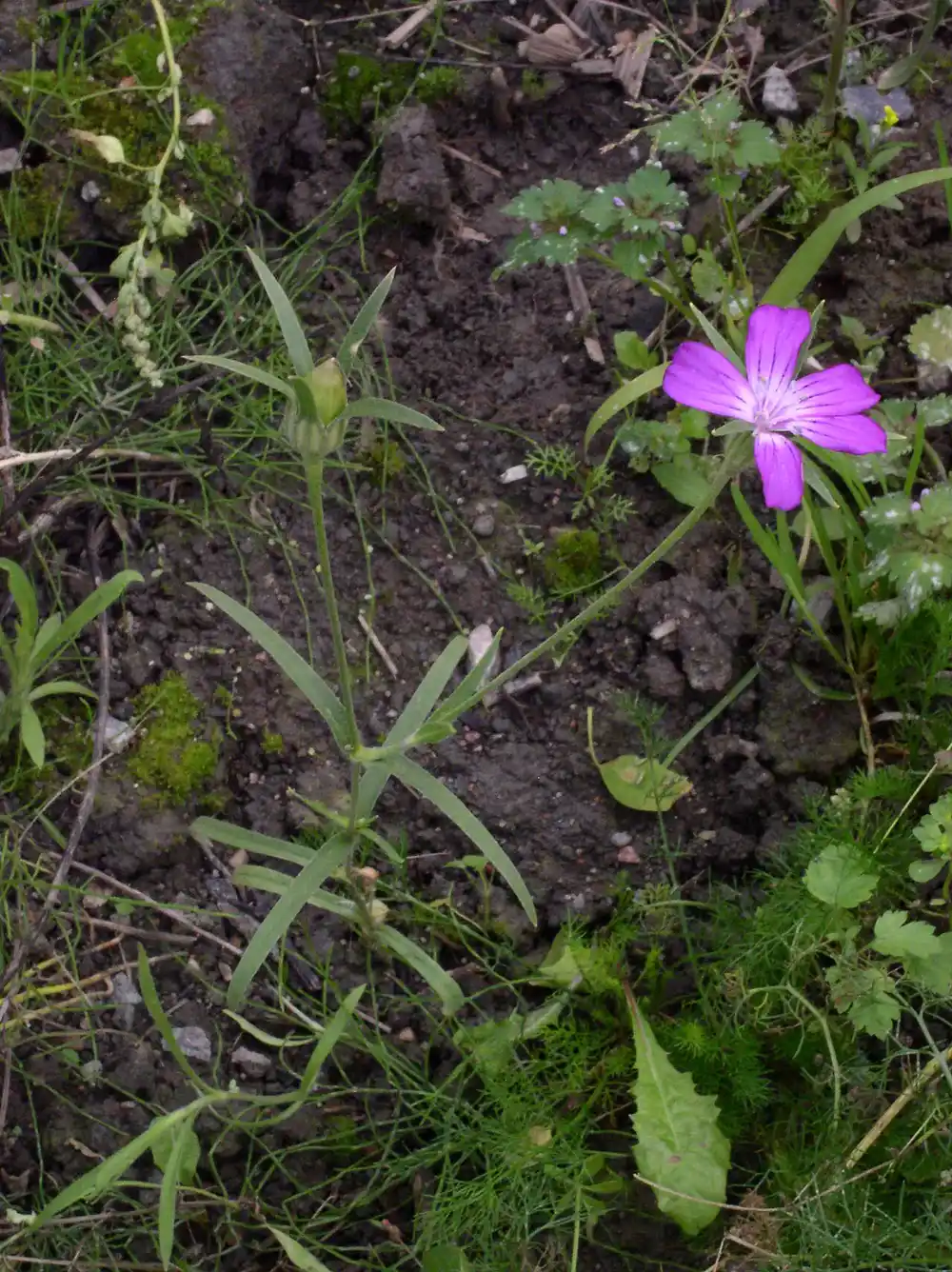
Agrostemma is a hardy, cool-season flower, so timing matters. In cool and temperate areas, sow directly in early spring, or in autumn for stronger, earlier plants. Autumn-sown corn cockle overwinters as a small rosette and flowers weeks earlier.
You can also sow in succession every few weeks for a longer display. In mild-winter climates and across much of India, sow in autumn and winter. October to November suits the Indian plains, with blooms in the cool months. Agrostemma flowers best in cool, sunny weather.
Agrostemma as a cut flower
Agrostemma is a favourite of flower farmers for its airy, romantic stems. For the longest vase life, cut when one or two flowers on a spray are open. More buds then open in the vase over several days.
The tall, slender stems add height and movement to bouquets. Because the stems are fine and wiry, support netting in the bed keeps them straight for cutting. Always wash your hands after handling, as the plant is toxic.
Soil, watering & feeding
Agrostemma grows best in average-to-poor, well-drained soil and full sun. It actually prefers lean ground, true to its cornfield roots. Water young plants to settle them, then water moderately, as consistent moisture gives the best blooms.
Avoid rich, heavy soil, which gives floppy, leafy growth. Little or no feeding is needed. The tall stems benefit from support in exposed sites. It mingles beautifully in meadows with cosmos and poppies. Because it resents transplanting, see starting seeds indoors only if you use biodegradable pots.
Common pests & diseases
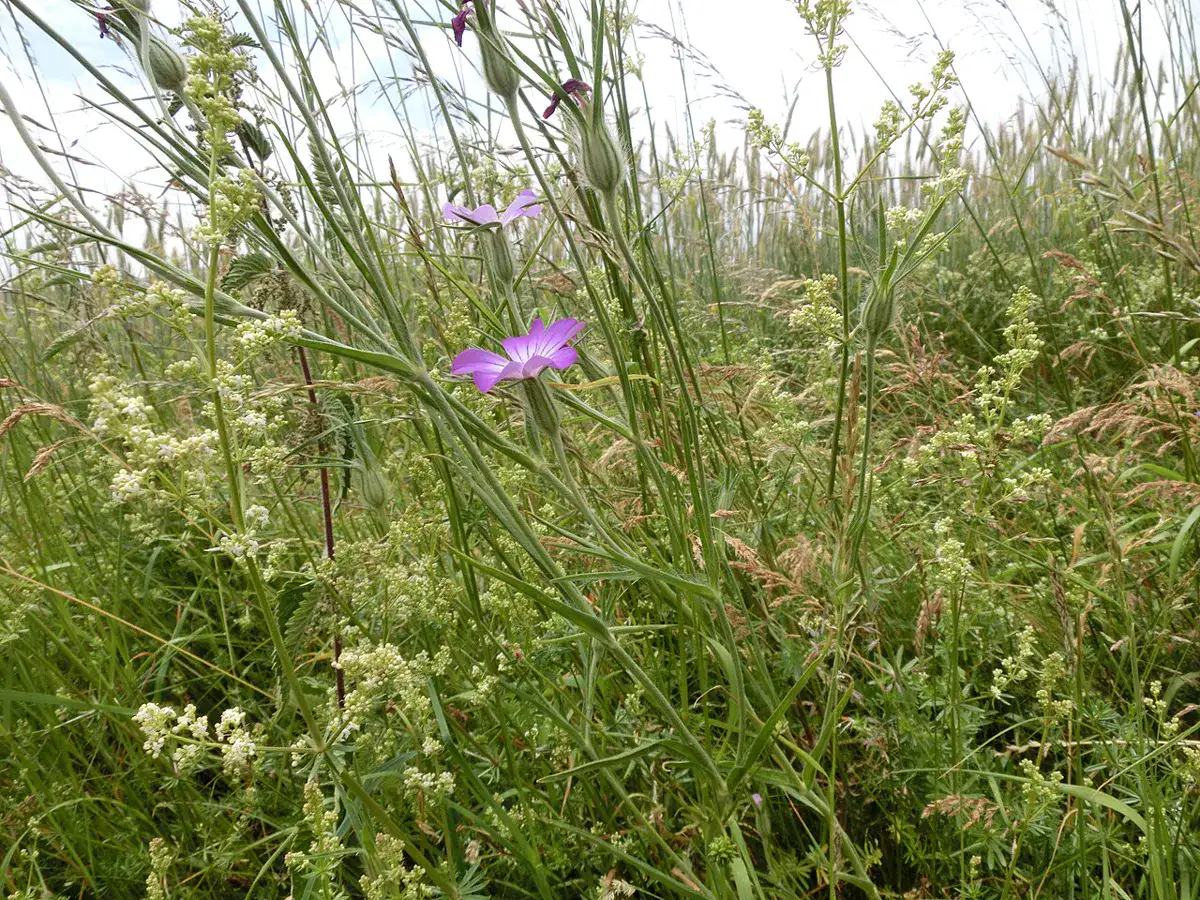
Agrostemma is remarkably trouble-free and rarely seriously bothered. The main pest is the occasional aphid on soft growth, easily rinsed off. Slugs may nibble young seedlings.
The chief risk is root and stem rot in wet, heavy soil, so grow it lean and well-drained. Powdery mildew can appear in humid, crowded conditions, eased by spacing. In a cool, sunny, free-draining site, agrostemma largely looks after itself.
Pollinators & garden uses
Agrostemma is a good pollinator plant, its open trumpet flowers welcoming long-tongued bees and butterflies. It adds light and movement to wildlife and conservation meadows. A patch sways prettily in the lightest breeze.
It is grown above all as an airy meadow and cut flower, prized by gardeners and flower farmers alike. Remember it is purely an ornamental, never a food plant, because of its toxicity. Grow it for its beauty, and keep it out of edible beds.
Saving your own agrostemma seeds
Saving agrostemma seed is easy, but handle it with care. After flowering, capsules form that fill with large, dark, toxic seeds. Let them dry and turn brown on the plant.
Then snip the dry capsules and tip out the seeds, wearing gloves and keeping them away from food. Store them somewhere cool, dry, dark, and clearly labelled. Agrostemma self-seeds gently, so volunteers may return. Our full guide to saving seeds covers the method.
Common problems from seed
The most common issue is transplant failure, so always direct-sow because of the taproot. Floppy stems come from rich soil or wind, so grow lean and support them. Poor germination usually means warm soil, as agrostemma likes it cool.
Few flowers point to too much shade, so give full sun. Rot strikes in wet ground, so improve drainage. Use fresh seed, cool weather, lean soil, and direct sowing for the best display.
Where to buy agrostemma seeds
Choose Milas for classic cerise-pink, Ocean Pearls for award-winning white, or Purple Queen for richer colour. Buy fresh seed for good germination. Seed houses everywhere carry corn cockle for meadows and cutting, and in India agrostemma seed is sold for the cool-season garden. Use the links below to compare trusted sources.
Frequently asked questions
How long do agrostemma seeds take to germinate?
Agrostemma seeds germinate in 8–14 days at a cool 15–18°C. Lightly cover the seed and keep it moist. Direct-sow where the plants are to grow, as agrostemma has a taproot and dislikes being moved.
Is agrostemma poisonous?
Yes. All parts of corn cockle are poisonous, and the seeds especially contain saponins. Keep the seeds and plants away from children and pets, never eat any part, and do not plant it in vegetable beds. This is for information only.
When is the best time to sow agrostemma?
Sow in early spring, or in autumn in mild climates. Autumn-sown plants overwinter as small rosettes and grow taller, with earlier and more flowers. Always direct-sow, as agrostemma resents transplanting.
Can agrostemma grow in India?
Yes, as a cool-season annual. Sow in the plains from October to November for airy meadow and cut flowers in the cool months. Give it full sun and lean, well-drained soil, and keep this toxic plant out of edible beds.
How deep should agrostemma seeds be sown?
Sow them about 1 cm (roughly half an inch) deep into a fine, firmed seedbed. They germinate well outdoors and dislike being moved, so direct sowing is easiest.
How far apart should agrostemma plants be spaced?
Thin seedlings to about 25 to 30 cm (10 to 12 inches) apart. Give them room, because crowded plants flop badly once they gain height.
How tall does agrostemma get and does it need support?
Plants commonly reach 50 to 90 cm (20 to 36 inches) with slim stems. In an open border without surrounding grasses, brushwood or a ring stake keeps them upright in wind and rain.
What soil and light does agrostemma need?
Full sun and poor, free-draining soil give the sturdiest plants. Skip the fertiliser; rich ground produces soft growth that falls over.
Should I deadhead agrostemma?
Yes, removing faded flowers keeps new buds coming for weeks. Leave a few seed heads at the end of the season if you want it to return.
Does agrostemma self-seed?
It does, readily, when spent flowers are left to ripen. Many gardeners treat it as a reliable self-sowing annual and simply thin the seedlings each spring.
Does agrostemma make a good cut flower?
Yes. Cut in the cool of the morning when the buds are just opening and strip the lower leaves before putting the stems in water.
Still stuck? Ask the Plant Doctor
Describe the problem — yellow leaves, holes, no flowers — and get a clear answer in seconds. FreeAI can make mistakes. Answers are guidance, not a guarantee — check anything important against the guide it links to, and always read the label on any product before you use it.