Browallia Seeds
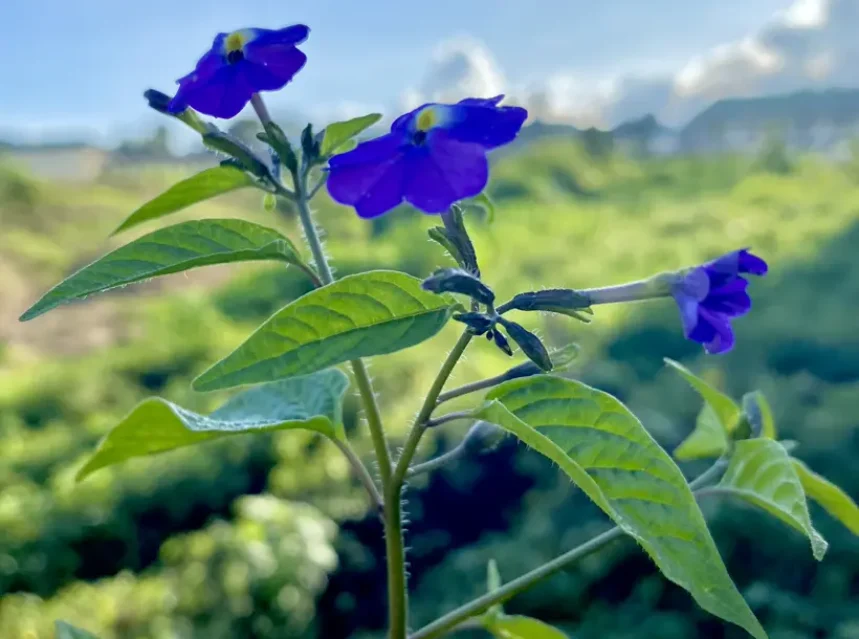
Browallia seeds grow into the amethyst flower, Browallia speciosa, a rare shade-loving annual. Its violet-blue star flowers light up spots where most flowers sulk.
This guide shows you how to buy and sow browallia seeds well. We cover timing, shade, soil and care. We also give honest worldwide advice.
Botanical name: Browallia speciosa (also B. americana)
Also called: amethyst flower, bush violet, sapphire flower
Type: tender perennial grown as a shade annual
Sow: indoors 6–8 weeks before last frost
Sowing depth: surface — do not cover (needs light)
Soil: fertile, moist, well-drained, slightly acidic
Site: partial to full shade
Bloom: violet-blue or white, late spring to autumn
Best for: shade beds, containers & hanging baskets
Authority sources: Wikipedia — Browallia, NC State Extension, and GardenersHQ growing guide.
🧰 In a hurry? Jump straight to our tested picks for this guide ↓
What are browallia seeds?
Browallia seeds are the seeds of Browallia speciosa. They grow into a soft, bushy plant covered in starry flowers. It belongs to the nightshade family, Solanaceae.
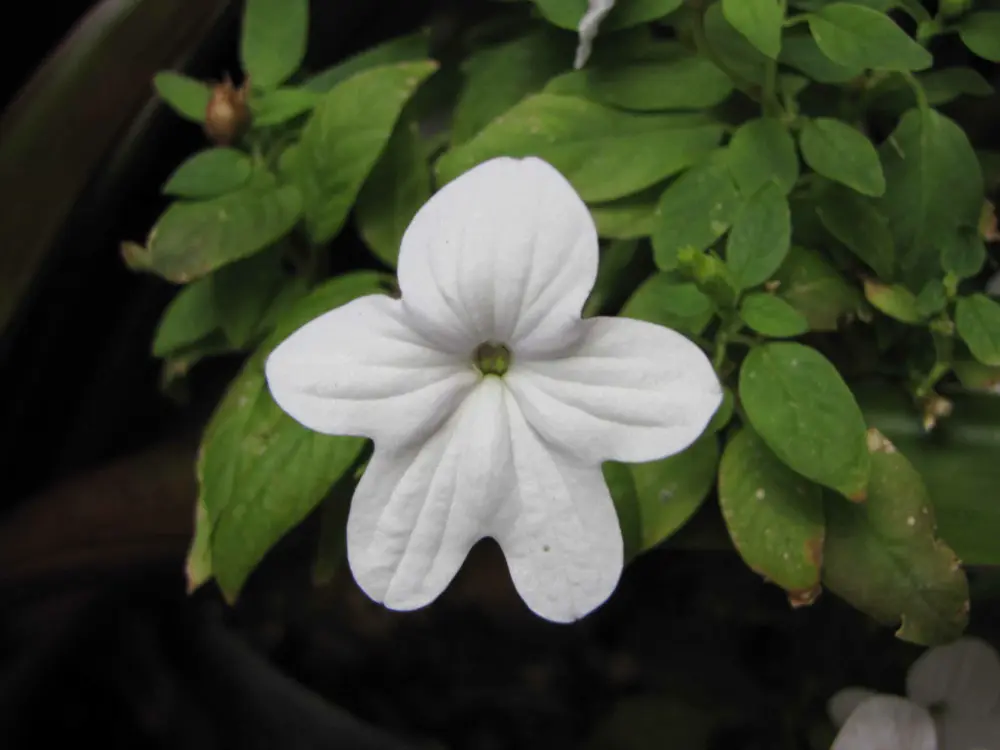
Each plant carries violet-blue or white blooms. The flowers are tubular and five-lobed, up to 5 cm wide. Many have a clean white eye at the centre.
The plant is a tender perennial from tropical America. In most gardens, it is grown fresh as an annual. It is one of the few annuals that truly loves shade.
| Common names | Amethyst flower, bush violet, sapphire flower, browallia |
|---|---|
| Botanical name | Browallia speciosa (also B. americana) |
| Family | Solanaceae (nightshade family) |
| Native range | Central & South America (Colombia, Panama, Peru) |
| Height | 30–60 cm (1–2 ft) |
| Flower | Violet-blue or white star, 5-lobed, up to 5 cm |
| Bloom | Late spring to autumn |
| Life cycle | Tender perennial, grown as a warm-season annual |
Why grow browallia seeds
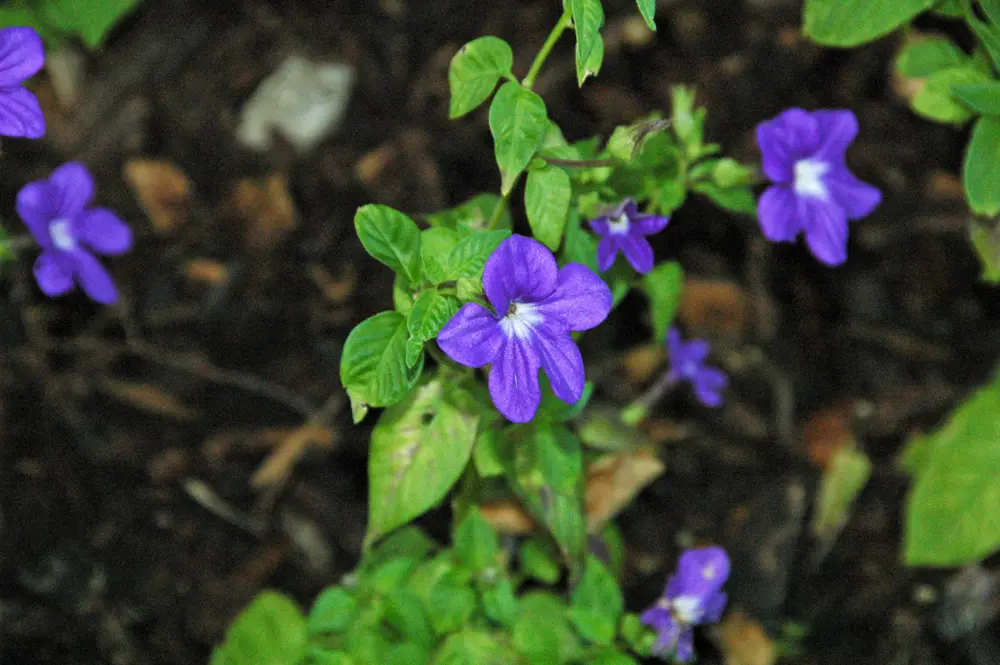
The first reason is shade colour. Few flowering annuals bloom well in low light. Browallia is a rare and welcome exception.
The second reason is the long display. It flowers from late spring into autumn. Few plants hold colour for so long.
It is also lovely in pots and baskets. The soft stems spill over edges beautifully. This makes it a favourite “spiller” plant.
Finally, it draws in pollinators. Butterflies and bees visit the violet stars. The blooms add cool tones to shady corners.
Amethyst flower at a glance
Browallia is a soft, mounding bedding plant. It is loved for shade beds, window boxes and baskets. Seed comes from flower-seed specialists.
It is a tender perennial grown as an annual. Cold kills it, so it is raised fresh each year. Most gardeners sow new seed every spring.
Its claim to fame is flowering in shade. Sunny annuals are easy to find. A shade annual this colourful is rare.
Where to buy browallia seeds
Buy browallia seeds from flower and bedding seed specialists. They sell named series and simple colour mixes. The options below are placeholders.
Best season & when to sow
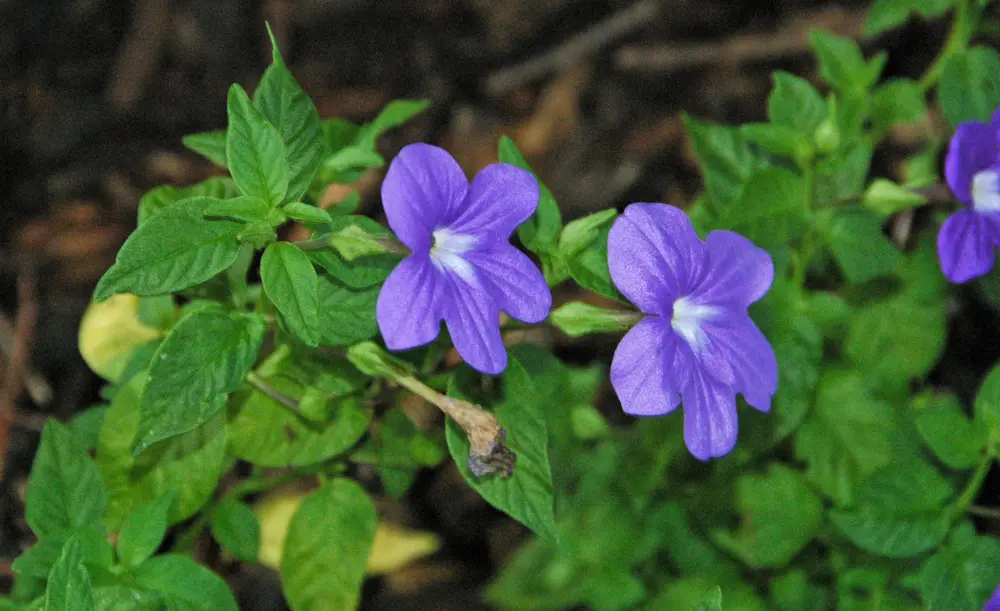
Start browallia seeds indoors in late winter. Sow about 6 to 8 weeks before the last frost. It needs a long, warm start.
The seedlings are slow at first, so be patient. Plant them out only once frost has passed. They hate cold, soggy soil.
Germination takes one to three weeks. Keep the seed at 19–23°C (65–75°F). Steady warmth gives the most even sprouting.
In frost-free, mild climates you have more freedom. There you can sow for autumn and winter colour. Always avoid the hottest, driest spells.
The shade secret: an annual that loves low light
This is what sets browallia apart. Most flowering annuals demand full sun. Browallia actually prefers part to full shade.
In hot regions, harsh afternoon sun can scorch it. Morning sun with afternoon shade suits it best. Deep shade still gives a fair show.
That makes it gold for tricky spots. Think shady patios, north walls and tree bases. Few other annuals flower so freely there.
Use it to brighten the cool corners of a garden. Pair its violet stars with leafy shade plants. It turns a dull nook into a feature.
Growing browallia seeds: how to plant
Here is how to plant browallia seeds step by step. The method is simple but needs an early start.
First, fill trays with moist, fine seed compost. Scatter the tiny seeds thinly on top. Do not cover them, as they need light.
Next, keep the tray warm and bright. Mist to keep the surface lightly moist. Seedlings appear in one to three weeks.
Then prick out and grow on the strongest seedlings. Pinch the tips at about 15 cm tall. This builds a bushy, well-branched plant.
Finally, harden off and plant out after frost. Space them about 20 cm apart. Choose a shady, sheltered bed or a big pot.
Shade, soil & watering
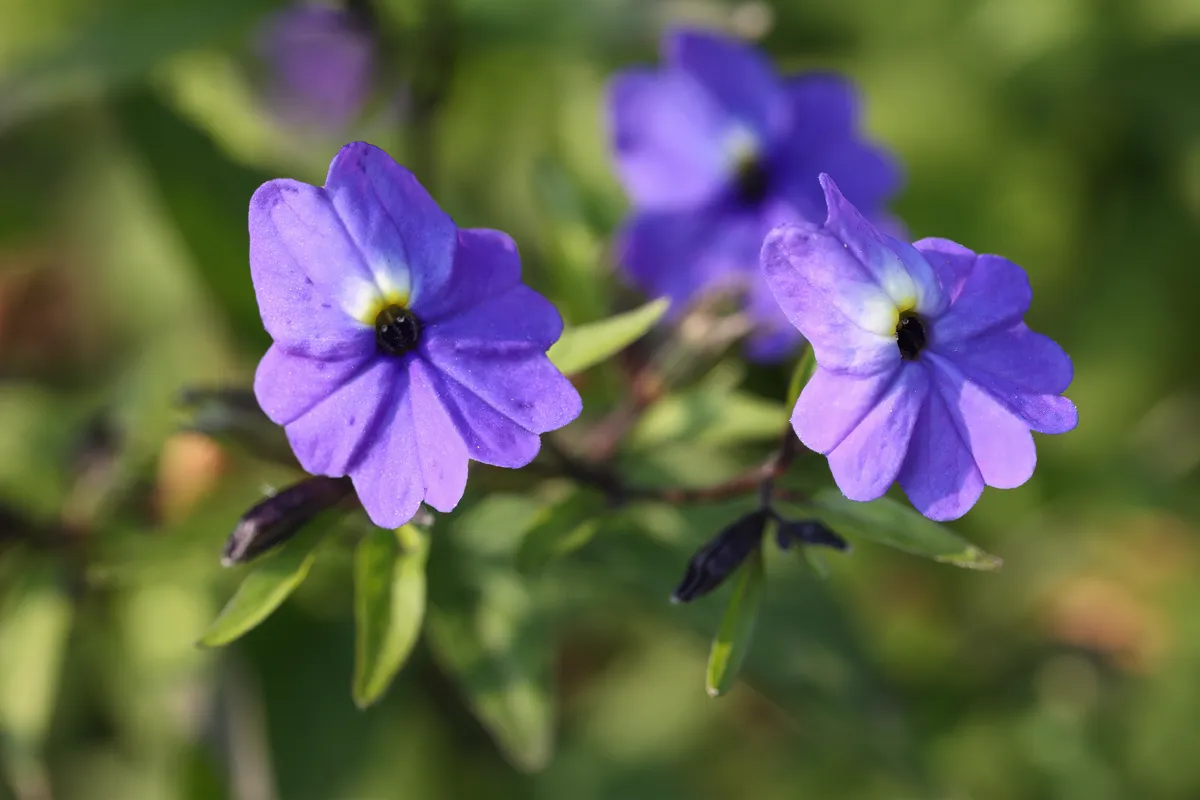
Give browallia a spot in part to full shade. Protect it from fierce afternoon sun. Cool, bright shade brings the best flowering.
The soil should be fertile and well-drained. A slightly acidic, humus-rich mix is ideal. Add compost to hold gentle moisture.
Keep the soil evenly moist but never soggy. Water when the top of the soil feels dry. Containers dry fast, so check them often.
Feed lightly, if at all. Too much food grows leaf and few flowers. Pinch and deadhead to keep it neat and blooming.
Browallia speciosa vs americana & other blue flowers
A few plants share the amethyst-flower name. Browallia stands apart in clear ways. Here is how to tell them apart.
Browallia speciosa has larger, showier flowers on a fuller plant. Browallia americana is a true annual with smaller, looser blooms. Both wear the same violet-blue colour.
It is also easy to mix up with other blues. Lobelia (trailing lobelia) has much smaller flowers. Chinese forget-me-not (Cynoglossum) is a sun-lover, unlike shade-loving browallia.
Popular series make choosing easy. The ‘Bells’ types suit hanging baskets. The compact ‘Troll’ and ‘Starlight’ types suit beds.
Companions & where each suits
Browallia shines among other shade and cool-tone plants. Here is how it pairs with a few favourites.
| Flower | Look | Good for (worldwide) |
|---|---|---|
| Browallia (amethyst flower) | Violet-blue shade stars | US shade beds & baskets; shaded Indian winter pots |
| Lobelia | Tiny blue edging flowers | Cool US borders; North-Indian winters |
| Nicotiana | Fragrant tubular blooms | Part-shade US beds; mild Indian gardens |
| Nemesia | Dainty two-lipped flowers | Cool US spring; Indian winter pots |
For more cool blue colour, try forget-me-nots and cape forget-me-not. They share the same soft, romantic tone. Together they build a calm, shady palette.
Common pests & problems
Browallia is a fairly trouble-free plant. Most issues trace back to growing conditions. Pests rarely cause serious harm.
Whitefly and aphids may visit indoor seedlings. Rinse them off or use a gentle soap spray. Good airflow keeps young plants healthy.
Few flowers usually means too much sun or feed. Move it to cooler shade and ease off fertiliser. Even moisture also steadies the bloom.
Root rot follows soggy, airless soil. Use free-draining compost and never overwater. For more easy shade colour, try nigella and baby blue eyes nearby.
Self-seeding & saving seed
Browallia can self-seed in mild, frost-free spots. Spent flowers form small dry capsules. These scatter fine seed around the plant.
To save seed, let a few flowers fade and dry. Collect the ripe capsules into a paper bag. Tap out and clean the tiny seeds.
Then store the seed somewhere cool and dry. A labelled paper envelope works well. The seed stays viable for a couple of years.
Sow your saved seed again next spring. Indoor sowing gives the most reliable plants. This keeps your shade display going cheaply.
Growing browallia in India
Browallia suits cool-season Indian gardens. It is a niche but rewarding winter annual. Treat it as a shade-pot favourite.
Sow seed in the cooler months from October onward. Grow it in pots on shaded balconies and verandahs. It dislikes the harsh Indian sun.
Keep the soil evenly moist but well-drained. Use a rich, free-draining potting mix. Protect plants from heavy monsoon downpours.
Indian sellers like Ugaoo and AllThatGrows stock similar bedding seed. For more shade and pot colour, see our nicotiana and lobelia guides. You can also read our browallia care guide.
Safety note: browallia is in the nightshade family and can upset cats and dogs if eaten; grow it as an ornamental only and keep pets and small children from nibbling it.
For another easy shade-friendly annual, see our nemesia seeds guide too.
Frequently asked questions
When should I sow browallia seeds?
Sow indoors 6 to 8 weeks before the last frost. The seedlings need a warm, early start. Plant them out only once frost has passed.
Does browallia grow in shade?
Yes, it is one of few shade-loving annuals. It prefers part to full shade. Harsh afternoon sun can scorch the leaves.
Do browallia seeds need light to germinate?
Yes, surface-sow them and do not cover. The tiny seeds need light to sprout. Keep the surface lightly moist and warm.
Is browallia an annual or a perennial?
It is a tender perennial grown as an annual. Frost kills it in most gardens. Gardeners simply sow fresh seed each spring.
How long do browallia seeds take to germinate?
Usually 14 to 21 days in warm compost. Germination can be uneven, so keep the tray going for a few extra weeks before giving up.
How far apart should browallia plants be spaced?
About 20 to 25 cm (8 to 10 inches) apart in beds. In containers, three plants in a 30 cm (12 inch) pot gives a full, mounded look.
Should I pinch browallia seedlings?
Yes, pinching out the growing tip once plants have a few sets of leaves encourages branching. Unpinched plants tend to grow leggy with fewer flower stems.
How much water does browallia need?
Keep the soil evenly moist and water once the top of the mix feels dry. It dislikes drying out completely, but standing water leads to root rot.
Do I need to deadhead browallia?
Not much, since it is largely self-cleaning. Trimming back straggly stems mid-season tidies the plant and brings on a fresh flush of bloom.
Is browallia safe around pets?
Browallia speciosa is listed as toxic to cats and dogs if eaten, so keep pots out of reach of chewers. Browallia americana is not known to be toxic.
Can I keep browallia going indoors over winter?
Yes. Bring a plant or a rooted cutting inside before frost, give it a bright windowsill and water sparingly, and it can flower on through the cooler months.
Still stuck? Ask the Plant Doctor
Describe the problem — yellow leaves, holes, no flowers — and get a clear answer in seconds. FreeAI can make mistakes. Answers are guidance, not a guarantee — check anything important against the guide it links to, and always read the label on any product before you use it.