Best Cleome Seeds: Top Varieties and Growing Guide
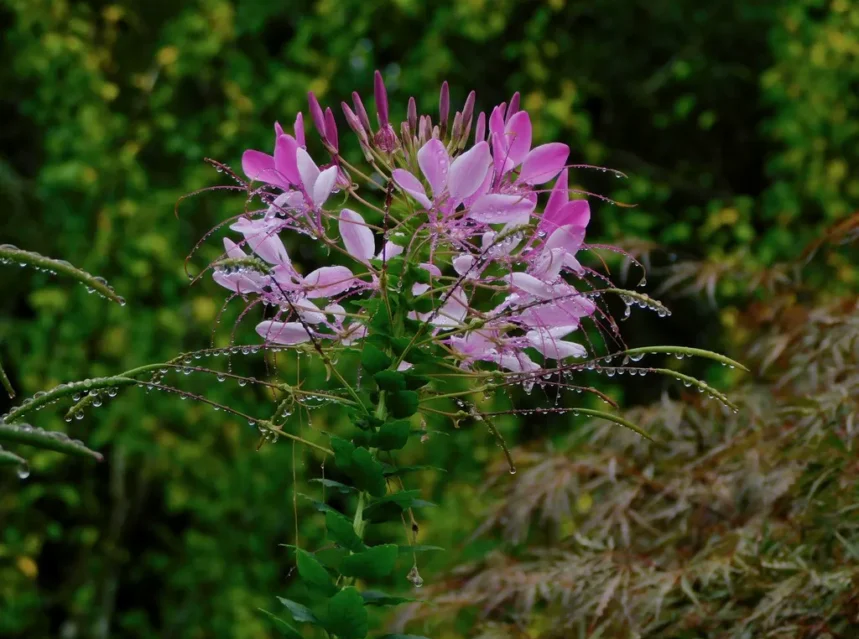
Cleome seeds grow into Cleome hassleriana — the spider flower, a tall, airy annual topped with rounded heads of spidery blooms and long, whisker-like stamens, in pink, rose, violet, and white. Heat-loving and drought-tolerant, it makes a dramatic back-of-border accent and a magnet for bees, butterflies, and night-flying hawkmoths. One sowing fills a bed with months of bloom. Sowing seed is the cheap, easy way to grow it. This guide covers the best cleome seeds for gardens worldwide, including the US and India, plus exactly how to grow cleome from seed, when to sow, and where to buy quality seed.
Tall, airy, and heat-proof. The spider flower botany page sets out the species facts. Below, we cover sowing, types, and care.
🧰 In a hurry? Jump straight to our tested picks for this guide ↓
Cleome seeds at a glance
| Feature | Detail |
|---|---|
| Botanical name | Cleome hassleriana (family Cleomaceae) |
| Sowing depth | Surface; barely cover (needs light) |
| Germination temperature | 20–24°C (68–75°F) |
| Days to germinate | 10–14 days |
| Season | Warm-season annual; frost-tender |
| Days to bloom | 70–90 days, then until frost |
| Best for | Back of border, screens, pollinators, cutting |
Why grow cleome from seed?
Cleome brings bold height and movement to a summer border. First, its tall, airy flower heads stand out where most annuals stay low. Second, it thrives in heat and drought, blooming for months with little care.
Third, it is a top pollinator plant and cheap to raise from seed. It loves the same hot beds as zinnias, cosmos, and sunflowers. For the full growing routine, see our guide on how to grow cleome.
The spider flower look
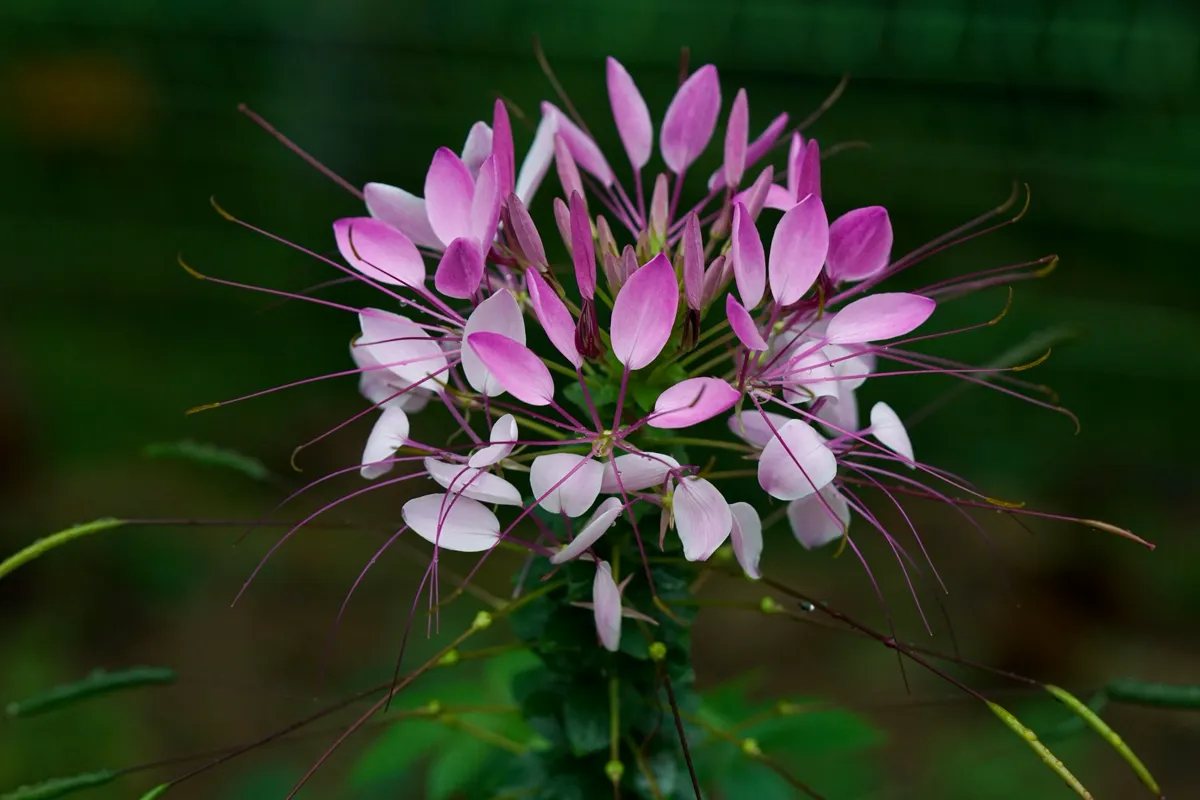
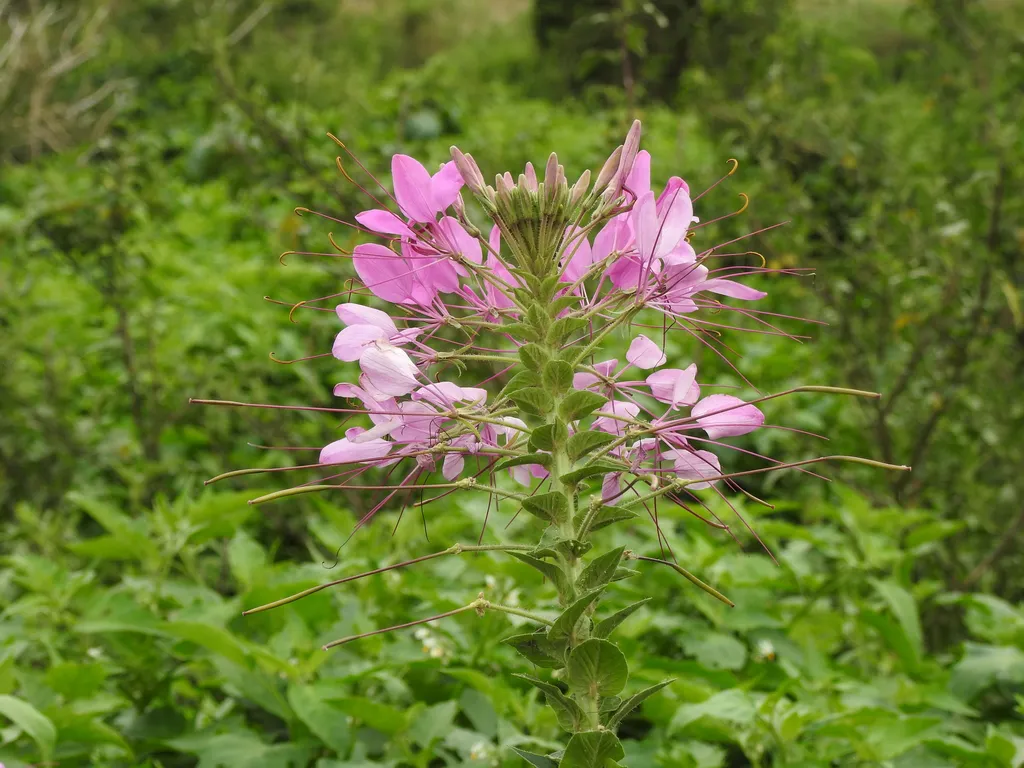
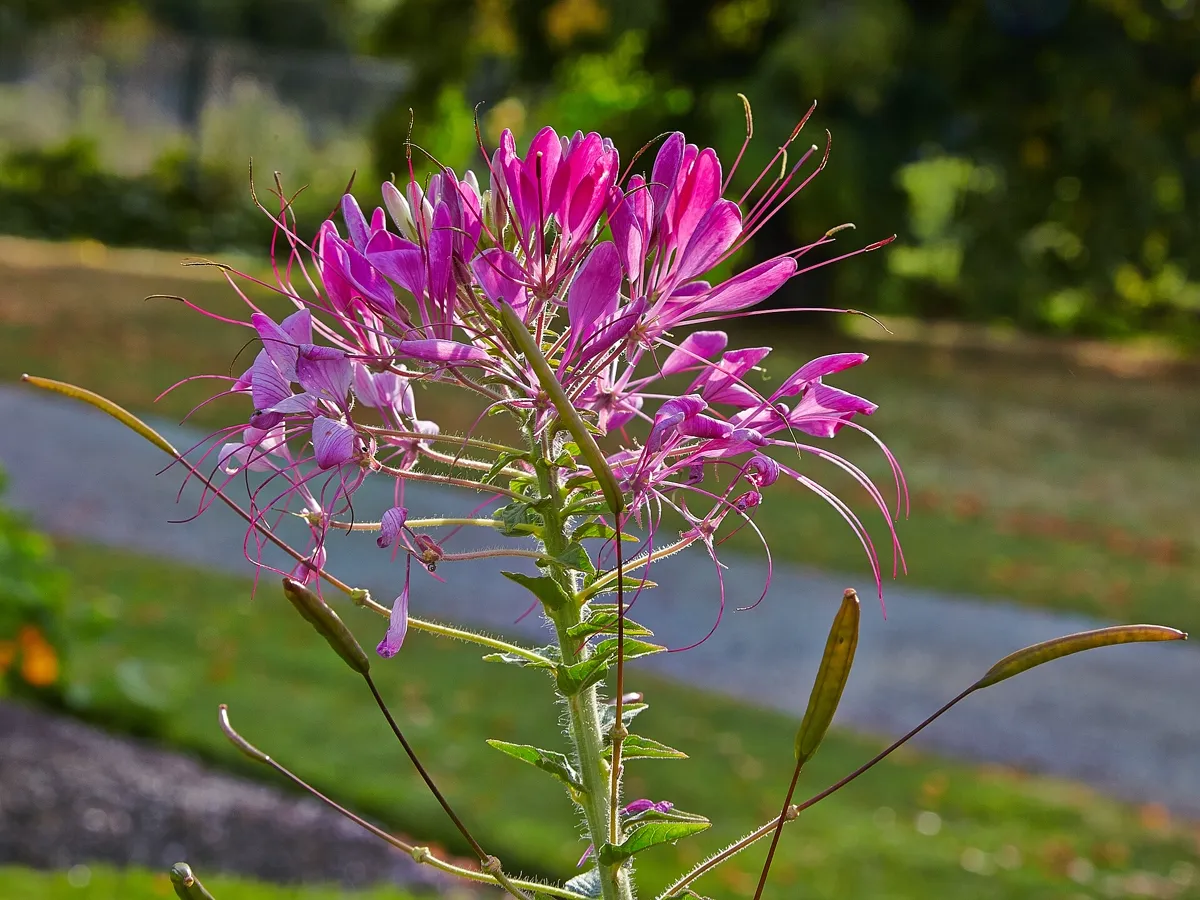
Cleome gets its common name from its unusual blooms. Each flower has long, thread-like stamens that stick out well beyond the petals, like spider legs. As the head opens from the bottom up, thin seed pods dangle below the fresh flowers.
This gives the plant an airy, whiskery, ever-changing look all summer. The rounded heads can be 15–20 cm across, in soft pink, rose, deep violet, and crisp white. Few annuals have such a distinctive, eye-catching form.
History & origin of cleome
Cleome comes from southern South America, in Argentina, Paraguay, Uruguay, and southern Brazil. It grows there in warm, open ground, which explains its love of heat and sun. It belongs to the cleome family, Cleomaceae.
From the wild species, breeders have produced both classic tall strains and tidy modern hybrids. You can read more on the flower’s botany and history at Wikipedia. Cleome spread worldwide as a summer border flower, and in India it is grown as a warm-season annual, sown in the cooler months in the plains for tall, easy colour.
Best cleome seed varieties to grow
The best cleome seeds fall into two groups: tall classic Queen types and tidier modern hybrids. Choose by height and whether you want thornless, low-scent plants.
| Variety | Type | Best for | Region |
|---|---|---|---|
| Queen Mix | Tall (120–150 cm) | Classic spidery colour, back of border | global |
| Rose Queen | Tall, rose-pink | Soft pink screens and cutting | global |
| Violet Queen | Tall, deep purple | The darkest cleome colour | global |
| White Queen / Helen Campbell | Tall, white | White gardens, fragrant blooms | global |
| Sparkler 2.0 | Hybrid (100–120 cm) | Thornless, branching, no chilling | global |
| Cherry Queen | Tall, rosy red | Bold warm-toned plantings | global |
| Spider Flower Mix (India) | Warm-season annual | Tall easy Indian border flower | India |
The Queen series gives the tallest, most classic spidery blooms in single colours and a mix. Helen Campbell is a lovely fragrant white. The Sparkler 2.0 hybrids are shorter, thornless, well-branched, and germinate without chilling. In India, simple spider flower mixes are an easy, dramatic summer choice.
How to grow cleome from seed
Cleome is easy from seed once it gets warmth and light.
- Surface-sow for light. Press the seeds onto moist soil and barely cover them, as cleome needs light to germinate.
- Sow when warm. Start indoors 6–8 weeks before the last frost, or direct-sow once the soil is warm.
- Give full sun. Choose the sunniest, best-drained spot, where cleome grows tall and flowers freely.
- Space for height. Set plants 30–45 cm (12–18 inches) apart, near the back of the border.
- Let it self-seed. Leave a few seed pods to scatter, or remove them to limit volunteers.
Cleome grows fast in heat and flowers from summer to frost with almost no care. It rarely needs staking, feeding, or deadheading. In India, sow in the plains from October to February for tall, easy warm-season colour.
Chilling seed for better germination
Here is the key trick for the classic Queen-type cleomes. Their seed germinates far better after a short cold spell, which mimics winter. It is simple to do at home.
Spread the seeds on a moist paper towel, fold it, and seal it in a zip-top bag. Then chill it in the fridge for about one to two weeks before sowing. After chilling, sow on the surface and give warmth at 20–24°C. Modern hybrid types like Sparkler 2.0 do not need this chilling and germinate easily.
Best season & when to sow cleome seeds
Cleome is a warm-season flower, so timing is simple: sow in warmth. In cool and temperate areas, sow indoors 6–8 weeks before the last frost. Then plant out once frost has passed and the soil is warm.
You can also direct-sow in late spring once the ground heats up. In hot climates and across much of India, sow in the cooler months for warm-season bloom. October to February suits the Indian plains. Cleome is frost-tender, so never sow into cold soil, and give it the warmest, sunniest part of the year.
Soil, watering & feeding
Cleome grows best in average, well-drained soil and full sun. It is wonderfully adaptable and copes with poor, dry ground once established. Water young plants to settle them, then water only in long dry spells.
Avoid rich, wet soil and heavy feeding, which give leaves and floppy growth over flowers. Lean, sunny, free-draining sites give the strongest, most upright plants. This makes cleome perfect for hot, neglected back-of-border spots beside sunflowers and zinnias. For an early start, see starting seeds indoors.
Common pests & diseases
Cleome is remarkably trouble-free and rarely seriously bothered. The main pests are aphids and occasional caterpillars on soft growth, easily managed by hosing off or hand-picking. Its musky foliage even helps deter deer and rabbits.
The chief risk is root rot in wet, heavy soil, so the cure is sun and free drainage. Powdery mildew can appear in damp, crowded conditions, so give the tall plants room and airflow. In its preferred hot, sunny site, cleome largely looks after itself.
Blooms, pollinators & uses
Cleome flowers in big, airy heads from early summer right up to frost. Its nectar-rich, long-stamened blooms are a magnet for bees and butterflies. At dusk, hawkmoths (also called hummingbird moths) visit too.
It is grown above all as a tall accent and pollinator plant, ideal for the back of borders, screens, and wildlife gardens. The blooms also work as airy cut flowers. Note: older cleome types have small spines at the leaf bases and a musky scent, so wear gloves when handling them; newer hybrids are mostly thornless and low-scent.
Saving your own cleome seeds
Saving cleome seed could not be easier, as the plant does most of the work. After each flower fades, a long, slim seed pod forms and points outward from the stem. The pods turn pale and dry when ripe.
Catch them just before they split, as ripe pods fling their seeds. Snip the dry pods into a paper bag, then shake out the small round seeds. Store them somewhere cool, dry, and dark. Cleome self-seeds so freely that volunteers usually appear anyway. Our full guide to saving seeds covers the method.
Common problems from seed
The most common issue is poor germination, often from skipping the cold chill on Queen-type seed, so chill it first. Buried seed fails too, so surface-sow for light. Cold soil also stops it, as cleome is frost-tender.
Floppy, leafy plants point to rich, shady, or wet conditions, so grow lean and sunny. Too many volunteers next year mean the pods self-sowed, so remove pods if you want to limit them. Use fresh, chilled seed, warmth, and full sun for the best display.
Where to buy the best cleome seeds
The best cleome seeds are simply fresh seed of the right type for your bed. Choose the tall Queen series for classic spidery colour, Helen Campbell for fragrant white, or thornless Sparkler 2.0 hybrids for tidier, easy-germinating plants. Buy fresh seed for good germination. Seed houses everywhere carry spider flower in single colours and mixes, and in India cleome seed is widely sold for the summer garden. Use the links below to compare trusted sources.
Frequently asked questions
How long do cleome seeds take to germinate?
Cleome seeds germinate in 10–14 days at 20–24°C. The seeds need light, so surface-sow and barely cover them. Classic Queen-type seed sprouts far better if you chill it in the fridge for a week or two first.
Do you need to chill cleome seeds?
For the older Queen-type cleomes, yes. A one-to-two week cold spell in the fridge greatly improves germination. Modern hybrids like Sparkler 2.0 do not need chilling and germinate easily from a normal warm sowing.
Does cleome self-seed?
Yes, very freely. Each flower forms a long pod that flings out seeds, so volunteers often return the next year. Remove the pods or mulch the bed if you want to limit how much it spreads.
Can cleome grow in India?
Yes, as a warm-season annual. Sow in the plains from October to February for tall, easy colour through the warm months. Give it full sun and well-drained soil, where it tolerates heat and dry spells well.
How deep should cleome seeds be sown?
No more than 6 mm (1/4 inch) deep, because the seed needs light to germinate. Pressing them onto the surface and barely dusting them with soil works well.
What temperature do cleome seeds need to sprout?
Warmth of about 21-27°C (70-80°F) gives sprouts in roughly 8 to 12 days. Cold soil stretches that out and gives poor results.
How far apart should cleome plants be spaced?
Thin seedlings to about 25-45 cm (10-18 inches) apart depending on the variety. Crowded plants get leggy and airflow drops.
How tall does cleome grow?
Most types reach 90-150 cm (3-5 feet), which is why they suit the back of a border or a cottage-style planting.
Does cleome need staking?
Usually not. It makes a strong taproot, so plants in full sun with enough space normally hold themselves up. Shade or very rich soil can make them flop.
What pests bother cleome?
It has few problems, though aphids sometimes gather on stems and buds. A jet of water, insecticidal soap, or letting ladybirds do the work is usually enough.
How do I stop cleome seedlings from dying after they sprout?
Keep the surface evenly moist. Once the seed takes up water, even a short dry spell can kill the embryo or a newly emerged seedling.
Still stuck? Ask the Plant Doctor
Describe the problem — yellow leaves, holes, no flowers — and get a clear answer in seconds. FreeAI can make mistakes. Answers are guidance, not a guarantee — check anything important against the guide it links to, and always read the label on any product before you use it.