Best Clarkia Seeds: Top Varieties and Growing Guide
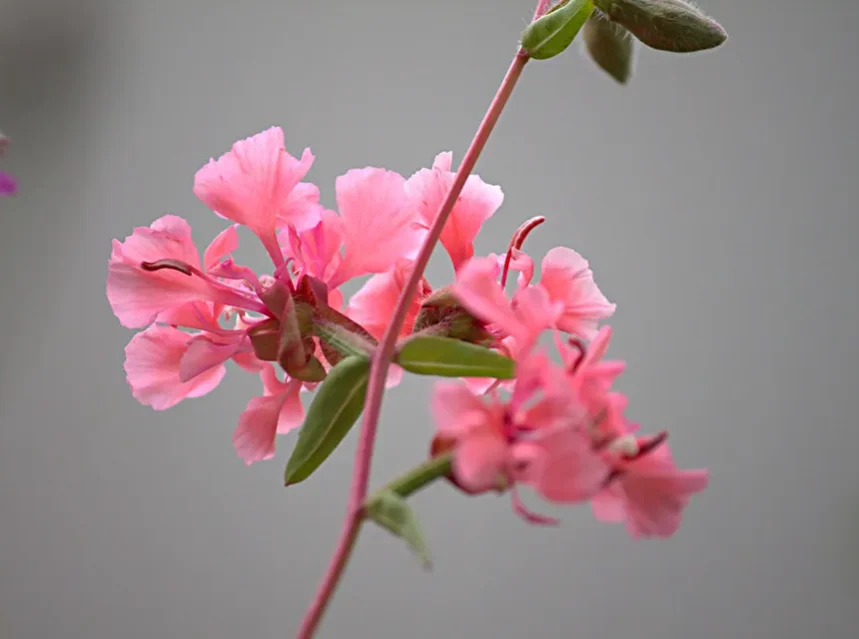
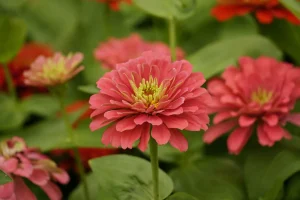
Clarkia seeds grow into Clarkia unguiculata — mountain garland, also called elegant clarkia, a cool-season annual with frilly, often double, rose-like blooms set up tall, slender, wand-like stems. In pink, purple, salmon, white, and crimson, it is one of the prettiest and longest-lasting cut flowers from seed. A California wildflower, it is easy, quick, and thrives in poor soil. This guide covers the best clarkia seeds for gardens worldwide, including the US and India, plus exactly how to grow clarkia from seed, when to sow, and where to buy quality seed.
Frilly, tall, and easy. The clarkia botany page and the RHS guide to growing clarkia cover sowing, types, and care.
🧰 In a hurry? Jump straight to our tested picks for this guide ↓
Clarkia seeds at a glance
| Feature | Detail |
|---|---|
| Botanical name | Clarkia unguiculata (family Onagraceae) |
| Sowing depth | Surface; barely cover (needs light) |
| Germination temperature | 15–18°C (60–65°F) |
| Days to germinate | 7–14 days |
| Season | Cool-season hardy annual |
| Days to bloom | 90–110 days from sowing |
| Best for | Cut flowers, cool borders, wildflower beds |
Why grow clarkia from seed?
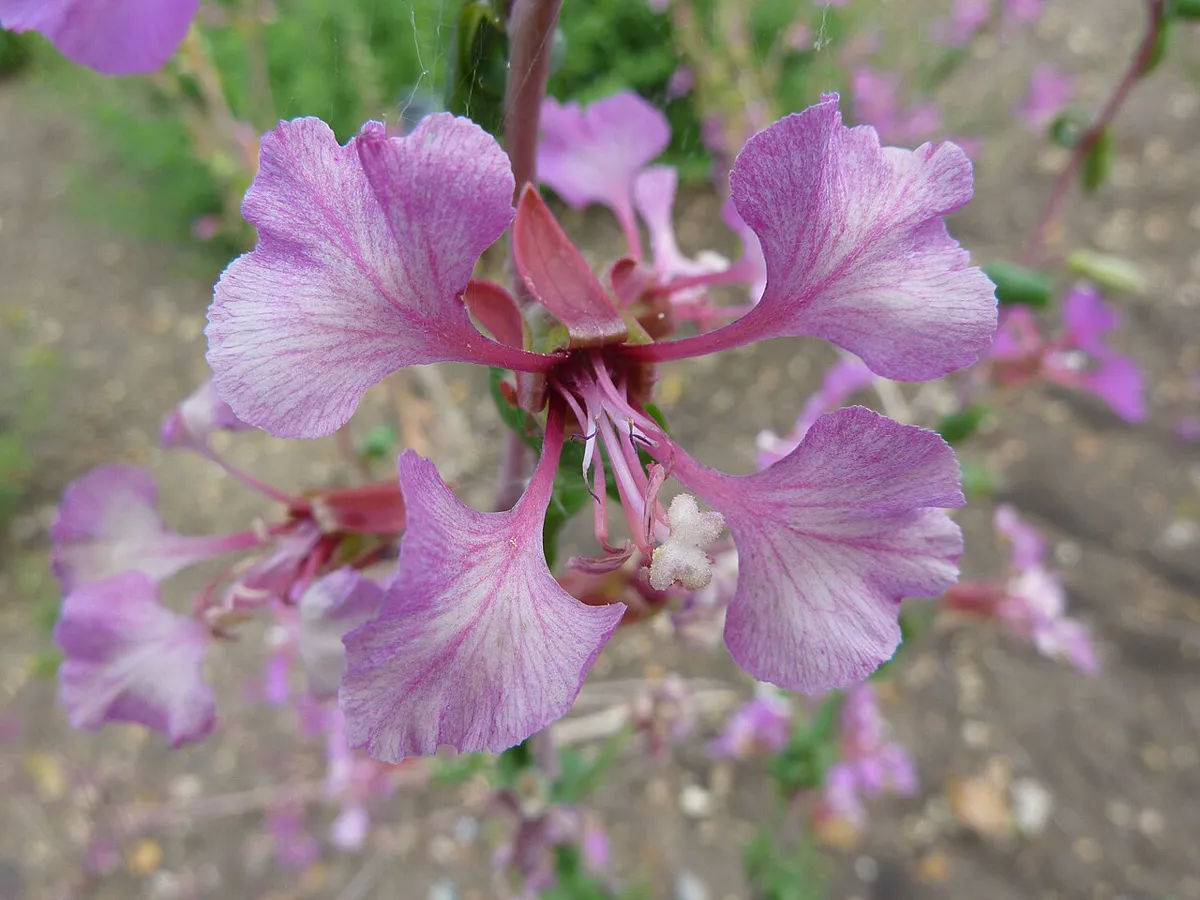
Clarkia is a charming, old-fashioned flower that gives a lot for little. First, its frilly double blooms run all the way up tall, slender stems. Second, it is one of the longest-lasting cut flowers you can grow.
Third, it is hardy, quick, and thrives in poor soil from seed. It suits cool borders, cutting beds, and wildflower plantings. It loves the same cool company as larkspur, poppies, and cosmos. For another easy California cousin, see our guide on godetia.
Clarkia vs godetia
These two are close cousins in the same genus, so it helps to tell them apart. Clarkia (mountain garland) has frilly, often double blooms spaced up tall, slender, wand-like stems. The effect is light and airy, like a flowering spire.
Godetia (Clarkia amoena) has larger, satiny, cup-shaped flowers clustered near the stem tips. So choose clarkia for tall, frilly spires and cutting, and godetia for showy satin cups. Both are easy, cool-season annuals that love lean soil.
History & origin of clarkia
Clarkia is a wildflower of California and the western United States, growing in open woodland and hills. It was named after the explorer William Clark. It belongs to the evening primrose family.
Victorian gardeners loved it, and breeders developed the lovely double forms grown today. You can read more on the flower’s botany and history at Wikipedia. Clarkia spread worldwide as a cottage and cut flower, and in India the double elegant clarkia is a much-loved winter annual for the cool plains and hills.
Best clarkia seeds: top varieties to grow
The best clarkia seeds come mostly as double mixes and named colours on tall stems. Most clarkia seed varieties are tall doubles, so choose by colour and by whether you want a mix or a single shade.
| Variety | Type | Best for | Region |
|---|---|---|---|
| Mountain Garland Mix | Tall, double mix | Rose, salmon, white, purple, crimson | global |
| Elegant White | Tall, double white | White gardens, cutting | global |
| Crown Double Mix | Tall, full double | Showy ruffled spires | global |
| Apple Blossom | Soft pink | Gentle cottage tones | global |
| Salmon / Firebrand | Single colours | Bold solid plantings | global |
| Ragged Robin (pulchella) | Pinkfairies type | Delicate fringed wild blooms | global |
| Elegant Double Mix (India) | Cool-season annual | Popular Indian winter clarkia | India |
The Mountain Garland double mix is the classic, with frilly blooms in many colours. Elegant White and single colours suit themed schemes. The related ragged robin offers delicate fringed flowers. In India, the double elegant clarkia mix is the popular winter choice.
How to grow clarkia from seed
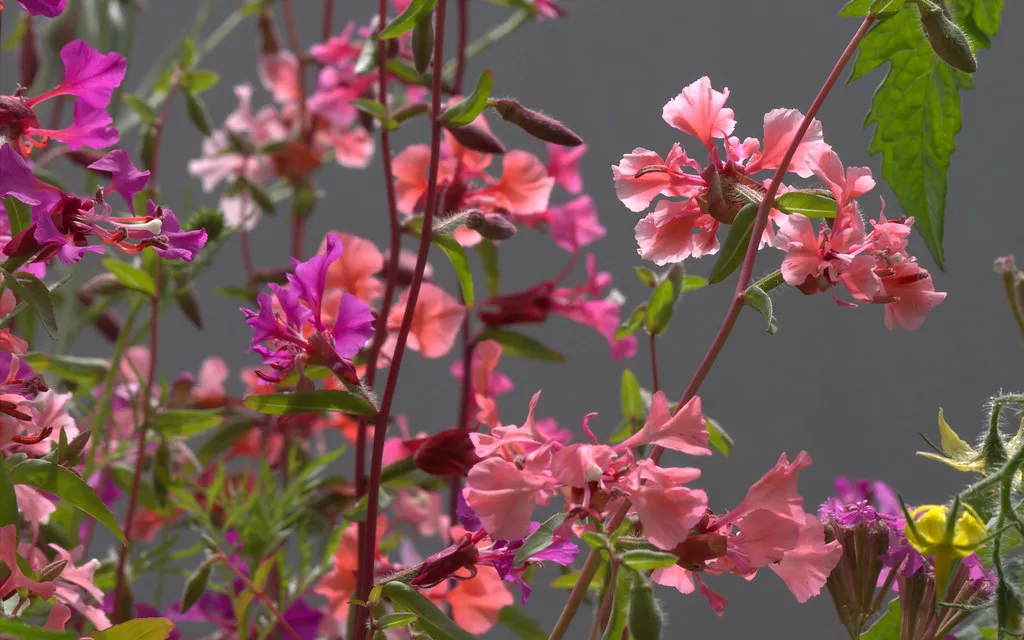
Clarkia is easy from seed if you sow it in place and keep it cool.
- Surface-sow for light. Scatter the seeds on moist soil and barely cover them, as they need light.
- Direct-sow, do not transplant. Sow where the plants are to grow, as clarkia dislikes root disturbance.
- Sow cool. Sow in early spring or autumn, as clarkia is hardy and hates heat.
- Use lean soil. Choose poor, sandy, well-drained ground, and skip the fertiliser.
- Thin and support. Thin to 20–25 cm apart, and net tall plants in windy spots.
Clarkia grows fast in cool weather and flowers for weeks. It finishes as summer heat arrives. In India, sow in the plains from September to November for cool-season spires, and in hill stations through the cool months.
Best season & when to sow clarkia seeds
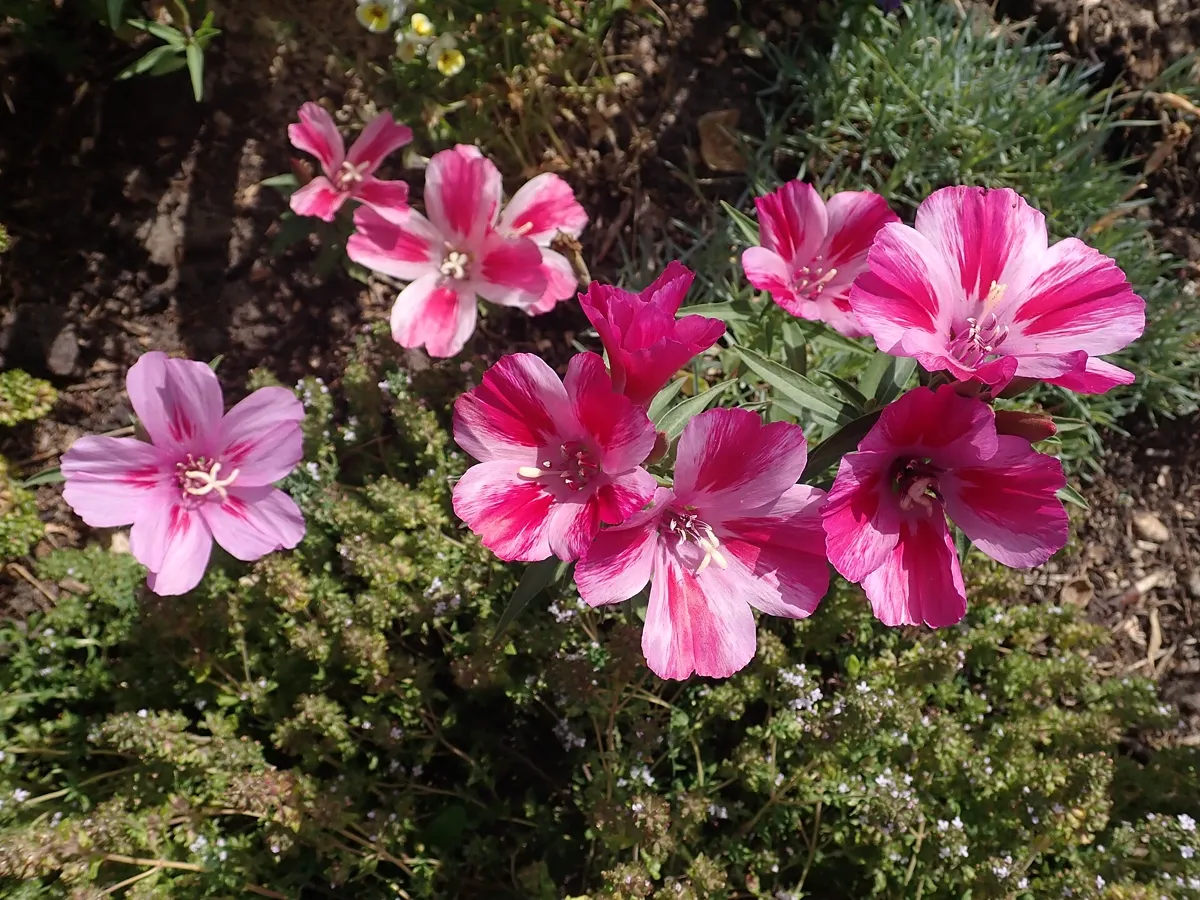
Clarkia is a hardy, cool-season flower, so timing is key. In cool and temperate areas, sow directly in early spring, or in autumn for earlier flowers the next year. It tolerates light frost.
In mild-winter and warm climates, and across much of India, sow in autumn and winter. September to November suits the Indian plains, with bloom from October to February. In southern India, sow into early spring with some afternoon shade. Clarkia dislikes heat, so always grow it in the cool, sunny part of the year.
Clarkia as a cut flower
Clarkia is a superb cut flower, prized by florists for its long, frilly stems. The blooms can last up to three weeks in the vase, which is exceptional. Buds keep opening up the stem after cutting.
For the best results, cut the stems when a few of the lowest buds have just opened. Cut below the lowest bloom, and the plant will send up a fresh shoot to flower again. This makes clarkia both a generous garden plant and a rewarding cutting flower.
Soil, watering & feeding
Clarkia grows best in lean, sandy, well-drained soil and full sun to light shade. Like its cousin godetia, it flowers poorly in rich ground. Water young plants to settle them, then water moderately, keeping the soil lightly moist.
Skip rich compost and high-nitrogen feeds, which give leafy, floppy plants and few flowers. A poor, free-draining site gives the best, most generous bloom. It pairs beautifully in cool cutting beds with cornflowers and larkspur. Because it resents transplanting, see starting seeds indoors only if you use biodegradable pots.
Common pests & diseases
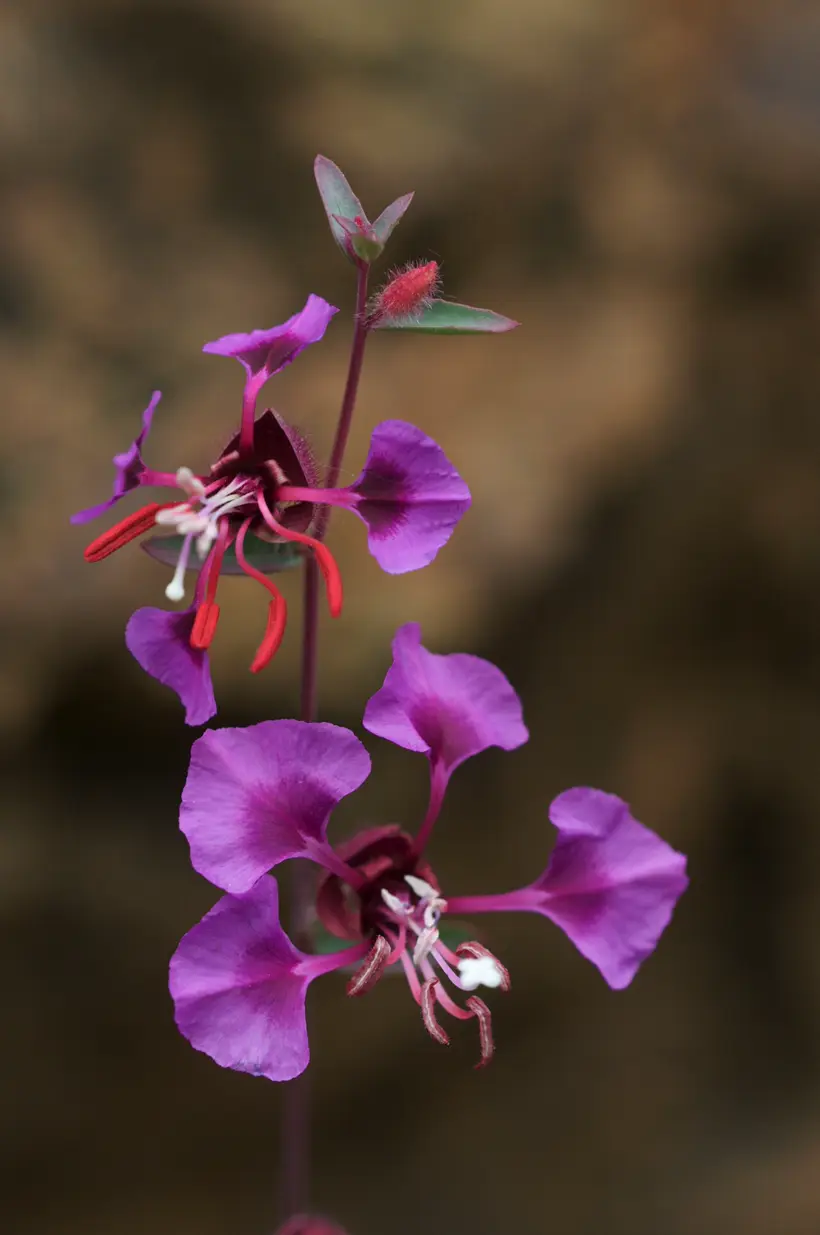
Clarkia is fairly trouble-free in the right cool, lean spot. The main pests are aphids on soft growth and slugs on young seedlings, both easily managed. Healthy, airy plants resist most problems.
The chief risk is root and stem rot in wet, heavy, or rich soil, so grow it lean and well-drained. Powdery mildew can appear in humid, crowded conditions, eased by spacing. In a cool, sunny, free-draining site, clarkia stays largely healthy.
Pollinators & uses
Clarkia is a valuable pollinator plant, especially for native bees in its home range. Bees and butterflies work the frilly blooms over a long season. It can also self-pollinate, so it sets seed reliably.
It is grown above all as an elegant cottage and cut flower, ideal for borders, wildflower beds, and the vase. The tall, airy spires add height and movement to cool-season plantings. It is one of the easiest tall annuals to grow from seed.
Saving your own clarkia seeds
Saving clarkia seed is easy. After flowering, slim seed capsules form up the stems. Let them dry and turn pale brown on the plant.
Then snip the dry capsules and shake out the small seeds over a bowl. Store them somewhere cool, dry, and dark in a labelled envelope. Clarkia self-sows gently in cool gardens, so volunteers often return. Our full guide to saving seeds covers the method.
Common problems from seed
The most common issue is few flowers from rich soil, so grow clarkia lean and unfed. Buried seed fails, so surface-sow for light. Transplant failure is common, so direct-sow because of its sensitive roots.
Plants collapsing in summer were caught by heat, so grow them in the cool seasons. Floppy stems point to rich soil or wind, so grow lean and net if needed. Use fresh seed, cool weather, lean soil, and direct sowing for the best display.
Where to buy clarkia seeds
The best clarkia seeds are simply fresh seed of the strain you want. Choose the Mountain Garland double mix for frilly colour, Elegant White for white gardens, or single colours for bold blocks. Buy fresh seed for good germination. Seed houses everywhere carry clarkia and mountain garland, and in India the double elegant clarkia mix is widely sold for the winter garden. Use the links below to compare trusted sources.
Frequently asked questions
How long do clarkia seeds take to germinate?
Clarkia seeds germinate in 7–14 days at a cool 15–18°C. The seeds need light, so surface-sow and barely cover them. Direct-sow where they are to grow, as clarkia dislikes root disturbance.
What is the difference between clarkia and godetia?
They are close cousins. Clarkia (mountain garland) has frilly, double blooms up tall, slender stems. Godetia (Clarkia amoena) has larger, satiny, cup-shaped flowers. Both are easy cool-season annuals that prefer lean soil.
Is clarkia a good cut flower?
Yes, one of the best. The frilly stems last up to three weeks in the vase, and buds keep opening after cutting. Cut below the lowest open bloom, and the plant reflowers on a fresh shoot.
Can clarkia grow in India?
Yes, the double elegant clarkia is a popular winter annual. Sow in the plains from September to November for cool-season spires, and grow it in hill stations too. Give it full sun and lean, well-drained soil, and avoid summer heat.
How deep should I sow clarkia seeds?
Barely cover them. Clarkia needs light to germinate, so press the seed onto the surface or sift the thinnest dusting of soil over it, no more than about 2 mm (1/16 inch).
When is the best time to sow clarkia?
In mild, frost-free areas sow in autumn for earlier, stronger plants. In cold-winter areas sow outdoors in early spring as soon as the soil can be worked, since the seed germinates best while the soil is still cool.
Can I start clarkia indoors and transplant it?
You can, but it is not the easy route. Clarkia resents root disturbance and often sulks after transplanting, so direct sowing where the plants will flower gives better results. If you must start indoors, use plug trays or soil blocks and plant out early.
Why does my clarkia have lots of leaves but few flowers?
Almost always too much richness. Clarkia flowers best in lean, well-drained soil, so skip the compost and fertiliser. Heavy feeding and too much shade both push the plant into leafy growth instead of buds.
How far apart should clarkia plants be?
Thin seedlings once they have their first true leaves to roughly 15-25 cm (6-10 inches) apart. Slightly close spacing is fine and helps the stems hold each other upright in a drift.
How much sun and water does clarkia need?
Give it full sun, or light afternoon shade where summers are hot. Water to keep the soil evenly moist while seedlings establish, then water only moderately, as soggy soil is the quickest way to lose the plants.
Does clarkia self-seed, and should I deadhead it?
Deadheading spent blooms keeps the flush going for longer. If you want free plants next year, stop deadheading towards the end of the season and let the last flowers set seed pods, which drop and come up on their own.
Still stuck? Ask the Plant Doctor
Describe the problem — yellow leaves, holes, no flowers — and get a clear answer in seconds. FreeAI can make mistakes. Answers are guidance, not a guarantee — check anything important against the guide it links to, and always read the label on any product before you use it.