

Foxglove Seeds
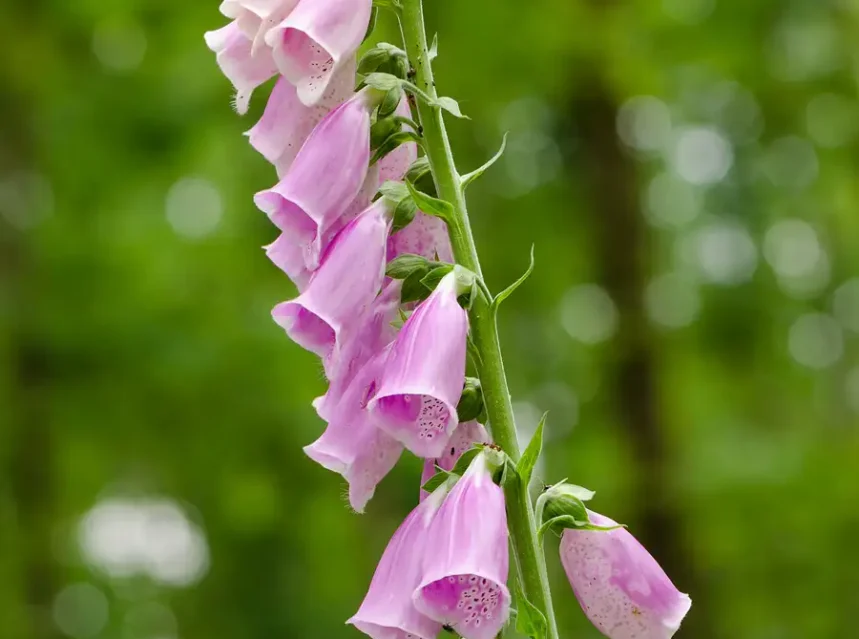
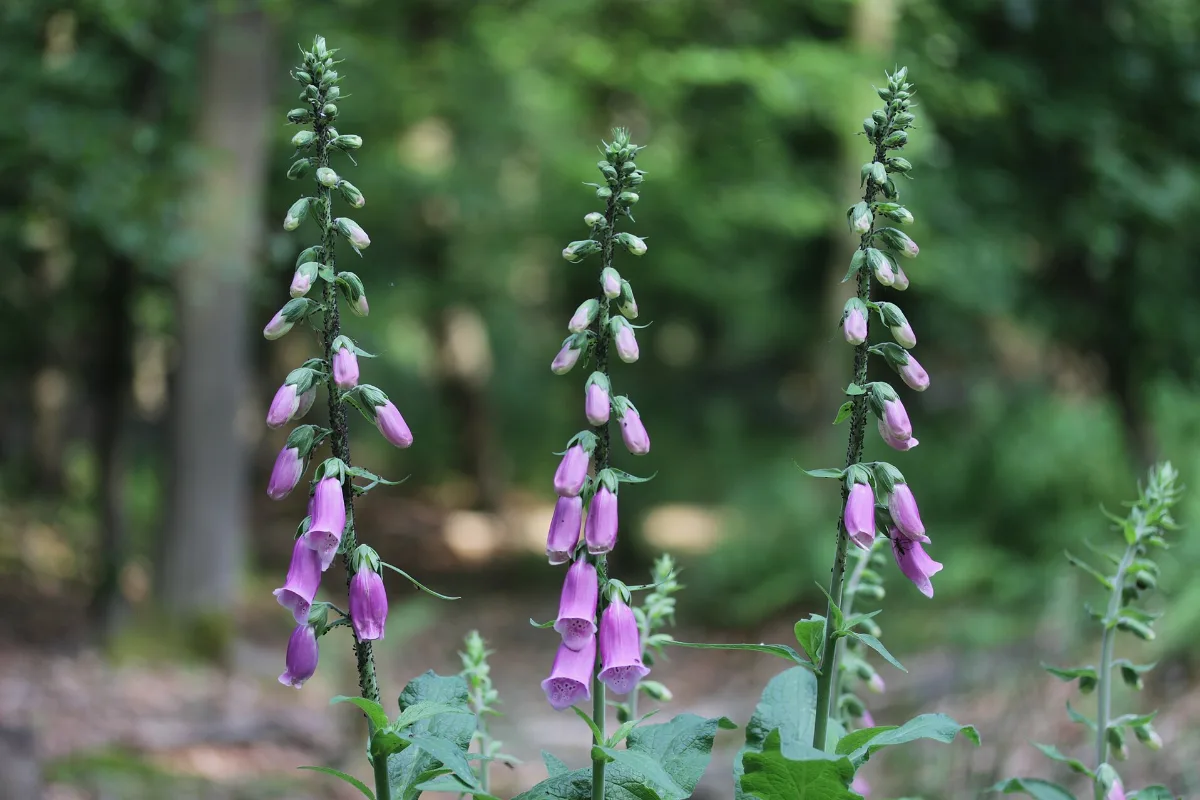
Foxglove seeds grow into Digitalis purpurea — the common foxglove, a dramatic cottage flower with tall spires of tubular, thimble-shaped blooms in purple, pink, white, and apricot, each speckled inside the throat. A classic biennial that thrives in shade, it is a magnet for bumblebees and a stately back-of-border accent. It is easy from seed, though every part is poisonous, so grow it for beauty only. This guide covers the best foxglove seeds for gardens worldwide, exactly how to grow foxglove from seed, when to sow, and where to buy quality seed.
Stately, shade-loving, and bee-friendly. The foxglove botany page and the RHS guide to growing foxgloves cover sowing, types, and care.
🧰 In a hurry? Jump straight to our tested picks for this guide ↓
Foxglove seeds at a glance
| Feature | Detail |
|---|---|
| Botanical name | Digitalis purpurea (family Plantaginaceae) |
| Sowing depth | Surface; do not cover (needs light) |
| Germination temperature | 18–21°C (65–70°F) |
| Days to germinate | 14–21 days |
| Season | Biennial; some types flower year one |
| Days to bloom | Year two (biennial); same year (quick types) |
| Best for | Shady borders, cottage gardens, bumblebees |
Why grow foxglove from seed?
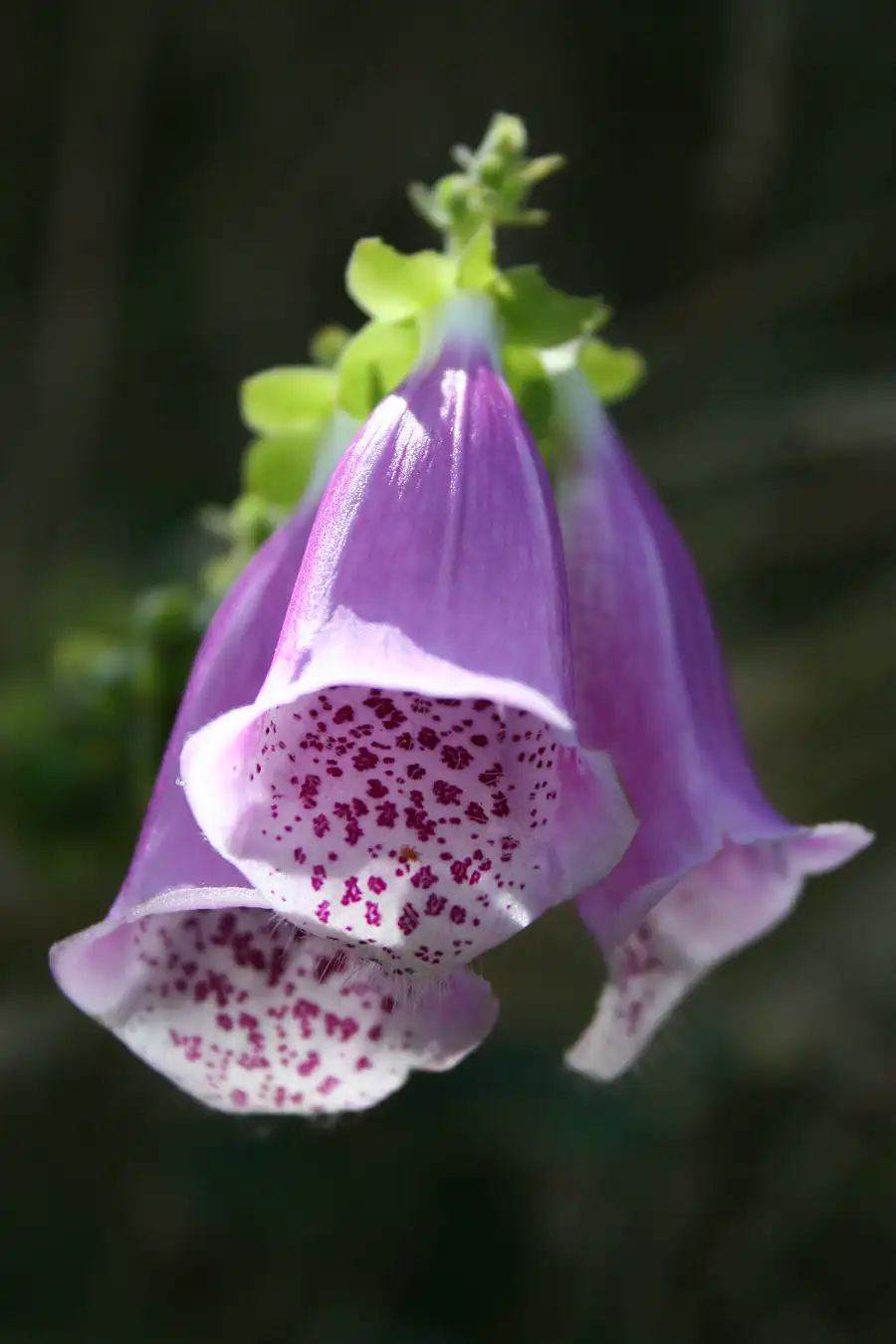
Foxglove brings height and drama to shady spots where few flowers thrive. First, its tall, speckled spires are unmistakable and beautiful. Second, it is one of the best plants for bumblebees, which climb right inside the flowers.
Third, it is easy and cheap from seed, and self-seeds for years. It suits woodland edges and cottage borders. It loves the same cool, partly shaded beds as snapdragons and nemesia, and adds height like hollyhocks. For the full growing routine, see our guide on how to grow foxgloves.
Is foxglove poisonous?
Yes, and this is important to know before you grow it. Every part of foxglove is poisonous, including the leaves, flowers, and seeds. They contain natural cardiac glycosides, which are seriously harmful if eaten.
So grow foxglove strictly as an ornamental flower. Keep it well away from young children and pets, and wear gloves when handling it, as the leaves can irritate skin. Historically, a regulated heart medicine was derived from this plant, but that is a controlled pharmaceutical, never a home remedy. Never eat or use any part of the plant. For information only; this is not medical advice.
History & origin of foxglove
Foxglove is native to Europe, where it grows wild on woodland edges, hillsides, and clearings. Its tall purple spires are a beloved sight in the British countryside. It belongs to the plantain family.
Gardeners have grown it for centuries for its dramatic, speckled blooms. You can read more on the flower’s botany and history at Wikipedia. Foxglove spread worldwide as a cottage and woodland flower, and in India it grows well in the cool hill stations and as a winter annual in the plains.
Best foxglove seed varieties to grow
Foxglove seed comes as tall classic biennials and quick first-year types. Choose by height and how soon you want spires.
| Variety | Type | Best for | Region |
|---|---|---|---|
| Excelsior Mix | Tall biennial (150 cm) | All-round dense spires, many colours | global |
| Foxy | Compact, first-year | Flowers in year one, smaller spaces | global |
| Camelot Series | F1, first-year | Uniform, reliable same-year bloom | global |
| Dalmatian Series | Compact F1, first-year | Pots and front of border | global |
| Pam’s Choice | Tall, white/maroon throat | Striking two-tone spires | global |
| Apricot Beauty | Soft apricot | Gentle warm cottage tones | global |
| Foxglove Mix (India) | Cool-season / hills | Hill-station and winter borders | India |
Excelsior is the classic tall biennial with dense, all-round spires. Foxy, Camelot, and Dalmatian flower in their first year, ideal for quicker results. Pam’s Choice and Apricot Beauty add special colours. In India, foxglove mixes suit the cool hills and winter plains.
How to grow foxglove from seed
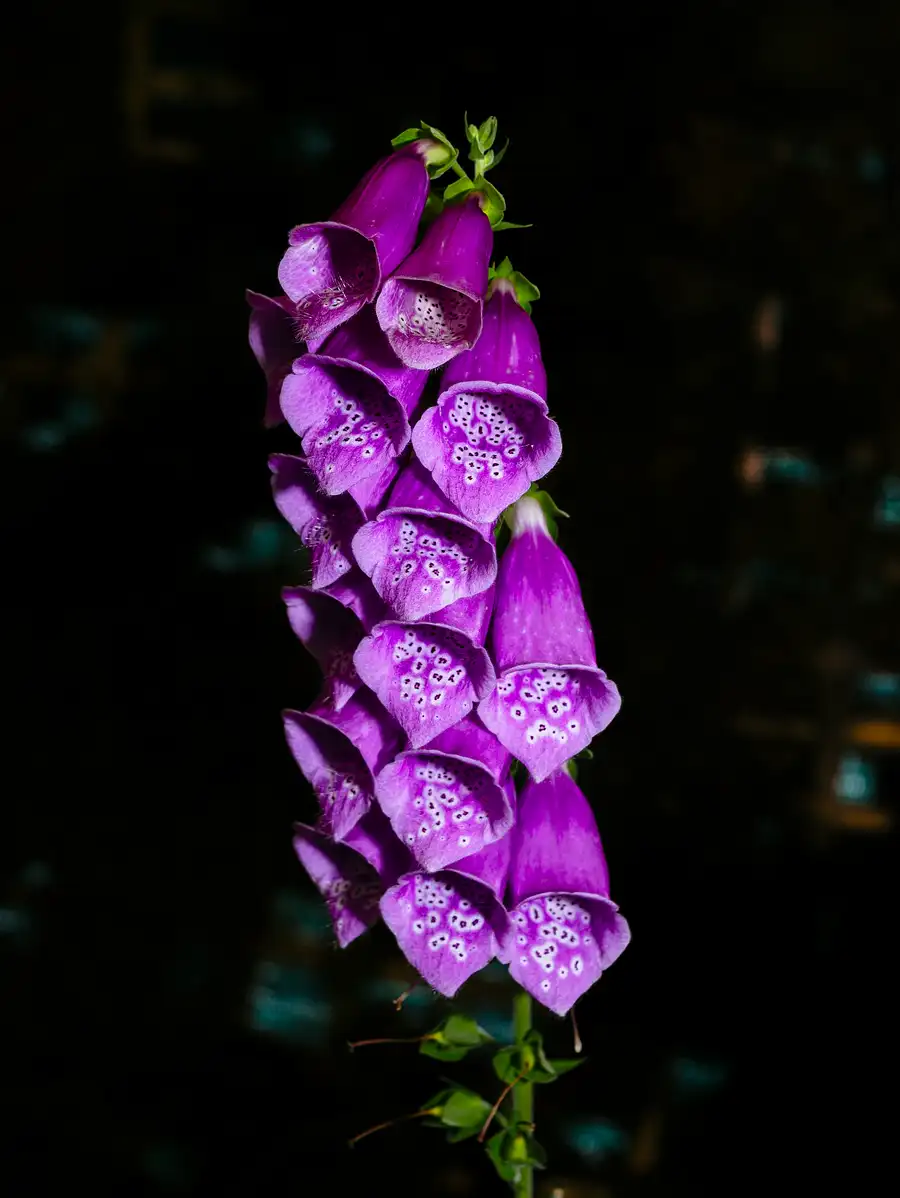
Foxglove is easy from seed if you handle the tiny seed well.
- Surface-sow for light. Scatter the dust-fine seeds on moist soil and do not cover them at all.
- Water from below. Bottom-water or mist, so you do not wash the tiny seeds away.
- Choose your timing. Sow in summer for biennial spires next year, or early indoors for first-year types.
- Grow in part shade. Plant out 30–45 cm apart in part shade to sun, in rich, moist soil.
- Wear gloves. Always handle foxglove with gloves, and wash your hands afterwards.
Foxglove forms a leafy rosette first, then sends up its tall spire. Biennials flower the next early summer. In India, sow in autumn for the cool hills and winter plains.
Best season & when to sow
Foxglove timing depends on the type. For classic biennials, sow in late spring or summer, grow the plants on, and they flower the following early summer. This is the traditional method.
For quick first-year types like Foxy and Camelot, sow indoors very early, in late winter, for flowers the same year. In mild-winter climates and across much of India, sow in autumn. The cool hill stations suit foxglove especially well. It is hardy and prefers cool, moist growing conditions.
Biennial or first-year annual?
This is the key thing to understand before sowing. Traditional foxglove is a biennial: it makes a leaf rosette in year one and flowers in year two. Sown in summer, it blooms the next early summer.
Modern first-year-flowering types have changed this. Varieties like Foxy, Camelot, and Dalmatian bloom the same season if sown early. They often do not self-seed, so resow them each year. Check the packet, and pick biennials for next year or quick types for this season.
Soil, watering & feeding
Foxglove grows best in moist, humus-rich, well-drained soil and part shade to full sun. As a woodland plant, it is happy in dappled shade where many flowers fail. Keep the soil evenly moist, as foxglove dislikes drying out.
Add compost or leaf mould for rich, moisture-holding ground. It is not a heavy feeder, so go easy on fertiliser. Tall spires may need staking in windy spots. It pairs beautifully in part-shade borders with larkspur and nemesia. For raising the fine seedlings, see starting seeds indoors.
Common pests & diseases
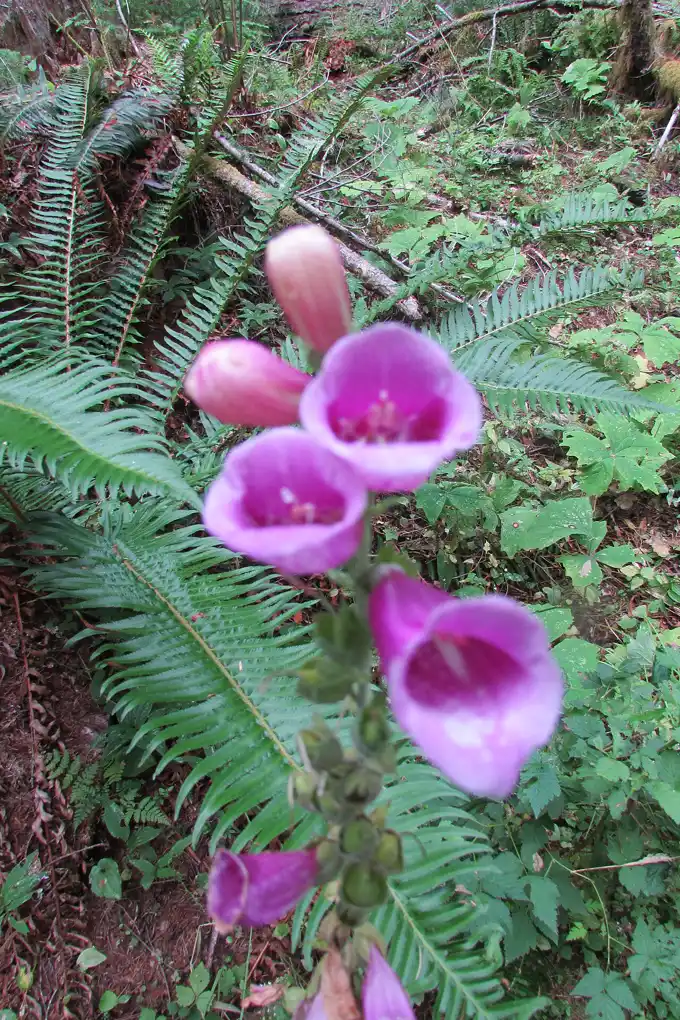
Foxglove is fairly tough and not often badly troubled. The main pests are aphids on soft growth and slugs on young rosettes, both easily managed. Its toxic leaves mean deer and rabbits usually leave it alone.
The chief diseases are powdery mildew and leaf spot in damp, crowded conditions, eased by good airflow and spacing. Crown rot can strike in wet, heavy soil, so keep it well-drained. In a cool, part-shaded, well-drained site, foxglove stays largely healthy.
Bumblebees & garden uses
Foxglove is one of the very best flowers for bumblebees. The long, tubular blooms are perfectly shaped for them, and you can watch bees crawl right inside to reach the nectar. Hummingbirds visit too in the Americas.
It is grown as a stately ornamental for shady borders, woodland gardens, and cottage schemes. The tall spires also make dramatic, if short-lived, cut flowers. Remember it is purely a garden flower, never a food or herb, because of its toxicity.
Saving your own foxglove seeds
Saving foxglove seed is very easy, as each plant makes huge numbers of tiny seeds. After flowering, seed capsules form up the spent spire. Let them dry and turn brown on the plant.
Then snip the dry spire into a paper bag and shake out the dust-fine seeds. Store them somewhere cool, dry, and dark, and wear gloves while handling. Biennial foxgloves self-seed so freely that volunteers usually return. Our full guide to saving seeds covers the method.
Common problems from seed
The most common issue is no germination from covering the light-needing seed, so always surface-sow. The dust-fine seed also washes away easily, so water from below. No flowers in year one is normal for biennials, so be patient or choose quick types.
Wilting points to dry soil, as foxglove dislikes drought, so keep it moist. Floppy spires in wind need staking. Use fresh seed, light, steady moisture, and the right type for the best display.
Where to buy foxglove seeds
Choose tall Excelsior for classic biennial spires, Foxy or Camelot for first-year flowers, or Pam’s Choice for striking two-tone blooms. Buy fresh seed for good germination. Seed houses everywhere carry foxglove in many colours, and in India foxglove seed suits the cool hills and winter plains. Use the links below to compare trusted sources.
Frequently asked questions
How long do foxglove seeds take to germinate?
Foxglove seeds germinate in 14–21 days at 18–21°C. The seeds are dust-fine and need light, so surface-sow them and do not cover them. Water from below to avoid washing the tiny seeds away.
Is foxglove poisonous?
Yes. All parts of foxglove are poisonous if eaten, as they contain cardiac glycosides. Keep it away from children and pets, wear gloves when handling it, and grow it strictly as an ornamental. This is for information only, not medical advice.
Does foxglove flower the first year from seed?
Traditional foxglove is biennial and flowers in its second year. But first-year-flowering types like Foxy, Camelot, and Dalmatian bloom the same season if sown early. Check the packet to choose the right type.
Is foxglove toxic to dogs and cats?
Yes. The ASPCA lists foxglove as toxic to both cats and dogs, and every part of the plant carries the same cardiac glycosides responsible for its danger to people. Ingestion can cause vomiting, diarrhea, weakness, an irregular heartbeat, and in serious cases cardiac failure. If a pet chews on foxglove, call ASPCA Poison Control at 888-426-4435 right away. This is general information, not veterinary advice.
Does foxglove come back every year?
Traditional foxglove is biennial, so an individual plant flowers once in its second year and then dies, but in good conditions it self-seeds so freely that new plants keep appearing. A single spike can shed one to two million seeds, so once established, a bed can look like it returns every year even though no single plant lives more than two years.
Should I deadhead foxglove after it blooms?
It depends on what you want next. The RHS notes that deadheading before seed forms can sometimes coax a spike into flowering again the following year, but results are unreliable, so it is worth keeping backup plants. If you want volunteer seedlings instead, leave some spikes to ripen and drop their tiny seed naturally.
How many seeds does one foxglove plant produce?
An astonishing number. A single mature foxglove spike can release one to two million dust-fine seeds over a season, which is why a few original plants can fill a shady bed with volunteers within a couple of years. Because the seed is so fine, only a small share actually germinates, but the sheer volume more than makes up for it.
Can I grow foxglove in a pot or container?
Yes, and compact first-year types like Dalmatian or Foxy suit containers particularly well since they skip the awkward two-year wait. Use a large pot with rich, moisture-retentive compost, keep it in part shade, and water regularly, since containers dry out faster than open ground. Move pots somewhere sheltered over winter in cold climates.
How tall does foxglove grow?
Most classic biennial types, such as Excelsior, reach around 120-150 cm in flower, while compact first-year varieties like Dalmatian and Camelot usually stay closer to 45-75 cm. Soil richness and light both affect final height, and plants in richer, moister ground with some shade tend to grow taller spires than those in poor, dry soil.
Do hummingbirds visit foxglove flowers?
In the Americas, yes, hummingbirds are drawn to the tubular blooms just as bumblebees are, since the shape suits a long bill and tongue. Foxglove is native to Europe, where there are no hummingbirds, so its main pollinators there are bumblebees that climb right inside each flower to reach the nectar.
Can foxglove grow in India?
Yes, especially in the cool hill stations, and as a winter annual in the plains. Sow in autumn, give it part shade and moist, rich, well-drained soil, and grow it in the cool season. Remember to keep this toxic plant away from children and pets.
Still stuck? Ask the Plant Doctor
Describe the problem — yellow leaves, holes, no flowers — and get a clear answer in seconds. FreeAI can make mistakes. Answers are guidance, not a guarantee — check anything important against the guide it links to, and always read the label on any product before you use it.







.jpg)