Sweet Sultan Seeds
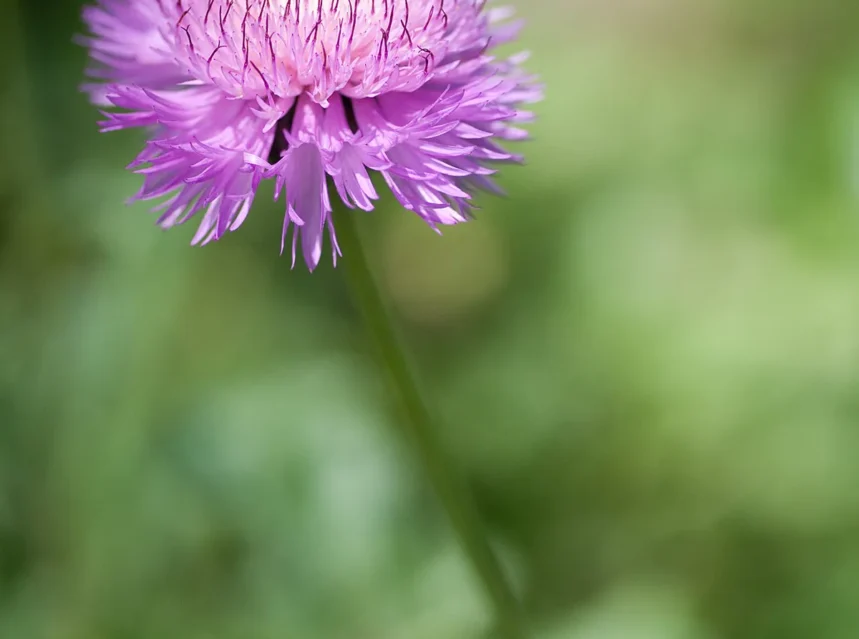
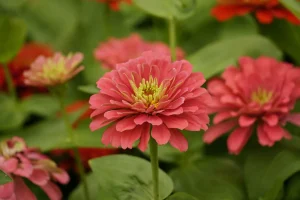
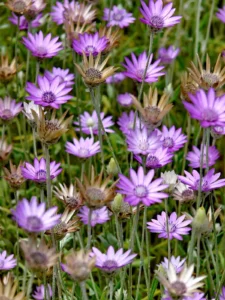
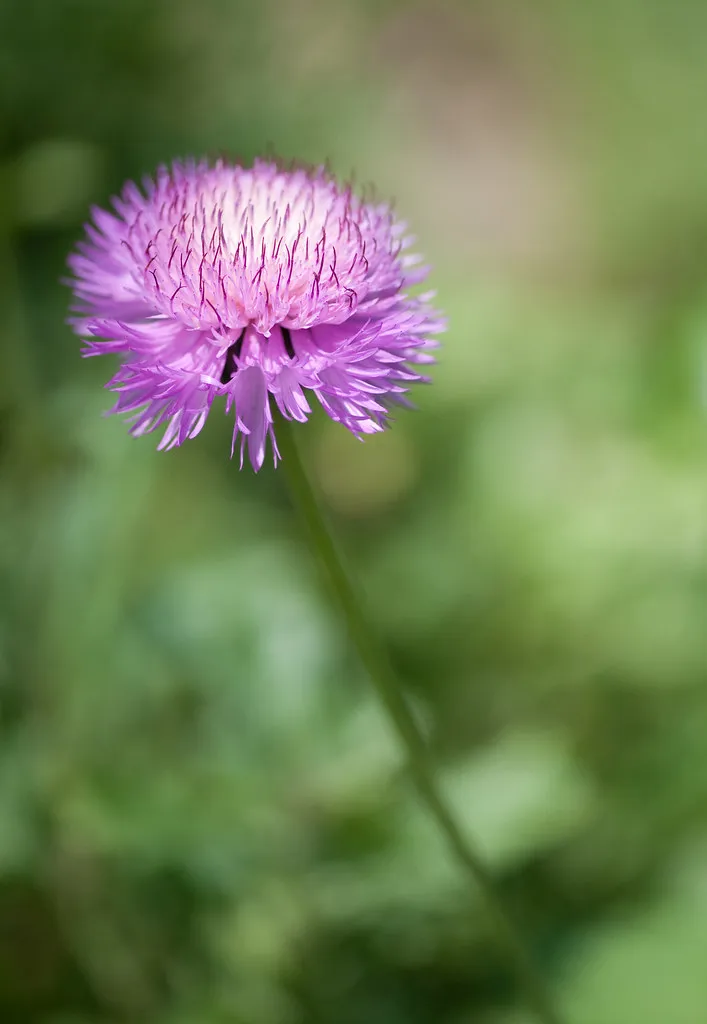
Sweet sultan seeds grow into one of the most fragrant cut flowers you can sow — Amberboa moschata, an old-fashioned cottage annual with fluffy, thistle-like blooms in pastel shades and a sweet, honey-musk scent. This guide covers buying the best sweet sultan seeds, growing sweet sultan from seed, and using its scented stems in the vase, for gardens worldwide.
🧰 In a hurry? Jump straight to our tested picks for this guide ↓
Quick start: sweet sultan at a glance
- Botanical name: Amberboa moschata (syn. Centaurea moschata)
- Type: Hardy annual, 50–90 cm (20–36 in) tall
- Sow: Cool season; direct sow, needs light to germinate
- Flowers: Late spring to summer; pink, lilac, white, yellow
- Best for: Fragrant cut flowers, cottage borders, pollinators
- Sun: Full sun; well-drained soil
For botanical background this guide draws on Wikipedia, the Royal Horticultural Society, and Select Seeds.
| Feature | Detail |
|---|---|
| Family | Asteraceae (daisy family) |
| Native range | Southwest Asia (Caucasus, Turkey, Iran) |
| Height | 50–90 cm (20–36 in) |
| Flower colour | Pink, lilac, purple, white, yellow |
| Fragrance | Sweet, musky, honey-like |
| Sowing depth | Surface to 6 mm; needs light |
| Vase life | 6–10 days |
| Lifecycle | Hardy cool-season annual |
Buy sweet sultan seeds
Sweet sultan seeds are sold by cottage-garden and fragrant-flower specialists, and increasingly online. Look for the popular Imperialis Mix or the pure-white ‘The Bride’. Below are trusted places to buy sweet sultan seeds.
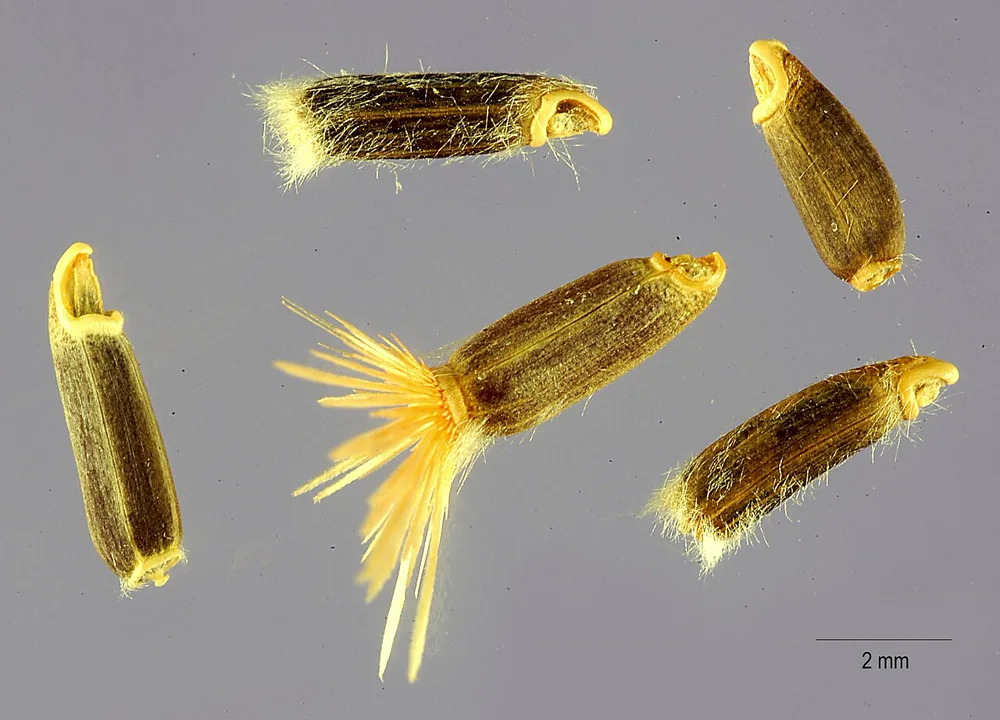
Buy fresh seed where you can, as sweet sultan seed has a relatively short shelf life. A single packet sows a generous cutting patch.
Why grow sweet sultan?
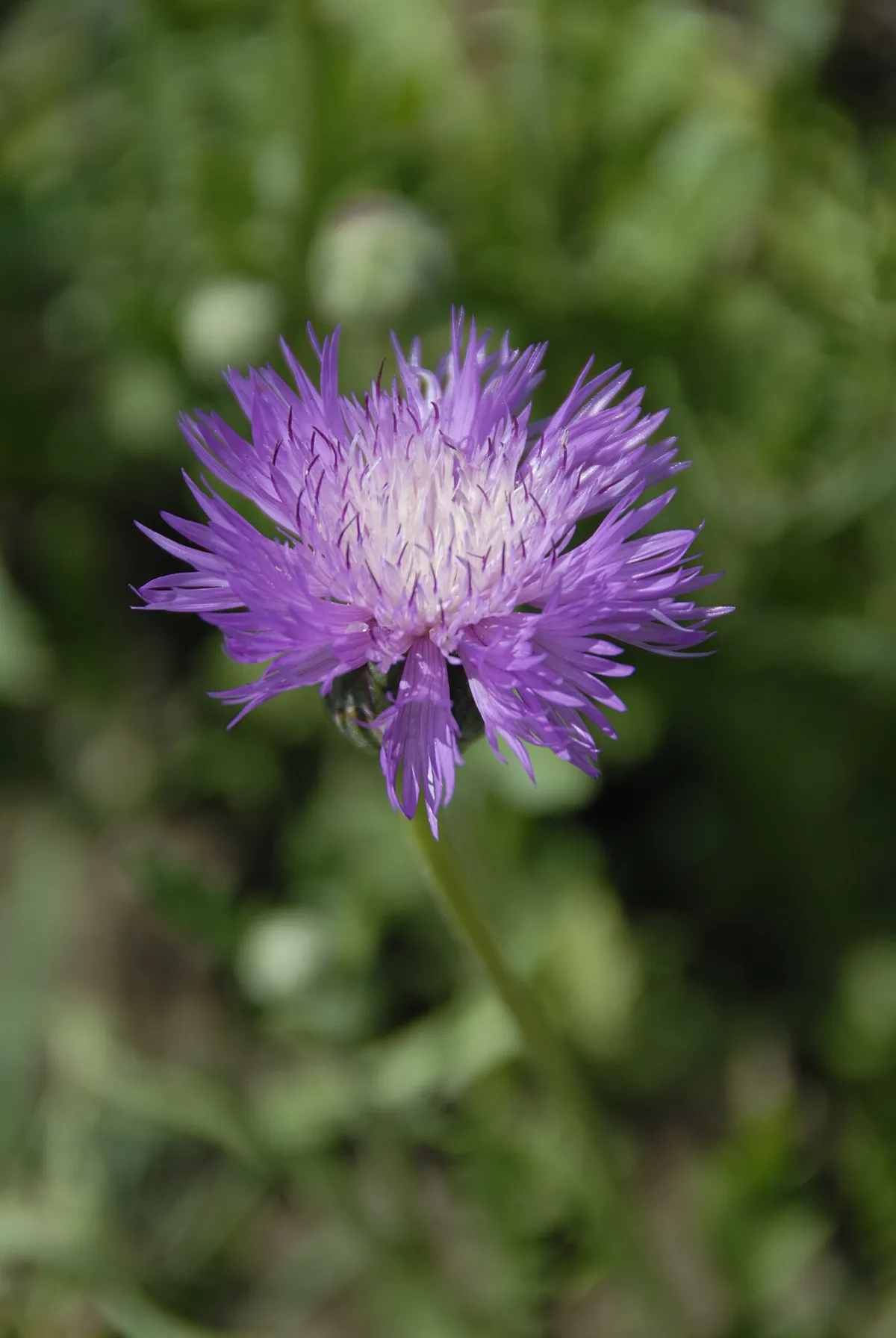
Sweet sultan offers something few cut flowers can: real fragrance. Its fluffy blooms carry a sweet, honey-musk scent that fills a vase indoors.
It is also beautiful and old-fashioned. The thistle-like heads have finely fringed petals in soft pastels, perfect for cottage borders. They look delicate but grow tough.
For cutting gardens, it is a gem. The long, slender stems and 6–10 day vase life make it an excellent bouquet flower. It is a close relative of cornflowers and bachelor’s buttons.
It feeds wildlife too. The nectar-rich flowers attract bees and butterflies, much like scabiosa. Few annuals give so much for so little effort.
A rare fragrant cut flower
This is the section that sets sweet sultan apart, because scent is its true superpower. Most modern cut flowers have been bred for looks, not smell.
Sweet sultan keeps its old-fashioned perfume. Growers describe the scent as sweet, musky, and honey-like — noticeable but never overpowering. That makes it a treasure for scented bouquets.
It joins a small club of genuinely fragrant cutting annuals. Grow it alongside stock and sweet peas for a vase that smells as good as it looks.
To get the most scent and the longest vase life, cut stems just as the buds begin to open. Fully open blooms fade faster once picked.
Place the cut stems straight into clean, cool water. Change the water every couple of days, and the fragrance will perfume the room for the best part of a week.
History, origin & how it spread
Sweet sultan is native to Southwest Asia. It grows wild across the Caucasus, Turkey, Iran, and neighbouring regions.
Botanically it sits in the daisy family, Asteraceae, and was long known as Centaurea moschata. That old name links it to cornflowers, its close cousins.
The flower has been cultivated as an ornamental for centuries. It was a Victorian cottage-garden favourite, prized then, as now, for its sweet scent and easy nature.
From its Asian home it spread across Europe and the Americas, and is naturalised in places. In India it is a popular cool-season annual, sold widely for winter beds and grown for its fragrant blooms in the plains and hills.
Its long history is a quiet endorsement. A flower grown for generations earns its place in any garden.
Best sweet sultan varieties
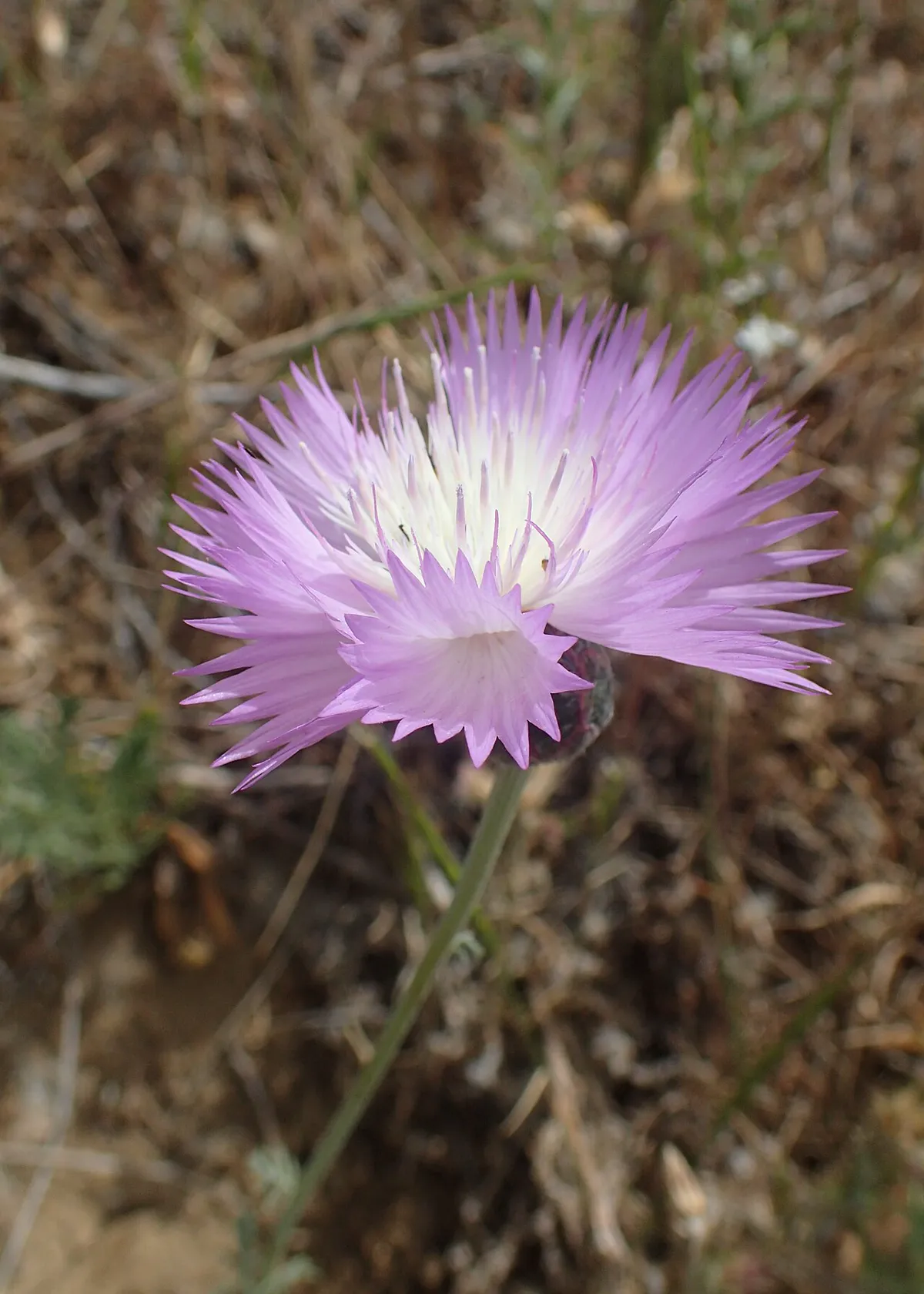
Sweet sultan is usually sold as a colour mix, with a few named selections. Here are the best types to grow from seed.
| Variety | Notes | Best regions (worldwide) |
|---|---|---|
| Imperialis Mix | The classic blend — pink, rose, lilac, purple, white, yellow; tall & fragrant | US cottage & cutting gardens; India winter beds (plains) |
| ‘The Bride’ | Pure white, especially elegant for bridal & wedding work | US florist beds; India cool-season borders |
| Giant Imperialis | Larger 2-inch blooms on long stems; premium cut flower | US bouquet growers; India hill gardens |
| Yellow / lilac single colours | Single-shade selections for colour-themed planting | US themed borders; India ornamental beds |
For most gardeners, the Imperialis Mix is the best sweet sultan seed to start with. Choose ‘The Bride’ if you want pure white for weddings or a moonlit border.
Best season & when to sow
Sweet sultan is a cool-season flower that dislikes heat. Getting the timing right is the key to success.
In the US and UK, sow in situ in spring once frost has passed. In mild areas you can also sow in autumn for earlier, stronger plants the next year.
In India, grow it through the cool winter. Sow in the plains from September to November so plants bloom in the cool months. In the hills, sow in spring or late summer.
Flowers appear roughly 75 to 90 days after sowing. For a steady cut-flower supply, sow a second batch a few weeks after the first.
Growing sweet sultan from seed: how to plant
Growing sweet sultan from seed is straightforward once you know how to plant it. The plant resents root disturbance, so direct sowing works best.
- Sow in place. Sweet sultan dislikes transplanting, so direct sow where it is to flower in full sun.
- Surface-sow. The seed needs light, so press it gently into the soil rather than burying it deeply.
- Keep moist. Water gently and keep the surface moist until seedlings appear in 7–14 days.
- Thin. Thin plants to 30–45 cm (12–18 in) apart so each has room to bush out.
- Deadhead. Remove faded blooms to keep new flowers coming all season.
If you must start early, sow into deep pots and plant out gently to avoid disturbing the roots. For more help, see starting seeds indoors and how to save seeds.
Sun, soil, watering & feeding
Sweet sultan is easy-going once established. Give it sun, drainage, and cool weather, and it rewards you well.
Sun: Full sun gives the best flowering and scent. It tolerates light shade but flowers less.
Soil: Well-drained, moderately fertile soil suits it. It copes with chalk, loam, or sand, and likes neutral to alkaline ground.
Water: Keep young plants moist. Once established, sweet sultan is fairly drought tolerant and needs about an inch of water a week.
Feeding: A little balanced feed helps, but avoid heavy nitrogen. Too much makes leafy, floppy plants with fewer blooms.
This easy nature makes it a fine companion for other cool-season annuals like larkspur and nigella.
Common pests & problems
Sweet sultan is largely trouble-free, with most problems linked to heat or wet soil rather than pests.
Heat stress: The biggest issue. Flowering drops sharply in hot weather, so grow it in the cool season.
Aphids: These can gather on soft new growth. Blast them off with water or use insecticidal soap.
Root rot: Caused by wet, heavy soil. Improve drainage and avoid overwatering.
Poor germination: Often from old seed or burying it too deep. Use fresh seed and surface-sow into light.
Flopping: Tall stems may lean in wind or rich soil. Give light support in exposed spots.
Garden uses & benefits
Sweet sultan is a flower of many talents, earning its place in the border and the vase alike.
In the garden, its pastel, fringed blooms bring soft, old-fashioned charm to cottage borders and informal beds. The honey scent drifts on warm days.
As a cut flower, it is hard to beat. Long stems, a 6–10 day vase life, and genuine fragrance make it a star of scented bouquets.
It is also a generous wildlife plant. The nectar-rich heads draw bees and butterflies through the cooler months. Pair it with sweet william and asters for a long season of cottage colour. Whether for scent, beauty, or pollinators, sweet sultan delivers — and the best sweet sultan seeds cost very little to grow a whole season of fragrance.
Frequently asked questions
Is sweet sultan really fragrant?
Yes. Sweet sultan is one of the few genuinely fragrant cut flowers, with a sweet, musky, honey-like scent. The fragrance is noticeable but not overpowering, perfect for indoor bouquets.
How long do sweet sultan seeds take to germinate?
Sweet sultan seeds usually germinate in 7 to 14 days. They need light, so surface-sow them and do not bury the seed deeply.
Should I sow sweet sultan in spring or autumn?
In cool-summer areas, sow in spring after frost. In mild regions, autumn sowing gives earlier, stronger plants. In India, sow in autumn for winter flowering.
Is sweet sultan the same as a cornflower?
They are close relatives rather than the same plant. Sweet sultan was long classified as Centaurea moschata, in the same genus as cornflowers, before botanists split it into its own genus, Amberboa. Compared with cornflowers, sweet sultan has larger, more thistle-like blooms, sturdier stems, and a genuine honey-musk fragrance that cornflowers lack.
Does sweet sultan transplant well, or should I sow it direct?
Sweet sultan resents root disturbance and rarely transplants well, so direct sowing where it is to flower is the reliable method. If you must get a head start in a cold climate, sow into deep, biodegradable pots so the roots are disturbed as little as possible when you plant out.
Does sweet sultan self-seed in the garden?
Yes, it is a self-sowing annual and will often drop seed that reappears the following year if some flower heads are left to dry. Deadhead regularly through summer if you want to prevent volunteers, or leave a few heads at the end of the season to let it renew itself naturally.
How tall does sweet sultan grow, and does it need support?
Plants typically reach 50 to 90 cm on slender, branching stems. In sheltered borders they usually stand well on their own, but in windy or very rich soil the tall stems can flop, so light twiggy support pushed in early keeps the fragrant sprays upright for cutting.
What pests attack sweet sultan?
Aphids are the main pest, gathering on soft new growth and are usually cleared with a strong jet of water or insecticidal soap. Otherwise sweet sultan is fairly trouble-free; the bigger risks are cultural, with root rot from wet, heavy soil and reduced flowering in hot weather causing more problems than insects.
How long do cut sweet sultan stems last in a vase?
Cut stems typically last around six to ten days in clean water. For the best scent and longest life, cut them just as the buds are starting to open rather than once they are fully out, since flowers picked at full bloom fade faster after cutting.
Does soaking sweet sultan seed before sowing help germination?
It can help, though it is not essential. Soaking seed in lukewarm water for a few hours before sowing softens the seed coat and can speed up germination slightly. The bigger factor is sowing shallowly, since sweet sultan seed needs light and germinates poorly if buried too deep.
Can I grow sweet sultan from seed in India?
Yes, as a cool-season annual. Sow in the plains from September to November for winter blooms, or in spring and late summer in the hills.
Still stuck? Ask the Plant Doctor
Describe the problem — yellow leaves, holes, no flowers — and get a clear answer in seconds. FreeAI can make mistakes. Answers are guidance, not a guarantee — check anything important against the guide it links to, and always read the label on any product before you use it.