How to Grow Chrysanthemums (Mums) for a Fall Show
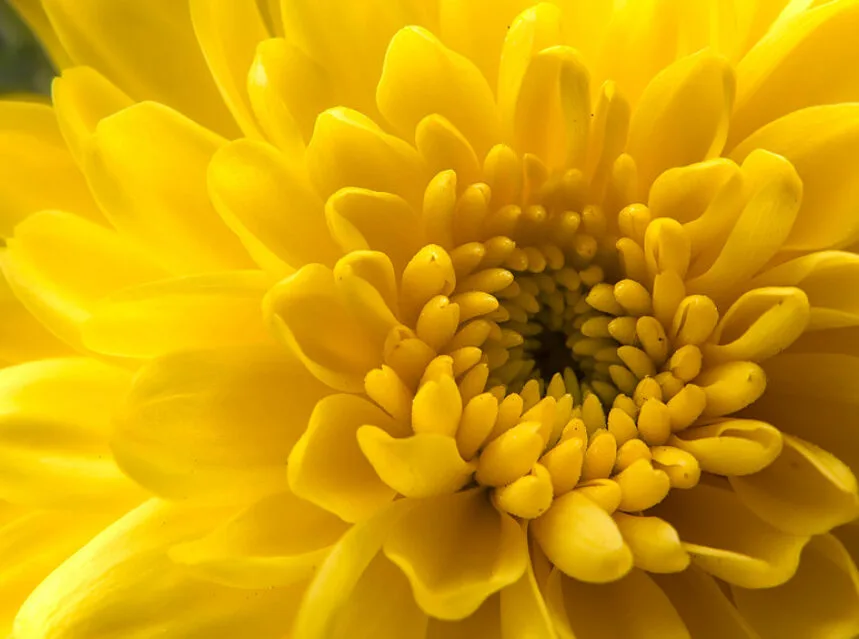
Chrysanthemums (“mums”) are the classic flower of fall, grown for their domes of golden, bronze, purple and white blooms just as the rest of the garden winds down — but there is a crucial catch. The mums sold as cheap fall decorations and the mums that come back every year are often two different things. Knowing which you have, plus one simple summer habit, is the difference between a one-season throwaway and a perennial that returns for years. Here is the complete guide on how to grow chrysanthemums.
Quick start: Plant mums in spring (not fall) in full sun and well-drained soil so the roots establish before winter. Pinch the tips through early summer for a dome of flowers. Buy hardy garden mums if you want them to return, and do not cut them back until spring.
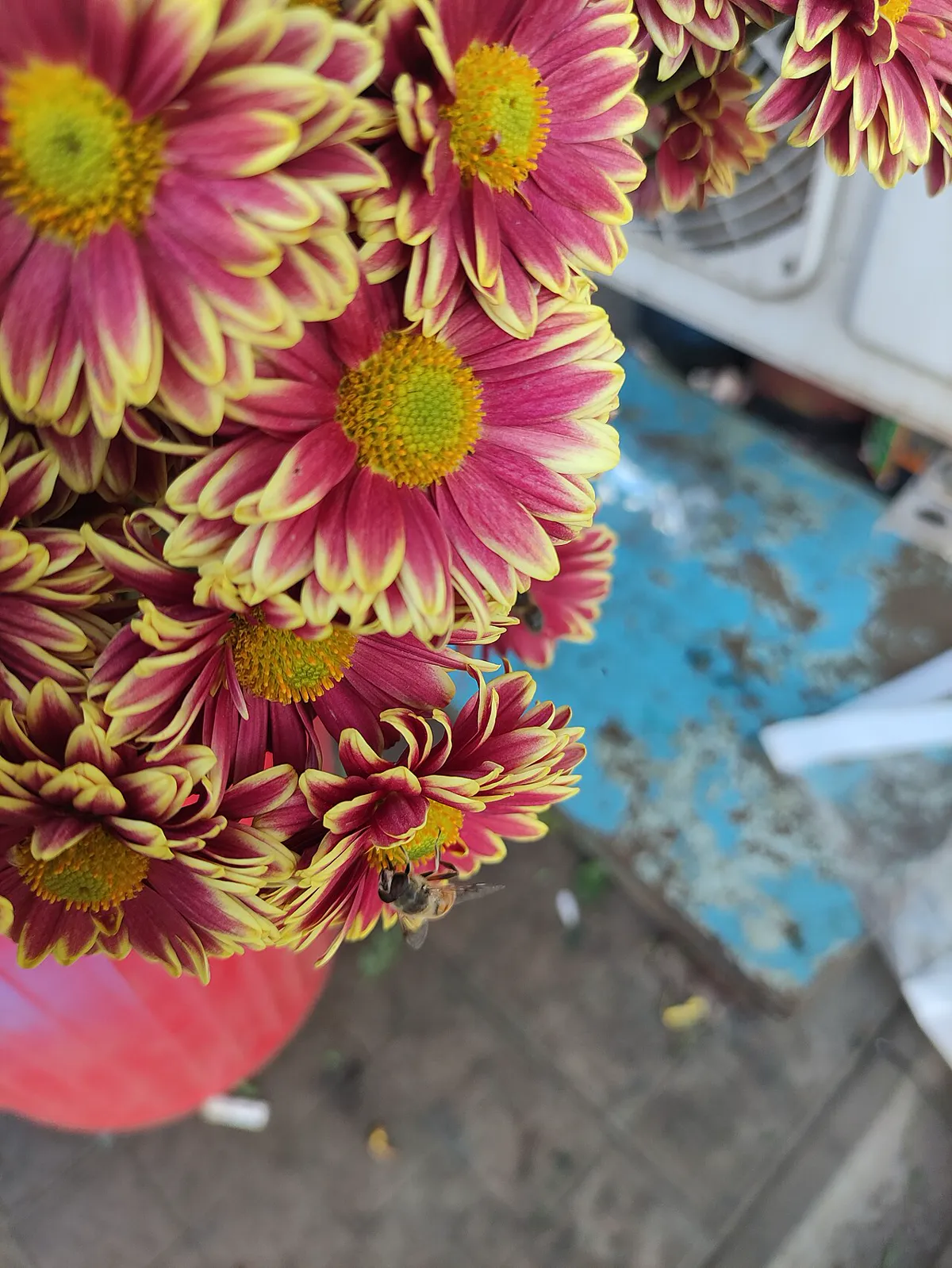
Chrysanthemums are the backbone of the autumn garden, and the secret to those mounded, flower-smothered plants is pinching. Growers nip out the growing tips through early summer, which makes the plant branch and carry far more blooms. They want full sun and benefit from dividing every couple of years to stay vigorous. Beyond their value as long-lasting cut flowers, the single and daisy types provide valuable late nectar for bees just as most other flowers fade.
🧰 In a hurry? Jump straight to our tested picks for this guide ↓
Chrysanthemums at a glance
| Feature | Detail |
|---|---|
| Botanical name | Chrysanthemum (family Asteraceae) |
| Plant type | Hardy perennial (or annual florist types) |
| Light | Full sun |
| Soil | Well-drained loam (soggy winter soil kills them) |
| Plant | Spring, not fall |
| Flowers | Gold, bronze, purple, white; autumn |
| Key task | Pinch tips to mid-July; cut back in spring |
| Note | Buy hardy garden mums to get them back |
Why grow chrysanthemums?
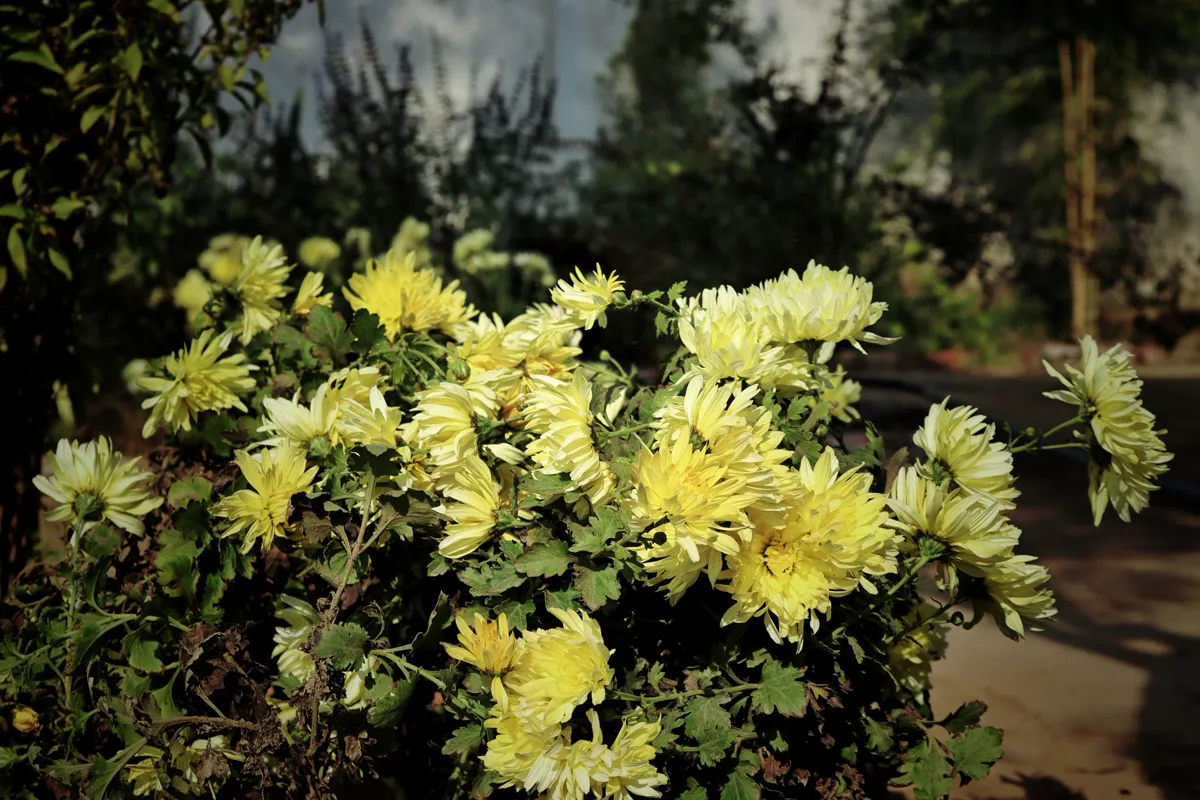
Mums are the stars of the autumn garden. A few reasons to grow them:
- Late-season colour. They blanket borders and pots when most flowers have finished.
- Huge range. Countless colours and flower forms, from buttons to giant blooms.
- Reliable return. Hardy garden types come back each year for a lasting show.
- Great cut flower. The blooms last for weeks in a vase.
History, origin & where they grow
Chrysanthemums were first cultivated in China as a flowering herb as far back as the 15th century BCE — roughly 3,500 years, not the 2,500 usually quoted (genus Chrysanthemum). The flowers of C. morifolium are still boiled into chrysanthemum tea across East Asia. They spread to Japan, where they became a revered national symbol and the emblem of the imperial family. From Asia they reached Europe in the 1700s and quickly became autumn favourites.
Centuries of breeding produced an astonishing range of colours and flower shapes. There are now button, pompom, spider, daisy and giant “football” forms. This rich heritage gives a mum for almost any taste.
They grow best in full sun and well-drained soil in temperate climates (see the Royal Horticultural Society). Soggy winter soil kills more mums than cold does. In hot regions such as much of India, they are a popular autumn and winter flower, including the marigold-like cultivated types.
Garden mums vs florist mums — the crucial difference
This one distinction saves a lot of disappointment:
- Hardy garden mums (like Korean types and the Morden series) are perennials that survive winter and rebloom each fall — these are the ones to plant if you want them back.
- Florist / decorative mums sold in fall as instant color are usually not bred to be hardy. Treat them as annuals — most won’t survive winter no matter what you do.
If you want a lasting plant, buy hardy mums in spring and plant them in the ground so the roots have all season to establish.
Best season & when to plant
This is where many people go wrong, as mums are sold in autumn but are best planted in spring. So timing makes all the difference to whether they survive.
Plant hardy garden mums in spring, so the roots have the whole season to establish before winter. They flower in autumn, often for many weeks. Mums bought in autumn have little time to root, which is a big reason they fail to return.
If you do buy plants in autumn, enjoy them as instant colour but treat them as a gamble for next year. For a lasting perennial, always start with hardy types in spring. In warm regions, plant for autumn and winter flowering.
Sun, soil and planting
Mums need full sun and well-drained loam. Plant in spring, keep the soil evenly moist but never soggy, and improve poor beds with compost first (see improving garden soil). Good drainage matters — soggy winter soil kills more mums than cold does. They’re a reliable addition among other perennials that come back every year.
Pinching — the secret to a flower-covered dome
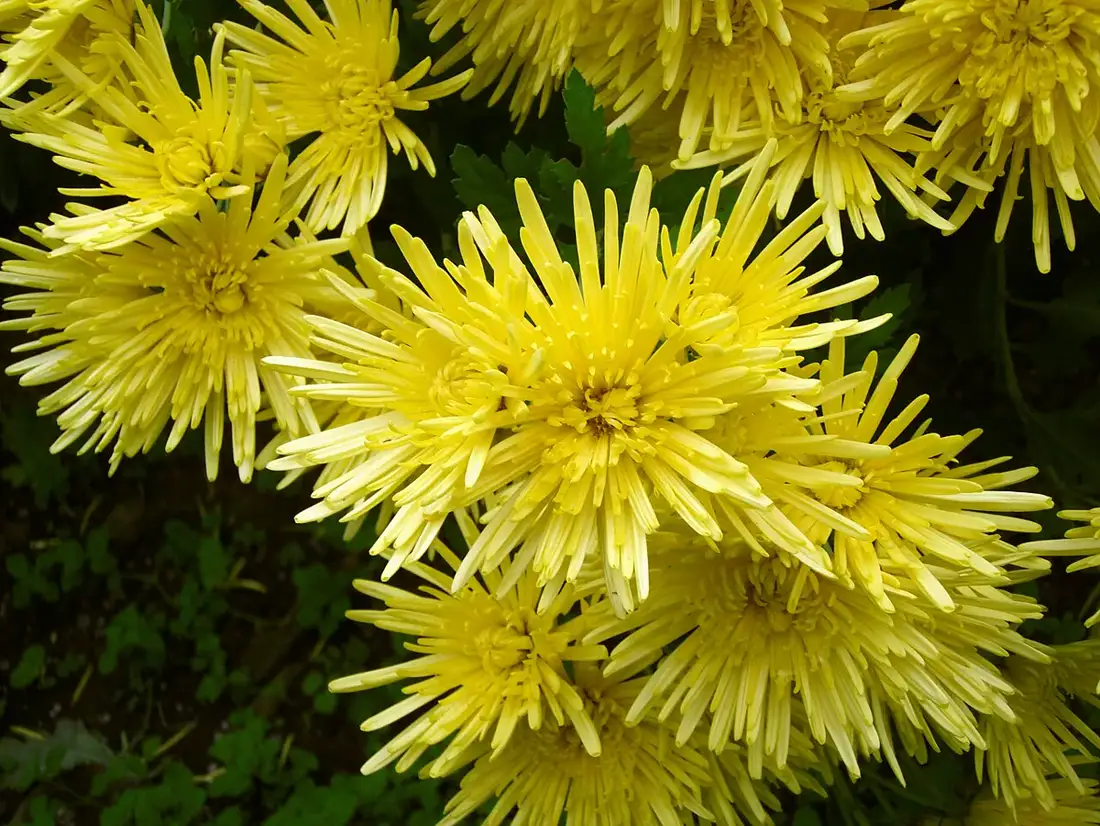
Left alone, mums grow tall and floppy and bloom thinly. Pinching fixes that: when new shoots reach 6–8 inches, pinch out the tips, then pinch again each time the plant grows another 6–8 inches. Stop pinching by around mid-July (once buds start to form) so you don’t remove the fall flowers. This builds the compact, rounded, bloom-packed shape garden mums are famous for. It feels brutal to keep cutting off healthy shoots, but the reward in autumn is a far denser dome of flowers, so it is well worth the nerve.
Watering and feeding
Keep mums consistently watered through the growing season — they have shallow roots and wilt when dry — but avoid wetting the foliage. Feed through spring and summer to fuel the big fall flush, then ease off as buds form.
Overwintering hardy mums
To get hardy garden mums through winter (zone 5 and warmer):
- Don’t cut them back in fall — leave the dead growth on; it insulates the crown.
- After the ground freezes, spread 4–6 inches of mulch around the plant (see our mulching guide).
- Cut back the old growth in spring, not fall.
- In very cold areas, pot up plants after the first frost and overwinter them somewhere cold but protected.
Our frost protection guide has more for borderline climates.
Propagating chrysanthemums
Mums are easy and cheap to increase, which keeps a favourite going for years. There are two simple ways, much like other cuttings and divisions. So you need not buy new plants each season.
In spring, lift and divide an established hardy clump, replanting the vigorous outer pieces and discarding the woody centre. Alternatively, take soft basal cuttings from the new spring shoots. These root quickly in moist, gritty compost.
Grow the young plants on and pinch them for a bushy shape. Both methods give plenty of plants identical to the parent. Dividing every couple of years also keeps the original clump healthy and free-flowering.
Common pests & diseases
Mums are fairly robust but can attract a few pests. Watch for aphids and leaf miners on the soft growth (see aphid control), plus powdery mildew and leaf spot in damp, crowded conditions. Give them full sun and good airflow, water at the base, and use our organic pest control guide. Good drainage prevents most root problems.
Chrysanthemums as cut flowers
Mums are one of the world’s most popular cut flowers, and for good reason. They last for weeks in the vase. So they are well worth growing for cutting too.
Cut the stems when the blooms are almost fully open, in the cool of the morning. Strip the lower leaves and stand them in clean water straight away. Change the water every few days, and they keep for two weeks or more.
The huge range of colours and forms makes them brilliant for arrangements. They bring warm autumn tones indoors just as the garden fades. In some cultures, though, white mums are linked with remembrance, so choose colours to suit the occasion.
Common mum problems
Didn’t survive winter
Usually a florist mum (not hardy), fall planting (no time to root), or cut back too early. Plant hardy types in spring and mulch.
Tall, floppy, few flowers
Not pinched. Pinch the tips through early summer for a compact, bloom-heavy plant.
Related plant guides
- How to grow Coneflowers
- How to grow Coleus
- How to grow Aster
- How to grow Shasta Daisy
- How to grow Cosmos
- How to grow Coreopsis
Frequently asked questions
Do mums come back every year?
Hardy garden mums do if planted in spring and overwintered properly; florist/decorative mums usually don’t.
When should I plant mums?
In spring, so the roots establish all season before winter, even though they are sold mainly in fall as instant colour.
Should I cut back mums in fall?
No — leave the growth to insulate the roots and cut back in spring instead.
How do I make mums bushy?
Pinch out the growing tips each time the plant gains 6–8 inches, from late spring until about mid-July, to build a compact, bloom-packed dome.
Do chrysanthemums need full sun?
Yes — give them at least five to six hours of direct sun a day, and more if you can. Plants in shade stretch towards the light, flop over, and open far fewer buds. Light also affects timing, so mums grown near bright security lights or street lamps can bud late or unevenly, because they set flowers in response to shortening nights. In very hot climates a little shade in the fiercest afternoon hours is fine and helps the blooms last longer.
How often should I water chrysanthemums?
Mums have shallow roots and dislike both extremes, so aim for soil that stays evenly moist but never soggy. Garden plants usually need a deep soak two or three times a week in warm weather; pots dry out much faster and may need water daily in a heatwave. Check with a finger to a depth of about 3cm rather than watering on a fixed schedule. Water at the base early in the day, since wet flowers and foliage overnight invite botrytis and mildew.
Should I deadhead mums?
Yes, and it is the single easiest way to stretch the display. Snip off each flower as soon as the colour fades, cutting back to the next healthy leaf or bud rather than just pulling the petals. That stops the plant spending energy on seed and pushes it into opening the buds still waiting below. Keep going through the flowering season, then leave the top growth in place over winter and tidy the whole plant in spring.
Why are my mums turning brown and dying?
Brown, crisp flowers most often mean the plant dried out, which happens fast with a root-bound nursery pot packed with blooms. Brown mush instead of crisp petals points the other way, to waterlogging or to frost catching an open flower. Lower leaves browning from the ground upwards can be a sign of root rot in heavy soil or of verticillium wilt. Check the drainage first, water more consistently, and remove affected material rather than reaching for a spray.
How do I overwinter mums in pots?
Container mums are far more exposed than garden plants because the whole rootball can freeze. After flowering, stop feeding, cut back only damaged growth, and move the pot to an unheated garage, shed, cold frame or a sheltered wall. Give just enough water through winter to stop the compost drying to dust — roughly once a month is often enough. Bring the pot back into the light in early spring, cut the old stems down, repot into fresh compost, and start watering properly as new shoots appear.
What pests and diseases attack chrysanthemums?
The usual trio is aphids, spider mites and leaf miners. Aphids cluster on soft shoot tips and buds and leave sticky honeydew; mites show as fine speckling and webbing in hot dry spells; leaf miners scribble pale tunnels inside the leaves. On the disease side, expect powdery mildew and grey mould where air movement is poor, plus leaf spot in wet seasons. Space plants generously, water at soil level, pick off affected leaves early, and use insecticidal soap or neem for a bad aphid or mite outbreak.
How do I propagate chrysanthemums from cuttings?
Cuttings are the reliable way to keep a variety true, since seed-raised plants vary. In spring take 7-10cm tip cuttings from strong new shoots, remove the lower leaves, and push them into a gritty, free-draining mix. Keep them warm, bright but out of direct sun, and lightly moist; roots usually form in two to three weeks. Pot the rooted cuttings on individually, pinch the tips once to build a bushy plant, and harden them off before planting out after the last frost.
Are chrysanthemums toxic to cats and dogs?
Yes, chrysanthemums are listed as toxic to cats, dogs and horses by animal poison bodies. All parts contain compounds including pyrethrins and sesquiterpene lactones, and eating them can cause vomiting, drooling, diarrhoea or loss of coordination, while handling the foliage sometimes irritates sensitive skin. Plant them out of reach of pets that chew, and wear gloves if your skin reacts. If an animal eats a quantity, contact your vet — this article is general gardening information, not veterinary or medical advice.
Still stuck? Ask the Plant Doctor
Describe the problem — yellow leaves, holes, no flowers — and get a clear answer in seconds. FreeAI can make mistakes. Answers are guidance, not a guarantee — check anything important against the guide it links to, and always read the label on any product before you use it.