How to Grow Coreopsis (Tickseed): Easy Summer Color
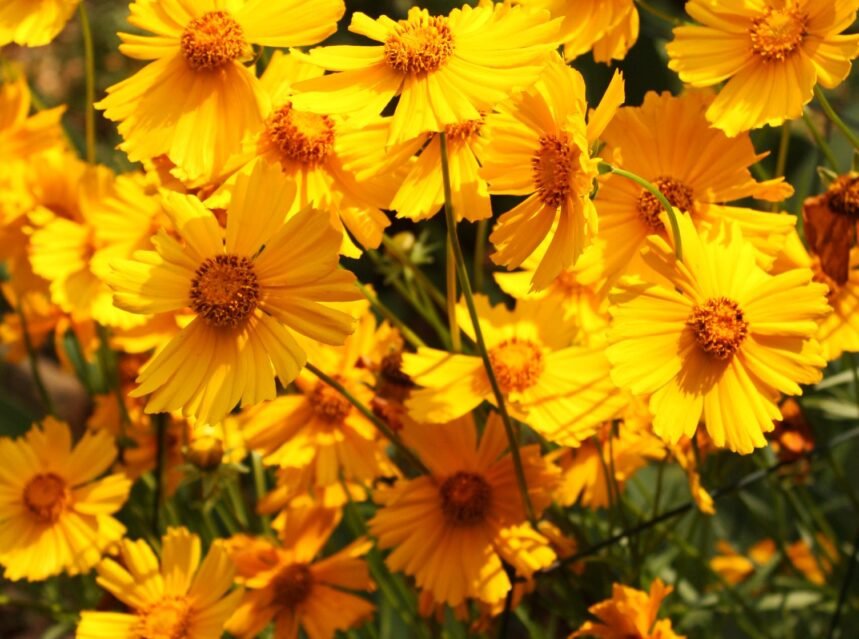
Coreopsis (tickseed) is an easy, long-blooming perennial grown for its bright, daisy-like flowers in golden yellow, pink, red and bicolours all summer — one of the most cheerful, low-fuss flowers you can grow. It shrugs off heat, drought and poor soil, and it is a favourite of bees and butterflies. For low-effort, long-lasting colour, it is hard to beat. Here is the complete guide on how to grow coreopsis (tickseed).
Quick start: Grow coreopsis in full sun and well-drained soil. Water it to establish, then it is drought-tolerant. Deadhead regularly for non-stop blooms. Go easy on fertiliser, and enjoy months of cheerful colour.
Coreopsis, or tickseed, is one of the easiest sunny daisies to grow, flowering its heart out for months with very little help. Growers value it for thriving in poor, dry soil and full sun, where it shrugs off drought and keeps the bees busy. A shear-over once the first flush fades quickly brings a fresh wave of bloom. With both annual and perennial types available, there is a coreopsis for almost any sunny gap that needs filling.
🧰 In a hurry? Jump straight to our tested picks for this guide ↓
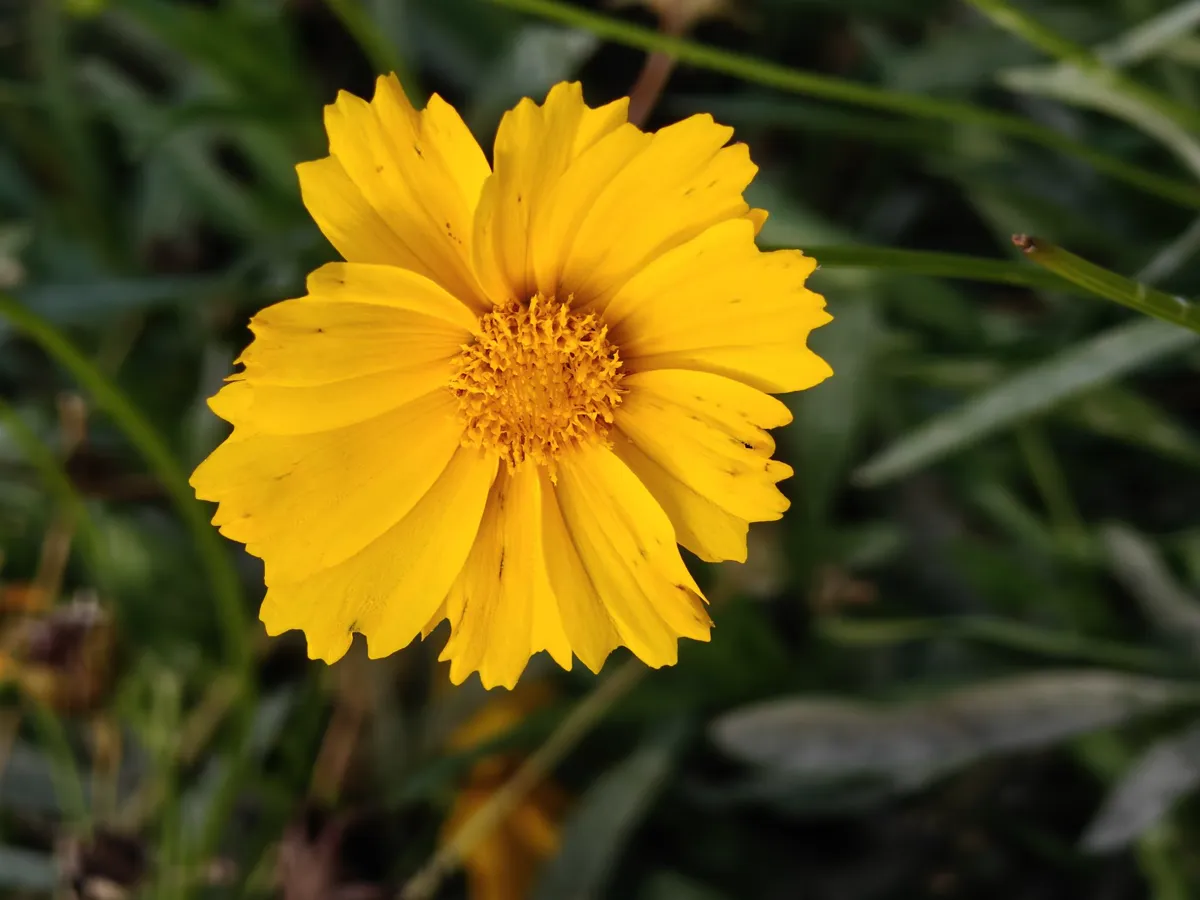
Coreopsis at a glance
| Feature | Detail |
|---|---|
| Botanical name | Coreopsis (family Asteraceae) |
| Common name | Tickseed |
| Plant type | Hardy perennial (some annual) |
| Light | Full sun (6–8 hours) |
| Soil | Average, well-drained, lean |
| Flowers | Yellow, pink, red; early summer–autumn |
| Key task | Deadhead; feed lightly |
| Tolerates | Heat, drought, poor soil |
Why grow coreopsis?
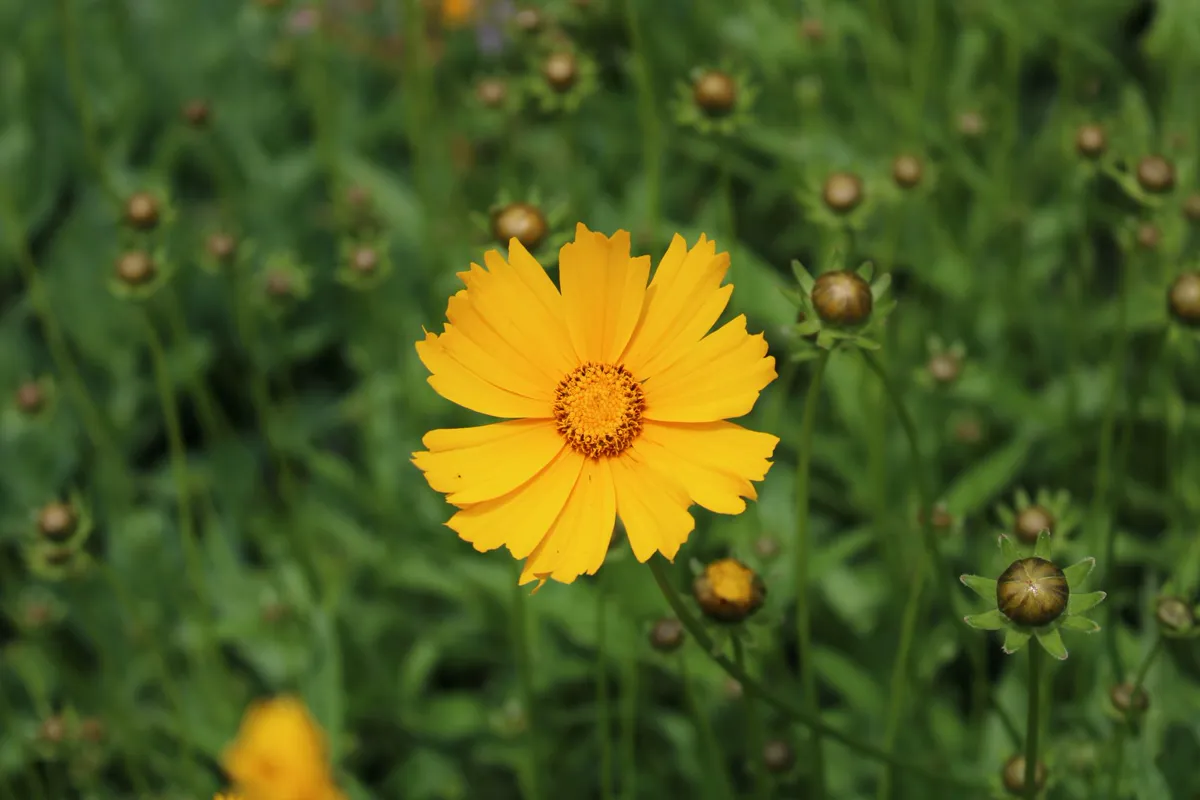
Coreopsis is the definition of low-maintenance colour. It blooms for months, tolerates tough conditions, and needs almost no fuss. It’s also a brilliant pollinator plant and a long-lasting cut flower. Many types are perennials that return each year, so it’s a reliable, cheerful filler for borders, pots, and wildlife gardens.
History, origin & where it grows
Coreopsis grows wild in prairies and meadows across North, Central and South America — the genus runs well past the US prairie it is usually associated with, with about 39 accepted species (Coreopsis). The botanical name is an insult to the seed: it comes from the Greek koris, “bedbug”, and opsis, “view”, because that is what the little achenes look like — and the common name “tickseed” makes exactly the same joke. As a true native across the Americas, it is a valuable plant for local pollinators and prairie-style planting.
Its prairie heritage explains its toughness, as it is built for sun, heat and lean soil. Breeders have developed a wide range, from the classic golden types to pinks, reds and bicolours. Both annual and perennial forms are now widely grown.
It thrives in full sun and well-drained soil and copes easily with drought (see the Royal Horticultural Society). Its one dislike is heavy, soggy ground. It pairs beautifully with other natives like coneflowers and black-eyed Susans in a low-water border.
Best season & when to plant
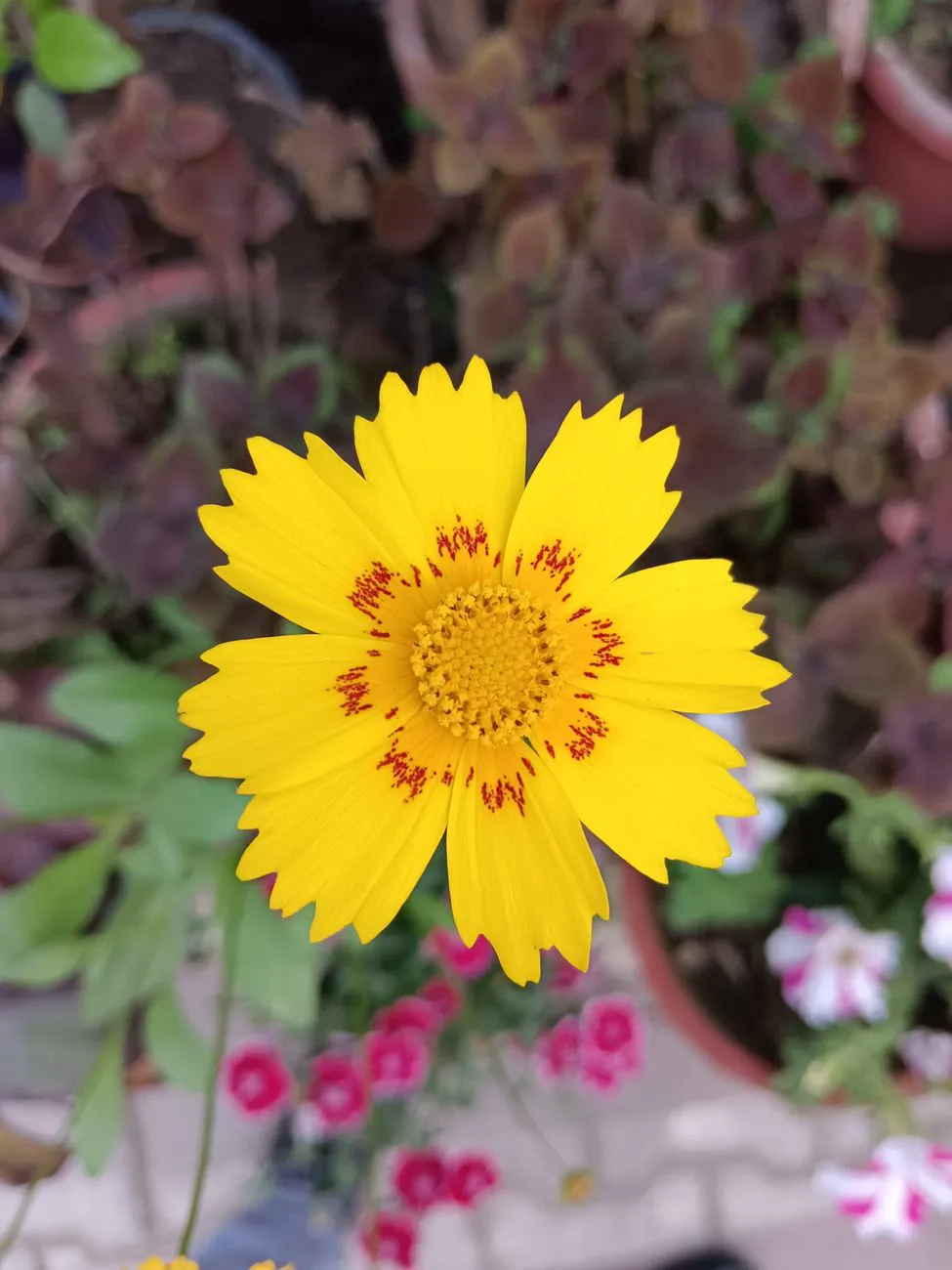
Plant coreopsis in spring, after the last frost. It blooms from early summer to fall, especially with deadheading. Perennial types are hardy and return each year; some are grown as annuals. It thrives in warm, sunny weather and keeps going through summer heat.
How to plant coreopsis
- Choose a spot with full sun — at least 6–8 hours daily for the best blooms.
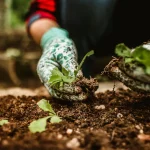
- Use average, well-drained soil. It tolerates poor, lean soil but dislikes heavy clay (add compost to improve drainage). See improving garden soil.
- Space perennial plants about 12–18 inches apart.
Sun, soil & watering
Coreopsis loves full sun. Keep the soil evenly moist while plants establish, then ease off — it’s drought-tolerant once settled (see how often to water). Overwatering and soggy soil cause root rot, so good drainage matters. It’s a top choice for a water-wise garden.
Deadheading (the key to non-stop blooms)
This is the one job that matters. Deadhead regularly — remove the spent flower and its stalk — and coreopsis blooms for months. If you skip it, flowering slows. A bigger “shear-back” mid-season can also refresh a tired plant into a new flush. See our deadheading guide.
Feeding (go easy)
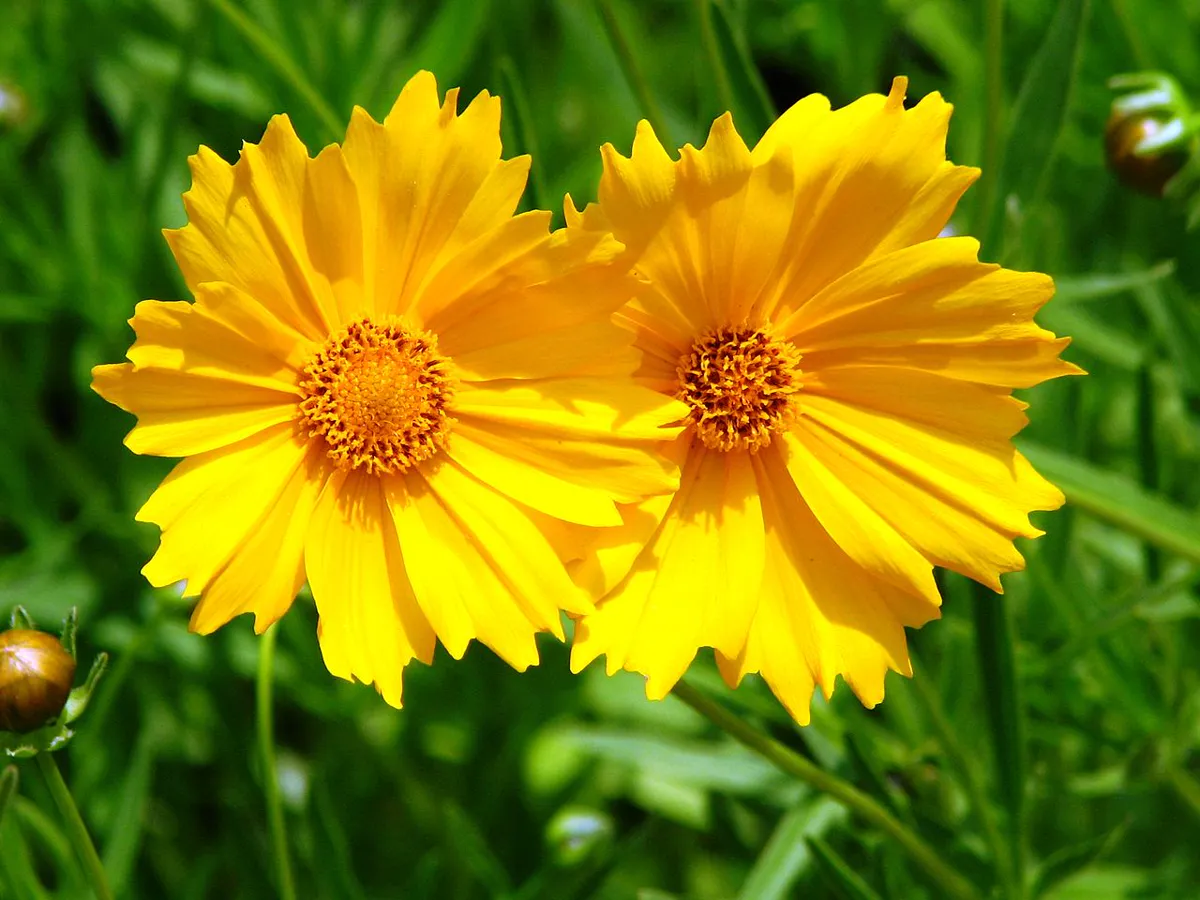
Less is more here. Too much fertilizer makes coreopsis tall, spindly, and shy to flower. So feed only lightly — a little balanced fertilizer in spring is plenty. Lean conditions actually give the best, most compact blooms.
Growing coreopsis from seed
Coreopsis is wonderfully easy and cheap to raise from seed. A single packet gives masses of plants. So it is a great way to fill a sunny border.
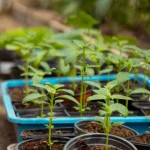
Sow the seed in spring, indoors for an early start or directly outside once the soil warms. Barely cover it, as a little light aids germination, and keep it just moist. Thin the seedlings to give each plant room.
Annual types flower in their first summer, while perennials often bloom in their second year. Many self-sow gently if you leave a few seed heads. Once established, coreopsis returns year after year with little help.
Keeping coreopsis blooming all season
Coreopsis can flower from early summer right into autumn with a little care. Two simple habits keep it going. So consistency is the secret.
Deadhead the spent flowers regularly, removing the bloom and its stalk, to keep new buds coming. If a plant grows tired and stops in midsummer, give it a harder “shear-back”. This refreshes it into a whole new flush of flowers.
Grow it lean and sunny, as rich soil and feeding reduce flowering. Water only in long dry spells once it is established. With this easy routine, it delivers months of cheerful, daisy-covered colour.
Common pests & diseases
Coreopsis is largely trouble-free. Occasionally it gets aphids or, in damp, crowded spots, powdery mildew. Improve airflow, rinse off pests, and see organic pest control. Good drainage prevents most issues.
Annual vs perennial coreopsis
Coreopsis comes in both annual and perennial forms, and knowing which you have matters. They are grown a little differently. So it pays to check before you buy.
Perennial types, like Coreopsis verticillata and grandiflora, return each year and form spreading clumps. Annual types, such as the plains coreopsis, are grown fresh from seed each season but often self-sow. Both flower for a long time with deadheading.
For a lasting, low-care plant, choose a hardy perennial variety. For quick, cheap colour and easy self-seeding, the annuals are ideal. Many gardeners grow both for the best of each.
Coreopsis for pollinators and cutting
Coreopsis earns its place in a wildlife garden as well as a border. Its open, nectar-rich daisies are easy for insects to use. So it is a genuine pollinator plant.
Bees and butterflies work the flowers all summer, especially on the single-flowered types. Plant it in bold drifts for the strongest effect and the most visitors. Leaving some late seed heads also feeds small birds.
The cheerful blooms make a lovely, long-lasting cut flower too. Cut them just as they open, which doubles as deadheading. A jug of golden coreopsis brings summer indoors for a week or more.
Benefits & uses
Coreopsis offers long-lasting, low-effort colour and is a magnet for bees and butterflies — see our guide to flowers that attract butterflies. As a North American native, it supports local pollinators, and it’s one of the best perennials that come back every year. The cheerful flowers also brighten any bouquet.
This article is for general information only and is not medical advice. Talk to a qualified professional before using any plant medicinally.
Common coreopsis problems
Few flowers
Too much shade, no deadheading, or over-feeding. Give full sun, deadhead, and feed sparingly.
Tall, floppy, spindly growth
Usually too much fertilizer or too little sun. Cut back on feed and move to full sun.
Root rot
Soggy soil. Improve drainage and water less once established.
Stuck on one symptom? We go into it in detail in Why Is My Coreopsis Not Flowering? 6 Causes and Easy Fixes.
Related plant guides
- How to grow Cleome
- How to grow Erigeron
- How to grow Gaillardia
- How to grow Gaura
- How to grow Gomphrena
- How to grow Heliopsis
Frequently asked questions
Does coreopsis come back every year?
Many types are hardy perennials that return and spread each year, while others are grown as annuals from seed. Check the variety, though even the annuals often self-sow and reappear on their own.
Should I cut coreopsis back?
Yes — deadhead regularly through summer, and if a plant tires in midsummer, give it a harder shear-back. This refreshes it and triggers a whole new flush of flowers later in the season.
How do I keep coreopsis blooming all summer?
Deadhead regularly and give it full sun. A mid-season shear-back also triggers a fresh flush.
Is coreopsis drought-tolerant?
Yes — once established it handles heat and drought well, thanks to its prairie origins, which makes it an excellent choice for hot, sunny, low-water gardens with free-draining soil.
Why is my coreopsis flopping over?
Usually too much fertiliser or too little sun, which makes it tall and spindly. Feed it only lightly and grow it in full sun for compact, sturdy and free-flowering plants.
Does coreopsis spread, and can it become invasive?
Perennial types creep slowly outwards on short underground rhizomes, while annual and short-lived kinds spread mainly by self-sown seed. In a normal border that is welcome rather than alarming, because the clumps stay easy to lift and share. A few free-seeding varieties, especially the wild-type yellow ones in warm regions, can colonise more ground than you planned. Deadheading before seed ripens, and pulling stray seedlings each spring, keeps it exactly where you want it.
How tall does coreopsis grow?
Most garden coreopsis settles between 30 and 90 cm (1-3 ft) tall and roughly 30-60 cm wide. Dwarf and mounding varieties stop at just 15-30 cm, which suits pot displays and border edges. Threadleaf and plains types are the tall ones, reaching the top of that range on wiry stems. Check the label before buying, since height varies more within this genus than most gardeners expect.
Is coreopsis deer resistant?
Yes, coreopsis appears on most deer-resistant plant lists and is usually passed over in favour of tastier neighbours. No plant is truly deer-proof, so hungry animals in late winter or a drought year may still sample young shoots. Rabbits occasionally nibble soft new growth as well. Grouping it with other aromatic, tough-leaved perennials makes the whole planting less tempting.
Can I grow coreopsis in pots?
Yes, and compact varieties are ideal for containers. Choose a pot with generous drainage holes and use a free-draining mix, because coreopsis roots resent sitting in wet compost far more than they mind dry spells. Stand it in full sun, water when the surface dries, and feed only lightly — rich feeding produces soft, floppy growth and fewer flowers. Deadhead often and a single pot will keep going right through summer.
How do I grow coreopsis from seed?
Annual types are simple to direct sow once the soil warms in spring: scatter on raked soil, press in and barely cover, since the seed germinates better with light. Seedlings usually appear within one to three weeks and flower the same summer. Perennial types are better started indoors six to eight weeks before your last frost, then planted out after frost has passed. Many perennial kinds spend their first year building a clump and flower properly from the second season.
Should I divide coreopsis?
Yes — dividing every two or three years keeps perennial coreopsis vigorous. Older clumps thin out in the middle and flower less, which is the plant telling you it is time. Lift in early spring as growth appears, split the crown into pieces with roots and shoots, discard the tired centre and replant the healthy outer sections. Water them in well and they re-establish quickly.
Does coreopsis make a good cut flower?
It does, especially the long-stemmed threadleaf and plains varieties. Cut early in the morning when the flowers have just opened, strip the lower leaves and put the stems straight into water. Expect around five to seven days in a vase, and change the water regularly to stretch that out. The useful part is that harvesting flowers doubles as deadheading, so cutting for the house actually encourages more blooms outside.
Still stuck? Ask the Plant Doctor
Describe the problem — yellow leaves, holes, no flowers — and get a clear answer in seconds. FreeAI can make mistakes. Answers are guidance, not a guarantee — check anything important against the guide it links to, and always read the label on any product before you use it.