How to Grow Asters (Michaelmas Daisies)
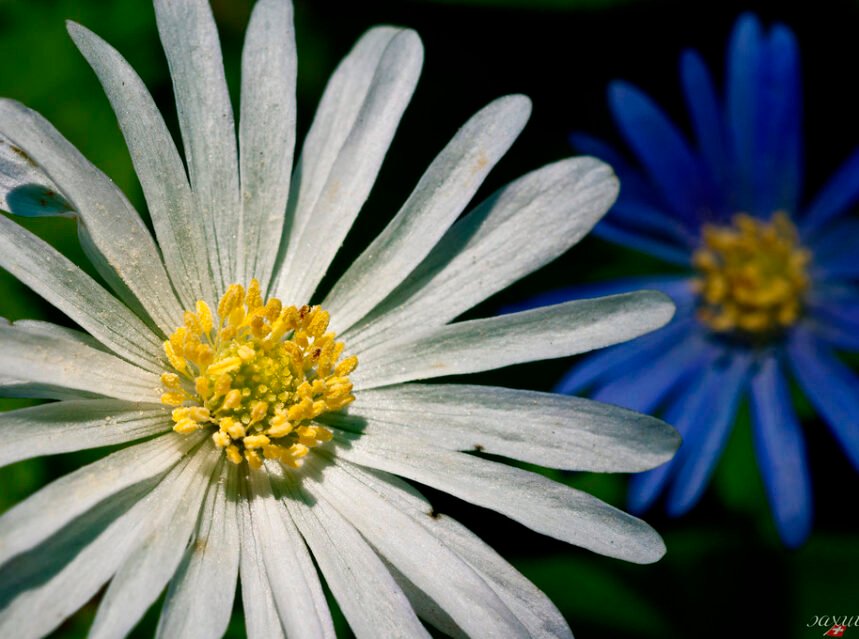
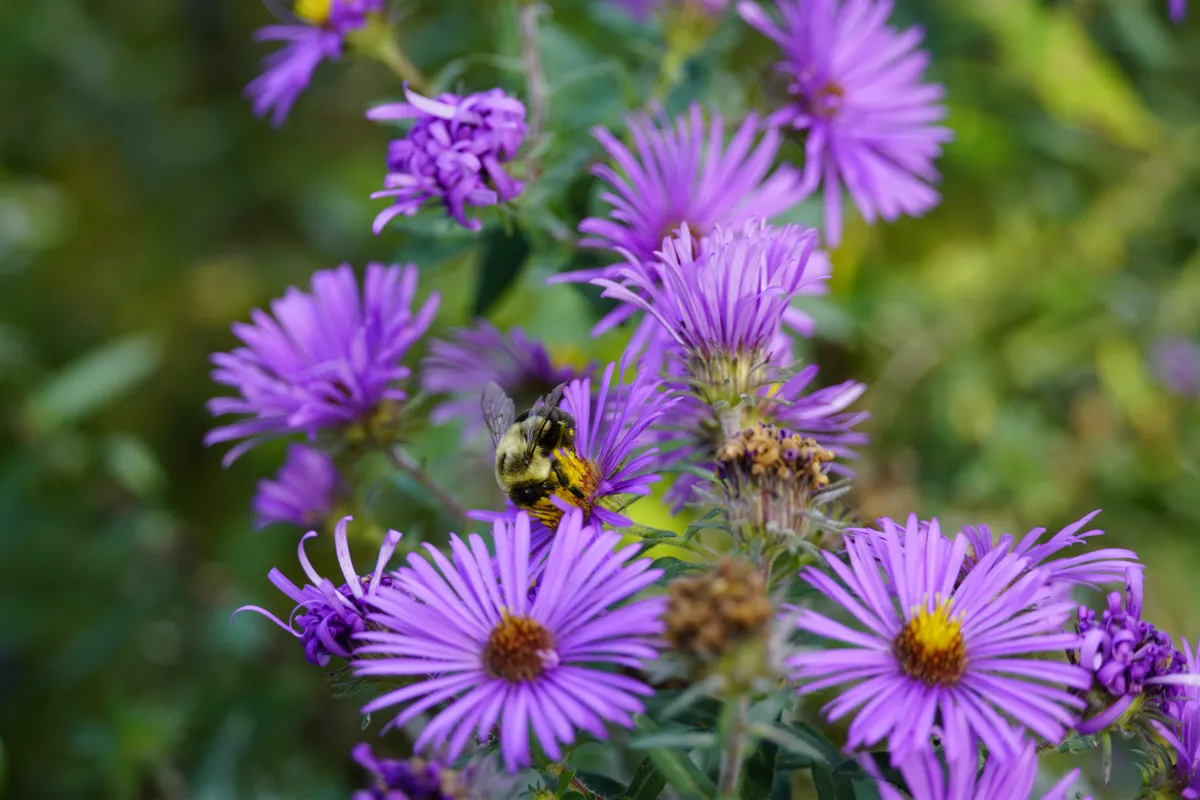
Asters (Michaelmas daisies) are hardy perennials grown for their clouds of starry daisy flowers in purple, blue, pink and white that light up the garden in late summer and autumn — the glory of the autumn garden. Just as summer flowers fade, they explode into bloom around golden eyes, feeding the last bees and butterflies before winter. Hardy, easy and long-lived, they bring a vital burst of late colour and wildlife value. Here is the complete guide on how to grow asters (Michaelmas daisies).
Quick start: Grow asters in full sun (light shade is okay) in rich, moisture-retentive, free-draining soil — not waterlogged. Pinch the tops in midsummer for bushier plants, water in dry spells, deadhead, and cut back hard after flowering. Divide every 3–4 years. They flower in masses of daisies in late summer and autumn.
Asters are the stars of the late-season garden, covering themselves in daisy flowers just as most borders fade and providing vital nectar for bees and butterflies. The trouble growers watch for is powdery mildew, which thrives in crowded, dry conditions, so they space plants for airflow and keep the roots moist. Pinching the stems back in early summer produces stockier, more floriferous plants that need no staking. Lifting and dividing the clumps every few years keeps them vigorous and free-flowering.
🧰 In a hurry? Jump straight to our tested picks for this guide ↓
Asters at a glance
| Feature | Detail |
|---|---|
| Botanical name | Symphyotrichum / Aster (family Asteraceae) |
| Common name | Michaelmas daisy |
| Plant type | Hardy perennial |
| Light | Full sun (tolerates light shade) |
| Soil | Rich, moisture-retentive, free-draining |
| Flowers | Purple, blue, pink, white; late summer–autumn |
| Key tasks | Pinch in midsummer; divide every 3–4 years |
| Wildlife | Vital late nectar for bees and butterflies |
Why grow asters?
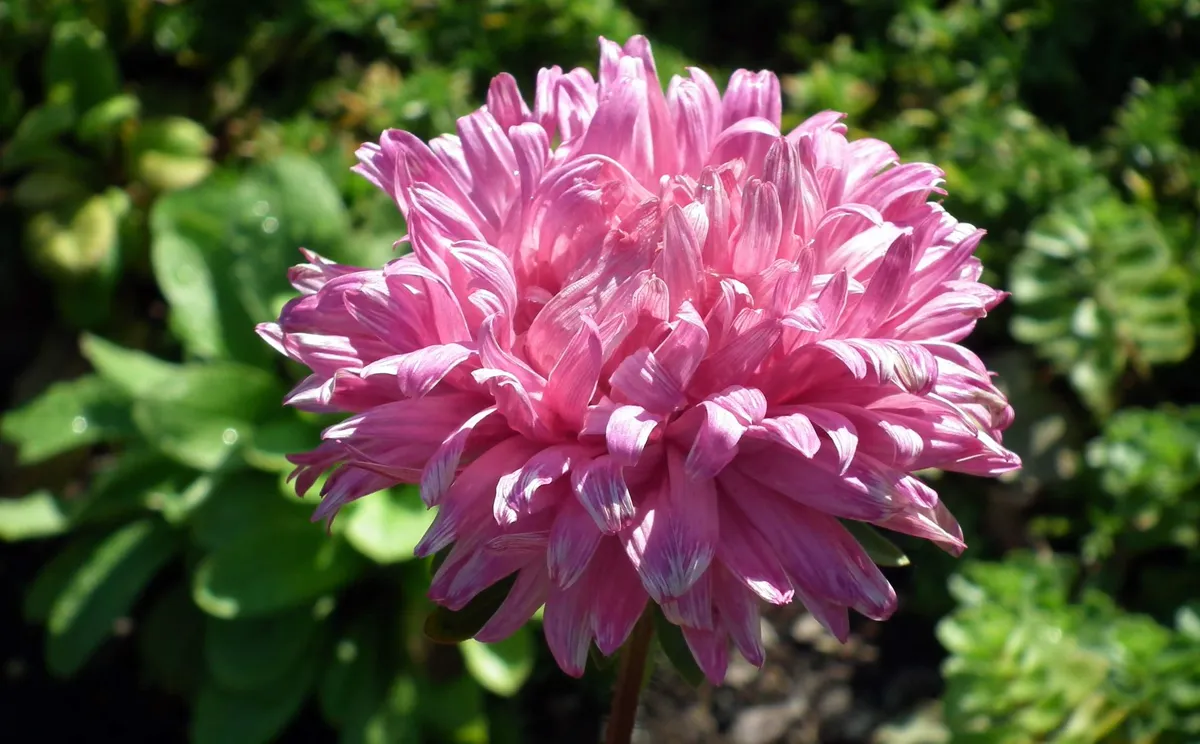
Asters deliver masses of starry daisies in late summer and autumn, a crucial burst of colour and nectar for late bees and butterflies when little else blooms. They’re hardy, easy, and long-lived, come in a wonderful range of colours and heights, and make good cut flowers. For essential, wildlife-friendly autumn colour, they’re indispensable.
History, origin & where asters grow
The name has moved under the plants. Aster once held nearly 600 species across Eurasia and North America; after the molecular work of the 1990s the New World species were moved out into Symphyotrichum and nine other genera, leaving about 180 species that are almost entirely Eurasian (the reclassification). So the asters in most autumn borders are American plants wearing a new botanical name — which is why catalogues and labels still disagree with each other. The name comes from the Greek for “star”, a nod to the shape of the flowers. They have long been valued in cottage gardens for their reliable late colour.
In Britain they became known as Michaelmas daisies, because they bloom around Michaelmas in late September. From the wild prairies and meadows, breeders developed countless garden varieties. These now span every shade of purple, blue, pink and white.
They like full sun and rich, moisture-retentive, free-draining soil, and dislike both drought stress and waterlogging (see the Royal Horticultural Society). They are hardy perennials, comfortable in cool-temperate gardens. In hot climates, give them some afternoon shade and steady moisture.
Best season & when to plant
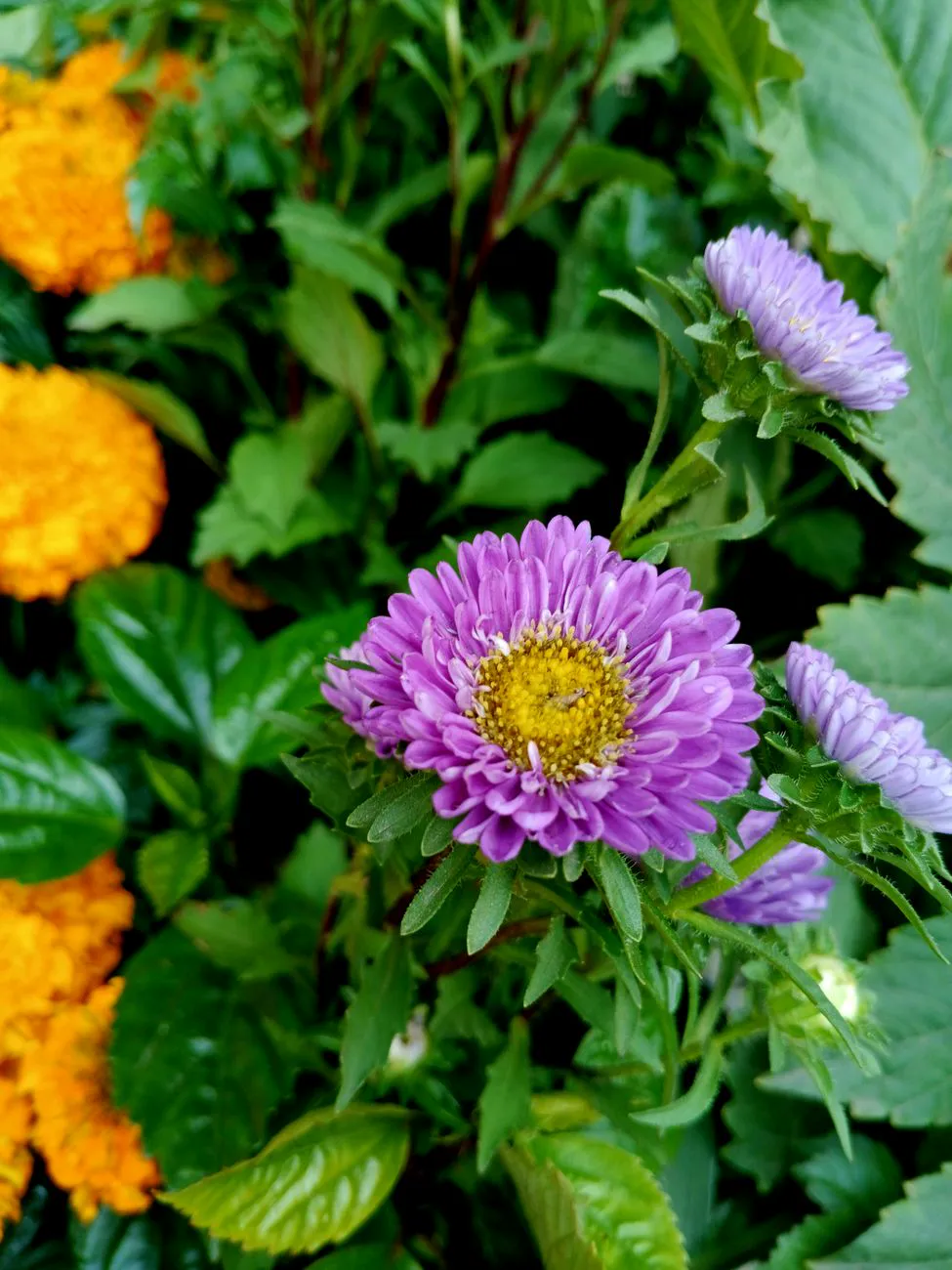
Plant asters in spring (so they establish before flowering). They bloom in late summer and autumn. Grow from division, cuttings, or seed (sown in spring; seed-grown plants flower in their second year). They’re long-lived perennials that return each year and are best divided periodically to stay vigorous.
How to plant asters
- Choose a sunny spot (they tolerate light shade but flower best in full sun) in rich soil that holds some moisture yet drains freely — they don’t like damp, waterlogged ground (see improving garden soil).
- Space plants to suit the variety, allowing airflow (important for avoiding mildew).
- They’re lovely in borders, prairie schemes, and pollinator gardens with grasses and other late perennials.
Watering, pinching & feeding
Asters in the ground need watering mainly in prolonged dry spells — a good soak when the soil is dry is better than frequent light watering (see how often to water); pot-grown plants need regular water. In midsummer, pinch out the top shoots to encourage bushier, sturdier, more floriferous plants. A spring feed or mulch supports strong growth.
Deadheading, cutting back & dividing
Deadhead to keep them tidy and encourage more blooms (see deadheading flowers). After flowering in late autumn, cut the plants back hard. Crucially, divide clumps every 3–4 years in spring — this keeps them vigorous, improves flowering, reduces mildew, and gives you new plants. Remove self-sown seedlings if you don’t want them.
Types of aster to grow
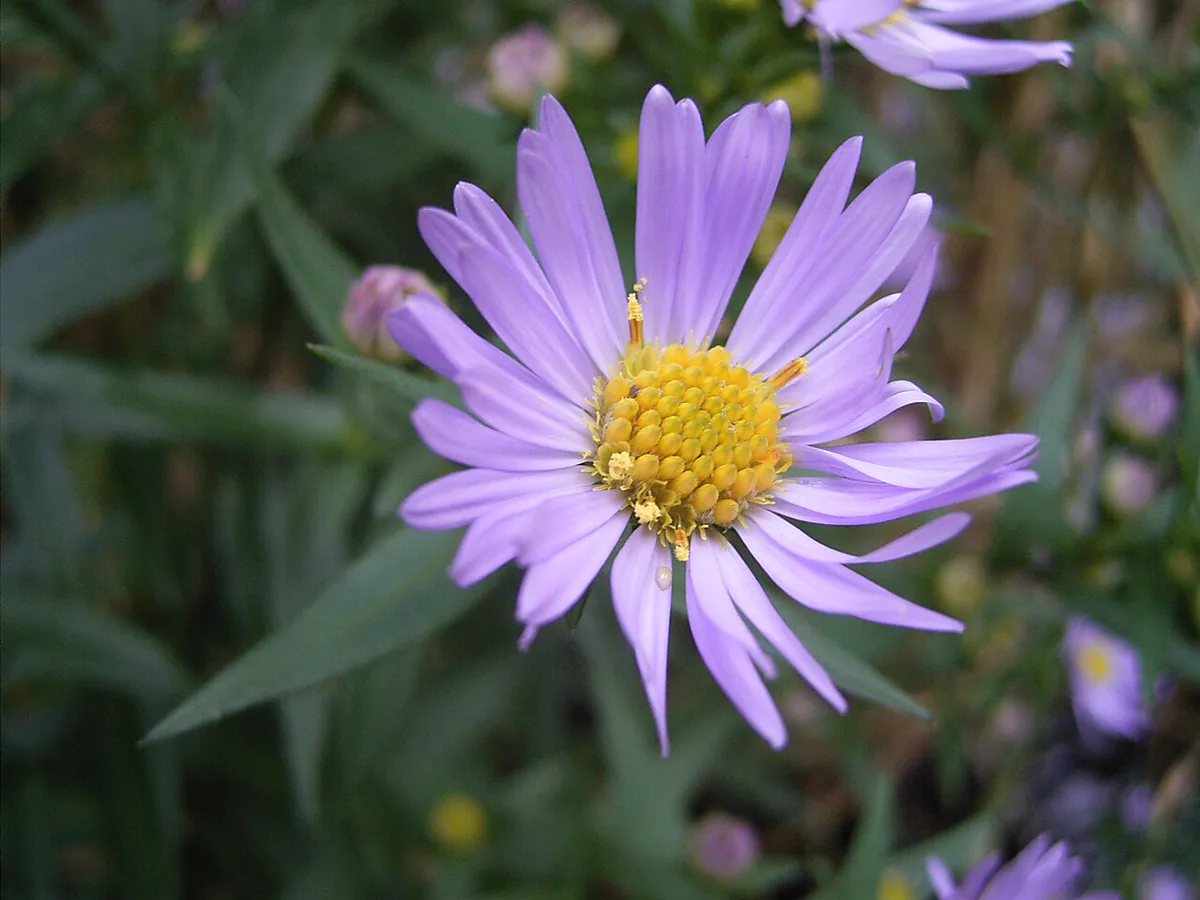
There is an aster for almost every garden, and knowing the main groups helps. They vary in height, season and mildew resistance. So a little knowledge guides a good choice.
The New England asters (Symphyotrichum novae-angliae) are tall, robust and the most mildew-resistant. The New York asters are showy but more prone to mildew in dry spells. Smaller types like the aromatic and heath asters make neat, floriferous mounds.
For the back of a border, choose a tall New England type. For edging and pots, pick a compact variety. Mixing a few extends the display from late summer well into autumn.
Asters in the autumn border
Asters are the stars of the late-season garden. They peak just as most other flowers fade. So they are invaluable for keeping a border colourful into autumn.
Plant them in bold drifts for the strongest effect and pollinator appeal. They pair beautifully with ornamental grasses, sedum, rudbeckia and Japanese anemones. The blues and purples glow especially well in soft autumn light.
Leave the seed heads standing into winter for birds and structure. The whole grouping then supports wildlife through the colder months, much as you would to attract pollinators all year. Cut everything back in late autumn or early spring.
Common pests & diseases
The classic aster problem is powdery mildew, especially on the old New York asters in dry, crowded conditions — choose mildew-resistant types, keep them watered, ensure airflow, and divide regularly (see organic pest control). Watch also for aphids and slugs (see aphid control). Otherwise they’re robust.
Preventing powdery mildew
Mildew is the one issue asters are known for, but it is easy to prevent. The whitish coating appears on stressed, crowded plants. So good practice keeps the foliage clean and healthy.
Give plants plenty of space and an open, airy position for good airflow. Always water at the base, keeping the leaves dry, and never let the roots dry out in summer. Dividing the clumps every few years also keeps them vigorous and less prone.
Where possible, choose naturally mildew-resistant varieties, such as the New England asters. A spring mulch helps hold the steady moisture they like. Together these simple steps usually keep mildew away.
Propagating asters by division
Asters are easy to increase, which keeps a planting fresh. Division is the simplest and best method. So you get free plants and healthier clumps at once.
Every three or four years in spring, lift an established clump as new growth begins. Split it into sections, using two back-to-back forks for tough crowns. Discard the woody old centre and replant the vigorous outer pieces.
Replant the divisions in improved soil and water them in well. This rejuvenates tired clumps, improves flowering and reduces mildew. You can also take basal cuttings in spring for more plants.
Benefits & uses
Asters give masses of late daisies, a vital autumn nectar source for bees and butterflies (see attracting pollinators), and good cut flowers, all from hardy, easy, long-lived perennials. They shine in borders, prairie, and pollinator plantings with grasses and other late bloomers, returning reliably — an essential plant for autumn colour and wildlife.
This article is for general information only and is not medical advice. Talk to a qualified professional before using any plant medicinally.
Common aster problems
Powdery mildew
Dry stress and crowding. Choose resistant varieties, keep them watered, ensure airflow, and divide regularly.
Leggy, floppy plants
Not pinched. Pinch the tops in midsummer for bushier, sturdier growth.
Fewer flowers over time
Congested clumps. Divide every 3–4 years in spring to rejuvenate.
Related plant guides
- How to grow Chrysanthemums
- How to grow Helenium
- How to grow Phlox
- How to grow Shasta Daisy
- How to grow Veronicastrum
- How to grow Bee Balm
Frequently asked questions
Why are they called Michaelmas daisies?
Because they bloom around Michaelmas (late September), bringing daisies to the autumn garden.
How do I stop my asters getting mildew?
Choose mildew-resistant types, keep the soil from drying out, ensure good airflow, and divide every few years.
Should I pinch asters?
Yes — pinching the top shoots in midsummer makes bushier, sturdier, more floriferous plants.
Do asters attract pollinators?
Yes — they are a vital late-season nectar source for bees and butterflies.
When and how do I divide asters?
Divide established clumps every three to four years in spring, as new growth begins. Lift the clump, split it, discard the woody centre, and then replant the vigorous outer pieces in fresh, improved garden soil.
When is the best time to plant asters?
Spring is the safest planting window in most gardens, because young plants then have a full season to root before they flower. Autumn planting also works in mild areas, provided the soil drains freely and the roots settle in before hard frost. In India, aster plants and seedlings go out at the start of the cool season, roughly October to November, so the flowers arrive in winter. Whatever the season, plant into ground that has been loosened and enriched, then water steadily for the first few weeks.
How long do asters flower?
A well-grown clump usually flowers for six to eight weeks, and the wider aster group covers late summer through to the first hard frosts. Early types open in August, while classic Michaelmas daisies peak in September and October. You can stretch the display by planting two or three cultivars with staggered flowering times. Removing faded flower heads and keeping the roots moist also keeps the show going a little longer.
Do asters spread or become invasive?
Garden asters spread steadily by creeping rhizomes and by self-sown seed, so clumps get wider every year. That is useful in a big border but can crowd smaller neighbours in a tight bed. They are not classed as invasive weeds in gardens, and normal care keeps them in bounds: divide every three or four years, cut off seed heads you do not want, and pull stray seedlings while they are small. Growing them in a container is the simplest control if you want a fixed footprint.
Are asters deer resistant?
Most asters are rated as deer resistant because the foliage is slightly bitter and strongly scented, so browsing animals usually pass them by. Aromatic aster is among the most reliably ignored, while New York aster tends to be nibbled more often. No plant is truly deer proof, though, and hungry animals in a hard season will taste almost anything. In gardens with heavy deer pressure, combine asters with equally unpalatable partners and protect new plants for their first year.
Can you grow asters from seed?
Yes, and it is the cheapest way to raise a large drift. Perennial aster seed germinates far better after a cold spell, so sow into pots and chill them in a fridge or cold frame for four to six weeks before bringing them into warmth. Seedlings usually appear within one to three weeks once temperatures rise. Remember that seed-raised perennial asters often take a season or two to reach full size, and named cultivars will not come true from seed, so divide those instead.
Should I cut asters back in autumn or leave them standing?
Either approach works, so choose by climate and taste. Cutting stems back to a few inches above the soil after flowering tidies the bed and removes mildewed foliage that could carry disease into the next year. Leaving the stems standing gives winter structure and feeds finches, and you simply clear them in early spring. The one job that matters more than tidying is drainage, since wet, sodden soil in winter kills more asters than cold does.
Still stuck? Ask the Plant Doctor
Describe the problem — yellow leaves, holes, no flowers — and get a clear answer in seconds. FreeAI can make mistakes. Answers are guidance, not a guarantee — check anything important against the guide it links to, and always read the label on any product before you use it.