How to Grow Garden Phlox (Fragrant Late-Summer Color)
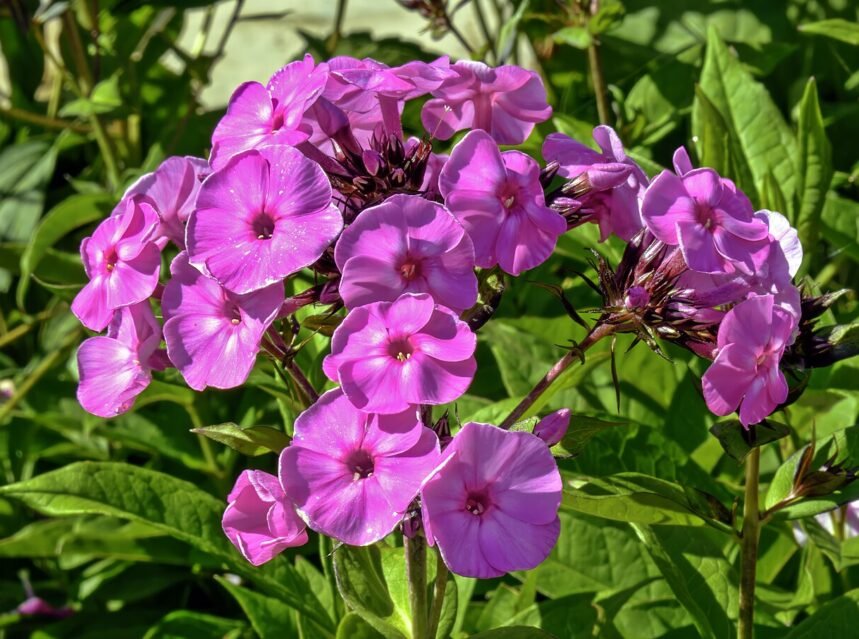 Image: Didier Descouens — CC BY-SA 4.0, via Wikimedia Commons
Phlox is a much-loved garden flower grown for its broad heads of bright, often fragrant blooms. Here is the complete guide on how to grow phlox.
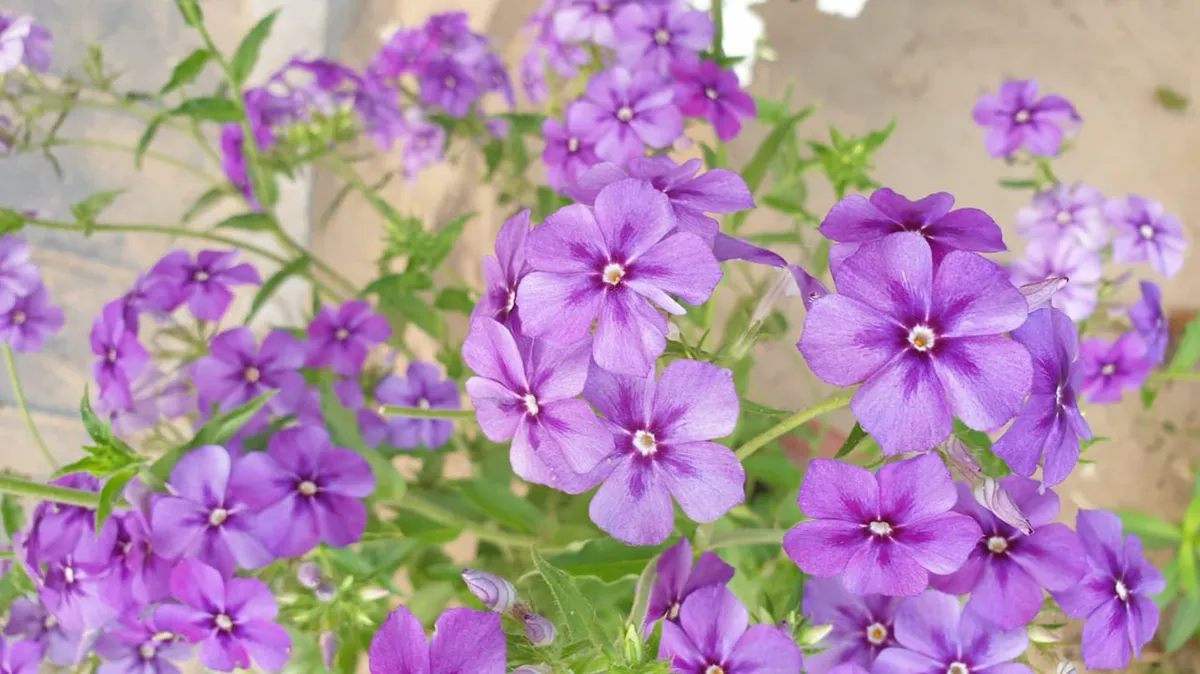
Garden phlox is a cottage-garden favourite that fills the late-summer border with big, fragrant flower heads in pink, purple, white, and red. Butterflies and hummingbirds adore it, and the sweet scent drifts on warm evenings. It’s a reliable, long-lived perennial — you just need to keep an eye on powdery mildew.
Quick start: Grow garden phlox in full sun and rich, moist, well-drained soil. Give it space and airflow to prevent mildew, and water at the base. Deadhead for more blooms, and divide every few years. Then enjoy fragrant, pollinator-packed summer colour.
Border phlox gives reliable, fragrant late-summer colour, but growers know powdery mildew is its perennial weakness. The defences are good spacing for air flow, watering at the base rather than over the leaves, and choosing mildew-resistant varieties. Thinning the stems in spring and keeping the roots cool and moist make the difference between a healthy clump and a mildewed one.
🧰 In a hurry? Jump straight to our tested picks for this guide ↓
Phlox at a glance
| Feature | Detail |
|---|---|
| Botanical name | Phlox species (family Polemoniaceae) |
| Plant type | Annual or perennial |
| Sun | Full sun to light shade |
| Soil | Fertile, moist, free-draining |
| Flowering | Summer; many are scented |
| Best for | Borders, cut flowers, pollinators |
Why grow garden phlox?
Phlox brings fragrance, colour, and pollinators to the summer garden. The large flower clusters bloom for weeks, make lovely cut flowers, and draw butterflies and hummingbirds. As a hardy perennial, it returns each year and pairs beautifully with bee balm and coneflowers in a pollinator border.
History, origin & where it grows
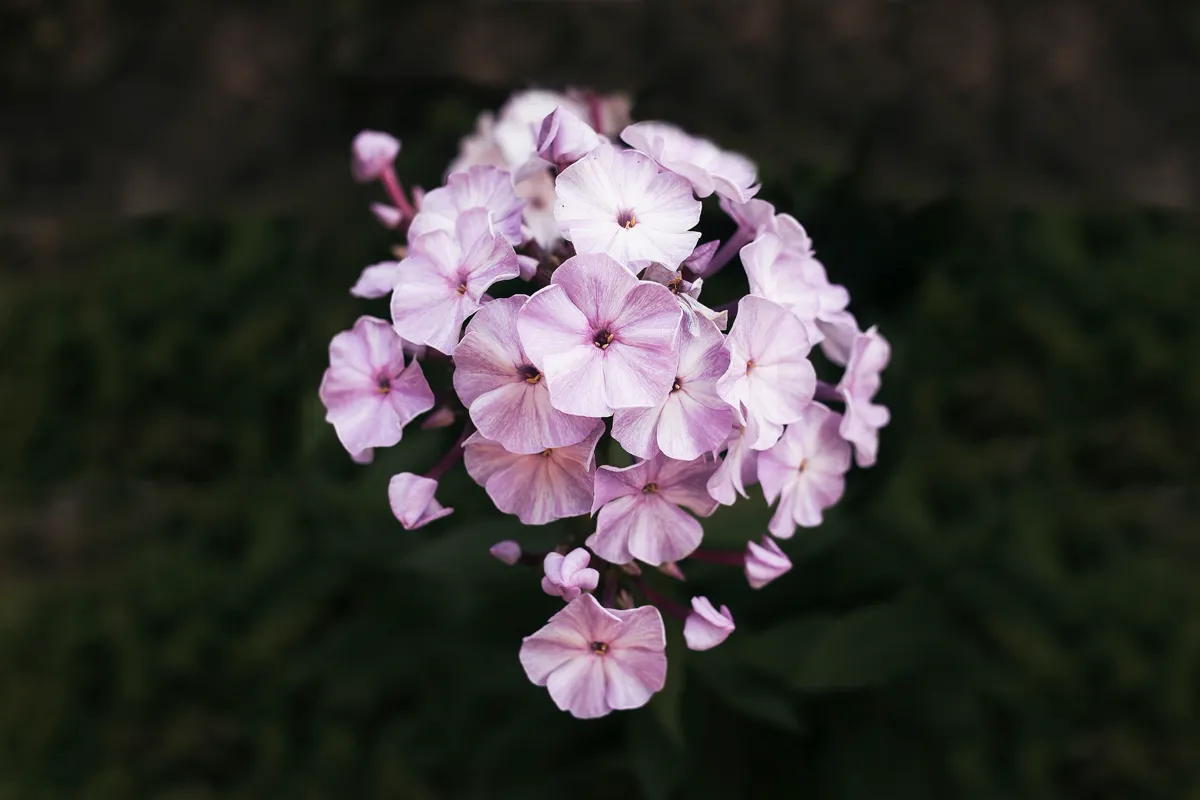
Garden phlox (Phlox paniculata) is native to eastern North America, where it grows in moist meadows and woodland edges. That heritage explains its love of sun with steady moisture and rich soil. As a native, it’s a great pollinator plant.
Most phlox are native to North America (see Encyclopaedia Britannica). They grow in meadows, woodlands and on rocky slopes.
Their bright, often fragrant flowers made them border favourites worldwide (see the RHS). There are tall border types, low creeping types and annual types. Most like sun and fertile, moisture-retentive soil.
Best season & when to plant
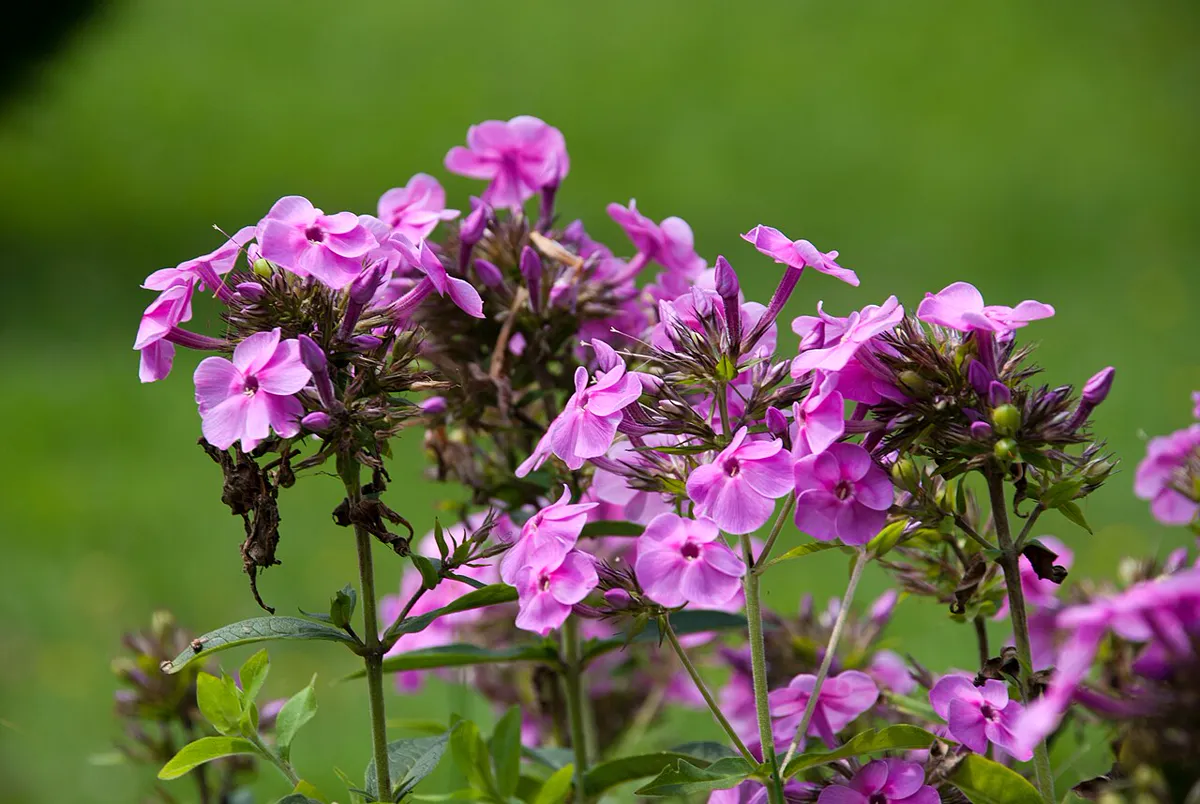
Plant phlox in spring. It blooms from mid to late summer, a valuable time when many spring flowers have faded. It’s a hardy perennial, dying back in winter and returning each year, forming bigger clumps over time.
Sun & soil
Give phlox full sun — at least 6 hours — for the best blooms and the least disease (shade reduces flowering and invites mildew). Use rich, moist, well-drained, slightly alkaline soil with plenty of organic matter (see improving garden soil).
Watering & managing powdery mildew
Phlox likes steady moisture — a deep soak then a slight dry-down (see how often to water). Its main issue is powdery mildew in humid summers. To prevent it: in early spring, thin the stems to 4–5 strong ones for airflow; space plants well; water at the base, not overhead; and choose mildew-resistant varieties. Cut stems back after flowering.
Deadheading & dividing
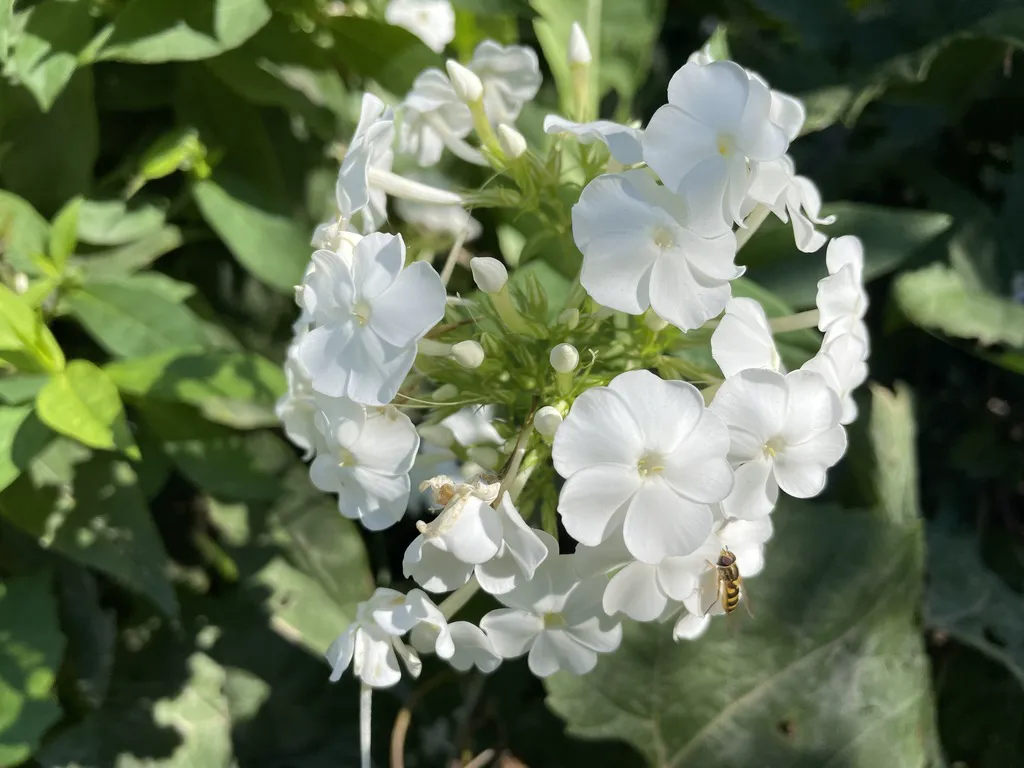
Deadhead spent flower heads promptly to encourage a second flush and keep the plant tidy (see deadheading flowers). Divide the clump every few years in spring — this renews vigour, improves airflow (less mildew), and gives you free plants.
Common pests & diseases
The big one is powdery mildew (see above). Otherwise phlox is fairly tough; watch for spider mites in hot, dry spells. Give it sun, space, and base watering, and see organic pest control if needed.
Benefits & uses
Garden phlox offers fragrant, long-lasting colour and superb cut flowers, plus strong appeal to butterflies and hummingbirds — see flowers that attract butterflies. As a hardy native, it’s one of the best perennials that come back every year for the late-summer border.
This article is for general information only and is not medical advice. Talk to a qualified professional before using any plant medicinally.
Common phlox problems
White film on leaves
Powdery mildew. Thin stems, space plants, water at the base, and grow resistant varieties.
Few flowers
Too much shade or an old, crowded clump. Give full sun and divide every few years.
Flopping
Tall, crowded, or shaded plants. Thin stems and give full sun.
Sun, soil & care
Give phlox full sun or light shade and fertile, moist, free-draining soil (see how often to water plants). Tall border phlox dislike drying out. So water them in dry spells and mulch the roots.
Good airflow is important, as crowded plants catch powdery mildew. So space them well and thin congested clumps. Deadhead to prolong the flowering.
Types of phlox to grow
Tall border phlox give big, scented summer flower heads. Low creeping phlox carpet banks and rockeries in spring. Annual phlox is a quick, colourful filler.
All draw in bees and butterflies. The tall types make lovely, fragrant cut flowers. Choose the type to suit your spot and season.
Pollinators & common problems
Bees, butterflies and moths love the flowers (see attracting pollinators). So phlox is a fine plant for a wildlife border. Powdery mildew is the main problem, worst in dry, crowded conditions.
Good spacing, airflow and steady moisture help prevent it. Mildew-resistant varieties are also widely available. Divide border phlox every few years to keep them vigorous.
Why grow phlox
Phlox brings broad heads of bright, often sweetly scented flowers to the summer garden. The tall border types are a classic, fragrant cottage-garden flower. Low creeping types blanket banks in spring colour. All are loved by bees and butterflies, and many make lovely cut flowers. Given sun, moisture and good airflow, phlox rewards you with weeks of colourful, perfumed bloom.
Quick grower tips
Phlox rewards a little attention with weeks of bloom. Give it fertile, moisture-retentive soil and full sun or light shade. Tall border types dislike drying out, so water them in dry spells. A spring mulch holds moisture and feeds the plant.
Airflow is the big thing to get right. Crowded plants catch powdery mildew on the leaves. So space them well and thin congested clumps each spring. Watering at the base, not over the leaves, also helps.
Deadhead the faded heads to keep more coming. Cutting some for the vase has the same effect. Divide border phlox every few years to keep them vigorous. Replant the healthy outer pieces and discard the tired centre.
Best uses and types
Tall border phlox give big, scented summer heads. They are lovely at the back of a sunny bed. They also make fragrant, long-lasting cut flowers.
Low creeping phlox carpet banks and rockeries in spring. They spill beautifully over walls and edges. Annual phlox is a quick, colourful filler for pots and gaps.
All draw in bees, butterflies and moths. So phlox is a fine choice for a wildlife border. Choose the type to suit your spot and season, and mildew-resistant kinds where mildew is common.
Complete grower notes
Tall border phlox want fertile, moisture-retentive soil and full sun or light shade. They dislike drying out, so water them in dry spells. A spring mulch helps hold moisture and feed the plant. Steady moisture is the key to a good display.
Good airflow is just as important as moisture. Crowded plants catch powdery mildew, which coats the leaves white. So space them well and thin congested clumps each spring. Watering at the base, not over the leaves, also helps.
Mildew-resistant varieties are now widely available, which makes life easier. Choose these where mildew is a regular problem. Deadhead the faded heads to prolong the flowering. Cutting some for the vase has the same effect.
Divide border phlox every few years to keep them vigorous. Lift a clump in spring, split it, and replant the healthy outer pieces. This also gives free plants to spread around. The tired old centre can be discarded.
Bees, butterflies and moths love the flowers. So phlox is a fine plant for a wildlife border. The tall types make lovely, fragrant cut flowers too. Their scent is one of the great pleasures of the summer garden.
Given sun, moisture and good airflow, phlox rewards you with weeks of colourful, perfumed bloom. From tall border spires to spring carpets, the genus offers something for every garden. For colour, scent and wildlife, it is a summer favourite.
Related plant guides
- How to grow Aster
- How to grow Helenium
- How to grow Honeysuckle
- How to grow Sweet William
- How to grow Shasta Daisy
- How to grow Bee Balm
Frequently asked questions
How do I prevent powdery mildew on phlox?
Full sun, thinned stems for airflow, good spacing, base watering, and mildew-resistant varieties.
Does garden phlox come back every year?
Yes — it’s a hardy perennial that returns and forms bigger clumps each year.
When does garden phlox bloom?
From mid to late summer, filling the gap after spring flowers fade.
Is phlox good for pollinators?
Yes — its fragrant flowers are a magnet for butterflies and hummingbirds.
What is the difference between creeping phlox and tall garden phlox?
They are different species used for completely different jobs, which is why generic phlox advice so often fails. Creeping or moss phlox (Phlox subulata) is a low, needle-leaved evergreen mat only a few inches high that sheets over banks and walls in spring. Tall garden phlox (Phlox paniculata) is an upright perennial 3-4 feet high with broad leaves and big fragrant heads in mid to late summer. Creeping types want sharp drainage and sun and are rarely troubled by mildew, while tall phlox wants richer, moister soil and is the one that needs airflow.
Why is my phlox not flowering?
Too little sun is the usual answer — tall garden phlox needs roughly six hours of direct light to set a full head, and in shade it stretches and sulks instead. Overcrowding is the next culprit, because an old clump competes with itself for water and food and the flower heads shrink year on year. Very rich, nitrogen-heavy feeding gives you lush leaves and few blooms, so switch to a balanced feed. Finally, check you did not cut the stems back in late spring, since the flower buds form on that season’s growth tips.
Why are the lower leaves on my phlox turning yellow and dropping?
Bare, yellowing stems from the knee down are the classic tall-phlox complaint and usually come from powdery mildew or simple root dryness. Mildew starts on the shaded, still air at the base of a crowded clump, then works upward. Dry soil in midsummer produces the same effect, because the plant sheds its oldest leaves first to protect the flowering tips. Thin about a third of the stems out in spring, mulch to hold moisture, water at soil level rather than over the leaves, and plant a resistant cultivar next time.
Do tall phlox need staking?
Often yes, especially in rich soil, part shade, or an exposed spot where wind and heavy rain flatten the top-heavy heads. A neater alternative to canes is the “Chelsea chop”: shorten roughly half the stems in each clump by about a third in late spring. Those cut stems branch, stay shorter and sturdier, and flower slightly later, so the clump supports itself and blooms over a longer stretch. Ring supports pushed in early, before the stems reach them, are the tidiest option if you would rather not cut.
Why has my pink or white phlox turned magenta?
The original plant almost certainly did not change colour — it was replaced. Garden phlox self-seeds freely, and the seedlings do not come true to the named cultivar; over a few generations they drift back toward the wild species, which is a strong magenta-purple. The vigorous seedlings gradually crowd out the parent until the whole patch looks like one washed-out pink. Deadhead the heads before they set seed and pull out any seedlings you did not plant, and the named variety will hold its colour.
When and how should I divide phlox?
Divide tall garden phlox every three or four years, in early spring as the shoots appear or in early autumn once flowering finishes. Lift the whole clump, discard the tired, woody centre, and keep the vigorous outer pieces with three to five shoots each. Replant them at the same depth, spaced generously so air can move between plants, and water them in well. Regular division is genuinely a mildew control as much as a propagation method, because it stops the congestion that the disease depends on.
Will phlox flower again if I deadhead it?
Tall garden phlox will often give you a smaller second flush if you cut the faded heads back to a healthy pair of leaves promptly, before seed sets. The side shoots below the cut then push their own, more modest, flower clusters into early autumn. Creeping phlox behaves differently: it flowers once in spring, and the useful job afterwards is shearing the whole mat back by about a third to keep it dense rather than to force reblooming. Either way, deadheading also stops the self-seeding that causes the magenta takeover.
Still stuck? Ask the Plant Doctor
Describe the problem — yellow leaves, holes, no flowers — and get a clear answer in seconds. FreeAI can make mistakes. Answers are guidance, not a guarantee — check anything important against the guide it links to, and always read the label on any product before you use it.