How to Grow Henna (Mehndi / Lawsonia Inermis): Complete Guide
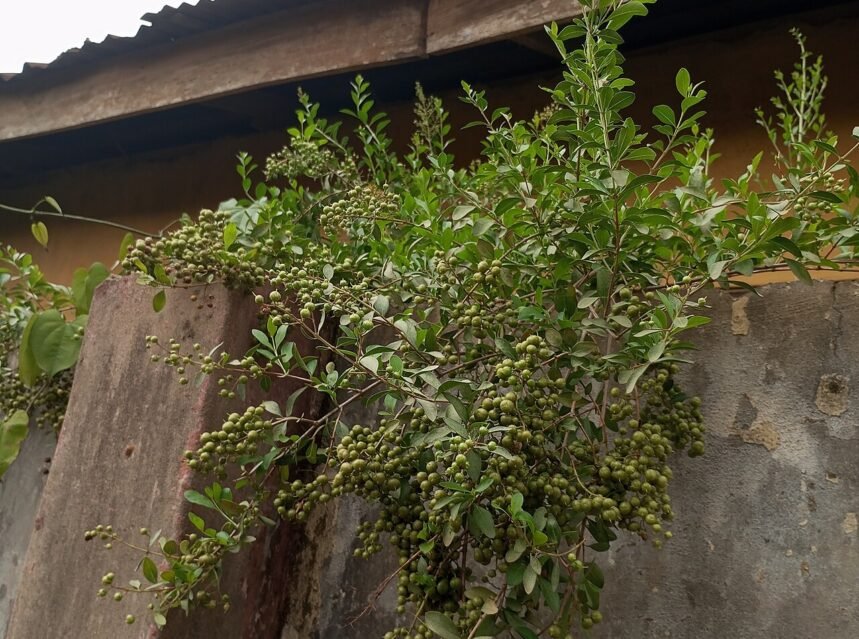 Image: Grace789 — CC BY-SA 4.0, via Wikimedia Commons
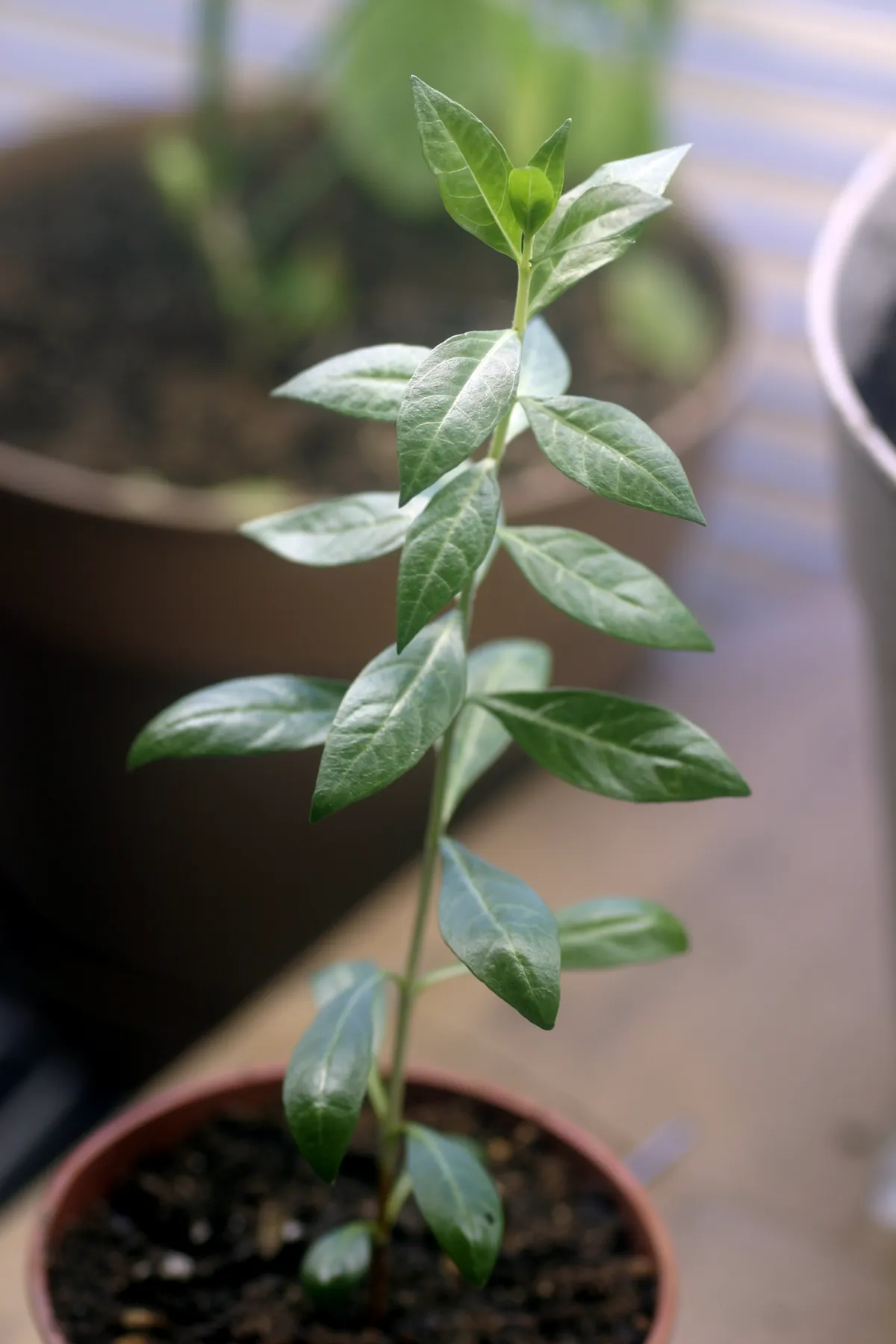
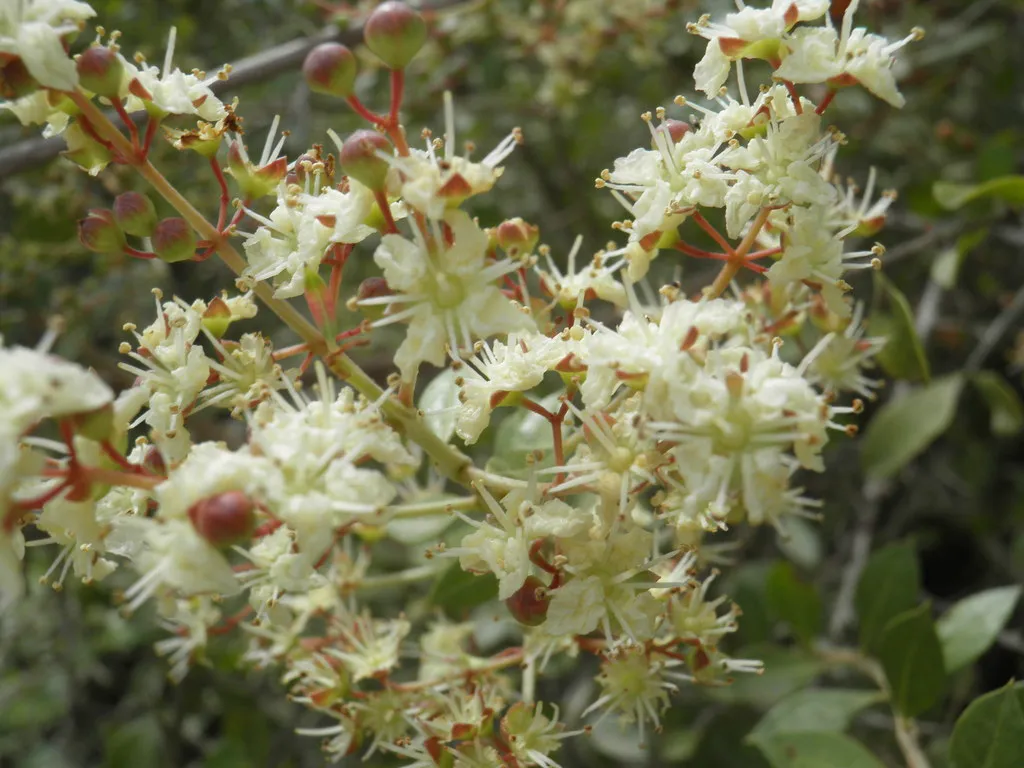
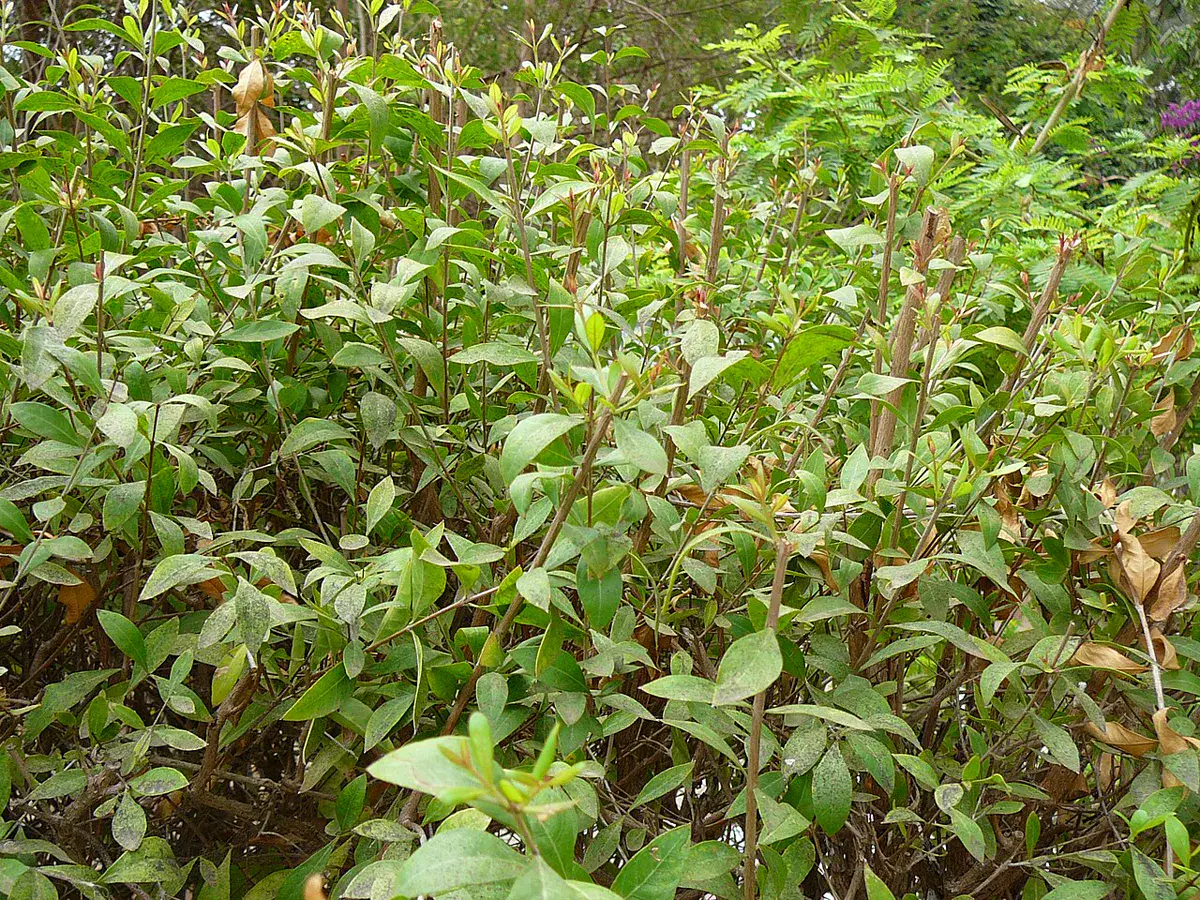
Henna (Lawsonia inermis) is a hardy tropical shrub or small tree, known across India as mehndi. It’s grown for the natural reddish-orange dye in its leaves. People have used that dye for centuries to colour hair, skin, and fabric. Beyond the famous dye, it’s an attractive, drought-tolerant plant with fragrant cream flowers. It makes a fine hedge or container specimen. Tough and sun-loving, it’s surprisingly easy where it’s warm enough. Here is the complete guide on how to grow henna (mehndi).
Quick start: Grow henna in full sun (6–8 hours) in well-drained, loamy soil. Sow soaked seed or take cuttings, water sparingly once established (it’s very drought-tolerant), keep it warm (above 10°C), and harvest young leaves for the strongest dye. In cool climates grow it in a pot and overwinter indoors. A tough, sun-loving, dye-producing shrub.
Henna, or mehndi, is a tough, heat-loving shrub grown both for its fragrant flowers and, above all, for the natural dye in its leaves. Growers find it thrives in full sun and copes with poor soil and drought, making it well suited to hot, dry regions. It is frost-tender, so it is grown under cover or as an annual where winters are cold. The leaves are dried and powdered for the dye, and the plant also makes a useful, aromatic hedge.
🧰 In a hurry? Jump straight to our tested picks for this guide ↓
Henna at a glance
| Feature | Detail |
|---|---|
| Botanical name | Lawsonia inermis (family Lythraceae) |
| Common names | Henna, mehndi |
| Plant type | Tough, heat-loving shrub |
| Sun | Full sun |
| Soil | Well-drained; tolerates poor soil |
| Height | 2–6 m |
| Grown for | Leaf dye and fragrant flowers |
Why grow henna?
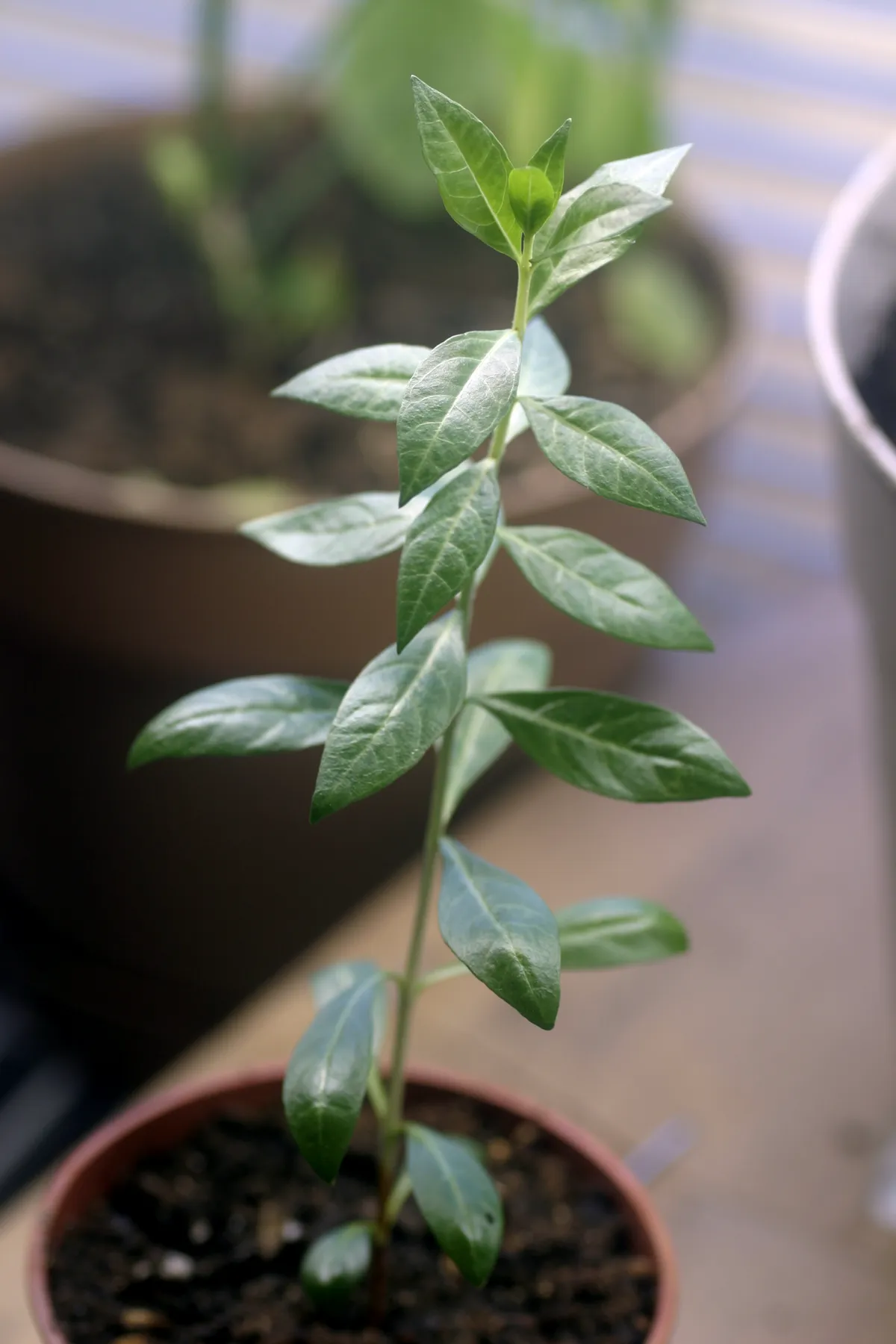
Henna is useful, beautiful, and extremely tough. You can grow your own natural dye for hair and mehndi. Meanwhile you enjoy a handsome, drought-tolerant shrub with fragrant cream flowers. It makes a good hedge, screen, or container plant, thrives on heat and neglect, and is steeped in tradition. For anyone in a warm climate who loves natural crafts and resilient plants, henna is a rewarding, low-maintenance choice.
Where henna grows best
Henna is native to North Africa, West Asia, and South Asia. It’s grown across India, Pakistan, the Middle East, and other hot, dry regions, with Rajasthan a major Indian producer. It’s a tropical-to-subtropical shrub (USDA zones 9b–11) that loves heat and full sun. Being frost-tender, it suffers below about 10°C. It thrives outdoors across warm India and similar climates. Elsewhere, grow it as a potted plant brought indoors over winter.
Best season & when to plant
Plant henna in spring or early summer, as the weather warms, so it establishes through the hot season. In warm climates it grows year-round. In cool climates, keep it outdoors in the warm months and indoors over winter, away from frost. Seed can be slow to germinate, taking weeks to months. So many growers start from cuttings for faster results. Young, well-watered plants establish quickly once the heat arrives.
How to plant and grow henna
- Grow from seed (soak 24 hours in warm water first; germination is slow) or from cuttings for quicker, more reliable plants.
- Choose full sun — at least 6–8 hours in friable, loamy, well-draining soil rich in organic matter; mix in sand and perlite for drainage (see improving garden soil).
- For pots, start in an 8–12 inch container and size up every year or two; use a warm, bright spot or grow light indoors.
Sun, soil, watering & feeding
Henna is extremely drought-tolerant. Water young plants to establish them. After that, let the soil dry out completely between waterings; soak lightly, then wait until the top 2 inches are dry (see how often to water). It loves heat (ideally 19–25°C and up) and full sun, and it resents cold and soggy soil. Feed with a balanced (10-10-10) or slow-release fertilizer in the growing season for vigorous, leafy growth. After all, it’s the leaves you’re after.
Common pests & diseases
Henna is tough and largely pest-free. The most common nuisance is aphids on new growth, easily dealt with by a spray of soapy water (see aphid control); occasionally spider mites or root rot (in wet soil) appear. Good drainage, full sun, and the methods in our organic pest control guide keep it healthy. Its drought-loving, sun-baked nature means problems are rare.
Harvesting
Harvest henna for dye by picking the young, tender leaves, which hold the highest concentration of the colouring compound (lawsone). Pick during active growth in the heat, ideally before flowering. Dry the leaves in shade (out of direct sun, which can degrade the dye), then grind them into the fine powder used for mehndi and hair colour. Regular trimming for leaves also keeps the shrub bushy. The plant re-leafs readily, so you can harvest repeatedly.
Uses & benefits
Henna’s leaves yield the famous reddish-orange natural dye (lawsone). For thousands of years it has coloured mehndi body art, hair, fabric, and leather. It’s central to weddings and festivals across South Asia and the Middle East. Traditionally it’s valued as a cooling, antimicrobial herb for skin and scalp, and the fragrant flowers are used in perfumery. (Use only pure, natural henna for skin; avoid so-called “black henna,” which contains harmful additives.) It’s a useful, beautiful, deeply traditional plant.
Common henna problems
Slow or no germination
Seed is naturally slow. Soak it 24 hours first, keep it warm and moist, and be patient — or grow from cuttings.
Yellowing leaves / poor growth
Cold, overwatering, or poor drainage. Keep it warm, let the soil dry between waterings, and ensure drainage.
Weak dye colour
Old leaves or sun-dried. Harvest young leaves and dry them in shade for the strongest stain.
History, origin & how henna spread
Henna has been grown and used for thousands of years across North Africa, the Middle East and South Asia, with its use as a body and hair dye documented in some of the most ancient civilisations (see Encyclopaedia Britannica). Its exact wild origin is uncertain, as it has been cultivated for so long.
It spread along trade routes throughout the hot, dry regions of the Old World and became deeply woven into the cultures of the subcontinent, where mehndi is central to festivals and weddings (see the RHS). India, particularly the dry state of Rajasthan, is a major centre of henna cultivation. The plant’s love of heat and tolerance of drought made it ideally suited to these arid lands.
Harvesting and using henna leaves
The famous dye comes from the leaves, which are harvested, dried and ground into the powder used for mehndi and as a natural hair colour. Growers find the dye content is highest in plants grown in hot, dry conditions with plenty of sun. The leaves are usually picked from established plants once or twice a year, and the shrub regrows readily after cutting (see improving garden soil). The small, creamy flowers are also intensely fragrant and were traditionally used in perfumery.
Growing henna as a hedge and in pots
Henna’s dense, sometimes spiny growth makes it an excellent informal hedge or boundary plant in warm regions, where it tolerates clipping well. In cooler climates it can be grown in a large container and moved under cover for winter, as it is frost-tender (see how often to water plants). Give it the sunniest, warmest spot you have, free-draining soil, and it asks for very little, rewarding you with aromatic flowers and a useful supply of dye leaves.
Common problems and care
Henna is a famously tough, low-care shrub, and serious problems are rare when it is grown in the warm, sunny, well-drained conditions it loves. The most common cause of a sickly plant is cold or wet, as it is frost-tender and resents soggy soil, so growers in cooler climates keep it in a pot that drains freely and bring it under cover for winter (see how often to water plants). Occasional pests such as aphids or spider mites may appear, especially on plants grown indoors, and are easily managed with the methods in our organic pest control guide.
Otherwise, henna asks for very little. Given heat, sun and free-draining soil, it grows steadily, regrows readily after the leaves are harvested, and tolerates hard clipping when used as a hedge. A light feed in the growing season keeps the foliage lush and the dye content high. For gardeners in warm regions it is a genuinely rewarding plant, combining fragrant flowers, a useful supply of natural dye and an undemanding, drought-tolerant constitution that thrives where many other shrubs would struggle.
Related plant guides
- Moringa
- How to grow Pandan
- How to grow Bael
- How to grow Neem
- How to grow Cuban Oregano
- How to grow Annatto
How to propagate henna
Henna can be raised from seed or from cuttings, but the two are not equally practical. Most growers use cuttings, because henna seed is genuinely slow and a seed-raised bush takes years before it carries enough leaf for a worthwhile dye harvest.
From cuttings
Semi-hardwood cuttings are the quickest and most predictable method. Take firm shoots about 15–20 cm long during the warm season, strip the lower leaves, dip the base in rooting hormone and insert them into moist sand, or a sand and compost mix, kept warm and shaded. Roots usually form within six to eight weeks. A rooted cutting can give a small picking of leaves in its second season, against roughly two to three years from seed.
From seed
Soak the seed in warm water for 24 hours first, then sow the fine seed on the surface of moist compost and keep it above about 25°C. Germination is slow and uneven — weeks to months — and the seedlings grow slowly at first, so be patient and do not let the pots dry out or stand wet.
Timing
In India and other hot, dry regions, take cuttings or sow in spring to early summer so young plants root away in the heat. In cool climates, propagate under cover and keep the young plants frost-free, since henna suffers below about 10°C.
Frequently asked questions
Is henna the same as mehndi?
Yes — henna (Lawsonia inermis) is the plant known as mehndi in India, whose leaves give the natural reddish dye.
How do I get dye from my henna plant?
Pick the young leaves, dry them in shade, and grind them into a fine powder for mehndi or hair colour.
Can I grow henna in a cool climate?
Yes — in a pot kept outdoors in the warm months and brought indoors over winter, as it’s frost-tender below about 10°C.
Can I grow henna in India?
Easily — it thrives in warm, dry regions of India (Rajasthan is a major producer) in full sun with minimal water.
How long before you can harvest leaves from a henna plant?
A seed-raised henna needs roughly two to three years before it carries enough foliage for a worthwhile harvest, while a rooted cutting or a nursery plant may give you a small picking in its second season. Commercial growers in Rajasthan cut their bushes once or twice a year after the monsoon, when the plants are lush. Dye strength depends heavily on heat: henna produces the most lawsone when grown in genuinely hot conditions, so leaves from a warm, sunny, dryish site stain far better than leaves from a cool, shaded one. Take leaves from the lower and middle parts of the bush, which give the most usable colour.
How do you care for a henna plant in a pot?
Use the largest pot you can manage, at least 35 to 40 cm across, filled with a free-draining mix of loam, coarse sand and a little compost. Stand it in the hottest, brightest position available and water only when the top few centimetres have dried out, because henna tolerates drought far better than soggy roots. Feed lightly once a month through the growing season and prune in spring to keep the shrub bushy and within the pot’s means. In climates with frost, bring it under cover before temperatures approach 5 degrees C, since sustained cold kills it.
Does the henna plant flower, and does it have a scent?
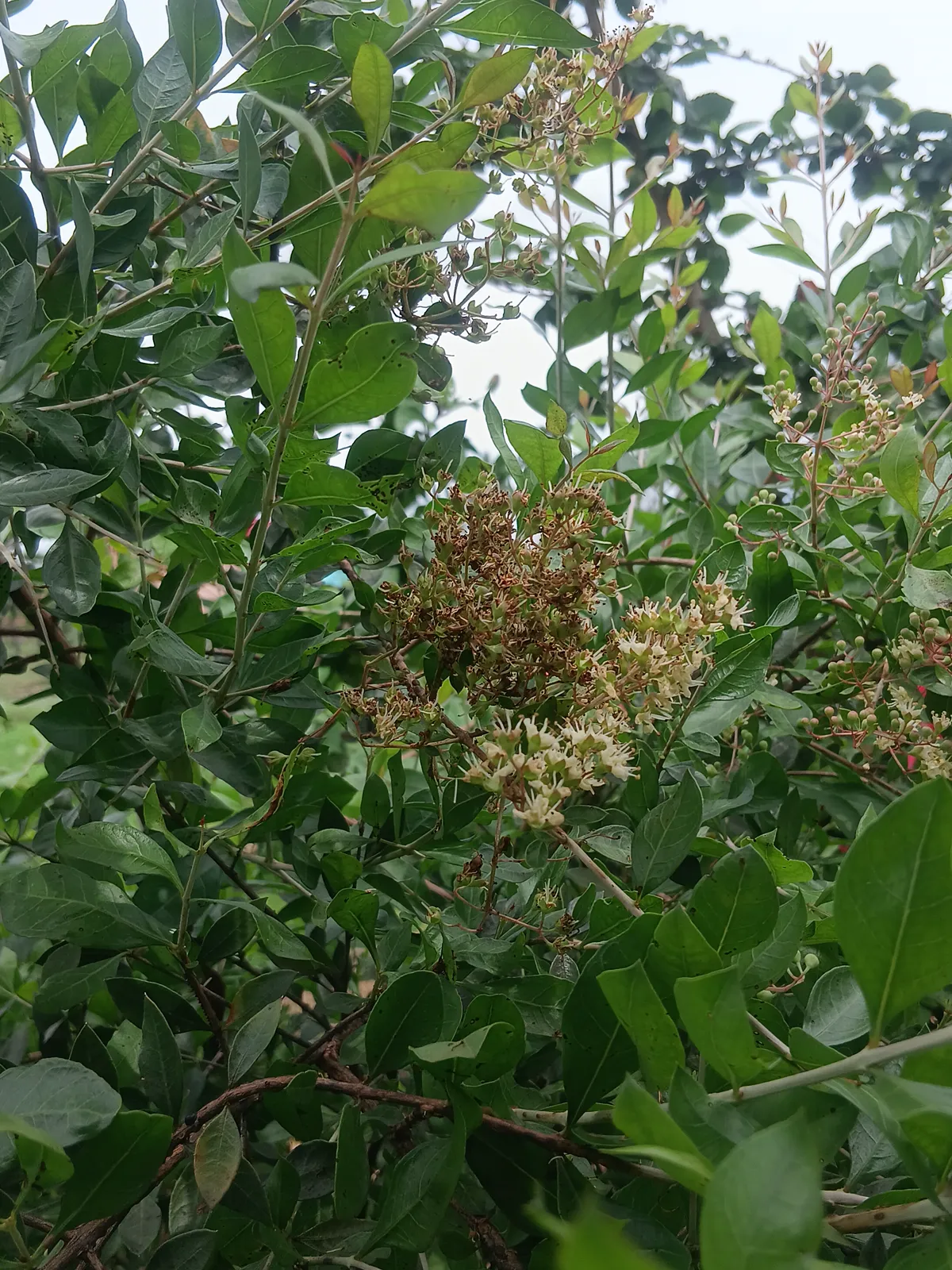
It does. Mature henna carries loose clusters of tiny cream to pale pink flowers in the warm season, and they are strongly and sweetly fragrant, which is why the flowers have long been distilled for perfume in India and the Middle East. The blooms are followed by small brownish capsules packed with dozens of tiny seeds. Flowering does not spoil the leaves, though hard pruning for a leaf harvest naturally removes some of the flowering wood. If you want scent, prune right after the flowers fade rather than before.
Is black henna the same as the henna plant?
No, and the difference matters. True henna from Lawsonia inermis stains skin in shades of orange, red and brown, never jet black. Products sold as black henna for very dark, fast temporary tattoos often contain added para-phenylenediamine, or PPD, a hair-dye chemical that health authorities have repeatedly warned about because it can cause severe skin reactions and long-lasting sensitisation when left on the skin. If a paste is black straight out of the cone or stains in under an hour, treat it as suspect. This is general information rather than medical advice — see a doctor if a reaction develops.
How big does a henna plant get, and can it be used as a hedge?
Left unpruned, henna grows into a shrub or small tree of roughly 2 to 6 metres, with stiff, spine-tipped branchlets on older wood. Those thorny tips are exactly why it has been planted for centuries as a livestock-proof boundary hedge across dry parts of India, Africa and West Asia. For a hedge, space plants about 45 to 60 cm apart and clip once or twice a year to thicken the base. Regular clipping also suits dye growers, since it forces the flush of young leaves that carry the best colour.
How do you propagate henna?
Semi-hardwood cuttings are the quickest and most predictable method. Take firm shoots about 15 to 20 cm long in the warm season, strip the lower leaves, dip the base in rooting hormone and insert them into moist sand or a sand and compost mix kept warm and shaded. Roots usually form within six to eight weeks. Seed also works but is slower and needs warmth: sow the fine seed on the surface of moist compost, keep it above about 25 degrees C, and be patient, as germination can be uneven and seedlings grow slowly at first.
Why are my henna plant leaves turning yellow and dropping?
Cold and overwatering are the two usual reasons. Henna comes from hot, dry regions and reacts to chilly nights or wet compost by shedding leaves, so a plant that yellows in autumn indoors is usually telling you it is too cold and too wet rather than too hungry. Check the drainage first, empty any saucer, and let the top of the mix dry between waterings. If the plant is warm and well drained but still pale, a balanced feed with micronutrients often fixes it, since henna in alkaline soil can run short of iron. A leafless plant in winter is not necessarily dead — keep it barely moist and it usually shoots again in spring.
Still stuck? Ask the Plant Doctor
Describe the problem — yellow leaves, holes, no flowers — and get a clear answer in seconds. FreeAI can make mistakes. Answers are guidance, not a guarantee — check anything important against the guide it links to, and always read the label on any product before you use it.