How to Grow Rhodanthe (Paper Daisy)
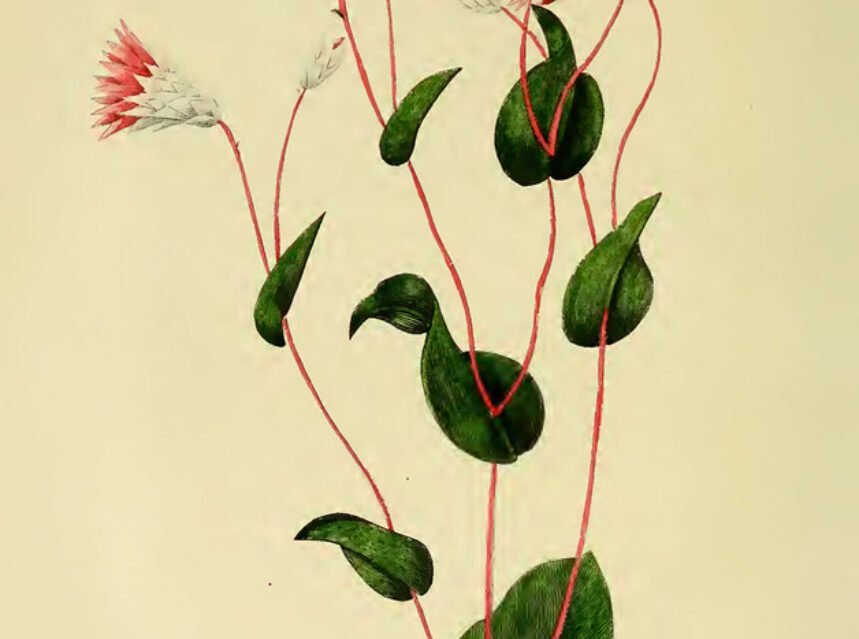
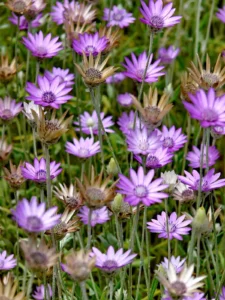
Rhodanthe is a dainty Australian wildflower (genus Rhodanthe, also sold as Helipterum and called paper daisy or everlasting daisy) grown for its crisp, papery blooms in pink and white around golden centres. The flowers feel like tissue paper and dry to perfection, which makes them a favourite for everlasting bouquets. It grows easily from seed, looks gloriously cheerful, and loves hot, dry, sunny spots. This guide explains how to grow rhodanthe, including tips for India’s warm, dry gardens.
Quick start: Grow paper daisy in full sun in very well-drained soil. Surface-sow the seed, as light aids germination, either direct or 6–8 weeks before planting out. Let the soil dry between waterings, because it is drought-tolerant. Flowers appear in about 80–90 days; cut just-opened blooms to dry for everlasting arrangements.
The single most repeated lesson with paper daisies is to hold back the watering can. They want dry, sharp-draining soil and full sun, and they rot quickly if overwatered or grown in rich ground. Treated lean and dry, they reward you with crisp, papery blooms that genuinely crackle like tissue paper. Cut just as they open and hung upside down, they keep their colour and shape for months, which is why they are a mainstay of everlasting arrangements.
🧰 In a hurry? Jump straight to our tested picks for this guide ↓
Paper daisy at a glance
| Feature | Detail |
|---|---|
| Botanical name | Rhodanthe spp. (syn. Helipterum) |
| Plant type | Warm-season annual |
| Sunlight | Full sun (6+ hours) |
| Soil | Very well-drained, even poor; dislikes rich, wet ground |
| Water | Drought-tolerant; let soil dry between waterings |
| Height | 30–60 cm (12–24 in) |
| Time to flower | About 80–90 days from sowing |
| Best for | Dried flowers, dry gardens, cutting, pollinators |
Why grow paper daisy?
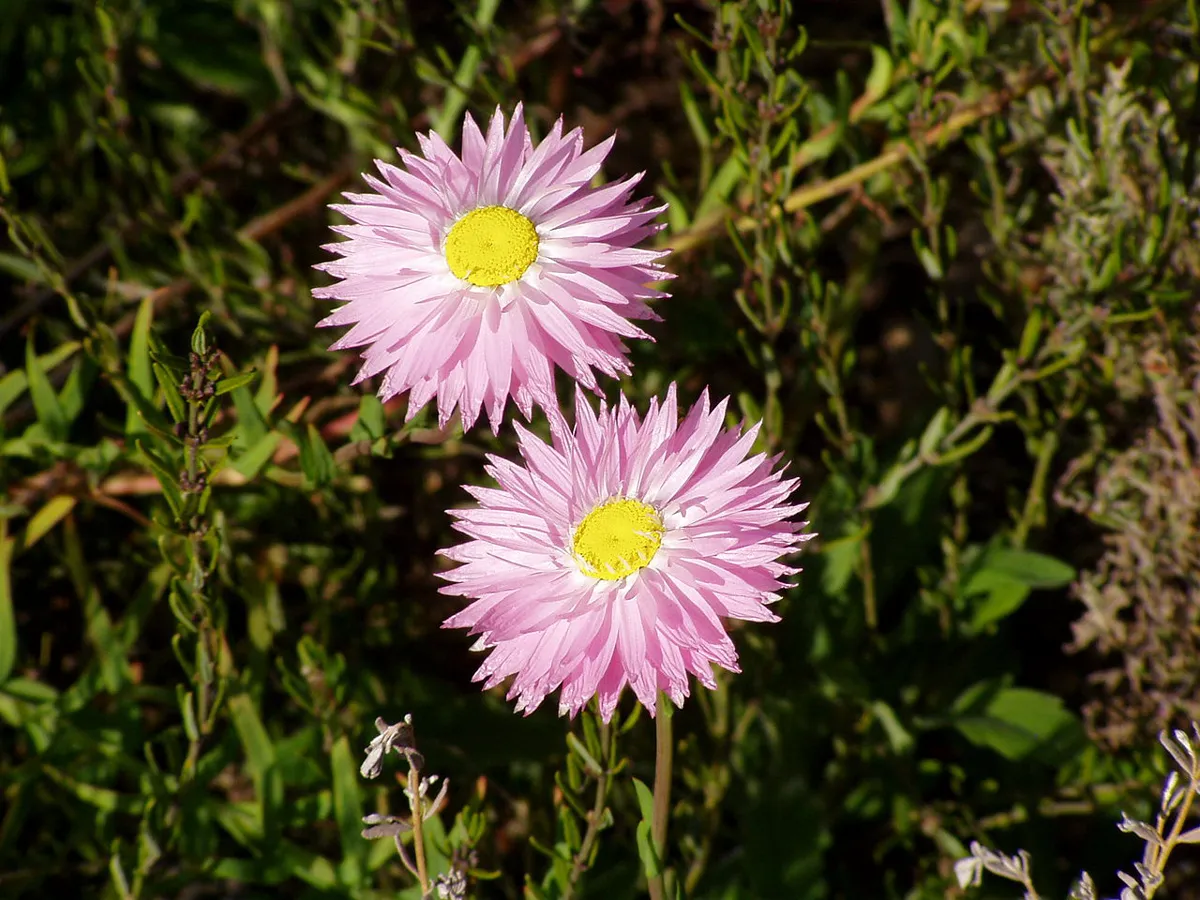
Rhodanthe gives charming, papery everlasting daisies that dry beautifully for bouquets, wreaths and crafts, on top of cheerful summer colour. The dried flowers hold their shape and colour for months.
It is also drought-tolerant, easy from seed, and happy in poor soil, while still drawing pollinators. For a fun, pretty, low-water flower that doubles as a top dried flower, it is a lovely choice for hot, sunny spots.
History, origin & how it spread to gardens
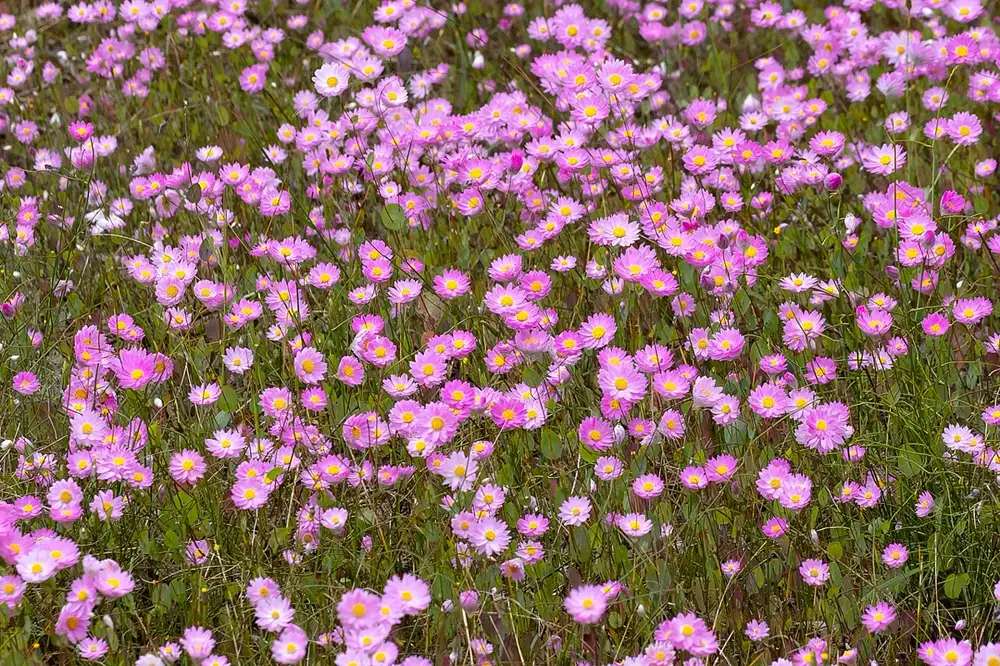
Rhodanthe is native to Australia, with much of it coming from the warm, dry, sunny regions of the continent’s south and west. In the wild, vast carpets of these everlasting daisies bloom after rain across open, sandy country (see Plants of the World Online, Kew).
European plant collectors of the nineteenth century were struck by the papery, long-lasting flowers and sent seed home, where the everlasting daisies became popular for “immortelle” dried arrangements (see Encyclopaedia Britannica). The plant has been shuffled between the names Rhodanthe, Helipterum and Acroclinium over the years, which is why you may see it sold under several labels (see the Royal Horticultural Society).
Its love of heat and sharp drainage makes it well suited to warm-climate gardens worldwide, including India. In Indian gardens it grows as a warm-season annual and thrives in the dry, bright conditions that defeat many softer flowers. The lesson from its arid homeland is the single most important rule: keep it lean and dry. Rich, wet soil is the quickest way to lose it.
Best season & when to plant
Sow paper daisy in spring, either direct where it is to flower or 6–8 weeks before planting out. Seeds germinate in about 7–14 days at a soil temperature of 10–20°C.
Plants then flower in roughly 80–90 days and carry on through summer. It is a warm-season annual, so time the sowing for warm, settled weather. In India, sow as the weather warms for a long, bright display through the dry season.
How to grow rhodanthe from seed
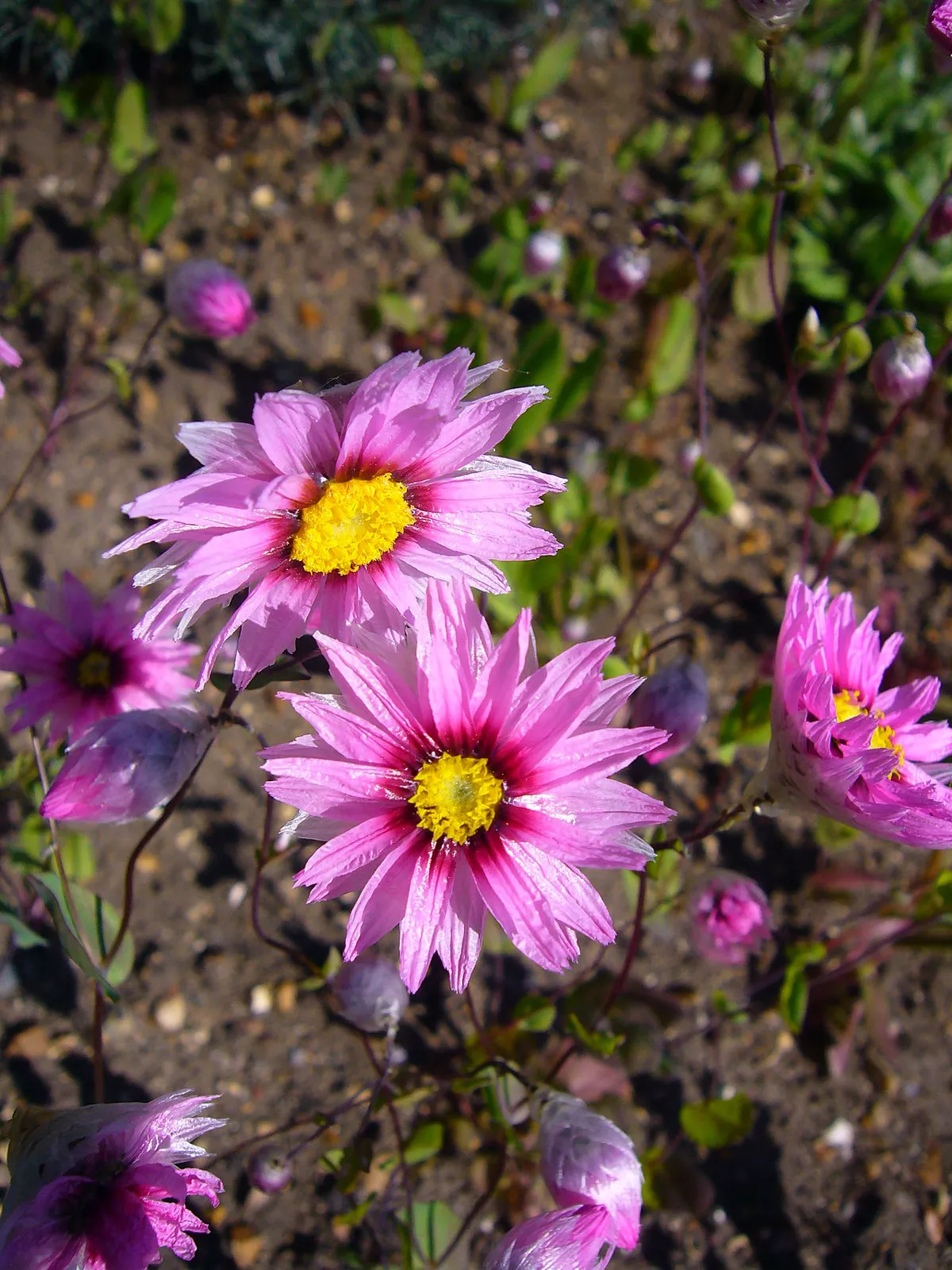
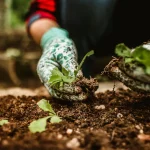
- No special treatment is needed. Surface-sow and press the seed into the soil, as light aids germination.
- Keep the soil just moist — never wet or bone-dry — until the seedlings appear.
- Sow direct where possible, as it transplants best when young. Space plants about 15–25 cm apart.
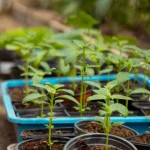
- If starting in trays, move seedlings on at the first-true-leaf stage to avoid root disturbance.
- Grow in full sun (6+ hours) and very well-drained soil, with no need to enrich it (see improving garden soil).
Sun, soil, watering & feeding
Paper daisy is drought-tolerant and grows best in dry, very well-drained soil. Let the soil dry out between waterings, and water only when it is dry several centimetres down, even in summer (see how often to water plants).
It needs little or no feeding, and rich ground actually works against it. Overwatering and over-feeding are the two main causes of failure, so treat it mean and it will reward you.
Growing rhodanthe in dry gardens and pots
This is the perfect plant for a hot, dry corner where little else will flower. It belongs in gravel gardens, rockeries and sunny banks, alongside other lean-soil lovers.
It also grows well in pots, which suits balconies and terraces. Use a free-draining mix with added grit, choose a container with good drainage holes, and stand it in the brightest spot you have. Water only when the mix has dried, and never let the pot sit in a saucer of water. Because it asks for so little, it is an easy, water-wise choice for low-maintenance summer colour.
Cutting & drying everlastings
For everlasting flowers, pick the blooms just as they open. If you wait too long, the centres mature and the dried flower looks past its best.
Tie them in small bunches and hang them upside down in a cool, well-aired indoor spot until fully dry. They then keep their papery texture and colour for many months. Regular picking also keeps the living plant flowering for longer.
Best companion plants
Rhodanthe sits naturally with other sun-loving, dry-tolerant flowers, especially fellow everlastings for the cutting patch.
- Craspedia (billy buttons) — round golden drumsticks that dry just as well.
- Celosia — bold, dryable plumes that love the same heat.
- Calendula — easy, sunny colour for the edge of a dry border.
Group them in a dedicated cutting patch or a hot, gravelly bed. Together they give a steady supply of both fresh and dried flowers all summer.
Common pests & diseases
Rhodanthe is fairly trouble-free once established. The main risk is rot in wet, poorly drained soil, so drainage matters more than anything.
Young seedlings need protection from slugs and snails (see organic pest control). Full sun, sharp drainage and restrained watering prevent most problems. Treat any aphids as in our aphid guide.
Benefits & uses
Paper daisy offers cheerful, papery blooms that are wonderful for fresh and dried cutting, along with real drought tolerance and pollinator appeal. It thrives in hot, dry, poor-soil spots where many flowers fail.
Because it dries so beautifully, it is a mainstay of everlasting arrangements and craft work. School and hobby crafters love it for the same reason, as the dried heads survive handling and glueing without falling apart.
In a water-wise garden it also has real practical value. It flowers freely on rainfall alone in many climates, which makes it a sensible choice where summer water is scarce or expensive. For a fun, easy, low-water flower with lasting charm, rhodanthe is hard to beat.
This article is for general information only and is not medical advice. Talk to a qualified professional before using any plant medicinally.
Common rhodanthe problems
Rotting plants
The soil is too wet or too rich. Grow in dry, very well-drained ground and let it dry between waterings.
Poor germination
The seed is buried, too dry or too wet. Surface-sow with light and keep the soil evenly, not excessively, moist.
Few flowers
Too much shade or too much water. Give full sun and keep it firmly on the dry side.
Floppy growth
Usually too rich a soil. Lean ground gives sturdier, better-flowered plants.
Related plant guides
- How to grow Tweedia
- How to grow Craspedia
- How to grow Catananche
- How to grow Xeranthemum
- How to grow Gomphrena
- How to grow Nigella
Frequently asked questions
Do paper daisy seeds need light to germinate?
Yes. Light aids germination, so surface-sow and press the seed into the soil rather than burying it.
How often should I water paper daisy?
Sparingly. Let the soil dry out between waterings, as it is drought-tolerant and rots in wet soil.
How do I dry rhodanthe flowers?
Pick them just as they open, tie them in small bunches, and hang them upside down in a cool, airy indoor spot until dry.
Is paper daisy easy to grow in India?
Yes. It is easy from seed in full sun and well-drained soil, and its love of heat and dry conditions suits Indian gardens well. The main rule is not to overwater it.
Is rhodanthe an annual or a perennial?
The garden paper daisies grown from seed packets — mainly Rhodanthe chlorocephala subsp. rosea, also sold as acroclinium — are true annuals that flower, set seed and die within a single season. A few other members of the group, such as the mat-forming Rhodanthe anthemoides, are short-lived perennials or sub-shrubs, which is why online advice contradicts itself. If your seed packet says paper daisy or everlasting daisy and shows pink and white papery blooms, treat it as an annual and resow each year. In frost-free climates it can behave as a self-perpetuating colony rather than an individual long-lived plant.
When should you sow paper daisy seed?
Timing follows temperature rather than the calendar. In cool and temperate gardens, sow in spring once frost has passed, or in early autumn where winters are mild, so the plants flower before summer heat peaks. In subtropical, arid and Indian conditions, autumn to early winter sowing is far better, because seedlings establish in the cool season and bloom before the hot, wet weather arrives. Sowing in the tropics during the monsoon is not worth attempting, as the seedlings simply rot.
How long does rhodanthe take to germinate and flower?
Germination is quick — usually 7 to 14 days at a soil temperature around 10 to 20°C (50 to 68°F). From sowing to the first open flowers takes roughly 80 to 90 days, so count backwards about three months from when you want the display. Flowering then continues for several weeks, longer if you keep picking. Successional sowings three weeks apart will stretch the season considerably.
Can you transplant paper daisy seedlings?
You can, but they resent root disturbance, so handle them as little as possible. Direct sowing where they are to flower gives the strongest plants, which is why the seed is so often broadcast over a prepared patch. If you do raise seedlings in trays, move them into their final position while they are small, around 2 to 4 inches (5 to 10 cm) tall and just showing their first true leaves, and hold the seed leaves rather than the stem. Plug trays or peat-free modules that keep the rootball intact give much better results than pricking out from an open tray.
Can you grow paper daisies in pots?
Yes, and containers suit them well because you control the drainage, which is the one thing they insist on. Use a free-draining mix with added grit or coarse sand, a pot of at least 5 gallons (about 20 litres) for a good group, and stand it where it gets six or more hours of direct sun. Water only when the top of the compost has dried, since soggy compost kills them faster than drought. Sow several seeds per pot and thin to the strongest, rather than transplanting in.
Does rhodanthe self-seed?
It does, and in a sunny, open, gritty spot a sown patch will often return on its own for several years. To encourage it, leave the last flush of flowers to dry and shed seed instead of cutting everything for drying, and avoid heavy mulching or forking over the ground where seedlings would come up. Self-sown plants frequently outperform tray-raised ones because their roots are never disturbed. It is not aggressive, though — in damp or heavily planted ground the seedlings usually fail to compete.
What pests and diseases affect paper daisies?
They are largely trouble-free, and most failures are cultural rather than pest-related. The usual issues are aphids clustering on soft new shoots, slugs and snails grazing young seedlings, and powdery mildew or stem rot where air movement is poor and the soil stays wet. Damping off can wipe out a tray of seedlings sown too thickly in cold, wet compost. Wide spacing of 6 to 10 inches (15 to 25 cm), full sun and restrained watering prevent nearly all of it without any spraying.
Are paper daisies Australian natives?
Yes. Rhodanthe is an Australian genus, and the pink paper daisy of gardens comes from Western Australia, where huge natural drifts of it colour the sandy country after winter rain. That origin explains its garden preferences exactly: sharp drainage, full sun, poor soil and a dislike of humidity and rich feeding. Growing it dry and lean is not neglect but a reasonable copy of its wild habitat.
Still stuck? Ask the Plant Doctor
Describe the problem — yellow leaves, holes, no flowers — and get a clear answer in seconds. FreeAI can make mistakes. Answers are guidance, not a guarantee — check anything important against the guide it links to, and always read the label on any product before you use it.