Is Hosta Toxic to Cats? 5 Facts Every Owner Needs
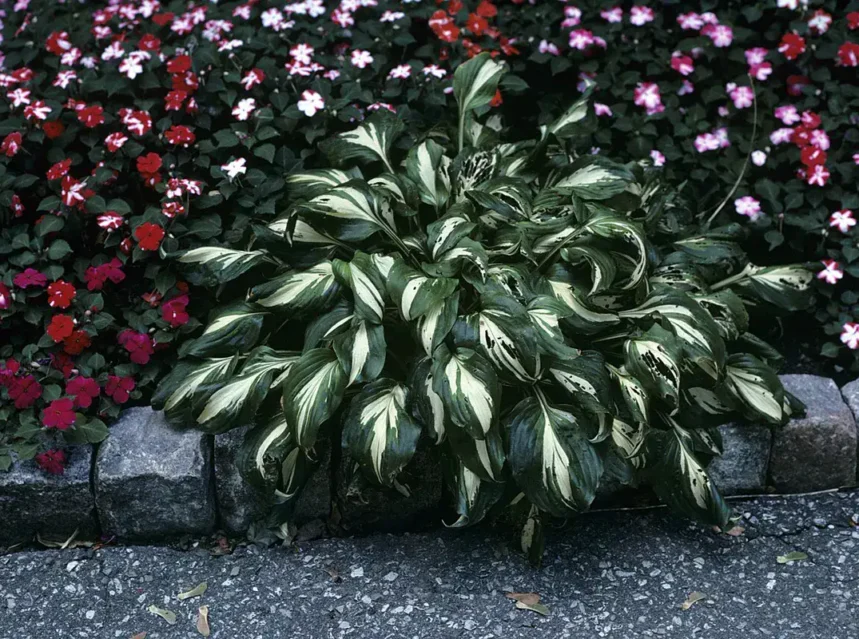
Is hosta toxic to cats? Yes, but only mildly. Hostas contain saponins, and a cat that chews the leaves can get vomiting, diarrhoea, and a quiet, off-colour day. The bigger thing to know is what hosta is not. Its old common name is “plantain lily”, and that word sends cat owners into a panic they do not need to be in. A hosta is not a true lily, and it will not shut down your cat’s kidneys.
Quick answer: Take the leaf away, check your cat’s mouth, and offer fresh water. Expect mild vomiting or loose stools within a few hours. Do not induce vomiting. Call your vet if the vomiting keeps going, your cat stops drinking, or it seems weak and withdrawn. Also check whether slug pellets are scattered around the plant, because those are the real hazard in a hosta bed. This article gives general information, not veterinary advice.
🧰 In a hurry? Jump straight to our tested picks for this guide ↓
Is hosta toxic to cats? The facts, sorted

| Question | Answer |
|---|---|
| Is hosta toxic to cats? | Yes, mildly |
| The toxin | Saponins |
| Usual signs | Vomiting, diarrhoea, low energy |
| Kidney damage, like a true lily? | ❌ No. Hosta is not a lily |
| Typical outcome | Settles in a day, no lasting harm |
| The real danger in a hosta bed | Slug pellets, not the plant |
The ASPCA lists hosta as toxic to cats, dogs and horses, with vomiting, diarrhoea and depression as the reported signs. “Toxic” on that list covers everything from a queasy stomach to an emergency, so the word alone tells you nothing about severity. Hosta sits at the gentle end of it.
Hosta is not a lily, whatever the name says
This is the part that matters most, and almost no page bothers to spell it out.
Cat owners know one rule above all others: lilies kill cats. Even pollen brushed onto the coat and groomed off can cause fatal kidney failure. So when someone reads that their shade plant is called a “plantain lily”, the fear is instant and completely understandable.
But hosta only borrowed the name. It is not in the lily family. Hosta belongs to the asparagus family, Asparagaceae, and it picked up “plantain lily” from gardeners centuries ago because its flowers look vaguely lily-shaped on a tall stem. Botanically the two plants are not close relatives at all.
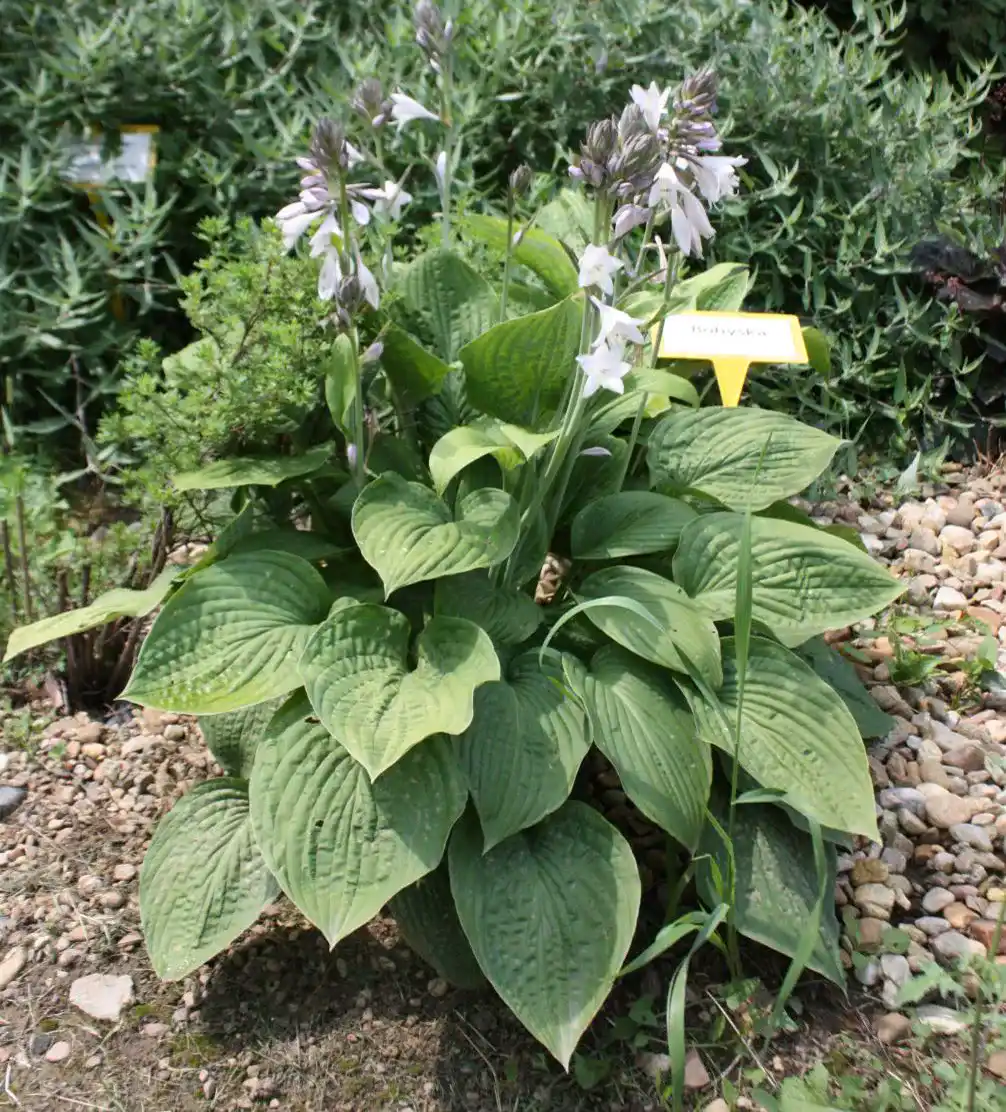
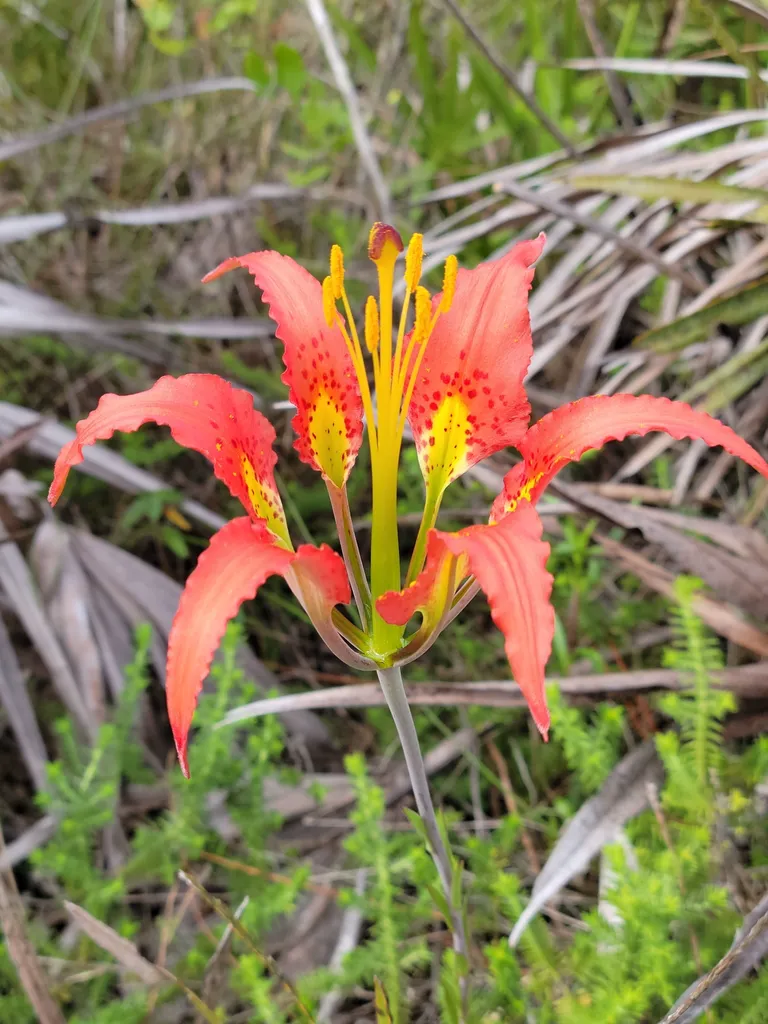
Put the two photos side by side and the difference is obvious. A true lily throws big, showy, pollen-heavy flowers on an upright stem. A hosta is a low mound of broad ribbed leaves with a thin flower spike lifted above it, and its whole reason for existing in your garden is the foliage.
So the answer breaks into two halves, and both are worth saying plainly. Hosta will upset your cat’s stomach. Hosta will not touch its kidneys. If you want the plant that genuinely can, read our guide on lilies and cats, because that one is a real emergency.
Why the shade bed is the cat’s favourite spot
Here is the practical reason cats and hostas meet so often, and it has nothing to do with appetite.
A hosta bed sits in shade, under trees or against a north wall. The soil stays damp and cool, the leaves are broad and low, and the whole planting makes a screen a cat can disappear behind. On a hot afternoon that is the single most attractive square metre in the garden.
So your cat does not stroll over to eat a hosta. It goes there to lie down. And once it is lying in the middle of the clump, it does what cats do next: it grooms. Anything on the coat goes into the mouth.
That changes what you should watch for. The classic story is not a cat caught chewing a leaf. It is a cat that vanishes into the shade bed for an hour, comes back, washes itself, and is quietly sick two hours later while you are still wondering what it got into.
Spring shoots are the riskiest three weeks
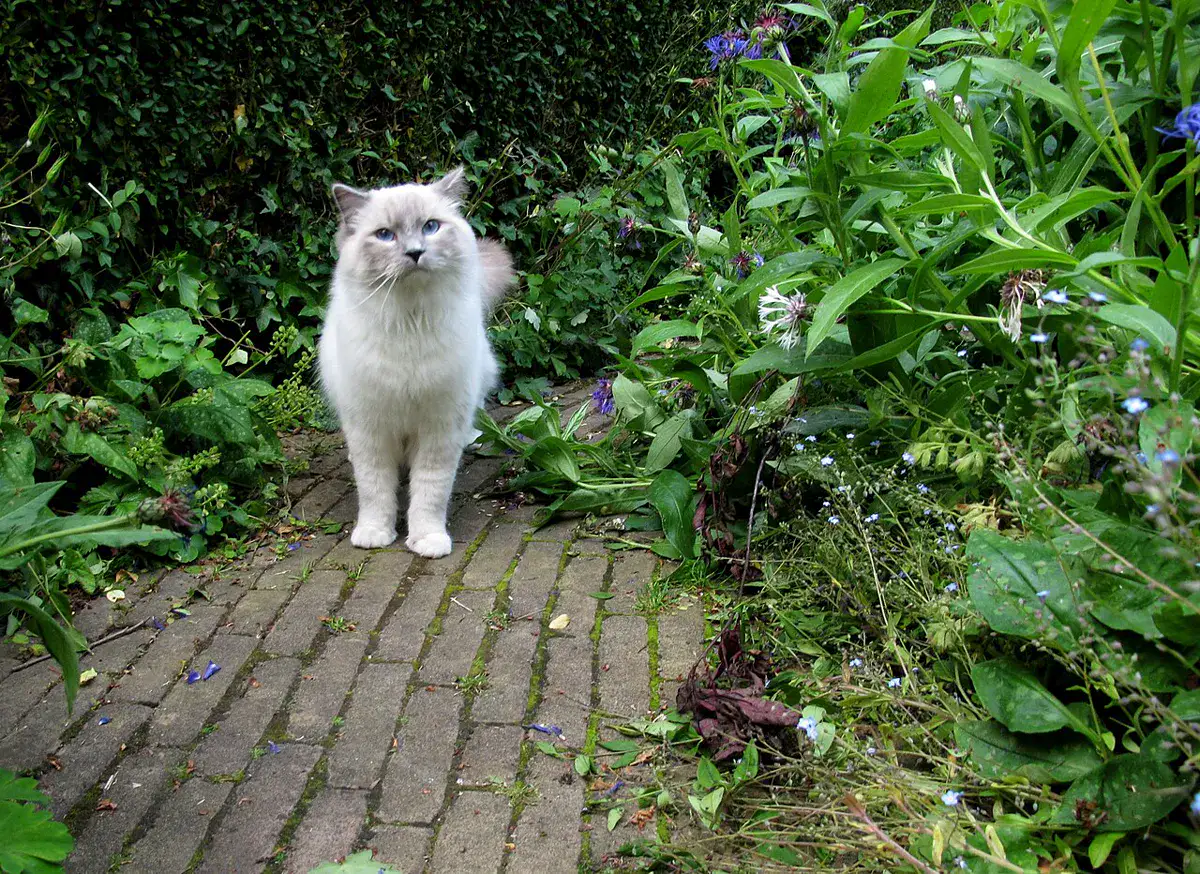
Timing matters more than most articles admit.
In early spring, hostas push up tightly rolled shoots, sometimes called pips. They come out of bare soil as fat, pale, juicy spears, before there is much else growing in that bed. They are soft, they are at nose height for a cat, and they look a lot like the thick grass blades cats already chew on purpose.
By midsummer the plant is a wall of tough, ribbed, mature leaves that no cat particularly wants to bite. So the risk is front-loaded. If you are going to have an incident, it will almost certainly be in those first few weeks of the season, when the shoots are tender and the bed is otherwise empty.
The fix is simple. Push a few short twiggy prunings into the soil around each crown while the shoots come up, or lay a piece of chicken wire flat over the crown until the leaves unfurl through it. After that, the plant defends itself.
Slug pellets: the danger that is not the plant
Now the thing that actually sends cats to the vet from a hosta bed.
Slugs adore hostas, so gardeners scatter slug pellets around them, year after year. Metaldehyde pellets are genuinely dangerous to pets, causing tremors and seizures, and a poisoned cat needs a vet immediately, not a wait-and-see. That is a different category of problem from a saponin tummy ache.
Cats rarely eat pellets on purpose. They pick them up the same way they pick up everything else: on damp paws and fur, in the same shade bed they were just napping in, and then they groom.
So if you keep cats, switch. Ferric phosphate (iron phosphate) pellets are far safer around pets, and beer traps, copper rings and evening hand-picking work perfectly well. If you use nothing else from this article, use that.
What to do if your cat ate a hosta
Work through it calmly. This is a mild plant.
- Take the leaf away and clear any plant material from your cat’s mouth.
- Offer fresh water. Do not force food.
- Wipe the coat and paws with a damp cloth, so grooming does not deliver more of the sap.
- Look around the plant for slug pellets. If pellets may have been eaten, call the vet now.
- Watch for a few hours. Most cats are back to normal within a day.
Never induce vomiting unless a vet tells you to. Call your vet if the vomiting repeats, your cat refuses water, the diarrhoea is severe, or your cat seems dull, wobbly or withdrawn. Tremors or twitching mean pellets, not hosta, and that is an emergency.
Cat-safe plants for the same shady bed
You do not have to rip the hostas out. A mildly toxic plant your cat naps beside is not a crisis, and millions of cats live alongside hostas without incident. But if you want the same look with nothing on the ASPCA list, these all take shade.
| Shade plant | Risk to cats |
|---|---|
| Hosta (plantain lily) | Mildly toxic. Vomiting, diarrhoea |
| Boston fern | ✅ Non-toxic |
| Bugbane / Cimicifuga | ✅ Non-toxic |
| Coral bells (Heuchera) | ✅ Non-toxic |
| Lily of the valley | ☠️ Heart toxin. Serious |
| True lily (Lilium) | ☠️ Fatal kidney failure |
Notice the bottom two. Both grow in the same border, both have “lily” in the name, and both are in a completely different league from hosta. Our pet-safe plant list covers the indoor side, and the plant doctor tool helps if you cannot identify what your cat chewed.
Hostas and cats around the world
Hosta came from Japan, Korea and China, where it grows wild on shaded slopes and stream banks. Gardeners in Europe and North America then turned it into one of the most planted perennials on earth, with thousands of named cultivars. If you garden in the UK, Germany, Canada or the US Midwest, you almost certainly own one.
That popularity is the whole reason this question gets asked so much. Sheer numbers, not danger.
In India, the picture is different, and it is worth being honest about it. Hosta needs a genuine cold winter to go dormant, so it does well in hill stations such as Shimla, Manali, Gangtok, Darjeeling and Ooty, and it sulks and rots in the heat and humidity of the plains. If you garden in Delhi, Mumbai or Chennai and your cat chewed something broad-leaved in a shady corner, it is far more likely to be a caladium, a dieffenbachia or a philodendron, and those are considerably harsher on the mouth than hosta ever is. Identify the plant before you worry about it.
Wherever you live, save an animal poison helpline number in your phone now, while nothing is wrong.
Hosta and cats, step by step
- Hosta is mildly toxic to cats. Saponins are the reason.
- Expect vomiting, diarrhoea and a flat, quiet cat. Expect it to pass.
- Hosta is not a true lily. There is no kidney risk. Ignore the name.
- The shade bed is a nap spot, so contact and grooming matter as much as chewing.
- Spring shoots are the tempting stage. Protect the crowns for three weeks.
- Slug pellets around hostas are the real hazard. Switch to ferric phosphate.
Get those last two right and hosta stops being a question at all. The same advice holds for dogs, which we cover in is hosta toxic to dogs.
Frequently asked questions
What happens if my cat eats a hosta leaf?
Expect mild stomach trouble. The saponins in the leaves irritate the gut, so most cats vomit, pass loose stools, or simply go quiet and off their food for a few hours. Signs usually show up within a couple of hours and settle within a day. Take the plant material away, offer fresh water, wipe the coat so grooming does not carry more sap into the mouth, and watch. Call your vet if the vomiting keeps repeating, the diarrhoea is heavy, your cat will not drink, or it seems weak, wobbly or withdrawn, because those go beyond what hosta normally does.
Is hosta a lily, and can it cause kidney failure in cats?
No, and this is the single most useful thing to know. Hosta is nicknamed “plantain lily” because its flowers look lily-like on a tall stem, but it belongs to the asparagus family, not the lily family. True lilies, Lilium and Hemerocallis, cause acute kidney failure in cats from tiny exposures, including pollen groomed off the coat. Hosta does nothing of the kind. A cat that ate hosta needs watching, not a kidney panic. If you are unsure which plant your cat reached, treat it as a true lily and call the vet immediately, because that mistake only goes wrong in one direction.
Are slug pellets around hostas dangerous to my cat?
Yes, and they are more dangerous than the hosta itself. Metaldehyde pellets can cause tremors, seizures and death in cats and dogs, and a poisoned animal needs emergency veterinary treatment rather than home monitoring. Cats do not usually eat pellets deliberately, but they lie in the shade bed where the pellets were scattered, pick them up on damp paws and fur, and then groom. If you keep cats, use ferric phosphate pellets instead, or skip pellets altogether and use beer traps, copper rings or evening slug patrols. Twitching or trembling after time in a hosta bed means pellets, not the plant.
How do I stop my cat chewing my hostas?
Target the spring shoots, because that is when hostas are tempting. As the pips push through bare soil they are soft, pale and juicy, and they resemble the thick grass blades cats chew by choice. Lay chicken wire flat over each crown or push twiggy prunings in around it until the leaves unfurl, and the problem largely disappears once the foliage toughens up. It also helps to give the habit somewhere else to go: a pot of cat grass indoors satisfies the same urge, and cats that have their own greenery tend to leave the border alone.
Are hosta flowers poisonous to cats?
Yes, in the same mild way as the rest of the plant. The ASPCA lists hosta as toxic to cats because of its saponins, and those irritant compounds are present throughout, flowers included. A cat that bites a flower stem or bloom can get the same vomiting, loose stool, or quiet, off-food spell as one that ate a leaf. It is not a dangerous poisoning, but no part of a hosta counts as a safe part to let your cat chew.
Are all hosta varieties toxic to cats?
Treat every hosta as toxic, whatever the variety. The saponins responsible are common to the genus, so blue, green, variegated, giant, and miniature types all carry the same mild risk. There is no “cat-safe hosta” to seek out. If you want the lush, shade-loving look without the worry, the better route is to swap in a genuinely non-toxic shade plant rather than hunt for a harmless hosta cultivar that does not exist.
Why do cats chew hosta leaves?
Cats often chew broad, grassy foliage for the texture and a little roughage, and emerging hosta shoots are soft, pale, and juicy in a way that mimics the grass blades cats seek out. Some are simply curious or bored. The pull is strongest in spring when the pips push through bare soil. Giving your cat its own pot of cat grass usually satisfies the same urge and steers it away from the border.
How much hosta does a cat need to eat to get sick?
Only a small amount of leaf can trigger mild vomiting or a loose stool, since even a little saponin irritates a cat’s gut. The bitter taste usually stops a cat before it eats much, which is why serious reactions are uncommon. A cat that digs at and eats the saponin-rich crown, or a kitten with a tiny body, is more likely to react strongly. There is no amount worth encouraging, so keep hostas out of a chewer’s reach.
Are hostas safe to grow indoors with a cat?
Hostas are outdoor shade perennials and rarely kept as houseplants, but if you bring one indoors, an indoor cat will have far easier access to it than a plant out in the garden. Given the toxicity, that is not a good pairing for a cat that chews foliage. Choose a non-toxic houseplant instead, and keep any potted hosta somewhere your cat truly cannot reach if you must grow one inside.
Which shade plants are safe alternatives for cat owners?
Several give a similar leafy, shade-loving effect without the toxicity. The Boston fern and spider plant are both on the ASPCA non-toxic list and cope with shade or part shade, and calathea offers bold patterned leaves indoors. In the garden, astilbe brings feathery flowers in shade and is low-risk. Planting these where your cat roams lets you keep a green, shaded corner while reserving any hostas for spots a cat cannot get to.
My cat trembled after time in the hosta bed — is that the plant?
Twitching or trembling is not typical of hosta, which usually causes only stomach upset, so suspect slug pellets instead. Metaldehyde bait scattered around hostas can cause tremors, seizures, and even death, and it acts fast. This is a genuine emergency: contact your vet or a poison line at once rather than waiting to see if it passes. If you keep cats, switch to ferric phosphate pellets or non-chemical slug control so the bed is never treated with metaldehyde.
Related guides
- Is hosta toxic to dogs
- Are lilies toxic to cats
- How to grow hostas
- Is geranium toxic to cats
- Is hibiscus toxic to cats
- Is snake plant toxic to cats
Still stuck? Ask the Plant Doctor
Describe the problem — yellow leaves, holes, no flowers — and get a clear answer in seconds. FreeAI can make mistakes. Answers are guidance, not a guarantee — check anything important against the guide it links to, and always read the label on any product before you use it.