Is ZZ Plant Toxic to Cats? Myth vs Facts, Symptoms and Safe Swaps
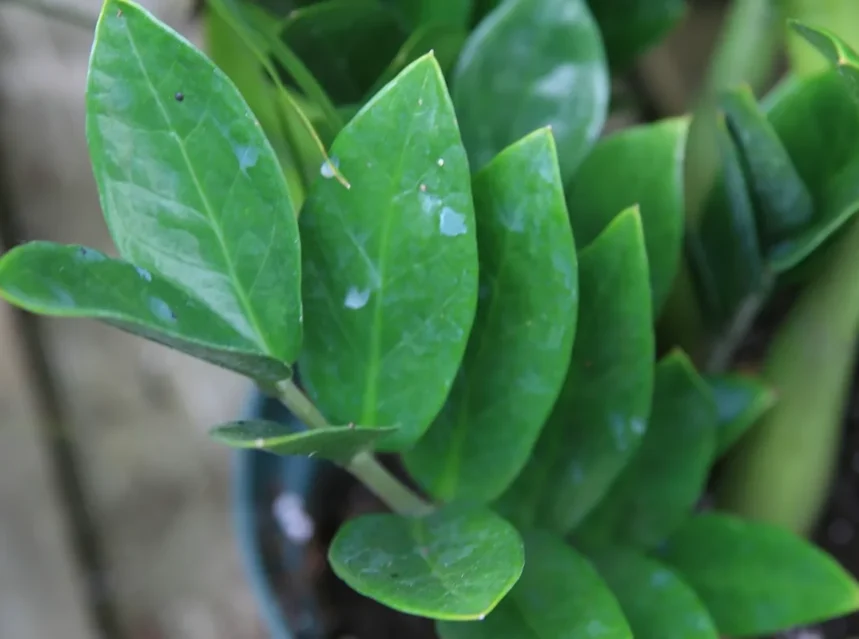 ZZ plant in a pot with thick glossy dark green leaflets
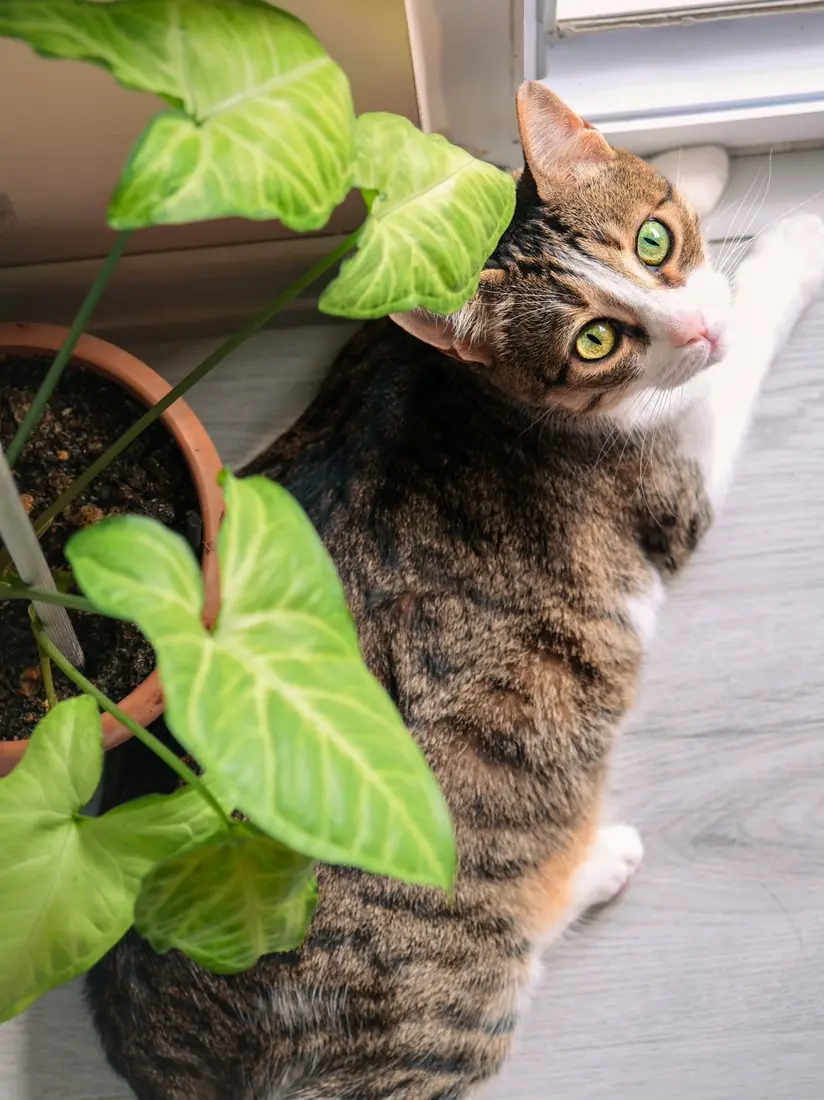
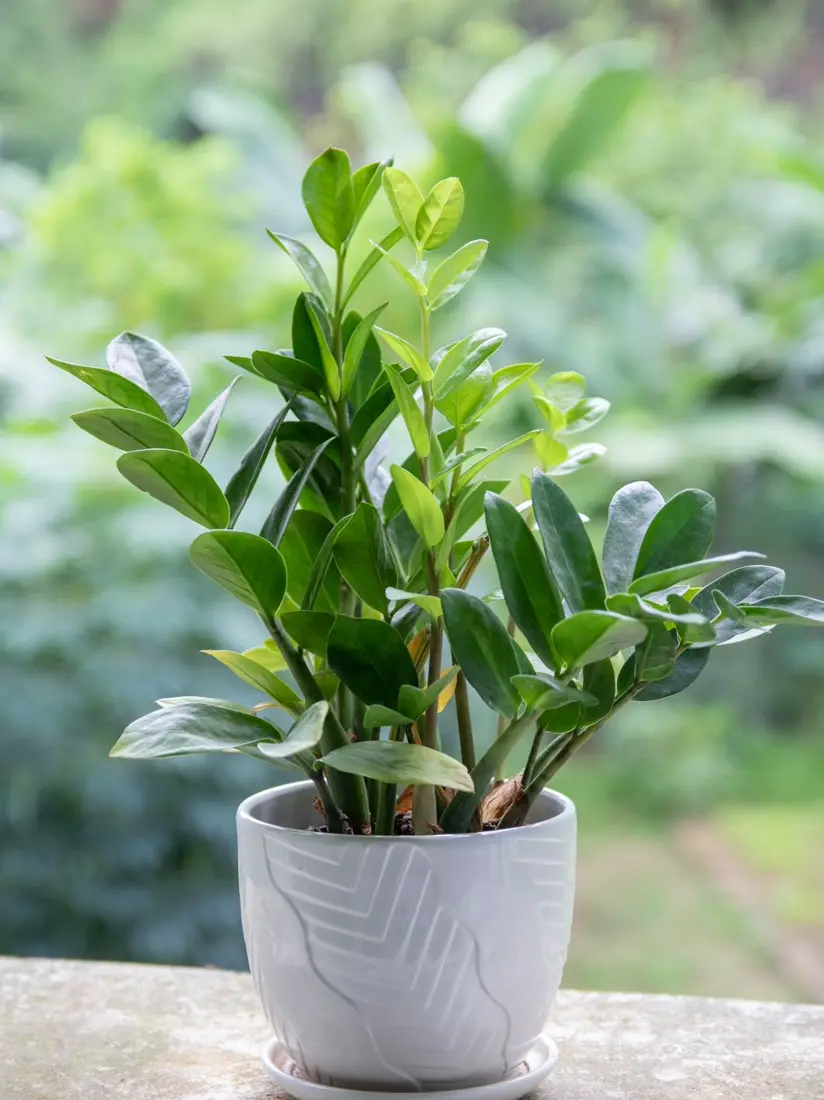
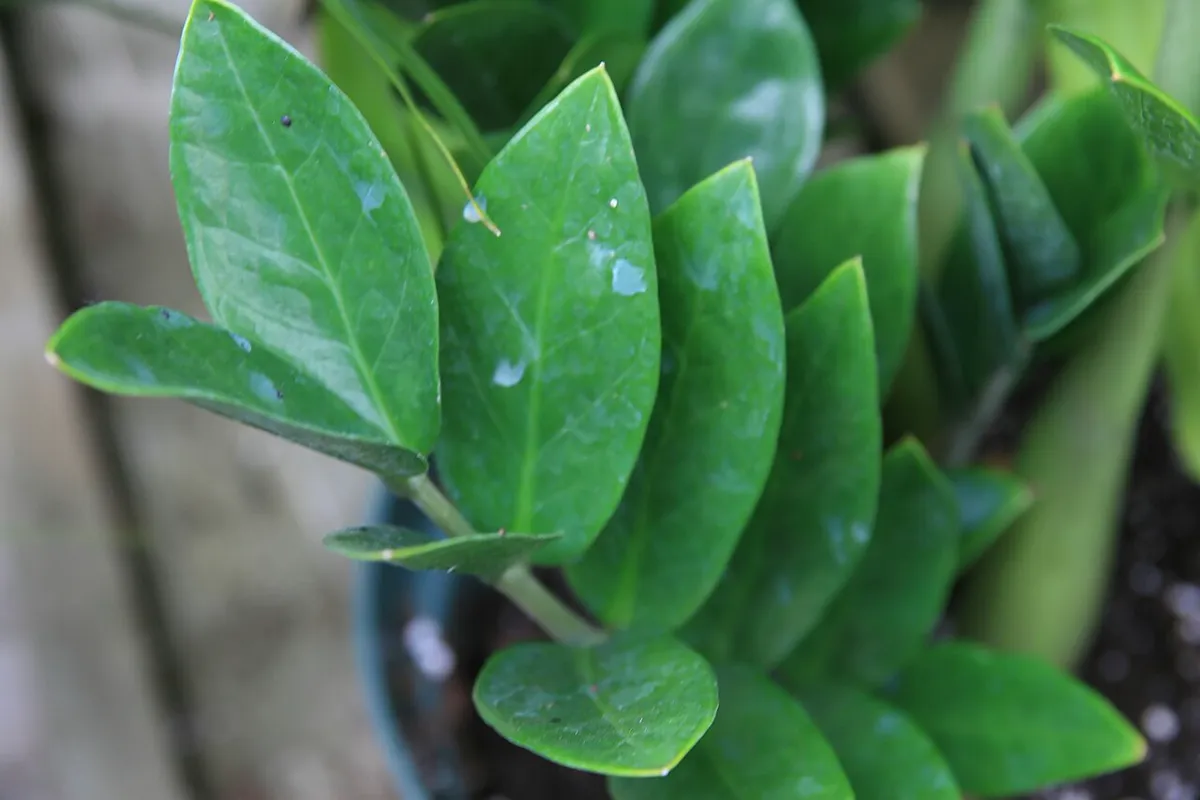
Is ZZ plant toxic to cats? Yes, but only mildly, and only if a cat actually chews it. The ZZ plant (Zamioculcas zamiifolia) contains insoluble calcium oxalate crystals that sting the mouth, causing drooling and sometimes vomiting. The reassuring part: it is not the deadly, poisonous-to-touch plant the internet myth claims. Here is the calm, factual picture.
Quick answer: If your cat chewed a ZZ plant, take the plant away, wipe its mouth, and offer fresh water. Watch for drooling, mouth-pawing, and vomiting. It is usually mild. Simply brushing against the plant is harmless, but wash hands and paws if the cut sap touches skin. This article is general information, not veterinary advice.
🧰 In a hurry? Jump straight to our tested picks for this guide ↓
Is ZZ plant toxic to cats? Severity at a glance
| What you notice | What it means |
|---|---|
| Drooling, lip smacking, pawing at the mouth | Typical oxalate irritation, usually mild |
| One or two vomits soon after chewing | Common, monitor at home |
| Refusing food for a few hours | Sore mouth, offer water and soft food |
| Red or itchy skin after touching sap | Wash the area, mild contact reaction |
| Repeated vomiting or ongoing distress | Call your vet |
| Swelling of mouth or tongue, laboured breathing | Rare emergency, go to the vet now |
The “deadly to touch” ZZ plant myth, busted
This is the point that brings most worried owners here, so let us settle it first. You may have read that the ZZ plant is so poisonous you should wear gloves to handle it, or that it can poison a room. That is a myth.
The truth is far tamer. The ZZ plant’s toxicity comes from calcium oxalate crystals inside the plant tissue. They only cause trouble when the plant is chewed, or when cut sap lands on skin. Simply having a ZZ plant in the house, or a cat brushing past it, is completely safe.
The ASPCA classes the ZZ plant as mildly toxic, causing oral irritation rather than the systemic, life-threatening poisoning of a true lily. So the sensible response is ordinary care, not fear.
Why ZZ plant hurts: the needle-crystal mechanism
A ZZ plant does not poison like a chemical toxin. Its cells hold bundles of microscopic, needle-shaped calcium oxalate crystals called raphides.
When a cat’s teeth crush a leaf or stem, those cells rupture and fire the needles into the tongue, gums, and throat. The result is immediate stinging pain, so the classic sign is a cat that drops the leaf, drools, shakes its head, and paws at its face.
Because the crystals are insoluble, they stay local and do not travel through the bloodstream like true systemic poisons. That is exactly why the reaction is a sore mouth, not organ damage. The ZZ plant is a mild-to-moderate irritant, with oral and gastrointestinal signs expected, all traced to its calcium oxalate content.
How dangerous is it really? The honest severity answer
Here is the context scare headlines skip. ZZ plant chewing is unpleasant, but it is rarely dangerous for a healthy adult cat.
Two things keep it mild. The burning mouth stops most cats after a single bite, and cats rarely find the tough, glossy ZZ leaves appealing to eat in the first place. Typical cases settle within a few hours to a day.
The exceptions deserve respect. Kittens, elderly or unwell cats, and the rare cat that eats a large amount can react more strongly, and significant mouth or throat swelling can interfere with breathing. Respect it, do not panic over it. When unsure, a quick call to your vet or a poison line beats guessing.
What about the ZZ plant’s rhizome and sap?
The ZZ plant stores water in fat underground rhizomes, and this part matters for a digging or repotting household.
Those rhizomes, the stems, and the milky sap carry the same oxalate crystals as the leaves. So a cat that digs up and gnaws a rhizome, or licks fresh sap from a cut stem, gets the same mouth sting.
The practical takeaway is simple. Repot out of your cat’s sight, wipe up any dropped soil or rhizome pieces, and wash your own hands afterwards. There is no need for gloves-and-goggles drama, just normal tidiness. Botanical references list the plant (Zamioculcas) as a mild potential irritant on contact and ingestion, in line with everyday sensible handling.
What to do right now if your cat chewed a ZZ plant
Work through this calmly, in order.
First, remove the plant and any leaf fragments from your cat’s reach, and check its mouth for pieces you can gently remove. Wipe the mouth with a damp cloth, and offer fresh water. A lick of something tasty helps rinse crystals off the tongue too.
Do not induce vomiting unless a vet tells you to. Then watch. Mild drooling and a vomit or two can be monitored at home. Call your vet or an animal poison line if symptoms are severe, persist past a few hours, or your cat seems weak. Bring a photo or a piece of the plant for identification. Again: this is general information, and your vet’s advice always comes first.
ZZ plant and the aroid shelf: one shared risk
The ZZ plant is an aroid, so it shares its exact mild oxalate chemistry with pothos, monstera, philodendron, peace lily, and dieffenbachia.
That means a cat-proofing plan should treat the whole plant shelf as one category, not one plant at a time. Our guides on pothos toxicity, monstera toxicity, peace lily toxicity, and snake plant toxicity cover the neighbours, so between them you can screen almost a whole collection.
The good news is that all of these are mild oxalate irritants, not the fatal kidney-failure risk that true lilies pose. Keep those out of a cat home entirely.
Keeping cat and ZZ plant apart: mind the low-light corners
The ZZ plant has a special placement trap. Because it thrives in low light, it often ends up exactly where cats roam unsupervised: bedrooms, home offices, hallway corners, and dim shelves.
So the fix is not just height, it is location. Keep the ZZ plant in a room the cat does not enter, or on a genuinely unreachable surface with no launch platforms nearby.
Back it up with redirection. A pot of cat grass, regular play, and a bitter deterrent spray on the leaves all reduce interest. Our plant doctor tool helps you identify a mystery plant before you decide how careful to be.
Five safe swaps that keep the same glossy look
If separation is impossible, swap the plant, not the cat. These non-toxic plants cover the ZZ plant’s glossy, tough, low-light job:

| Safe plant | What it replaces |
|---|---|
| Cast iron plant (Aspidistra) | Tough, dark, low-light survivor |
| Parlour palm | Easy green presence for dim spots |
| Boston fern | Full, lush shade foliage |
| Spider plant | Near-indestructible arching leaves |
| Calathea | Bold glossy decorative leaves |
All five appear on the ASPCA’s non-toxic list. Our pet-safe houseplants guide ranks the full roster, and our spider plant care guide covers the easiest swap of all.
ZZ plant and cats step by step
- Know the risk: mild mouth sting, only if chewed.
- Ignore the “deadly to touch” myth: handling is safe.
- After chewing: remove plant, wipe mouth, offer water.
- Never induce vomiting without vet instruction.
- Call the vet for severe, persistent, or breathing symptoms.
- Keep it out of the low-light rooms where cats roam.
A cat household can absolutely keep a ZZ plant’s easy greenery. It just keeps the plant out of chewing range and skips the panic.
ZZ plant and cats in homes worldwide
The ZZ plant has become one of the most popular low-maintenance houseplants on the planet, found in cat-owning homes from New York and London to Singapore and Sydney, and the same myth worries owners everywhere.
In India, the ZZ plant is a favourite for offices, apartments, and low-light corners, valued for surviving neglect and dim rooms. That is precisely the placement risk: it often sits where a cat wanders alone. The fixes translate directly: keep it out of easy reach, give the cat its own pot of grass, and know your nearest vet’s number.
Wherever you live, save an animal poison helpline number in your phone before you need it, and treat any new plant purchase as a quick toxicity lookup first. Our ZZ plant care guide covers the plant’s side of the household, and our pet-safe plant guide covers the cat’s.
Frequently asked questions
Is the ZZ plant poisonous to touch?
No. This is the biggest myth about the ZZ plant. The leaves are safe to touch, and a cat brushing against the plant is harmless. The oxalate crystals only cause trouble when the plant is chewed, or when cut sap lands directly on skin, where it may cause mild redness. You do not need gloves to keep or repot a ZZ plant, just wash your hands afterwards as normal tidiness.
What happens if my cat eats a ZZ plant leaf?
Expect immediate mouth irritation: drooling, lip smacking, head shaking, and pawing at the face, often with a vomit or two. The needle-like crystals sting on contact, and that sting usually stops the cat after a bite. Remove the plant, wipe the mouth, and offer water. Most cats recover within hours. Call your vet if vomiting repeats, symptoms last beyond a few hours, or you see any swelling or breathing difficulty.
Can a ZZ plant kill a cat?
Fatalities are very rare. ZZ plant crystals cause local pain rather than organ-damaging systemic poisoning, and the burning mouth stops most cats before they eat much. The realistic risks sit with kittens, small or frail cats, and severe mouth or throat swelling that interferes with breathing. Treat the ZZ plant as a mild irritant to keep away from cats, not a death sentence on your shelf.
Do cats usually leave ZZ plants alone?
Many do, because the tough, waxy leaves are not appealing to chew and the first bite stings. But do not rely on it. Bored cats and playful kittens still test them, especially in the quiet low-light rooms where ZZ plants often live. Give plant-curious cats a pot of cat grass as a legal outlet, spray a bitter deterrent on the leaves, and keep the plant in a room the cat does not enter.
Is the ZZ plant toxic to cats according to the ASPCA?
Yes, the ASPCA lists the ZZ plant (Zamioculcas zamiifolia) as toxic to cats, but the reason is milder than its reputation suggests. The toxic agents are insoluble calcium oxalate crystals, which cause local irritation rather than the whole-body organ poisoning of a plant like yew or lily. In practice that means a burning, painful mouth and drooling, not the fatal outcomes people fear. It is best kept away from cats, but it is not the killer it is often made out to be.
Why does the ZZ plant have such a deadly reputation?
The scare mostly comes from garbled internet lore, where “contains oxalates” got inflated into rumours that the plant is fatal or too poisonous to touch. Insoluble calcium oxalates are genuinely irritating, but they are the same class of compound found in common houseplants like pothos and peace lily, none of which are cat-killers. The reputation outran the biology. Understanding this lets you keep a ZZ plant sensibly rather than in a panic.
What are the symptoms of ZZ plant poisoning in a cat?
Look for immediate signs of mouth irritation: drooling, pawing at the mouth or face, lip smacking, and reluctance to eat, sometimes with one or two vomits. The oxalate crystals sting on contact, so the pain usually stops a cat after a small bite. Most cats recover within a few hours once the plant is removed. Call your vet if vomiting repeats, symptoms persist, or you notice swelling of the mouth or any trouble breathing.
Is ZZ plant sap harmful to my cat's skin or eyes?
The cut sap can cause mild irritation if it lands on skin, and it would be more uncomfortable in the eyes, so it is worth being tidy. If your cat brushes against a freshly cut stem, wipe the fur and rinse any affected skin, and flush the eyes gently with water if sap gets in them. This is minor irritation, not a burn, and it clears quickly. Wash your own hands after cutting or repotting as a matter of routine.
Are all parts of the ZZ plant toxic to cats?
Yes — the leaves, stems, and thick underground rhizomes all contain the same calcium oxalate crystals, so no part is a safe nibble. That said, the danger is still local irritation rather than systemic poisoning, whatever part is chewed. A cat that digs up and gnaws a rhizome may simply get a bigger dose of the same stinging discomfort. Keep the whole plant, pot and all, out of a curious cat’s reach.
What should I do if my cat bit a ZZ plant?
Remove the plant, gently wipe out the mouth, and offer fresh water or a little food to help rinse the crystals away. Most cats settle within a few hours, but if the drooling continues, your cat will not eat, or you see mouth swelling or breathing trouble, call your vet or the ASPCA Animal Poison Control Center at (888) 426-4435. When in doubt, a quick phone call is worthwhile. This article is general information, not veterinary advice.
How can I keep a ZZ plant safely with cats?
Placement is the simplest fix: stand the ZZ plant in a room your cat does not enter, or up on a high shelf where it cannot be reached or knocked down. Give a plant-curious cat its own pot of cat grass as a legal chewing outlet, which draws attention away from your houseplants. A bitter pet-safe deterrent spray on the leaves helps with persistent nibblers. With these steps you can enjoy the plant without real worry.
Related guides
- Is pothos toxic to cats
- Is monstera toxic to cats
- Is peace lily toxic to cats
- Is snake plant toxic to cats
- Best pet-safe houseplants
- ZZ plant care guide
Still stuck? Ask the Plant Doctor
Describe the problem — yellow leaves, holes, no flowers — and get a clear answer in seconds. FreeAI can make mistakes. Answers are guidance, not a guarantee — check anything important against the guide it links to, and always read the label on any product before you use it.