Kentia Palm Care: The Easy, Elegant Indoor Palm Guide
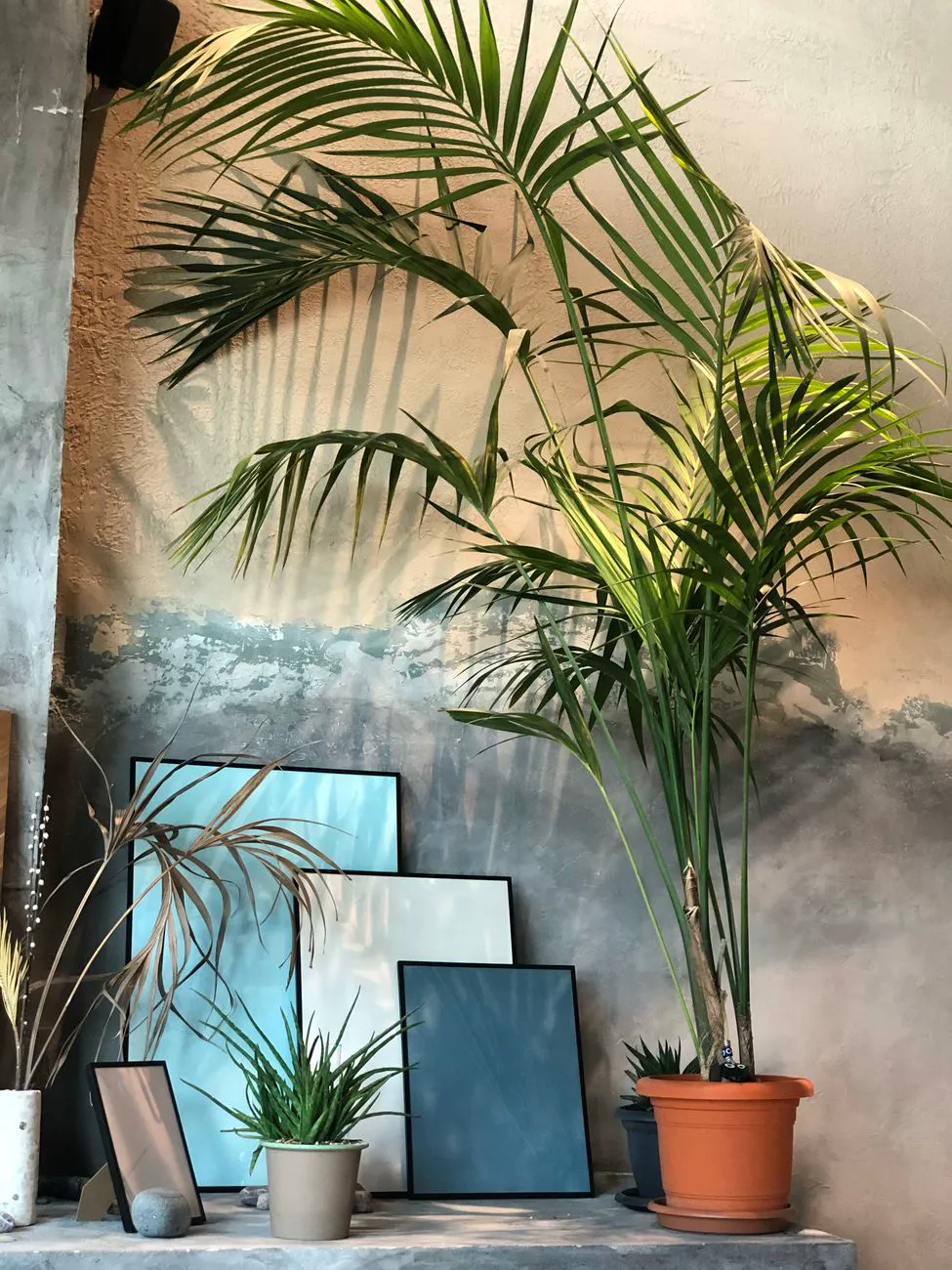
The kentia palm (Howea forsteriana) is the quintessential elegant indoor palm — tall, arching, and feathery, with a graceful Victorian-parlour charm that has made it a favourite for over a century. Native to a single tiny island off Australia, it’s prized for being remarkably tolerant of low light, dry indoor air, and general neglect. Slow-growing and long-lived, it’s one of the most forgiving large houseplants you can own. Here is the complete guide to kentia palm care.
Quick start: Give a kentia palm bright, indirect light (it also tolerates lower light), water when the topsoil dries, and avoid overwatering above all. Use well-draining soil, feed lightly in the growing season, and keep it away from cold draughts. Elegant, hardy, slow-growing, and — happily — non-toxic to pets.
The kentia palm is widely recommended for people who say they kill everything, because it genuinely tolerates lower light and a degree of neglect. The one consistent warning from growers is the same as for most palms: stop overwatering. Wait until the topsoil is dry, then water properly and let it drain. Brown frond tips usually point to dry air or salts in tap water rather than thirst. Given those basics, it grows slowly and elegantly for many years in a shaded corner.
🧰 In a hurry? Jump straight to our tested picks for this guide ↓
Kentia palm at a glance
| Feature | Detail |
|---|---|
| Botanical name | Howea forsteriana |
| Plant type | Evergreen palm, grown indoors |
| Light | Bright, indirect; tolerates lower light |
| Soil | Free-draining palm or houseplant mix |
| Water | When the top inch dries; never waterlogged |
| Temperature | 18–24°C; dislikes cold draughts |
| Toxicity | Non-toxic to cats and dogs |
| Growth | Slow; long-lived |
History, origin & how it became a classic
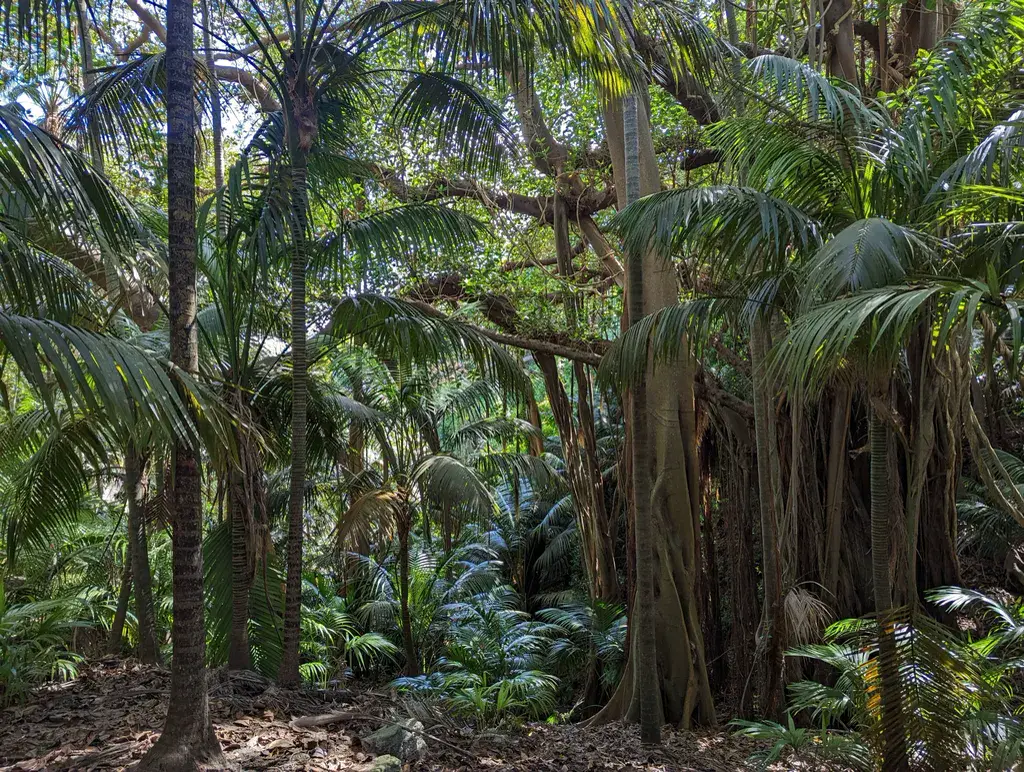
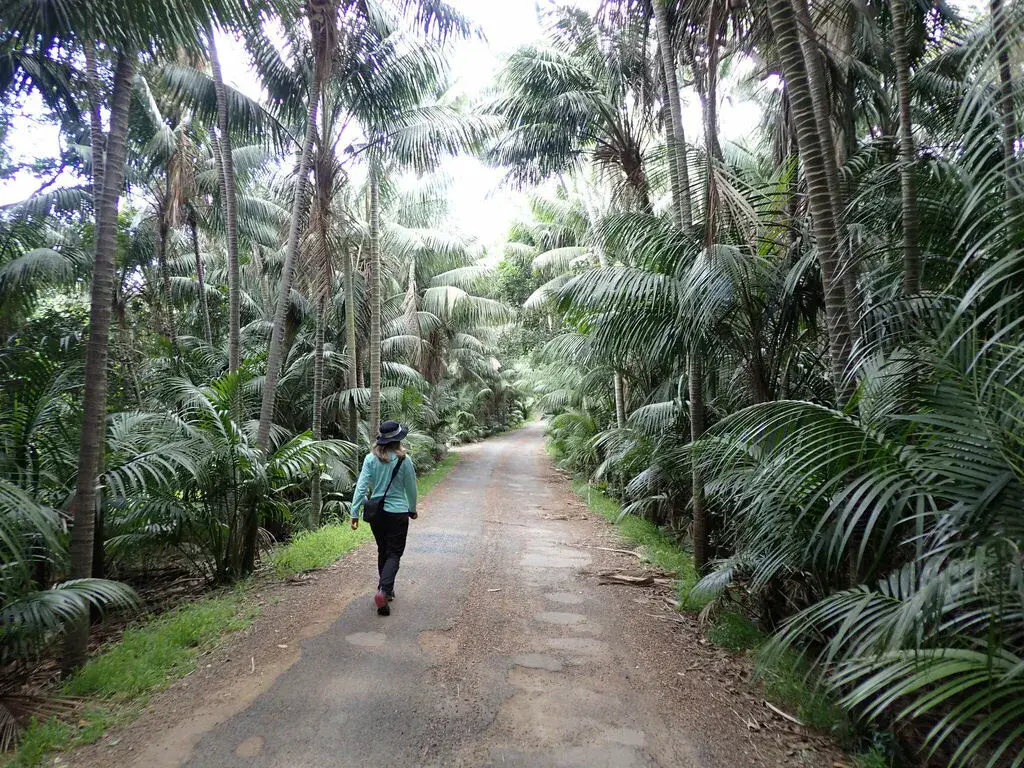
The kentia palm comes from a single, remarkable place: Lord Howe Island, a tiny speck of land in the Tasman Sea between Australia and New Zealand. It grows wild nowhere else on Earth (see Plants of the World Online, Kew).
It rose to fame in Victorian Britain. There, its tolerance of dim, draughty, gas-lit rooms made it the parlour palm of choice. Grand hotels, ocean liners and drawing rooms were filled with kentias. The plant became a lasting symbol of refined, comfortable living (see Encyclopaedia Britannica). To this day, the islanders run a careful seed-export industry. Almost every kentia palm sold worldwide is grown from Lord Howe Island seed.
It travelled the world purely as a houseplant rather than a crop. Today it is popular in Indian homes, hotels and offices, for the same reasons the Victorians loved it (see the Royal Horticultural Society). In India’s hot plains, keep it indoors in bright shade. A sheltered, shaded balcony also works, as long as it is out of scorching direct sun. The lesson from its mild-island home is clear. It likes steady warmth, gentle light and no extremes.
Why grow a kentia palm?
Kentia palms are elegant, hardy, and famously tolerant — they cope with lower light, dry air, and irregular care better than almost any other indoor palm. They bring a tall, graceful, tropical-yet-classic look to a room, are slow-growing and long-lived (so they hold their shape for years), and help filter indoor air. Best of all for many homes, they’re non-toxic to cats and dogs. For a forgiving, sophisticated statement palm, the kentia is unmatched.
Light
Kentia palms prefer bright, indirect light — a spot near a north- or east-facing window with filtered sun is ideal. They’re unusually tolerant of lower light, which is why they suit hallways and shaded corners, though growth slows and prolonged deep shade thins them out. Keep them out of harsh direct sun, which scorches the fronds. If light is very limited, a grow light helps (see how to use grow lights). For more options, see our low-light plants guide.
Watering
Overwatering is the number-one killer of kentia palms, so let the topsoil dry before watering — check with a finger, and only water when the top inch or so feels dry (see how often to water plants). Then water thoroughly and let all the excess drain away; never let the pot sit in standing water. Water roughly weekly in spring and summer, dropping to every two weeks or so in autumn and winter. Little and consistent beats heavy and frequent.
Humidity, temperature & soil
Kentia palms tolerate normal household humidity better than most palms, but they appreciate a little extra — occasional misting or a pebble tray keeps frond tips from browning (see humidity for houseplants). They like warm, stable temperatures (around 18–24°C) and dislike cold draughts and sudden chills. Use a free-draining potting mix (a quality houseplant or palm mix with extra grit/perlite) and a pot with good drainage (see best potting mix).
Feeding & grooming
Feed lightly with a balanced liquid fertilizer once a month in spring and summer — kentias are slow growers and don’t need heavy feeding (see how to fertilize houseplants). Don’t feed in winter. Trim off only completely brown, dead fronds at the base; avoid cutting green growth, as palms grow from a central point and won’t resprout from a cut frond. Wipe the leaves occasionally to remove dust and keep them breathing and glossy.
Propagation
Kentia palms are difficult to propagate at home — they grow only from seed (which is slow and needs warmth and patience), and they cannot be propagated from cuttings or division of a single stem. Commercially, several seedlings are often potted together to look fuller. For most growers, the practical approach is simply to buy an established plant and enjoy its slow, steady growth rather than attempt propagation.
Where to place a kentia palm
The kentia is a floor-standing statement plant, so where you put it shapes the whole room. Happily, it is far more flexible than most palms.
A bright corner with filtered light is ideal. But it will also hold its own in a shaded hallway or beside a north-facing window. Keep it clear of radiators, heating vents and cold draughty doorways, which dry and brown the fronds. Give the arching leaves a little space to spread. Crowding spoils the graceful shape that is the whole point of the plant. Its slow growth means it stays in proportion for years. That makes it a reliable choice for a spot you do not want to keep replanting. Turn the pot occasionally so it grows evenly towards the light.
Best season for growth & repotting
A kentia palm can live indoors all year. But it has a clear growing season worth following.
It does most of its slow growing in spring and summer. This is the time to feed it and to repot, though it likes being a little snug and rarely needs a bigger pot more than once every two or three years. In autumn and winter growth almost stops. Water much less then, and do not feed at all. In India, the warm months are the main growth window, while the plant simply ticks over in the mild winter.
Benefits & companion plants
The kentia brings height, calm and a classic look to a room. It also helps freshen indoor air, and it is one of the few large, elegant palms that is genuinely safe around cats and dogs: the ASPCA lists Howea forsteriana as non-toxic to cats and dogs. (Horses are not on that entry, so we do not make a claim there.)
It groups well with other easy-going foliage plants. Pair it with a majesty palm or areca palm for a layered, green-corner look. A low cast iron plant at its feet hides the bare lower stem and fills the pot base.
Common problems, pests & diseases
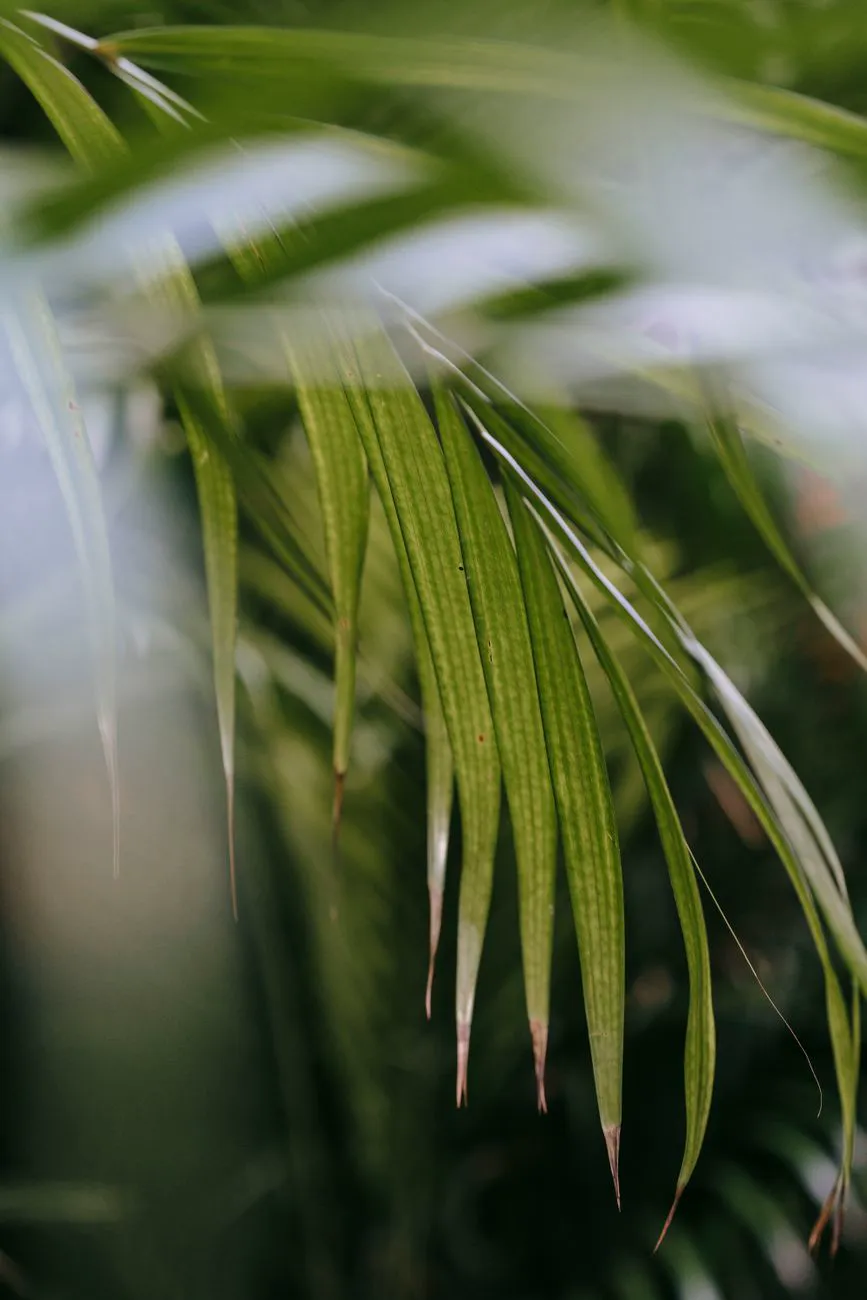
Yellowing or browning fronds
Often overwatering (yellow) or dry air/under-watering and salt build-up (brown tips). Adjust watering and raise humidity.
Brown frond tips
Low humidity or fluoride/salts in tap water. Mist occasionally and use filtered water if tips persist.
Slow or no growth
Natural — kentias are slow growers; very low light slows them further. Brighten the spot a little.
Pests
Spider mites and scale can appear in dry air; wipe fronds and treat early (see pest control).
Is the kentia palm pet-safe?
Yes — the kentia palm is non-toxic to cats and dogs, making it one of the best large, elegant houseplants for homes with pets. It’s a genuinely safe choice. For more pet-friendly greenery, see our best pet-safe houseplants guide.
Related plant guides
- Weeping Fig care
- Majesty Palm care
- Areca Palm care
- How to grow Fatsia Japonica
- Cast Iron Plant care
- Chinese Evergreen care
Frequently asked questions
Is the kentia palm easy to care for?
Yes — it’s one of the most forgiving indoor palms, tolerating lower light, dry air, and a bit of neglect; just avoid overwatering.
Can a kentia palm survive in low light?
It tolerates lower light better than most palms, which is why it suits shaded corners — though it grows fastest in bright, indirect light.
Why are my kentia palm's frond tips going brown?
Usually dry air, under-watering, or salts in tap water. Raise humidity, water consistently, and try filtered water.
Is the kentia palm safe for cats and dogs?
Yes — it’s non-toxic to pets, one of the reasons it’s such a popular family houseplant.
How often should I water a kentia palm?
Water when the top inch or two of soil has dried out, then water thoroughly and let the excess drain away. Kentia palms are far more sensitive to overwatering than to drought, so a pot left sitting in water is the fastest way to harm one. In practice that often means roughly weekly in summer and noticeably less in winter, but always check the soil rather than following a fixed schedule. Never let the roots stand in a saucer of water.
Why is my kentia palm turning yellow?
Yellowing fronds most often point to overwatering and soggy roots, which is the classic kentia mistake. Let the soil dry further between waterings and confirm the pot drains freely before doing anything else. If only the oldest, lowest fronds slowly yellow and die back while the rest look healthy, that is normal ageing and nothing to worry about. Poor light or a lack of feeding during the growing season can also drain the colour.
How fast does a kentia palm grow?
Slowly, and this is worth knowing before you buy one. A kentia palm typically adds only a frond or two a year indoors, which is part of why large specimens are expensive. Patience is essential, and pushing it with heavy feeding will not speed things up meaningfully. The upside of that slow pace is that a well-placed kentia holds its shape and size for years with very little intervention.
Does a kentia palm need repotting often?
No — kentia palms dislike having their roots disturbed and are happy staying a little snug, so repot only every few years when roots fill the pot. When you do, move up just one pot size and take care not to break up the root ball more than necessary. Frequent or rough repotting sets the plant back and can cause a spell of browning. Top-dressing with fresh compost is a gentler yearly alternative.
Does a kentia palm need high humidity or misting?
A kentia tolerates ordinary household humidity better than many palms, which is a big part of its easy-going reputation. That said, very dry air, particularly from winter heating, can brown the frond tips, so moderate humidity keeps it looking its best. Occasional misting does little harm but achieves little, whereas grouping it with other plants or a nearby humidifier works better. Keeping it away from radiators and hot air vents matters more than misting.
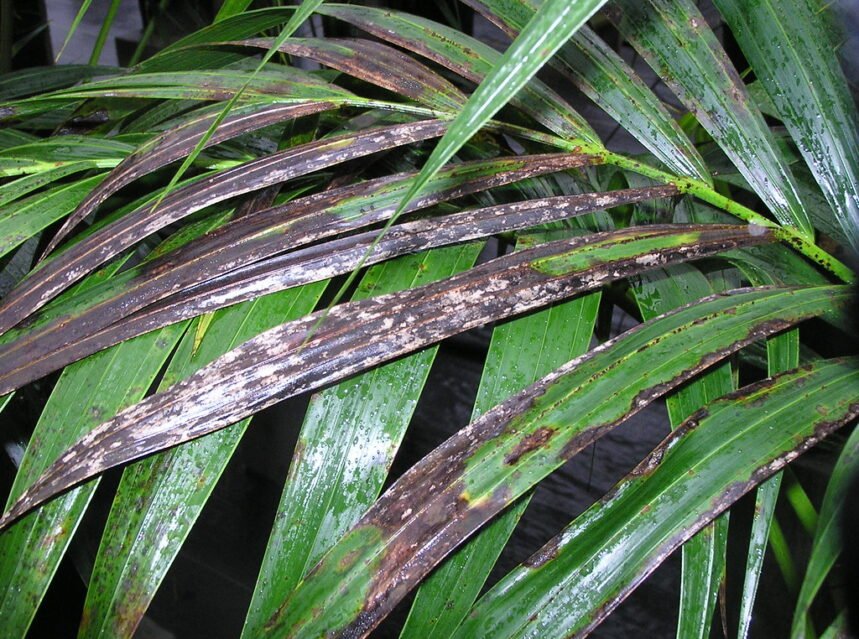
Why does my kentia palm have brown spots on its leaves?
Brown spots usually trace back to overwatering and fungal leaf spot in soggy conditions, or to sunburn if the palm has been moved into harsh direct sun. Check your watering first, improve airflow, and shift the plant to bright indirect light rather than a scorching window. Salt and fluoride build-up from tap water can also mark the foliage, so filtered or rainwater helps sensitive plants. Trim badly disfigured fronds once you have fixed the cause.
How much light does a kentia palm need?
Bright, indirect light suits it best and produces the fullest growth, but a kentia tolerates lower light better than almost any other indoor palm, which is why it thrives in shaded corners and lobbies. Avoid harsh direct midday sun, which can scorch the fronds, especially through glass. If a plant in a dim spot grows thin and sparse, edging it closer to a window usually helps. Rotate it now and then so it grows evenly.
Still stuck? Ask the Plant Doctor
Describe the problem — yellow leaves, holes, no flowers — and get a clear answer in seconds. FreeAI can make mistakes. Answers are guidance, not a guarantee — check anything important against the guide it links to, and always read the label on any product before you use it.