Rust on Plants
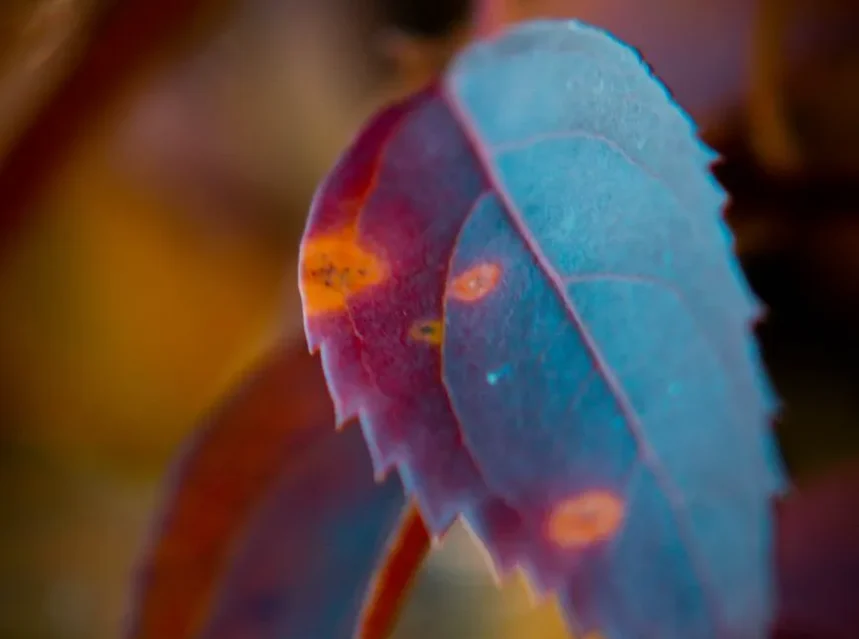
Rust is a common fungal disease that shows up as orange, yellow or brown powdery spots, usually on the undersides of leaves, weakening the plant and spreading fast in warm, damp weather.
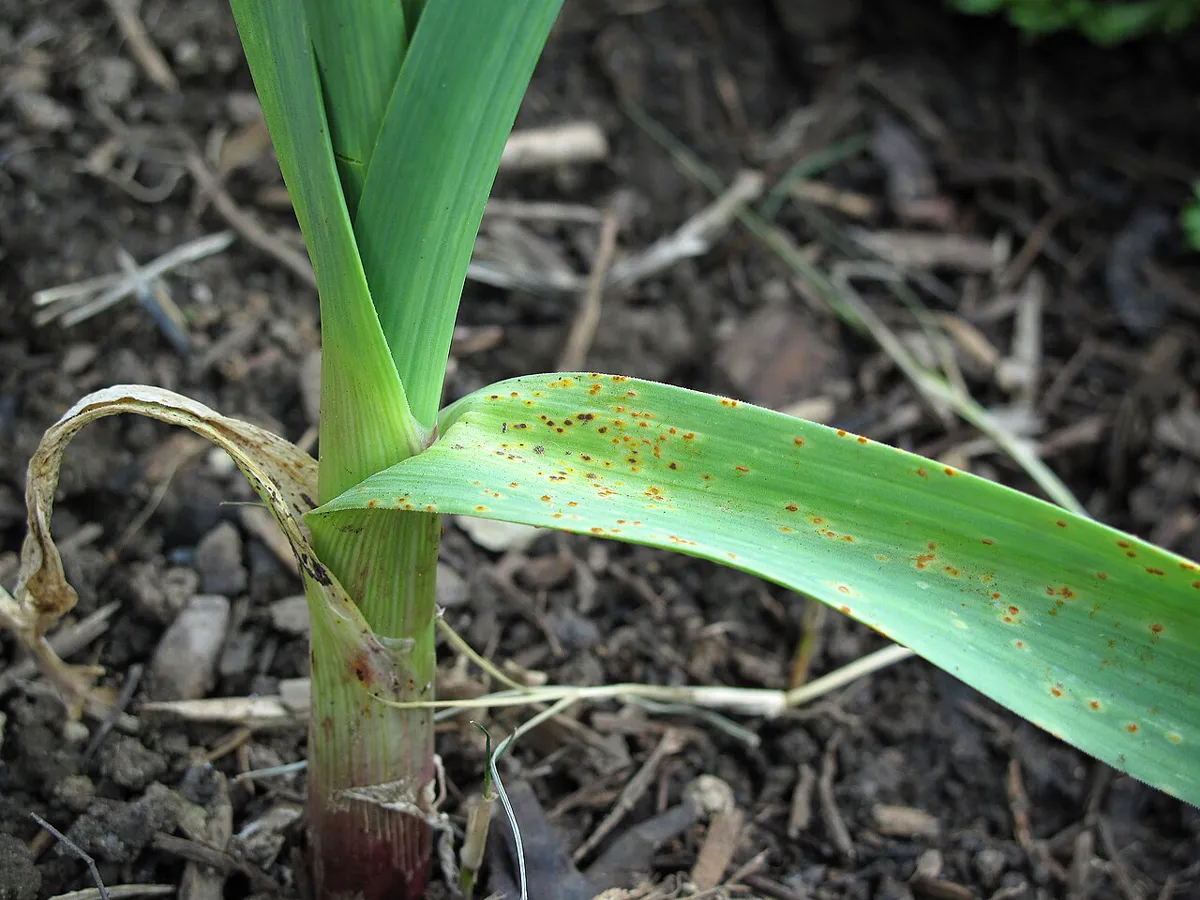
Rust is one of those problems you often notice from above first: leaves looking dull, yellow-flecked or blotchy. Turn them over and the cause is clear, raised pustules of rusty-coloured spores ready to spread on the wind and on splashing water.
Catch it early and rust is very manageable. Let it run and it can defoliate roses, hollyhocks, beans and many other plants. This guide shows how to recognise rust, treat it properly, and stop it returning.
Quick fix: Remove and bin (never compost) affected leaves, improve airflow by spacing and pruning, stop wetting the foliage, and spray with neem or a suitable fungicide. Clear up fallen leaves and repeat treatment to protect new growth.
Rust is among the most widely reported leaf diseases by growers of roses, hollyhocks, beans and many ornamentals, and the consistent lesson is that airflow and dry foliage matter as much as any spray — rust thrives where leaves stay wet and crowded.
🧰 In a hurry? Jump straight to our tested picks for this guide ↓
Rust at a glance
| Question | Answer |
|---|---|
| What it is | A fungal disease (many rust species) |
| Where to look | Undersides of leaves, stems |
| Tell-tale sign | Orange/yellow/brown powdery pustules |
| Worst conditions | Warm, damp, humid, crowded plantings |
| Spreads by | Wind and water splash (spores) |
| Best response | Remove leaves + airflow + neem/fungicide |
| Key prevention | Dry foliage, spacing, garden hygiene |
What is rust?
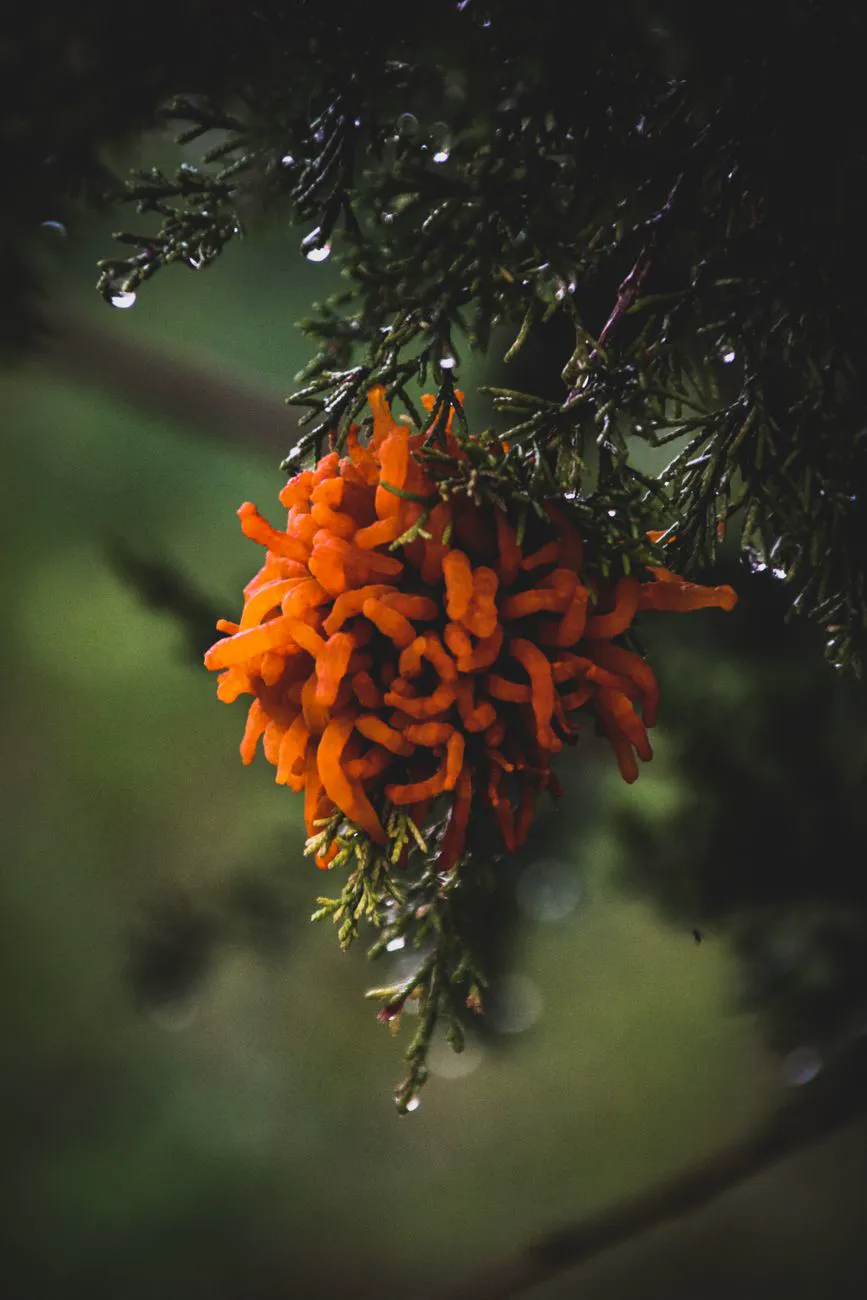
Rust is a group of fungal diseases, with many species each tending to attack particular plants. They feed on living plant tissue and produce masses of powdery spores in raised pustules, most often on the undersides of leaves. As they spread, leaves yellow, brown and drop, which weakens the plant and reduces flowering or cropping.
The key thing to understand is that rust thrives in warm, humid, still conditions and spreads explosively by spores carried on wind and splashing water. That is why crowded plantings with damp leaves are the classic trigger, and why airflow and dry foliage are central to control.
How to identify rust
- Powdery pustules — orange, yellow, brown or even white raised spots, mostly on leaf undersides.
- Matching pale or yellow blotches on the upper leaf surface.
- Leaves yellowing, browning, curling and dropping early.
- A dusty rust-coloured residue that rubs off onto your fingers.
What causes rust
Rust takes hold in warm, damp, humid weather, especially where plants are crowded and air is still. Overhead watering that leaves foliage wet, splashing rain, and poor spacing all encourage it. Soft, overfed growth and stressed plants are more vulnerable, and spores overwinter on fallen leaves and debris to start the cycle again.
In India rust flares in warm, humid spells and around the monsoon, when leaves stay wet for long periods. Beans, roses, hollyhocks and many vegetables and ornamentals are common targets, and terrace or balcony plants packed closely together are especially at risk.
How to get rid of rust on plants (step by step)
Step 1 — Remove affected leaves
Pick off and bin (do not compost) all visibly rusted leaves and any that have dropped. This removes a huge number of spores and slows the spread immediately.
Step 2 — Improve airflow
Thin out crowded growth, space plants properly, and prune to open up the plant. Drier, better-ventilated leaves are far less hospitable to rust.
Step 3 — Keep foliage dry
Water at the base of the plant, not over the leaves, and ideally in the morning so any splashes dry quickly. Wet leaves are exactly what rust needs to spread.
Step 4 — Treat
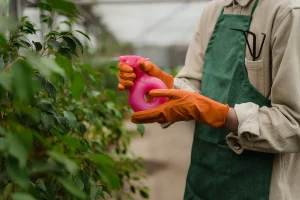
Spray remaining growth, including leaf undersides, with one of these:
- Neem oil — a diluted neem oil spray helps check fungal spread organically.
- A suitable fungicide — sulphur-based or a recommended rose/vegetable fungicide for stubborn cases, used as directed.
Step 5 — Repeat and protect new growth
Rust spores keep arriving, so re-treat as directed and keep removing affected leaves. Protecting clean new growth is what eventually breaks the cycle.
? Rust-control kit: a bottle of neem oil, a garden fungicide, and clean pruning shears for thinning growth.
How to prevent rust
- Space plants well and prune for airflow so leaves dry quickly.
- Water at the base, in the morning, never over the foliage.
- Clear away fallen leaves and debris, where spores overwinter, and practise good garden hygiene.
- Choose rust-resistant varieties of roses, hollyhocks, beans and other prone plants where available.
- Avoid overfeeding with nitrogen, which produces soft, susceptible growth; for a broader routine see our organic pest control guide.
Which plants does rust attack most?
Rust is very common but each rust species is usually fussy about its host. Among ornamentals, roses and hollyhocks are classic sufferers, along with chrysanthemums, fuchsias and snapdragons. Among edibles, beans, garlic, leeks and many vegetables can be hit.
The common thread is warm, damp, crowded conditions. A plant packed tightly among others, watered over the leaves, in humid weather, is the perfect host. So spacing, base-watering and airflow protect the most vulnerable plants more than anything else.
Knowing which of your plants are prone lets you watch them closely. Check the undersides of rose, bean and hollyhock leaves regularly in warm, damp spells. A few spotted leaves removed early are far easier to deal with than a fully rusted, defoliating plant.
Why rust keeps coming back
The main reason rust returns is that its spores are everywhere and overwinter on fallen leaves and debris. Leave infected material lying around and you simply re-seed the disease onto fresh spring growth. Good clean-up is therefore as important as any spray.
Conditions matter just as much. Because rust needs warm, damp, still air and wet leaves, a crowded bed watered from above will keep getting rust no matter how often you treat it. Opening up the planting, watering at the base and improving airflow change the environment so spores cannot get a foothold.
Persistence and hygiene win in the end. Keep removing affected leaves, clear debris each season, choose resistant varieties, and treat as needed. University extension programmes and the Royal Horticultural Society all stress that cultural control, airflow, dry foliage and hygiene, is the backbone of beating rust, with sprays as support rather than a stand-alone cure.
Rust in Indian gardens
In India rust is most troublesome in the warm, humid run-up to and during the monsoon, when leaves stay wet for hours at a time. Beans, roses, hollyhocks and several vegetables are frequent victims, and closely packed terrace and balcony plants are especially exposed.
The practical answer is to manage moisture and spacing. Water pots at the base in the morning, leave room between plants for air to move, and avoid crowding troughs and beds. These simple habits make a real difference through the humid months.
Fold rust checks into your wider organic pest control routine, and on a balcony or terrace stay alert after monsoon showers. Neem oil helps slow several leaf fungi at once, and prompt removal of spotted leaves keeps small outbreaks from taking over.
Rust versus other leaf problems
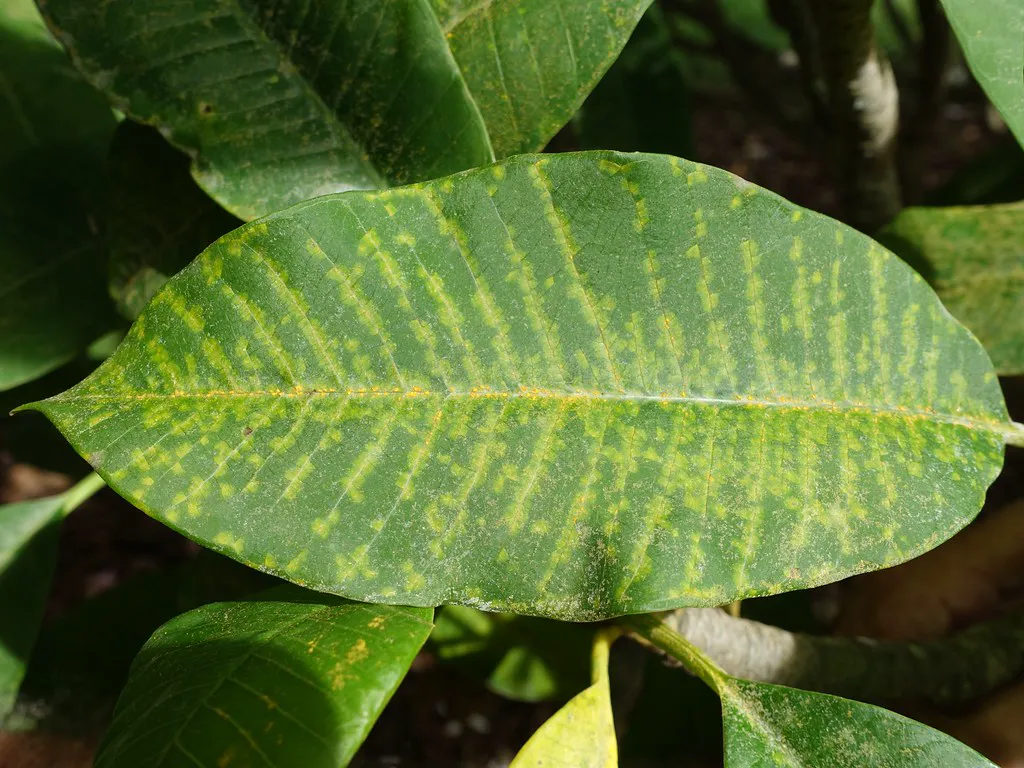
It helps to tell rust apart from the other common leaf troubles, because the fixes overlap but are not identical. Rust shows as raised, powdery pustules in orange, brown or yellow, mostly on the leaf undersides, with a dusty residue that rubs off. That powdery, coloured dust is its signature.
By contrast, powdery mildew appears as a white or grey floury coating on the upper leaf surface, while leaf spot diseases make flat, dark, often ringed blotches rather than raised pustules. Sooty mould is a black film sitting on sticky honeydew left by insects, not a rust at all. The good news is that the cultural cure is broadly the same across these fungal issues: remove affected leaves, open up the planting for airflow, water at the base rather than over the foliage, and keep the garden clean of fallen debris. Identifying which problem you have simply helps you choose the most effective spray and the most prone plants to watch.
Frequently asked questions
How do I know it's rust and not another disease?
Look under the leaves for raised orange, yellow or brown powdery pustules that rub off, with pale blotches on the upper surface — that powdery, rusty dust is the giveaway.
Will rust kill my plant?
Not usually overnight, but heavy rust weakens plants, causes early leaf drop, and reduces flowering or cropping, so it is worth tackling promptly.
Can I compost rusted leaves?
No — bin or burn them instead, as home compost rarely gets hot enough to kill the spores, which would just spread the disease again.
Does neem oil work on rust?
Neem helps check fungal spread and protect new growth, but it works best alongside removing affected leaves, improving airflow and keeping foliage dry.
How do I stop rust coming back every year?
Clear fallen leaves and debris, space and prune for airflow, water at the base, choose resistant varieties, and treat early — hygiene matters as much as spraying.
Is plant rust harmful to humans?
Rust fungi do not infect people, and they do not produce toxins that harm us. You can still eat crops from an affected plant. Wash leafy greens well and discard badly spotted leaves for the sake of taste and texture. On beans, the rust sits on the foliage rather than the pods you pick. The bigger cost is to the plant itself: heavily infected leaves photosynthesise poorly, so yields drop. This is general information, not medical advice.
What causes rust to appear on plants?
Rust needs three things: spores, a susceptible host and a long spell of leaf wetness. Spores travel on wind, rain splash, tools and hands, then germinate when leaves stay damp for several hours at mild temperatures. That is why outbreaks spike in humid, muggy weather, during the Indian monsoon and in crowded beds with poor airflow. Overhead watering late in the day, dense planting and leftover infected debris from last season all make an outbreak far more likely.
Does rust spread from one plant species to another?
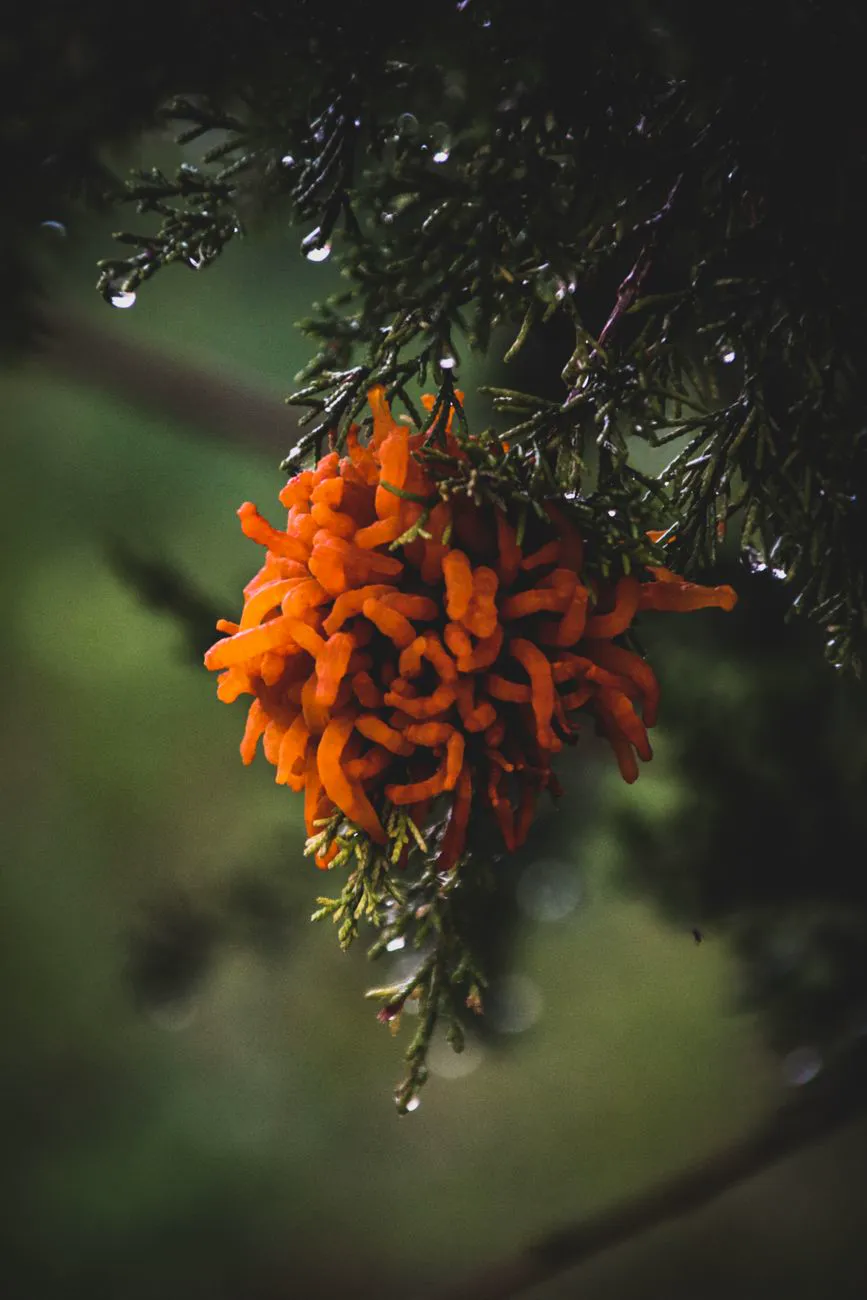
Mostly no. Most rust fungi are host-specific, so rust on your roses will not jump to your beans, and hollyhock rust will not infect snapdragons. It does spread very fast between plants of the same type, which is why one infected rose can take a whole bed with it. Some rusts do have two hosts and alternate between them, such as cedar-apple rust. Even so, treat each affected group separately and clean tools between plants.
Does a baking soda spray work on rust?
It helps a little, mainly as protection rather than a cure. A common mix is one tablespoon of baking soda plus half a teaspoon of mild liquid soap in about four litres of water, sprayed on dry, cool days. It raises the leaf surface pH and makes conditions less friendly to germinating spores. It will not clear pustules that are already established. Sulphur-based products give stronger control, and removing infected leaves is still the most reliable step.
Will rust go away on its own?
Rarely. Individual spotted leaves never recover, because the damage is permanent, and the pustules keep releasing spores until the leaf is removed. What does happen is that the outbreak slows when weather turns dry and airy, then returns with the next humid spell. So act rather than wait: strip the worst leaves, bin them, thin crowded growth, water at soil level and apply a protectant to healthy new foliage before the next wet stretch.
Which plants get rust most often?
Roses, hollyhocks, snapdragons, chrysanthemums, geraniums, mint, garlic, leeks, onions, beans and wheat are among the classic targets, and lawn grasses get their own rust in late summer. Fruit growers see it on plums and, in some regions, on apples via cedar-apple rust. If a plant in your garden gets rust every year, the practical fix is to swap in a resistant variety, move the planting spot and give the replacement much more space and light.
See also: why your mint leaves are turning yellow.
Sources and further reading
Still stuck? Ask the Plant Doctor
Describe the problem — yellow leaves, holes, no flowers — and get a clear answer in seconds. FreeAI can make mistakes. Answers are guidance, not a guarantee — check anything important against the guide it links to, and always read the label on any product before you use it.