Staghorn Fern Care Guide
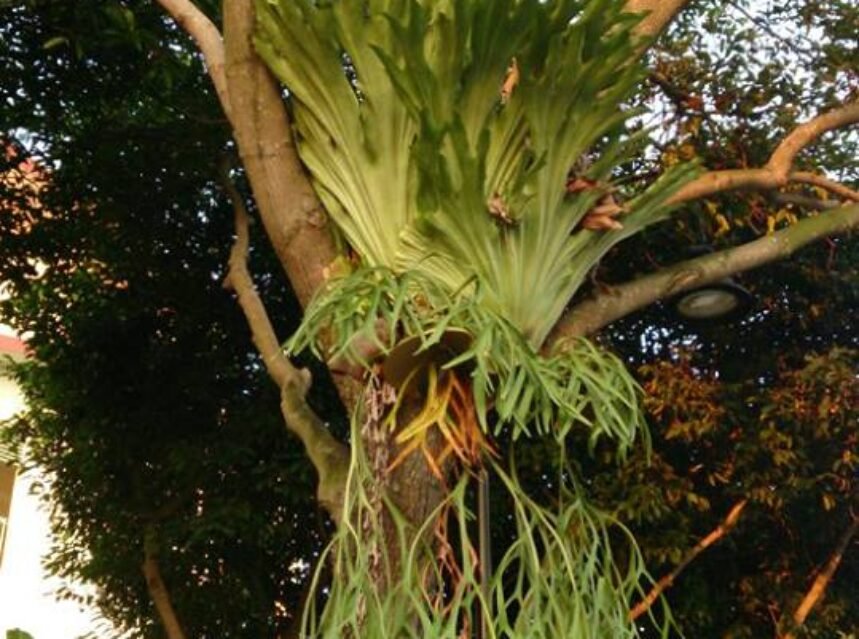
The staghorn fern is a dramatic epiphytic fern grown for its large, antler-shaped fronds, often mounted on a board.
The staghorn fern is the living sculpture of the plant world. Its large, antler-shaped fronds give it its name, and it is most famous for being mounted on a wooden board and hung on the wall like art. It is an epiphyte that grows on trees in the wild, so it has unusual needs — but once you understand them, it is a striking, surprisingly tough, pet-safe plant.
The two things people get wrong are the watering (it needs soaking, not sprinkling) and panicking over a browning frond that is meant to brown. This guide sorts both out. Here is complete staghorn fern care.
Quick start: Give your staghorn fern bright, indirect light. Water by soaking the root ball weekly, then letting it drain fully. Give it warmth and humidity, and mount it on a board for the classic display.
The staghorn fern grows as an epiphyte, perching on bark rather than rooting in soil, which is why growers so often mount it on a board. It has two kinds of frond, the antler-shaped fertile ones and the flat shield fronds that should never be removed, even when they brown, as they protect the root ball. It is watered by soaking the mount and letting it drain, and rots if kept constantly wet.
🧰 In a hurry? Jump straight to our tested picks for this guide ↓
Staghorn fern at a glance
| Feature | Detail |
|---|---|
| Botanical name | Platycerium species (family Polypodiaceae) |
| Plant type | Epiphytic fern |
| Light | Bright, indirect |
| Grown on | A board, basket or bark (not soil) |
| Water | Soak when dry; loves humidity |
| Note | Pet-safe; do not touch the shield fronds |
Why grow a staghorn fern?
The staghorn fern (Platycerium, commonly P. bifurcatum) is a dramatic, unique houseplant that doubles as wall art when mounted. It is pet-safe, long-lived, and grows larger and more impressive each year. For anyone who wants a conversation-piece plant that breaks away from the usual potted look, the staghorn is unforgettable.
Understanding its two kinds of fronds (this is the key)
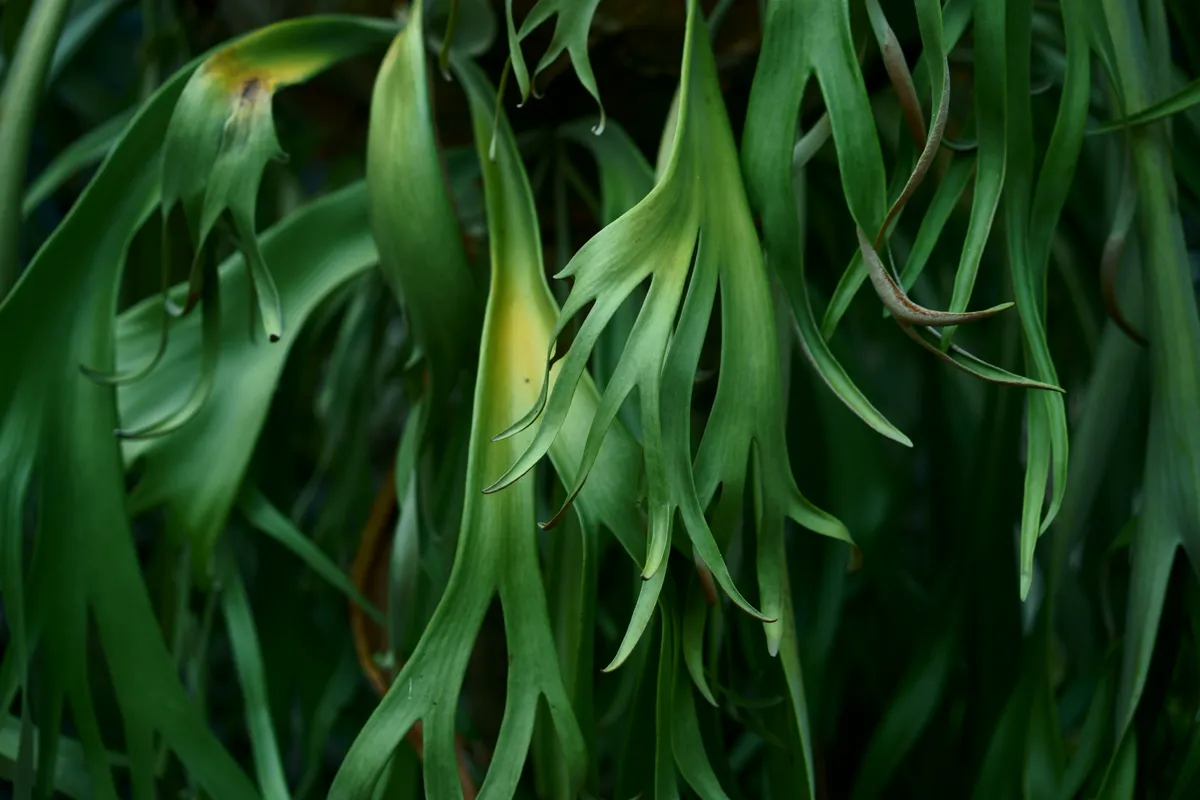
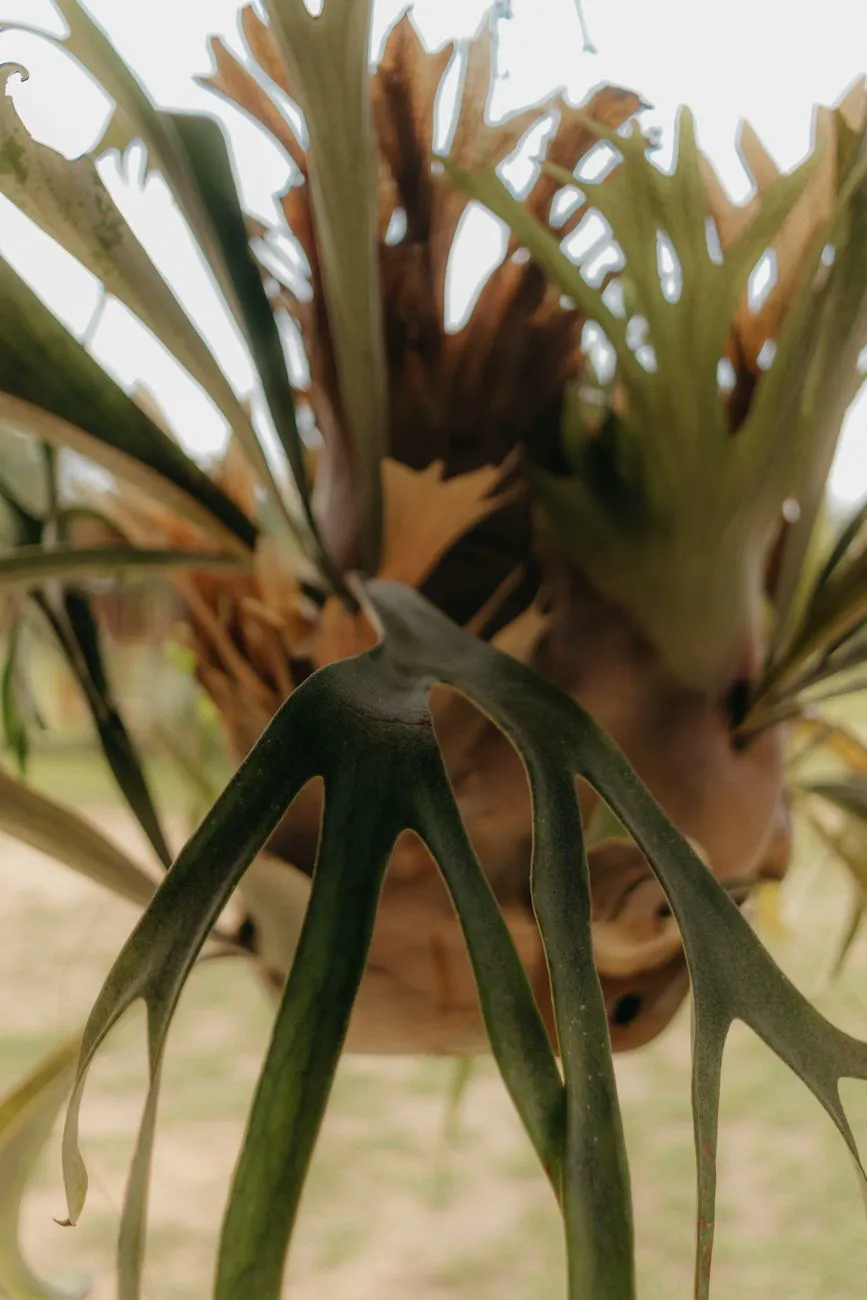
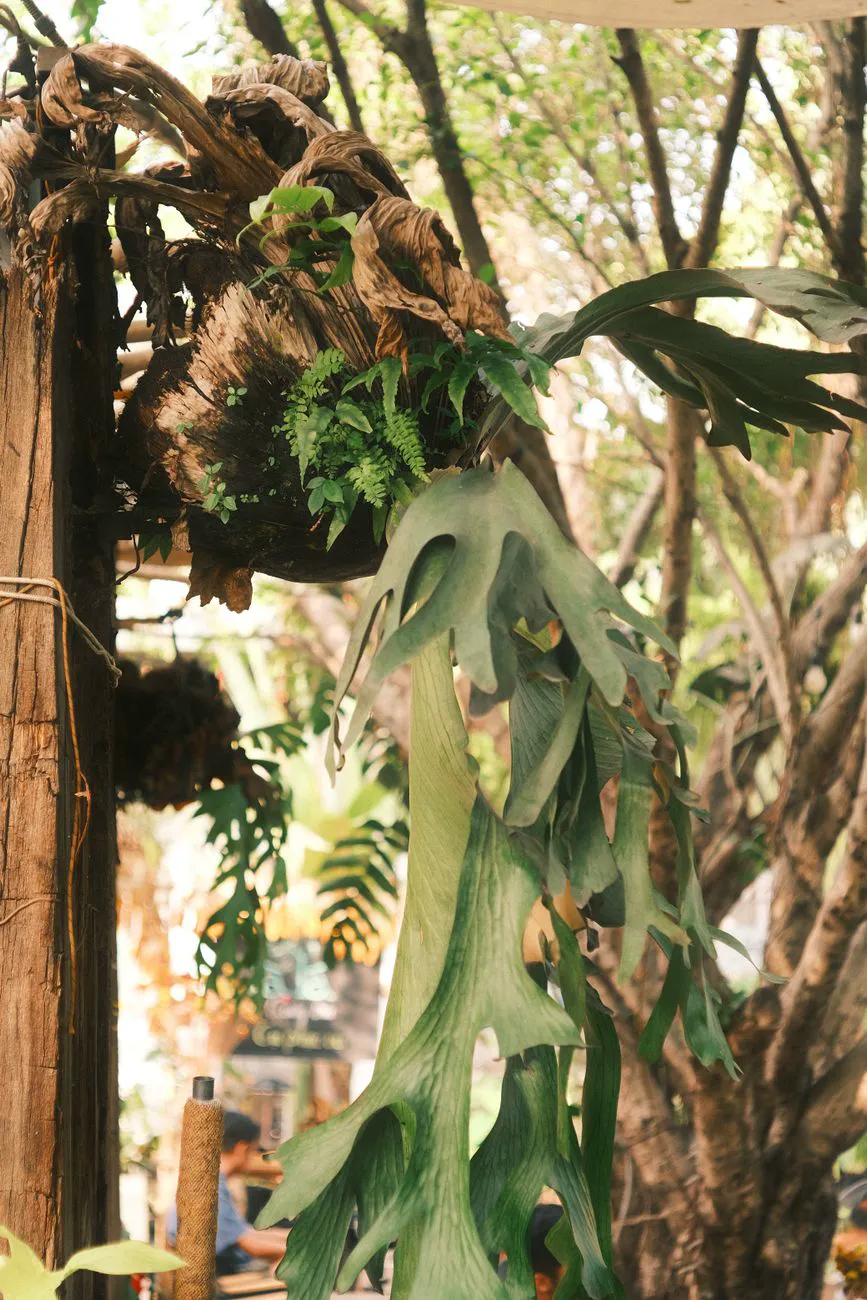
The staghorn grows two frond types, and knowing them prevents the most common mistake. The flat, round shield (or basal) fronds press against the mount, anchor the plant, and collect water and nutrients; they naturally turn brown and papery as they age — and that is completely normal. The antler-like fertile fronds stick out and are the showy part. So never remove a brown shield frond — it protects the roots and feeds the plant. A browning shield is not a sign of death; only rotting antler fronds are.
Where the staghorn fern grows best (origin and climate)
Staghorn ferns are native to the tropical forests of Southeast Asia, Australia, Africa, and South America, where they grow as epiphytes high on tree trunks and branches — not in soil — gathering water and debris from rain and the air. This is why they are mounted on boards indoors, and why their roots need air, moisture, and excellent drainage rather than dense, soggy soil. India’s humidity suits them well.
Light
The staghorn fern wants bright, indirect light — a brightly lit room or a spot near (not in) a sunny window. Good light keeps the antler fronds firm and full. Too little light gives weak, floppy growth, while harsh direct sun scorches the fronds. If wall-mounted, choose a bright wall that gets plenty of ambient daylight.
Watering (the soak method)
Forget sprinkling — staghorns are watered by soaking. Take the mounted plant down and submerge the root ball (the moss and roots behind the shield fronds) in a tub of room-temperature water for 10–20 minutes, then let it drip-dry before rehanging. Do this roughly every 1–3 weeks, more in warm dry weather and less in winter, letting it approach dryness between soaks — constant wetness rots the base. Misting the fronds adds humidity but does not replace a proper soak.
How to mount a staghorn fern
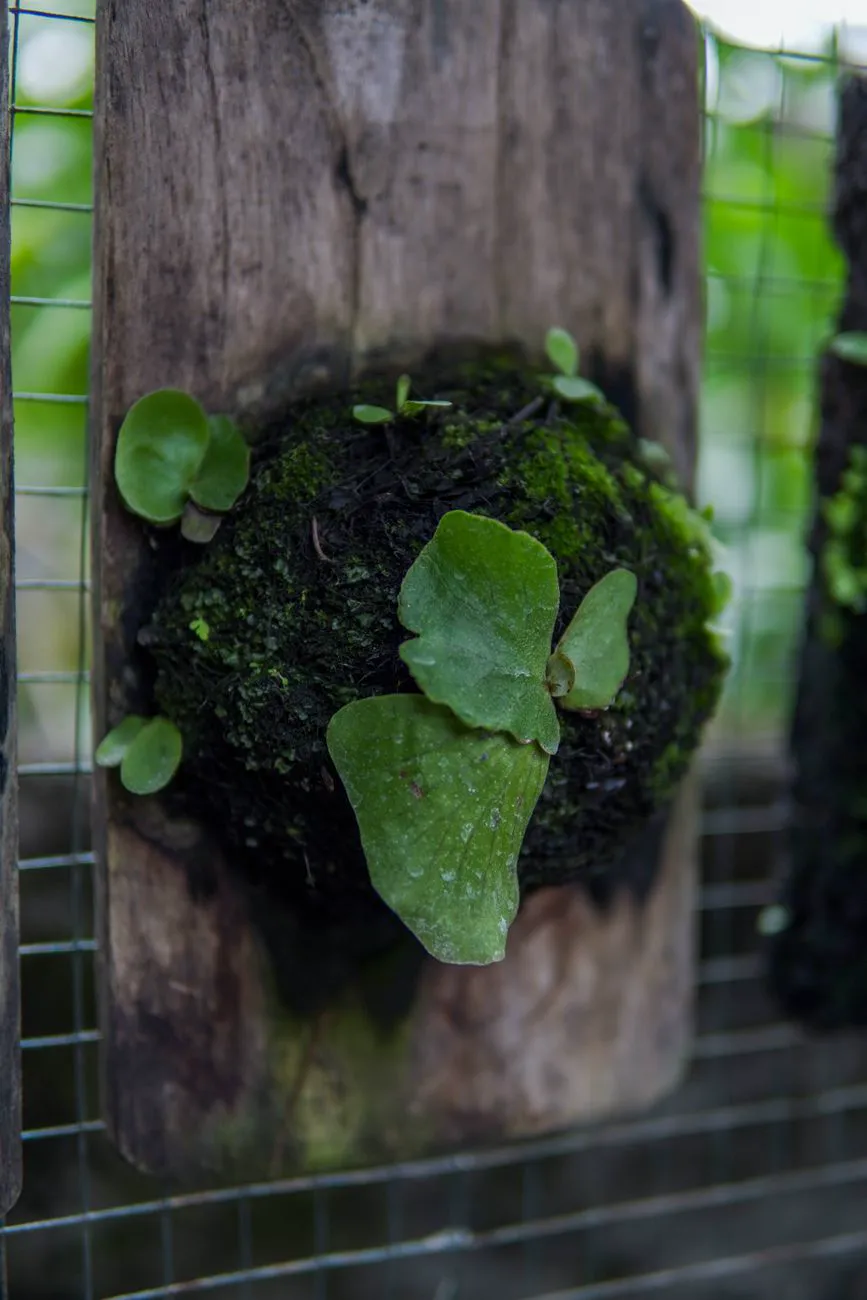
Mounting is easier than it looks. Mound a couple of handfuls of sphagnum moss (or compost) onto a wooden board or plaque, press the plant’s root ball and basal fronds into it, then secure it by wrapping over the basal area with wire, mesh, or clear fishing line until firm. You can also grow it in a hanging basket of bark and moss. For substrate notes see our best potting mix for houseplants guide (the epiphyte section).
👉 For a wall display: a wooden mounting board, a bag of sphagnum moss, and some fishing line or plant wire are all you need to mount a staghorn.
Feeding & propagation
Feed monthly in the growing season with a diluted balanced fertiliser (see fertilizing houseplants); some growers tuck a banana peel behind the shield fronds as a slow feed. Propagate by pups (offsets): once a pup at the base has its own shield and antler fronds, cut it away with some root and moss and mount it on its own board. Spore propagation is possible but slow and tricky. See our houseplant propagation guide.
Common problems & pests
Blackening, mushy base of antler fronds
Overwatering and rot from staying too wet. Let it dry more fully between soaks and improve airflow.
Wilting, greyish fronds
Underwatering. Soak the root ball and water a little more often.
Browning shield (round, flat) fronds
Normal — these naturally brown and harden with age. Leave them in place; they feed and protect the plant.
Pests
Watch for scale and mealybugs. Treat gently as in our organic pest control guide; avoid oily sprays that clog the fuzzy fronds.
Benefits & pet safety
The staghorn fern is a living sculpture, pet-safe (non-toxic to cats and dogs), and a true conversation piece mounted on the wall. It grows more impressive over the years and works as living art.
For another pet-safe, easy-care fern in a pot, try a bird’s nest fern or a classic Boston fern.
History, origin & what it is
Staghorn ferns are native to tropical Asia, Africa, Australia and South America (see Encyclopaedia Britannica). They grow on tree trunks, not in the ground.
Their antler-shaped fronds made them dramatic, sculptural houseplants (see the RHS). Because they are epiphytes, they are often mounted on a board to hang on a wall. They want bright, filtered light and humidity.
Two kinds of fronds
A staghorn fern has two very different fronds. The flat, round “shield” fronds clasp the mount and turn brown, which is normal. Do not pull these off, as they protect the roots.
The antler-shaped fronds are the showy ones that catch the eye. Avoid touching or wiping these, as it can damage their fine coating. Understanding the two frond types is the key to the plant.
Watering a mounted fern
Since it grows on a board, you water it by soaking (see how often to water plants). Dunk the whole mount in water when it feels light and dry. Let it drain before hanging it back up.
It loves humidity, so mist it between soakings. A bright bathroom suits it well. Let it dry out a little before the next soak.
Care & common problems
Black, mushy bases mean overwatering, so soak less often. Wilting, papery antler fronds mean it is too dry. Brown shield fronds are normal and should be left alone.
Give it bright, indirect light, never harsh sun. It is slow-growing and rarely needs much fuss. Happily, the staghorn fern is pet-safe: the ASPCA lists Platycerium bifurcatum as non-toxic to dogs, cats and horses.
Why grow a staghorn fern
The staghorn fern is one of the most striking and unusual houseplants. Mounted on a board, it becomes living wall art with its bold antler fronds. It is an epiphyte, so it needs no pot or soil, just soaking and humidity. It is slow, long-lived and pet-safe. For a dramatic, sculptural plant unlike any other, the staghorn fern is unforgettable.
Related plant guides
- Orchid care
- String of Pearls care
- Birds Nest Fern care
- Maidenhair Fern care
- Air Plants Care Guide
- Bromeliad care
Frequently asked questions
Why is the flat round frond turning brown — is my staghorn dying?
No. The flat shield fronds naturally brown and harden with age. Leave them on; they protect the roots and collect nutrients. Only worry if the antler fronds blacken and rot.
How do I water a mounted staghorn fern?
Soak the root ball in room-temperature water for 10–20 minutes, then let it drain and dry out before the next soak — about every 1–3 weeks depending on warmth and humidity.
Can I really hang it on the wall?
Yes — staghorns are epiphytes and are classically mounted on a moss-padded board and hung like living art.
Is the staghorn fern safe for pets?
Yes — it is non-toxic and pet-safe for cats and dogs.
How do I propagate a staghorn fern?
By dividing pups — once an offset at the base has its own fronds, cut it away with some root and moss and mount it on its own board.
Should I mist instead of soaking?
Misting adds humidity but does not replace a proper soak. The root ball behind the shield fronds needs to be soaked to take up water.
How often should you water a staghorn fern?
Roughly once a week in warm growing weather and every two to three weeks in winter, but let the mount or root ball tell you rather than the calendar. Soak thoroughly, let it drain, and wait until the moss feels dry and the mount is noticeably light before soaking again. In a hot Indian summer or a dry centrally heated room the fern may want water twice a week; in a cool damp winter, far less.
How much light does a staghorn fern need?
Bright, indirect light is ideal — think of the dappled shade it gets growing on a tree trunk in the wild. An east-facing window, or a spot a metre or two back from a bright south or west window, suits it well. Too little light produces limp, pale fronds and slow growth; harsh direct midday sun scorches pale patches into the fronds. A little gentle morning sun is fine and often improves colour.
What fertiliser should I use, and do banana peels work?
A balanced liquid feed such as 10-10-10 or 20-20-20, diluted to a quarter or half strength, applied monthly through spring and summer is all a staghorn needs. Stop or reduce feeding in winter. The old trick of tucking a banana peel behind the shield frond does slowly release potassium as it breaks down, and works reasonably outdoors — but indoors it invites fruit flies and odour, so a diluted liquid feed is the sensible choice.
Why does my staghorn fern have brown, crispy frond tips?
Crispy tips usually mean the air is too dry or the plant went too long between soakings. Check the root ball first: if it is bone dry, you are under-watering, so soak more often. If it is still moist but the tips are browning, dry air is the culprit — group plants together, use a pebble tray, or move it to a more humid room such as a bathroom with good light. Brown, papery shield fronds at the base, by contrast, are completely normal ageing.
Can a staghorn fern grow in a pot instead of mounted?
Yes. Mounting looks spectacular and suits the plant’s epiphytic nature, but a pot works perfectly well if the mix drains fast and stays airy. Use a coarse blend of orchid bark, sphagnum moss, coco chips, and a little perlite — never ordinary potting soil, which stays wet and rots the crown. Hanging baskets are a good compromise, giving the roots air while being easier to water than a wall mount.
What temperatures can a staghorn fern tolerate?
They are happiest between about 15-27C (60-80F) and are not frost hardy. Below roughly 10C growth stalls and cold damage sets in, so a fern summering outdoors should come back inside well before night temperatures drop. In most of India a staghorn can live outdoors year-round in shade, though it needs protection from the fiercest pre-monsoon heat and dry winds.
Still stuck? Ask the Plant Doctor
Describe the problem — yellow leaves, holes, no flowers — and get a clear answer in seconds. FreeAI can make mistakes. Answers are guidance, not a guarantee — check anything important against the guide it links to, and always read the label on any product before you use it.