Best Anise Seeds
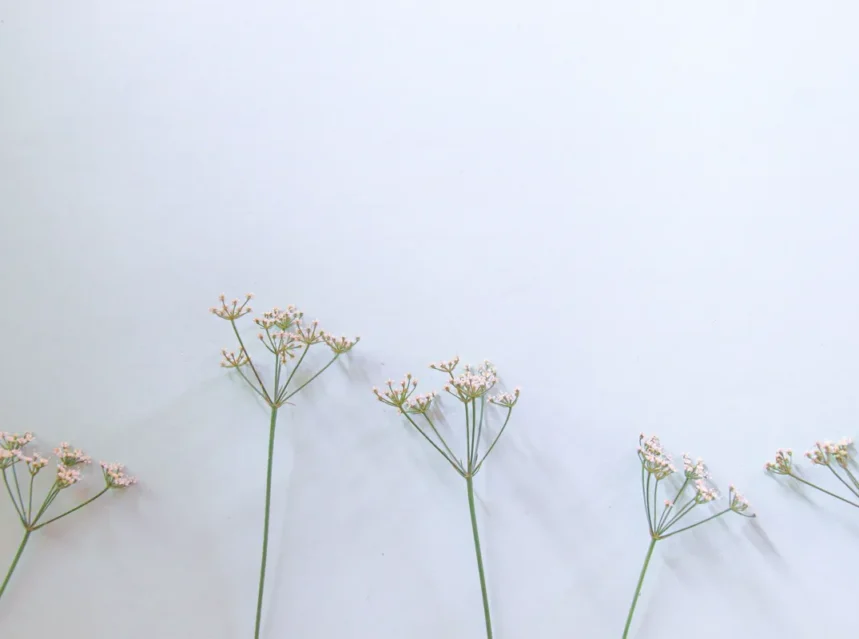
The best anise seeds grow a delicate, lacy herb that gives you the warm, sweet liquorice flavour of true aniseed, harvested fresh from your own garden in a single sunny season. It is a classic kitchen spice few gardeners grow.
Anise is an annual herb, Pimpinella anisum, grown for its small, sweet, liquorice-flavoured seeds. Those dried seeds are the familiar spice known as aniseed.
🧰 In a hurry? Jump straight to our tested picks for this guide ↓
Quick start
- Type: Annual seed herb
- Grow from: Seed
- Sow: Late spring, after frost
- Soil: Light, fertile, well-drained
- Sun: Full sun
- Harvest: Seeds in late summer
Anise belongs to the carrot family (Apiaceae). For background, see anise on Wikipedia and anise on Britannica.
Anise vs star anise: not the same
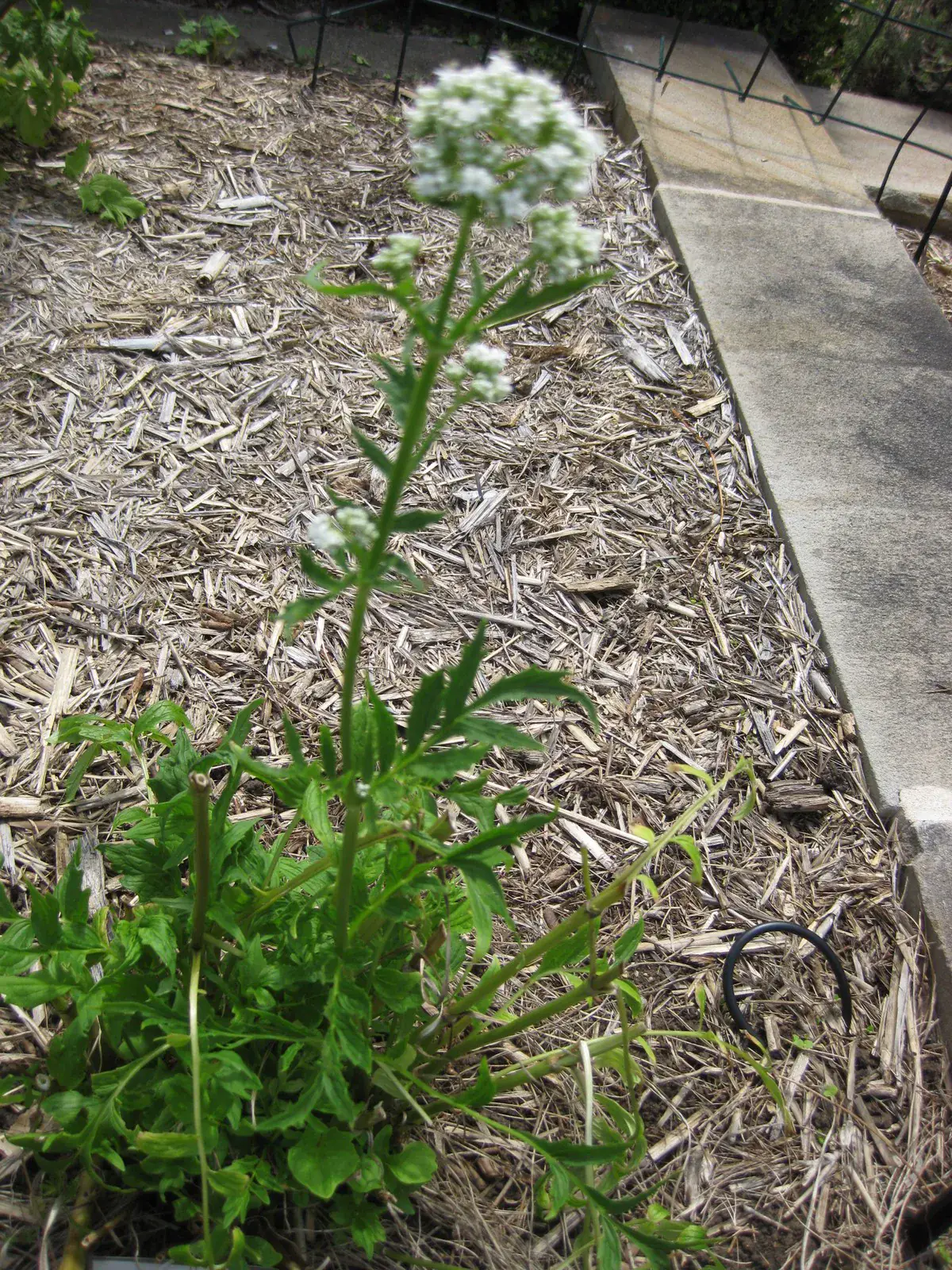
This catches many people out. Two very different plants share the name anise.
True anise is Pimpinella anisum, a small carrot-family herb. Its seeds are the aniseed of baking.
Star anise is Illicium verum, a tree from a different family. Its star-shaped pods taste similar but come from elsewhere.
So this guide covers true anise, the garden herb. Star anise is a separate, woody plant entirely.
Why grow anise?
Anise gives a sweet, warm liquorice flavour. Few homegrown spices are so distinctive.
The whole plant is pretty and lacy. Its airy white flowers suit a herb bed.
It also draws in helpful pollinators. Bees and hoverflies love its blooms.
It is grown much like other seed herbs. If you can grow dill, you can grow anise.
Anise at a glance
| Feature | Detail |
|---|---|
| Botanical name | Pimpinella anisum |
| Family | Apiaceae (carrot family) |
| Common names | Anise, aniseed |
| Grown from | Seed |
| Edible parts | Seeds and young leaves |
| Flavour | Sweet, warm liquorice |
| Flowers | Lacy white umbels |
| Type | Annual seed herb |
History, origin and how it reached India
Anise comes from the eastern Mediterranean and West Asia. People have grown it since ancient times.
The Romans and Egyptians prized it as a spice. It flavoured breads, cakes and sweet dishes.
It spread across Europe and beyond as a kitchen staple. Bakers everywhere took up its sweet seed.
In India it is used much like fennel. Its sweet seeds flavour confections and warm dishes.
Anise types to look for
True anise is grown as the single species. A few related herbs share its flavour.
| Type | Notes |
|---|---|
| Common anise | The classic; sweet liquorice seed |
| Early-maturing strains | Better for shorter summers |
| Anise hyssop | A different perennial with anise-scented leaves |
| Fennel | A relative with a similar sweet flavour |
Choose fresh seed for reliable germination. Old anise seed sprouts poorly.
Anise seed facts: viability, depth and spacing
Two numbers decide whether anise works for you: the seed keeps for only a couple of years, and the plant needs roughly 120 frost-free days to ripen a seed crop. Check the second before you buy.
| Seed detail | What to expect |
|---|---|
| Seed viability | 2–3 years, stored cool and dry |
| Sowing depth | 5–10 mm |
| Germination temperature | 20–25°C |
| Time to emerge | 10–14 days |
| Final spacing | 15–20 cm apart, rows 30 cm |
| Season needed | About 120 frost-free days to ripen seed |
| Transplanting | Poor — taprooted, so sow where it will grow |
Best season and when to plant
Anise needs a long, warm season to ripen its seed. So sow it in late spring after frost.
It does best in a hot, sunny summer. A short or cool season may not ripen the seed.
In India, grow it in the warm season. The long, mild months suit seed ripening.
It dislikes cold, wet starts. So wait for settled warmth before sowing.
How to grow anise from seed
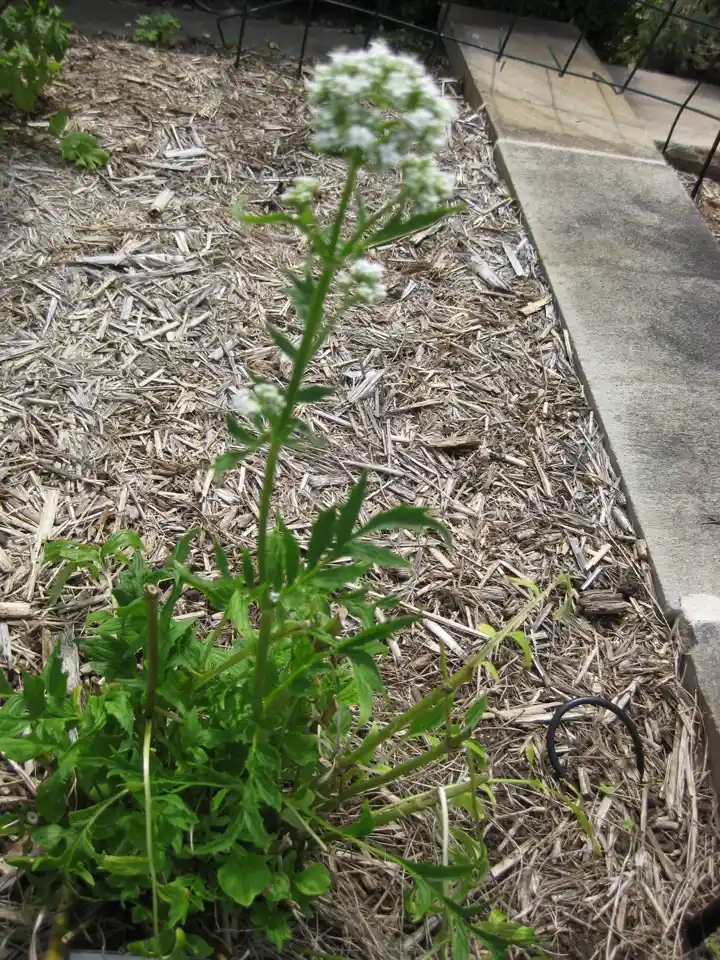
Anise is best sown where it is to grow. It has a taproot and dislikes being moved.
- Sow seed thinly in warm, light soil.
- Just cover it and keep it moist.
- Thin seedlings to about 20 cm apart.
- Keep the bed weed-free while young.
- Let it flower and set its seed.
Sow it in place, as the taproot resents transplanting. Treat it much like a row of coriander.
Sun, soil, watering and feeding
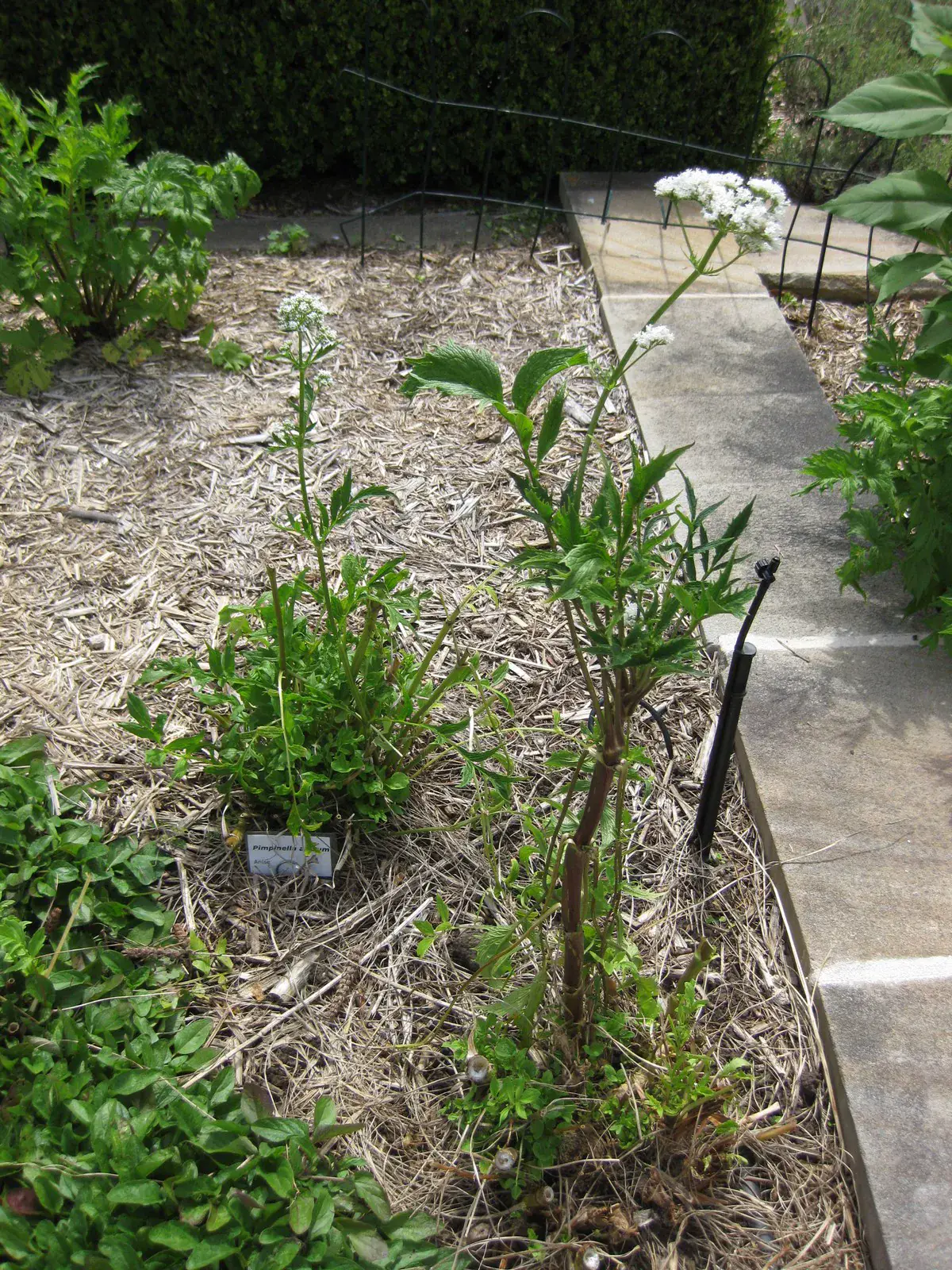
Anise wants full sun all day. A warm, sheltered spot ripens the best seed.
Light, fertile, well-drained soil suits it. Heavy, wet ground checks its growth.
Water in dry spells while it grows. Ease off as the seed heads ripen.
It needs only modest feeding. Too rich a soil gives leaf over seed, much like caraway.
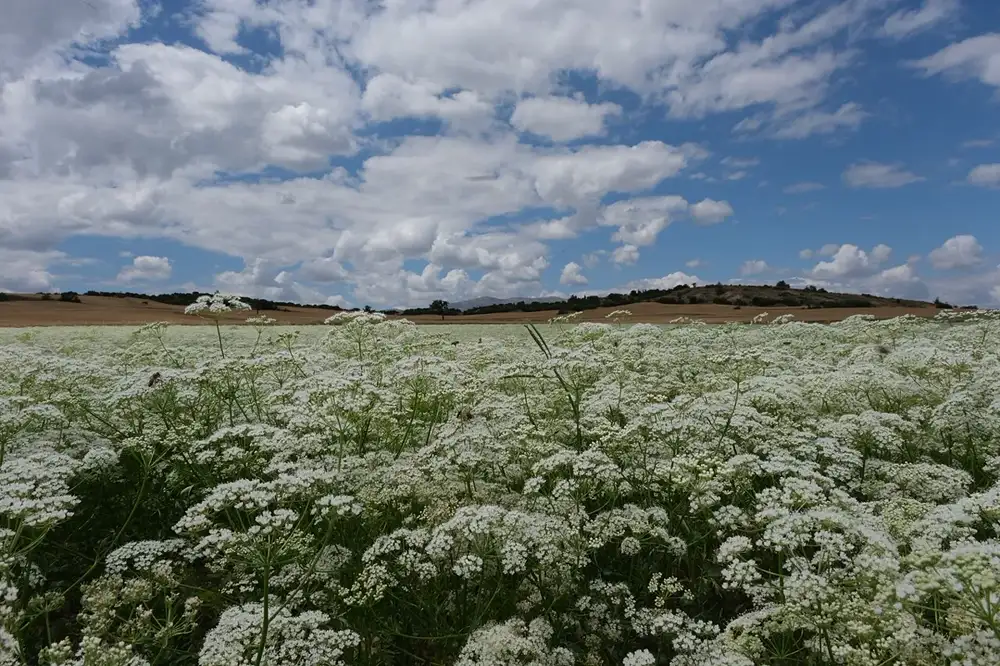
Giving it a long, warm season
Ripening good seed is the real challenge with anise. It needs many warm weeks to finish.
So an early sowing in a hot spot is best. A cool, short summer may leave seed unripe.
In cooler areas, start it under cover. Then give it the sunniest, warmest bed you have.
Common pests and diseases
Anise is fairly tough and pest-light. A few issues can appear.
- Aphids: Cluster on soft new shoots.
- Slugs: Nibble tender young seedlings.
- Damping off: In cold, wet soil.
- Poor ripening: Not a pest, but its main risk.
Warm soil and good drainage prevent most problems. Pick pests off early, as with parsley.
Harvesting anise
Harvest the seed once the heads turn grey-brown. This is usually in late summer.
Cut the seed heads on a dry day. Hang them upside down in paper bags to finish.
The dry seeds drop into the bag as they cure. Rub the heads gently to free the rest.
Store the dried aniseed in a jar. It keeps its sweet flavour for many months.
Save a pinch of your best seed to re-sow. Home-saved anise seed grows true next season.
Uses in the kitchen
Anise is a beloved baking spice. Its sweet seed flavours breads, cakes and biscuits.
It scents many traditional sweets and drinks. A pinch lifts both sweet and savoury dishes.
The young leaves are tasty too. Snip them into salads for a mild liquorice note.
Use the seed where you want warm sweetness. It is sweeter and milder than many savoury spices.
This article is for gardening information only and is not medical or nutritional advice. For dietary guidance, consult a qualified professional.
7 tips for the best anise seeds
A few simple habits give a good seed harvest. Follow these for sweet, ripe aniseed.
- Sow fresh seed in late spring.
- Sow in place, as it hates transplanting.
- Give it full sun and light soil.
- Choose the warmest, longest season you can.
- Feed only modestly, not heavily.
- Harvest seed as the heads turn brown.
- Dry the seed fully before storing.
These steps suit most seed-herb crops. The same care helps a dill plant along.
Common problems
Most anise troubles come from a cool season. Use this guide to fix them.
- Unripe seed: Short or cool summer; sow early in a hot spot.
- All leaf, little seed: Too rich; grow it leaner.
- Poor germination: Old seed; sow fresh stock.
- Wilting: Dry soil; water while it grows.
Companion planting and placement
Anise grows well among other herbs. Its flowers draw pollinators to the patch.
It is said to help nearby brassicas. Its scent can confuse some pests.
Keep it in a warm, sunny corner. Shade and damp weaken the plant.
Pair it with other carrot-family herbs. Set it near a fennel for a fragrant bed.
Growing anise in containers
Anise can grow in a deep pot. This suits a sunny balcony or patio.
Choose a container at least 25 cm deep for the taproot. Fill it with light, free-draining compost.
Stand it in the hottest, sunniest spot. Water moderately and let the seed ripen in the warmth.
Anise vs fennel: what is the difference?
Both are carrot-family herbs with a sweet flavour. But they are different plants.
Anise is a small annual grown mainly for its seed. Fennel is a larger plant grown for seed, leaves or a swollen base.
Their flavours are similar but not identical. Anise is sweeter, while fennel is a touch more aniseed-fresh.
Frequently asked questions
Is anise the same as star anise?
No. True anise is a small carrot-family herb. Star anise is the pod of an unrelated tree, though the flavours are similar.
What is aniseed?
Aniseed is simply the dried seed of the anise plant. It is the sweet, liquorice-flavoured spice used in baking.
Can I grow anise in India?
Yes, in the warm season. It needs a long, sunny spell to ripen its seed well.
Why won't my anise set good seed?
It probably had too short or cool a season. Sow early in the hottest, sunniest spot you have.
How long do anise seeds take to germinate?
Expect sprouts in 6-14 days at around 20-25°C (68-77°F). Use fresh seed, since anise loses viability quickly and older stock often germinates poorly after two years.
How long does anise take from seed to harvest?
About 120-130 frost-free days from sowing to ripe seed heads. This long, warm run is why a short or cool summer often leaves the seed unripe.
Can I start anise seeds indoors and transplant them?
It is best avoided. Anise forms a taproot early and resents disturbance, so sow direct or into biodegradable pots and move only very young seedlings with minimal root handling.
Is anise the same as anise hyssop?
No. Anise hyssop is an unrelated mint-family perennial grown for its anise-scented leaves, mainly for tea. True anise is a carrot-family annual grown chiefly for its seed.
How far apart should anise seedlings be thinned?
Thin to about 15-20 cm apart, with rows 30 cm apart. Crowded plants put energy into leaf growth and often fail to ripen a full seed crop.
Is anise the same as fennel?
No, though the two carrot-family herbs share a similar sweet flavour and lacy foliage. Anise is a smaller annual grown mainly for seed, while fennel also gives leaves and a swollen base.
Can I grow anise indoors on a windowsill?
Not well. It needs a long, hot season and a deep run for its taproot to ripen seed, so it struggles in a small indoor pot. Grow it outdoors in full sun instead.
Anise is a charming and aromatic herb that rewards a warm, sunny season with your own sweet, liquorice-scented spice. With the best anise seeds, light soil and plenty of heat, you can harvest fresh aniseed for baking and more. For other carrot-family seed herbs, see our guides on fennel and caraway.
Still stuck? Ask the Plant Doctor
Describe the problem — yellow leaves, holes, no flowers — and get a clear answer in seconds. FreeAI can make mistakes. Answers are guidance, not a guarantee — check anything important against the guide it links to, and always read the label on any product before you use it.