Best Caraway Seeds
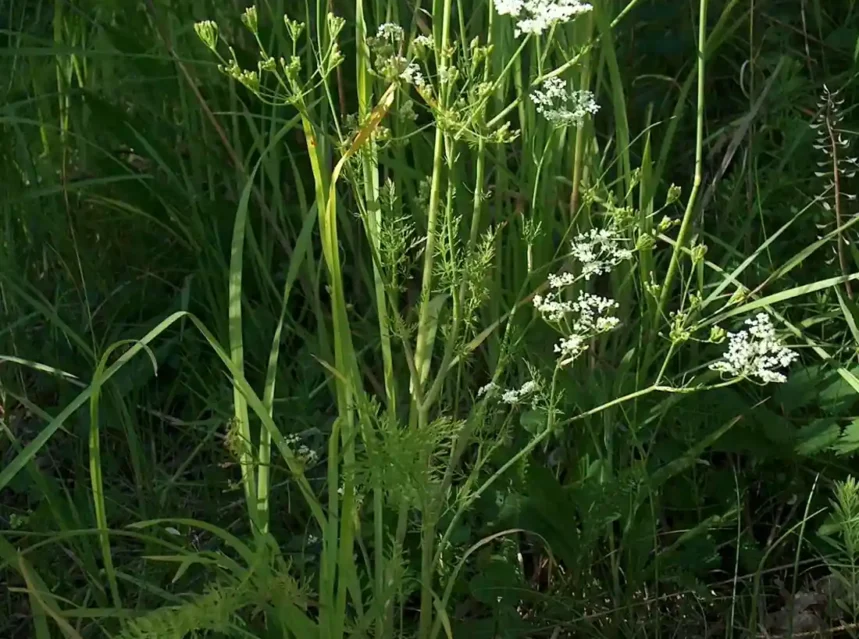
The best caraway seeds grow a feathery, easy herb that gives you the warm, nutty spice seeds loved in rye bread, cheeses and sauerkraut. One patch keeps your spice rack stocked for free.
Caraway is a hardy biennial herb, Carum carvi, grown mainly for its aromatic brown seeds. Its leaves and roots are edible too, making it a true multi-use plant.
🧰 In a hurry? Jump straight to our tested picks for this guide ↓
Quick start
- Type: Hardy biennial spice herb
- Sow: Direct in spring or autumn; dislikes transplanting
- Soil: Light, fertile, well-drained
- Sun: Full sun
- Harvest: Seeds in the second summer
- Best for: Spice growers, herb beds, pollinators
Caraway belongs to the carrot family (Apiaceae). For background, see caraway on Wikipedia and the caraway entry at Britannica.
Why grow caraway?
Caraway gives you a classic spice from your own garden. The seeds carry a warm, nutty, slightly sweet flavour.
It is also a generous, multi-use plant. You can use the seeds, the feathery leaves and even the roots.
The summer flowers draw in many pollinators. Bees and hoverflies work the lacy white blooms.
It fits neatly into a herb bed. Grow it near dill and coriander for a cluster of spice herbs.
Caraway at a glance
| Feature | Detail |
|---|---|
| Botanical name | Carum carvi |
| Family | Apiaceae (carrot family) |
| Common names | Caraway, Persian cumin, meridian fennel |
| Main crop | Aromatic brown seeds |
| Flavour | Warm, nutty, slightly sweet |
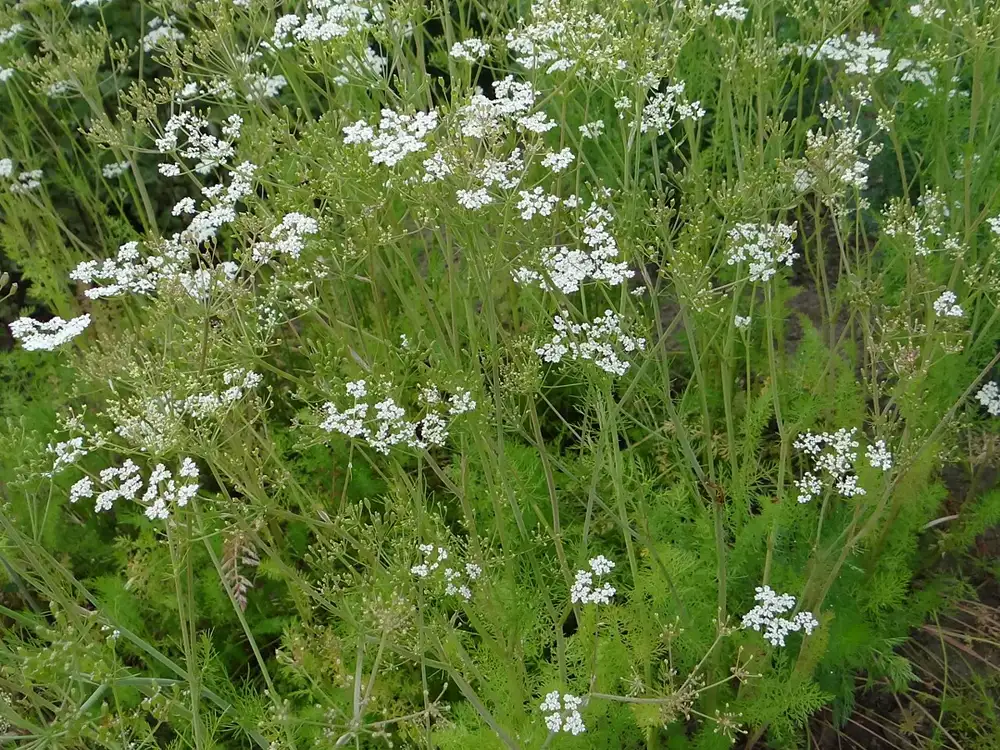
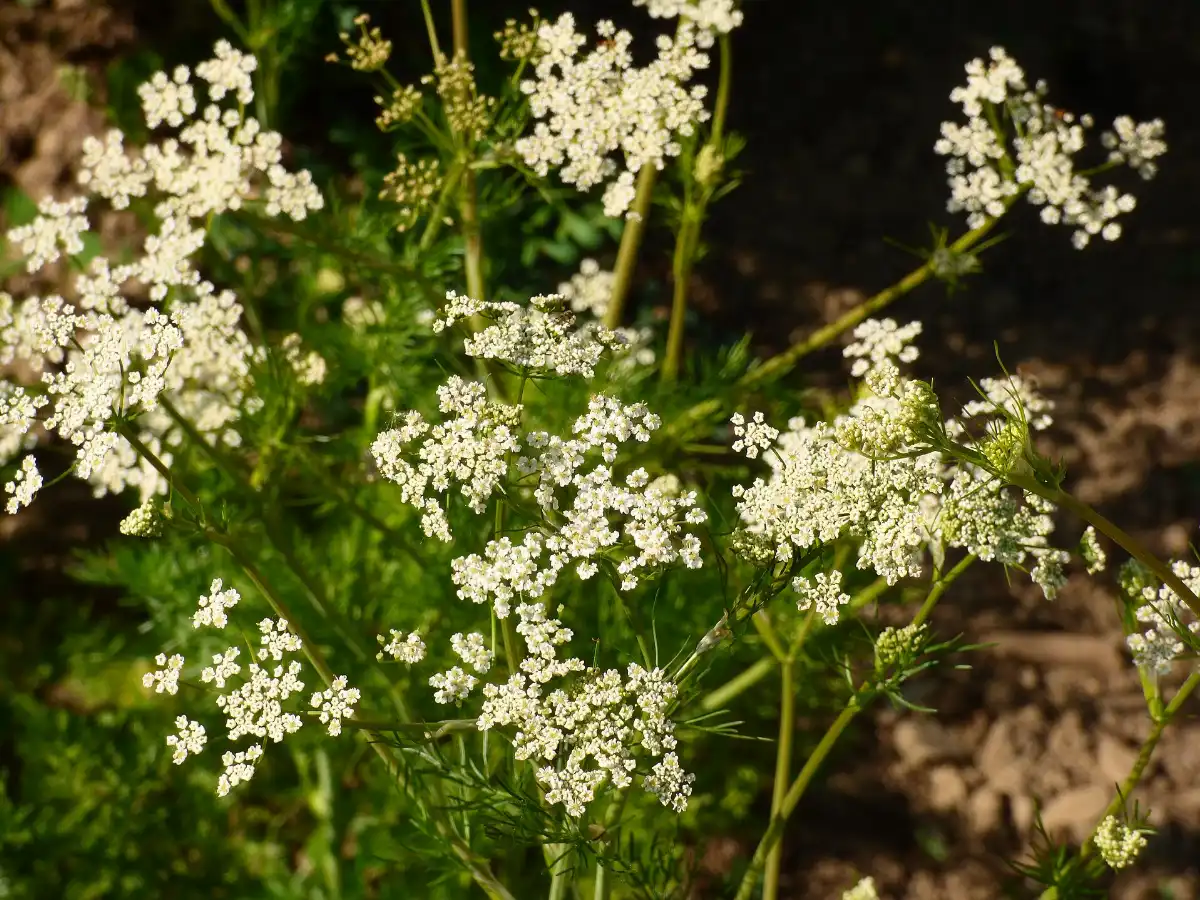
| Flowers | Small white umbels in year two |
| Height | 40-60 cm in flower |
| Type | Hardy biennial |
History, origin and how it reached India
Caraway has grown in Europe and western Asia for thousands of years. It is one of our oldest spice plants.
Archaeologists have found its seeds at very old settlements. People have flavoured food with it since ancient times.
It spread widely as a kitchen and bread spice. Central and northern Europe took to it especially.
In India caraway grows in cooler northern hills. There it is sometimes confused with related cumin-type spices.
Caraway vs cumin: clearing the confusion
Caraway and cumin look alike and often get mixed up. But they are different plants with different flavours.
Caraway seeds taste warm, nutty and a little sweet. Cumin is earthier, stronger and more pungent.
Both belong to the carrot family, which adds to the confusion. Always check the botanical name when buying seed.
In some regions caraway is even called Persian cumin. So read labels carefully to get the spice you want.
Caraway seed types to look for
Caraway is grown mostly as the common biennial species. A few faster types exist.
| Type | Notes |
|---|---|
| Common biennial caraway | The standard; seeds in the second year |
| Annual strains | Quicker types that can seed in one season |
| Leaf-focused selections | Grown more for their feathery foliage |
Buy fresh seed for sowing, not old kitchen spice. Spice-jar seed is often too old to germinate.
Best season and when to plant
Sow caraway in spring or early autumn. It is hardy and copes with cool weather.
In the US and UK, spring sowing is most common. Autumn sowing can give an earlier seed crop the next year.
In India, grow it as a cool-season crop in the hills. Sow after the monsoon and avoid hot lowland heat.
Remember it is usually biennial. So the seeds come in the second summer, not the first.
How to grow caraway from seed
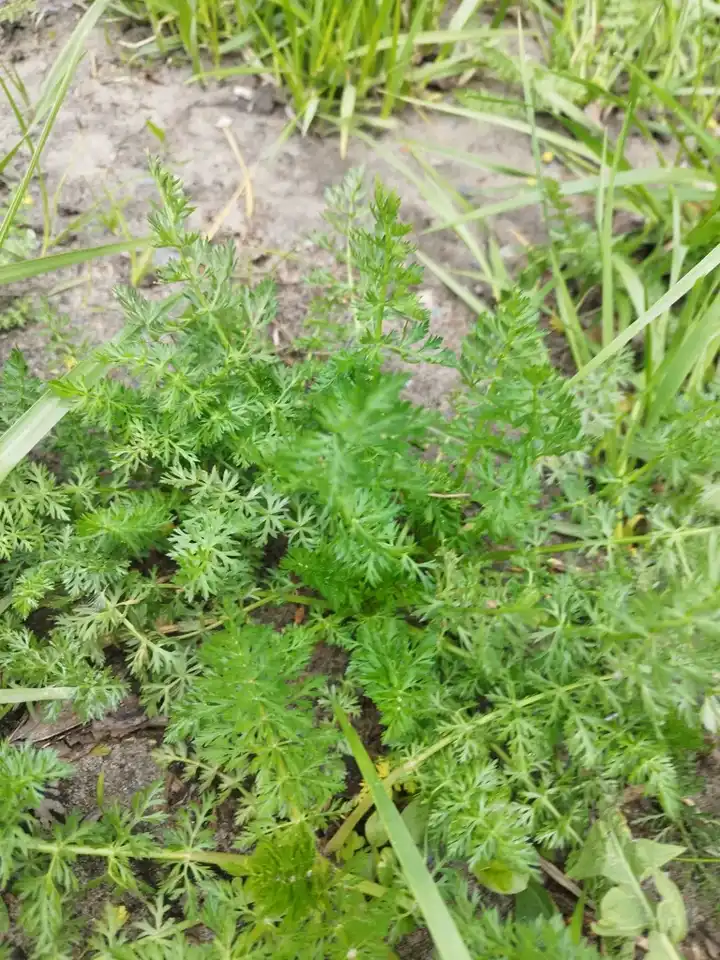
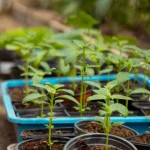
Caraway forms a taproot and hates being moved. So always sow it where it will grow.
- Rake the bed to a fine, level surface.
- Sow seed about 1 cm deep in rows.
- Keep the soil moist until seedlings appear.
- Thin the young plants to about 20 cm apart.
- Let plants overwinter to flower the next year.
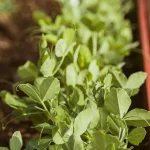
Germination can be slow, so be patient. Like parsley, caraway takes its time to emerge.
Sun, soil, watering and feeding
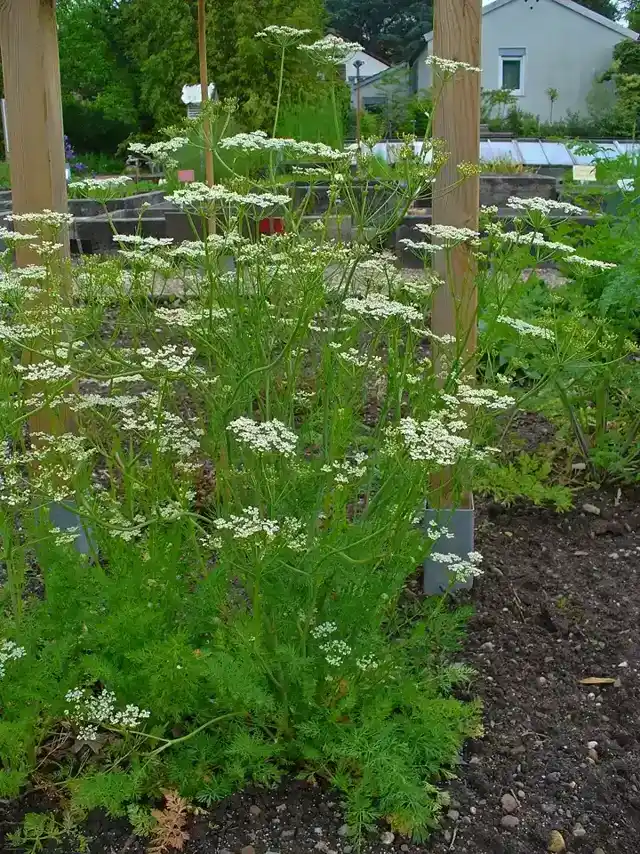
Caraway loves a sunny, open spot. Full sun ripens the seeds best.
Light, fertile, well-drained soil suits it well. Heavy, soggy ground can rot the taproot.
Water in dry spells, especially in year one. Steady moisture builds a strong plant for next season.
Feed only lightly. Too much rich feed grows leaf at the cost of seed, much as with fennel.
Common pests and diseases
Caraway is tough and rarely troubled. A few minor issues can appear.
- Aphids: Cluster on soft new shoots.
- Carrot fly: A risk for this carrot relative.
- Powdery mildew: On crowded plants in dry spells.
- Damping off: Seedling rot in cold, wet soil.
Good spacing and airflow prevent most problems. Rotate beds yearly, as you would for celery.
Harvesting caraway seeds
The seeds ripen in the second summer. Watch the umbels turn from green to brown.
Cut the seed heads just before they fully dry. This stops the ripe seeds dropping and scattering.
Hang the heads upside down in paper bags. The drying seeds fall neatly into the bag.
Rub out the last seeds once fully dry. Then clean away the chaff before storing.
Uses in the kitchen
Caraway seeds are a classic baking spice. They flavour rye bread, seed cake and crackers.
They also lift cabbage dishes and sauerkraut. A pinch adds warmth to cheeses and stews.
The young leaves work as a mild herb. Snip them into salads or soups like a gentle parsley.
Even the roots are edible, cooked like a small parsnip. Few spice plants give you so many parts to use.
This article is for gardening information only and is not health or medical advice. Use caraway as a culinary spice, and consult a professional for any dietary concerns.
7 tips for the best caraway seeds
A few simple habits ensure a good spice crop. Follow these for plenty of aromatic seeds.
- Sow fresh seed, not old kitchen spice.
- Direct-sow, since the taproot hates moving.
- Choose a sunny, well-drained spot.
- Be patient, as germination is slow.
- Let plants overwinter to flower in year two.
- Cut seed heads just before they fully dry.
- Finish drying the seeds before storing them.
These steps suit most seed-spice herbs. The same care helps ajwain and similar plants succeed.
Common problems
Most caraway troubles come from impatience or wet soil. Use this guide to fix them.
- No seeds in year one: Normal; caraway is biennial, so wait.
- Poor germination: Old seed; always sow fresh stock.
- Seeds dropping early: Harvested too late; cut heads sooner.
- Floppy growth: Soil too rich; ease off feeding.
Storing and saving caraway
Dried caraway seeds store very well. Keep them in a sealed jar away from light and damp.
Whole seeds hold their flavour for a year or more. Grind them only when you need them.
Saving seed for sowing is just as easy. Set aside some of your cleanest, ripest seeds.
Store these sowing seeds cool and dry. Use them the next season while still fresh.
Good companion plants
Caraway slots neatly into a mixed herb bed. Group it with other carrot-family spices for an easy spice corner.
Its lacy flowers draw beneficial insects. So it helps the whole bed by pulling in pollinators and hoverflies.
Low herbs work well around its base. They keep the soil shaded while caraway reaches up to flower.
For more background on the plant, see our wider caraway growing notes. It pairs especially well with other Apiaceae spices.
Can you grow caraway in pots?
Yes, caraway grows happily in a deep pot. The depth gives its taproot room.
Choose a container at least 25-30 cm deep. Fill it with free-draining compost.
Keep the pot in full sun and water steadily. A sunny balcony can supply your spice needs.
Frequently asked questions
Is caraway the same as cumin?
No. They look similar and share a family, but caraway is warm and nutty while cumin is earthier and stronger.
How long does caraway take to seed?
Usually two years, as it is a biennial. The plant grows leaf in year one and seeds in year two.
Can I grow caraway in India?
Yes, in cooler northern hill regions. Sow after the monsoon and avoid hot, humid lowlands.
Can I sow caraway from my spice jar?
Usually not. Kitchen spice seed is often too old to germinate, so buy fresh sowing seed.
Caraway is a hardy, generous herb that hands you a classic spice from a single patch. With the best caraway seeds, a sunny bed and a little patience, you can harvest your own warm, nutty seeds year after year. For more carrot-family spice seeds, see our guides on coriander, fenugreek, sweet anise and earthy cumin.
When is the best time to sow caraway?
Sow in spring, or in early autumn where winters are mild so plants settle in before cold weather. Autumn sowings often flower earlier the following season.
Can I start caraway in trays and transplant it?
Better not to. Caraway makes a taproot and resents being moved, so direct sow into its final position and thin the seedlings instead.
How deep and how far apart should caraway be sown?
Sow about 5 to 10 mm (1/4 to 1/2 inch) deep. Thin plants to 45 to 60 cm (18 to 24 inches) apart, with rows about 30 cm (12 inches) apart.
What soil and sun does caraway need?
Full sun and light, well-drained soil of average fertility suit it best. Rich or soggy ground gives floppy leafy growth and a poorer seed crop.
Can caraway be grown in a container?
Yes, if the pot is deep enough for the taproot, around 30 cm (12 inches) or more. One or two plants per pot is plenty, and containers need steady watering in the second year when flower stems shoot up.
How do I harvest caraway seed without losing it?
Cut the whole stems as soon as the first seeds turn brown, before the heads shatter. Dry them upside down in a paper bag or over a cloth so the seed falls somewhere you can collect it.
How should caraway seed be dried and stored?
Dry the heads somewhere warm, airy and shaded, below about 38 °C (100 °F), then rub the seed free and winnow out the chaff. Store fully dry seed in an airtight jar away from light.
Still stuck? Ask the Plant Doctor
Describe the problem — yellow leaves, holes, no flowers — and get a clear answer in seconds. FreeAI can make mistakes. Answers are guidance, not a guarantee — check anything important against the guide it links to, and always read the label on any product before you use it.