How to Grow Caraway
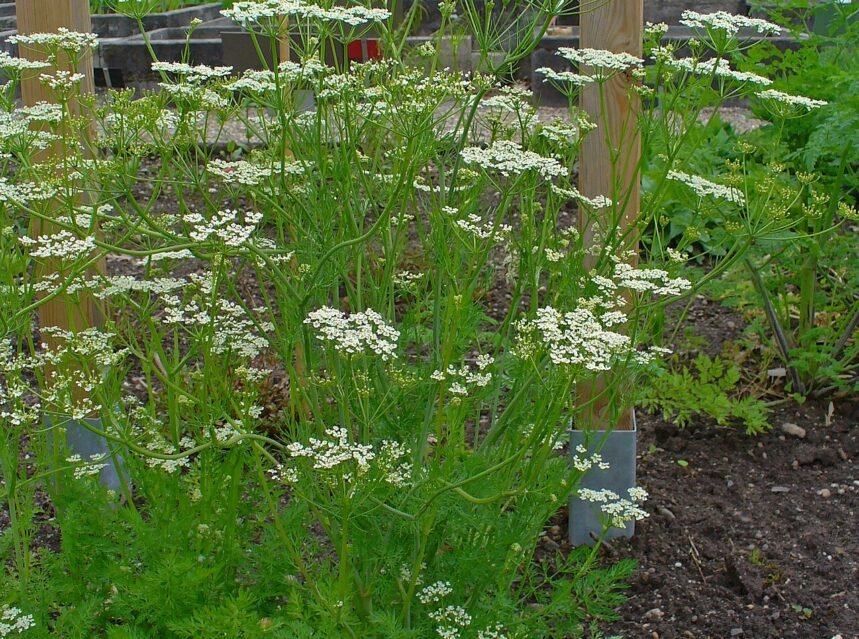 Image: H. Zell — CC BY-SA 3.0, via Wikimedia Commons
Caraway (Carum carvi) is a hardy biennial herb grown for its warm, slightly sweet, anise-like seeds — the spice behind rye bread, sauerkraut and many European dishes. The plant has feathery foliage and asks for a little patience, because it usually flowers and sets its prized seeds only in its second year. The reward is a generous crop of aromatic seeds plus edible leaves and roots. Here is how to grow caraway from sowing to a well-stocked spice jar.
Quick start: Sow caraway seed directly in full sun and well-drained soil. It is a biennial, so it makes leaves the first year and flowers, seeds and dies the second. Keep it weeded and watered, then harvest the seeds when the heads dry. It tolerates cold well.
Caraway is a biennial, and understanding that is the whole secret to growing it, as it makes leafy growth the first year and only flowers and sets its prized seeds in the second. Growers sow it straight into the ground because, like many of its carrot-family relatives, it dislikes having its taproot disturbed. The seeds are gathered once the heads turn brown, just before they shatter. Left alone, it self-seeds and quietly keeps itself going.
🧰 In a hurry? Jump straight to our tested picks for this guide ↓
Caraway at a glance
| Feature | Detail |
|---|---|
| Botanical name | Carum carvi (family Apiaceae) |
| Plant type | Hardy biennial herb |
| Sun | Full sun |
| Soil | Fertile, well-drained |
| Spacing | 8–12 inches apart |
| Cycle | Leaves year 1, flowers & seeds year 2 |
| Cold | Very hardy; winter cold triggers flowering |
| Harvest | Seeds in second summer; also leaves & roots |
Why grow caraway?
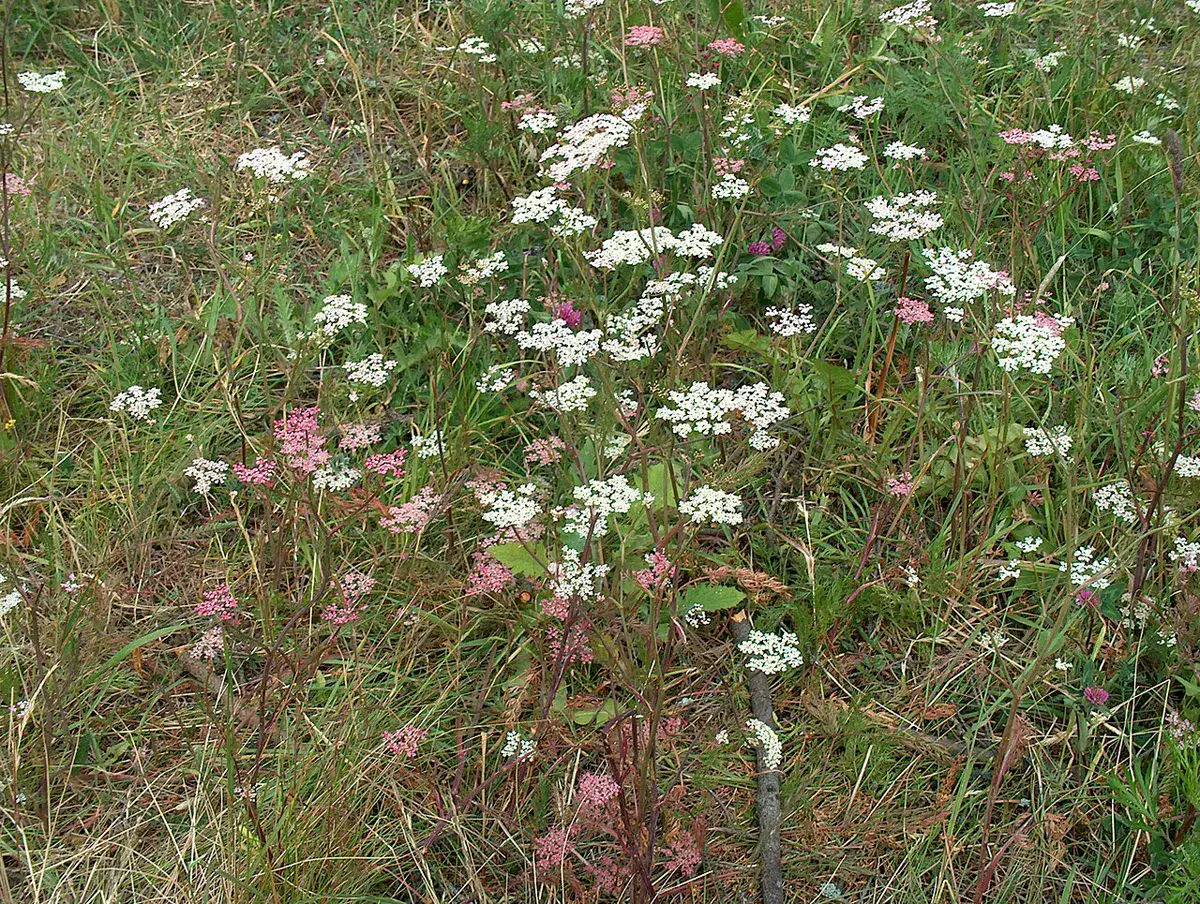
Caraway is a hardy, low-fuss herb that gives you three harvests in one:
- Aromatic seeds for baking, pickling and spice blends.
- Parsley-like leaves in the first year for salads.
- Edible roots that cook like a small parsnip.
It copes well with cold climates where heat-loving spices struggle, and its lacy flowers attract beneficial insects, helping you attract pollinators. For lovers of European baking and pickling, homegrown caraway seed is a real treat.
History, origin & how caraway spread
Caraway is one of the oldest spices in European and western Asian cooking, native to Europe and western Asia and used since antiquity. Archaeological finds of caraway seed go back thousands of years, and the spice appears in ancient and medieval kitchens across the continent, where its warm, digestive-friendly flavour made it a fixture in bread, cabbage dishes and preserved foods (see Encyclopaedia Britannica). It also features in old herbals as a remedy for digestive complaints, a use that has followed the seed for centuries.
From its European and Asian homeland, caraway spread with trade and migration, and it is sometimes confused with its warm-climate relative cumin, which looks similar but tastes and grows quite differently. Today it is grown mainly as a cool-climate field crop in northern and eastern Europe. Exactly how much is grown cannot be stated: FAO does not count caraway on its own but folds it into one combined item, “anise, badian, coriander, cumin, caraway, fennel and juniper berries”, which totalled about 2.7 million tonnes in 2024. For the gardener, that cool-climate heritage is the key clue — caraway suits temperate gardens and cold winters far better than hot regions, where it rarely sets good seed.
Best season & when to plant
Sow caraway in spring or late summer. As a biennial, it spends its first year growing leaves and a root, overwinters, then flowers and sets seed in its second summer before dying. In hot regions, treat it as a cool-season crop. The cold of winter actually helps trigger flowering, so caraway performs in cooler climates and disappoints in hot ones — plan its spot with that in mind.
How to plant caraway
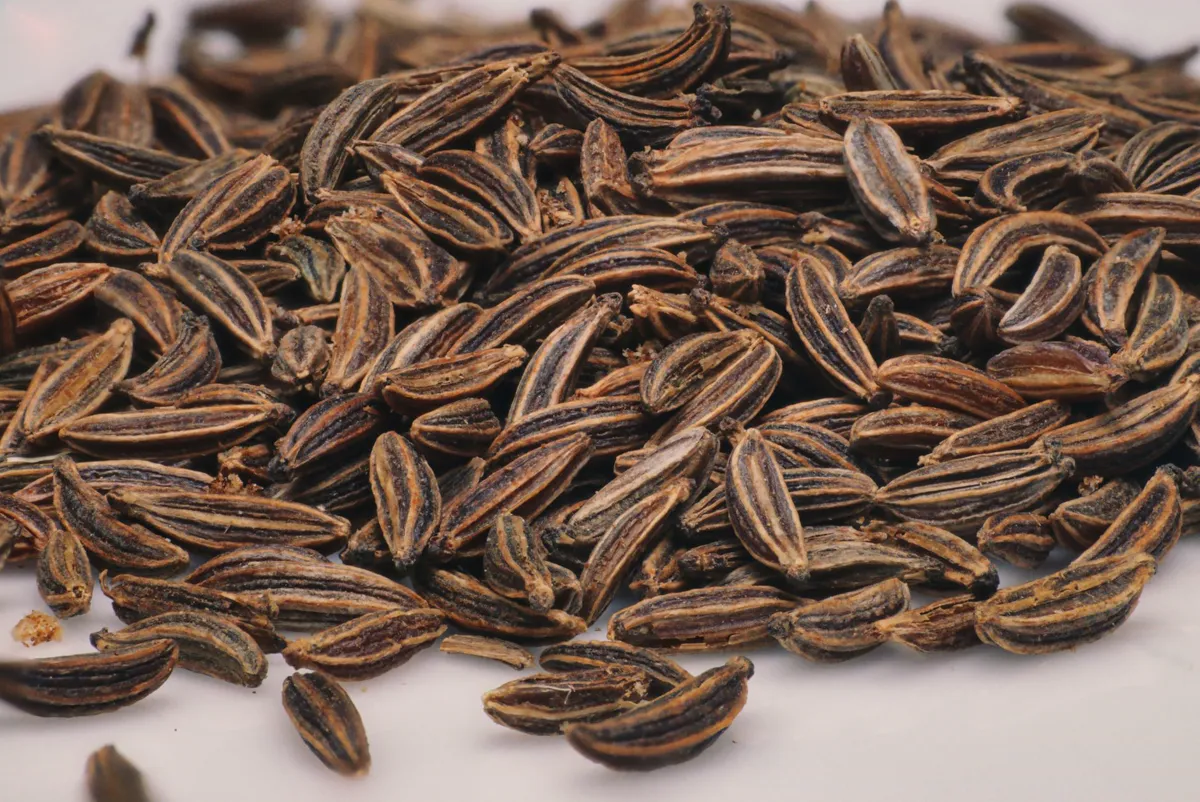
Caraway is sown directly, since its long taproot dislikes transplanting:
- Sow shallowly in well-drained soil in full sun (see seed-starting basics).
- Keep moist until seedlings appear, then thin to about 8–12 inches apart.
- Choose the spot carefully, as the plant stays in place for two seasons.
Sun, soil, watering & feeding
Caraway likes full sun and well-drained, fertile soil. Water moderately, especially in dry spells in the first year, but avoid waterlogging (see how often to water plants). Work some compost into the soil first using our soil-improvement guide. It is not demanding, and keeping it weed-free in the first year helps it establish the strong root it needs to flower well the next.
The two-year cycle
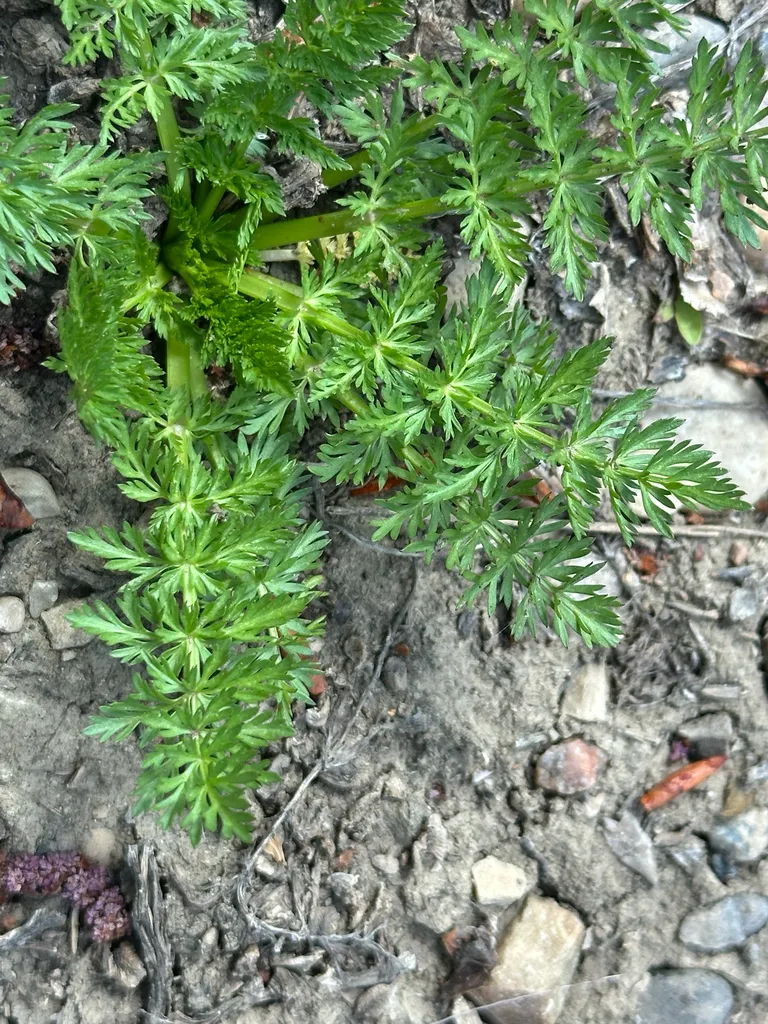
Understanding caraway’s biennial habit is the key to success. In year one, it forms a rosette of ferny leaves and builds up its taproot. After a cold winter, in year two, it sends up flowering stems, blooms, and sets the seeds you are after, then dies. So do not expect seeds in the first season — the patience you spend through the first year pays off fully in the second.
Growing caraway in pots & saving seed
Caraway grows happily in a deep container, which suits gardeners who want to control its soil and drainage. Use a pot at least 10 inches deep to give the long taproot room, fill it with a free-draining mix, and keep it in full sun. The advantage of a pot is that you can move it to shelter the ripening seed heads from rain in a wet late summer. When the seeds are ready, save the cleanest, plumpest ones in a labelled airtight jar; they stay viable for next year’s sowing as well as for cooking. Crush the seed only as you cook, since the warm aroma fades once it is ground.
Common pests & diseases
Caraway is generally robust. Watch for aphids on the flowering stems and, occasionally, caterpillars of the same family that feed on related umbellifers. Our aphid control and organic pest control guides cover gentle, effective treatments. Good drainage prevents root rot, and otherwise it is an easy, trouble-free plant.
Harvesting caraway
Harvest the seeds in the second summer, when the seed heads turn brown and start to dry. Cut the heads just before they shatter, then dry them fully in a paper bag or in a warm, airy spot so the seeds fall free. You can also pick the young leaves in the first year for salads, and dig the roots to cook like a small parsnip — three uses from one undemanding plant.
Health benefits & uses
Caraway seeds are a traditional digestive aid, often taken after meals, and they are rich in aromatic oils, mostly carvone with limonene and anethole (see the composition of caraway seed). In the kitchen they flavour rye and seeded breads, sauerkraut, cheeses, sausages, cabbage dishes and European stews and liqueurs. The warm, faintly sweet, anise-like flavour is distinctive, and toasting the seeds brings it out beautifully.
This article is for general information only and is not medical advice. Talk to a qualified professional before using any plant medicinally.
Cooking with caraway
Caraway seed has a warm, sweet, slightly sharp taste. It hints at anise without being as strong. A little goes a long way. Toast the seeds first to wake up the flavour.
The seed shines in bread. It is the classic note in rye and seeded loaves. It also lifts cabbage dishes. Stir it into sauerkraut, slaws and braised red cabbage.
Use it in cheese, sausages and stews too. It pairs well with apple, pork and potatoes. Many European spirits are flavoured with it. The young leaves work in salads, much like parsley.
Store the whole seed in a sealed jar. Keep it away from light and heat. Grind it only when you cook. Whole seed holds its aroma far longer than powder.
Common caraway problems
No seeds in the first year
That is normal — caraway is biennial. It makes leaves the first year and only flowers and seeds in the second.
Plant rots or struggles
Usually wet, heavy soil. Grow it in full sun with well-drained soil and avoid waterlogging.
Seeds shatter and scatter
Harvested too late. Cut the heads just as they brown, before they drop their seeds, and finish drying them in a bag.
Related plant guides
- How to grow Anise
- How to grow Cumin
- How to grow Fennel
- How to grow Ajwain
- How to grow Parsley
- How to grow Marjoram
Frequently asked questions
Why didn't my caraway produce seeds?
It is a biennial. It grows leaves and a root in year one, then flowers and sets seed in year two after a cold winter.
Is caraway the same as cumin?
No — they look similar and are related, but caraway is a cold-hardy biennial with a sweeter, anise-like flavour; cumin is a warm-season annual.
Can I eat caraway leaves and roots?
Yes — the young leaves are good in salads, and the taproot can be cooked like a small parsnip.
Does caraway need cold weather?
It benefits from it — a cold winter helps trigger flowering, so caraway suits cool climates far better than hot ones.
When and how do I harvest caraway seeds?
Harvest in mid to late summer of the second year, once the seed heads have turned from green to grey-brown and the seeds rub free with light pressure. Cut the whole umbels on a dry morning, because seeds shatter and scatter easily if you wait too long. Hang the stems upside down inside paper bags in a warm, airy place for a week or two so the last of the seed drops out. Winnow away the chaff, dry the seed thoroughly, and store it in an airtight jar away from light.
Does caraway self-seed?
Yes, and freely — any seed heads you leave standing will scatter and produce a fresh crop of first-year plants nearby. Many gardeners use this deliberately, letting a few umbels ripen in place so there is always a plant coming to harvest. If you would rather it stayed put, cut the heads before they shatter. Because the seedlings appear each autumn or spring, a caraway patch can effectively look after itself once established.
Can I grow caraway in a pot?
You can, provided the pot is deep. Caraway forms a long, carrot-like taproot, so aim for a container at least 12 inches (30 cm) deep with good drainage and a loose, free-draining compost. A shallow pot produces stunted plants that often fail to flower properly in the second year. Keep the pot somewhere sunny, water moderately, and shelter it from the worst of winter wet rather than winter cold.
Can caraway seedlings be transplanted?
It is best avoided. The taproot resents disturbance, and moved seedlings often bolt, fork or simply sulk. Direct sowing where the plants are to grow is far more reliable, thinning later to about 8 inches (20 cm) apart. If you must start under cover, use deep cells or biodegradable pots and plant out very young, before the root reaches the base.
What grows well alongside caraway?
Peas, beans and most leafy vegetables make good neighbours, and the flat white flower heads pull in hoverflies, lacewings and parasitic wasps that help keep aphids down. Because the plant sits quietly in its first year, it slots neatly between slower crops. Keep it away from sweet fennel, which is a poor companion for most umbellifers. Avoid crowding it with anything that will shade out the low first-year rosette.
Can I grow caraway in a warm climate such as the Indian plains?
It is possible but needs the cool season. Sow in October or November so the plant grows through the cool winter months, and expect a smaller crop than in a temperate climate, because caraway flowers most reliably after real winter chill. Hill regions such as Himachal Pradesh, Uttarakhand and Kashmir suit it much better and are where most Indian caraway is grown. Some seed suppliers also offer faster annual strains that flower in their first season, which are worth seeking out for hot areas.
Is caraway good for digestion?
Caraway has traditionally been used in European and South Asian cooking as a digestive aid, which is why it turns up in rich, heavy dishes such as breads, cabbage and cheeses. Some studies suggest the essential oils in the seed may help with bloating and gut comfort, but the evidence is limited and does not amount to a proven treatment. Used in normal culinary amounts it is simply a flavourful spice. This is general information only and not medical advice — consult a qualified healthcare professional before using any herb for a health condition.
Is caraway safe for pets?
Caraway seed is an everyday spice for people, but the plant is not safe for pets to graze. The ASPCA lists caraway (Carum carvi) as toxic to dogs, cats and horses. The cause is the essential oils, mainly carvone and limonene, which sit in the seed and the leaves. The usual result is an upset stomach rather than a serious poisoning. So keep the seed jar closed and grow the plant where a dog does not graze. Contact a vet if a pet has eaten a lot. This is general information, not veterinary advice.
Still stuck? Ask the Plant Doctor
Describe the problem — yellow leaves, holes, no flowers — and get a clear answer in seconds. FreeAI can make mistakes. Answers are guidance, not a guarantee — check anything important against the guide it links to, and always read the label on any product before you use it.