How to Grow Ajwain
Ajwain (Trachyspermum ammi) is a cool-season annual herb grown for its tiny, intensely aromatic seeds — the carom seeds that flavour parathas, pakoras and pickles and that many households reach for to settle an upset stomach. The plant is a feathery member of the carrot family (Apiaceae), a close relative of cumin, dill and coriander. It raises easily from seed in cool weather, in a garden bed or a deep pot. One quick note up front: true ajwain, the seed plant, is different from the leafy “ajwain plant” sold for its oregano-scented leaves. Here is how to grow ajwain well, from sowing to a jar of fragrant seeds.
Quick start: Sow ajwain seed directly in full sun and well-drained soil during cool weather. Keep it lightly moist, let it flower and form seed heads, then harvest the seeds once they dry on the plant. It also grows happily in containers.
The single biggest lesson growers share about ajwain is patience at the end. The temptation is to cut the umbels as soon as they look full, but the thymol that gives ajwain its punch only develops as the heads dry on the plant. In Indian gardens it does best sown as the monsoon fades, so it gets a long, dry, cool run, since damp air late in the season is the main reason a crop disappoints.
🧰 In a hurry? Jump straight to our tested picks for this guide ↓
Ajwain at a glance
| Feature | Detail |
|---|---|
| Botanical name | Trachyspermum ammi (family Apiaceae) |
| Common names | Ajwain, carom, bishop’s weed, ajowan |
| Plant type | Cool-season annual herb |
| Sun | Full sun (6+ hours) |
| Soil | Light, free-draining, lean |
| Water | Moderate; let the surface dry out |
| Sown | Autumn/early winter (India); spring (temperate) |
| Harvest | Seeds, when heads dry and turn brown |
| Grown for | Aromatic seeds (cooking + digestive remedy) |
Why grow ajwain?
Ajwain is a compact, undemanding herb that gives you a spice you use constantly. Growing your own means the freshest, most aromatic seeds, far better than anything stale from a jar. A few good reasons to find it a spot:
- Constant kitchen use. A pinch flavours breads, dals, pakoras and pickles, so even a small patch earns its keep.
- Space-saving. It stays slim and upright, so it suits a balcony, a deep pot or a gap at the edge of a bed.
- Pollinator magnet. The white flower umbels draw hoverflies and bees, helping you attract pollinators to the whole garden.
- Low effort. It asks for sun, lean soil and patience — little else.
History, origin & how ajwain reached India
Ajwain traces back to the eastern Mediterranean and the Middle East, with Egypt often named as part of its early home range. From there it spread east through Persia (modern Iran) and Afghanistan, and it has been cultivated across this belt for a very long time. The plant travelled along the same trade and cultivation routes as its Apiaceae cousins, which is why ajwain, cumin and caraway all share a similar dry, cool-climate temperament.
In India, ajwain found a near-perfect home and a central place in both the kitchen and traditional medicine. It is woven into Ayurvedic practice as a digestive and warming spice, and Indian cooks made it their own in everything from puris to pickles. Today India is by far the largest producer and consumer of ajwain, with the bulk of the crop grown in Rajasthan, Gujarat and Madhya Pradesh. There is no international tonnage to quote for it: the FAO’s world crop statistics have no ajwain line, lumping the small seed spices into a single combined heading, so the only real figures come from India’s own state agriculture departments. The seed is also a notable export, valued abroad for its high thymol content (see Encyclopaedia Britannica). For gardeners, that heritage is a useful clue: ajwain wants the dry, sunny, cool-winter conditions of its native range, not heat and humidity.
True ajwain vs the leafy “ajwain plant”
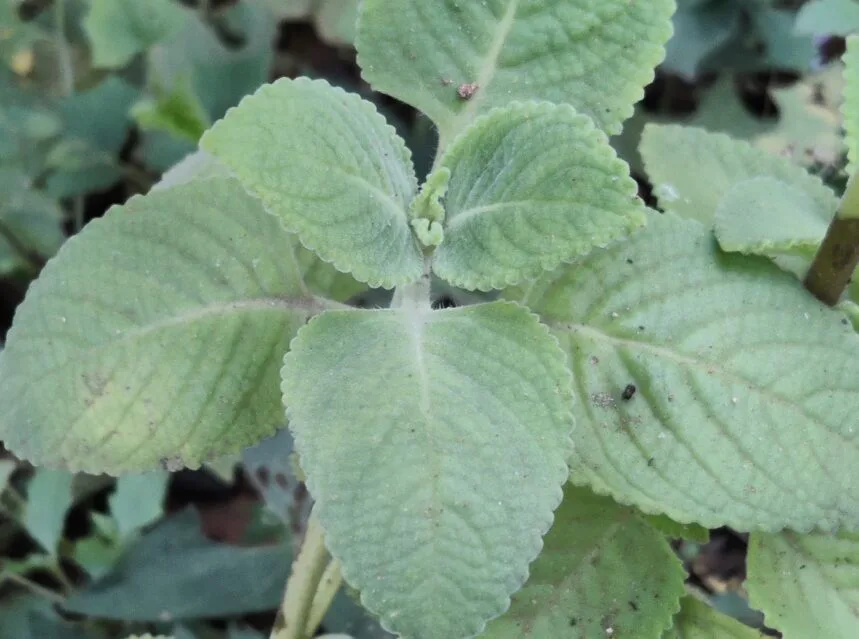
It is worth clearing up a common mix-up. True ajwain is this seed-producing annual in the carrot family. The succulent, oregano-scented “ajwain ka patta” or Indian borage sold in many nurseries is a different plant altogether (Plectranthus), grown for its thick leaves rather than seeds. Both are useful in the kitchen, but if you want carom seeds for cooking and tadka, make sure you are sowing the true seed variety, not the leafy lookalike.
Best season & when to plant
Ajwain is a cool-season crop, and timing is the difference between a heavy seed set and a disappointing one. In India, sow it in autumn or early winter so the plant grows and ripens seed before the heat arrives. In temperate climates, sow in spring once the frost has passed. The plant needs a long, cool, dry stretch to flower and mature its seed, so aim the sowing to dodge both heavy heat and heavy rain.
How to plant ajwain
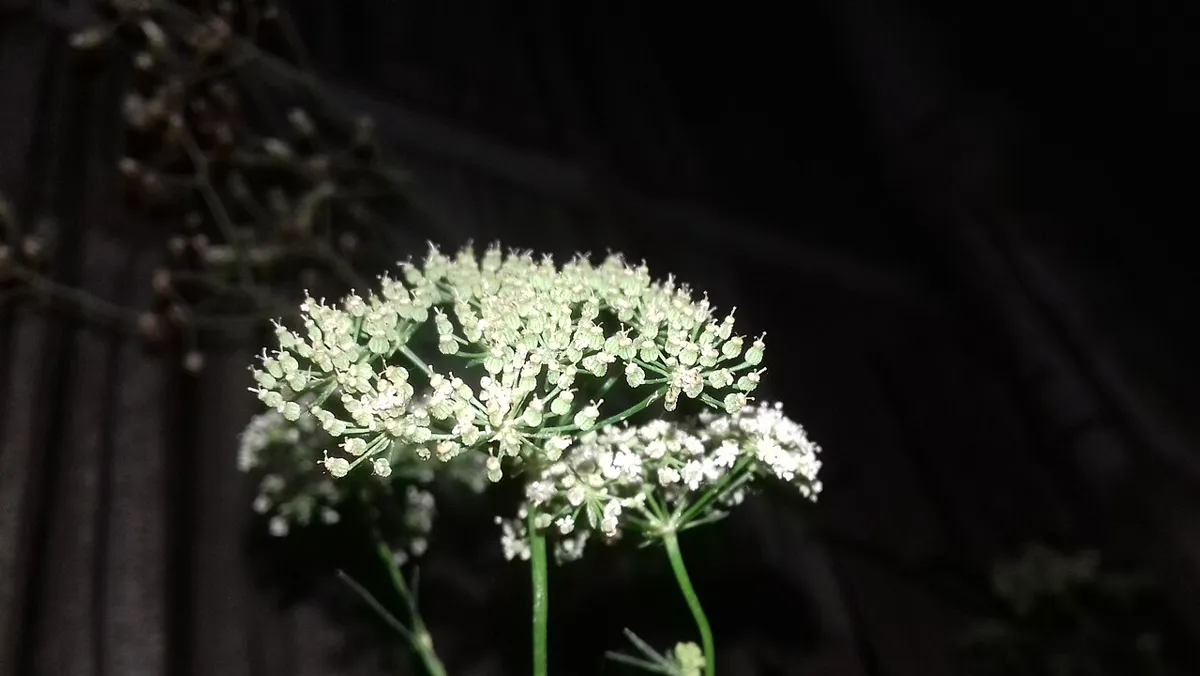
Ajwain is sown directly where it will grow, because, like most of its family, it dislikes root disturbance. Follow these steps:
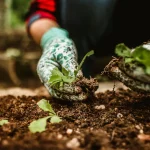
- Prepare the spot. Choose full sun and loosen light, free-draining soil. Mix in a little compost using our soil-improvement guide — rich, heavy ground is not needed.
- Sow shallowly. Scatter or station-sow the seed just under the surface and water gently. See our seed-starting basics for technique, though ajwain is best sown in place.
- Keep it lightly moist. Even moisture helps germination; avoid waterlogging.
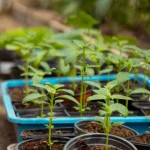
- Thin the seedlings. Give each plant room to bush out, or grow a few in a deep container.
Sun, soil, watering & feeding
Ajwain likes full sun and light, free-draining soil. Water moderately and let the surface dry between waterings, because it dislikes soggy ground (see how often to water plants). It is not a heavy feeder. In fact, lean conditions suit the seed crop just fine — too much rich feeding pushes soft, floppy growth at the expense of seeds. A single compost dressing at planting is usually all it needs. Good airflow between plants keeps the foliage dry and healthy, especially as the season turns.
Growing it for seeds
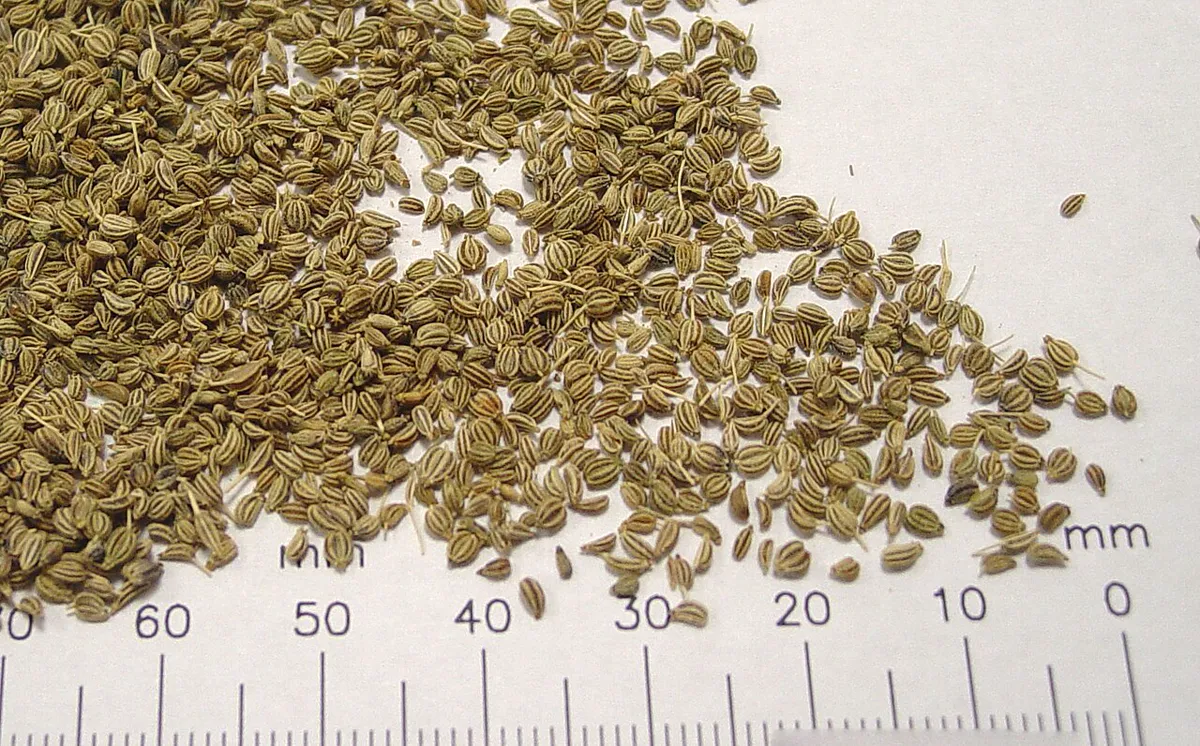
Patience is the whole game with ajwain. Let the plant grow, flower into clusters of small white umbels, and then form green seed heads. As the season ends, those heads dry and turn brownish — your signal that the seeds are filling out. Resist harvesting too early. The aromatic oils that give ajwain its sharp, thyme-like punch develop fully only as the seeds mature and dry on the plant.
Common pests & diseases
Ajwain is fairly trouble-free, but a few problems show up in damp or crowded conditions:
- Aphids cluster on soft new growth — our aphid control guide covers safe organic fixes.
- Powdery mildew appears as a dusty coating when air is still and humid; better spacing and airflow prevent it.
- Root rot follows soggy soil — sharp drainage is the cure.
For an all-round approach, our organic pest control guide walks through gentle remedies. Honestly, full sun, lean soil and decent spacing prevent most issues before they start.
Harvesting ajwain
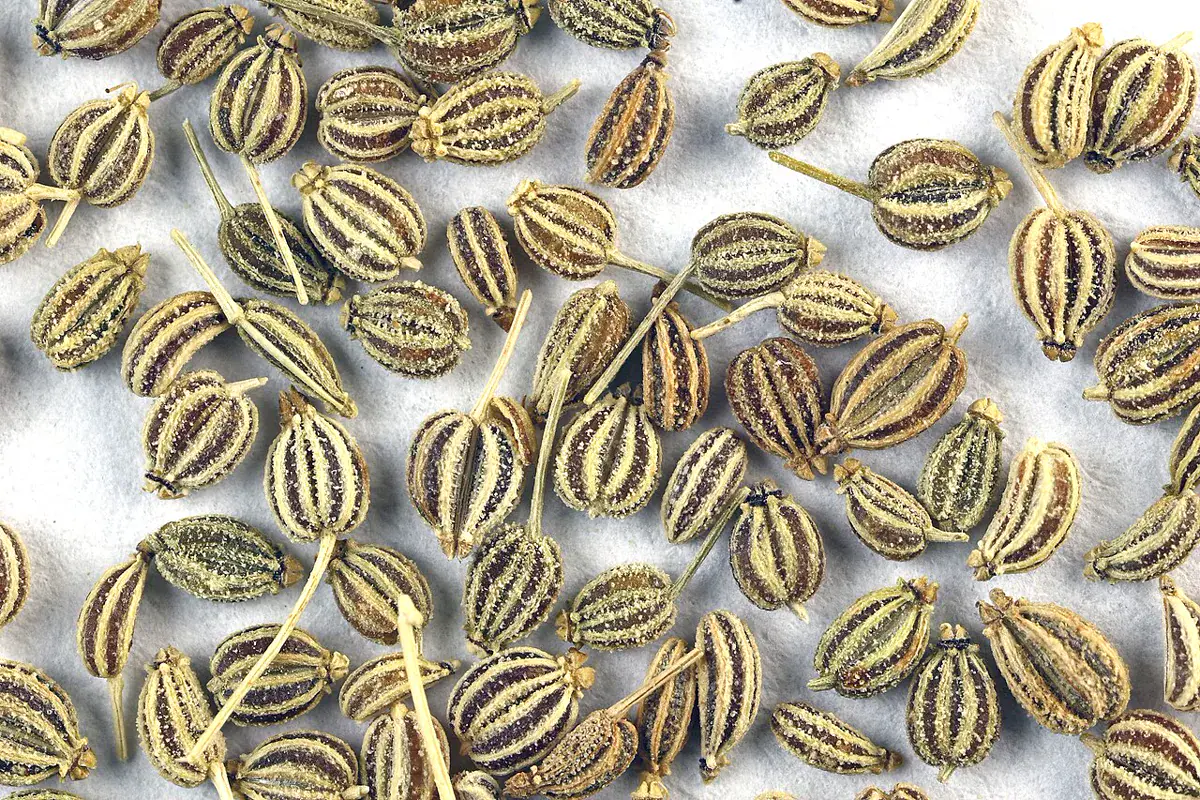
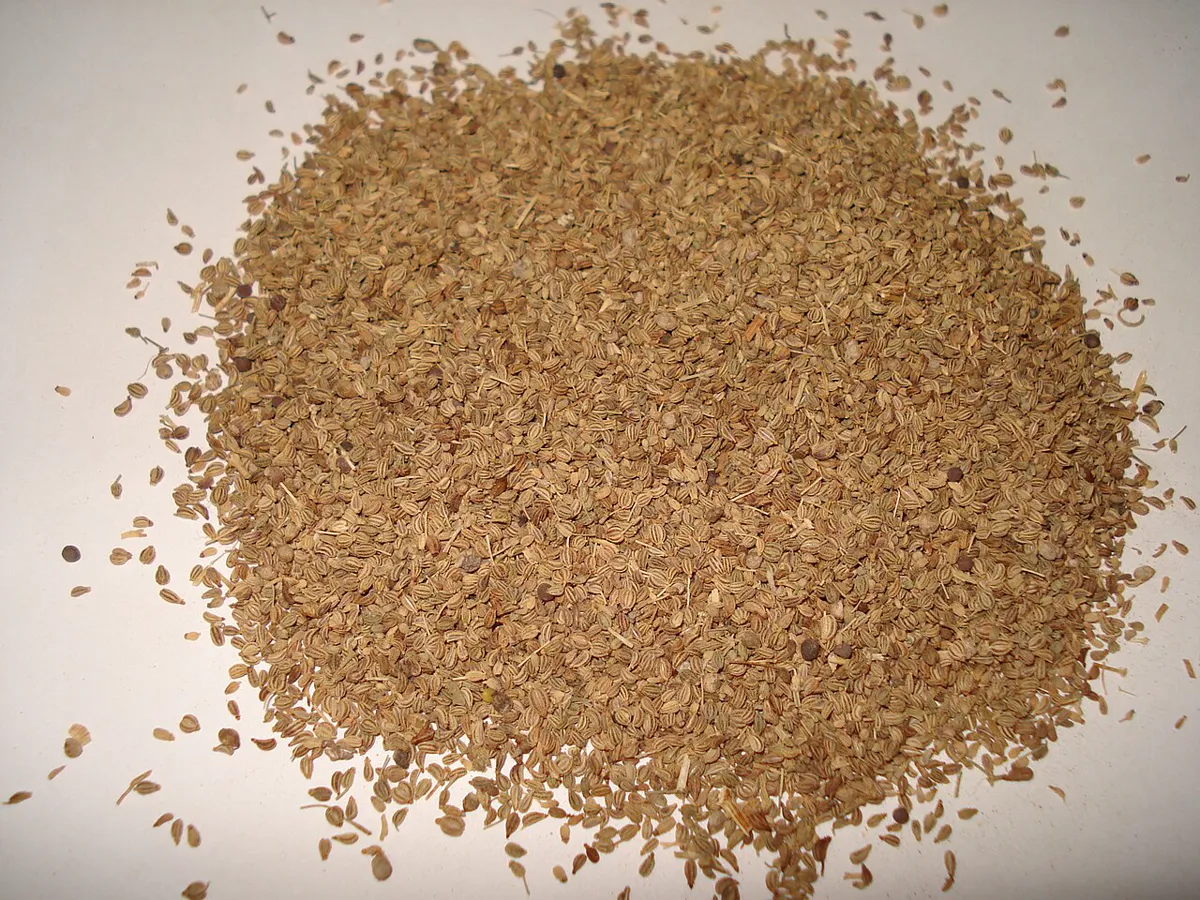
Harvest when the seed heads have dried and turned brown on the plant, usually late in the season. Cut the heads on a dry day, then dry them further in a warm, airy spot out of direct sun. Once fully dry, rub or thresh the heads to release the seeds, and winnow away the chaff in a light breeze. Store the clean seeds in an airtight jar away from light and heat, and they will keep their strong aroma for a year or more.
Health benefits & uses
Ajwain seeds are a classic digestive remedy in Indian households, traditionally chewed or steeped in warm water to ease bloating and indigestion. Their punchy aroma comes mainly from thymol, the same compound that gives thyme its scent, which also lends ajwain a mild antiseptic reputation in folk use (its thymol fraction has shown antifungal activity in laboratory tests). In the kitchen the seeds season parathas, pooris, pakoras, breads, dals and pickles. A little goes a long way: a small pinch, briefly toasted in hot oil, releases far more flavour than a heavy hand ever would. Cooks who enjoy ajwain often grow anise and fenugreek alongside it for a fuller home spice rack.
This article is for general information only and is not medical advice. Talk to a qualified professional before using any plant medicinally.
Common ajwain problems
Plant bolts or fails to set seed
Heat is usually to blame. Grow it in cool weather so it can flower and ripen seed before the temperature climbs.
Weak, floppy growth
Too little sun, or soil that is too rich and wet. Give it full sun and lean, well-drained ground.
Seeds lack aroma
Almost always harvested too early. Let the seed heads fully dry and brown on the plant before picking.
Poor germination
Old seed or a dry surface. Use fresh seed and keep the soil lightly and evenly moist until seedlings appear.
Related plant guides
- How to grow Anise
- How to grow Cumin
- How to grow Fenugreek
- How to grow Fennel
- How to grow Caraway
- How to grow Chamomile
Frequently asked questions
Is the leafy ajwain plant the same as carom seeds?
No. The succulent, oregano-scented “ajwain leaf” plant is a different species (Plectranthus) grown for its leaves. True ajwain is a seed-producing annual in the carrot family.
Can I grow ajwain from kitchen seeds?
Often yes, if the seeds are whole and reasonably fresh. Sow them in cool weather in well-drained soil and full sun, and keep them lightly moist until they sprout.
When are ajwain seeds ready to harvest?
When the seed heads dry and turn brown on the plant. Dry them further in a warm, airy place, then thresh out the seeds and winnow off the chaff.
Can I grow ajwain in a pot?
Yes. Use a deep pot of light, well-drained soil in full sun, and sow the seed directly into it. Thin to give each plant a little room.
How long does ajwain take to grow?
Count on roughly 90 to 120 days from sowing to seed harvest, with the full cycle taking about four to five months. The plants first build ferny foliage, then throw up umbrella-shaped white flower heads that slowly ripen into the aromatic seeds. Harvest comes when those seed heads dry and brown on the plant. Patience pays — seeds picked fully ripe have the strongest thymol aroma.
Does ajwain need full sun?
Yes. Give ajwain at least six hours of direct sunlight a day, and ideally six to eight. Plants in shade grow leggy and weak, flower poorly, and produce fewer seeds. A bright, open bed or a sunny balcony spot suits it perfectly. Good airflow around the plants also helps prevent fungal problems in humid weather.
How often should I water ajwain?
Water only when the top layer of soil feels dry, which usually works out to every three or four days in warm weather. Ajwain hates soggy roots, and overwatering is the most common reason plants die after germination. Keep the soil lightly moist while seedlings establish, then ease back as the plants mature. Free-draining soil or a pot with drainage holes makes this much easier to manage.
Should I soak ajwain seeds before sowing?
An overnight soak in plain water is a useful trick. It softens the hard seed coat and speeds up sprouting, which is helpful because ajwain can be slow and patchy to germinate. Drain the seeds, sow them shallowly in moist soil, and keep them lightly watered until they come up. Fresh seed matters even more than soaking — old spice-jar seed that has been heat-treated may not sprout at all.
What is the best season to plant ajwain in India?
Ajwain is traditionally a cool-season, rabi crop in India, sown from around October to November as the monsoon humidity fades. Cool, dry weather during growth and a warm, dry spell at seed ripening give the best yields. In hot southern regions, winter sowing is essential, while in cooler hill areas spring sowing also works. Gardeners in temperate countries can sow in spring once frosts have passed.
What is ajwain traditionally used for?
In Indian households, carom seeds are traditionally used for digestion — chewed after meals or steeped in warm water to ease gas and bloating. The seeds are rich in thymol, and some studies suggest they may support digestion and healthy cholesterol levels, though research is still limited. They also flavour parathas, pakoras, and breads beautifully. This is general information, not medical advice, so consult a professional before using ajwain for any health purpose.
How do I store harvested carom seeds?
Dry the cut seed heads in a warm, airy place until fully crisp, then thresh out the seeds and winnow away the chaff. Make sure the seeds are completely dry before storing, as any moisture invites mould. Keep them in an airtight jar in a cool, dark cupboard, where they hold their punchy aroma for a year or more. Save a pinch of the best seed for sowing next season.
Still stuck? Ask the Plant Doctor
Describe the problem — yellow leaves, holes, no flowers — and get a clear answer in seconds. FreeAI can make mistakes. Answers are guidance, not a guarantee — check anything important against the guide it links to, and always read the label on any product before you use it.