Best Parsley Seeds: Varieties, Sowing and Harvest Guide
Parsley seeds are the small, ridged seeds of Petroselinum crispum — a hardy, cool-season herb grown for its fresh, clean-tasting leaves. Parsley is a kitchen staple worldwide, from garnishes to tabbouleh, and it grows well from seed with a little patience. Sowing seed lets you choose flat-leaf Italian parsley for cooking, curly parsley for garnish, and even root parsley for the kitchen. This guide covers the 8 best parsley seeds for home gardens, exactly how to grow parsley from seed, and where to buy quality seed.
Slow to sprout but long-lasting. The parsley botany page and the RHS guide to growing parsley cover sowing, harvest, and uses.
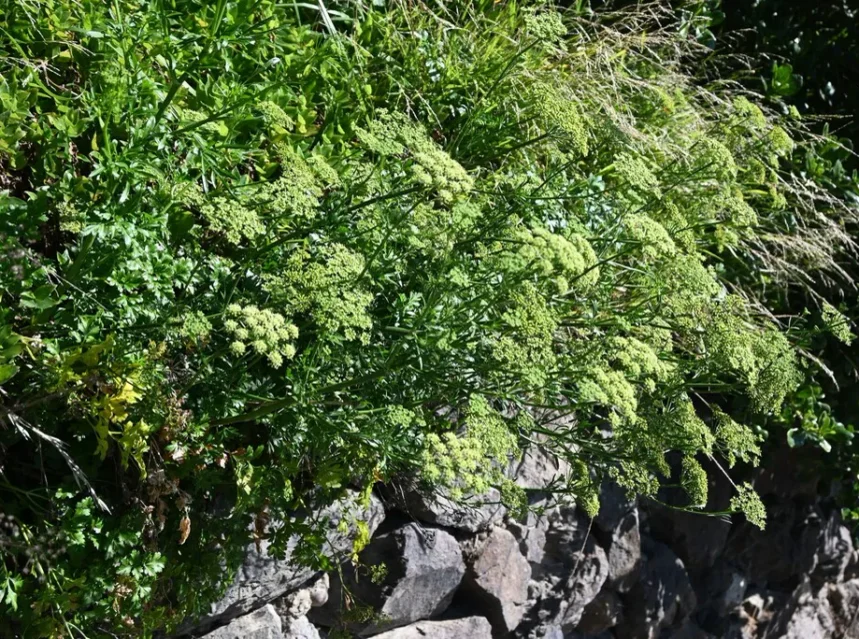
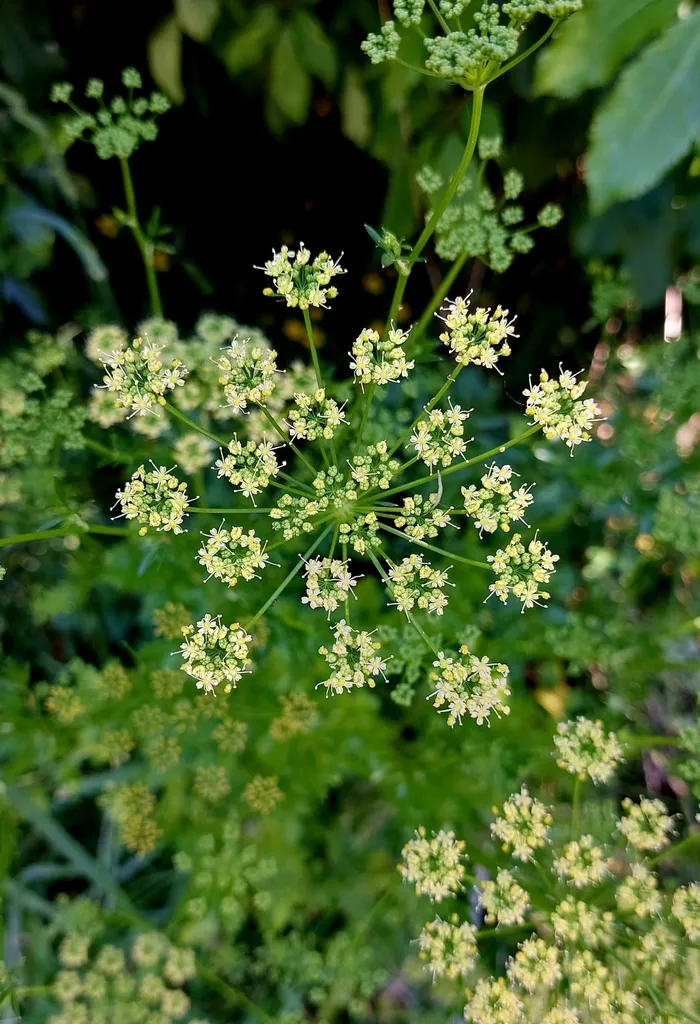
Parsley is a biennial: year two is all flower and seed — let one plant finish and you harvest hundreds of fresh seeds that germinate far faster than shop packets. Photo: Jon Sullivan (CC BY).
🧰 In a hurry? Jump straight to our tested picks for this guide ↓
Parsley seeds at a glance
| Feature | Detail |
|---|---|
| Botanical name | Petroselinum crispum (family Apiaceae) |
| Sowing depth | 1 cm (½ inch); soak seeds overnight |
| Germination temperature | 18–24°C (65–75°F) |
| Days to germinate | 14–28 days (slow) |
| Season | Cool-season biennial, grown as annual |
| Days to harvest | 70–90 days |
| Best for | Pots, garnish, cooking, beginners with patience |
Why grow parsley from seed?
Parsley is a hard-working herb that earns its place in any garden. First, one sowing gives months of fresh leaves, as the plant crops from spring well into the following year. Second, seed lets you choose the type that suits you, flat-leaf for flavour or curly for garnish. Third, fresh parsley is far better than the limp bunches sold in shops.
It grows happily in pots and tolerates some shade. For the full growing routine, see our guide on how to grow parsley. It is in the carrot family, like coriander, dill and the delicate, shade-loving chervil, and shares its slow-germinating habit with celery and its knobbly-rooted cousin celeriac. Like other slow herbs, a deep cell or direct sowing suits its taproot.
History & origin of parsley
Parsley comes from the Mediterranean, native to Greece, the Balkans, and North Africa. The ancient Greeks held it in high regard, weaving it into victory wreaths and using it in rituals, while the Romans brought it to the table as a food and flavouring. Its old name means “rock-celery,” a nod to its wild, stony home.
From the Mediterranean, parsley spread across Europe and the world to become a universal kitchen herb. You can read more on the herb’s botany and history at Wikipedia. In India it is not a traditional crop, but it grows easily in the cool season, and cooks should note it looks similar to coriander but tastes quite different.
8 best parsley seeds and varieties to grow
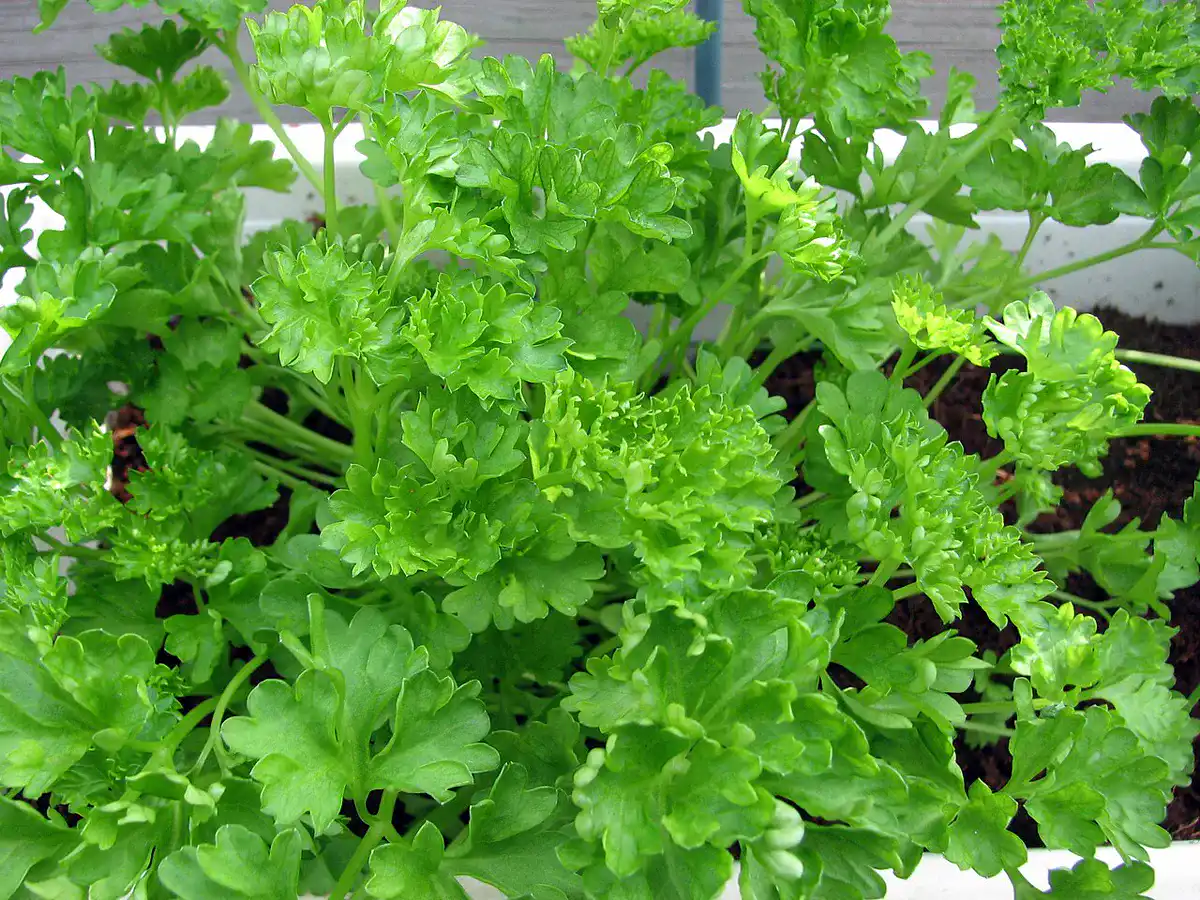
Parsley comes in three forms — flat-leaf (Italian) for cooking, curly for garnish, and Hamburg root parsley grown for its parsnip-like root. Flat-leaf types have the strongest flavour and are favoured by cooks; curly types are decorative and milder. Choose by how you will use it.
| Variety | Type | Best for | Region |
|---|---|---|---|
| Giant of Italy | Flat-leaf | Tall, bold flavour, cooking | global |
| Gigante di Napoli | Flat-leaf | Large leaves, pesto, salsa verde | global |
| Italian Flat-Leaf | Flat-leaf | Standard cook’s parsley | global |
| Moss Curled | Curly | Garnish, compact, pots | global |
| Triple Curled | Curly | Dense ruffled leaves, decorative | global |
| Wega | Curly | Vigorous, dark, uniform | Europe/global |
| Forest Green | Curly | Heavy yields, cut-and-come | US/global |
| Hamburg (root) | Root parsley | Edible parsnip-like root + leaf | Europe/global |
For cooking, the flat-leaf Italian types like Giant of Italy have the deepest, brightest flavour. For garnish and edging, curly types such as Moss Curled and Triple Curled look neat and ruffled. If you want something unusual, Hamburg root parsley gives both a tasty root and useable leaves. Grow a flat-leaf type if you only pick one.
How to grow parsley from seed
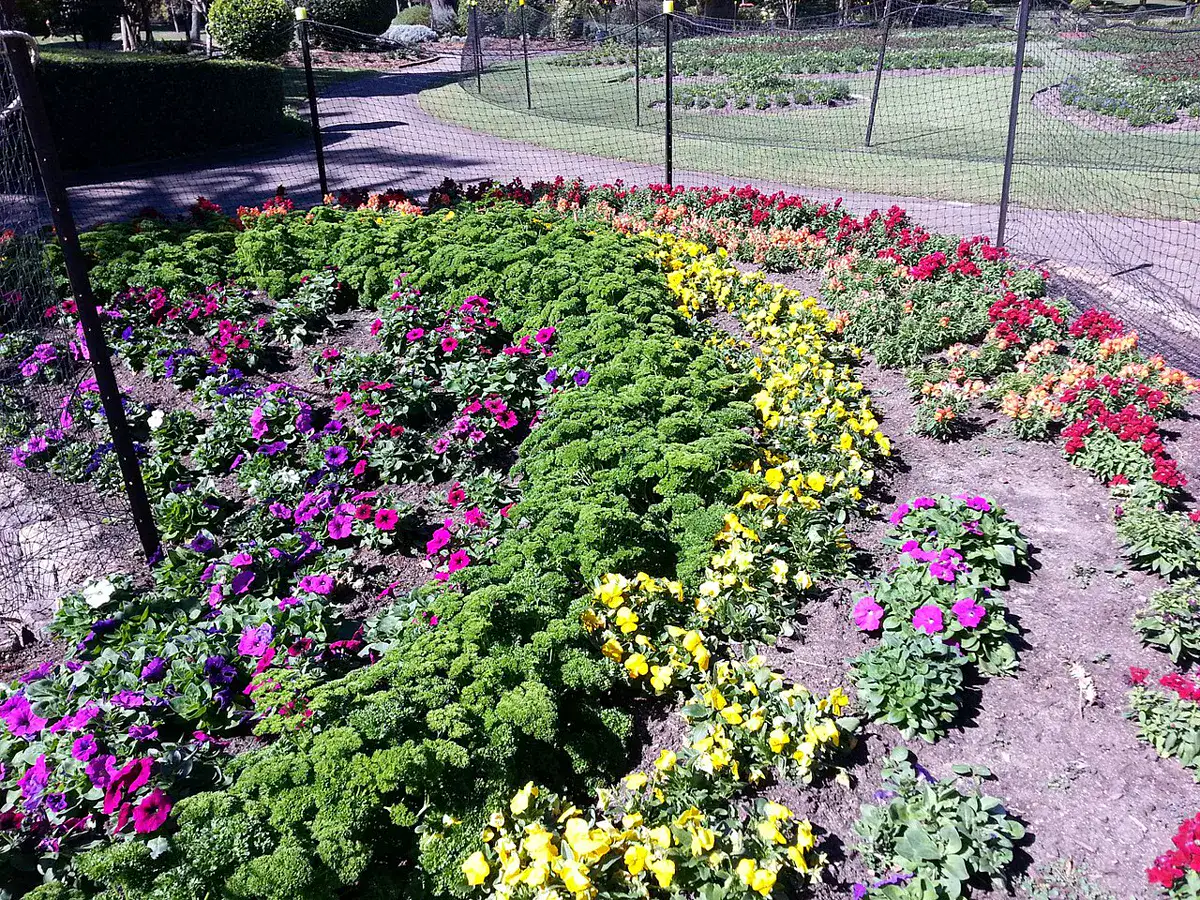
Parsley is easy once it sprouts, but the seed is famously slow. A little patience and a good start make all the difference.
- Soak first. Soak the seeds in warm water overnight to soften the seed coat and speed up germination.
- Sow direct or in deep cells. Sow 1 cm deep where they will grow, or in deep cells, as the taproot resents disturbance.
- Keep warm and patient. Hold the soil at 18–24°C and keep it moist. Germination takes two to four weeks, so do not give up.
- Thin the seedlings. Thin leaf parsley to about 10 cm apart, and root parsley to 20 cm for good roots.
- Grow in sun or part shade. Parsley does well in full sun and tolerates light shade, especially in warm climates.
Once established, parsley is tough and crops for months. As a biennial, it bolts in its second year, so most gardeners grow it as an annual and resow. In India, sow parsley in the cool season for the best, longest-lasting leaf.
Soil, watering & feeding
Parsley likes full sun to light shade and moist, fertile, well-drained soil rich in compost. Keep the soil steadily moist, as dry spells make the leaves tough and can trigger early bolting. A light, balanced feed during the season keeps the leaves lush and green.
It grows beautifully in deep pots and window boxes, which suit its long taproot. Mulch helps hold moisture in warm weather. Parsley is a classic companion in mixed herb and vegetable beds, growing well near tomatoes and other crops, and pairing in the kitchen with basil.
Common pests & diseases
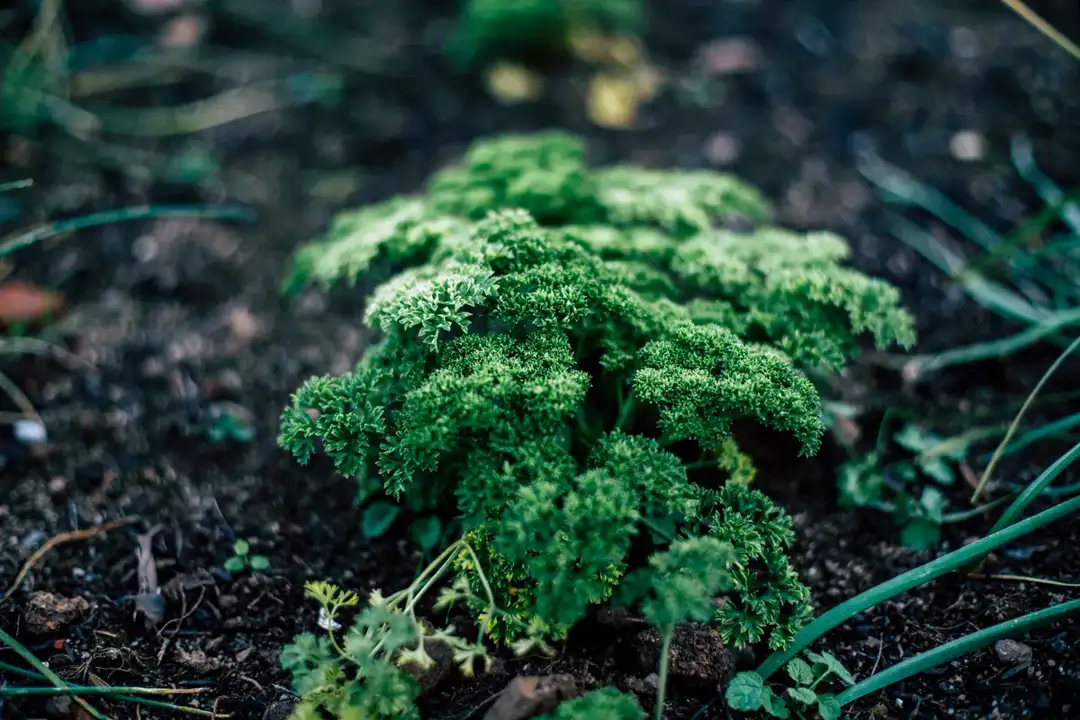
Parsley is mostly trouble-free, but a few pests visit. Aphids cluster on soft growth, and the caterpillars of swallowtail butterflies sometimes eat the leaves, so check and pick them off. The main diseases are leaf spot and crown rot in damp, crowded conditions, so space plants for airflow and avoid waterlogging. Good drainage and sunlight keep plants healthy and productive.
Harvesting & days to maturity
Parsley is ready to pick from about 70–90 days, once plants are bushy. Harvest the outer stems first, cutting them low at the base, and leave the centre to keep growing. Regular picking encourages fresh new leaves, so harvest often. The plant crops right through autumn and even mild winters, and in its second year it sends up a flower stalk and the leaves fade. Pick before that bolting for the best flavour.
Uses in the kitchen
Parsley is one of the most versatile kitchen herbs. Flat-leaf parsley is chopped into sauces, soups, stews, and dressings, and stars in Middle Eastern tabbouleh and Italian salsa verde and gremolata. Curly parsley is the classic garnish, brightening potatoes, rice, fish, and meat. The fresh, clean, slightly peppery flavour lifts almost any savoury dish. Add it near the end of cooking, or raw, to keep its colour and taste. Root parsley is cooked like a small parsnip in soups and stews.
Saving your own parsley seeds
Saving parsley seed takes two seasons, as the plant is biennial. Leave a healthy plant in the ground over winter, and in its second year it will send up flower umbels that set seed. Let the seeds turn brown and dry on the plant, then snip the heads into a bag and rub out the seeds. Store the dry seed in a labelled envelope somewhere cool and dark, and use it within a couple of years, as parsley seed loses viability quickly. Note it can cross with other parsley, so isolate for pure seed. Our full guide to saving seeds covers the method.
Common problems from seed
The most common worry is slow, patchy germination, which is normal for parsley, so soak the seed, keep it warm and moist, and be patient. Tough leaves or early bolting usually mean dry soil or a hot spell, so water steadily and give shade in heat. Yellowing, wilting plants point to crown rot in soggy soil, so improve drainage. Caterpillars on the leaves are easy to pick off by hand. Use fresh seed, as old parsley seed germinates poorly.
Where to buy the best parsley seeds
Choose a flat-leaf Italian type like Giant of Italy for cooking flavour, a curly type like Moss Curled for garnish, or Hamburg for an edible root. Buy fresh seed, as parsley germinates poorly when old. Seed houses everywhere carry flat-leaf, curly, and root parsley, and a single packet raises many plants. Use the links below to compare trusted sources.
Frequently asked questions
Why do parsley seeds take so long to germinate?
Parsley seed has natural compounds in its coat that slow sprouting, so it takes 14–28 days. Soaking the seed overnight, keeping it warm at 18–24°C, and staying patient all help it along.
Which is better, flat-leaf or curly parsley?
Flat-leaf (Italian) parsley has a stronger, brighter flavour and is preferred for cooking. Curly parsley is milder and more decorative, making it the classic garnish. Many gardeners grow both.
Is parsley the same as coriander?
No. Parsley and coriander look similar but taste very different. Parsley has a fresh, clean, peppery flavour, while coriander (cilantro) is citrusy and pungent. They are different plants in the same carrot family.
Does the paper towel method speed up parsley germination?
Yes, many gardeners pre-sprout parsley seed between damp paper towels in a warm spot, checking every few days, then sow the sprouted seeds directly once a root tip shows. This can shave several days off the usual 14-28 day wait and lets you skip weak seed.
How long does parsley seed actually take to germinate indoors?
Indoors at a steady 18-24°C, parsley typically germinates in two to four weeks, sometimes slightly faster than outdoors where temperatures fluctuate. Bottom heat from a propagation mat can nudge it toward the shorter end of that range.
Can I transplant parsley seedlings, or does it damage the root?
Parsley has a long taproot that resents disturbance, so transplanting can shock or stunt young seedlings. Sow direct or into deep cells whenever possible, and if you must move seedlings, do it while they are very small and handle the roots minimally.
Why won't my parsley seeds germinate at all?
The most common causes are seed that dried out between waterings, soil that never warmed above about 18°C, or seed that was simply too old. Keep the seed bed consistently moist, not waterlogged, and use fresh seed less than two years old.
Does parsley regrow after cutting, or is it a one-time harvest?
Yes, parsley regrows readily if you cut the outer stems at the base and leave the central growing point untouched. Regular light picking actually encourages fresh new growth, while cutting the whole plant back hard slows its recovery.
Is parsley toxic to dogs or cats?
The ASPCA lists parsley as toxic to dogs, cats, and horses, with furanocoumarins as the toxic principle, though large amounts are usually needed to cause harm. The main risk is photosensitization, a sunburn-like skin reaction, rather than acute poisoning; if a pet eats a large quantity and shows skin irritation, contact ASPCA Animal Poison Control at 888-426-4435, and note this is not veterinary advice.
Why did my parsley suddenly send up flower stalks and stop producing leaves?
This is bolting, and it happens naturally in a parsley plant’s second year as a biennial, though heat or drought stress can trigger it early even in year one. Once flower stalks appear, leaf quality and flavour decline, so it’s time to resow rather than wait for recovery.
Can you grow parsley in India?
Yes, very easily in the cool season. Although not a traditional Indian herb, parsley grows well in winter beds and pots, much like coriander, and gives months of fresh leaf for cooking and garnish.
Still stuck? Ask the Plant Doctor
Describe the problem — yellow leaves, holes, no flowers — and get a clear answer in seconds. FreeAI can make mistakes. Answers are guidance, not a guarantee — check anything important against the guide it links to, and always read the label on any product before you use it.