Buckwheat Seeds

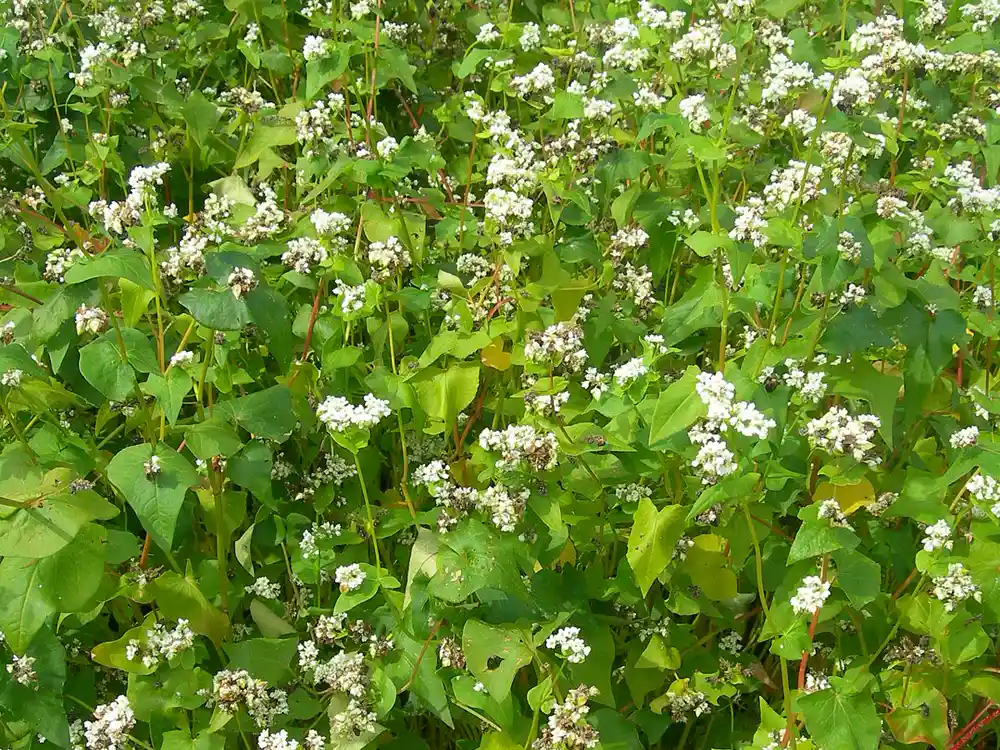
Buckwheat seeds grow into a fast, easy plant with heart-shaped leaves, clouds of small white or pink flowers, and triangular grain. Despite the name, buckwheat is not a wheat or grass at all, and it serves three roles at once: a quick grain crop, a top-class cover crop, and a magnet for bees. Buckwheat, known as kuttu in India, is one of the simplest things to grow from seed. It improves soil, feeds pollinators, and yields gluten-free grain. This guide covers the best buckwheat seeds, how to grow buckwheat from seed, when to sow, and where to buy.
Buckwheat (Fagopyrum esculentum) is a fast-growing annual grown for its grain, as a soil-improving cover crop, and for its bee-friendly flowers. You grow it from seed sown directly in warm soil. It sprouts in days and flowers in just a few weeks.
Fast, easy, and useful three ways. The buckwheat page and the Britannica entry on buckwheat cover the crop and its uses.
🧰 In a hurry? Jump straight to our tested picks for this guide ↓
Buckwheat seeds at a glance
| Feature | Detail |
|---|---|
| Botanical name | Fagopyrum esculentum (family Polygonaceae) |
| Sowing depth | 1–2 cm; sow dense for a cover crop |
| Germination temperature | 18–25°C (64–77°F) |
| Days to germinate | 3–5 days (very fast) |
| Season | Fast warm-season annual; frost-tender |
| Days to harvest | Flowers 4–6 weeks, grain 10–12 weeks |
| Best for | Grain, green manure, bees, weed-smothering |
Why grow buckwheat from seed?
Buckwheat is one of the most useful quick crops you can sow. First, it is incredibly fast and easy, sprouting in days and flowering within weeks.
Second, it is a triple threat: grain for the kitchen, a soil-building cover crop, and a superb bee plant. Third, it thrives in poor soil and needs no feeding.
It is a brilliant gap-filler between other crops. Buckwheat works well alongside other quick, bee-friendly sowings such as phacelia, and grain-style crops like amaranth.
Grain, cover crop & bee plant
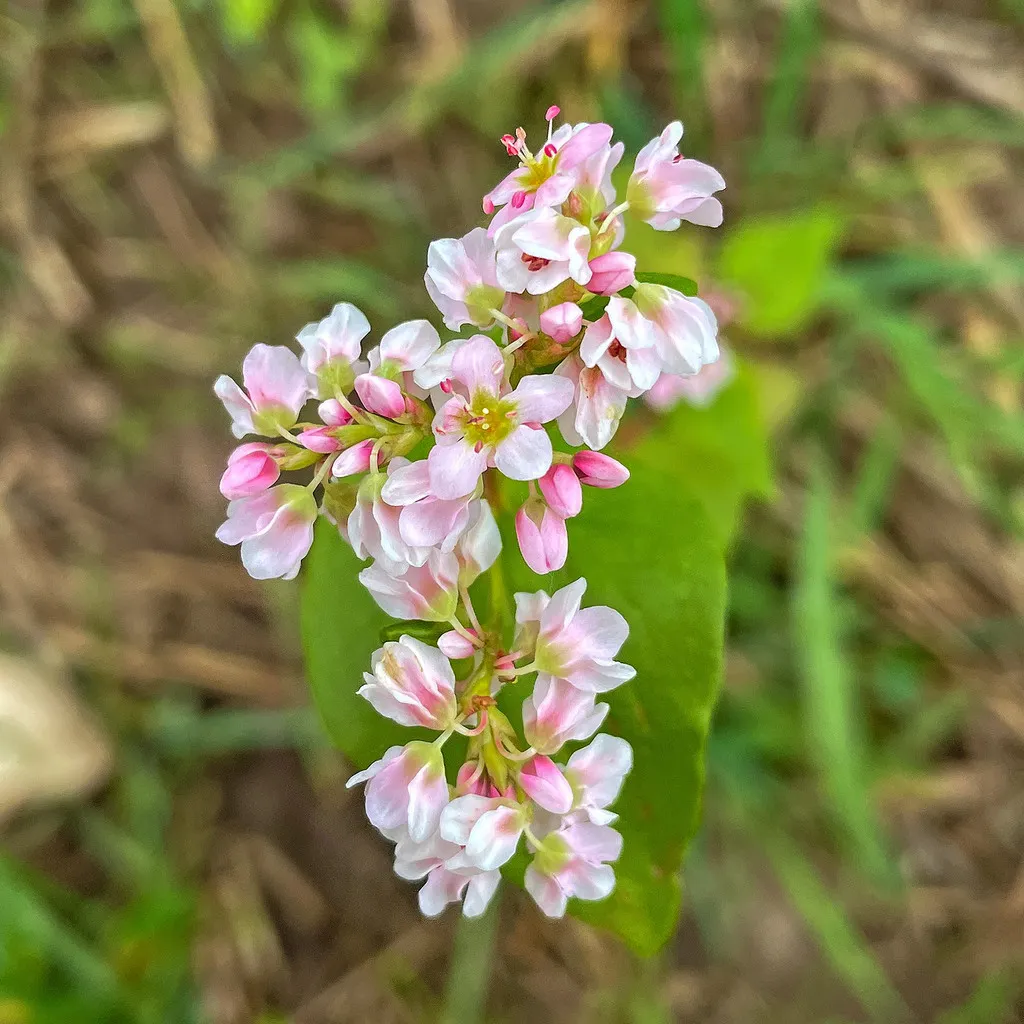
Buckwheat earns its place three ways. As a grain, its triangular seeds are milled into flour or cooked as groats, giving a nutty, gluten-free staple.
As a cover crop, it grows so fast that it smothers weeds and shades the soil, then is dug in as green manure to add organic matter.
As a bee plant, its mass of small flowers pours out nectar over several weeks, drawing in bees and other pollinators and even making a distinctive dark honey.
History, origin & India
Buckwheat comes from Asia, where it was domesticated in the region of China and Central Asia long ago. It spread west into Europe and became a valued grain in cooler regions, used for flour, porridge, and noodles.
You can read more on the crop’s history and botany at Wikipedia.
In India, buckwheat is well known as kuttu, especially in the hills. Kuttu flour is a popular food during fasting days and festivals such as Navratri. It grows best in the cooler Himalayan regions rather than the hot plains.
Best buckwheat seed varieties to grow
Buckwheat varieties split into common buckwheat and the hardier tartary type. Most growers use common buckwheat for grain, cover, and bees.
| Variety | Type | Best for | Region |
|---|---|---|---|
| Common Grey | Common buckwheat | All-round grain and cover crop | global |
| Mancan | Common (large seed) | Grain yield, milling | global |
| Manor | Common | Cover crop, reliable | global |
| Koto / Japanese | Common | Noodles and groats | Asia |
| Tartary (kuttu hill type) | Tartary buckwheat | Cool hills, hardy, flour | hills / India |
For most gardens, common buckwheat such as Common Grey or Mancan is ideal for grain, green manure, and bees. Manor is a good steady cover-crop type.
In the Indian hills and other cool regions, hardy tartary buckwheat suits kuttu flour. All grow the same quick, easy way from seed.
How to grow buckwheat from seed

Buckwheat is about as easy as crops get.
- Sow on warm soil. Sow after frost into warm ground, as buckwheat is tender and dislikes cold.
- Scatter and rake. Broadcast seed for a cover crop, or sow in rows for grain, then rake it in 1–2 cm deep.
- Sow thickly for cover. Sow densely to shade out weeds, or thinner for bigger grain plants.
- Water to start. Water lightly until it sprouts, which takes only a few days.
- Let it flower. Within weeks it blooms, feeding bees and signalling the cover-crop stage.
Buckwheat needs no fertiliser and grows in poor soil. It is, however, killed by frost, so time it for a frost-free spell.
In the Indian hills, grow kuttu in the cooler months, while in cool temperate gardens it suits late spring through summer.
Is buckwheat a good cover crop?

Yes, buckwheat is one of the best quick cover crops. Its fast, leafy growth shades the soil and smothers weeds in just a few weeks.
It also helps make soil nutrients, especially phosphorus, more available, and its roots improve soil structure. When dug in green, it adds useful organic matter.
The key is to cut or turn it in at flowering, before it sets seed, or it will self-sow. Used this way between crops, buckwheat quickly cleans and conditions a bed, much as a quick legume like mung bean can refresh the soil.
When should you sow buckwheat seeds?
Buckwheat is frost-tender but dislikes extreme heat, so aim for mild, warm conditions. Sow once frost has passed.
In cool and temperate areas, sow from late spring through summer. Quick sowings can even fit between other crops as a fast cover.
In hot climates, sow in the cooler season, and in India grow kuttu in the hills during mild weather. Avoid both frost and the fiercest summer heat, which can stop it setting seed.
Soil, watering & care
Buckwheat grows in almost any reasonable soil, including poor and slightly acidic ground, as long as it drains. It does not need rich soil or feeding.
Water lightly to get it started, then it is fairly self-reliant, though steady moisture helps grain fill. Heavy, waterlogged clay is the main thing to avoid.
It needs very little care once growing. This easy, no-feed nature makes it a great soil-improver before hungry crops, much like sowing mustard as a green manure.
Common pests & problems
Buckwheat is remarkably free of pests and diseases, one of its great strengths. Occasionally aphids may appear, but serious problems are rare.
Because it grows so fast and is grown so briefly, pests rarely get a foothold. This is part of why it is valued in crop rotations.
The main practical issue is frost, which kills it outright, and self-seeding if left to drop ripe grain. Timely sowing and cutting avoid both.
Harvesting buckwheat grain
For grain, let the plants flower and set their triangular seeds. Harvest when most of the seeds have turned brown and hard, usually around 10–12 weeks from sowing.
Because buckwheat flowers and seeds over a long period, not all grain ripens at once. Cut the plants when the bulk of the seed is ripe, before heavy seed drop.
Dry the cut plants, then thresh out the grain and winnow away the chaff. Store the dry grain somewhere cool and dry.
Uses of buckwheat & kuttu
Buckwheat grain is naturally gluten-free and nutty in flavour. It is milled into flour for pancakes, galettes, and noodles such as soba, and cooked as groats or kasha. It sits well in a grow-your-own pantry beside crops like sesame and fenugreek.
In India, kuttu flour is widely used for fasting foods like puris and pakoras during festivals. The flowers also make buckwheat a fine bee and honey plant.
This article is for gardening information only and is not health or medical advice. Enjoy buckwheat as part of a normal, balanced diet.
Saving your own seeds
Saving buckwheat seed is easy, as the grain is the seed. Let some plants ripen fully and dry, then collect the brown, triangular seeds.
Dry them well and store in a labelled, airtight container somewhere cool and dark. Keep some grain back purely for resowing.
Buckwheat is mainly insect-pollinated and can cross, but saved seed grows reliably. Our general guide to saving seeds covers drying and storage.
Common problems from seed
Few crops give less trouble than buckwheat, but a couple of points help. Frost damage is the big one, so never sow while frost still threatens.
Poor seed set can happen in very hot, dry weather, so avoid the peak of summer heat in warm regions. Thin, weak stands usually mean sowing too sparsely.
Unwanted self-seeding follows letting ripe grain drop, so cut cover crops at flowering. Warm soil, the right season, and timely cutting give the best results.
Where can you buy buckwheat seeds?
Choose common buckwheat such as Common Grey or Mancan for all-round grain, cover, and bees, or a hardy tartary type for cool hills. Buy fresh seed, which is sold cheaply by weight for cover cropping.
Many seed houses and farm suppliers sell buckwheat, and in India kuttu is widely available. Use the links below to compare trusted sources.
Frequently asked questions
How long do buckwheat seeds take to germinate?
Buckwheat seeds germinate very fast, in about 3–5 days, in warm soil at 18–25°C. Sow them 1–2 cm deep after frost, and they sprout and grow quickly.
Is buckwheat a grass or a grain?
Neither, really. Buckwheat is not a grass or a true cereal but a broadleaf plant related to rhubarb and sorrel. Its seeds are used like a grain, which is why it is called a pseudocereal.
Why grow buckwheat as a cover crop?
It grows so fast that it smothers weeds, shades the soil, and helps make nutrients available. Dug in at flowering, it adds organic matter, making it a quick, easy green manure between crops.
Can you grow buckwheat in India?
Yes, especially in the hills. Known as kuttu, buckwheat grows best in cooler Himalayan regions rather than the hot plains. Sow in mild weather, give sun and any draining soil, and it grows easily.
When should you sow buckwheat?
Sow after all danger of frost has passed and the soil has warmed, then keep sowing through summer as beds come free. Buckwheat is killed by even a light frost, so the last useful sowing is roughly a month or two before your first autumn frost.
How much seed do you need and how deep?
For a green manure stand use about 100 to 150 g per 10 square metres (2 to 3 lb per 1,000 square feet), and a little less if you are growing it for grain. Sow about 1.3 cm (1/2 inch) deep, or broadcast and rake it in.
How long does buckwheat take to flower and mature?
Flowering usually starts about four to six weeks after sowing, sometimes sooner in hot weather, and can carry on for weeks. Grown for grain, it reaches maturity in roughly 70 to 90 days.
When should you cut down or dig in a buckwheat cover crop?
Terminate it about a week to ten days after flowering starts, when the patch has just turned white with bloom and roughly a quarter of the flowers are open. Leave it later and the first seeds ripen and you get a second unplanned crop.
Will buckwheat become a weed in the next crop?
Only if it is allowed to set seed. It self-sows readily, so mow or dig it in on time. Volunteer seedlings that do appear are shallow rooted and easy to hoe out or turn under.
Can you grow buckwheat in a small bed or a no-dig garden?
Yes, it is one of the easiest short-term covers for a small plot. Broadcast the seed over a cleared bed, rake lightly, and at flowering either cut it down and leave the tops as mulch or chop it in to break down in place.
How do you harvest buckwheat for grain?
Wait until flowering has nearly finished and about three quarters of the seeds have turned brown, then cut the stems. In a garden, hang bundles to dry under cover, then thresh over a sheet and winnow the chaff away.
Still stuck? Ask the Plant Doctor
Describe the problem — yellow leaves, holes, no flowers — and get a clear answer in seconds. FreeAI can make mistakes. Answers are guidance, not a guarantee — check anything important against the guide it links to, and always read the label on any product before you use it.