Best Chia Seeds
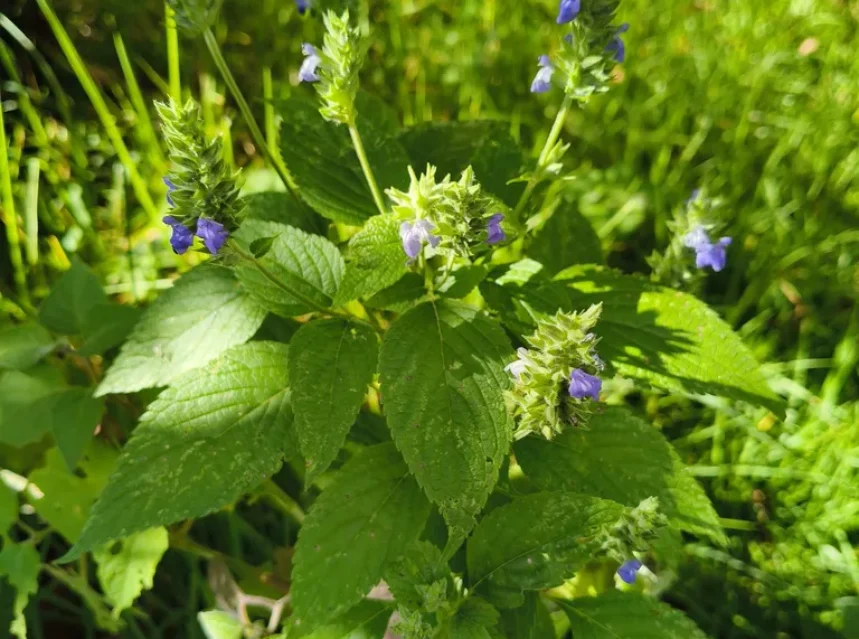
The best chia seeds grow a tall, blue-flowered member of the sage family that crowns the late season with spikes of bloom and then sets the tiny, gel-forming seeds prized in kitchens worldwide. It is a sage grown for its seed.
Chia is an annual herb, Salvia hispanica, grown for its small, oval, mucilage-rich seeds. It is a true sage relative, and the same seeds that sprout on a chia pet also fill the plant’s flower spikes.
🧰 In a hurry? Jump straight to our tested picks for this guide ↓
Quick start
- Type: Tall annual sage grown for seed
- Grow from: Seed
- Sow: Late spring, after frost
- Soil: Light, well-drained, even poor
- Sun: Full sun
- Harvest: Seed in autumn
Chia belongs to the mint family (Lamiaceae). For background, see chia on Wikipedia and chia on Britannica.
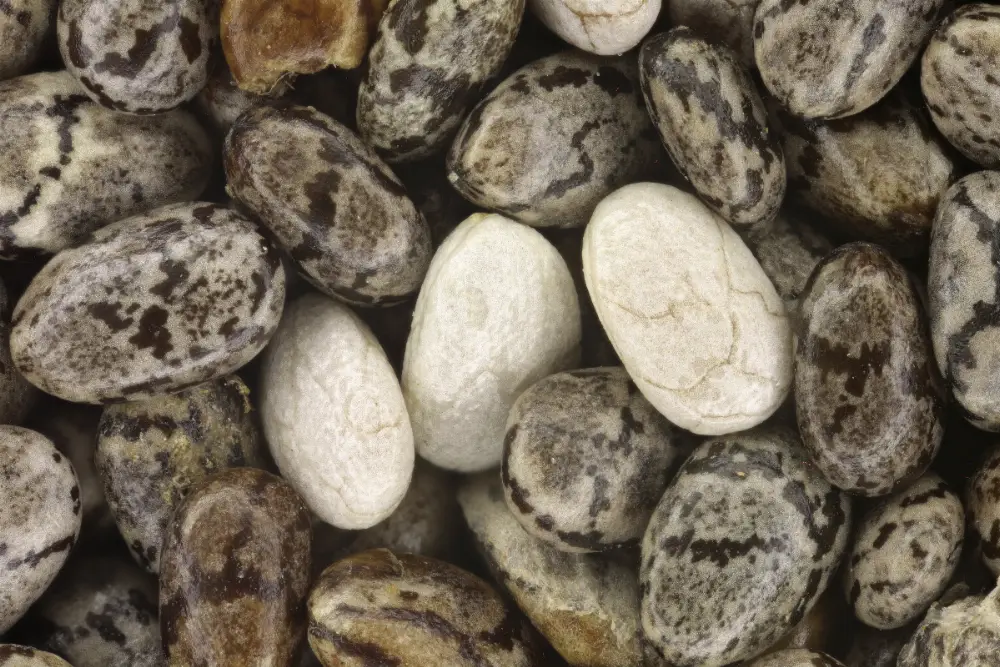
Chia is really a sage
This surprises many people. Chia is a member of the sage family.
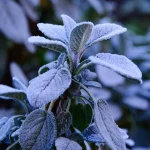
It is closely related to garden sage and ornamental salvias. Its square stems and lipped flowers give it away.
So it grows much like other annual salvias. The difference is that we grow it for seed.
Why grow chia?
Chia is a fun and unusual crop. Few gardeners grow their own seed.
Its tall blue flower spikes are lovely. They draw in bees through the late season.
The seeds are a wholesome kitchen staple. They swell into a soft gel in water.
It is easy and drought-hardy once growing. Like a tough amaranth, it shrugs off dry heat.
Chia at a glance
| Feature | Detail |
|---|---|
| Botanical name | Salvia hispanica |
| Family | Lamiaceae (mint family) |
| Common names | Chia, chia sage |
| Grown from | Seed |
| Edible part | Tiny gel-forming seeds |
| Flowers | Blue or white spikes |
| Height | 1-1.5 m tall |
| Type | Tall annual sage |
History, origin and how it reached India
Chia comes from Mexico and Central America. The Aztecs and Maya grew it as a staple seed.
It was a prized food and offering long ago. Runners and warriors valued its sustaining seed.
It faded for centuries, then returned as a modern health food. Now it is grown across many lands.
In India it grows in warmer regions and seasons. Interest in it has risen quickly in recent years.
Chia types to look for
Chia varies in flower colour and seed shade. Day length affects when it flowers.
| Type | Notes |
|---|---|
| Black-seeded chia | The common type; dark mottled seed |
| White-seeded chia | Pale seed; white flowers |
| Day-neutral types | Flower earlier, less tied to short days |
| Ornamental chia sage | Grown mainly for the blue spikes |
Choose fresh seed of a type suited to your season. Day-neutral types crop better in short summers.
Best season and when to plant
Chia loves warmth and a long season. So sow it in late spring after frost.
It often flowers as the days shorten in autumn. So it needs a long, frost-free run to set seed.
In India, grow it through the warm season. Mild, frost-free regions suit it best.
A short or cold summer may not ripen seed. So an early start helps a great deal.
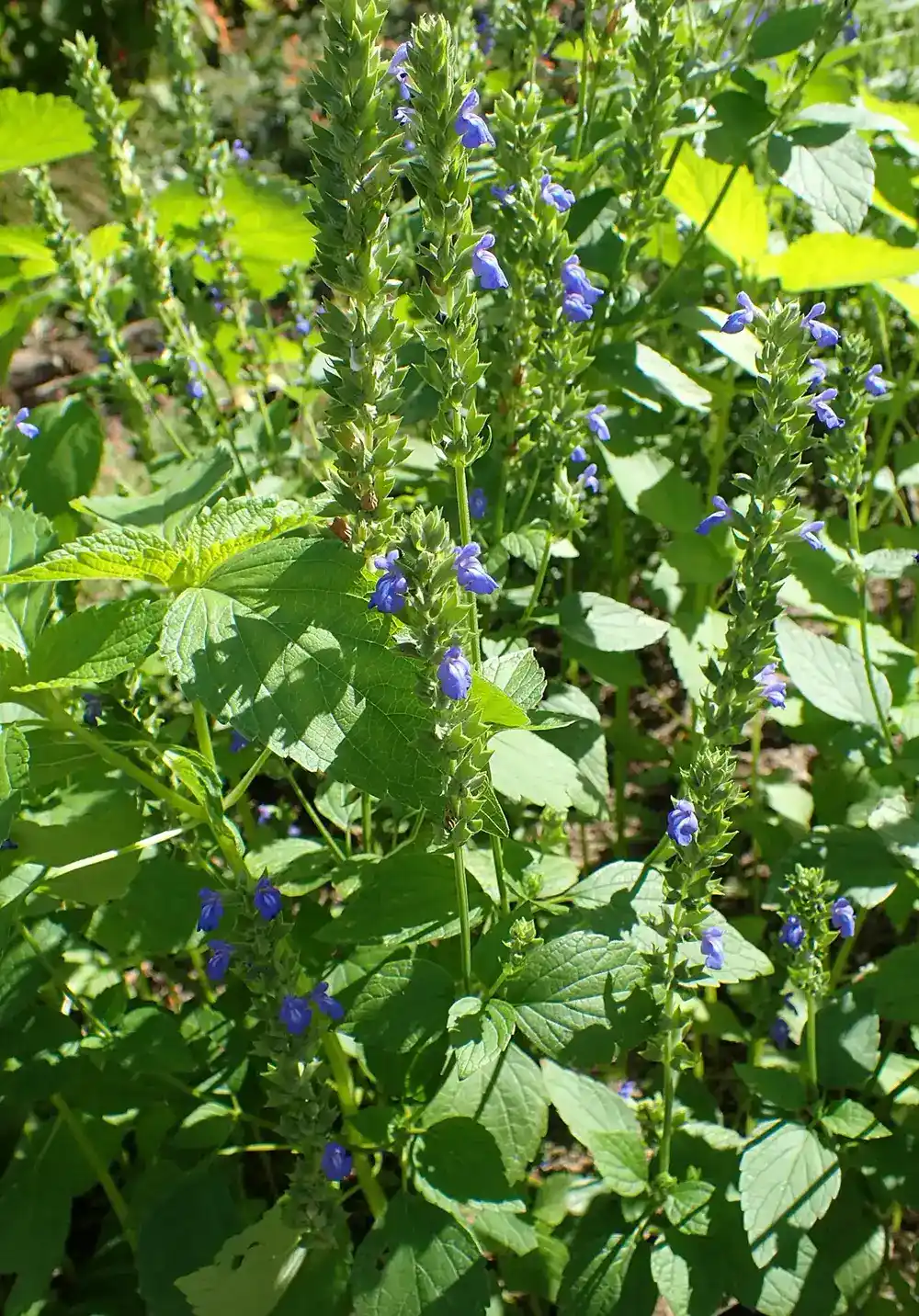
How to grow chia from seed
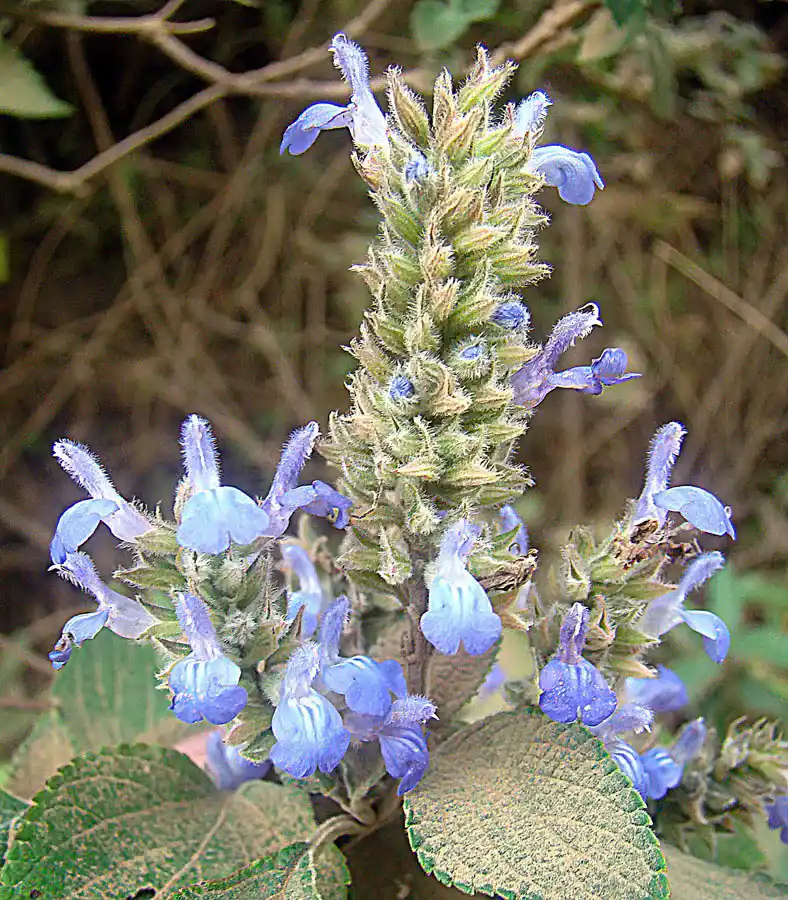
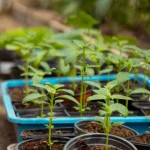
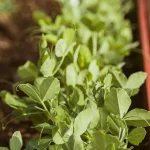
Chia is easy to start from its own tiny seed. The seedlings look like young sage.
- Sow the fine seed on warm, firm soil.
- Barely cover it, as it needs light.
- Keep it just moist until it sprouts.
- Thin the seedlings to give them room.
- Let the tall flower spikes form and set seed.
The seed is sticky when wet, which aids sowing. Sow it thinly, much like fine basil seed.
Sun, soil, watering and feeding
As a desert-edge sage, chia craves all-day sun and dry heat. The more baking the spot, the better it flowers and seeds.
Sharp drainage matters far more than richness here. A gritty, light soil keeps the roots from sulking in winter wet.
Give seedlings a steady drink until they are knee-high. From then on the plant is genuinely drought-tough and resents fussing.
Skip heavy feeding altogether, as lush leaf delays the flowers. Treat it as lean and mean, just as you would a border sage.
Why day length matters
Chia is sensitive to day length. Many types flower only as the days shorten.
So in long summers it may grow tall but flower late. A frost can then arrive before seed sets.
To beat this, sow early or choose a day-neutral type. These flower without waiting for short days.
Common pests and diseases
Chia is tough and pest-light. A few issues can appear.
- Aphids: Cluster on soft new shoots.
- Slugs: Nibble young seedlings.
- Birds: Take ripening seed from the spikes.
- Damping off: In cold, wet soil.
Warm soil and good airflow prevent most problems. Net the spikes from birds, as with a sunflower.
Harvesting chia
Harvest the spikes once they dry and brown. The tiny seeds sit in the spent flowers.
Cut the spikes and dry them fully indoors. Then rub and shake out the small seed.
Winnow away the chaff gently, as the seed is fine. Store the clean seed somewhere dry.
Keep it sealed and cool for the longest life. Dry chia seed stores well for many months.
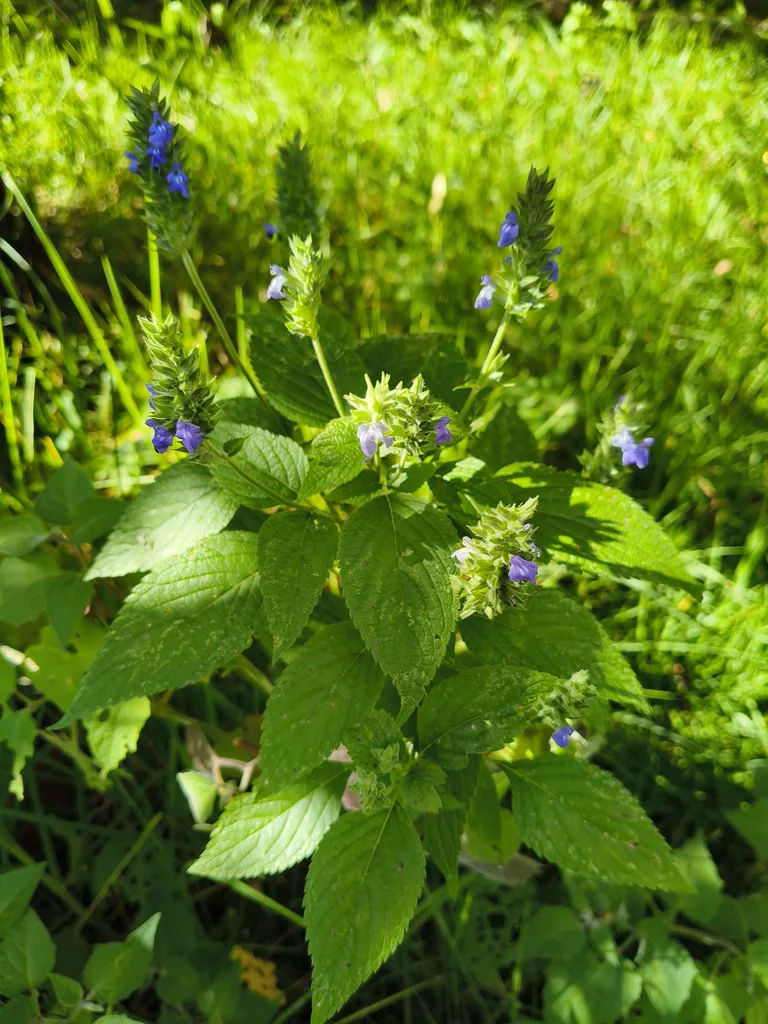
Uses in the kitchen
Chia is a versatile, mild seed. Stir it into drinks, where it swells into a soft gel.
Soak it with milk or juice for a simple pudding. It thickens beautifully overnight.
Sprinkle it over porridge, salads and bakes. It adds a gentle crunch and body.
Use it as a thickener or topping. It gels far more than a flat flax seed.
This article is for gardening information only and is not medical or nutritional advice. For dietary guidance, consult a qualified professional.
7 tips for the best chia seeds
A few simple habits give a good seed harvest. Follow these for full, ripe spikes.
- Sow fresh seed in late spring, after frost.
- Choose a day-neutral type for short summers.
- Give it full sun and free-draining soil.
- Water young plants, then ease off.
- Sow early to beat autumn frosts.
- Net ripening spikes from birds.
- Dry the seed fully before storing.
These steps suit most sun-loving seed crops. The same care helps a perilla plant along.
Common problems
Most chia troubles come from a short or cold season. Use this guide to fix them.
- No seed before frost: Late flowering; sow early or use day-neutral types.
- Tall but no flowers: Long days; wait for them to shorten or choose better types.
- Poor germination: Cold soil; wait for warmth.
- Lost seed: Birds; net the ripening spikes.
Companion planting and placement
Chia grows tall, so place it at the back of a bed. Its blue spikes make a fine backdrop.
Its flowers draw bees to the whole garden. So it helps pollinate nearby crops.
Keep it clear of heavy, shaded, wet ground. Such spots make it weak and leafy.
Pair it with other sunny annuals. Set it near a sunflower for a pollinator corner.
Growing chia in containers
Chia can grow in a large, deep pot. A potful brings flowers and bees to a balcony.
Choose a big tub with good drainage. Fill it with light, free-draining compost.
Stand it in full sun and water moderately. Sow early to give the seed time to ripen.
Chia vs flax: what is the difference?
Both are tiny seeds used in the kitchen. But they come from very different plants.
Chia is a sage, Salvia hispanica, with blue flower spikes. Flax is a slim blue-flowered plant of its own family.
Chia seed forms a thick gel in water, while flax does so far less. So chia is the better natural thickener.
Frequently asked questions
Is chia a kind of sage?
Yes. Chia is Salvia hispanica, a true member of the sage and mint family, grown for its seed rather than its leaves.
Why won't my chia set seed?
Many types flower only as the days shorten, so frost can beat them. Sow early or grow a day-neutral type.
Can I grow chia in India?
Yes, in warm, frost-free regions and seasons. It needs a long, warm run to flower and set seed.
Are garden chia seeds the same as food chia?
Yes. The same seeds you eat or sprout will grow the plant, as long as they are whole and viable.
How long do chia seeds take to sprout?
Kept moist at room temperature, chia seeds typically sprout within 3 to 7 days, with warmer conditions sprouting them faster. The seed coat turns gelatinous almost immediately when wet, which is what lets the tiny sprouts anchor themselves without soil.
How tall do chia plants actually grow?
Many first-time growers are surprised by the size: chia can reach over a metre tall by the time it flowers. Growth is slow at first, then speeds up once the plant is knee-high, so give it real garden space rather than a small pot.
Can you use pantry chia seeds, like the kind sold for smoothies, to grow plants?
Yes, food-grade chia seed is the same viable seed sold for planting, as long as it has not been heat-treated or ground. This is why the plant blurs the line between spice crop and pantry staple more than most seed crops.
Why do "chia pet" sprouts die off quickly?
A chia pet is grown as a thin mat of seedlings on a damp surface with no real soil or root run, so it survives only weeks, not a full season. A garden-sown chia plant, rooted properly in soil, lives on to flower and set seed.
Do chia plants need staking?
Established plants often lean or flop once the tall flower spikes form, especially in wind or rich soil. A light stake or growing them in a sheltered block where they support each other usually keeps the spikes upright through flowering and seed set.
Are chia flowers useful to pollinators, or just the seed?
Both. The small blue or white flower spikes draw bees steadily through late summer, making chia a genuinely useful pollinator plant even before you consider the seed harvest at the end of the season.
How do you know when to harvest chia seed rather than let it keep flowering?
Watch the lower flower spikes: once they dry and turn brown while the top is still blooming, the earliest seed is ready. Cutting spikes as they brown, rather than waiting for the whole plant to finish, catches more seed before it shatters or the season ends.
Chia is a fascinating crop that turns out to be a blue-flowered sage, rewarding a long, warm season with bee-friendly spikes and a harvest of your own tiny gel-forming seeds. With the best chia seeds, full sun and an early start, you can grow a superfood staple and a pollinator magnet in one. For more sunny seed crops, see our guides on flax and sunflower.
Still stuck? Ask the Plant Doctor
Describe the problem — yellow leaves, holes, no flowers — and get a clear answer in seconds. FreeAI can make mistakes. Answers are guidance, not a guarantee — check anything important against the guide it links to, and always read the label on any product before you use it.