Best Garden Hose
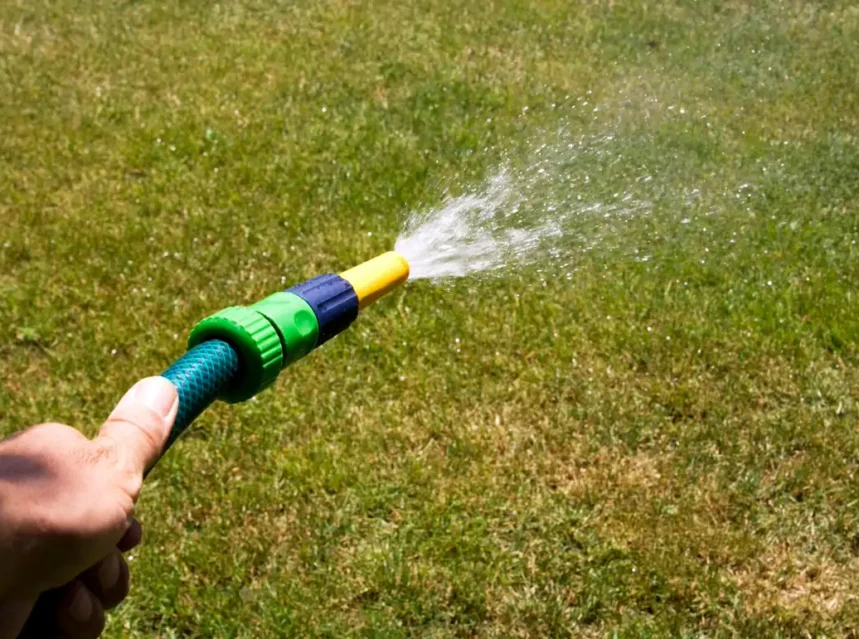
The best garden hose for most people is a 15 m (50 ft), 5/8-inch hybrid or rubber hose with brass fittings: heavy enough to resist kinks, light enough to drag around a bed, and built to outlive five bargain hoses. A hose seems like the most boring purchase in gardening, right up until a cheap one kinks shut, splits at the coupling, or sprays the fence instead of the tomatoes. Watering is the one job you do all season, so the tool you do it with decides whether it takes ten minutes or thirty.
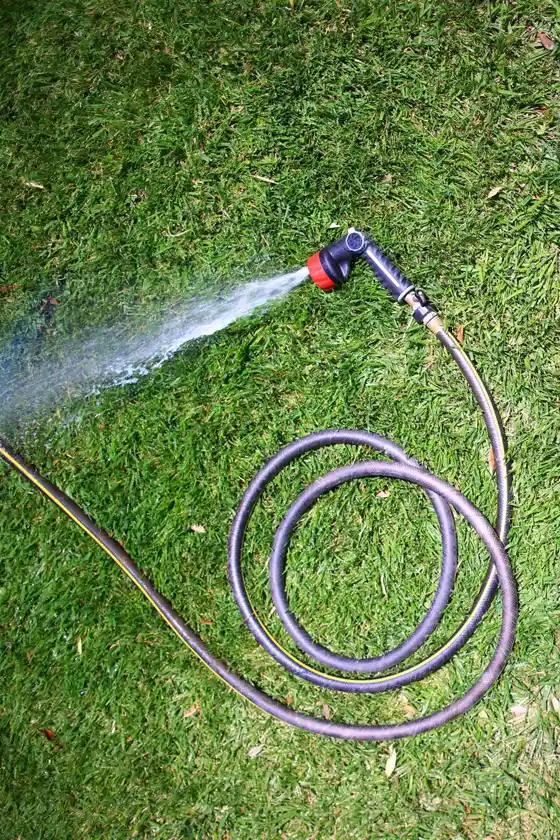
Quick answer: Buy the Flexzilla hybrid hose if you want one hose that does everything without kinking. Choose a Dramm rubber hose for decades of hard use, a Flexi Hose expandable for balconies and small storage, and a flat soaker hose for beds. In India, a braided PVC pipe with a proper tap adapter beats any imported option on value.
Hoses are tested to destruction every year so you do not have to. We run them over with cars, drop the fittings on concrete and measure flow at full length, and the results match what allotment forums have said for years. Cheap vinyl hoses kink and split first. Brass fittings survive what plastic ones do not. Expandable hoses are genuinely convenient and genuinely shorter-lived than rubber. And almost every “my hose burst” story starts with a hose left pressurised in the sun. We matched that consensus against what is actually sold in the US, UK and India.
🧰 In a hurry? Jump straight to our tested picks for this guide ↓
Best garden hose at a glance
| Pick | Best for | Type | Trade-off |
|---|---|---|---|
| Flexzilla hybrid | Best overall, no kinks | Hybrid polymer | Bright green is not subtle |
| Dramm ColorStorm | Buy-for-life durability | Rubber | Heavy on long runs |
| Flexi Hose | Balconies, small storage | Expandable latex | Shorter lifespan than rubber |
| Gilmour flat soaker | Beds, water saving | Soaker | Slow by design |
| Hozelock starter set | UK and India availability | PVC multi-layer | Mid-range durability |
| Braided PVC pipe + adapter | Best value in India | Braided PVC | Stiffens in winter |
Rubber, expandable or soaker: which hose type do you need?
Hose marketing hides a simple truth: there are only four designs, and each suits a different garden.
Rubber and hybrid hoses are the workhorses. They resist kinking, take hot water, survive being dragged over gravel and last a decade or more. Their cost is weight — a full-length rubber hose is a genuine armful. Hybrids blend rubber and polymer to cut that weight roughly in half while keeping most of the toughness.
Vinyl hoses are the cheap coil at every hardware store. They are light and fine for occasional balcony use, but they kink constantly, stiffen in cold weather and split years sooner. Most “never again” hose stories are vinyl stories.
Expandable hoses contract to a third of their length when empty, weigh almost nothing and store in a bucket. For balconies, terraces and small patios they are a real solution, not a gimmick. The latex core does age faster than rubber, so treat them as a three-to-five-year tool, drain them after use and keep them out of direct sun.
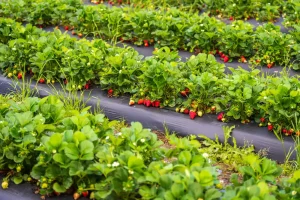
Soaker hoses weep water slowly along their whole length, directly into the soil. Laid through a bed under mulch, they water roots without wetting leaves — which also means fewer fungal problems and less evaporation. Pair one with a timer and your watering schedule nearly runs itself.
Garden hose size: why diameter and length matter
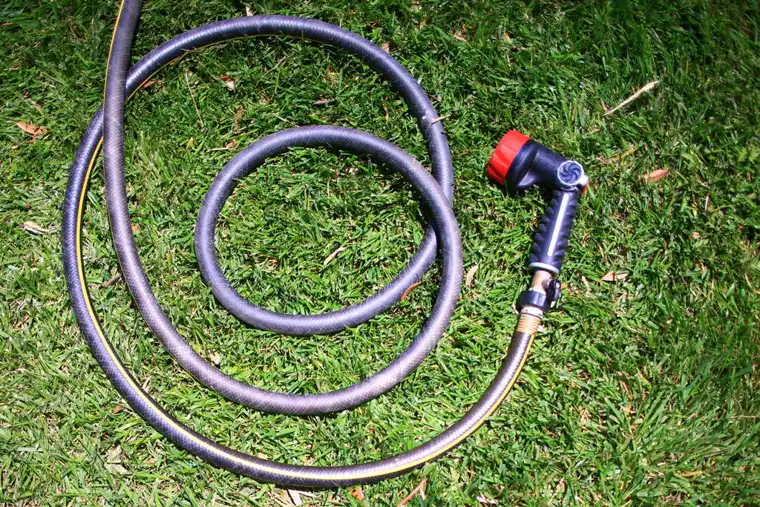
Two numbers on the package decide how your hose actually performs. Diameter: 5/8 inch (about 16 mm) is the standard and the right answer for most homes — a good balance of flow and weight. Half-inch hoses are lighter but deliver noticeably less water, which is fine for pots and frustrating for lawns. Three-quarter-inch hoses move the most water and weigh the most; they earn their keep on big plots.
Length: buy the shortest hose that comfortably reaches your furthest plant. Friction steals pressure with every extra metre, so a 30 m hose on a weak tap delivers a sad dribble that a 15 m hose would not. Two shorter hoses joined when needed beat one giant hose dragged around every day.
How we picked
Same rules as our pruners and trowel guides. First, materials honesty: published burst, kink and crush tests reward rubber, hybrid polymer and brass, and punish thin vinyl and plastic couplings, so our picks do too. Second, verified results from the named expert tests, not listing claims. Third, real availability at sane prices in the US, UK and India. And finally fit for purpose — a balcony gardener and a lawn owner should not be sold the same hose.
The 6 best garden hoses in 2026
1. Flexzilla hybrid — best overall
Flexzilla’s hybrid polymer hose became the default recommendation in test after test for one reason: it lies flat and refuses to kink, even straight off the reel on a cold morning. It stays flexible below freezing, the fittings are anodised aluminium, and it weighs far less than rubber. The lime-green colour divides opinion, but the convenience does not.
2. Dramm ColorStorm — buy-for-life rubber
Dramm builds watering tools for commercial nurseries, and its ColorStorm rubber hose is the kind groundskeepers replace once a generation. It shrugs off sun, hot water, tractors and decades. The honest cost is weight — on a long run it is a workout — and price. Buy it where one hose must simply never fail.
3. Flexi Hose — best expandable
Among dozens of near-identical expandable hoses, the Flexi Hose keeps winning comparisons on the strength of its double latex core and solid brass fittings, the two parts where cheap expandables fail. It shrinks to a third of its length for storage, making it the sensible pick for balconies and terrace gardens. Drain it after use and expect three to five good years.
4. Gilmour flat soaker — best for beds
This flat, fabric-covered soaker lays along a vegetable row or flower bed and weeps water straight into the root zone. Used under mulch it cuts evaporation dramatically and keeps foliage dry, which your disease-prone plants will repay. It is slow on purpose — set it going, do other jobs, move it once.
5. Hozelock starter set — best in the UK, easy in India
Hozelock’s multi-layer PVC hoses with click-on connectors are the UK standard for a reason: every part — connector, nozzle, repair joint — is sold separately in every garden centre, so the system is endlessly fixable. The same click-fit parts are now widely available in India online, which makes Hozelock the painless upgrade path for Indian gardeners too.
6. Braided PVC pipe + tap adapter — best value in India
In most Indian homes the practical answer is the braided, fibre-reinforced PVC “garden pipe” sold by the metre at every hardware shop. Braided walls resist the kinks and bulges that kill the clear unreinforced pipe. Spend the saved money on the part everyone skips: a proper tap adapter or hose connector for your tap size, instead of jamming the pipe on and losing half your pressure at the joint.
Garden hoses in India: taps, adapters and monsoon care
Indian homes almost never have a threaded outdoor spigot, so the weak point of every setup is the tap connection. Indian taps are mostly half-inch or three-quarter-inch BSP thread; a matching screw-on tap adapter with a click-fit connector turns any bathroom or balcony tap into a proper hose point. It costs little and ends the classic jugaad of rubber bands and leaking cloth wraps.
Climate does the rest of the damage. Sun-baked terraces cook vinyl pipes stiff within a couple of summers, so store the pipe coiled in shade, not lying on hot concrete. During the monsoon, drain and hang it — water left standing inside grows algae and breeds mosquitoes. And in hard-water cities, unscrew the nozzle every month or two and soak it in descaler or vinegar, exactly as you would a showerhead, to keep the spray pattern alive. For seasonal jobs, our monsoon gardening guide covers when to stop watering entirely.
How to make any hose last for years
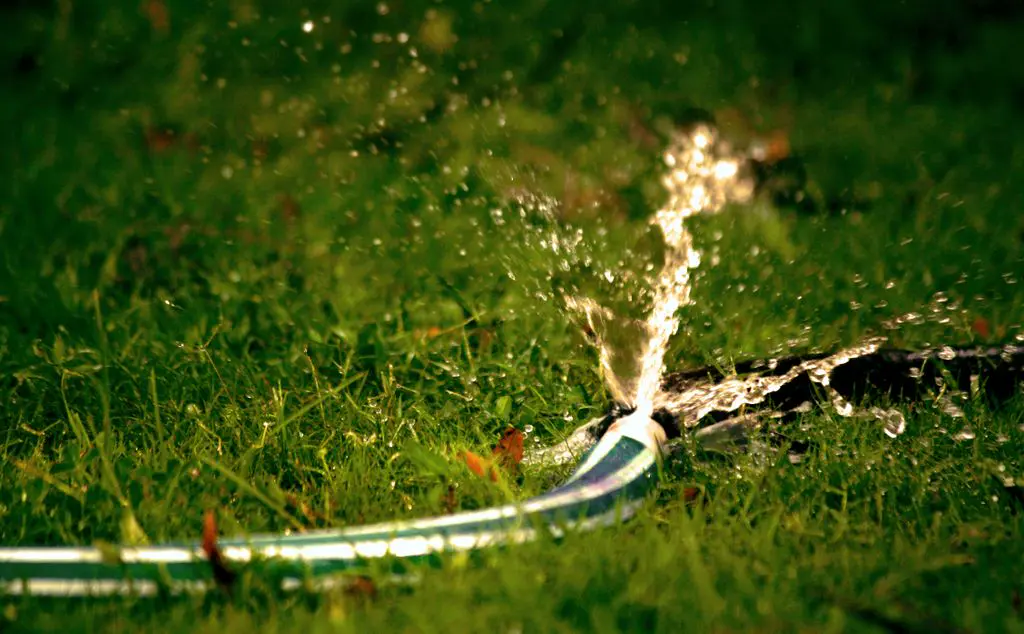
Hose lifespan is mostly habits, not brands. Four habits matter:
- Turn off the tap, then release the pressure. A hose left pressurised in the sun is how most hoses burst. Squeeze the nozzle after closing the tap.
- Coil loosely, hang it up. Tight coils and sharp wall hooks create the permanent kinks that crack the lining. A wide reel or a simple bracket keeps curves gentle.
- Keep it out of standing sun. UV ages every hose material, vinyl and latex fastest. Shade storage adds years.
- Drain before winter. In frost climates, water trapped inside freezes, expands and splits the hose from within — drain it and bring it indoors before the first hard frost, the same week you protect your plants from frost.
Repairs are easier than people think. A clean cut and a barbed mender fixes a split mid-hose in five minutes; a new coupling rescues a leaking end. A repaired quality hose still beats a new cheap one.
Common garden hose mistakes
- Buying the longest hose “to be safe”. Extra length costs pressure and back strain every single use.
- Plastic couplings. The few rupees or dollars saved disappear with the first crack. Brass or nothing.
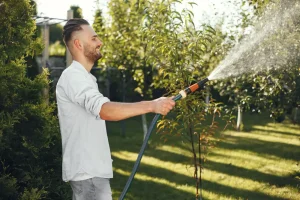
- Watering leaves instead of soil. The nozzle’s fault as much as yours — a gentle shower or soaker setting at the base beats blasting foliage, and your tap water goes where it counts.
- Leaving the hose connected through winter. Frozen hoses split, and the trapped ice can damage the tap too.
- Dragging hoses across beds. One careless pull decapitates a row of seedlings. A hose guide stake at each bed corner costs almost nothing.
- Ignoring rainwater. The cheapest water never touches the hose at all — pair your setup with rainwater harvesting and a watering can for pots.
Frequently asked questions
What size garden hose should I buy?
For most homes, 5/8-inch diameter and the shortest length that reaches your furthest plant. Half-inch suits pots and balconies; three-quarter-inch is for large gardens with good water pressure. Longer hoses always deliver less pressure.
How long do expandable garden hoses last?
Three to five years with care — drain after each use, store out of direct sun, and never leave them pressurised. A rubber or hybrid hose treated the same way lasts ten years or more.
Are garden hoses safe for drinking water?
Only hoses explicitly labelled drinking-water safe. Standard hoses can leach traces of lead and plasticisers, so do not fill pet bowls or paddling pools from an unlabelled hose, and let any hose run cool for a few seconds before watering edibles.
Why does my garden hose keep kinking?
Material and storage. Cheap vinyl kinks by nature, and tight coiling trains permanent bends into any hose. Switching to a hybrid or rubber hose and hanging it in loose coils ends the problem almost completely.
How do I fix a leaking garden hose coupling?
Cut the hose cleanly just behind the damaged end and fit a new male or female replacement coupling, tightening the hose clamp with a screwdriver until snug. Bring the old fitting with you to the hardware store so the replacement matches the hose diameter. A worn rubber washer inside the coupling is often the real cause, so try replacing just the washer first.
Why did my garden hose suddenly burst?
A hose left connected and pressurised in direct sun heats the trapped water, and that pressure finds the weakest point in the wall and splits it. Turning off the tap and squeezing the nozzle to release pressure after every use prevents this. A hose with an existing kink or crack is also far more likely to fail there first.
How do I store a garden hose for winter?
Disconnect it from the tap, drain it completely by stretching it out on a slope or walking it hand-over-hand overhead, then coil it loosely and store it indoors or in a shed away from freezing temperatures. Water trapped inside expands as it freezes and splits the hose from within. Reels make this drain-and-coil routine faster each season.
How much water pressure does a garden hose need?
Most home taps supply enough for a standard 5/8-inch hose, but pressure drops with every extra metre of length and with narrower half-inch hoses. If spray from the nozzle feels weak at full length, try a shorter hose or a wider diameter before assuming the tap itself is at fault.
What is the real difference between rubber and vinyl garden hoses?
Rubber hoses stay flexible in heat and cold, resist kinking, and typically last a decade or more. Vinyl hoses are cheaper and lighter but stiffen in cold weather, kink easily, and usually split within a few seasons of regular use. Hybrid hoses blend the two to cut weight while keeping most of rubber’s toughness.
Can I use a hose for drinking water if it isn't labelled drinking-safe?
No. Standard garden hoses can leach small amounts of lead and plasticisers into the water inside them, so avoid filling pet bowls, paddling pools or drinking containers from an unlabelled hose. Buy a hose specifically marked drinking-water safe if you need that use, and let any hose run a few seconds before watering edible crops.
How do I connect a garden hose to an Indian tap without hose threads?
Most Indian taps use half-inch or three-quarter-inch BSP plumbing thread rather than the garden-hose thread common elsewhere, so a screw-on tap adapter with a click-fit connector is the fix. It costs little at any hardware shop and replaces the common workaround of tying the pipe on with rubber bands or cloth, which always leaks at the joint.
Sources and further reading
Still stuck? Ask the Plant Doctor
Describe the problem — yellow leaves, holes, no flowers — and get a clear answer in seconds. FreeAI can make mistakes. Answers are guidance, not a guarantee — check anything important against the guide it links to, and always read the label on any product before you use it.