Balloon Plant Seeds
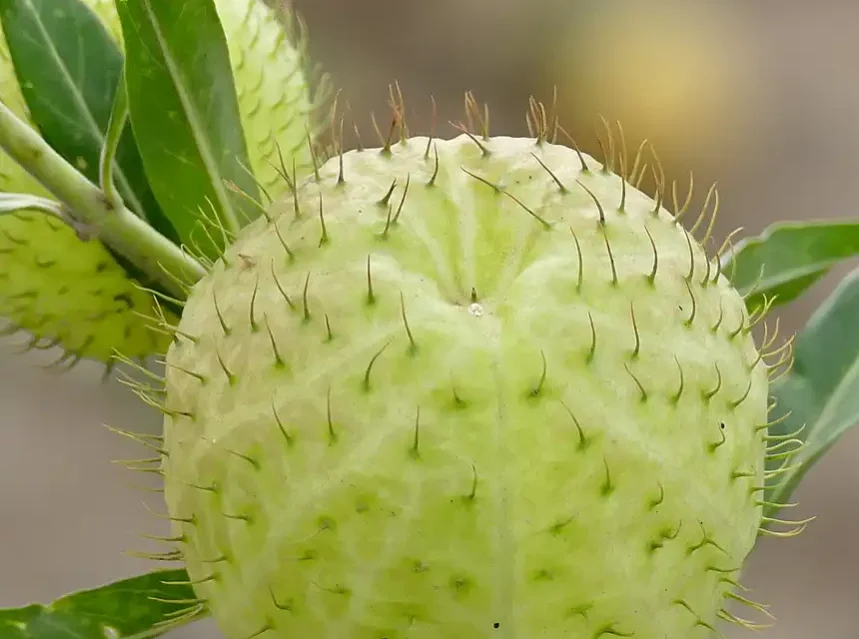
Balloon plant seeds grow into Gomphocarpus physocarpus — the balloon plant, also called the swan plant or “hairy balls”. This tall, tender milkweed produces clusters of small waxy white flowers in summer. But the real showpiece comes next: inflated, pale-green, bristly seed pods up to 8 cm across. Florists prize these balloon pods fresh and dried, and monarch butterflies use the plant as a caterpillar host. It is a member of the milkweed subfamily, native to southern Africa. Grown as a warm-season annual, it reaches 1.5–2 m tall. This guide covers the best balloon plant seeds for US and India gardens, exactly how to sow them, when to plant, and where to buy fresh seed.
Few plants combine novelty and wildlife value like this one. The flowers feed bees, the leaves feed monarch caterpillars, and the pods steal the show. Below you will find every germination and growing detail.
Botanical name: Gomphocarpus physocarpus
Sow: spring, indoors 6–8 weeks before last frost, or outdoors after frost
Seed prep: soak 24 hours; barely cover, light aids germination
Germination: 1–3 weeks at 18–27°C (65–80°F)
Light & soil: full sun; light, sandy, well-drained, moderately moist
Height: 1.5–2 m (5–6+ ft)
Wildlife: monarch / milkweed butterfly host + bee nectar
India: easy warm-season annual; sow spring–early summer in most regions
Note: ornamental only — milky latex is toxic and irritates skin and eyes
Authority sources: the Gomphocarpus physocarpus botany page, the Wisconsin Horticulture balloon plant guide, and the Missouri Botanical Garden plant finder cover sowing, soil, and toxicity.
🧰 In a hurry? Jump straight to our tested picks for this guide ↓
What are balloon plant seeds?
Balloon plant seeds are the silky-tufted brown seeds of Gomphocarpus physocarpus. Each one grows into a tall, single-stemmed milkweed shrub.
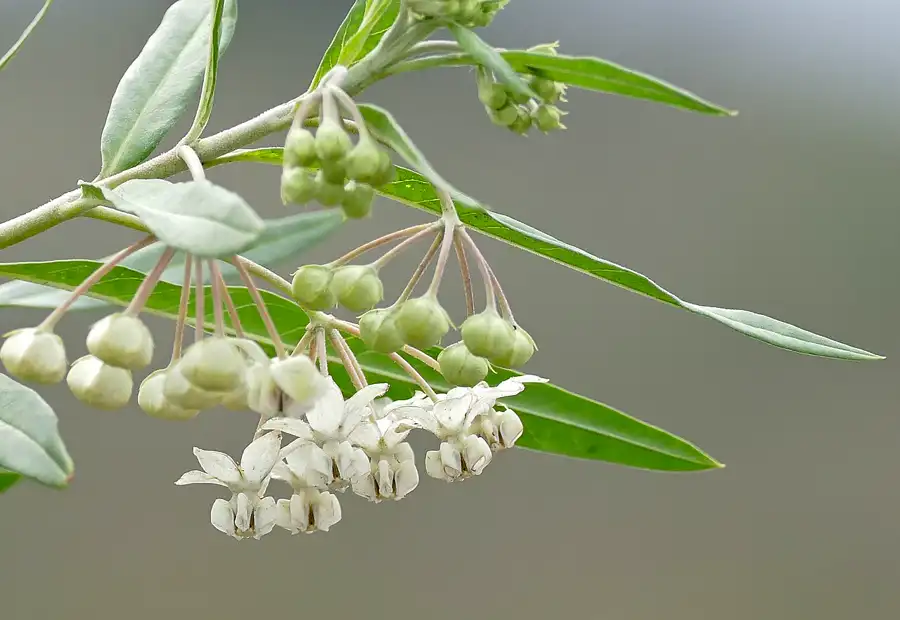
In one season it can reach over 1.5 m. The plant carries narrow leaves and small, waxy, white flowers in clusters.
After flowering come the famous pods. They are inflated, lime-green, and covered in soft bristly hairs. People call them hairy balls, bishop’s balls, or swan-plant pods.
Balloon plant at a glance
| Common names | Balloon plant, swan plant, hairy balls, balloon cotton-bush, balloon milkweed |
|---|---|
| Botanical name | Gomphocarpus physocarpus |
| Family | Apocynaceae (milkweed subfamily Asclepiadoideae) |
| Native range | Southern / southeast Africa; naturalised worldwide |
| Height & spread | 1.5–2 m tall, 60–90 cm wide |
| Showy part | Inflated bristly balloon seed pods (plus white flowers) |
| Bloom time | Summer flowers, then pods late summer–fall |
| Life cycle | Tender perennial grown as a warm-season annual |
Why grow balloon plant from seed?
Seed is the cheapest and easiest way to get this plant. A single packet yields several big, dramatic specimens.
It earns its space three ways. The flowers feed pollinators, the leaves host monarch caterpillars, and the pods are pure novelty.
Children love the squishy balloons too. It is a fantastic conversation plant for a sunny border or a wildlife garden.
Monarch & milkweed butterfly host
This is the plant’s biggest draw for wildlife gardeners. As a true milkweed, it is a host for monarch butterflies.
Female monarchs lay eggs on the leaves. The caterpillars then feed on the foliage and grow fast. They even store the plant’s toxins to deter predators.
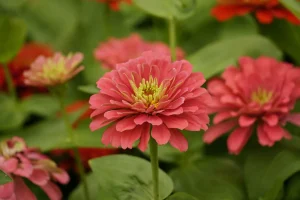
It also supports the African monarch and other milkweed butterflies. The summer flowers add nectar for bees and wasps. To build a full butterfly garden, pair it with nectar plants like tithonia and zinnias.
Balloon seed pods for fresh & dried arrangements
The inflated pods are why many growers buy this seed. Few competitors stress just how useful they are.
Each pod is a pale-green sphere up to 8 cm wide, dusted with soft spines. Florists use them fresh for sculptural, modern bouquets.
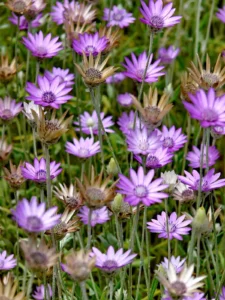
They also dry well. Cut stems once pods are firm, strip the leaves, and hang them upside down. For more pod-and-everlasting interest, grow nigella, honesty, strawflowers, and statice alongside.
Best season & when to sow
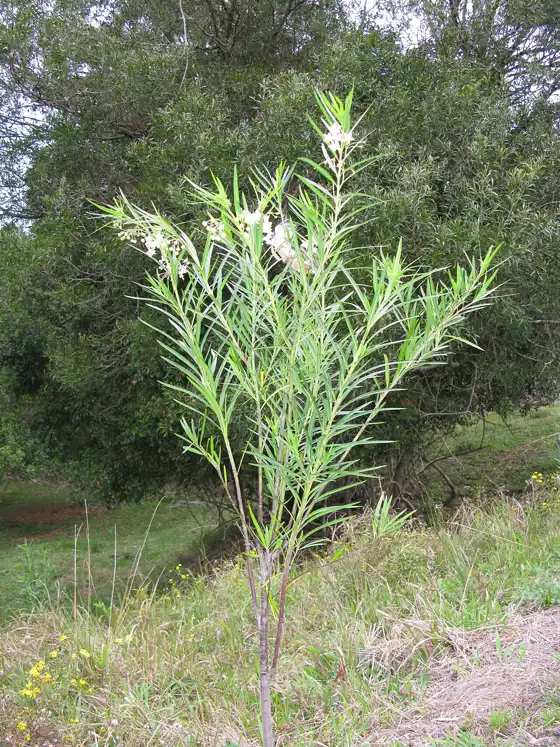
Balloon plant is frost-tender, so warmth is everything. Sow in spring once the cold has passed.
In cool climates, start seeds indoors 6–8 weeks before your last frost. Transplant out only after the soil has warmed.
In warm regions, sow directly outdoors after the last frost. The plant needs a long, warm season, around 120–130 days, to mature its pods.
Growing balloon plant seeds: how to plant
Start with the simple soak trick. Soak the seeds in plain water for 24 hours before sowing.
Fill pots or trays with light, free-draining seed compost. Sow the seeds and barely cover them, because light helps germination.
Keep the mix warm at 18–27°C (65–80°F) and lightly moist. Seedlings appear in 1–3 weeks, though germination can be uneven. Pinch young plants once to encourage a bushier shape, then plant out in full sun.
Sun, soil & watering
Give balloon plant full sun for the best flowers and pods. Shade reduces fruit set badly.
Soil should be light, sandy, and well-drained, but moderately moist. Heavy, soggy ground invites rot.
Water young plants to establish them, then ease off. Mature plants are drought-tolerant and even deer-resistant. They tend to grow tall and scraggly, so most gardeners grow them fresh from seed each year.
Balloon plant vs swan plant vs true milkweed
The names here confuse a lot of buyers. Let us clear it up simply.
| Plant | Botanical name | Pod / feature | Best use |
|---|---|---|---|
| Balloon plant | Gomphocarpus physocarpus | Round inflated balloon pods | US warm-season borders; most of India as a summer annual |
| Swan plant | Gomphocarpus fruticosus | Narrower, beaked, curved pods | Monarch-rearing gardens; warm Indian regions |
| True milkweed | Asclepias species | Slender pods, flat seeds | US native gardens; cooler Indian hills |
So “balloon plant” and “swan plant” are close cousins in the same genus. The difference is mostly pod shape, and the two even hybridise. The Asclepias milkweeds are separate but also monarch hosts — see our guide to growing asclepias for those.
Common pests & problems
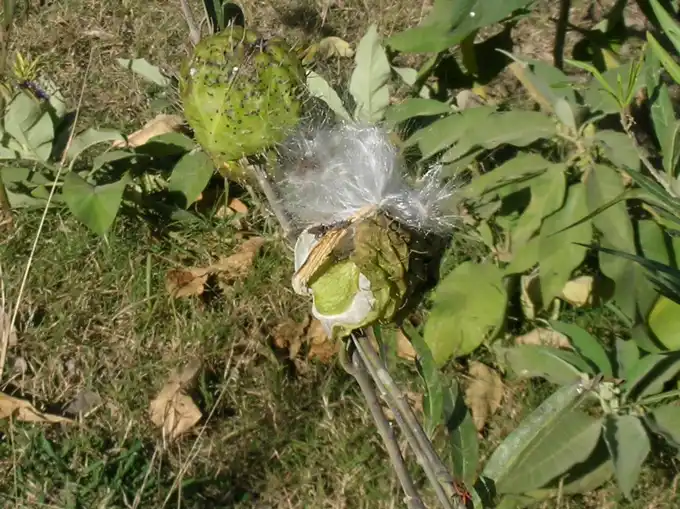
Balloon plant is tough, but a few issues crop up. Most are easy to manage.
- Oleander aphids: bright yellow aphids love milkweeds. Blast them off with water or wipe by hand, sparing any caterpillars.
- Slow germination: cold soil stalls seeds. Use warmth or a heat mat and the 24-hour soak.
- Leggy, scraggly plants: normal in year two. Grow fresh from seed annually instead.
- Poor pod set: usually too much shade. Move to full sun next season.
- Root rot: caused by heavy, wet soil. Improve drainage with grit or sand.
Self-seeding & saving seed
In frost-free climates, balloon plant can self-seed freely. The pods split and release silk-tufted seeds on the wind.
This is great for a wild patch, but it can spread where unwanted. If you do not want volunteers, simply remove pods before they burst.
To save seed, cut pods as they turn yellowish and start to dry. Open them indoors, pull the silk off the seeds, and store them cool and dry for spring.
Growing balloon plant in India
Good news for Indian gardeners. This is a tropical-African plant, so it suits most of India well.
It thrives in warm-season heat with full sun. Sow in spring to early summer, or after the cool season in the north.
Use light, well-drained soil and water moderately. It can attract tiger and monarch-type butterflies in Indian gardens. In frost-free areas it may self-seed, so deadhead pods if you want to limit its spread. Seeds are sold through Amazon.in and Indian seed sellers.
Where to buy balloon plant seeds
Balloon plant seed is sold by specialist and butterfly-garden retailers. Buy fresh seed for the best germination.
Use the buy boxes below to compare trusted worldwide sellers. For a wildlife border, pair it with butterfly nectar flowers and other dried-pod plants like craspedia.
Butterfly garden & cut-flower companions
Balloon plant shines in a mixed butterfly and cutting bed. It brings height, wildlife value, and pod texture.
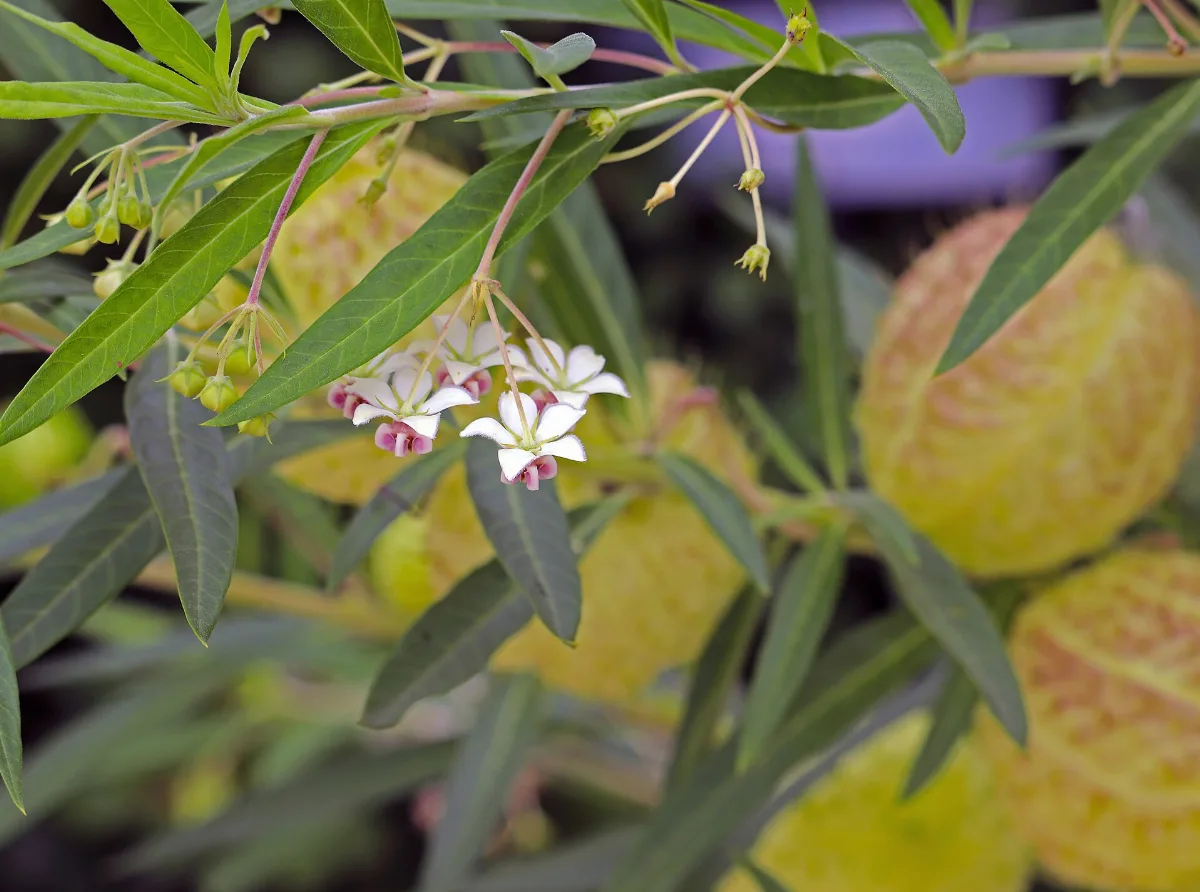
Surround it with nectar-rich annuals for a season-long buffet. Tall Mexican sunflower and bright zinnias pull in adult butterflies, while the balloon plant feeds the caterpillars.
For drying and arranging, combine the pods with everlasting blooms. Honesty, statice, and strawflowers all dry beautifully beside the balloons.
A safety note: balloon plant is ornamental only. Like all milkweeds, the milky sap and seeds are toxic if eaten, and the latex irritates skin and eyes. One documented case caused temporary blindness. Wear gloves when cutting, wash your hands, and keep seeds and pods away from children and pets. This guide makes no edible or medicinal claims.
Want more pod and everlasting interest? See our guides to growing honesty for silver seed pods and easy nigella love-in-a-mist.
Frequently asked questions
How do you germinate balloon plant seeds?
Soak the seeds in water for 24 hours, then sow and barely cover them, since light aids germination. Keep them warm at 18–27°C (65–80°F). Seedlings appear in 1–3 weeks, though germination can be uneven.
Is balloon plant the same as swan plant?
They are close cousins in the same genus, Gomphocarpus. Balloon plant (G. physocarpus) has round, inflated pods, while swan plant (G. fruticosus) has narrower, beaked pods. Both are monarch host plants and even hybridise.
Does balloon plant attract monarch butterflies?
Yes. It is a true milkweed and a host plant for monarch and other milkweed butterflies. Females lay eggs on the leaves, and the caterpillars feed on the foliage. The flowers also offer nectar for bees and wasps.
Is balloon plant toxic to dogs and cats?
Yes. Balloon plant is a true milkweed, and the ASPCA lists milkweed species as toxic to dogs and cats because of cardiac glycosides in the milky sap. Symptoms of ingestion include vomiting, diarrhea, drooling, and in serious cases heart rhythm changes. If a pet chews on the leaves or pods, call the ASPCA Animal Poison Control Center at 888-426-4435; this is general information, not veterinary advice.
Is balloon plant invasive in the garden?
It can become weedy fast. Balloon plant self-sows so readily that extension guides and growers describe patches becoming invasive within a season or two if seed pods are left to split open. Deadhead pods before they crack, or bag them for craft use, if you want to keep the plant from spreading beyond where you sowed it.
How tall does balloon plant grow?
Most plants reach 4 to 6 feet (about 1.2-1.8 meters) in a single growing season, according to university extension descriptions, and can exceed that in a long, warm summer. Because it grows so tall so fast, give it a spot at the back of a bed or stake it in exposed, windy gardens.
Do you need to protect monarch caterpillars on balloon plant?
It helps, since predators and pesticides both take a toll on eggs and young caterpillars. Some growers cover a few stems with fine mesh or raise eggs indoors on cut leaves to improve survival, though letting nature take its course on unprotected plants is also common practice. Never spray balloon plant with insecticide once it is hosting monarch eggs or caterpillars.
Does balloon plant need cold stratification to germinate?
No. Balloon plant seed does not need a chilling period; a 24-hour soak in water followed by warmth of 18-27°C is what actually speeds germination. Treating it like a cold-climate perennial that needs winter stratification is a common mistake, since this is a frost-tender, warm-season milkweed relative from southern Africa.
Can you grow balloon plant in a container?
Yes, and a large pot is actually a good way to control its spread and height. Use a deep container of at least 5 gallons with drainage holes, since the plant develops a substantial root system as it reaches several feet tall, and expect to water more often than an in-ground plant during hot weather.
How do you dry and use balloon plant pods for arrangements?
Cut stems once the pods have swelled and turned pale green but before they split open. Hang them upside down in a warm, dry, airy spot for one to two weeks; the spiny, inflated pods dry to a tan color and hold their shape well in wreaths and dried arrangements. Handle dried pods carefully, since they still contain toxic sap residue and fine seed fluff.
Is balloon plant poisonous?
Yes, treat it as ornamental only. The milky latex is toxic if eaten and irritates skin and eyes, with one case of temporary blindness recorded. Wear gloves when handling, and keep seeds and pods away from children and pets.
Still stuck? Ask the Plant Doctor
Describe the problem — yellow leaves, holes, no flowers — and get a clear answer in seconds. FreeAI can make mistakes. Answers are guidance, not a guarantee — check anything important against the guide it links to, and always read the label on any product before you use it.