How to Grow Asclepias (Butterfly Weed / Milkweed)
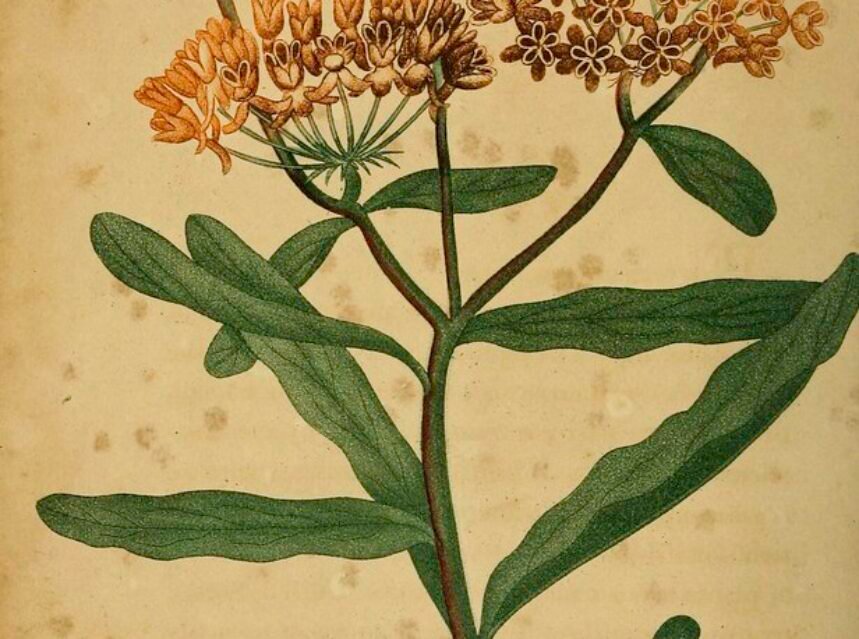
Asclepias (butterfly weed or milkweed) is a tough native perennial grown for its vivid flower clusters and as the essential food plant for monarch butterflies — the single most important plant for monarchs, as it is the only thing their caterpillars can eat. Topped with clusters of orange, pink or red flowers, it is also a beautiful, drought-proof plant that buzzes with bees and butterflies all summer. Plant it and you genuinely help wildlife. Here is the complete guide on how to grow asclepias (butterfly weed / milkweed).
Quick start: Grow asclepias in full sun in poor, well-drained soil. Sow seed with a 30-day cold-moist stratification, or start with plants. It has a deep taproot, so plant it where it can stay put. Water moderately (drought-tolerant once established), do not fertilise, and let it self-sow to feed monarchs.
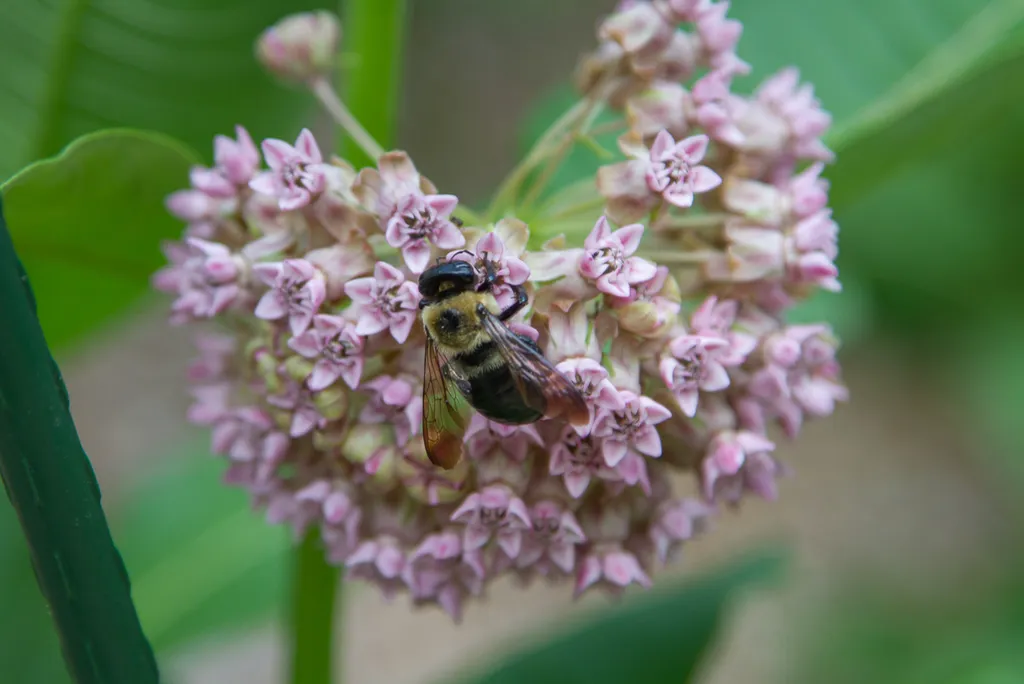
Milkweed is famous in North America as the only plant monarch caterpillars can eat, so gardeners there grow it specifically to support the migration. In Indian and other gardens it still earns its place as a magnet for bees and butterflies, drawn to its nectar-rich clusters. Growers note it has a deep taproot and resents being moved, so it is best sown where it is to stay. The milky sap is toxic and irritating, so it is sensible to wash hands after handling it.
🧰 In a hurry? Jump straight to our tested picks for this guide ↓
Asclepias at a glance
| Feature | Detail |
|---|---|
| Botanical name | Asclepias (family Apocynaceae) |
| Common names | Butterfly weed, milkweed |
| Plant type | Hardy native perennial |
| Light | Full sun |
| Soil | Poor, lean, well-drained (not rich) |
| Flowers | Orange, pink, red; summer |
| Wildlife | Essential monarch host; top nectar plant |
| Warning | Sap toxic if eaten; deep taproot |
Why grow asclepias?
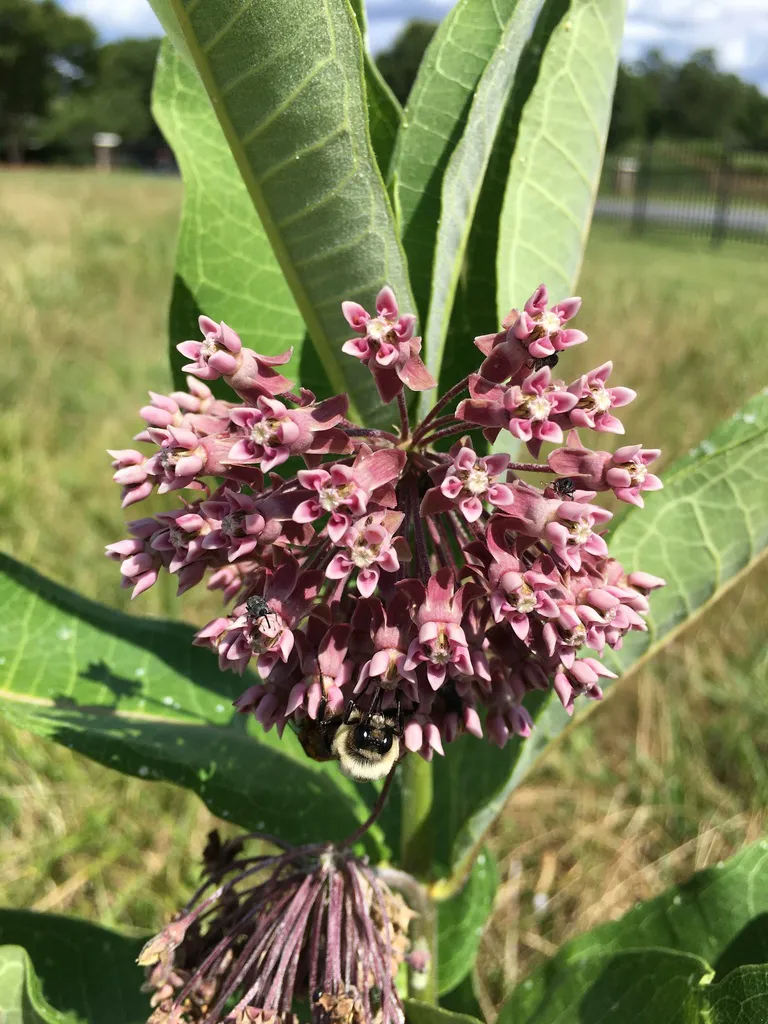
Asclepias offers genuine wildlife value plus easy beauty. A few reasons to grow it:
- Essential for monarchs. Their caterpillars eat nothing else.
- Top nectar plant. It is a superb source for bees and many butterflies.
- Tough and drought-proof. It thrives in hot, poor, dry spots.
- Bright and long-lasting. The vivid flower clusters last for weeks.
History, origin & where asclepias grows
Asclepias, including the orange butterfly weed (Asclepias tuberosa), is native to North America, where it grows in open, sunny, poor and dry sites — though the genus itself is far bigger, over 200 species spread across Africa and both American continents (genus, monarchs and toxicity). Its toxicity and its monarchs are the same fact: the milky sap carries cardenolides, cardiac glycosides that poison most animals, and monarch caterpillars are among the few that can eat them, store them, and become distasteful themselves. Indigenous peoples used parts of the plant medicinally and its silky seed floss for stuffing. It has long been woven into the landscape and culture of the continent.
Its deep link with the monarch butterfly has made it a conservation icon. As monarch numbers have fallen, gardeners worldwide have planted milkweed to help. Each patch becomes a tiny nursery for the next generation of monarchs.
Because of its prairie origins, it thrives in full hot sun and lean, well-drained soil and is very drought-tolerant once established (see the Royal Horticultural Society). It naturalises gently over time. It dislikes only rich, wet ground, where it grows floppy and shy to flower.
Best season & when to plant
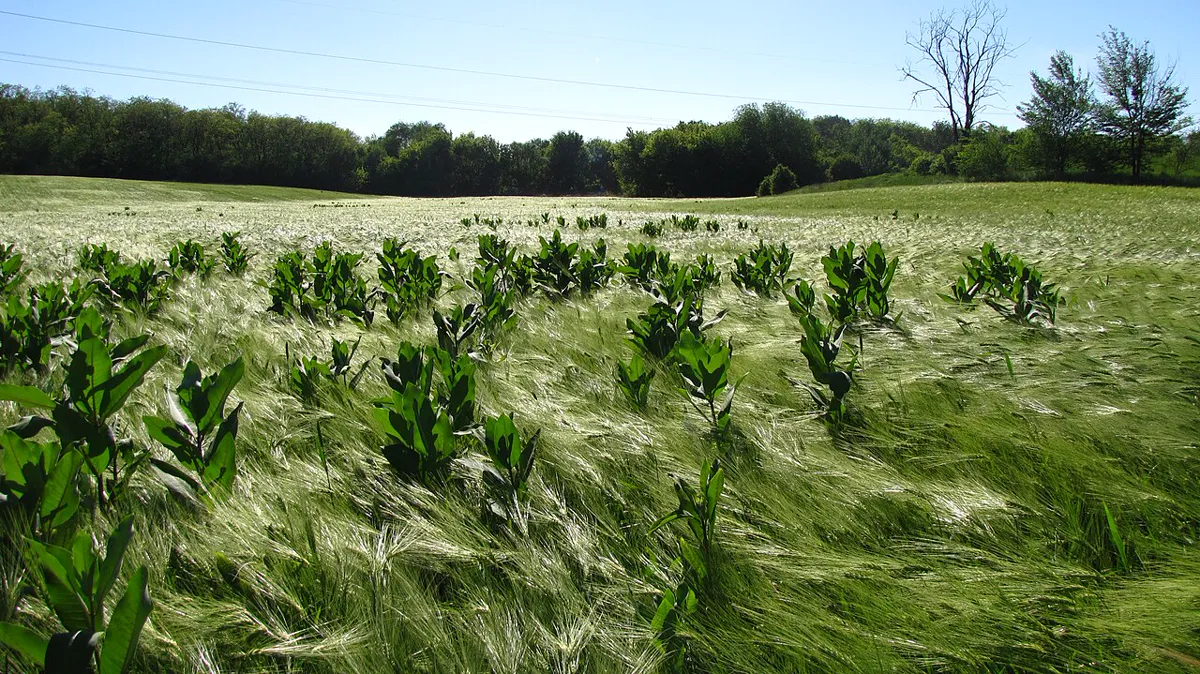
Start the seed indoors 8–10 weeks before the last frost, after stratification, or plant young plants in spring. It flowers in summer, usually blooming from its second year from seed and reaching full size by year three or four. It is a long-lived perennial that returns and spreads each year.
How to grow asclepias from seed
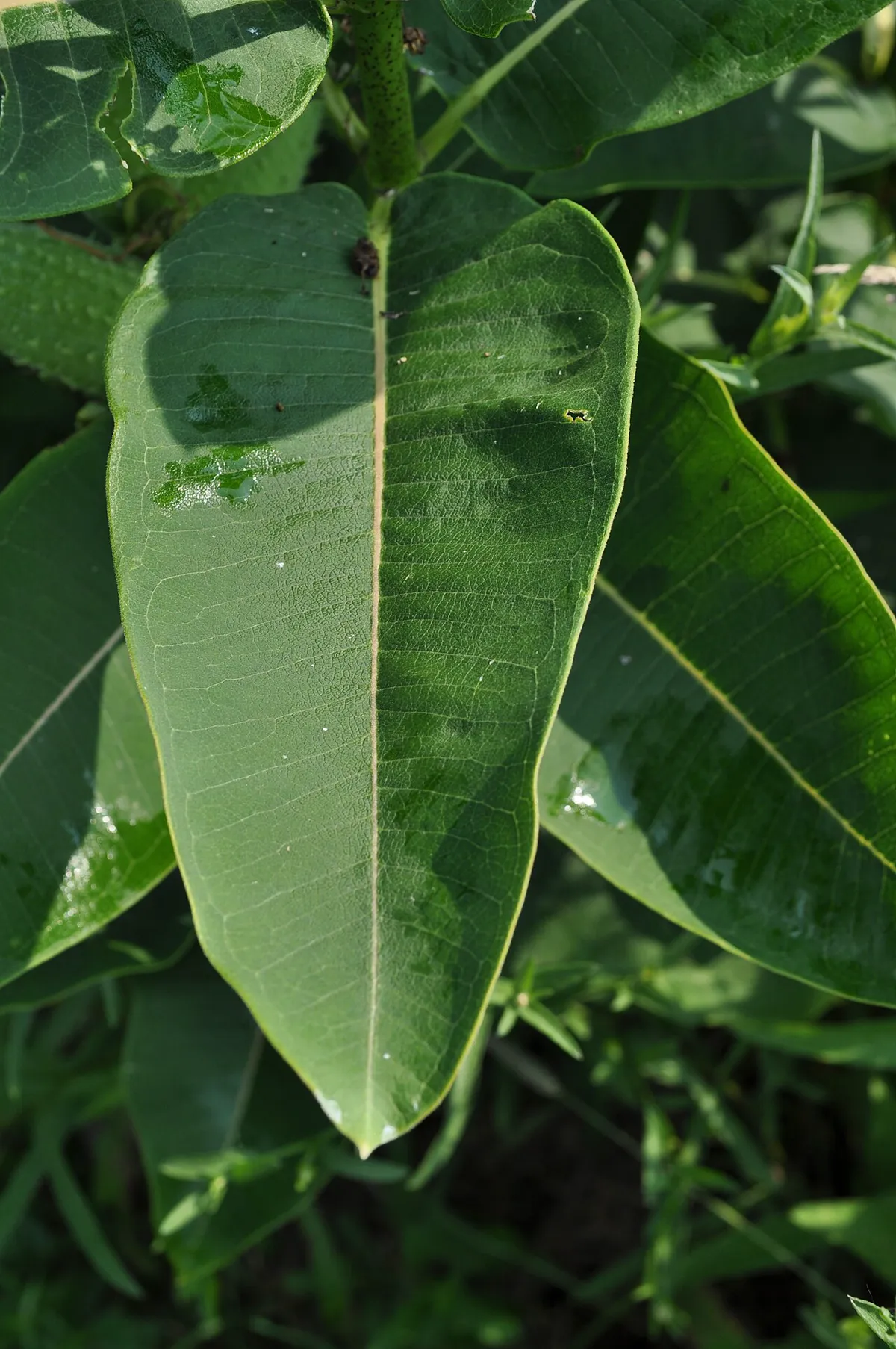
- Milkweed seed needs about 30 days of cold-moist stratification to break dormancy — chill it in moist paper towel or peat in the fridge first.
- Sow about ¼ inch deep; it germinates in roughly 10–30 days.
- Plant in full sun and poor, well-drained (sandy or gravelly) soil, in a permanent spot, as it has a deep taproot and resents being moved, spacing about 18–24 inches apart (see improving garden soil).
Watering & feeding
Water moderately in the first growing season to establish the roots, after which butterfly weed is drought-tolerant and needs little (see how often to water plants). Avoid soggy soil. Crucially, do not fertilise, as it naturally grows in poor soil, and too many nutrients reduce flowering.
Supporting monarchs in your garden
Growing milkweed is one of the most rewarding things you can do for wildlife. The whole point is to host the monarch life cycle. So a little knowledge makes your patch far more effective.
Expect to see monarch caterpillars munching the leaves, and do not treat them as pests. A stripped plant usually regrows once they have moved on. Plant several milkweeds so there is always enough leaf to go round.
Let plants self-sow, or collect seed, to expand your patch over time. Never use pesticides on or near milkweed, as they kill the very butterflies you are helping. Leave some stems standing over winter for shelter, much as you would to attract pollinators generally.
Choosing the right milkweed
There are many milkweed species, and choosing a native one matters. The right plant supports monarchs without causing problems. So it pays to pick carefully.
The orange butterfly weed (A. tuberosa) is tidy, drought-proof and a garden favourite. Swamp milkweed (A. incarnata) suits damper spots and has pink flowers. Common milkweed (A. syriaca) is vigorous and spreads, best for wilder areas.
Where possible, grow a species native to your own region. In some warm areas, gardeners are urged to avoid tropical milkweed or cut it back hard in autumn, so it does not disrupt monarch migration. A local native is always the safest, most helpful choice.
Asclepias in the border
Butterfly weed is as ornamental as it is useful. Its bright flower clusters earn a place on looks alone. So it works beautifully in a planting scheme, not just a wildlife patch.
The vivid orange of A. tuberosa glows against blues and purples like salvia and catmint. Plant it in bold groups for the strongest colour and pollinator pull. Its upright habit also adds structure to a sunny border.
It is happiest among other tough, sun-loving plants in lean ground, much like a lightly mulched gravel garden. You can deadhead some flowers to tidy the plant, but leave plenty to set the decorative seed pods. Those pods later split to release silky, wind-borne seeds.
Saving and sowing milkweed seed
Milkweed gives you a free, ever-expanding supply from its own seed. The decorative pods are easy to harvest. So one plant can populate a whole pollinator garden.
Let some pods ripen on the plant until they turn brown and begin to split. Collect the seed before the silky floss carries it away on the wind. Separate the seed from the fluff and store it somewhere cool and dry.
Remember the seed needs a cold-moist spell to germinate well. Either sow it outdoors in autumn for natural chilling, or stratify it in the fridge before a spring sowing. This simple step dramatically improves your success rate.
Common pests & diseases
Asclepias is robust. You will often see orange oleander aphids on milkweed — hose them off rather than spraying, to protect monarch eggs and caterpillars (see aphid control). Avoid pesticides entirely on milkweed, as they harm the butterflies you are trying to help. See our organic pest control guide for safe handling.
Benefits & uses
Butterfly weed is the keystone plant for monarch butterflies and a top nectar source for many pollinators. It is a tough, drought-proof, long-lived perennial with bright flowers, ideal for pollinator and prairie gardens and dry sunny borders. For meaningful conservation impact plus easy beauty, it is invaluable. Note that the milky sap is toxic if eaten and can irritate skin.
This article is for general information only and is not medical advice. Talk to a qualified professional before using any plant medicinally.
Common asclepias problems
No flowers in year one
Normal from seed — it usually blooms from year two as the taproot develops. Be patient.
Floppy growth, few flowers
Soil too rich. Grow it lean and do not fertilise.
Aphids on stems
Common on milkweed. Hose them off, and never spray, to protect monarch caterpillars.
Related plant guides
- How to grow Cleome
- How to grow Coreopsis
- How to grow Agastache
- How to grow Honeywort
- How to grow Catananche
- How to grow Gaura
Frequently asked questions
Why grow milkweed for monarchs?
Milkweed is the only plant monarch caterpillars can eat, so growing it is essential to support monarch butterflies.
Do asclepias seeds need cold treatment?
Yes — about 30 days of cold-moist stratification breaks dormancy and greatly improves germination.
Can I transplant butterfly weed?
It has a deep taproot and resents moving, so plant it in a permanent sunny spot from the start.
Is milkweed poisonous?
The milky sap is toxic if eaten and can irritate skin, so wash your hands after handling and keep it from being eaten by people or pets.
Should I worry about caterpillars eating the leaves?
No — that is exactly the goal. The monarch caterpillars feed only on milkweed, and the plant usually regrows once they have moved on, so grow several to share around.
Which milkweed species should I plant?
Choose one native to your own region, because that is what the local monarch population is adapted to. Common milkweed suits open ground and rough corners, swamp milkweed handles damp borders and rain gardens, and butterfly weed is the tidy, drought-tolerant one for a sunny bed. Regional native plant societies and university extension lists will name the right species for your area. Planting two or three species spreads the flowering season and gives caterpillars a longer supply.
When should I sow milkweed seed?
Sow outdoors in autumn and let winter do the work, which mimics how the seed behaves in the wild. If you are starting in spring instead, give the seed 30 to 60 days of cold-moist stratification in the fridge first, then sow once the soil has warmed. Seed sown without that chilling period germinates patchily or not at all. Surface-sow or barely cover, since the seed needs light and warmth to break away.
Does milkweed spread and take over?
It depends entirely on the species. Common milkweed travels by underground rhizomes as well as seed and can genuinely colonise a bed, so it is better in a wilder area than a tidy border. Swamp milkweed creeps only slowly and self-seeds close to the parent, while butterfly weed sits in a clump and barely moves. Removing pods before they split controls seeding on any of them.
Should I deadhead milkweed?
Light deadheading of spent flowers can bring a second flush and stops unwanted self-seeding, so it is worth doing on species that spread freely. It is worth leaving some pods to ripen, though, since that gives you free seed and lets the patch expand where you want it. Leaving the dead stems standing over winter also shelters overwintering insects. In short, tidy selectively rather than cutting everything back.
How do I deal with orange aphids on milkweed?
Those bright orange oleander aphids cluster on stems and buds and are a normal part of a milkweed patch rather than a disaster. A firm jet of water knocks them off, or you can squash them with gloved fingers, checking first that no monarch eggs or tiny caterpillars are in the way. Avoid insecticides, including organic soaps and oils, because they kill the caterpillars you planted the milkweed for. Ladybird larvae and lacewings usually arrive and bring the numbers down on their own.
Is tropical milkweed a problem?
In frost-free regions it is, because it keeps growing year round instead of dying back, which encourages monarchs to break their migration and lets a parasite build up on the old foliage. The usual advice in such areas is to cut it hard to the ground in autumn and winter, or better still to replace it with a locally native species. Where hard frosts kill it back naturally each year the concern is much smaller. Native milkweed remains the safer choice wherever one is available.
Can I grow milkweed in a container?
Yes, with the right species and a deep pot. Butterfly weed and swamp milkweed both take to containers, but they form long taproots, so use a pot at least 12 inches deep and avoid moving them once settled. Container plants dry out faster than those in the ground, so watch the watering in hot weather while still keeping the mix free-draining. Growing several pots together gives caterpillars enough leaf to finish on.
Still stuck? Ask the Plant Doctor
Describe the problem — yellow leaves, holes, no flowers — and get a clear answer in seconds. FreeAI can make mistakes. Answers are guidance, not a guarantee — check anything important against the guide it links to, and always read the label on any product before you use it.