Achocha Seeds
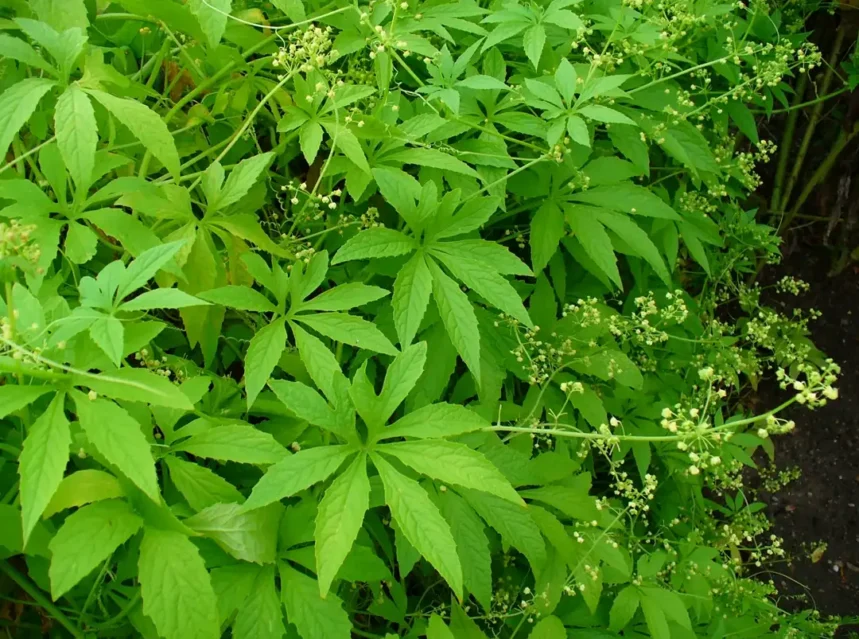
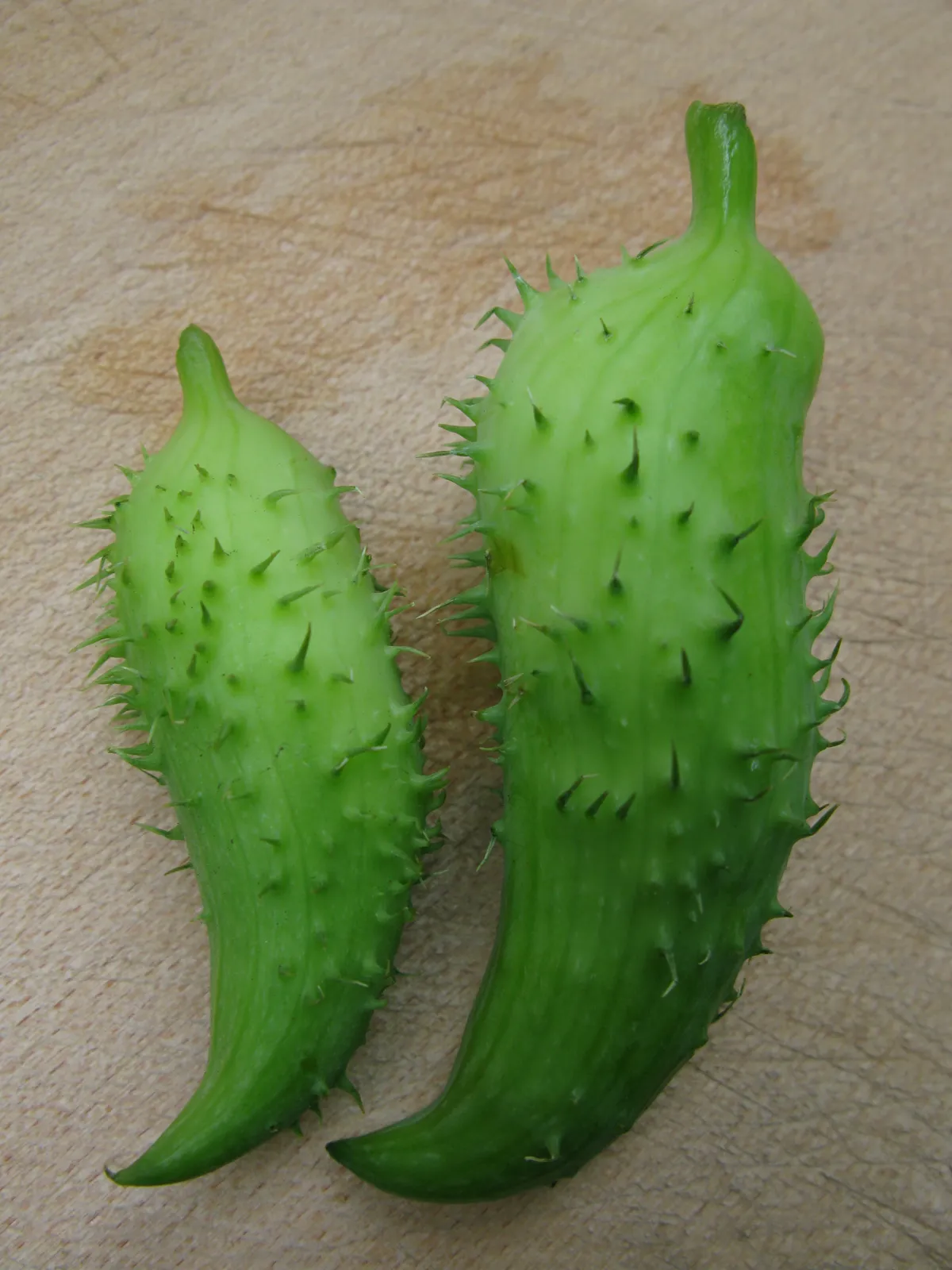
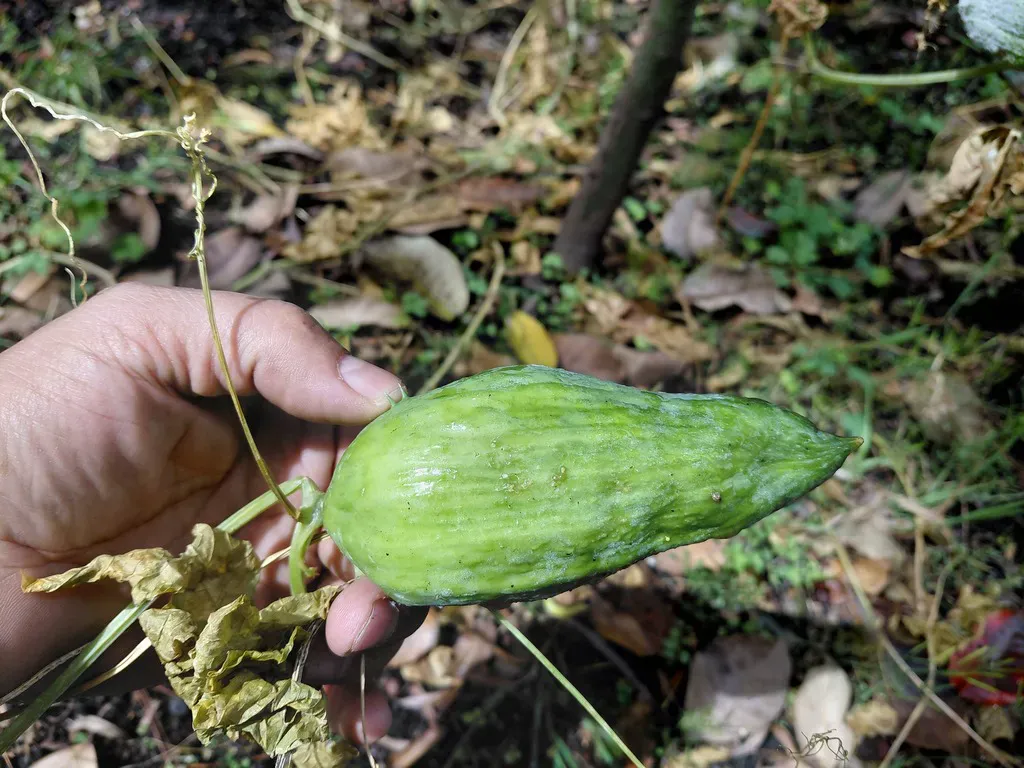
Achocha seeds grow into a vigorous climbing vine that carries pale-green, hollow, slightly spiny pods, eaten young like a mild cucumber or stuffed like a pepper. Easy, productive, and unusually cool-tolerant for a cucurbit, achocha crops happily where ordinary cucumbers and gourds struggle. Achocha, also called caigua or korila, is an Andean vegetable that is becoming a favourite with adventurous growers. It is fast and forgiving from seed. This guide covers the best achocha seeds, how to grow achocha from seed, when to sow, how to harvest, and where to buy.
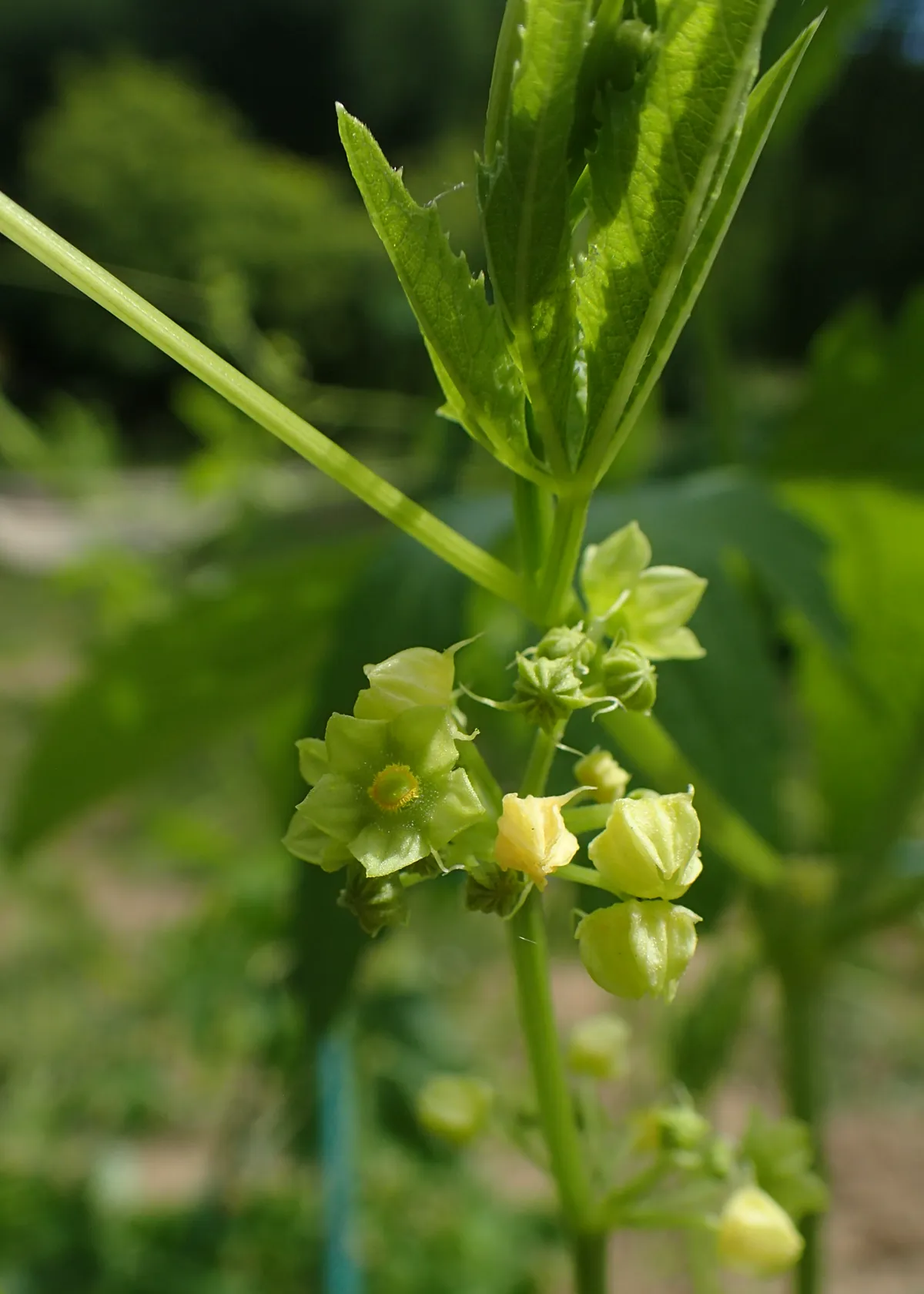
Achocha (Cyclanthera pedata) is a climbing annual cucurbit grown for its hollow, edible pods. You grow it from seed sown in warm soil in spring. Unlike most gourds, it tolerates cooler, shorter seasons, much like a tougher cucumber.
Easy, productive, and cool-tolerant. The achocha page and the Cyclanthera genus page cover this cucurbit and its relatives.
🧰 In a hurry? Jump straight to our tested picks for this guide ↓
Achocha seeds at a glance
| Feature | Detail |
|---|---|
| Botanical name | Cyclanthera pedata (family Cucurbitaceae) |
| Sowing depth | 1–2 cm; soak the hard seed first |
| Germination temperature | 18–25°C (64–77°F) |
| Days to germinate | 1–3 weeks |
| Season | Annual cucurbit; tolerates cooler summers |
| Days to harvest | About 75–100 days |
| Best for | Stuffing pods, cool-summer cucurbit, trellises |
Why grow achocha from seed?
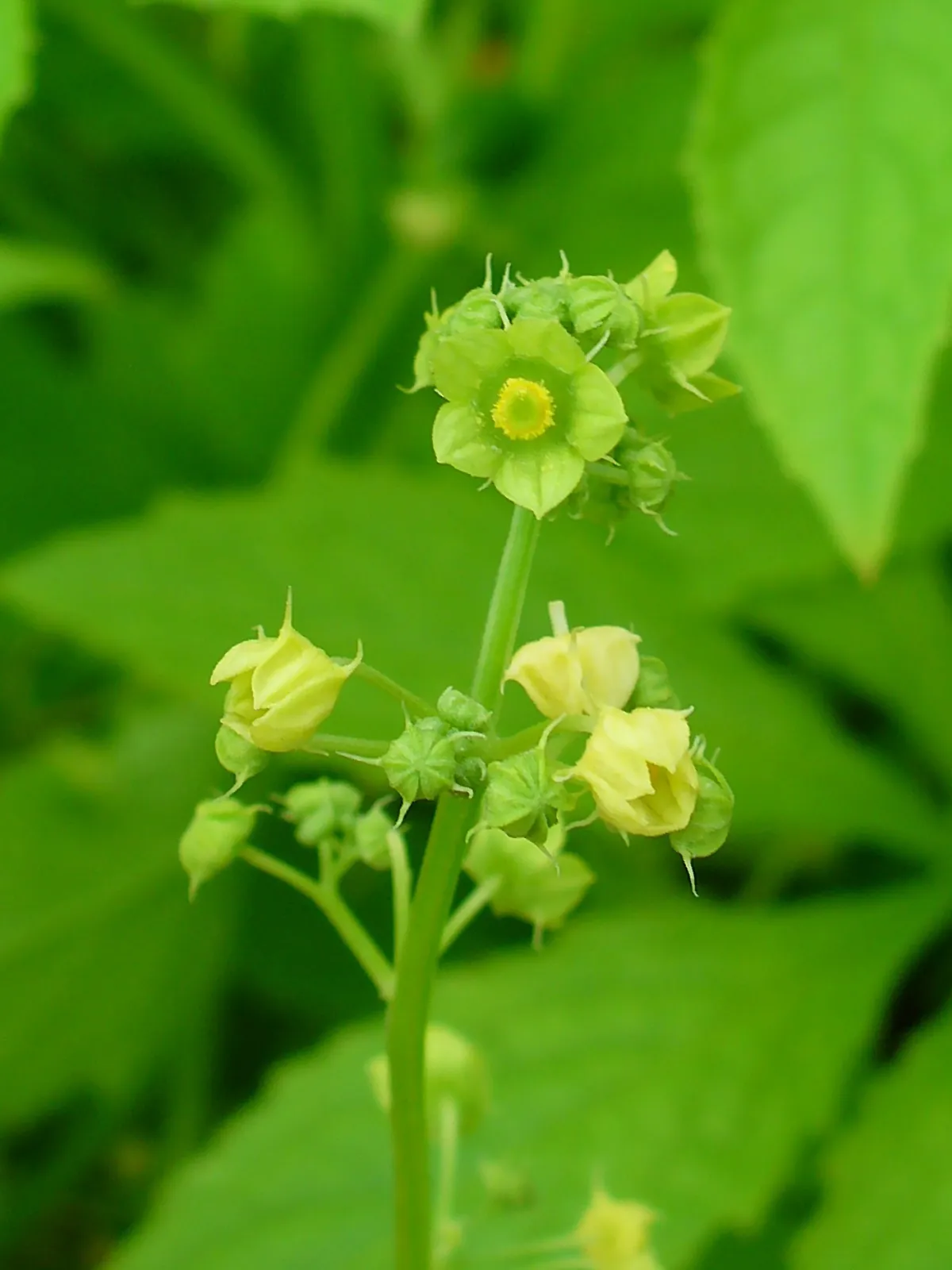
Achocha is a brilliant crop for adventurous gardeners. First, it is unusually tough for a cucurbit, cropping in cooler, shorter summers where cucumbers and gourds fail. Second, it is hugely productive, with vines hung with dozens of pods.
Third, it is easy and quick from seed, climbing fast up any support. The hollow pods are fun to cook and stuff.
It suits trellises, fences, and arches in the veg garden. Achocha grows much like other climbing cucurbits such as West Indian gherkin and bottle gourd, and pairs with heat-lovers like okra.
What does achocha taste like?
Young achocha pods taste mild and fresh, somewhere between a cucumber and a green pepper. Eaten small, they are crisp and juicy, good raw or cooked.
As the pods mature, the flavour deepens and is often compared to cooked green peppers, which is why they are popular stuffed. The hollow centre makes them ideal for filling.
The black seeds inside are removed from older pods before cooking. Despite a passing resemblance in name to bitter gourd, achocha is mild, not bitter.
History, origin & India
Achocha comes from the Andes of South America, where it has been grown as a food crop for a very long time. From there it has spread to gardens around the world as an easy, productive vegetable.
You can read more on the plant’s botany and history at Wikipedia.
In the Himalayan regions of India and Nepal, achocha is well known as korila or a “sweet karela”, grown in the hills as a popular vegetable. It suits cooler hill gardens better than the hot plains, thriving where summers are mild.
Achocha types to grow
Achocha is grown as the species, with a couple of forms differing in pod size and spininess. Choose by how you like to cook the pods.
| Type | Notes | Best for | Region |
|---|---|---|---|
| Common achocha | Curved hollow pods, soft spines | Stuffing and stir-fries | cool-temperate |
| Bolivian / fat pod | Plumper pods | Stuffing whole | cool-temperate |
| Lady’s slipper / korila | Slipper-shaped pods | Hill gardens, curries | hills / India |
For most kitchens, common achocha is perfect for stuffing and cooking. Plumper Bolivian forms are good for filling whole.
The korila type grown in the Himalayan hills suits cooler gardens and traditional curries. All grow the same easy, climbing way.
How to grow achocha from seed
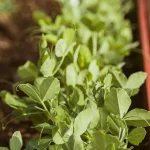
Achocha is easy from seed and very vigorous.
- Soak the seed. Soak the hard, flat black seeds for a few hours to help them germinate.
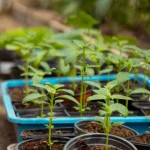
- Sow warm. Sow 1–2 cm deep in warm soil, indoors in pots or direct after frost.
- Give a tall trellis. Provide a strong, tall support, as the vines climb three to four metres.
- Space the plants. Allow about 45–60 cm between plants at the base of the supports.
- Water steadily. Keep the soil moist through the season, especially as the pods form.
The vines grow fast and soon cover their support, then crop heavily. Pick often to keep the pods coming.
In the Indian hills, grow achocha as korila in the cooler season, where it climbs fences and trellises easily and crops well.
When should you sow achocha seeds?
Achocha is frost-tender but happy in cooler summers than most cucurbits. Sow after the danger of frost.
In cool and temperate areas, sow in mid to late spring, indoors or out, for a long climbing season. It crops into autumn until frost.
In hot climates it suits the cooler season, and in the Indian hills it is grown through the mild summer. Avoid sowing into cold soil, which slows the hard seed.
Soil, watering & feeding
Achocha wants full sun and fertile, moist, well-drained soil with plenty of organic matter. It is a hungry, thirsty climber when in full growth.
Water regularly and deeply, especially in dry spells and as the pods develop. Mulch helps keep the soil moist around the roots.
Feed with a balanced feed as the vines grow and crop. Like other vigorous fruiting climbers such as bitter gourd, achocha rewards steady moisture and feeding with heavy yields.
Common pests & diseases
Achocha is notably tough and resistant to many problems that trouble other cucurbits. Slugs may graze young plants, and aphids can appear on soft growth.
It tends to shrug off the mildews that affect cucumbers, especially in cooler conditions. Good airflow still helps in damp weather.
Its natural resilience is one of its strengths. Sun, steady moisture, and a sturdy trellis are usually all it needs to crop well.
Harvesting achocha
Harvest achocha pods young, when they are about 5–8 cm long, firm, and tender. At this size they are best eaten raw or lightly cooked.
For stuffing, let the pods grow a little larger, then scoop out the black seeds before filling. Pick regularly to keep the vines productive.
Left very long, the pods toughen and the seeds harden, so frequent picking is best. The soft spines rub off easily when handling.
Uses of achocha
Young pods are eaten raw in salads, or sliced into stir-fries and curries, tasting mild and fresh. Larger hollow pods are classically stuffed, like peppers, with savoury fillings.
In Andean and Himalayan cooking, achocha goes into stews, sautés, and pickles. The seeds of older pods are removed before cooking.
This article is for gardening information only and is not health or medical advice. Cook achocha as you like and enjoy it as part of a normal, balanced diet.
Saving your own seeds
Saving achocha seed is simple, as the plant self-seeds readily. Let a few pods mature fully on the vine until they dry and the seeds turn black and hard.
Open the dry pods, collect the flat black seeds, and dry them further. Store the seed in a labelled, airtight container somewhere cool and dark.
Achocha often drops seed and reappears the next year on its own. As a cucurbit it can cross with its own kind, so isolate for pure seed. Our guide to saving seeds has more.
Common problems from seed
The most common problem is slow germination from hard, dry seed, so soak it first and sow in warmth. Cold soil also delays sprouting, so wait for spring warmth.
Poor climbing means the trellis is too short or weak, so provide tall, strong support from the start. Tough pods come from picking too late.
Few pods in a cold, dull season can happen, though achocha copes better than most. Soaked seed, warm soil, a tall trellis, and steady water give the best crop.
Where can you buy achocha seeds?
Choose common achocha for all-round use, or a plumper form for stuffing whole. Buy fresh seed, and soak it before sowing for better germination.
Specialist and unusual-vegetable seed suppliers are the best source, as achocha is still a novelty crop. Use the links below to compare trusted sellers.
Frequently asked questions
How long do achocha seeds take to germinate?
Achocha seeds germinate in about 1–3 weeks in warm soil at 18–25°C. Soak the hard black seeds for a few hours first and sow 1–2 cm deep to speed and even up germination.
What does achocha taste like?
Young pods taste mild, like a cross between cucumber and green pepper. Larger pods, once cooked, are often compared to green peppers, which is why they are popular stuffed. It is not bitter.
Does achocha need a trellis?
Yes. It is a vigorous climber reaching three to four metres, so a tall, strong trellis or support set up at sowing time is essential for healthy plants and easy picking.
Can you grow achocha in India?
Yes, especially in the hills. Known as korila, it is a popular Himalayan vegetable that thrives in cooler hill gardens rather than the hot plains. Grow it in full sun on a trellis and pick the pods young.
When should you sow achocha seeds?
Sow indoors about a month before your last frost date, and plant out at the same time you would set out tomatoes, once nights stay above roughly 7°C (45°F). Achocha germinates best with days near 24°C (75°F) and nights around 16°C (60°F).
Should you start achocha indoors or sow it direct?
Starting in pots is more reliable. Grow the seedlings on until they have about four true leaves, harden them off, then plant out into warm soil. Direct sowing works only in places with a long, warm season.
How much space does an achocha plant need?
Allow at least 35 cm (14 inches) between plants and give each one a sunny, well-drained spot. The vines climb hard and can run several metres, so plant them where the growth will not smother shorter crops.
Can you grow achocha in a pot?
Yes, it does well in a large pot or grow bag of about 30 to 40 litres (7 to 10 gallons) with a cane wigwam or netting to climb. Keep it watered daily in hot weather, since a container plant in full growth wilts quickly.
When do you pick achocha and at what size?
Young fruits are usually ready around 70 to 90 days from sowing, picked at roughly 5 to 8 cm (2 to 3 inches) while still pale and soft-seeded for eating raw. Larger, older fruits at 100 to 120 days are better hollowed out and cooked or stuffed.
How do you save achocha seed?
Leave a few fruits on the vine until they are full sized and the seeds inside have turned black and flat. Scoop the seeds out, dry them on paper in a cool dark place for a week or two, then store them in a labelled envelope.
Is achocha hardy, and what ends the season?
It is frost tender, so the first real frost finishes the plant off. Pick everything usable before the cold arrives, then pull the vine and compost it. In frost-free climates it can keep cropping for several months.
Still stuck? Ask the Plant Doctor
Describe the problem — yellow leaves, holes, no flowers — and get a clear answer in seconds. FreeAI can make mistakes. Answers are guidance, not a guarantee — check anything important against the guide it links to, and always read the label on any product before you use it.