West Indian Gherkin Seeds
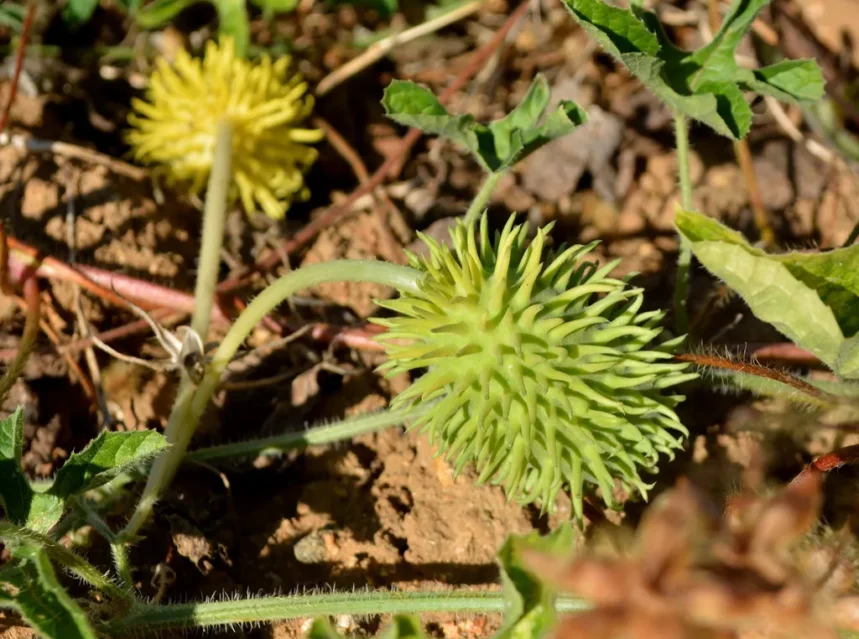
West Indian gherkin seeds grow into a vigorous trailing vine that carries small, oval, pale-green fruits covered in soft spines or warts. Picked young, these little bur gherkins are crisp and tangy, perfect for pickling, and the plant shrugs off heat and humidity far better than ordinary cucumbers. The West Indian gherkin, or maxixe, is an easy, productive cucurbit for warm gardens. It is a different plant from the common cucumber. This guide covers the best West Indian gherkin seeds, how to grow gherkins from seed, when to sow, how to harvest, and where to buy.
West Indian gherkin (Cucumis anguria) is a warm-season vining cucurbit grown for its small, spiny, pickling fruits. You grow it from seed sown in warm soil after frost. It is tougher and more heat-tolerant than the common cucumber.
Heat-loving, productive, and easy. The West Indian gherkin page and the Cucumis genus page cover this cucurbit and its relatives.
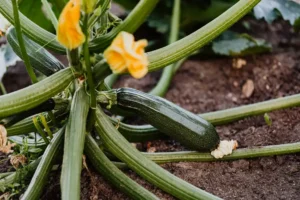
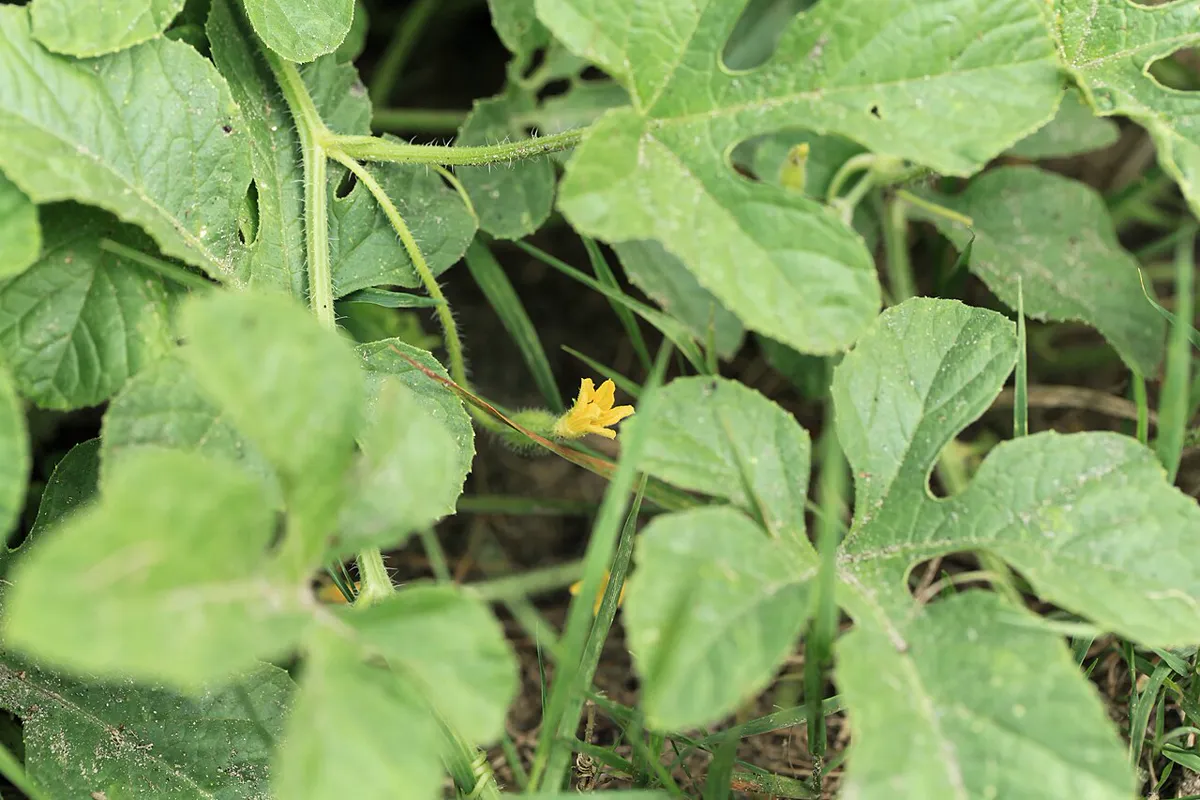
The soft spines are harmless and rub off in water. Pick the fruit at 4-5 cm, while the spines are still soft. Photo: Wikimedia Commons (CC0/PDM).
🧰 In a hurry? Jump straight to our tested picks for this guide ↓
West Indian gherkin seeds at a glance
| Feature | Detail |
|---|---|
| Botanical name | Cucumis anguria (family Cucurbitaceae) |
| Sowing depth | 1–2 cm, direct in warm soil |
| Germination temperature | 21–30°C (70–86°F) |
| Days to germinate | 7–14 days |
| Season | Warm-season annual; heat-tolerant |
| Days to harvest | About 60–70 days |
| Best for | Pickling, hot-climate cucurbit, trellises |
Why grow gherkins from seed?
The West Indian gherkin is a fun, productive crop for warm gardens. First, it is tough, coping with heat and humidity that make ordinary cucumbers struggle. Second, it is very productive, with vines covered in dozens of little fruits.
Third, the small spiny gherkins are perfect for pickling, crisp and tangy in a jar. The plant is easy and quick from seed.
It suits hot, sunny plots and trellises. The West Indian gherkin grows much like other warm-season cucurbits such as cucumber and bottle gourd, and pairs with heat-lovers like okra.
How is it different from a cucumber?
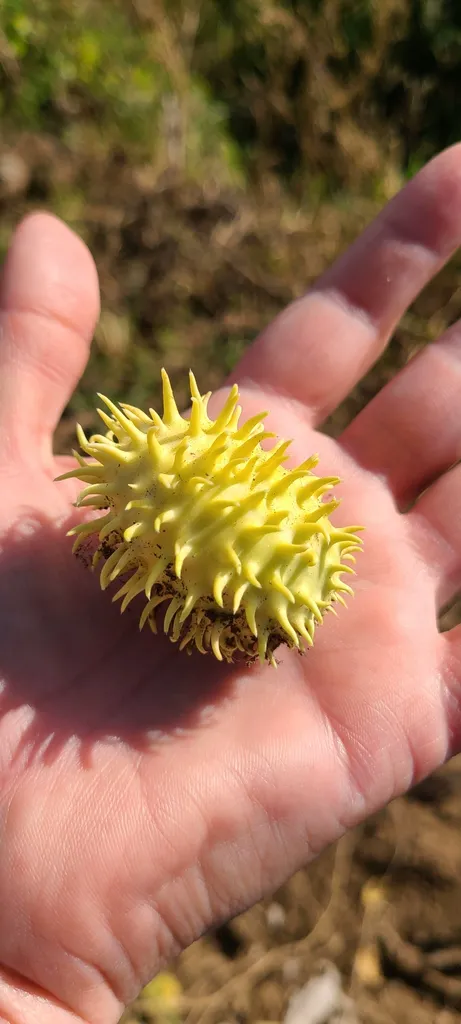
The West Indian gherkin is a separate species from the common cucumber, not just a small cucumber. Its fruits are little ovals, around 3–5 cm long, covered in soft spines or warts.
It is noticeably more tolerant of heat, humidity, and some diseases than ordinary cucumbers. This makes it a better choice in hot, tropical gardens.
While people also sell small pickled cucumbers as “gherkins”, the true West Indian gherkin is this distinct spiny-fruited plant. Both are pickled, but they are different crops.
History, origin & India
The West Indian gherkin originates in Africa, then spread to the Caribbean and the Americas, where it became a popular vegetable. In Brazil it is well known as maxixe, used fresh and cooked.
You can read more on the plant’s botany and history at Wikipedia.
Because it loves heat and humidity, the West Indian gherkin grows very well in warm parts of India and other tropical regions. It thrives in the warm season where cucumbers can suffer, giving a steady crop of small pickling fruits.
Gherkin types to grow
The West Indian gherkin is usually grown as the species, with spiny or smoother-fruited forms. Choose by how prickly you like the fruits.
| Type | Notes | Best for | Region |
|---|---|---|---|
| Spiny West Indian gherkin | Soft-spined oval fruits | Classic pickling, heat tolerance | warm climates |
| Smooth (maxixe) form | Fewer or no spines | Cooking, fresh use | warm climates |
| Pickling cucumber (for comparison) | True cucumber, smoother | Small pickles in cool climates | temperate |
For the authentic spiny gherkin, the standard West Indian type is what you want, ideal for pickling and tough in heat. A smoother maxixe form suits cooking and fresh use.
If you actually want small pickling cucumbers in a cooler climate, a true pickling cucumber is the better choice instead.
How to grow gherkins from seed
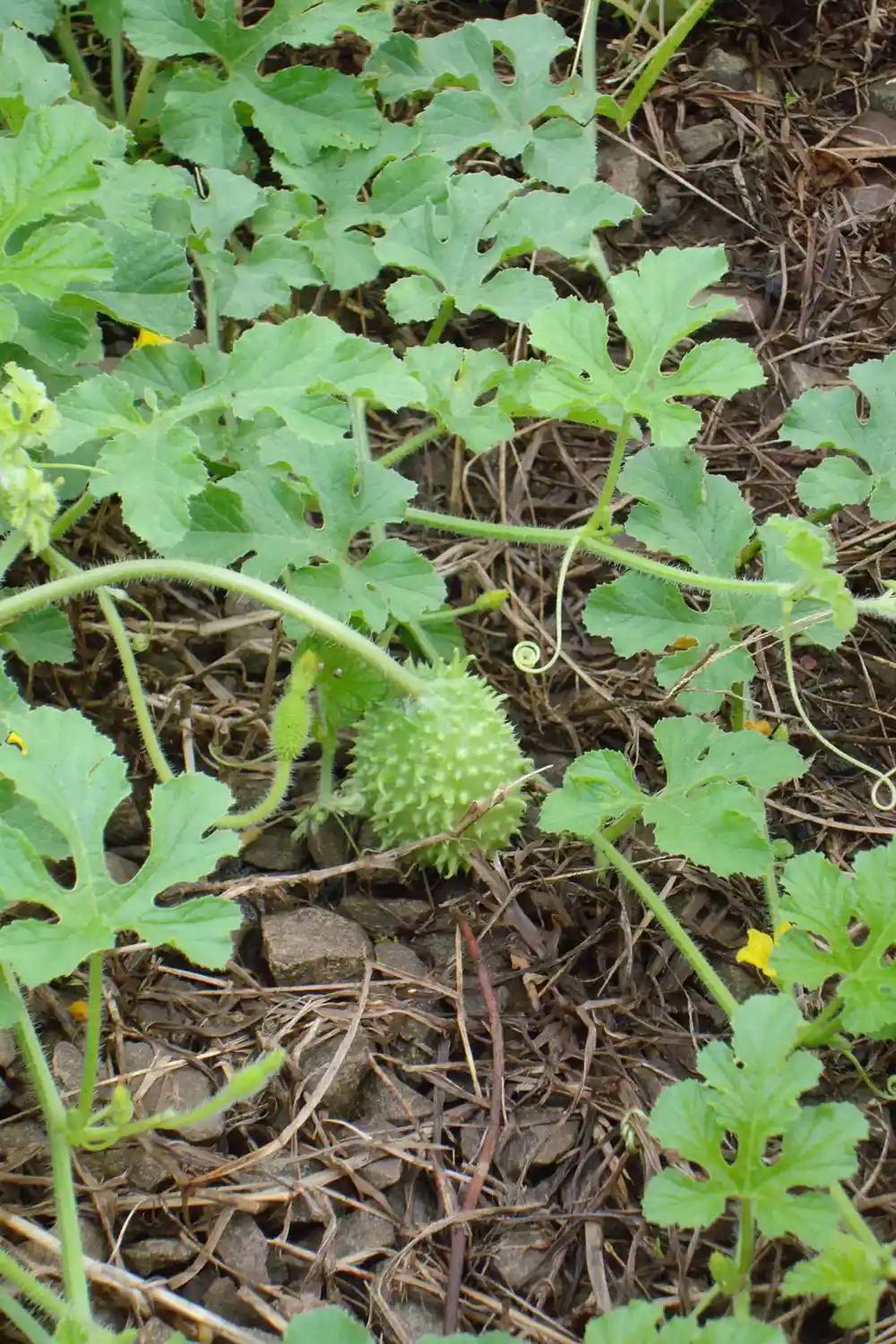
West Indian gherkins are easy from seed in warm conditions.
- Wait for warmth. Sow after frost into warm soil, as this is a heat-loving cucurbit.
- Sow direct. Sow seed 1–2 cm deep where the plants will grow, in full sun.
- Give support or space. Provide a trellis to climb, or let the vines sprawl over the ground.
- Space the plants. Allow about 45–60 cm between plants, as the vines spread widely.
- Water steadily. Keep the soil moist, especially once the vines flower and set fruit.
The vines grow quickly and start fruiting within a couple of months. Pick often to keep the plants productive.
In warm parts of India, the West Indian gherkin grows easily through the warm season, climbing fences and trellises and cropping heavily.
When should you sow gherkin seeds?
West Indian gherkins are frost-tender and need warmth. Sow only once the cold has fully passed.
In cool and temperate areas, sow in late spring to early summer, after the last frost, or start in pots a little early. They crop best in a hot summer.
In hot climates and across warm parts of India, sow with the warm season. The plant relishes heat and humidity, so it crops when cucumbers may falter. Never sow into cold soil.
Soil, watering & feeding
West Indian gherkins want full sun and rich, well-drained soil with plenty of organic matter. Good drainage and warmth are key to strong growth.
Water regularly and deeply, especially during flowering and fruiting, as dry spells reduce the crop and can make fruits bitter. Mulch helps keep the soil moist.
Feed with a balanced feed as the vines grow and fruit. As fruiting cucurbits, gherkins appreciate steady moisture and feeding, much like other vining crops such as bitter gourd.
Common pests & diseases
West Indian gherkins are fairly robust. The main pests are cucumber beetles, aphids, and fruit flies, which attack leaves and fruit.
It tends to resist some diseases better than cucumbers, but downy and powdery mildew can still appear in damp, crowded conditions. Good airflow and spacing help.
Its natural toughness is one of its best features. Sun, warmth, drainage, and regular picking keep most problems at bay.
Harvesting gherkins
Harvest West Indian gherkins young, while the fruits are small, firm, and crisp, usually 3–5 cm long. At this stage they are best for pickling.
Pick every couple of days, as frequent harvesting keeps the vines producing more fruit. Left too long, the fruits turn yellow, tough, and seedy.
The spines are soft and rub off easily when handling. Use the gherkins fresh or pickle them soon after picking.
Uses of gherkins
The classic use is pickling, where the small, crisp gherkins are preserved whole in vinegar and spices. They add a tangy crunch to many dishes.
Young fruits can also be cooked, as in Brazilian maxixe stews and sautés, or eaten fresh when very small. The flavour is mild and cucumber-like.
This article is for gardening information only and is not health or medical advice. Enjoy gherkins as part of a normal, balanced diet.
Saving your own seeds
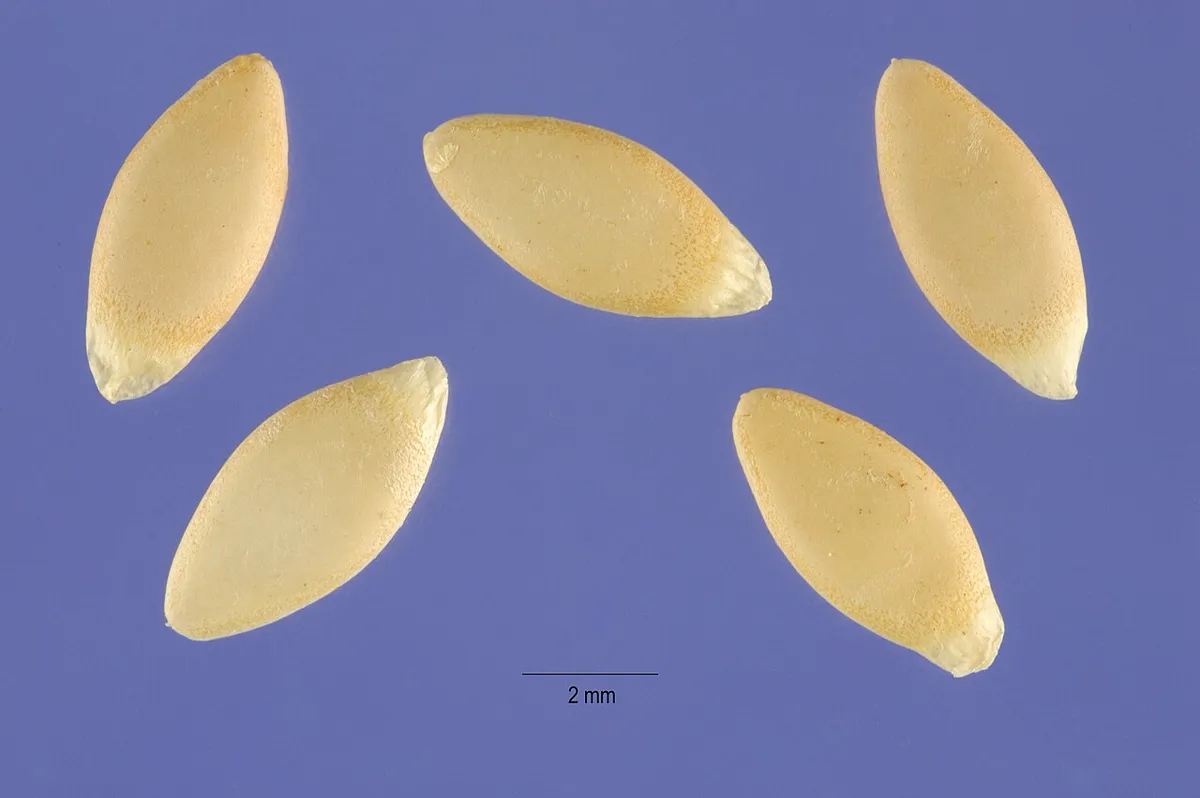
Saving gherkin seed is easy if you let a few fruits ripen fully. Leave them on the vine until large, yellow, and soft, well past the eating stage.
Scoop out the seeds, rinse off the pulp, and dry them thoroughly. Store the dry seed in a labelled, airtight container somewhere cool and dark.
As a cucurbit, it can cross with its own kind, so isolate plants for pure seed. Our general guide to saving seeds covers drying and storage.
Common problems from seed
The most common problem is seed rotting in cold soil, so wait for real warmth before sowing. Poor fruit set can come from heat stress or a lack of pollinators, so encourage bees and water steadily.
Bitter or tough fruits usually mean they were picked too late or grown too dry. Harvest young and keep the soil moist.
Mildew in damp, crowded plots is eased by spacing and airflow. Warm soil, full sun, steady water, and frequent picking give the best crop.
Where can you buy gherkin seeds?
Choose true West Indian gherkin (Cucumis anguria) seed for the spiny, heat-tough pickling plant, rather than ordinary cucumber labelled as gherkin. Buy fresh seed for good germination.
Specialist and warm-climate vegetable seed suppliers are the best source. Use the links below to compare trusted sellers.
Frequently asked questions
How long do West Indian gherkin seeds take to germinate?
They germinate in about 7–14 days in warm soil at 21–30°C. Sow them 1–2 cm deep only after frost, as the seed rots in cold, wet ground.
Is a West Indian gherkin the same as a cucumber?
No. It is a separate species, Cucumis anguria, with small spiny fruits. It is more heat- and disease-tolerant than the common cucumber, though both can be pickled.
When do you pick gherkins?
Pick them young, when the spiny fruits are about 3–5 cm long, firm, and crisp. Harvest every couple of days, as they quickly turn yellow, tough, and seedy if left.
Do West Indian gherkin vines need bees to set fruit?
Yes. Like other cucurbits, the vine carries separate male and female flowers, so bees or other pollinators must move pollen between them for fruit to form. Hand-pollinate with a small brush if you see flowers but no fruit forming.
Can West Indian gherkin cross-pollinate with regular cucumbers?
No. Cucumis anguria and the common cucumber, Cucumis sativus, are different species and do not cross, so you can grow both side by side without losing seed purity. It will still cross with other West Indian gherkin plants nearby.
Do West Indian gherkin seeds need soaking or scarifying before sowing?
No special treatment is needed. Fresh, viable seed sown directly into warm soil germinates reliably in 7-14 days without soaking, nicking, or cold stratification.
How long do West Indian gherkin seeds stay viable in storage?
Stored dry in a cool, dark container, the seed typically stays viable for 4-5 years, similar to other cucurbits. Germination declines each year, so test older seed on a damp paper towel before sowing a full bed.
Is West Indian gherkin the same plant as the invasive bur cucumber weed?
No. The bur cucumber that turns up as a weed in North American fields is Sicyos angulatus, an unrelated vine with small bristly capsules. West Indian gherkin, Cucumis anguria, is a cultivated food crop and not related to that weed.
Does day length affect how much fruit West Indian gherkin sets?
Yes. Growers report that fruiting picks up as days shorten after the summer solstice, so vines sown in early summer often crop hardest in late summer and early autumn rather than at the height of long summer days.
How many West Indian gherkin plants should I grow for pickling?
Two to three vigorous vines usually keep a household in gherkins for pickling, since each plant can produce dozens of small fruits over the season if picked every couple of days. Trellising lets you fit more plants into a small bed.
Does West Indian gherkin self-seed in the garden?
It can, in warm climates where a few fruits are left to rot on the ground, but it is not aggressively self-seeding like some cucurbits. In cooler climates the frost usually kills any dropped seed before it can sprout.
Can you grow West Indian gherkins in India?
Yes, very easily. They love heat and humidity, so they thrive in warm parts of India through the warm season. Grow them in full sun on a trellis, and pick the little fruits young for pickling.
Still stuck? Ask the Plant Doctor
Describe the problem — yellow leaves, holes, no flowers — and get a clear answer in seconds. FreeAI can make mistakes. Answers are guidance, not a guarantee — check anything important against the guide it links to, and always read the label on any product before you use it.