Shasta Daisy Seeds
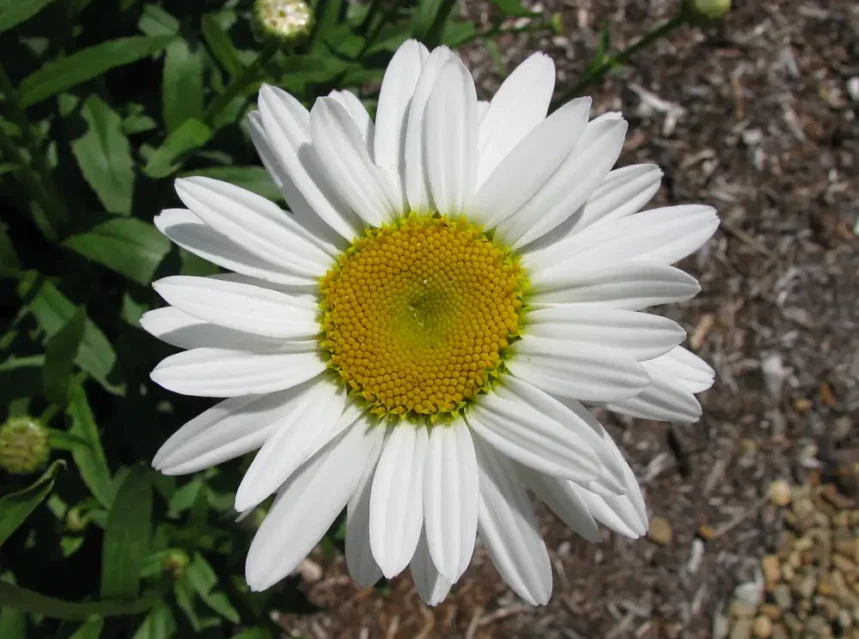
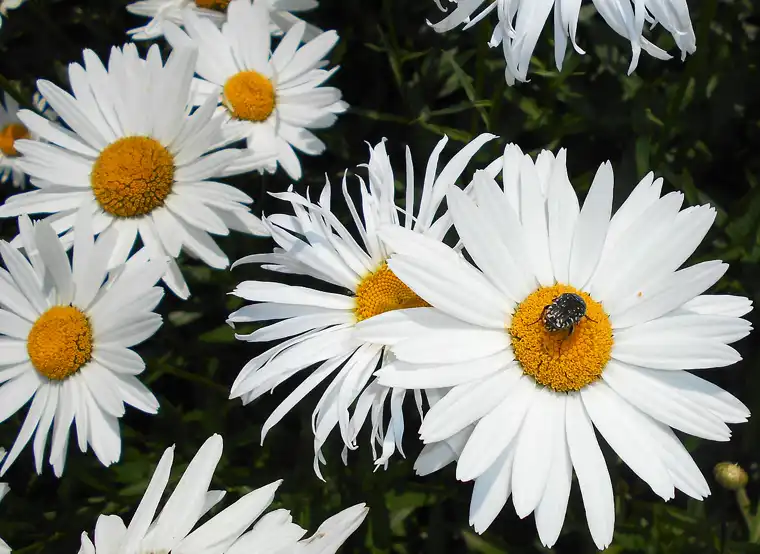
Shasta daisy seeds grow into the classic, cheerful white daisy everyone pictures — crisp white petals around a bright golden-yellow eye, on sturdy stems that bloom all summer. The plant is Leucanthemum × superbum, a tough, clump-forming perennial bred from wild daisies. Sow the seed, give it sun, and you get an easy, long-flowering border staple that also makes one of the best cut flowers in the garden.
Note: This is an ornamental gardening guide only. Shasta daisy is grown purely for its flowers, cut stems, and pollinator value — this article makes no medicinal or edible claims.
Quick start: shasta daisy seeds at a glance
- What you get: white daisies with golden centres, 5–12 cm across, on plants 30–90 cm tall.
- Sow indoors: 6–10 weeks before your last frost, or direct-sow in late spring.
- Surface sow: press onto the soil and barely cover — seeds need light to germinate.
- Germination: 15–21 days at about 21°C (70°F).
- Bloom: usually year two from seed; first year makes a leafy rosette.
- Site: full sun, average, well-drained soil.
- Water: about 1 inch a week; drought-tolerant once established.
- Care: deadhead for rebloom; divide every 2–3 years to keep clumps vigorous.
- Bonus: superb long-lasting cut flower; loved by bees and butterflies.
Authority sources: Wikipedia — Leucanthemum × superbum and Missouri Botanical Garden Plant Finder — Leucanthemum × superbum.
🧰 In a hurry? Jump straight to our tested picks for this guide ↓
Shasta daisy seeds: at-a-glance facts
| Detail | Shasta daisy (Leucanthemum) |
|---|---|
| Botanical name | Leucanthemum × superbum |
| Family | Asteraceae (daisy/aster family) |
| Origin | Garden hybrid bred by Luther Burbank in the 1890s |
| Plant type | Herbaceous perennial (sometimes short-lived) |
| Height | 30–90 cm depending on variety |
| Flower | White ray petals around a golden disc, 5–12 cm across |
| Bloom time | Early-to-mid summer, reblooms if deadheaded |
| Sun & soil | Full sun; average, well-drained, moderately fertile |
| Hardiness | USDA zones 4–9 |
| Best uses | Cottage borders, mass plantings, premier cut flower |
Why grow shasta daisy from seed?
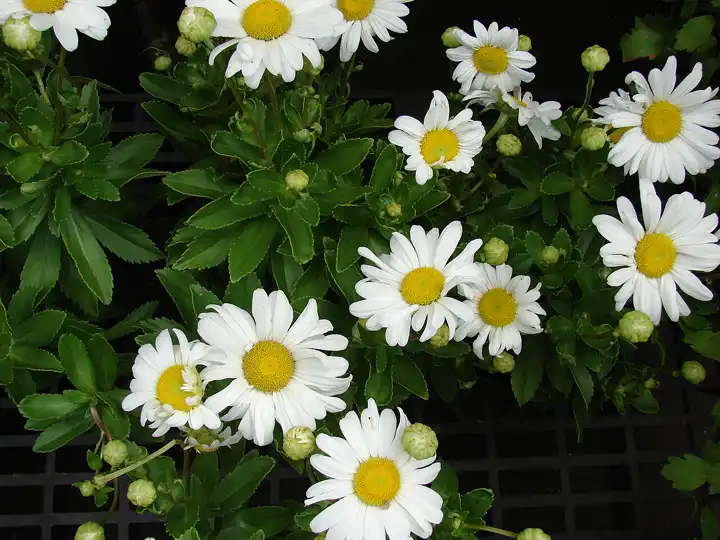
Growing leucanthemum from seed is the cheapest way to fill a border with these classic white daisies. One packet gives you a whole drift of plants for the price of a single nursery pot. Seed-raised daisies are vigorous and easy, and they settle into the garden quickly.
There is one honest caveat. Most shasta daisies grown from seed flower in their second year — the first season builds a leafy rosette and a strong root system. Start the seed early indoors, though, and a few plants may surprise you with blooms in year one. Either way, the payoff is years of reliable summer colour.
- Cheap and generous: one packet, dozens of plants.
- Beginner-proof: one of the easiest perennials to raise from seed.
- Long-flowering: deadhead and it blooms for months.
- Cut-flower star: lasts over a week in the vase.
Where the Shasta daisy came from
The shasta daisy is a made-in-America plant. The famous horticulturist Luther Burbank spent about 17 years creating it, starting in the 1880s on his Santa Rosa, California property. He crossed the common oxeye daisy (Leucanthemum vulgare) with the larger English field daisy, then with a Portuguese species, and finally with the pure-white Japanese field daisy — a remarkable cross of species from three continents.
He named the result after Mount Shasta, because its petals were as white as the mountain’s snow, and introduced it in 1901. That breeding history is exactly why the modern garden daisy is so much bigger and showier than its weedy roadside ancestor.
Best season & when to sow shasta daisy seeds
Start shasta daisy seeds indoors 6–10 weeks before your last expected frost for the earliest, strongest plants. You can also direct-sow outdoors once the soil warms to around 21°C (70°F), typically in late spring, or sow in late summer about two months before your first autumn frost.
Spring sowing is the most popular route because it gives plants a full season to establish before winter. In milder climates, an autumn sowing works well too. Whatever the timing, remember most plants will flower the following summer rather than the same year.
Growing shasta daisy seeds: how to plant step by step
Here is the simple, reliable way to raise leucanthemum from seed:
- Fill trays: use a moist, free-draining seed mix in modules or pots.
- Surface sow: press the seeds firmly onto the surface and barely dust them — they need light to germinate, so do not bury them.
- Keep warm and moist: hold at about 21°C (70°F) in a bright spot; a humidity dome stops the surface drying out.
- Wait: seedlings appear in roughly 15–21 days.
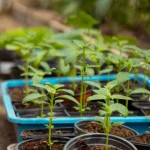
- Pot on: when seedlings are 5–10 cm tall with two true leaves, move them to bigger cells.
- Harden off: acclimatise plants outdoors over 1–2 weeks before planting.
- Plant out: space 45–60 cm (18–24 inches) apart in full sun.
Germination: the seed-starting secret
The single most important rule with shasta daisy seeds is light. These seeds need light to germinate, so press them onto the soil surface and cover them only with the thinnest dusting — or leave them bare. Bury them under soil and they simply will not come up.
The second secret is warmth and even moisture. Hold the mix at around 21°C (70°F), keep it lightly damp but never soggy, and germination is fast and reliable at 15–21 days. A clear cover or humidity dome keeps that surface moisture steady, which matters a lot when the seeds are sitting right on top.
Sun, soil, watering & feeding
Sun: shasta daisy wants full sun — at least six hours a day. It tolerates a little afternoon shade, but more sun means more flowers and sturdier, less floppy stems.
Soil: give it average, moderately fertile, well-drained soil. Unlike Mediterranean dry-lovers, the shasta daisy appreciates steady moisture and decent ground, but it will not survive waterlogged winter soil, which rots the crown.
Watering: aim for about an inch of water a week during the growing season. Once established, plants are fairly drought-tolerant, but consistent moisture gives the best, longest bloom.
Feeding: a light feed of balanced fertiliser in spring is plenty. Avoid overfeeding, which produces lush leaves, weak stems, and fewer flowers.
Perennial habit & long-term care
Shasta daisy is a clump-forming perennial, but it can be short-lived — clumps lose vigour after a few years if left alone. The fix is easy, and here is where it differs sharply from deep-taprooted plants like globe thistle: shasta daisy divides beautifully. Lift and split the clumps every 2–3 years in early spring or late summer, replant the healthy outer pieces, and the plant renews itself indefinitely.
Deadhead spent flowers through summer to push a longer, heavier bloom and to curb self-seeding. Cut old stems back in late autumn or early spring. Between easy division and a little reseeding, shasta daisy effectively lives forever in the garden.
The classic white daisy for cottage gardens
Few flowers say “summer garden” like a shasta daisy. The clean white petals and golden eye are instantly recognisable, and they bring a fresh, uncomplicated cheer to any planting. This is the quintessential “he-loves-me, he-loves-me-not” daisy.
Use it in drifts through a cottage border, where it pairs effortlessly with the spikes of salvia, the cones of echinacea and rudbeckia, and the airy wands of knautia. Its simple white reads beautifully against hot-coloured partners like gaillardia and helenium.
A premier cut flower
Shasta daisy is a florist’s staple for good reason. The flowers last well over a week in a vase, the stems are long and strong, and the clean white-and-gold form suits almost any bouquet. Cut stems in the morning when the flowers have just fully opened for the longest vase life.
Tall cultivars like ‘Becky’ were practically bred for cutting — three to four inch blooms on sturdy three to four foot stems. Deadheading for the vase doubles as deadheading for the plant, so cutting flowers actually encourages more to come. Pair stems with cosmos and zinnias for a classic cutting-garden mix.
Shasta daisy for bees, butterflies & pollinators
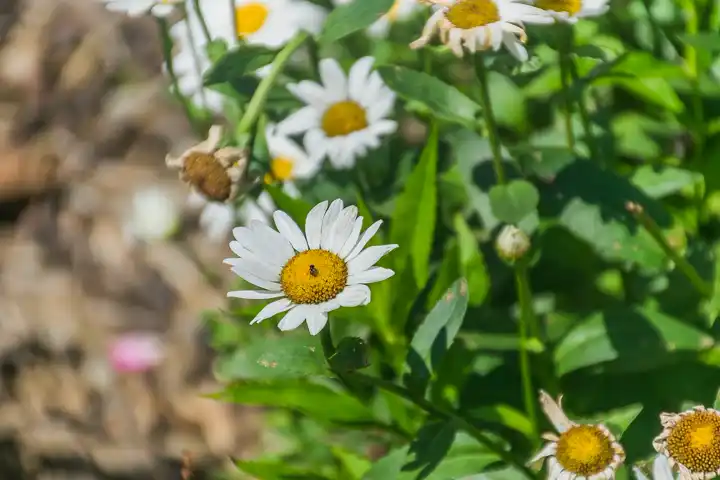
The open, flat-faced daisy is an easy landing pad for pollinators. Bees, butterflies, hoverflies, and other beneficial insects work the golden central disc, which is packed with tiny nectar-rich florets. A drift of shasta daisies adds real pollinator value to a sunny border.
Plants are also reasonably deer- and rabbit-resistant, so they survive where softer perennials get browsed. Leave a few late seed heads standing and small birds will pick them over in autumn. For a bigger pollinator punch, plant near bee balm and agastache.
Common pests & problems
- Aphids: can cluster on buds and stems; a water jet or ladybirds usually handle them.
- Leaf miners: leave pale trails in the leaves; cosmetic, and healthy plants shrug it off.
- Spider mites: a hot, dry-weather pest; raise humidity and hose plants down.
- Leaf spot & verticillium wilt: fungal issues in damp, crowded conditions; space plants and improve airflow.
- Floppy clumps: usually too much shade, rich feeding, or an overdue division — sun, lean feeding, and splitting fix it.
Shasta daisy vs oxeye daisy vs other daisies
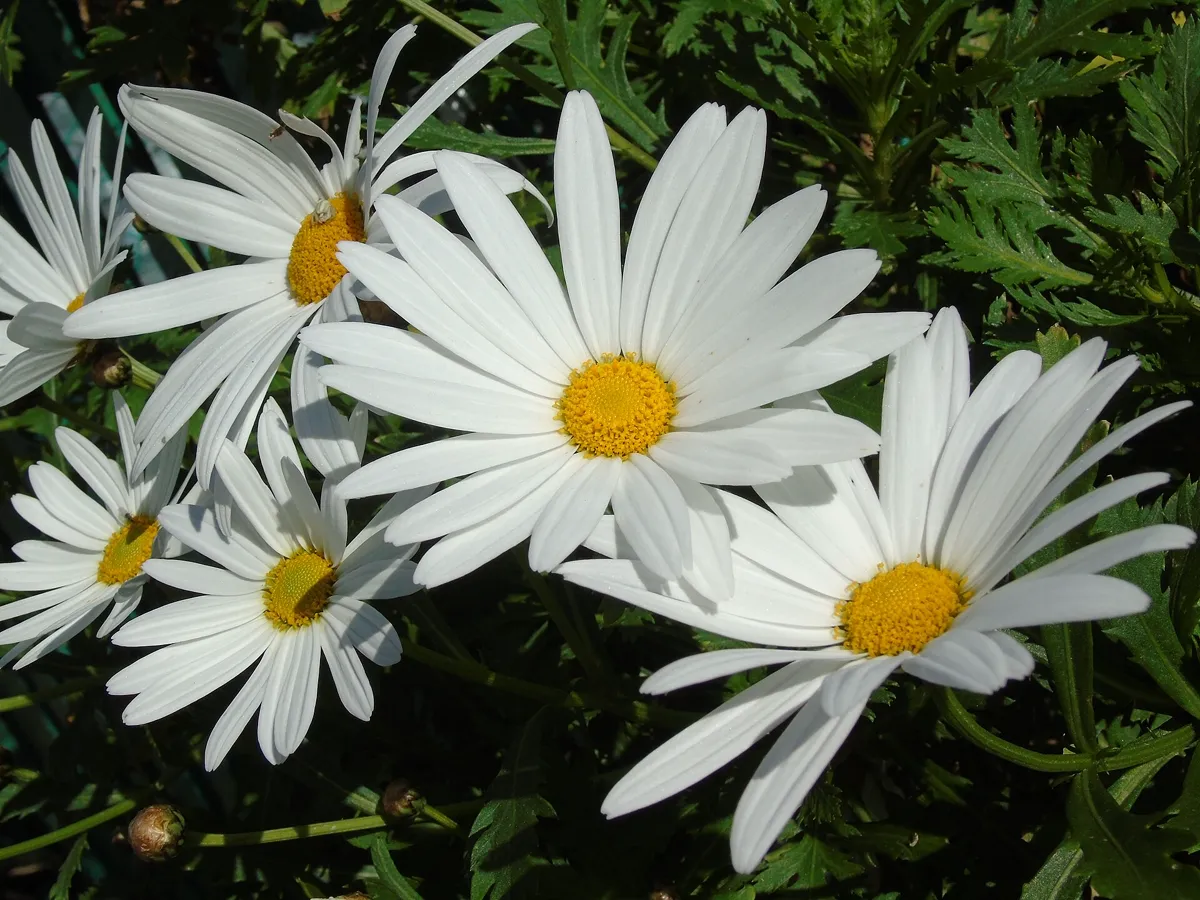
“Daisy” covers a lot of very different plants, and the most important distinction for gardeners is shasta versus oxeye. They are close relatives — Burbank bred the shasta from the oxeye — but they behave completely differently in the garden.
| Plant | Botanical name | Flower & size | Behaviour |
|---|---|---|---|
| Shasta daisy | Leucanthemum × superbum | Large white daisy, 5–12 cm | Well-behaved garden perennial |
| Oxeye daisy | Leucanthemum vulgare | Small white daisy, 3–5 cm | Weedy wildflower; invasive/noxious in many areas |
| Marguerite daisy | Argyranthemum | Daisy on a shrubby plant | Tender; grown as an annual or pot plant |
| African daisy | Osteospermum / Arctotis | Bold colours, often with dark eyes | Tender; sun-loving annual/perennial |
The takeaway: the shasta is the big, tidy garden daisy you want; the oxeye is the smaller roadside weed you usually do not. If you are after bright-coloured “daisies,” see our African daisy seeds guide and blue daisy seeds guide instead.
Shasta daisy varieties to grow from seed
| Variety | Height / look | Best for |
|---|---|---|
| ‘Becky’ | 90–120 cm, large blooms, heat-tolerant (Plant of the Year 2003) | US zones 4–9; Indian hills & cool-season plains |
| ‘Alaska’ | ~75 cm, classic single white, hardy | US borders; India winter beds (plains) & hills |
| ‘Snowcap’ | ~40 cm dwarf, compact | US edging & pots; Indian balcony & container growers |
| ‘Crazy Daisy’ / ‘Aglaia’ | ~75 cm, frilled semi-double white | US cottage gardens; Indian cool-season novelty |
| ‘Banana Cream’ | ~45 cm, soft pale-yellow blooms | US front borders; specialist Indian growers |
India: growing shasta daisy (leucanthemum)
Shasta daisy adapts well to Indian gardens, but how you grow it depends on where you live. In the hills — Himachal, Uttarakhand, Kashmir, the Nilgiris, and similar cool regions — it behaves as a true perennial, returning year after year. There it is one of the easiest and most rewarding daisies to grow.
In the hot plains, treat it as a cool-season plant. Sow in autumn (around September–October) for healthy growth through winter and a flush of bloom in late winter and early spring, before the summer heat shuts it down. Give it the brightest light, well-drained soil, and protection from monsoon waterlogging. Seed is widely available in India through Amazon.in, Ugaoo, AllThatGrows, and Nurserylive, so it is an honest, easy choice for most Indian gardeners willing to time it to the cool season.
Frequently asked questions about shasta daisy seeds
Do shasta daisy seeds need light to germinate?
Yes. Shasta daisy seeds need light, so press them onto the soil surface and barely cover them — a thin dusting at most. Bury them and they will not sprout. Keep the surface moist and warm at about 21°C (70°F).
How long do shasta daisy seeds take to germinate?
Usually 15–21 days at around 21°C (70°F) in a bright spot. A humidity dome keeps the surface from drying out, which is important because the seeds sit right on top of the soil.
Will shasta daisy flower the first year from seed?
Most won’t. Plants grown from seed typically build a leafy rosette in year one and flower in year two. Sow very early indoors and a few plants may bloom the first summer, but second-year flowering is normal.
How do I keep shasta daisies coming back every year?
Divide the clumps every 2–3 years in spring or late summer. Shasta daisy can be short-lived if left alone, but it divides easily — splitting and replanting the vigorous outer pieces renews the plant and keeps it blooming for years.
Want more easy, pollinator-friendly flowers you can raise from seed? Explore our guides to verbena, globe thistle, and bee balm for a border that blooms and buzzes all summer.
Are shasta daisy seeds toxic to dogs or cats?
They’re mildly toxic. The ASPCA lists shasta daisy as containing pyrethrins, sesquiterpene lactones, and related compounds that can cause vomiting, diarrhoea, drooling, and skin irritation if a dog or cat chews the leaves, flowers, or seed heads. It is not usually life-threatening, but call the ASPCA Animal Poison Control line at 888-426-4435 if a pet eats a large amount. This is general information, not veterinary advice.
Do shasta daisies self-seed in the garden?
Yes, moderately. Shasta daisy drops viable seed around the parent clump, and in loose or bare soil it can pop up in nearby beds. It is not classed as invasive the way its wild relative the oxeye daisy is, but deadheading spent flowers before the heads dry out keeps the spread under control if you only want it where you planted it.
When should I collect shasta daisy seeds from my own plants?
Wait until the flower head has faded, turned brown, and dried completely on the stem, usually several weeks after the petals drop. Cut the whole head into a paper bag, let it finish drying indoors for a week, then crumble it gently to free the seeds. Collecting too early, while the head is still green, gives seed that won’t germinate.
Can shasta daisy seeds fail if it gets too hot?
Yes. Gardeners who sow in midsummer heat often lose whole batches because the seed and soil surface simply dry out or the seedlings scorch before they establish. Shasta daisy germinates best around 21°C (70°F); if your indoor room or greenhouse runs much hotter, move trays somewhere cooler and shadier, or shift sowing to a cooler month.
Do slugs and snails eat shasta daisy seedlings?
Yes, and it’s one of the more common reasons a tray of healthy seedlings disappears overnight. The soft young leaves are an easy target right after transplanting outdoors. Handpick at dusk, set out shallow beer traps, or ring vulnerable seedlings with grit or wool pellets until the stems toughen up.
How long do shasta daisy seeds stay viable in storage?
Kept cool, dark, and dry in a sealed envelope or jar, shasta daisy seed typically stays viable for 2-3 years, though germination rates drop a little each year. For the best odds, sow within the first year and always do a quick damp-paper-towel germination test before committing a whole packet to trays.
Is it better to grow shasta daisy from seed or buy nursery plants?
Seed is far cheaper if you want a mass planting and don’t mind waiting until year two for full bloom. Nursery plants cost more per plant but flower the same season and let you choose a named variety like ‘Becky’ with certainty, since seed-grown plants can show some variation. Many gardeners start a big batch from seed and fill gaps with a few nursery plants for instant colour.
Sources and further reading
Still stuck? Ask the Plant Doctor
Describe the problem — yellow leaves, holes, no flowers — and get a clear answer in seconds. FreeAI can make mistakes. Answers are guidance, not a guarantee — check anything important against the guide it links to, and always read the label on any product before you use it.