12 Best Plants for North-Facing Windows & Low-Light Rooms
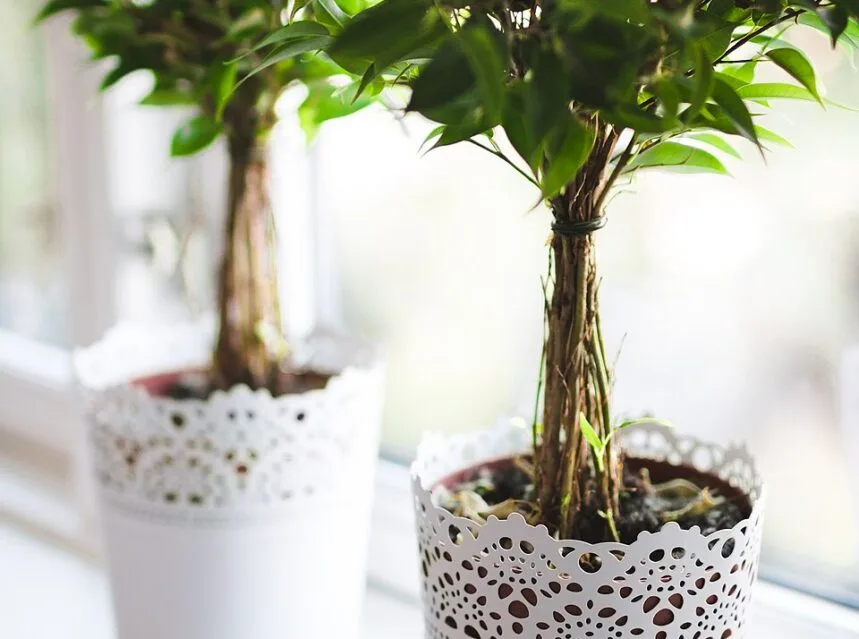
The best plants for north-facing windows are tough, shade-tolerant houseplants that thrive in steady, gentle, indirect light rather than direct sun.
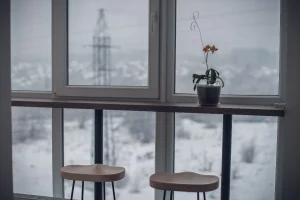
A north-facing window (in the northern hemisphere) gets soft, steady, indirect light all day but never direct sun — so it’s the trickiest spot for most plants. The good news: a surprising number of houseplants don’t just tolerate low light, they’re genuinely happy in it. Pick from this list and even your dimmest corner can be green.
Quick picks: Snake plant, ZZ plant, pothos, peace lily, cast iron plant, parlor palm, and Chinese evergreen are the most reliable low-light champions.
🧰 In a hurry? Jump straight to our tested picks for this guide ↓
Top low-light plants at a glance
| Plant | Why it suits low light |
|---|---|
| Snake plant | Almost indestructible, copes with shade |
| ZZ plant | Thrives on neglect and dim corners |
| Pothos | Trailing, forgiving, grows in low light |
| Peace lily | Flowers even in modest light |
| Cast-iron plant | Named for its tolerance of poor light |
| Ferns | Naturally grow in shady forest floors |
What “low light” really means
North-facing rooms get bright-ish but indirect light — no harsh sun, fewer hours of intensity. Most low-light plants evolved on shaded forest floors, so dim conditions suit them. One honest note: in low light, these plants survive and grow slowly rather than grow fast and flower. They’ll be healthy, just unhurried. The darker the spot, the slower the growth — and a grow light is always an option for very dim corners.
The 12 best plants for north-facing windows & low light
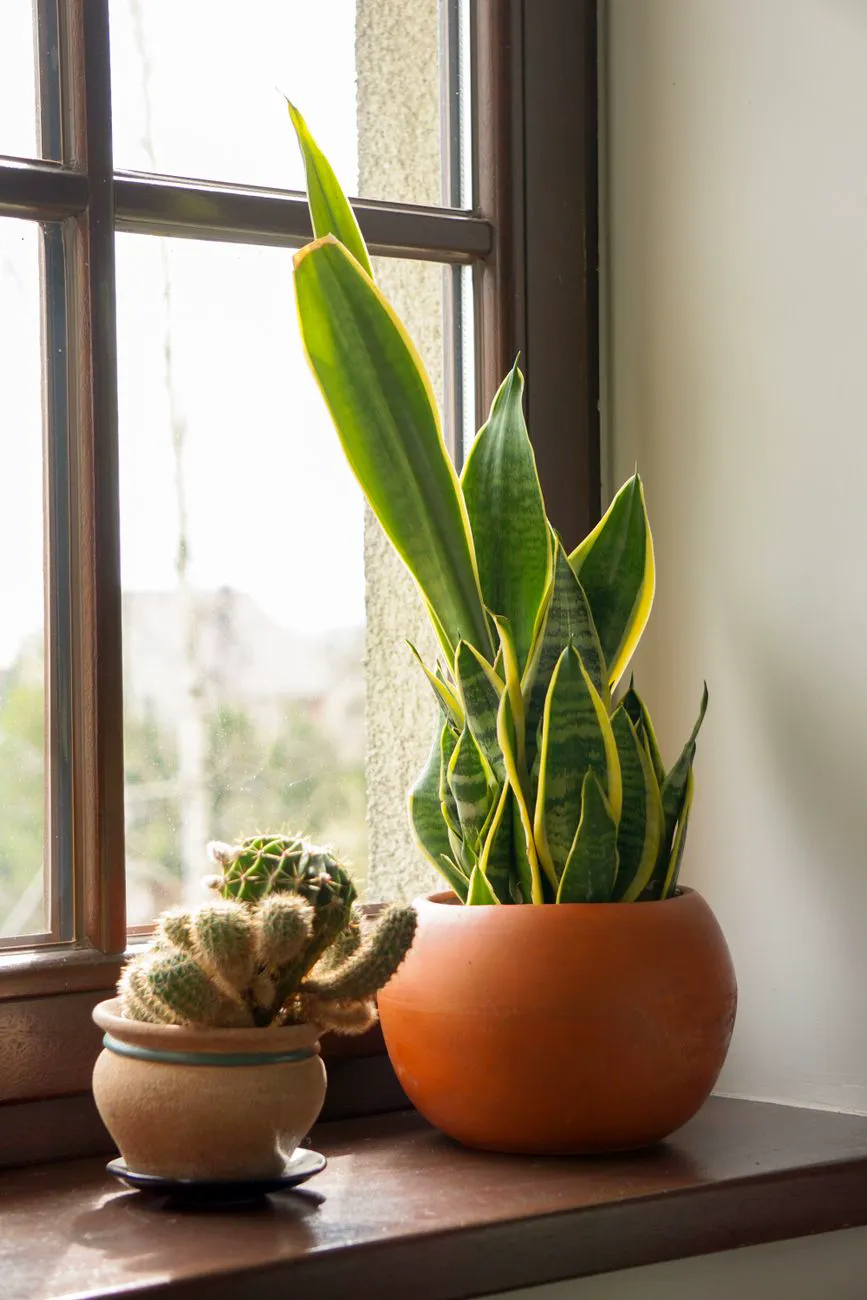
1. Snake plant (mildly pet-toxic)
Nearly indestructible, upright, and famously low-light tolerant. Water rarely. See snake plant care.
2. ZZ plant (pet-toxic)
Glossy and tough; thrives in offices and dim rooms, even under fluorescent light. See ZZ plant care.
3. Pothos / money plant (pet-toxic)
Trails happily in low light (the jade and green types best), and roots in water. See pothos care.
4. Peace lily (pet-toxic)
One of the few that flowers in low light; droops to tell you when it’s thirsty. See peace lily care.
5. Cast iron plant (pet-safe ✅)
The toughest low-light plant there is — handles deep shade and neglect. See cast iron plant care.
6. Parlor palm (pet-safe ✅)
A real palm that thrives away from windows; soft, elegant fronds. See parlor palm care.
7. Chinese evergreen (Aglaonema) (pet-toxic)
Green/silver types take low light well; colourful patterned leaves. See our care guides hub for more.
8. Philodendron (heartleaf) (pet-toxic)
Fast, forgiving trailer that tolerates lower light. See philodendron care.
9. Spider plant (pet-safe ✅)
Tolerant of medium-low light and totally pet-safe; throws out baby plantlets. See spider plant care.
10. Peperomia (pet-safe ✅)
Compact, varied, and happy in modest light; great on a shelf. See peperomia care.
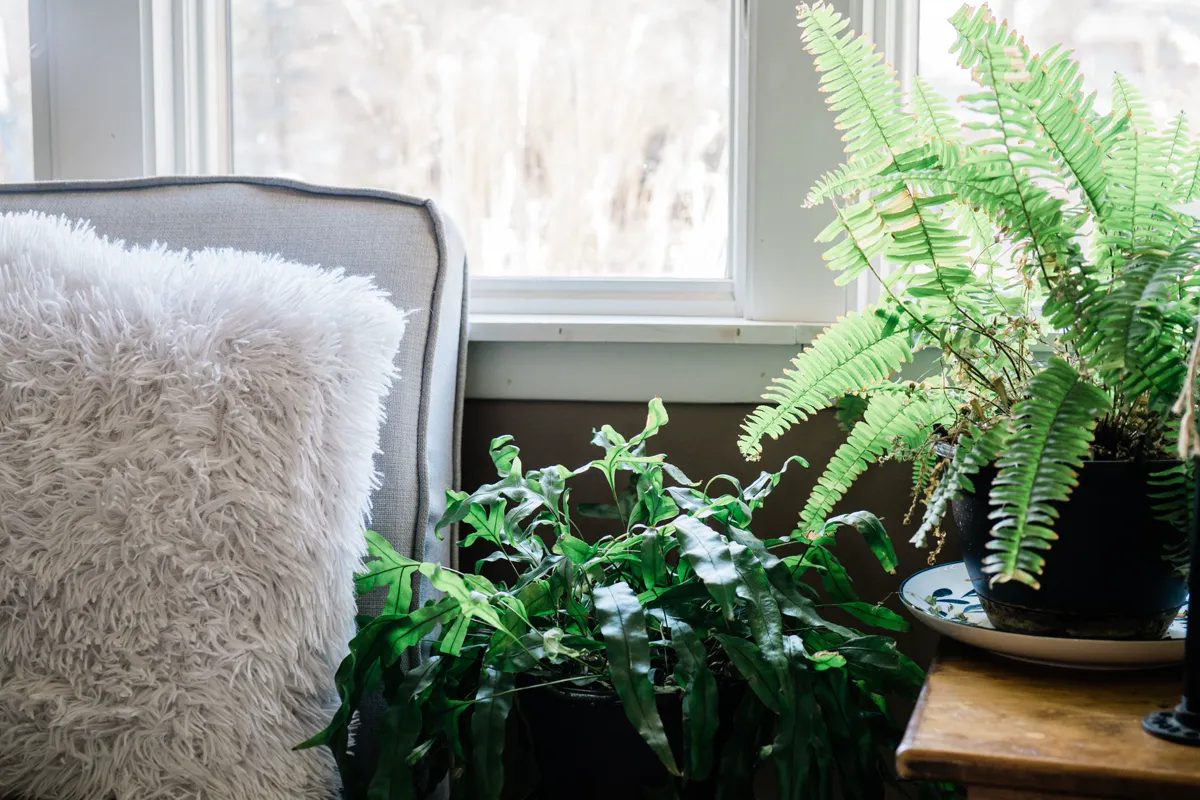
11. Boston fern (pet-safe ✅)
Likes the indirect light and humidity of a north room or bathroom. See Boston fern care.
12. Calathea / prayer plant (pet-safe ✅)
A forest-floor plant that actively dislikes direct sun — low, gentle light suits it. See calathea care.
How to keep low-light plants healthy
- Don’t overwater. In low light plants use water slowly, so soggy soil and root rot are the biggest risks. Let the soil dry more between waterings.
- Rotate the pot every couple of weeks so the side facing the window doesn’t outgrow the rest.
- Wipe the leaves — dust blocks the little light they get.
- Feed sparingly; slow growth needs little fertiliser (see fertilising).
- Consider a grow light for genuinely dark corners — even a small LED transforms what you can grow.
? For dim rooms: a small LED grow light and a moisture meter (to avoid overwatering) make low-light growing easy.
Why north-facing windows are tricky
A north-facing window (in the southern hemisphere, a south-facing one) never receives direct sun. Instead it gives a soft, even, indirect light all day. This is gentle and steady, which many plants actually prefer, but it is low in intensity. So sun-lovers struggle, while shade-tolerant plants are perfectly at home.
The biggest mistake is fighting the light rather than working with it. A cactus or a flowering sun-lover placed at a north window will stretch, pale and sulk, as our guide to the leggy houseplant explains. Choose plants suited to lower light instead, and the same spot becomes easy and rewarding.
It helps to know that “low light” still means light. Even shade-tolerant plants need a reasonable amount, so keep them close to the window rather than deep in the room. A plant a few steps back from a dim window receives far less light than it appears to, which is why placement matters so much.
The best plants to choose
Several houseplants positively thrive in these conditions. The snake plant and the ZZ plant are nearly unkillable, coping happily with low light and irregular watering. Pothos and heartleaf philodendron trail attractively and forgive a great deal. The cast-iron plant earns its name by surviving where almost nothing else will.
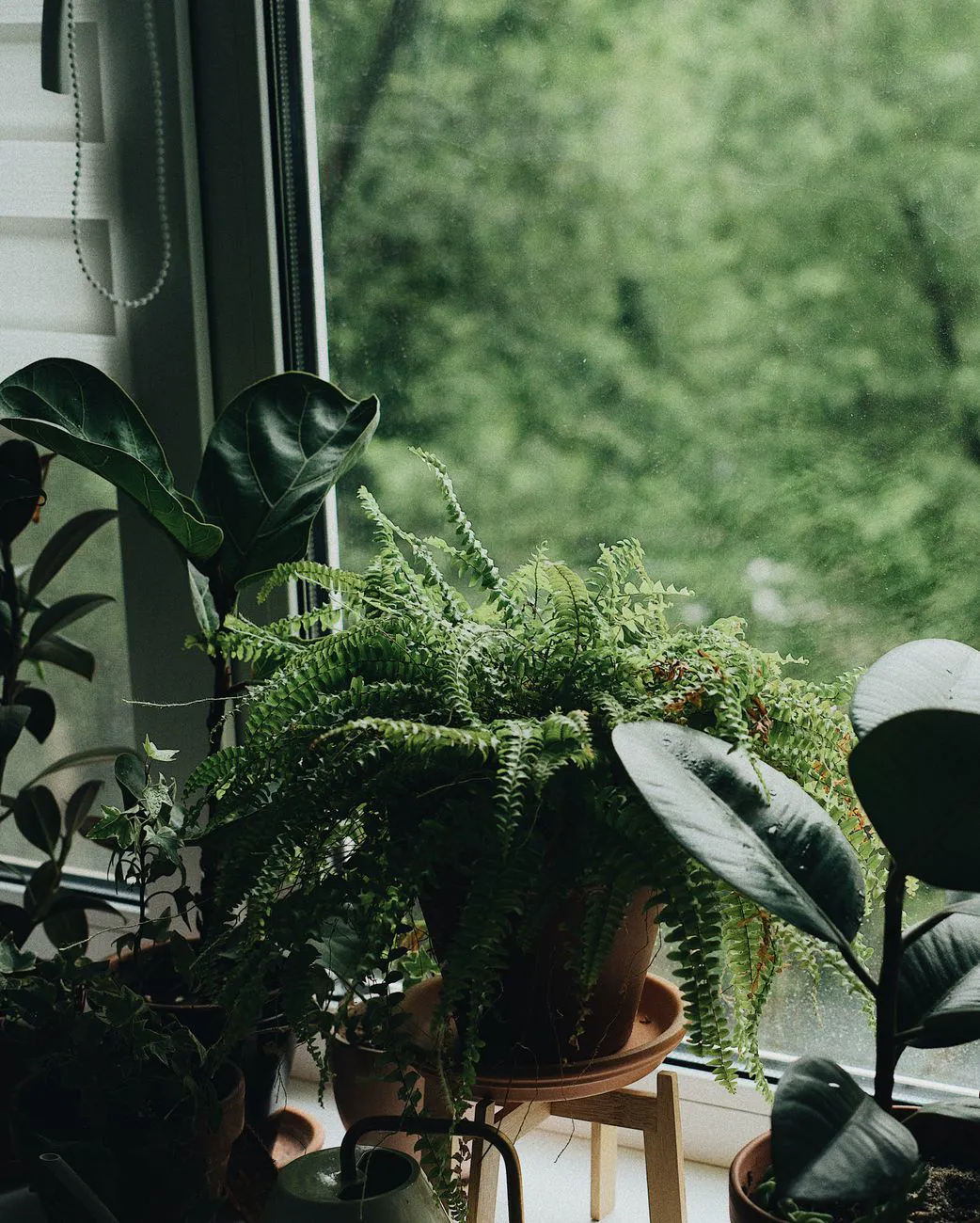
For something with flowers, the peace lily blooms in modest light and tells you clearly when it is thirsty by drooping. Ferns, which naturally grow on shady forest floors, also enjoy the steady indirect light, provided you keep up the humidity they love, as our notes on humidity for houseplants describe.
Many calatheas and prayer plants suit north windows too, since strong sun would scorch their patterned leaves. The same is true of the spider plant, which is both tolerant and easy to propagate. Choosing from this group means you start with the odds in your favour rather than against you.
Caring for plants in low light
Low-light plants need adjusted care, not just the right species. Because they grow more slowly in dim conditions, they use less water, so it is very easy to overwater them. Always check the soil first and water only when needed, keeping our guide to overwatering versus underwatering in mind. Soggy soil in low light is a fast route to root problems.
Feed sparingly as well, since a slow-growing plant cannot use much fertiliser. A weak feed occasionally through the growing season is plenty. Dust the leaves now and then too, because in low light every bit of brightness counts, and a film of dust noticeably reduces what reaches the leaf.
If your room is genuinely dark, a simple grow light bridges the gap, especially through the short days of winter. Turning plants regularly keeps them growing evenly toward the soft window light. With the right plants and this gentle, attentive care, even the shadiest window can hold a lush, healthy display.
Arranging plants for the best effect
A north window suits a layered display, since the light is gentle and even. Place the plants that want the most light right on the sill, and the most shade-tolerant ones a little further back. Trailing plants like pothos look lovely cascading from a shelf beside the window, drawing the eye and softening the frame.
Group plants with similar needs together so watering and care are simple. A cluster of foliage plants also raises the humidity among themselves, which the ferns in particular appreciate. Turning each plant every week or two keeps them growing evenly toward the soft light rather than leaning.
With a thoughtful arrangement and the right shade-loving plants, a north-facing window becomes one of the easiest spots in the home to keep green. Far from being a problem, that steady, gentle light is exactly what a huge range of beautiful foliage plants prefer.
Frequently asked questions
What plants grow in a north-facing window?
Snake plant, ZZ plant, pothos, peace lily, cast iron plant, parlor palm, Chinese evergreen, philodendron, spider plant, peperomia, Boston fern, and calathea all do well in that soft, indirect light.
Can plants survive with no direct sunlight?
Many can. Low-light plants from shaded forest floors grow happily in bright, indirect light with no direct sun — they just grow more slowly.
What are the best pet-safe low-light plants?
Cast iron plant, parlor palm, spider plant, peperomia, Boston fern, and calathea are both low-light tolerant and non-toxic to cats and dogs.
Why is my low-light plant getting leggy?
It’s stretching for more light. Move it a little brighter, prune it back, or add a grow light — see fixing a leggy plant.
How often should I water plants in low light?
Less than you’d think — they use water slowly in dim conditions. Let the soil dry more between waterings to avoid root rot.
Is a north-facing window good for plants?
Yes, but only for shade-tolerant houseplants. A north-facing window gives soft, even, indirect light all day with no direct sun, which suits plants that naturally grow under a forest canopy. It’s a poor spot for sun-loving flowering plants or succulents, which will stretch and fade. For classic low-light species like pothos, snake plant, or ZZ plant, a north window is one of the easiest, most forgiving spots in the house.
How much light does a north-facing window get?
A north-facing window gets consistent, indirect daylight but never direct sun, since the sun’s path stays on the opposite side of the sky. Light levels stay low to medium all day rather than spiking at certain hours the way an east or west window does. On a bright day the room still feels well lit, but a light meter or plant-light app usually reads it as low to medium intensity for growing purposes.
Can succulents or cacti grow in a north-facing window?
Most succulents and cacti will survive in a north-facing window but won’t thrive there, since they evolved for strong, direct sun. Expect slow, leggy growth and paler colour rather than the tight, compact shape they get in bright light. If an east, south, or west window isn’t available, a small LED grow light run for six to eight hours a day gets far better results than the window alone.
How do I know if my window is north-facing?
The simplest way is to check a compass app on your phone while standing at the window and note the direction you’re looking out toward. You can also watch where the sun rises and sets over a day, since it travels roughly east to west, or check a mapping app for your building’s orientation. A north-facing window is the one that never gets direct sunbeams shining in, whatever the weather.
What flowering plants can grow in a north-facing window?
The peace lily is the most reliable flowering plant for a north-facing window, producing white blooms even in soft, indirect light. Some phalaenopsis orchids also manage modest flowering in bright but shaded conditions. Most other flowering houseplants, like African violets or begonias, need brighter light to bloom well and tend to stay leafy rather than flower much at a north window. For guaranteed colour in a dim room, the peace lily remains the safest choice.
Are snake plants toxic to cats?
Yes, the snake plant is toxic to cats and dogs, according to the ASPCA. It contains saponins, and pets that chew the leaves typically show nausea, vomiting, or diarrhoea. Keep it out of reach of curious pets, or choose a pet-safe alternative like a spider plant or parlor palm instead. If a cat or dog has eaten any part of a snake plant, contact the ASPCA Animal Poison Control Center at 888-426-4435; this is general information, not veterinary advice.
What's the difference between north-facing and south-facing windows for plants?
A south-facing window gets strong, direct sun for much of the day, ideal for succulents, herbs, and flowering plants that crave bright light. A north-facing window gives gentle, indirect light with no direct sun, better suited to shade-tolerant foliage plants like pothos or ferns. Put a sun-loving plant at a north window and it stretches and pales; put a shade lover at a south window and its leaves can scorch.
Sources and further reading
Still stuck? Ask the Plant Doctor
Describe the problem — yellow leaves, holes, no flowers — and get a clear answer in seconds. FreeAI can make mistakes. Answers are guidance, not a guarantee — check anything important against the guide it links to, and always read the label on any product before you use it.