Four Nerve Daisy Seeds
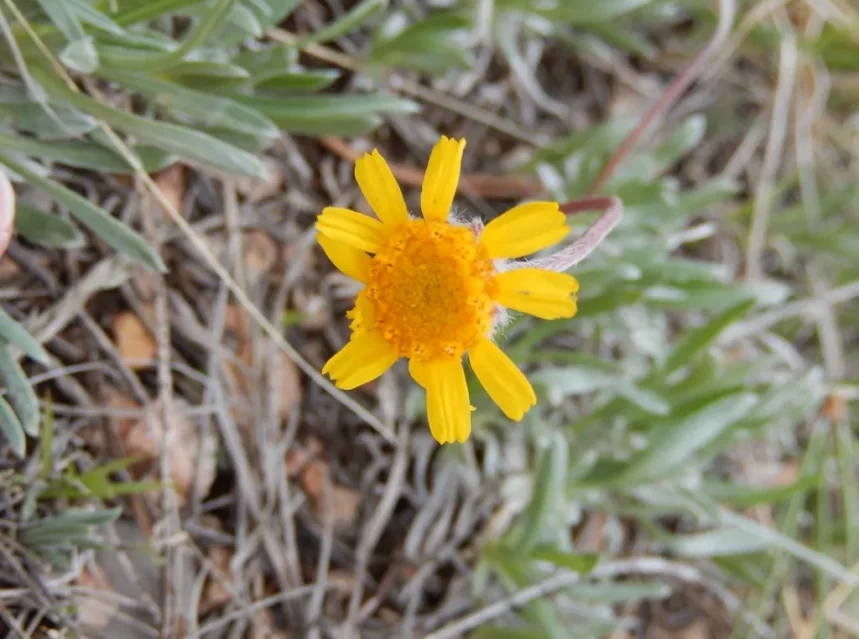
Four nerve daisy seeds grow into one of the toughest little flowers you can plant. Sow four nerve daisy seeds and you get cheerful yellow daisies on slender wands above a neat silvery tuft, for months on end.
This guide covers four nerve daisy as an ornamental, pollinator and xeriscape garden plant only. It makes no medicinal, herbal, or edible claims of any kind. Grow it for its long-lasting colour and toughness.
Quick start: four nerve daisy at a glance
- Botanical name: Tetraneuris scaposa (formerly Hymenoxys scaposa), Asteraceae.
- Type: tough North American native perennial; often grown as an annual.
- Size: low tuft about 15–40 cm tall in flower.
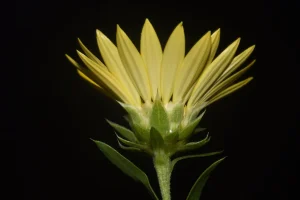
- Flowers: bright yellow daisies on leafless stalks.
- Bloom: very long — spring through frost, even winter in mild climates.
- Sun: full sun, all day.
- Soil: lean, gritty, very well drained, even alkaline.
- Water: low; highly drought-tolerant once settled.
- Best for: xeriscape, rock and gravel gardens, troughs, edging.
- Wildlife: bees and butterflies; deer and rabbit resistant.
Authority sources: Wikipedia — Tetraneuris scaposa, Wikipedia — Tetraneuris (genus).
🧰 In a hurry? Jump straight to our tested picks for this guide ↓
Four nerve daisy at a glance
| Feature | Detail |
|---|---|
| Botanical name | Tetraneuris scaposa (was Hymenoxys scaposa) |
| Common names | Four-nerve daisy, stemless four-nerve daisy, angelita daisy, bitterweed |
| Family | Asteraceae (the daisy family) |
| Origin | Great Plains and southwest USA; northern Mexico |
| Height | Low tuft, roughly 15–40 cm in flower |
| Flower | Bright yellow daisy on a slender leafless stalk |
| Bloom time | Spring through frost; often near year-round in mild zones |
| Light / soil | Full sun; lean, gritty, very well-drained soil |
| Water | Low; excellent drought tolerance |
| Best uses | Xeriscape, rock garden, troughs, border edging |
Why grow four nerve daisy?
This little daisy earns its place fast. It blooms for an exceptionally long season. Few small plants give you yellow flowers spring through frost.
It is also remarkably tough. The plant shrugs off heat, drought and poor soil. It thrives where pampered flowers fail.
The habit is tidy, too. A neat grassy rosette holds flowers on clean stalks. That makes it perfect for rock gardens and path edges. Bees and butterflies love the blooms, and deer tend to leave it alone.
The “four-nerve” name: a real ID feature
The name sounds odd, but it is literal. Each yellow ray petal carries four prominent veins, or “nerves,” running along its length. That detail gives the plant its name.
Look closely at a fresh flower. You can often spot those fine parallel lines on the petals. It is a small, genuine way to tell this daisy apart.
The plant also goes by “angelita daisy” and “stemless four-nerve daisy.” All names point to the same cheerful little native.
Marathon bloom: months of yellow daisies
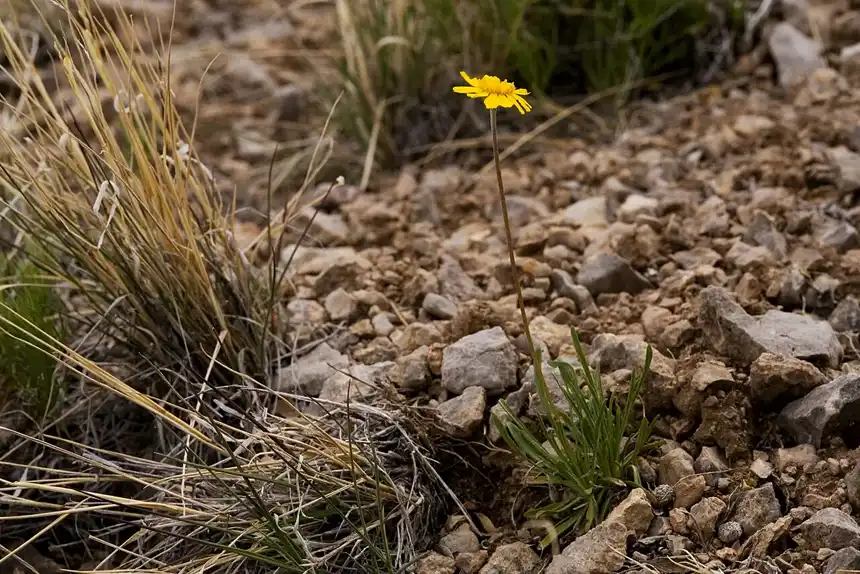
This is the plant’s superpower. The main flush runs through spring and early summer. In mild climates it can flower nearly all year.
Each flower sits on its own slender, leafless stalk. New stalks keep rising from the rosette. The result is a steady supply of fresh daisies.
One simple trick keeps it going. Shear off the spent flower stalks now and then. This tidies the plant and encourages even more bloom.
A tough native: xeriscape and ecology
Four nerve daisy is a true plant of dry country. It grows wild across the Great Plains and southwest USA. It is right at home on rocky, limestone ground.
That heritage makes it a xeriscape star. It loves heat, full sun and lean soil. It even copes with reflected heat near paving and rock.
It is also very cold-hardy, roughly to USDA zone 5. So it handles both baking summers and frosty winters. For a low-water garden, this toughness is gold.
Best season and when to sow four nerve daisy seeds
Timing is flexible with this native. You can sow in autumn or in spring. Both work well for a hardy perennial like this.
Autumn sowing suits cold-winter areas. The seed gets a natural chill outdoors. Seedlings then appear in spring.
Spring sowing is also reliable. An early start can even give flowers in the first year. A short cold spell first helps germination, as noted below.
How to plant four nerve daisy seeds
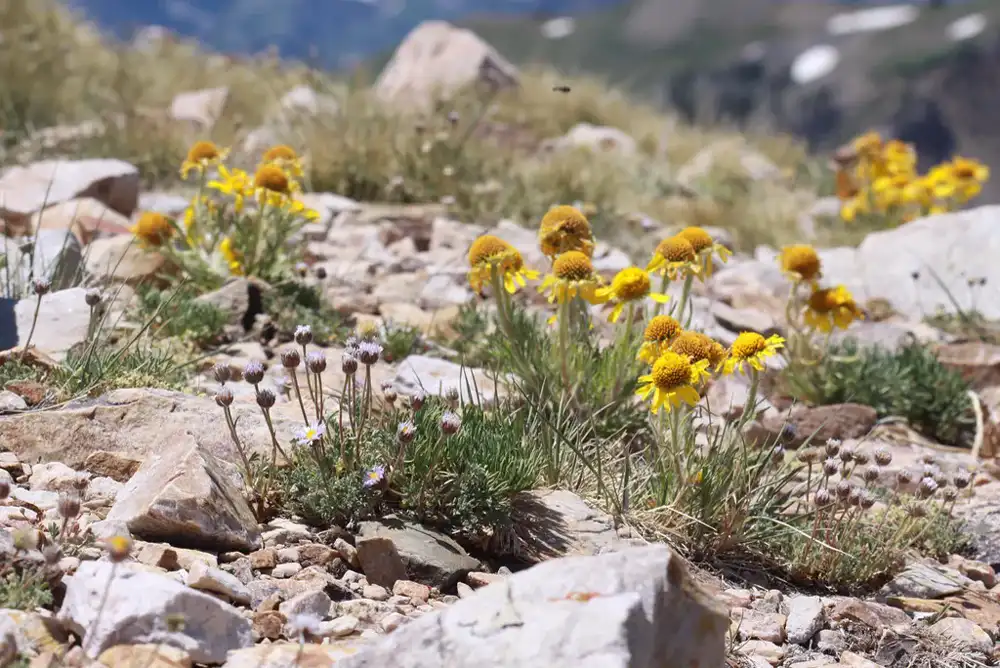
Sowing is straightforward if you keep things lean and bright. Follow these simple steps.
- Pick a sunny, sharp-draining spot. A gritty raised bed or gravel area is ideal.
- Surface-sow. Scatter seed on top and barely cover it. Light aids germination.
- Chill for spring sowing. Give the seed a short cold-moist spell first (see below).
- Water gently. Use a fine spray so seed is not washed away.
- Keep warm and bright. Aim for a warm, sunny windowsill or frame.
- Thin young plants. Seedlings start thin, then widen as they mature.
- Transplant young. Move seedlings while small, as the rootstock resents disturbance.
Germination: the seed-starting secret
The trick with native seed is patience plus a cold cue. Many prairie seeds germinate best after a cold-moist spell. This is called stratification.
The easy route is to sow in autumn. Winter then chills the seed naturally outdoors. Germination follows in spring.
For spring sowing, copy winter yourself. Mix seed with damp sand and chill it in the fridge for a few weeks. Then sow on the surface in a warm, bright place.
Remember the light. Surface-sow and barely cover the seed. Keep it lightly moist until seedlings appear.
Sun, soil, watering and feeding
Sun: give it full sun, all day. This is a desert-edge native that craves bright light.
Soil: lean, gritty and very well drained is perfect. It even likes alkaline or limestone soil. Add grit to heavy ground before planting.
Water: keep it dry to average. Water young plants until settled, then ease right off. It will rot in soggy ground or standing water.
Feeding: skip the feed. Rich, wet soil makes floppy, short-lived plants. Lean soil gives the toughest, best-flowering tufts.
Common pests and diseases
Four nerve daisy is usually trouble-free. It is a tough native that few pests bother. Deer and rabbits tend to avoid it, too.
The main risk is rot. In wet, heavy soil the crown and roots can rot. Sharp drainage and full sun are the cure.
Slugs may nibble young seedlings. Protect small plants until they toughen up. Aphids are rare and seldom a real problem.
Common problems and quick fixes
- Plant rots or collapses: soil is too wet. Improve drainage and cut back watering.
- Floppy, weak growth: soil is too rich or shaded. Move to full sun and stop feeding.
- Few flowers: not enough sun. This plant needs all-day light to bloom hard.
- No germination: seed likely missed its cold cue. Chill it, then surface-sow.
- Plant looks straggly: shear off spent stalks to refresh and rebloom.
Four nerve daisy varieties and relatives
The species itself is the main garden plant. A few named forms and relatives are worth knowing.
| Type | Notes | Best for |
|---|---|---|
| Tetraneuris scaposa (species) | Classic yellow daisy on leafless stalks; long bloom | Xeriscape and rock gardens everywhere it is hardy |
| ‘Travis’ (a Texas selection) | Narrow-leaf form; tolerates humid summers well | Hotter, more humid southern gardens |
| Tetraneuris acaulis (relative) | Angelita daisy; similar tufted habit | Dry mountain and high-plains gardens |
Note the name history. This plant was once placed in the genus Hymenoxys. You may still see seed sold as Hymenoxys scaposa.
Four nerve daisy vs other yellow daisies
Many native daisies are yellow. Four nerve daisy stands out by its small, tidy form. Use this table to compare.
| Plant | Key look | Habit |
|---|---|---|
| Four nerve daisy (Tetraneuris) | Single yellow daisy on a bare stalk; four-veined rays | Tiny tuft; marathon bloom |
| Blanketflower (Gaillardia) | Red-and-yellow banded daisy | Bigger, bushier plant |
| Tickseed (Coreopsis) | Many small yellow daisies | Branched, leafy stems |
| Black-eyed Susan (Rudbeckia) | Yellow rays, dark central cone | Taller, coarser plant |
The giveaway for four nerve daisy is scale. It is the small, tufted one with leafless flower wands.
Design ideas: xeriscape, rock and gravel gardens
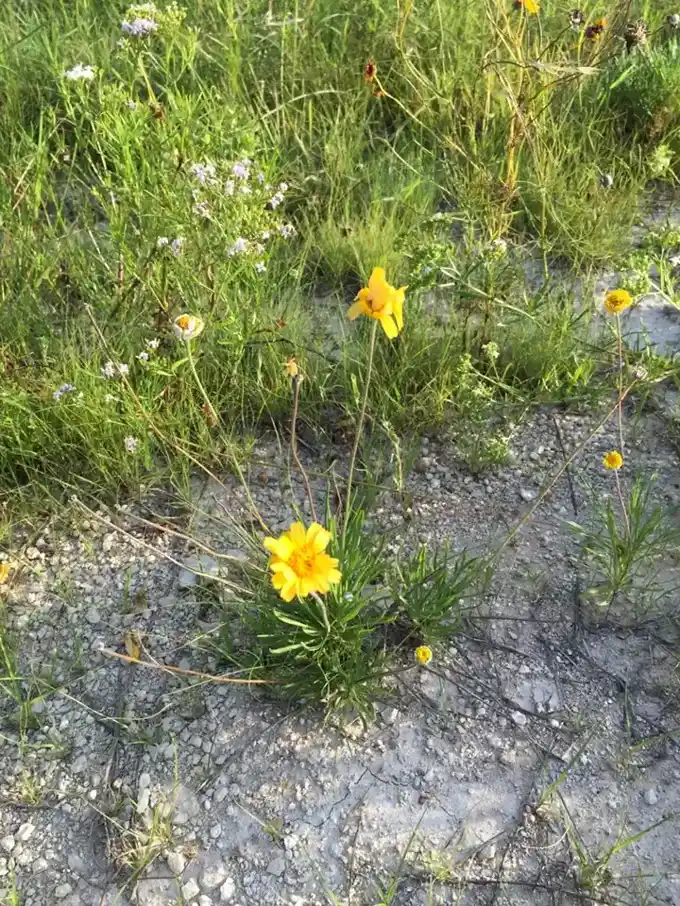
This daisy shines in dry, sunny schemes. Try these settings to show it off.
- Xeriscape beds: long colour with almost no water.
- Rock and gravel gardens: the classic home, among stones and grit.
- Hell strips: tough enough for hot parking-strip planting.
- Troughs and containers: neat and charming at close range.
- Border edging: a tidy front-of-bed ribbon of yellow.
Pair it with other sun-loving natives. Bees and butterflies will work the flowers all season.
Growing four nerve daisy in India: an honest view
Let me be honest here. Four nerve daisy is a North American xeriscape native. It is not a traditional Indian garden flower.
Seed availability in India is genuinely low. You will mostly find it through specialist or imported sources. It appeals to keen native-plant and rock-garden hobbyists.
It could grow in dry, sunny Indian gardens with very sharp drainage. The real hurdle is simply finding the seed. Hot, humid monsoon spells also demand excellent drainage to avoid rot.
For easy yellow-daisy colour in India, try locally sold options instead. Gaillardia (blanketflower) seeds, coreopsis seeds, zinnia seeds and cosmos seeds all thrive in Indian conditions.
Companion plants and what to grow next
Four nerve daisy loves bright, tough company. Pair it with other sun-loving natives and dry-garden daisies. Here are real guides to plant alongside it:
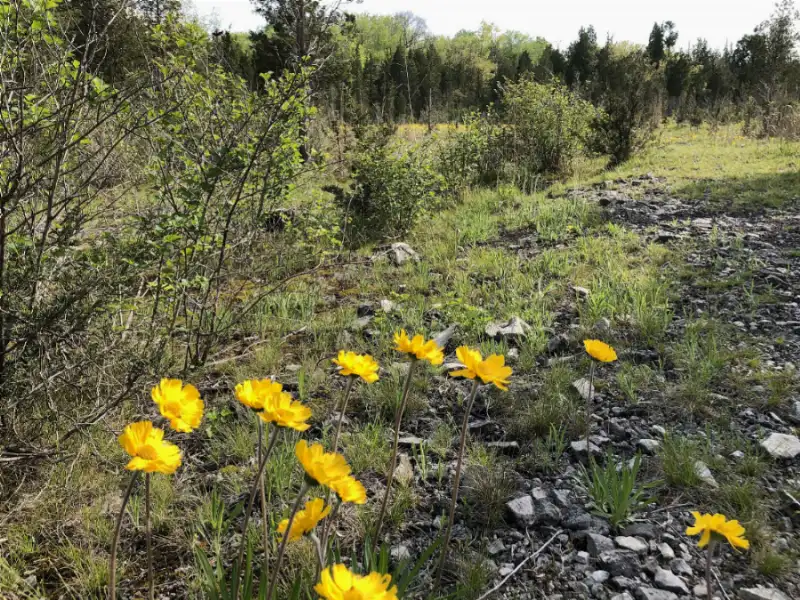
- Gaillardia (blanketflower) seeds — bold red-and-yellow drought daisy.
- Coreopsis (tickseed) seeds — airy yellow daisies for sun.
- Rudbeckia (black-eyed Susan) seeds — classic golden cone-flowers.
- Grindelia (gumweed) seeds — tough native yellow daisy.
- Tahoka daisy seeds — lacy purple native daisy.
- California poppy seeds — silky orange xeriscape favourite.
- Ratibida (Mexican hat) seeds — quirky prairie sombrero blooms.
- Berlandiera (chocolate daisy) seeds — yellow daisy with cocoa scent.
- Melampodium (butter daisy) seeds — heat-proof golden mounds.
- Echinacea (coneflower) seeds — sturdy prairie partner.
- Zinnia seeds — easy, colourful sun-lovers.
Frequently asked questions
Is four nerve daisy a perennial or an annual?
It is a short-lived perennial in the wild. Many gardeners treat it as an annual or short-lived plant. An early spring sowing can flower in the first year, and it often self-seeds.
Why is it called "four nerve" daisy?
The name describes the petals. Each yellow ray has four prominent veins, or nerves, running along it. It is a simple, real way to identify the plant.
How long does four nerve daisy bloom?
An exceptionally long time. The main flush is spring to early summer. In mild climates it can flower nearly year-round, even through winter. Shearing spent stalks keeps it going.
Do four nerve daisy seeds need cold stratification?
It depends on the species and seed source. A moist, cold treatment improves germination for some Tetraneuris species, while fresh seed of others, like Tetraneuris scaposa, often germinates well without chilling. Autumn sowing outdoors is a simple way to give seed a natural cold cue either way.
Does four nerve daisy self-seed in the garden?
Yes, it often drops viable seed and self-sows readily in lean, gritty soil, especially where it is grown as a short-lived plant. Many gardeners let volunteer seedlings fill gaps in a gravel or rock garden rather than resowing each year.
How is four nerve daisy different from angelita daisy?
They are closely related. Tetraneuris scaposa is usually called four-nerve daisy or stemless four-nerve daisy, while Tetraneuris acaulis, a similar tufted relative from drier, higher mountain ground, is more often sold as angelita daisy. Both share the same wiry-stemmed, long-blooming habit.
Can I transplant four nerve daisy seedlings?
Move them while still young. The rootstock resents disturbance once established, so transplant seedlings early, while small, rather than waiting until they form a mature tuft. Handle the roots gently and water in well after moving.
What pests or animals damage four nerve daisy?
Very few. Deer and rabbits tend to avoid it, and serious pests are rare. Slugs occasionally nibble young seedlings before they toughen up, and the main real risk is crown and root rot in wet, heavy soil rather than insect damage.
Why is my four nerve daisy not flowering as much as expected?
The most common cause is too little sun. This plant needs full, all-day light to produce its long marathon bloom, and it also sulks in rich or overly wet soil. Shearing off spent flower stalks periodically also encourages fresh flowering stems.
Was four nerve daisy previously classified under a different genus?
Yes, it was formerly placed in the genus Hymenoxys and sold as Hymenoxys scaposa. Botanists later reclassified it into Tetraneuris, so you may still see older seed catalogues or plant tags using the Hymenoxys name for the same plant.
Can I grow four nerve daisy in India?
It is possible but tricky. Seed is hard to find locally, and the plant needs sharp drainage and full sun. For easy yellow-daisy colour in India, gaillardia, coreopsis, zinnia or cosmos are far simpler choices.
Still stuck? Ask the Plant Doctor
Describe the problem — yellow leaves, holes, no flowers — and get a clear answer in seconds. FreeAI can make mistakes. Answers are guidance, not a guarantee — check anything important against the guide it links to, and always read the label on any product before you use it.