How to Grow Boxwood
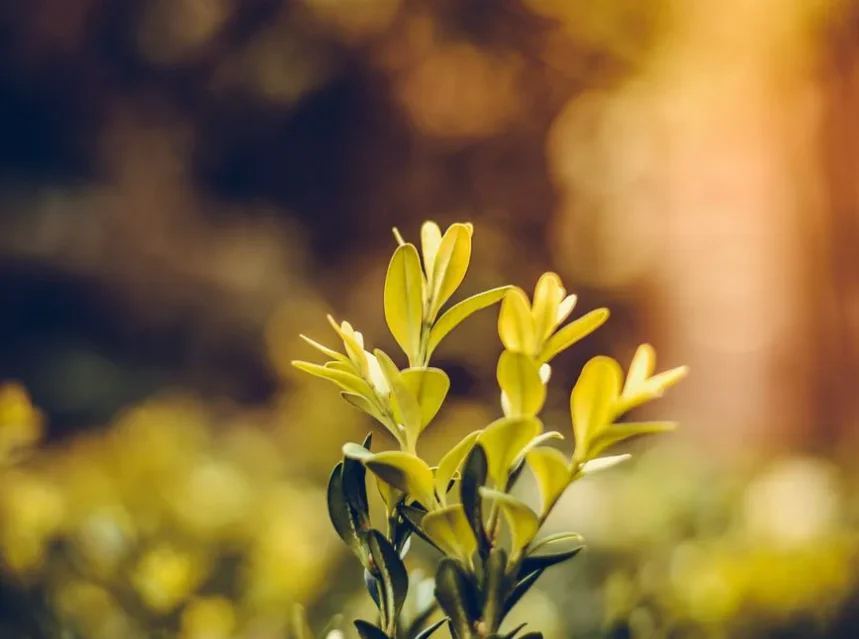
Boxwood (Buxus), also simply called box, is a dense, slow-growing evergreen shrub with small glossy leaves, prized for clipping into neat hedges, edging and topiary — and it is the classic backbone of formal gardens the world over. Its fine, tight foliage takes a crisp shape and holds it, giving structure all year. From low parterre edging to grand topiary, boxwood is the gardener’s living sculpture. Here is the complete guide on how to grow boxwood.
Quick start: Give boxwood sun or part shade and free-draining soil. Plant it well, water until established, and clip once or twice in the growing season for a sharp shape. Stay alert for boxwood blight and box tree caterpillar, the two big modern threats.
Experienced growers and the Royal Horticultural Society still rate boxwood as the best plant for formal evergreen structure, but with one major caution. Gardeners increasingly report two serious problems: boxwood blight, a fungal disease that strips stems bare, and the box tree caterpillar, whose larvae can devour a hedge fast. Many now clip in dry weather to limit blight and check plants often. Where these are rampant, growers suggest blight-resistant varieties or alternative shrubs. Healthy, airy, well-fed plants resist trouble best.
🧰 In a hurry? Jump straight to our tested picks for this guide ↓
Boxwood at a glance
| Feature | Detail |
|---|---|
| Botanical name | Buxus (family Buxaceae) |
| Common names | Boxwood, box |
| Plant type | Evergreen shrub |
| Sun | Full sun to part shade |
| Soil | Free-draining; tolerates most, dislikes wet |
| Growth | Slow, dense; long-lived |
| Best for | Hedges, edging, topiary, pots |
| Watch for | Boxwood blight, box tree caterpillar |
Why grow boxwood?
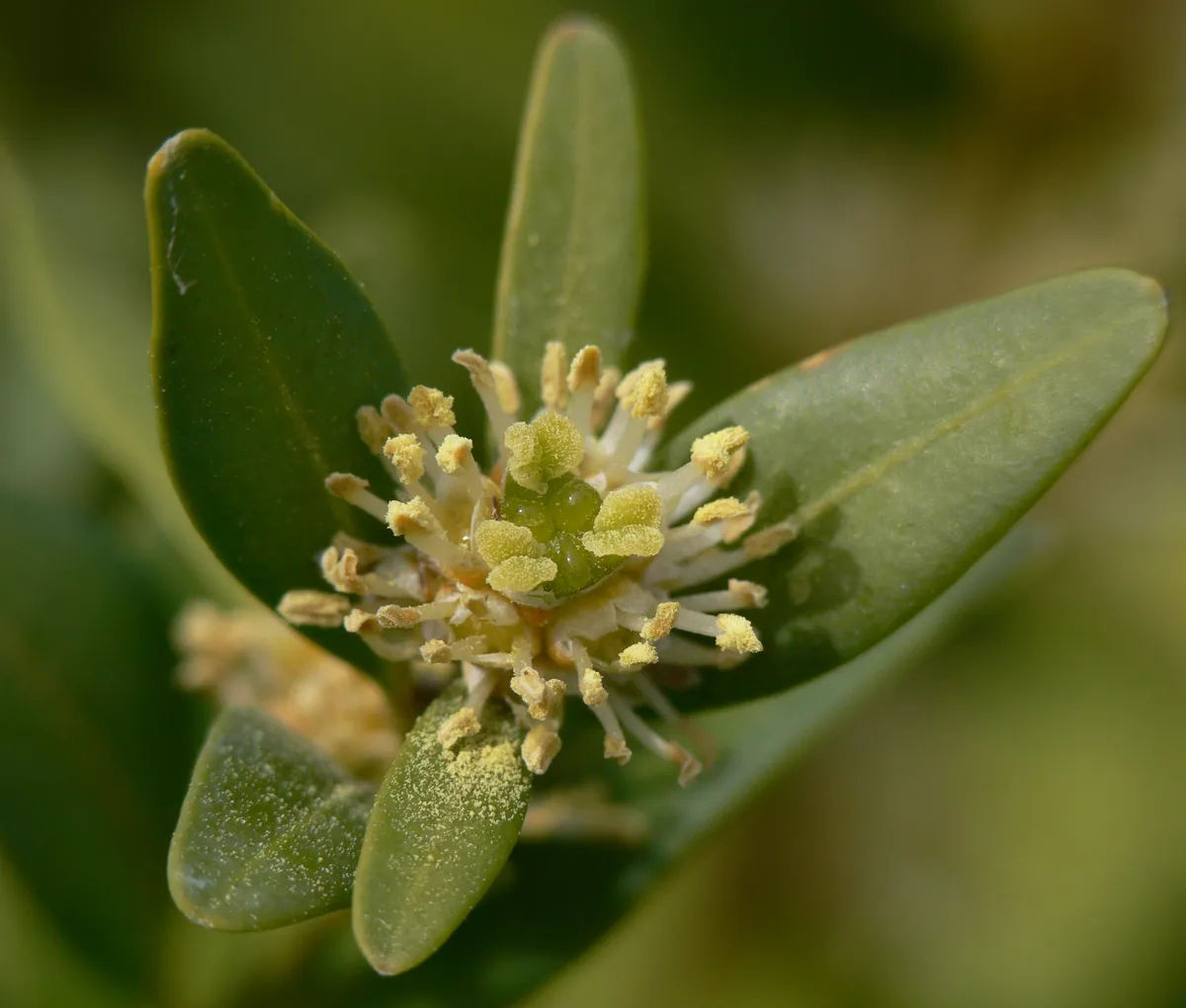
Boxwood gives a garden its bones. Its dense evergreen foliage clips into crisp lines that hold structure through every season, even in winter when borders are bare. Nothing else edges a path or frames a bed quite so neatly.
It is also versatile and long-lived. You can shape it into low hedges, balls, cones, spirals or grand topiary, and a well-kept plant lasts for decades. For formal style and year-round order, boxwood remains unmatched.
History, origin & where it grows
Boxwood is native to Europe, North Africa and western and eastern Asia, with species ranging from the Mediterranean to the Himalayas. It has been used in gardens for over two thousand years, prized by the Romans for topiary and later central to the grand parterres of European palaces. Its hard, fine-grained wood was also valued for carving and instruments.
It belongs to the Buxaceae family (see the Missouri Botanical Garden records). Common box (Buxus sempervirens) and small-leaved box (Buxus microphylla) are the most widely grown.
Today boxwood is grown for formal gardens worldwide. In India it features in the clipped hedges and topiary of hill-station and palace gardens, doing best in cooler regions and partial shade rather than the hottest plains, where heat and humidity stress it and invite disease.
Best season & when to plant
Plant boxwood in spring or autumn, into moist, free-draining soil. These mild seasons let the roots establish before extreme heat or cold. Autumn planting suits milder areas, while spring is safer where winters are very hard.
It grows slowly through the warm months, so do not expect quick results. In India’s hill regions, plant in the cool season and keep young plants watered through their first dry spells.
How to plant boxwood
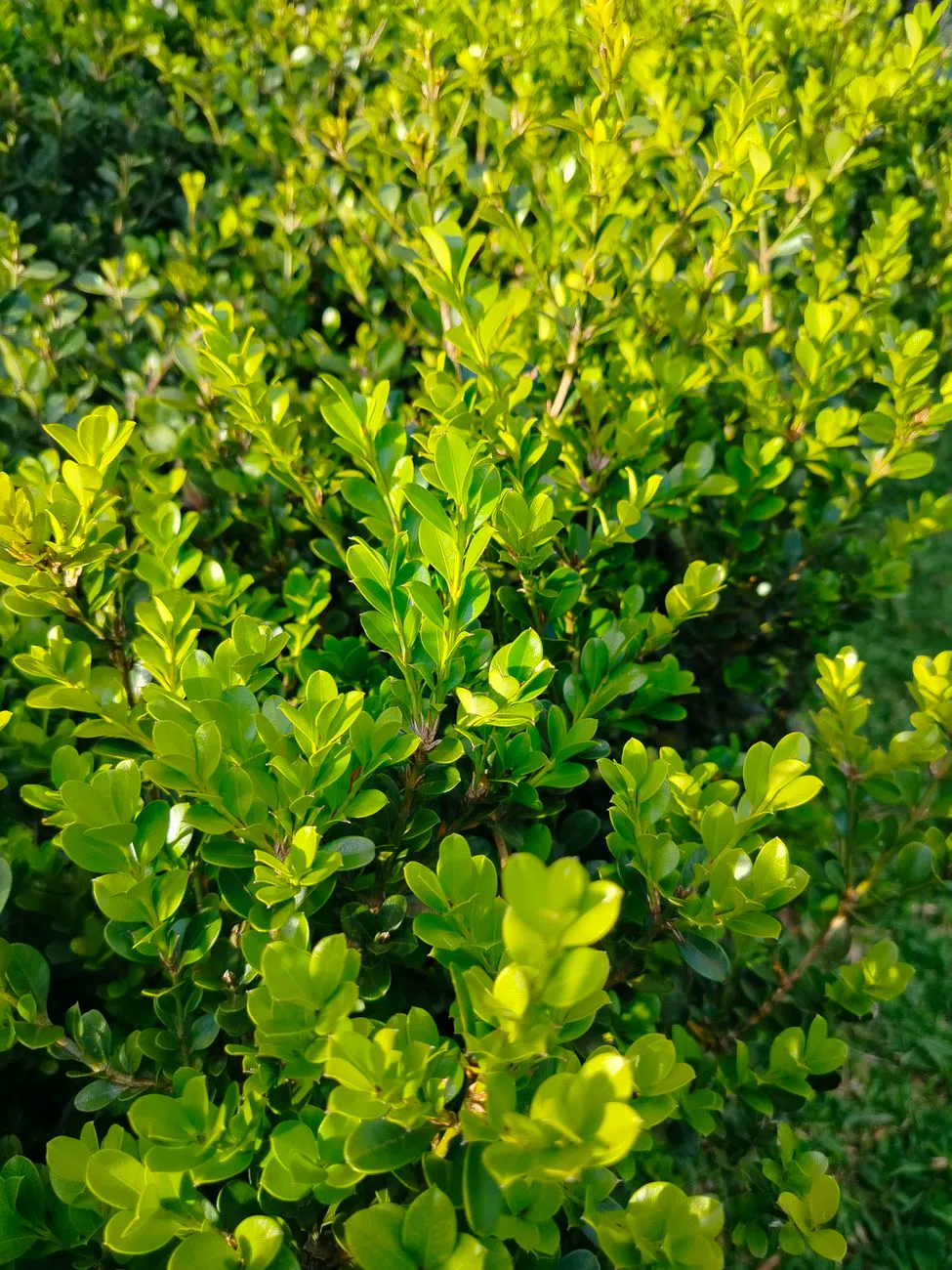
For a hedge, even spacing and good soil prep pay off for years. To plant well:
- Choose a spot in sun or part shade; some afternoon shade helps in hot climates.
- Use free-draining soil improved with compost, as boxwood dislikes waterlogging (see improving garden soil).
- For a hedge, space plants evenly — roughly 15–30 cm apart depending on the variety and effect you want.
Firm in, water well, and add a mulch to keep roots cool and moist, keeping it clear of the stems.
Sun, soil, watering & feeding
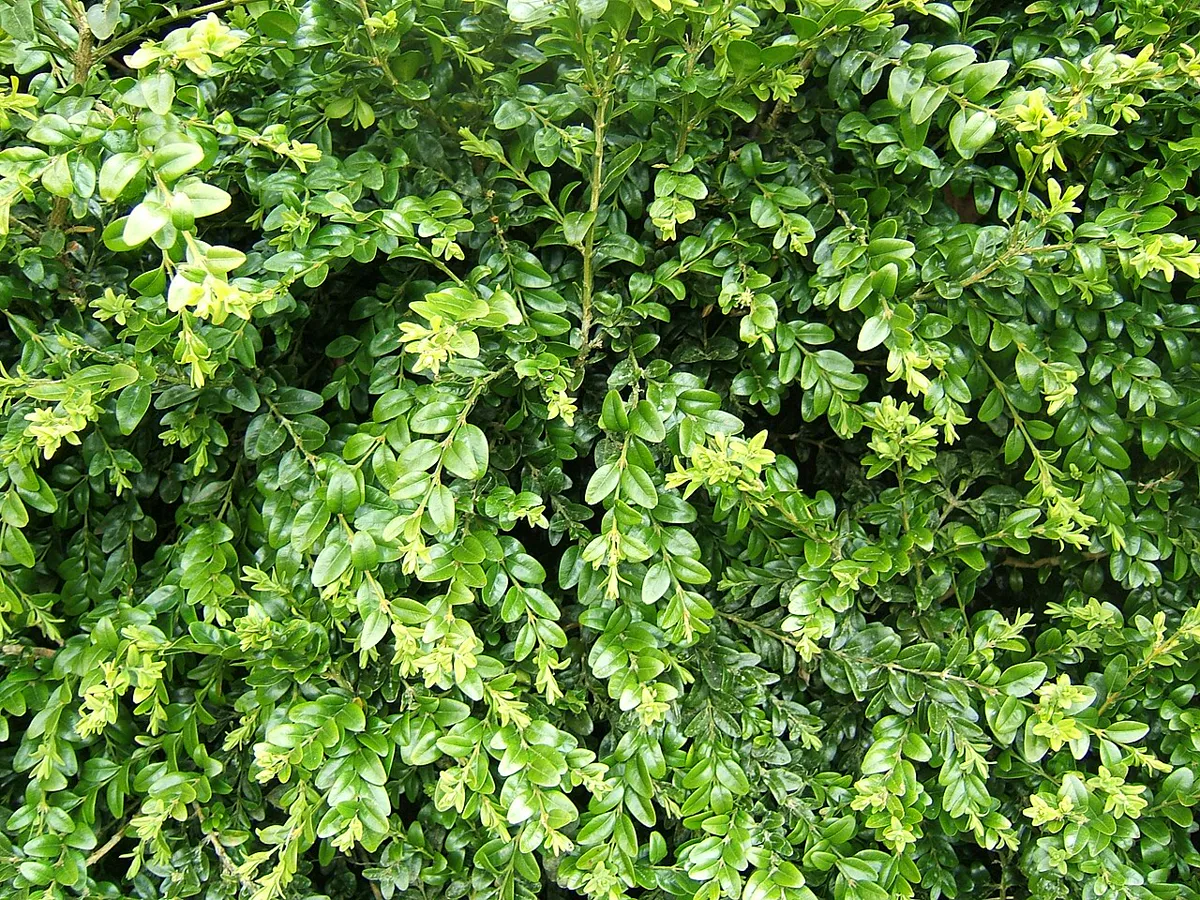
Boxwood grows in full sun to part shade, though hot sun combined with dry roots can scorch the leaves bronze. It is not fussy about soil type as long as it drains freely and never stays soggy.
Water young and newly clipped plants well, especially in dry spells (see how often to water), as drought stress invites problems. Feed in spring with a balanced fertiliser to keep the foliage dense and green, since well-fed plants shrug off pests and disease far better than starved ones.
When and how to prune boxwood
Clipping is what makes boxwood shine. Trim in late spring to early summer, once the first flush of soft growth has hardened, and again lightly in late summer for a really crisp finish. Avoid clipping in scorching sun or just before frost.
Use clean, sharp shears and cut a little at a time to keep your shape. A key modern tip is to clip in dry weather and clear away all clippings, because the cool, damp conditions among trimmings help spread boxwood blight. Good airflow through the plant also reduces disease.
Boxwood blight & box tree caterpillar
These two threats have changed how we grow boxwood, so every grower should know them. Catching either early makes all the difference between a quick fix and a lost hedge.
Boxwood blight is a fungal disease that causes dark leaf spots, black streaks on stems, rapid leaf drop and bare patches. Remove and bin affected growth, improve airflow, avoid overhead watering, and disinfect tools. In badly affected gardens, blight-resistant cultivars or alternative shrubs are wise. The box tree caterpillar, the larva of the box tree moth, feeds inside webbing and can strip a plant within days. Check regularly, pick off caterpillars, and treat early — our organic pest control guide explains safe options.
Alternatives to boxwood
Where blight or caterpillar pressure is severe, swapping to a look-alike shrub saves heartache. Several plants clip into similar neat shapes without the same vulnerability.
Good substitutes include Japanese holly (Ilex crenata), which mimics box closely, plus small-leaved evergreens like Euonymus, dwarf yew and certain hebes. These give the same crisp, formal effect, so you keep the structure while sidestepping the worst boxwood problems.
Growing boxwood in pots
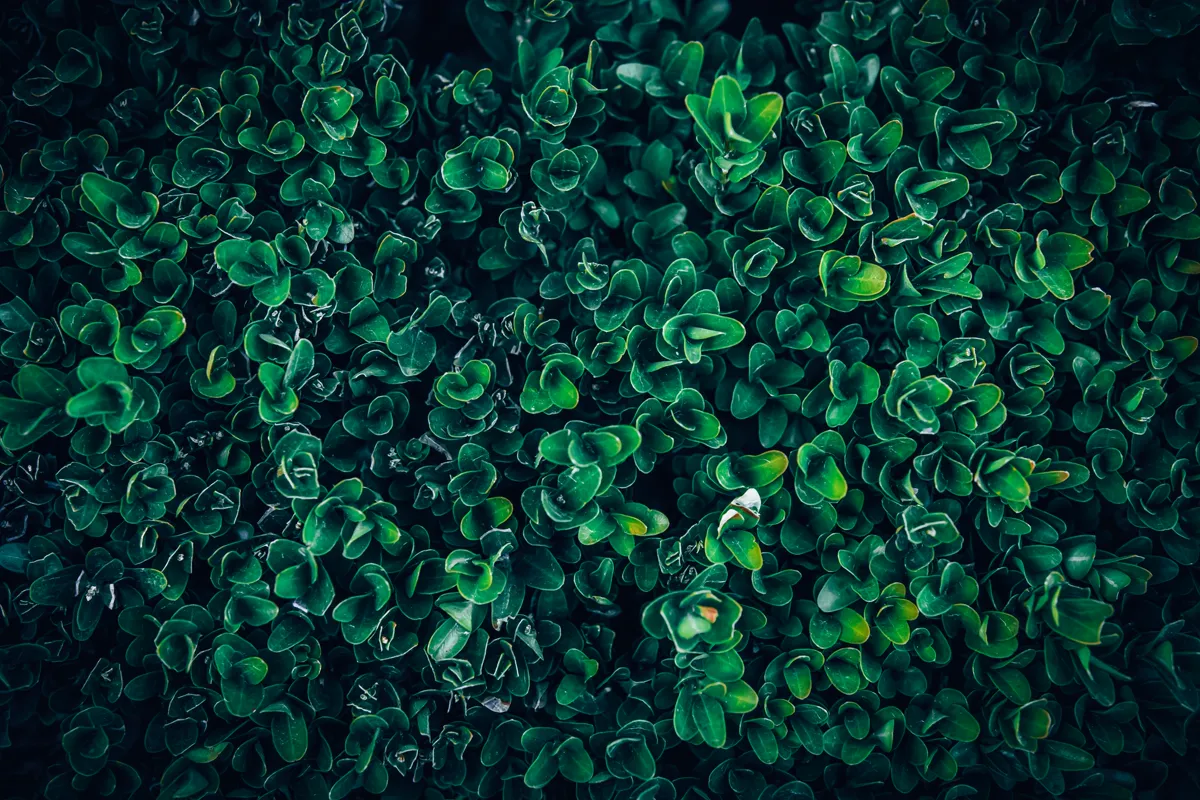
Boxwood is excellent in containers, where its neat shape frames a doorway or flanks steps beautifully. A pair of clipped box balls or cones in pots gives instant formal style. The slow growth makes it easy to keep in scale.
Choose a sturdy pot with good drainage and a loam-based compost. Water regularly, as pots dry out faster than open ground, and never let the roots either bake or sit soggy. Feed in spring for dense green growth, and topdress with fresh compost each year. In hot climates, give potted box a little afternoon shade to prevent scorch.
Uses & benefits
Boxwood is grown almost entirely as an ornamental structural shrub, for hedging, edging, topiary and container shapes. It defines garden rooms, frames borders and provides evergreen order that no other shrub matches for fineness.
One safety note: boxwood is toxic if eaten, so keep it away from where children or pets might chew it, and wear gloves when clipping if your skin is sensitive.
This article is for general information only and is not medical advice. Talk to a qualified professional before using any plant medicinally.
Common boxwood problems
Bronzing or yellow leaves
Often winter wind, dry roots or scorching sun. Water well, mulch, and shelter exposed plants; light feeding in spring restores green.
Bare patches and dropping leaves
A classic sign of boxwood blight. Remove affected growth, improve airflow, clean tools, and consider resistant types if it recurs.
Webbing and stripped leaves
Box tree caterpillar feeding inside webs. Check often, pick them off, and treat early before they defoliate the plant.
Related plant guides
- Yew
- How to grow Euonymus
- How to grow Osmanthus
- How to grow Holly
- How to grow Photinia
- How to grow Choisya
How to propagate boxwood
Boxwood is propagated from cuttings. That matters for hedging, because a hedge needs many identical plants and buying twenty or thirty shrubs is expensive – a row of cuttings taken from one plant gives you the whole hedge for nothing but time.
From cuttings
Take short side shoots with a heel in September and line them out in a cold frame. Plants For A Future records a high success rate from these, and nodal cuttings taken in spring in a frame are also rated fairly easy. Keep them shaded and just moist.
What to expect: boxwood is slow to root. Do not lift the cuttings to check, and do not expect a plantable shrub in one season – leave them undisturbed until they are clearly growing away.
From seed
Seed works but is slower still, and it will not reproduce a named hedging clone. Sow fresh seed in a cold frame as soon as it is ripe; stored seed should be sown as early in the year as possible. Germination takes one to three months at about 15C, longer for stored seed. Prick seedlings out into individual pots, grow them on under glass through their first winter, and plant out in late spring or early summer once frost has passed.
Frequently asked questions
When should I prune boxwood?
Clip in late spring to early summer once soft growth hardens, with an optional light trim in late summer. Prune in dry weather and clear clippings to limit blight.
What is boxwood blight?
A fungal disease causing leaf spots, black stem streaks, leaf drop and bare patches. Remove affected growth, improve airflow, and use resistant types if it persists.
How far apart should I plant a boxwood hedge?
Usually about 15–30 cm apart, depending on the variety and how quickly you want the hedge to knit together into a solid line.
Does boxwood grow in shade?
Yes — it tolerates part shade well, and in hot climates a little afternoon shade actually helps prevent leaf scorch.
How do I treat box tree moth on boxwood?
Start with regular inspection from early spring, parting the outer foliage to look for green-and-black caterpillars, chewed leaves and the tell-tale webbing tying leaves together. On small hedges and single shrubs, hand-picking caterpillars and clearing webbed debris every few days through the feeding period is genuinely effective. For bigger infestations, a bacterial spray based on Bacillus thuringiensis works well while the caterpillars are still small, and pheromone traps help you time treatments by showing when adult moths are flying. There are usually two or three generations a season, so one treatment is never enough — keep checking through midsummer and into early autumn.
Why is my boxwood turning orange or bronze?
Orange or bronze foliage in late winter is usually winter burn, caused by cold winds and bright sun drying leaves faster than frozen roots can replace the water. Shrubs facing south or south-west take the worst of it, and the colour often fades once growth resumes in spring. To reduce it, water well in late autumn before the ground freezes, mulch the root zone and screen exposed plants with burlap in harsh areas. If whole branches stay brown into summer rather than greening up, look instead at blight, root problems or caterpillar damage.
How fast do boxwoods grow?
Boxwood is deliberately slow — most common varieties add only about 8 to 15 cm of growth a year, and true dwarf forms can manage barely 2 to 3 cm. That slowness is exactly why it holds a clipped shape so well and needs far less trimming than fast hedging plants. Expect three to five years for a small hedge planting to knit into a solid line, or buy larger plants if you want instant structure. Feeding and steady watering speed things up modestly, but no amount of fertiliser will make boxwood behave like privet.
How long do boxwoods live?
Given reasonable soil, decent drainage and protection from blight, boxwood is a genuinely long-lived shrub — 50 to 100 years is normal, and old garden specimens can be far older. The main things that cut a plant’s life short are boxwood blight, waterlogged soil and repeated hard renovation cuts into bare old wood. Because they last so long, it is worth spending time on site preparation and choosing a blight-resistant variety at planting. Regular thinning of the inside of the shrub also keeps the centre alive rather than letting it hollow out.
How often should I water boxwood?
New plants need a deep soak once or twice a week through their first growing season, aiming to wet the whole root ball rather than just dampening the surface. In the second year, weekly watering in dry spells is usually enough, and after that established shrubs only need help during real droughts. Boxwood roots sit shallow, so mulch a few centimetres deep over the root zone — keeping it clear of the stems — to hold moisture and keep the roots cool. Container plants dry out much faster and may need water every day or two in hot weather.
What fertiliser should I use on boxwood?
A balanced slow-release shrub or tree fertiliser applied in early spring, before the new flush, covers most needs, with an optional lighter second feed in early summer. Yellowing older leaves often point to nitrogen shortage, while an overall dull, pale look can mean the soil is too acidic for a plant that prefers near-neutral ground. Avoid heavy late-season feeding, because the soft growth it pushes is exactly what winter cold damages. A soil test every few years is more useful than guessing, since boxwood responds badly to being overfed.
Can I grow boxwood in a pot?
Yes, and clipped boxwood in containers is a garden classic for doorways, balconies and formal corners. Choose a pot only a little larger than the root ball, make sure it has real drainage holes, and use a loam-based compost that holds moisture without staying soggy. Potted plants dry out and exhaust their nutrients quickly, so plan on frequent watering, a slow-release feed each spring and repotting or root-pruning every two to three years. In cold regions, move pots against a sheltered wall for winter, since roots in containers freeze far more readily than those in the ground.
Sources and further reading
Still stuck? Ask the Plant Doctor
Describe the problem — yellow leaves, holes, no flowers — and get a clear answer in seconds. FreeAI can make mistakes. Answers are guidance, not a guarantee — check anything important against the guide it links to, and always read the label on any product before you use it.