How to Grow Choisya
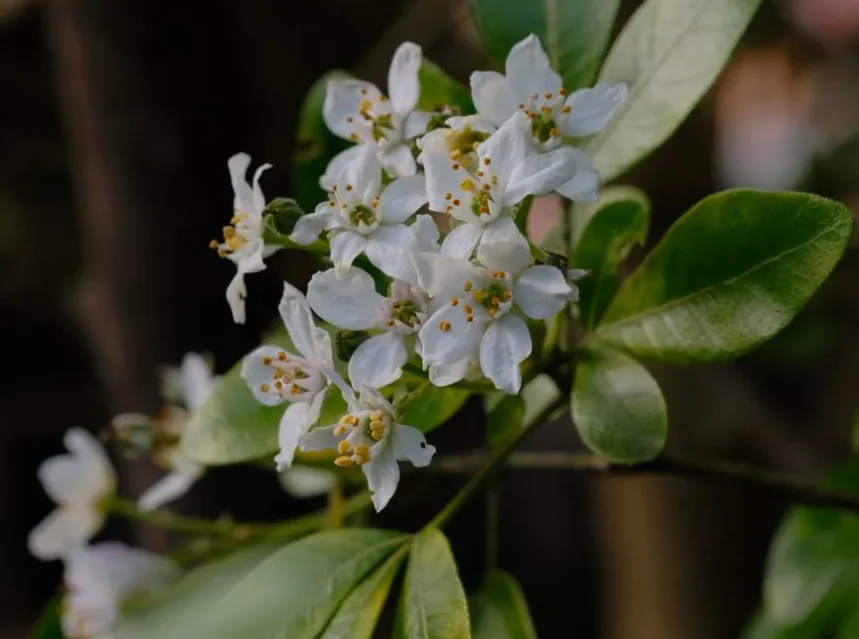
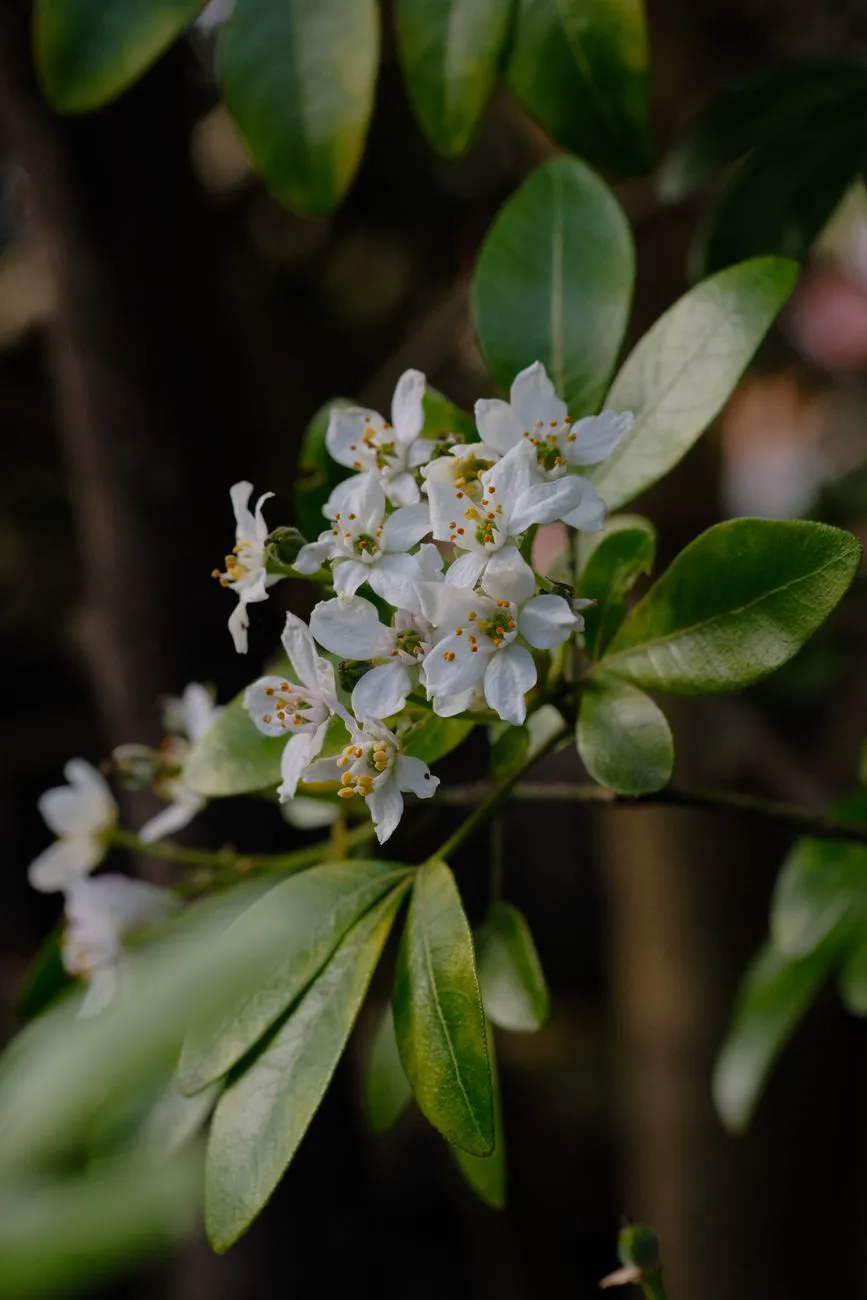
Choisya (Choisya ternata), commonly called Mexican orange blossom, is a rounded evergreen shrub grown for its glossy aromatic leaves and clusters of fragrant, star-shaped white flowers — and it is one of the most reliable, low-fuss shrubs you can plant. It keeps its fresh green foliage all year, then covers itself in scented blossom in spring. The leaves release a citrus-like aroma when crushed, a clue to its place in the orange family. Here is the complete guide on how to grow choisya.
Quick start: Give choisya a sheltered spot in sun or light shade and free-draining soil. Water young plants well, then let established shrubs cope on their own. Prune lightly after the main spring flowering to keep a neat dome. In cold areas, shelter it from harsh, drying winds.
Experienced growers and the Royal Horticultural Society rate choisya as one of the easiest evergreens for year-round structure. Gardeners on UK forums often note two things: the golden form ‘Sundance’ scorches in fierce sun yet greens up in too much shade, so it needs a balanced spot; and the whole shrub can flower a second time in late summer or autumn. Many also report that cold, drying winter winds — not cold itself — cause the most leaf browning. In short, shelter and sharp drainage matter more than feeding.
🧰 In a hurry? Jump straight to our tested picks for this guide ↓
Choisya at a glance
| Feature | Detail |
|---|---|
| Botanical name | Choisya ternata (family Rutaceae) |
| Common name | Mexican orange blossom |
| Plant type | Evergreen shrub |
| Height/spread | About 1.5–2.5 m, rounded |
| Sun | Full sun to light shade |
| Soil | Free-draining; tolerates most types |
| Flowers | Spring (often again in autumn), white, scented |
| Best for | Hedging, borders, pots, low effort |
Why grow choisya?
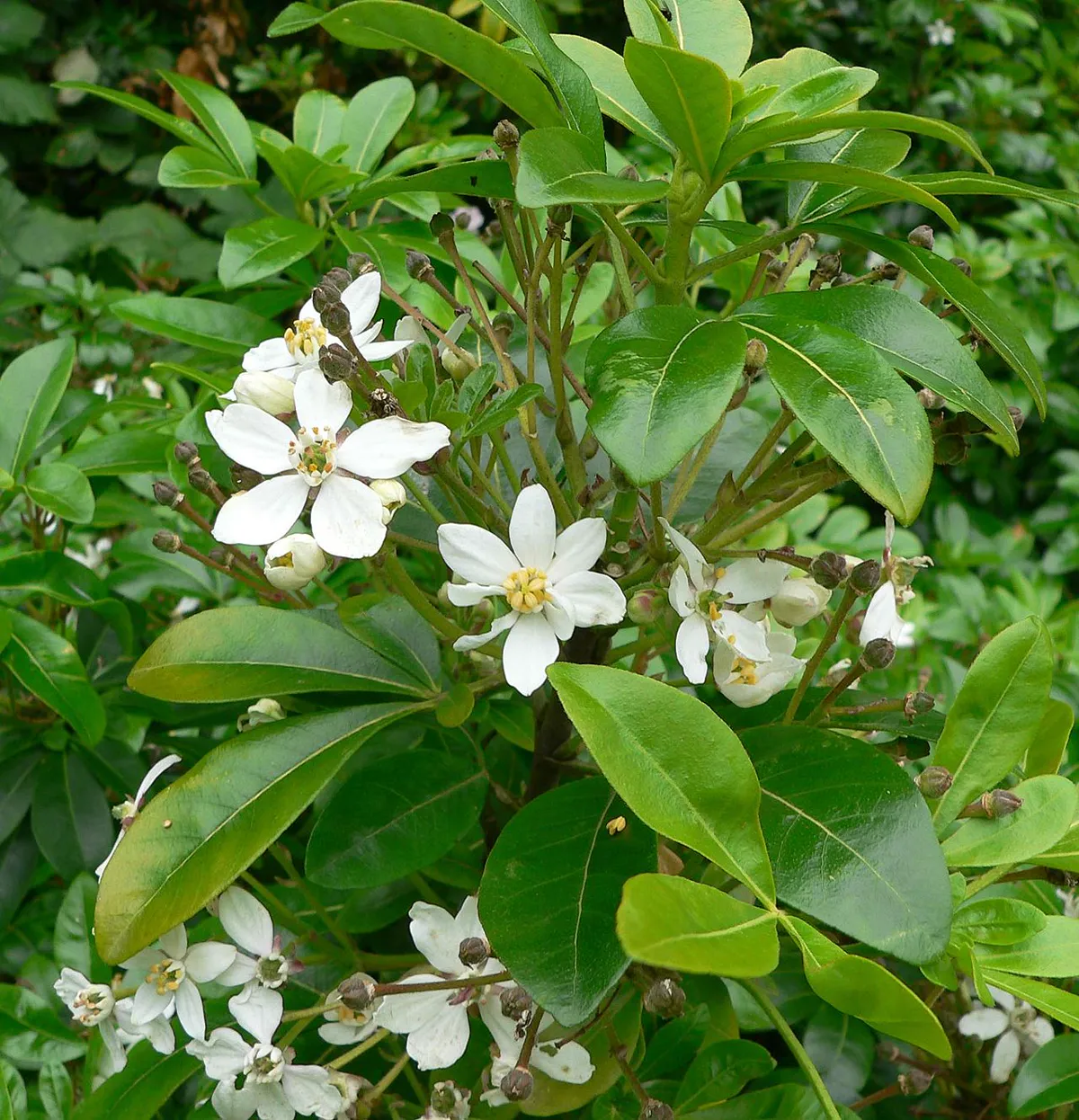
Few evergreen shrubs work this hard for so little care. Choisya gives you fresh glossy leaves in every season, so it never looks bare. Then, in spring, it produces masses of sweetly scented white flowers that bees love. The aromatic foliage adds a second layer of fragrance whenever you brush past it.
It is also wonderfully flexible. You can grow it as a specimen, a low informal hedge, or a container plant by a doorway. Because it is dense and rounded, it needs little shaping. For busy gardeners who want structure without fuss, choisya is hard to beat.
History, origin & where it grows
Choisya is native to Mexico and the south-western United States, where it grows on rocky, sunny slopes. That heritage explains its love of warmth, light and sharp drainage. The genus was named after the Swiss botanist Jacques Denys Choisy, while the species name ternata refers to its leaves, which are divided into three leaflets.
It belongs to the Rutaceae, the same family as citrus, which is why crushed leaves smell faintly of orange. The plant became a garden favourite in Britain and Europe for its hardiness and year-round good looks (see the Missouri Botanical Garden plant records).
Today choisya is grown across temperate gardens worldwide. In the US and UK it thrives outdoors, needing only shelter in the coldest spots. In India it suits cooler hill stations and northern winters rather than the hot, humid plains, where intense heat and heavy monsoon soil are a struggle. Grow it there in pots with excellent drainage, in a bright but protected position.
Best season & when to plant
Plant choisya in spring or early autumn, when the soil is warm and moist. This timing lets the roots settle before extreme heat or cold arrives. Spring planting is safest in colder regions, because it gives a full season to establish before winter.
The main flush of flowers appears in late spring. Many plants then repeat with a lighter second showing in late summer or autumn. In India’s hill regions, plant at the start of the mild growing season and avoid the peak monsoon.
How to plant choisya
Choisya is usually bought as a young potted shrub, which establishes quickly. To give it the best start:
- Choose a sheltered spot in sun or light shade, away from cold, drying winds.
- Use free-draining soil; it copes with most types but hates waterlogging (see improving garden soil).
- Dig a hole twice the width of the rootball and set the plant at the same depth it was in its pot.
Backfill, firm gently, and water in well. Add a mulch around the base to keep roots cool and hold moisture, but keep it clear of the stem.
Sun, soil, watering & feeding
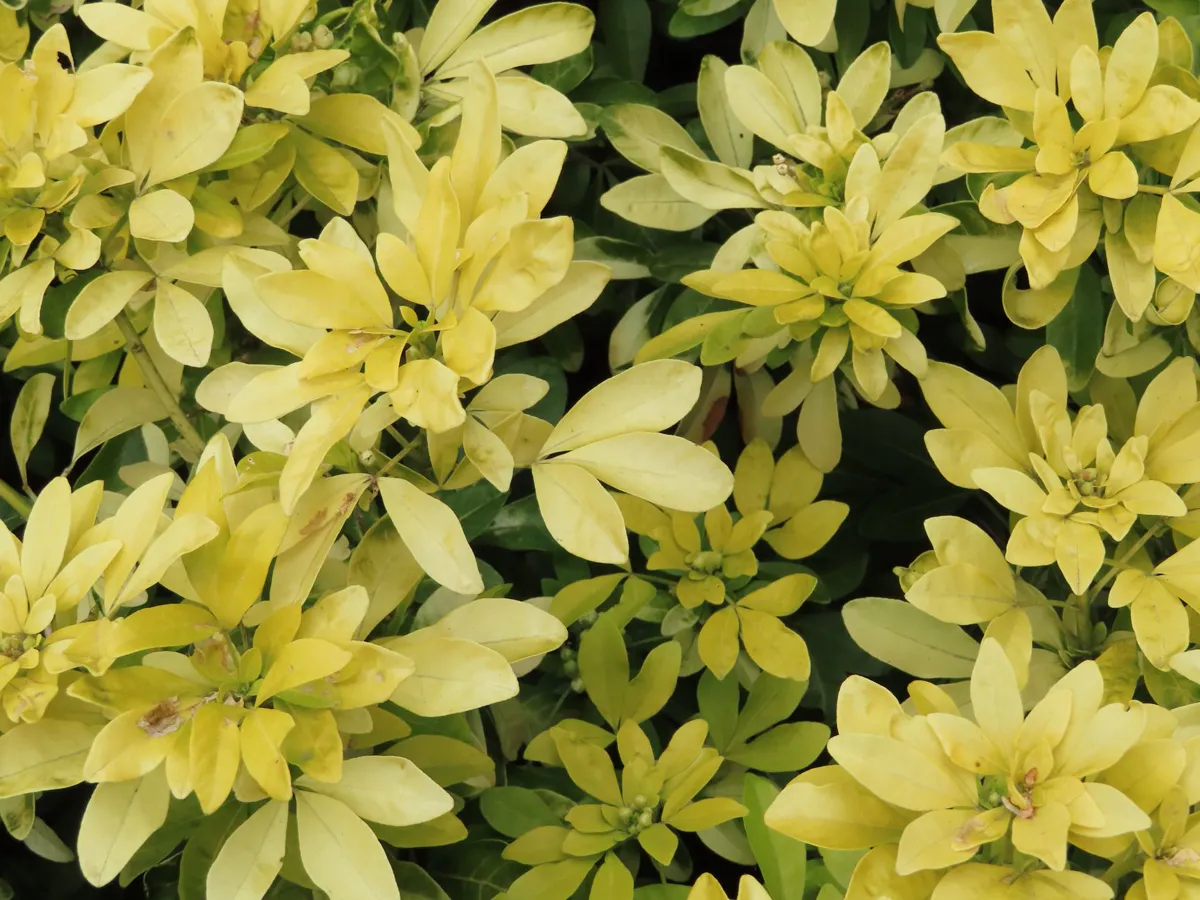
Choisya flowers best in full sun, though it tolerates light shade. The golden-leaved ‘Sundance’ is the exception, as strong midday sun can scorch its bright foliage. So give that variety gentle morning light instead.
Water young plants regularly for the first year or two while they root in (see how often to water). After that, established shrubs are fairly drought-tolerant and need watering only in long dry spells. Feed lightly in spring with a general shrub fertiliser, because too much feeding gives soft, floppy growth.
Growing choisya in pots
Choisya makes an excellent container plant, especially beside a path or door where you can enjoy its scent. The slight root restriction of a pot suits it well. A potted choisya by the entrance gives evergreen structure and spring fragrance in one neat package.
Choose a large pot with good drainage holes and fill it with a free-draining, loam-based compost. Stand it in sun or light shade and water whenever the top few centimetres feel dry. In cold regions, move tender potted plants to a sheltered spot for winter, and never let the pot sit in standing water.
When and how to prune choisya
Pruning choisya is simple and forgiving. The key is timing: prune straight after the main spring flowering, so you do not cut off the next round of buds. Light, regular trimming keeps a tidy dome and encourages that bonus autumn flush.
Use clean secateurs to shorten over-long shoots and remove any dead or frost-damaged stems. If a plant becomes old and bare at the base, it responds well to harder renewal pruning. Cut it back in spring and it usually resprouts strongly from the framework.
Common pests & diseases
Choisya is refreshingly trouble-free and rarely bothered by pests. Occasionally snails shelter in the dense foliage, and soft new shoots can suffer in late frosts. The most common problem is not a pest at all but leaf browning from cold winds or waterlogged soil.
Yellowing leaves usually point to wet roots or poor drainage, so improve the soil and ease off watering. Remove any blackened, frost-hit shoots in spring. For the rare pest, the methods in our organic pest control guide will keep things in balance.
Choisya varieties to know
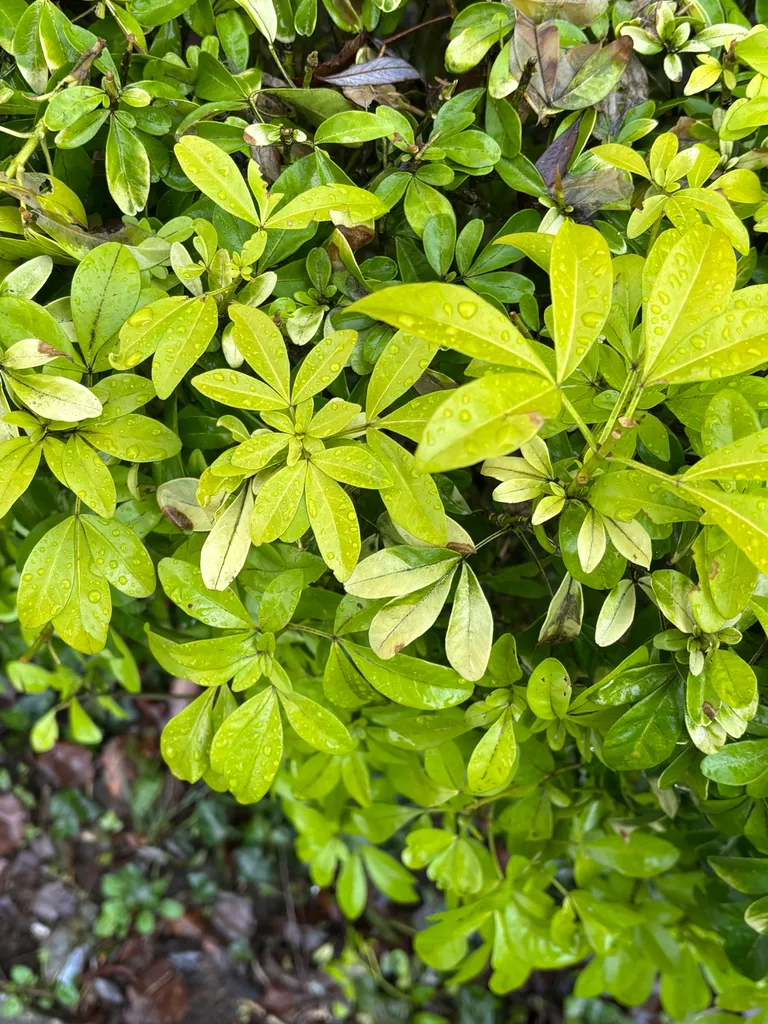
Knowing the main types helps you pick the right one for your spot. They share the same easy nature but differ in leaf and form, so a little choice goes a long way.
The plain Choisya ternata is the classic, with broad glossy green leaflets and the most reliable scent. ‘Sundance’ has bright golden-yellow foliage that lights up a border, but it needs balanced light to keep its colour without scorching. ‘Aztec Pearl’ is more refined, with slender, finely divided leaves and pink-tinged buds opening to white. It tends to flower especially freely, making it a favourite for smaller gardens and pots.
Uses & benefits
Choisya is grown almost entirely as an ornamental and wildlife shrub. Its year-round evergreen foliage gives structure, its spring flowers feed early bees, and its aromatic leaves add scent to the garden. It also works beautifully as a low, informal flowering hedge.
The crushed leaves smell pleasantly of citrus, but choisya is an ornamental, not a culinary or medicinal plant. Enjoy it for its looks and fragrance rather than for any edible use.
This article is for general information only and is not medical advice. Talk to a qualified professional before using any plant medicinally.
Common choisya problems
Brown or scorched leaves
Usually cold, drying winds or harsh sun on golden types. Shelter the plant, and give ‘Sundance’ gentler light to protect its foliage.
Yellowing leaves
Often waterlogged or poorly drained soil. Improve drainage, mulch, and water less so the roots can breathe.
Few flowers
Too much shade or pruning at the wrong time. Move it to brighter light and prune only just after flowering.
How to propagate choisya
Choisya roots very readily from cuttings, which is lucky, because almost every plant in the shops is a named form — ‘Aztec Pearl’, ‘Sundance’, ‘Goldfingers’ — and none of them come true from seed. One shrub will keep a whole hedge supplied.
From cuttings
There are two windows. Half-ripe wood in early July, 6–8 cm long, rooted in individual pots in a frame with gentle bottom heat, strikes at a high percentage. Almost-ripe wood in August, 10–15 cm long and taken with a heel, also does well in a cold frame with no heat at all; plant those out the following spring. Trim below a leaf joint, strip the lower leaves, and shorten any large leaves left on top to cut water loss — choisya foliage is broad and evergreen, so cuttings wilt before they rot.
Golden-leaved forms such as ‘Sundance’ are worth taking from a shoot that has grown in good light, since shaded growth roots just as well but starts life a dull green.
From seed
Seed is possible but rarely useful in a garden. Sow in spring in a greenhouse, prick the seedlings into individual pots, grow them under glass through the first winter, and plant out after the last frost. Expect plain green plants of variable habit rather than the cultivar you collected from.
Related plant guides
Frequently asked questions
Is choisya easy to grow?
Yes — Mexican orange blossom is one of the easiest evergreen shrubs, needing only a sheltered spot, free-draining soil, and a light trim after flowering.
When should I prune choisya?
Prune right after the main spring flowering. This keeps a tidy shape and avoids cutting off the buds that give a second autumn flush.
Why are my choisya leaves turning brown?
Usually cold, drying winds or waterlogged soil rather than pests. Shelter the shrub, improve drainage, and remove frost-damaged shoots in spring.
Can choisya grow in pots?
Yes — it thrives in a large, well-drained container in sun or light shade, which is ideal for placing its fragrance near a door or path.
How big does choisya grow, and how fast?
A typical Choisya ternata settles at around 1.5-2.5m tall with a similar spread, forming a rounded dome. Growth is moderately quick for an evergreen — expect 20-30cm a year in good conditions, so a young plant fills its space in three to four seasons. Compact cultivars such as White Dazzler stay closer to 1m, which suits small gardens and large pots. You can hold any of them at the size you want with one trim after the main flowering.
Can I grow choisya as a hedge?
Yes, it makes an excellent informal evergreen hedge or low screen, and the scented flowers are a bonus most hedging plants cannot offer. Set plants about 60-75cm apart for a solid run, and choose a sheltered line, since exposed windy sites cause leaf scorch. Trim lightly straight after flowering rather than shearing it like privet, so you keep the natural shape and the buds for any autumn flush. It will not give you a crisp formal box, but it gives a soft, glossy, aromatic boundary.
Will choisya grow in shade?
Choisya comes from sunny Mexican hillsides, so full sun gives the heaviest flowering and the tightest habit. It does tolerate light or dappled shade and still looks healthy there, but you will get noticeably fewer blooms and a looser, more open shrub. Deep shade under dense trees is a step too far and usually leads to sparse, drawn growth. Golden-leaved forms such as Sundance are the exception in reverse — they hold better colour with a little midday shade, as strong sun can scorch the soft yellow foliage.
Can I hard prune an old, leggy choisya?
Yes, choisya responds well to renovation because it reshoots readily from old wood. Cut the whole shrub back by a third to a half in late spring, once frost risk has passed and after the first flush of flowers. Feed and mulch afterwards, and keep it watered through the first dry spell so the new shoots have something to work with. The plant will look bare for a while and may flower poorly for a season, but it usually rebuilds into a much denser, glossier shrub within a year or two.
Does choisya flower twice a year?
Often, yes. The main display comes in late spring, roughly late April to early June depending on your climate, and many plants throw a lighter second flush in early autumn. The repeat is not guaranteed — it depends on the season and on your pruning. Cutting the shrub back too late in summer removes the wood that would have carried those autumn buds, which is why the recommended slot for trimming is right after the spring blooms fade.
Why is my choisya not flowering?
The three usual culprits are too much shade, badly timed pruning, and an over-rich diet. A shrub cut in late summer or autumn has had its flower buds removed, and one fed heavily with a high-nitrogen lawn or general fertiliser puts its energy into leaves instead. Very young plants also take a couple of seasons to settle before they bloom well. Move it into more sun if you can, switch to a low-nitrogen or potash-rich feed in spring, and prune only in the weeks straight after flowering.
What is the difference between Choisya ternata, Sundance and Aztec Pearl?
Choisya ternata is the plain species: broad, glossy, dark green leaflets in threes and white flowers. Sundance is a ternata selection grown for bright golden-yellow young foliage, which needs shelter and some shade to avoid scorching and is a little slower and more tender. Aztec Pearl is a hybrid with narrow, fine, almost feathery leaflets and pink-tinged buds opening white, and it tends to be tougher in cold and wind. Care is essentially the same for all three; the choice is about leaf texture and colour.
Is choisya toxic to dogs, cats or children?
Choisya is not on the main toxic-plant lists kept by animal poison bodies and is generally treated as a safe choice for family and pet gardens. That said, no shrub is meant to be eaten, and a dog or child chewing a quantity of any woody foliage can end up with mild stomach upset or vomiting. Plant it where it looks good rather than where a puppy grazes, and teach children not to nibble garden plants. If a pet does eat a lot and seems unwell, ring your vet — this article is general information, not medical or veterinary advice.
Sources and further reading
Still stuck? Ask the Plant Doctor
Describe the problem — yellow leaves, holes, no flowers — and get a clear answer in seconds. FreeAI can make mistakes. Answers are guidance, not a guarantee — check anything important against the guide it links to, and always read the label on any product before you use it.