How to Grow Mallow (Malva)
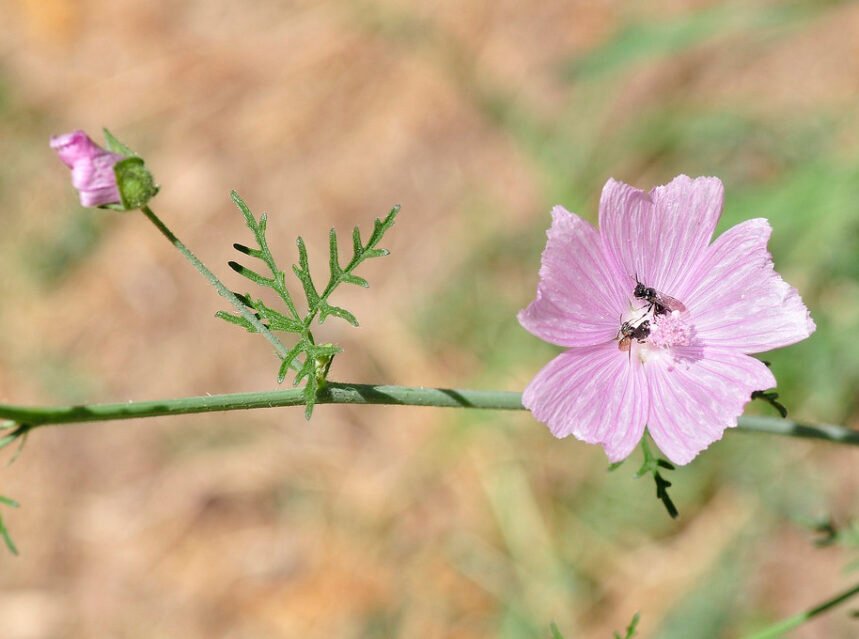
Mallow (Malva) is an easy, fast-growing flowering plant grown for its saucer-shaped pink, purple, or white blooms that cover the plant all summer. A classic of cottage gardens, mallow is tough, drought-tolerant once established, and loved by bees. Most types are short-lived perennials or biennials that often self-seed, so they keep coming back. Here is the complete guide on growing mallow.
Quick start: Grow mallow in full sun in any well-drained soil. Sow seed in spring, or plant out young plants, and give it room. Water young plants until established, then it copes with dry spells. It flowers all summer and self-seeds freely. A carefree, pollinator-friendly cottage flower.
Most gardeners find mallow one of the simplest flowers to grow, and the Royal Horticultural Society rates it highly for long, reliable colour. The common experience is that it almost grows itself: it thrives in poor soil, shrugs off drought, and flowers for months. Growers note it is often short-lived but self-seeds generously, so a single planting keeps returning. The main jobs are giving it sun and watching for rust on the leaves.
🧰 In a hurry? Jump straight to our tested picks for this guide ↓
Mallow at a glance
| Feature | Detail |
|---|---|
| Botanical name | Malva (family Malvaceae) |
| Plant type | Short-lived perennial / biennial |
| Light | Full sun (light shade tolerated) |
| Soil | Any well-drained soil, even poor |
| Water | Low once established (drought-tolerant) |
| Bloom time | Early summer to autumn |
| Habit | Self-seeds freely |
| Best for | Cottage gardens, pollinators, wildflower areas |
Why grow mallow?
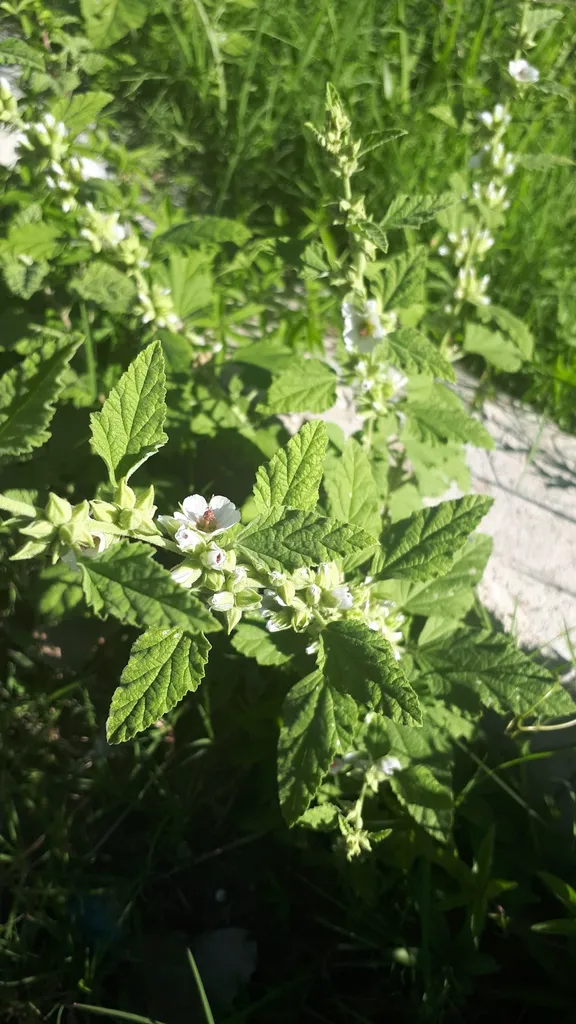
Mallow is one of the easiest, most generous flowers for a sunny spot. It blooms for months, thrives in poor soil, and asks for almost no care once growing.
It is also a magnet for bees and other pollinators, and it self-seeds, so it returns year after year for free. Some types have edible leaves and flowers too. For carefree, long-lasting colour in a cottage or wildlife garden, mallow is hard to beat.
History, origin & spread
Mallow has grown wild across Europe, Asia, and North Africa for thousands of years. It was valued by the Greeks and Romans both as a garden plant and a leafy food (see Britannica on mallow).
Its soothing leaves and roots gave the wider mallow family a long place in folk tradition; the marshmallow plant is a close relative. Cottage gardeners across Europe grew it for its reliable, pretty flowers.
Today mallow is grown and naturalised worldwide. In India, several mallow relatives grow easily, and ornamental Malva does well in the cooler seasons and hill gardens.
Best season & when to plant
Sow mallow seed in spring, directly where it is to grow or in pots to plant out later. It germinates and grows quickly.
It flowers from early summer to autumn in its first or second year, depending on the type. In hot climates like much of India, grow it through the cooler months for the best display.
How to plant mallow
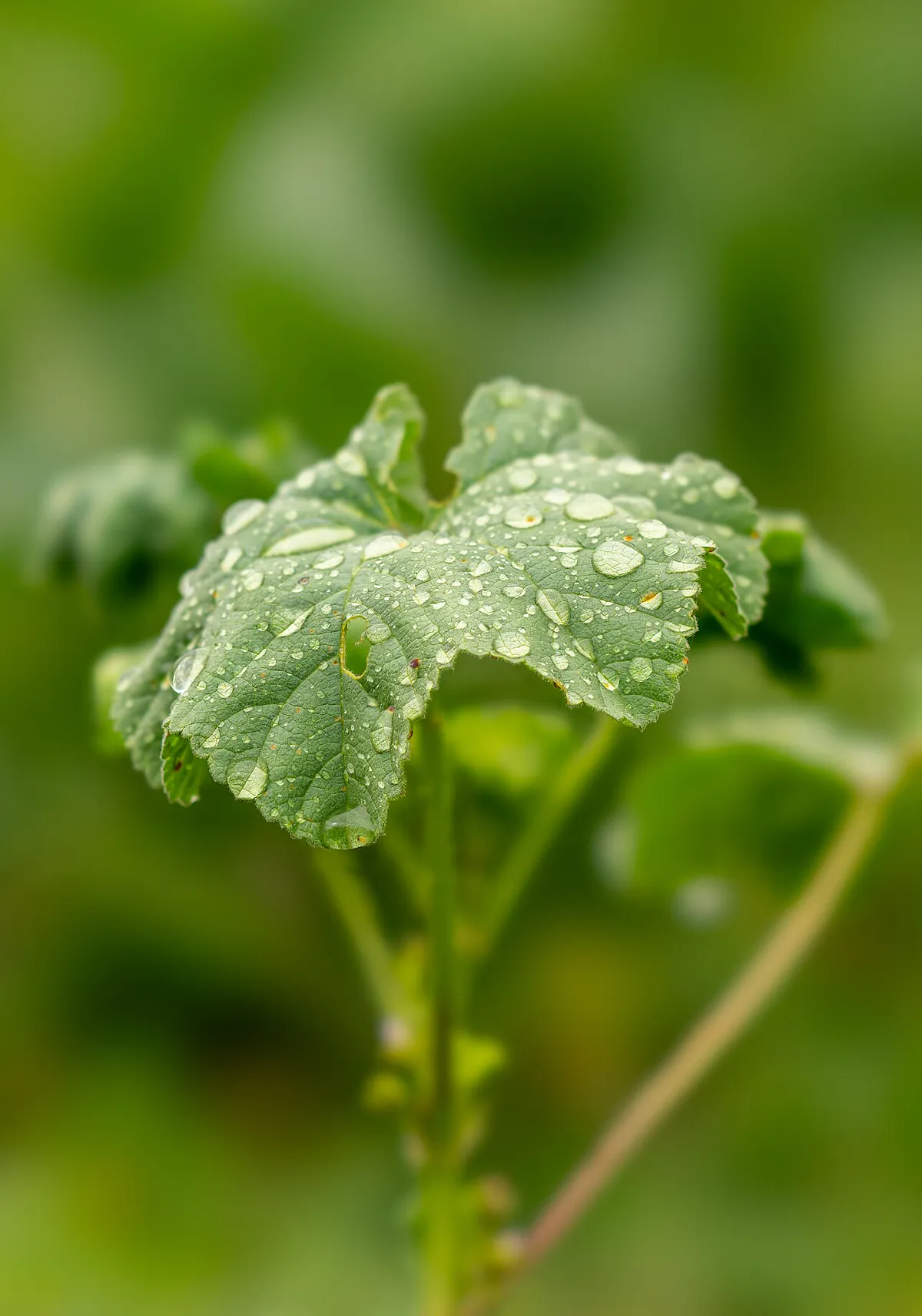
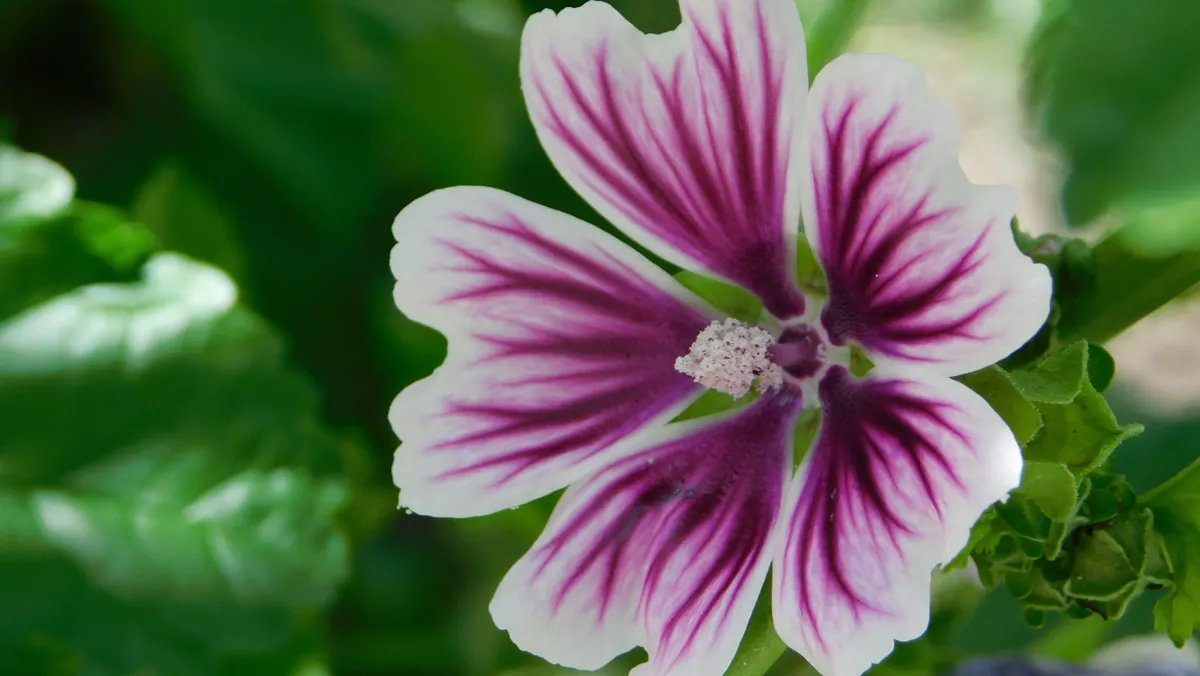
- Choose full sun (it tolerates light shade) and any well-drained soil; it even thrives in poor ground (see improving garden soil).
- Sow seed thinly in spring, then thin or space plants about 45–60 cm apart, as they grow bushy.
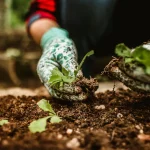
- Water young plants until established; after that, mallow copes well with dry spells.
Sun, soil, watering & feeding
Mallow needs little once it is growing. Give it sun and free-draining soil, and it will flower for months.
Water only in long dry spells once established (see how often to water plants). Avoid rich feeding, which gives soft, floppy growth and more disease. Deadhead, or leave some seedheads so it self-seeds for next year.
Common pests & diseases
The main problem is mallow rust, an orange fungal disease that spots and weakens the leaves, especially in damp, crowded conditions.
Improve airflow with good spacing, remove badly affected leaves, and avoid wetting the foliage. Watch also for aphids on new shoots, and use the methods in our organic pest control guide. Because mallow self-seeds, you can simply replace older, rust-prone plants with fresh seedlings.
Health benefits & uses
Several mallows have a long history as food and folk remedies. The young leaves and flowers of common mallow are edible, with a mild flavour, and the plant family was traditionally used to soothe the throat and skin.
In the garden, its greatest value is feeding bees and butterflies all summer (see attracting pollinators). Always identify any plant correctly before eating it.
This article is for general information only and is not medical advice. Consult a qualified professional before using any plant medicinally.
Common mallow problems
Orange spots on leaves
Mallow rust. Improve spacing and airflow, remove affected leaves, and avoid overhead watering.
Floppy, leafy plants with few flowers
Too rich a soil or too much shade. Grow in leaner soil and full sun.
Plant dies after a year or two
Normal — many mallows are short-lived. Let it self-seed, or sow fresh seed each year.
Why mallow is a cottage-garden favourite
Mallow gives a long, generous show for almost no effort, which is exactly why cottage gardeners have grown it for centuries. It fills gaps fast, flowers from early summer to autumn, and thrives in the poor, dry soil that defeats fussier plants.
Best of all, it looks after its own future. Leave a few seedheads and you will have fresh young plants next year, naturally replacing the older, rust-prone ones. Add in the constant traffic of bees and butterflies, and mallow earns its place as one of the easiest, most rewarding flowers for a sunny, relaxed garden.
Types of mallow to grow
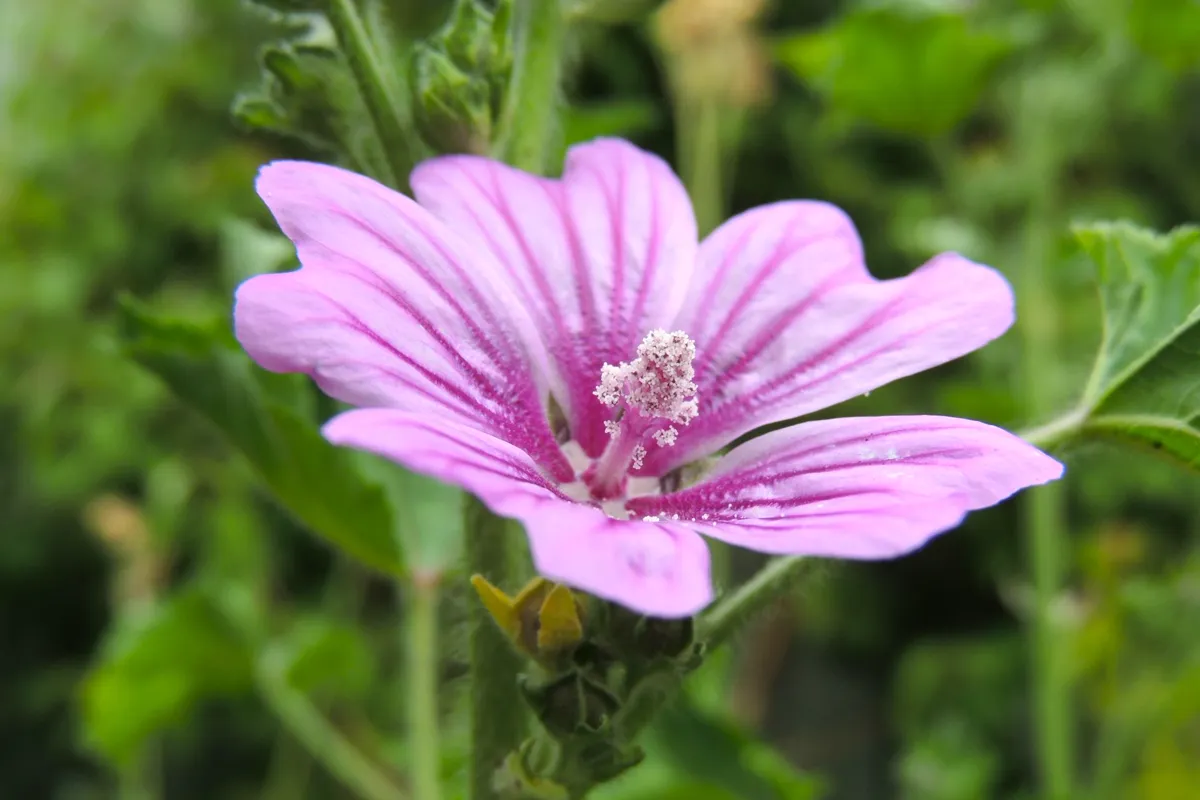
The mallow family offers several pretty garden plants, and they are easy to tell apart. Common mallow, Malva sylvestris, has bright pink-purple flowers boldly striped with darker veins; the form ‘Zebrina’ shows these stripes especially well. It is upright and free-flowering.
Musk mallow, Malva moschata, is softer and bushier, with pale pink or white flowers and finely cut, faintly musky leaves. It is a favourite for wildflower and cottage planting. Greater musk mallow, Malva alcea, is taller and more upright, good at the back of a border. There are also low, spreading types suited to gravel and edges. Whichever you grow, the care is the same, and most will cross and self-seed happily.
How to propagate mallow
Mallow is most easily raised from seed, and it often does this itself. Collect the ripe, round seed capsules in late summer and sow them in spring, either where they are to grow or in small pots. They germinate quickly and reach flowering size fast.
You can also take soft cuttings in early summer from named types to keep them true, as seedlings may vary. The easiest route of all is simply to let a few flowers set seed and allow the young plants to appear; you can then move them while small. Because mallow is often short-lived, this steady supply of seedlings is how it keeps a place in the garden year after year.
Companion planting & design
Mallow suits relaxed, sunny planting, and it mixes well with other easy cottage flowers. It looks lovely beside hollyhocks, cosmos, and cornflowers, which share its informal, free-flowering style. The pinks and purples also sit well with silver-leaved plants like artemisia and lamb’s ears.
In a wildlife garden, plant it among other nectar plants to create a long season of food for bees and butterflies. Its airy, branching shape fills gaps in a new border quickly and softens hard edges. Because it can grow tall and lax, give it neighbours that will help hold it up, or place it where a little leaning looks natural and charming rather than untidy.
Growing mallow in pots
Mallow grows happily in a large container, which is useful on a patio or balcony. Choose a deep pot, as the plant makes a long root, and fill it with free-draining compost. Keep it in full sun for the best flowering.
Water pots more often than plants in the ground, since compost dries quickly in summer, but never let the roots sit wet. A pot also helps you enjoy the bees up close and lets you grow mallow where the open soil is poor or paved over. Move spent plants on and sow fresh seed each spring for a reliable yearly show.
How to grow mallow from seed
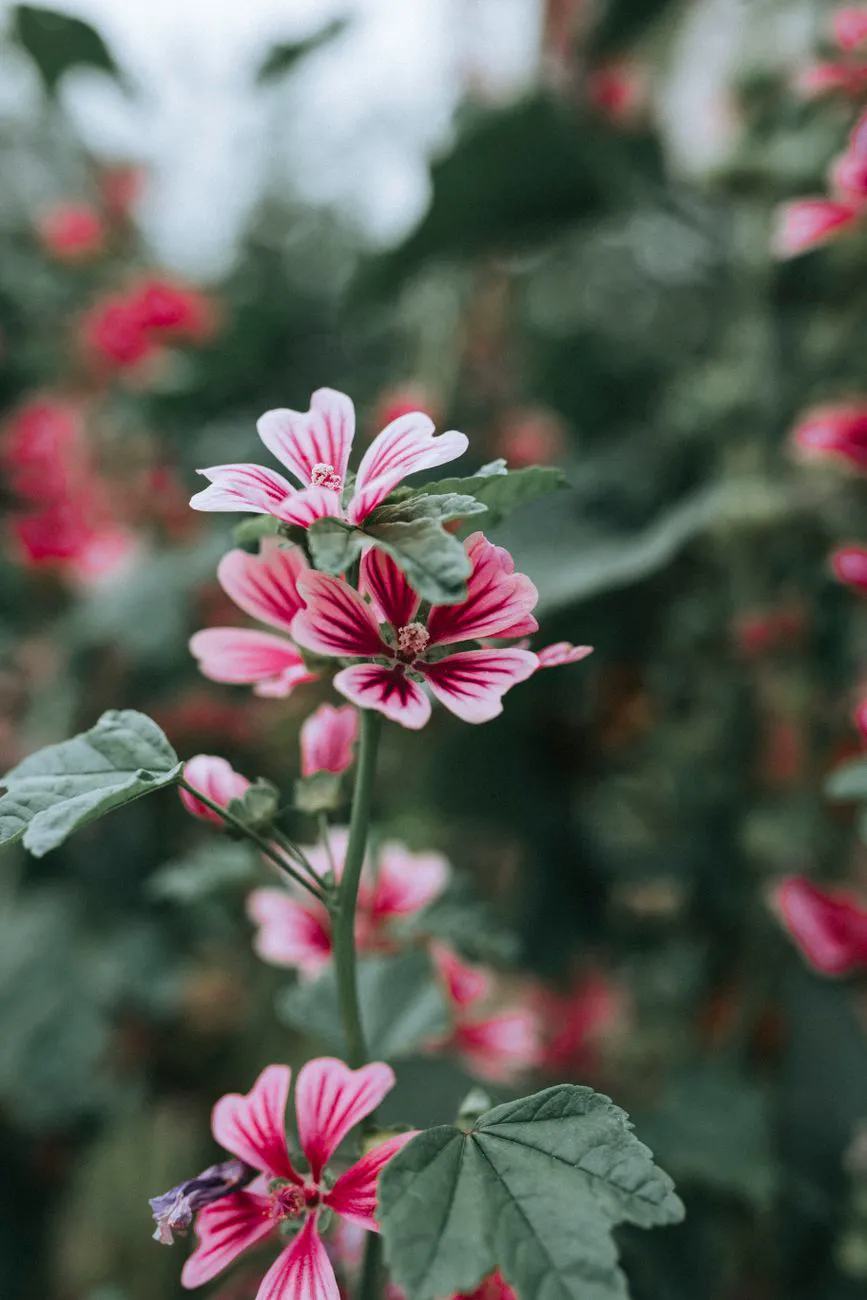
- Soak the seeds in warm water for about 12 hours first to soften the hard coat and aid germination.
- It dislikes transplanting, so direct-sow where it’s to grow (cover lightly, about 0.5–1 cm); if starting indoors, use peat pots and disturb the roots as little as possible.
- Grow in full sun to part shade in well-drained, fertile, not-too-heavy soil, spacing annuals about 20–30 cm and perennials 50–70 cm apart (see improving garden soil).
Deadheading & self-seeding
Deadhead spent flowers to encourage more blooms and a longer season, and to limit its prolific self-seeding if you wish (see deadheading flowers). Tall types may need light support. Leaving some seed heads ensures it returns — mallow’s easy self-sowing is part of its cottage charm.
Related guides
- How to grow hollyhock
- How to grow cosmos
- How to attract pollinators
- How to grow monkshood
- Zinnia Seeds
- Best Xeranthemum Seeds
Frequently asked questions
Is mallow a perennial or annual?
Most garden mallows are short-lived perennials or biennials, but they self-seed freely, so they keep coming back.
Does mallow need full sun?
It flowers best in full sun but tolerates light shade.
Why are my mallow leaves covered in orange spots?
That is mallow rust, a common fungal disease. Improve airflow, remove affected leaves, and avoid wetting the foliage.
Can I grow mallow in India?
Yes — grow it through the cooler seasons or in hill gardens for the best flowering.
Is mallow a weed?
Common mallow, Malva neglecta, is one of the most familiar lawn and waste-ground weeds across temperate regions, with a stubborn taproot and round seed pods that children have long called cheeses. The ornamental garden mallows sold in nurseries are close relatives that behave far better, though all of them self-seed enthusiastically. Whether yours counts as a weed really depends on where it decides to appear. Pull unwanted seedlings while young, when the taproot is still short and lifts cleanly.
How do you get rid of unwanted mallow?
Hand-weeding works well if you catch it early, because a small plant comes out whole. Once the taproot is established you have to dig the entire root out, since snapping off the top simply produces a bushier plant from the crown. Deadheading before the pods ripen is the single most effective step, because almost every mallow problem starts with self-sown seed. Mulching bare soil deeply stops most new seedlings getting going in the first place.
Are mallow leaves and flowers edible?
The leaves, flowers and immature seed pods of common mallow have a long history as food in Europe, the Middle East and North Africa, where the leaves are cooked much like spinach and turn slightly gelatinous. The flavour is mild, and the texture is the main talking point. Only eat plants you have identified with certainty, grown without sprays and well away from roadsides. This is general information only and not dietary or medical advice.
Is mallow safe around dogs?
Garden mallows are not among the plants commonly flagged as seriously toxic to dogs, and a curious nibble is unlikely to cause more than a mild stomach upset. A large quantity of any unfamiliar plant material can trigger vomiting, so it is still worth discouraging. If your dog eats a good amount and then seems off, contact your vet rather than guessing. Take care not to confuse mallow with unrelated ornamentals whose common names sound similar.
What is the difference between mallow and marshmallow?
Marshmallow is a specific member of the same family, Althaea officinalis, a taller plant of damp and coastal ground with velvety grey-green leaves and pale flowers. Its thick roots were the original source of the sweet that still carries the name, long before modern marshmallows became a sugar-and-gelatin product. Ordinary garden mallows are Malva species and are grown purely for their flowers. The two look similar enough that plant labels often blur the distinction.
How tall does mallow grow?
Most garden mallows make bushy plants of roughly 60-120 cm, with musk mallow nearer 60-90 cm and some species reaching shoulder height in rich ground. Plants in very fertile soil grow taller, floppier and far more likely to need support. A slightly lean, sunny site gives you a sturdier plant with just as many flowers. Cutting the stems back by a third in early summer also keeps things compact.
Should you deadhead mallow?
Yes, for two reasons: it keeps the flowers coming for weeks longer, and it stops the plant seeding itself all over the border. Snip faded blooms off regularly right through summer. Once the main flush finishes, cutting the whole plant back hard often triggers fresh growth and sometimes a second, lighter round of flowers. Leave a few pods at the very end of the season if you actually want seedlings.
Do bees like mallow?
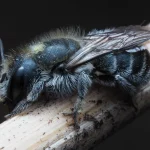
Very much so. The open, saucer-shaped flowers give easy access to pollen and nectar, and bumblebees in particular work mallow steadily through the summer, often coming away dusted in pale pollen. It also supports hoverflies and several butterfly species. Because it flowers over a long period rather than in one short burst, mallow fills gaps in the season when little else is open. That makes it a genuinely useful plant in a pollinator border.
Is mallow related to hollyhock?
Yes — Malva is a close relative of the hollyhock, with similar flowers but a bushier, often shorter habit.
Should I soak mallow seeds?
Yes — soaking them in warm water for about 12 hours softens the hard coat and improves germination.
Can I transplant mallow?
It dislikes transplanting, so direct-sow where it’s to grow, or use peat pots and minimise root disturbance.
Is Malva zebrina an annual or a perennial?
It is usually grown as a short-lived perennial or a biennial, and many gardeners treat it as an annual because it flowers so freely in its first year that plants exhaust themselves. Two or three good seasons from a single plant is a realistic expectation. The compensation is that it self-seeds reliably, so the colony carries on even as individual plants fade away. Leave a few seed heads standing if you want it to persist.
Does Malva flower in its first year from seed?
Yes, and this is one of its best features, plus a big reason gardeners pick it over hollyhock. Sown early indoors or direct-sown in spring, most Malva will be flowering by midsummer of the same year. Late-summer sowings overwinter as small plants and then flower earlier the following season. Either route works well, so sow whenever your conditions allow.
How long does Malva seed take to germinate?
After the recommended soaking, seed generally sprouts in about one to three weeks at around 18-21C. Erratic germination is common, because the hard seed coat softens unevenly. Sow more than you think you need and thin the seedlings, rather than assuming a thin first flush means the batch has failed. Fresh seed germinates noticeably better than packets that have sat around for several years.
Does Malva need staking?
Taller varieties usually do, especially in rich soil or a windy garden, where flowering stems flop just as they reach their peak. Push twiggy supports or a ring stake in early so the plant grows up through them and hides the framework. An alternative is to pinch the growing tips once when the plant is about 30 cm tall, which gives a shorter, bushier plant with more flowering stems. Avoid overfeeding, which produces soft growth that falls over.
Is Malva invasive?
Not in the aggressive, running-root sense — it spreads only by seed. In a mild garden with plenty of open soil, though, that seed can produce a great many volunteers, and a few Malva species have naturalised widely outside their native range. Deadheading before the pods ripen keeps it completely under control. If you actually want a self-sustaining drift, do the opposite and let it shed freely.
What is the difference between Malva and Lavatera?
They are close relatives within the mallow family and look very alike, which is why plants get sold under both names and several species have been shuffled between the two genera over the years. Broadly, Lavatera tends towards larger, shrubbier growth with bigger trumpet-shaped blooms, while Malva is more herbaceous with flatter, often veined flowers. Growing requirements are near enough identical: sun, free drainage and no pampering. It is not worth losing sleep over the label.
Should you cut Malva back after flowering?
Cutting the whole plant back by about a third once the main flush fades often prompts a second, lighter round of blooms and keeps it tidy instead of sprawling and seedy. In colder gardens, leave the final cut until spring so the old stems give the crown a little winter protection. Remove and bin any stems showing rust as you go rather than composting them. A hard autumn tidy-up on wet, heavy soil can weaken an already short-lived plant.
Is Malva deer resistant?
It is often listed as deer resistant and generally goes untouched where other perennials get grazed, but it is not deer-proof. Hungry deer will sample almost anything in late winter or during a drought, and soft young seedlings are far more likely to be eaten than mature plants. Because Malva self-seeds so readily, an established colony usually shrugs off occasional browsing. Protect new plantings for their first season if deer pressure is heavy where you garden.
Still stuck? Ask the Plant Doctor
Describe the problem — yellow leaves, holes, no flowers — and get a clear answer in seconds. FreeAI can make mistakes. Answers are guidance, not a guarantee — check anything important against the guide it links to, and always read the label on any product before you use it.