How to Grow Portulaca / Moss Rose (Drought-Proof Color)
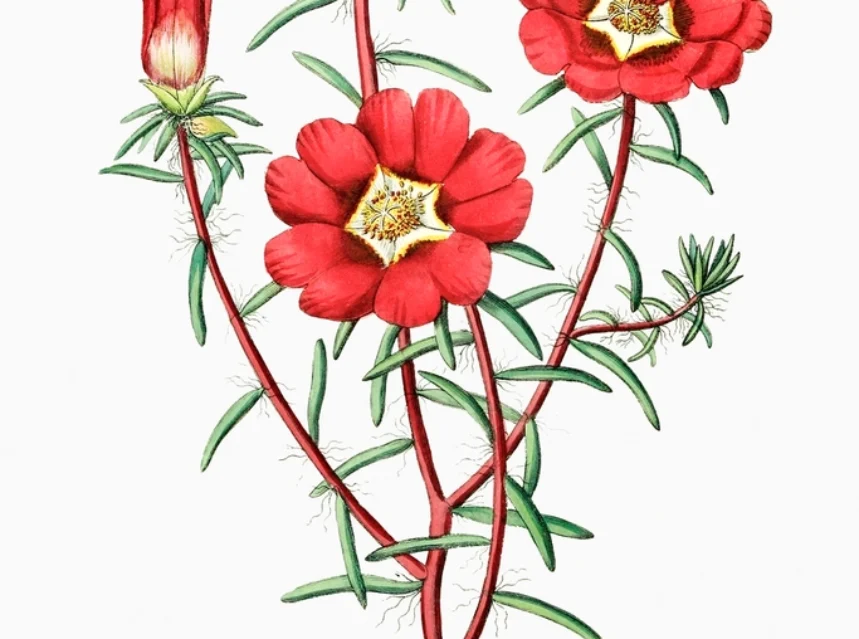
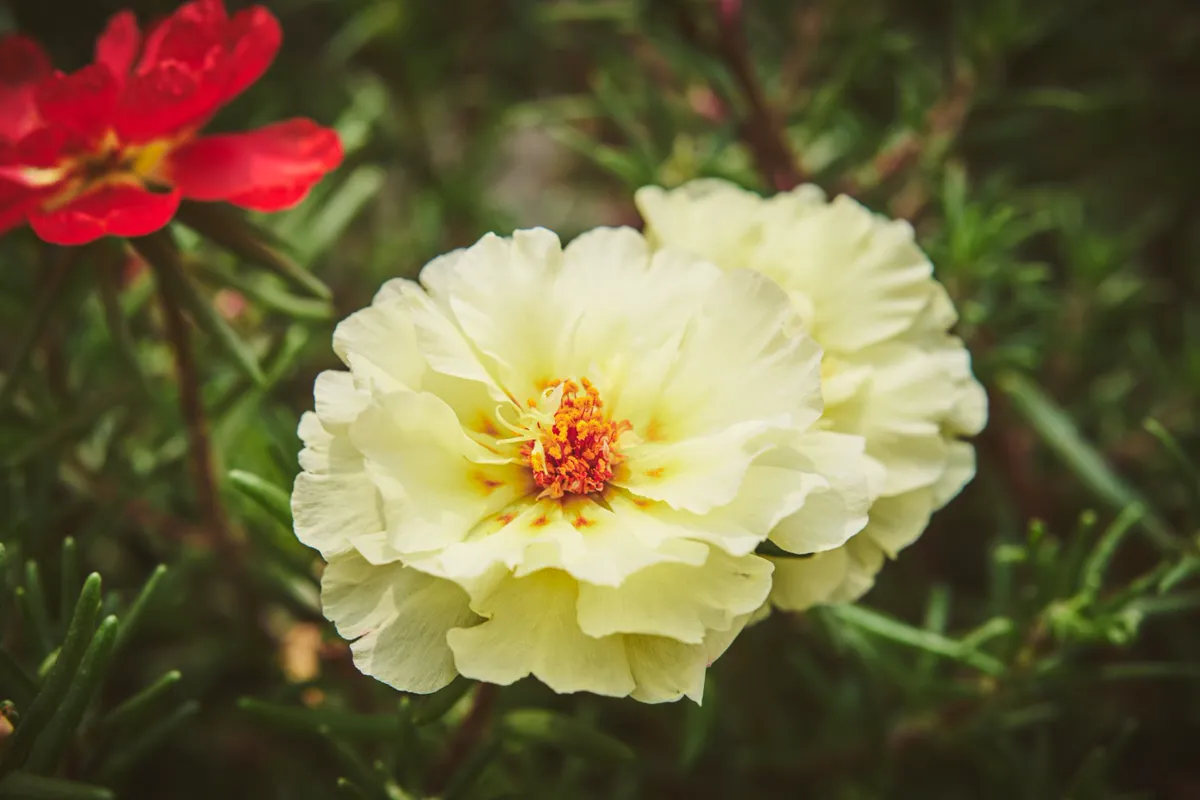
Portulaca, or moss rose, is the perfect flower for hot, dry, sunny spots where nothing else wants to grow. This low, spreading succulent covers itself in jewel-bright blooms — in every shade of pink, orange, red, yellow, and white — right through the heat of summer. It thrives on neglect and poor soil. For easy, drought-proof colour, it’s a winner. Here is the complete guide on how to grow portulaca (moss rose).
Quick start: Grow portulaca in full sun (6–8 hours) and sandy, well-drained soil. Water lightly and infrequently — it’s a succulent. Don’t overwater or overfeed. Then enjoy a carpet of bright blooms all summer with almost no effort.
Portulaca, or moss rose, thrives exactly where most flowers fail, in hot, dry, poor soil and blazing sun. Growers find its succulent leaves let it sail through drought, and the jewel-bright flowers open in sunshine and close on dull days. It is one of the easiest annuals from seed and self-seeds happily, asking only for sun and sharp drainage.
🧰 In a hurry? Jump straight to our tested picks for this guide ↓
Portulaca at a glance
| Feature | Detail |
|---|---|
| Botanical name | Portulaca grandiflora (family Portulacaceae) |
| Common names | Moss rose, sun rose, table rose |
| Plant type | Warm-season succulent annual |
| Sun | Full, hot sun |
| Soil | Poor, sandy, free-draining |
| Flowering | Summer; closes in low light |
| Best for | Hot dry spots, pots, edging |
Why grow portulaca?
Portulaca is the ultimate low-maintenance, heat-loving annual. It blooms non-stop through summer, tolerates drought, heat, and poor soil, and asks for almost nothing. It spreads into a flowering carpet and spills beautifully from pots and hanging baskets. For that scorching spot by the driveway, it’s ideal.
History, origin & where it grows
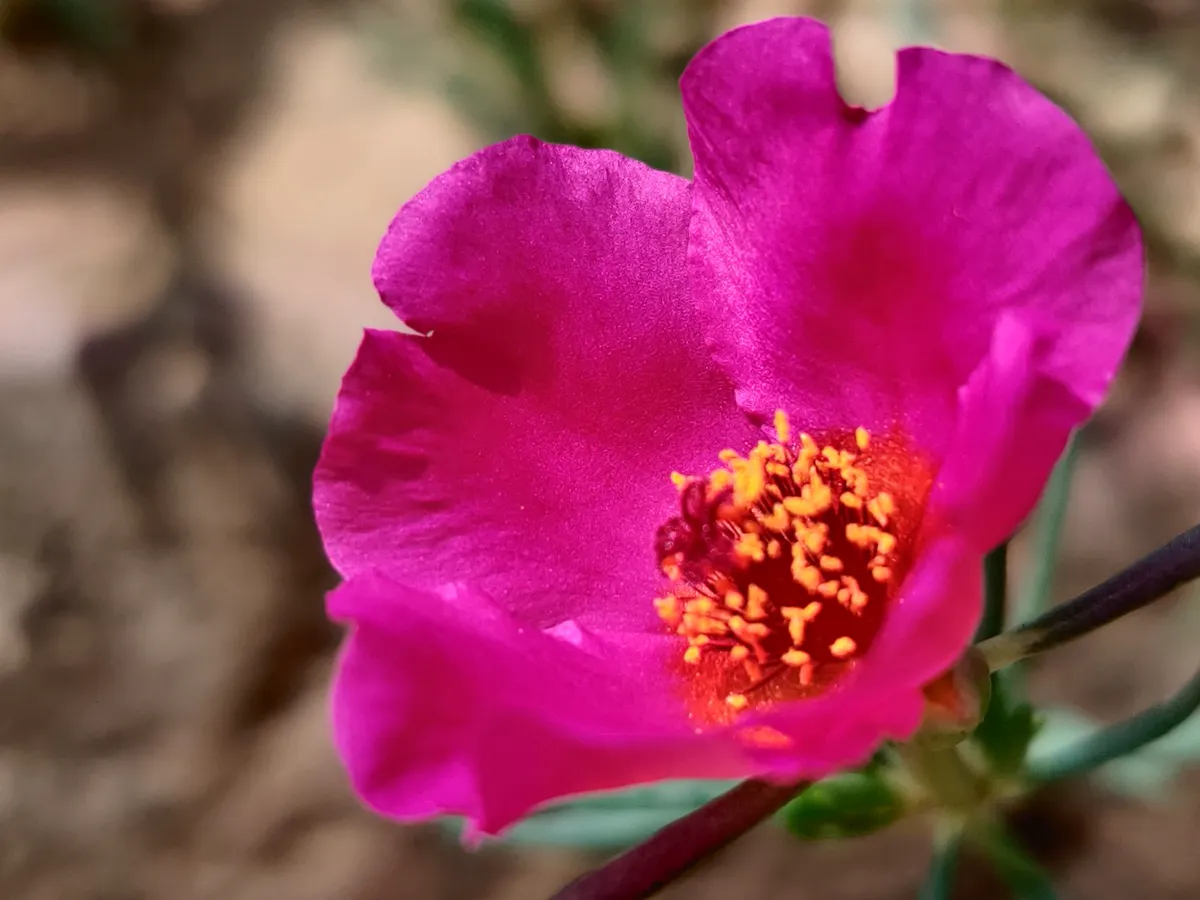
Moss rose (Portulaca grandiflora) is native to the hot, dry plains of Argentina, Brazil, and Uruguay. It’s a semi-succulent that stores water in its fleshy leaves and stems. That’s the key to its toughness — and why it loves the heat and hates wet feet.
Moss rose portulaca is native to southern Brazil, Argentina and Uruguay, where it grows on sandy soils in full sun (Portulaca grandiflora). In frost-free countries it lives on as a wild plant, and it is tough enough that in old towns it seeds itself between the stones of roads and pavements — which tells you exactly how little soil and water it needs in a pot.
Its toughness and bright flowers made it popular in warm gardens worldwide (see the RHS). It is a succulent, storing water in its fleshy leaves. This is why it shrugs off heat and drought.
Best season & when to plant
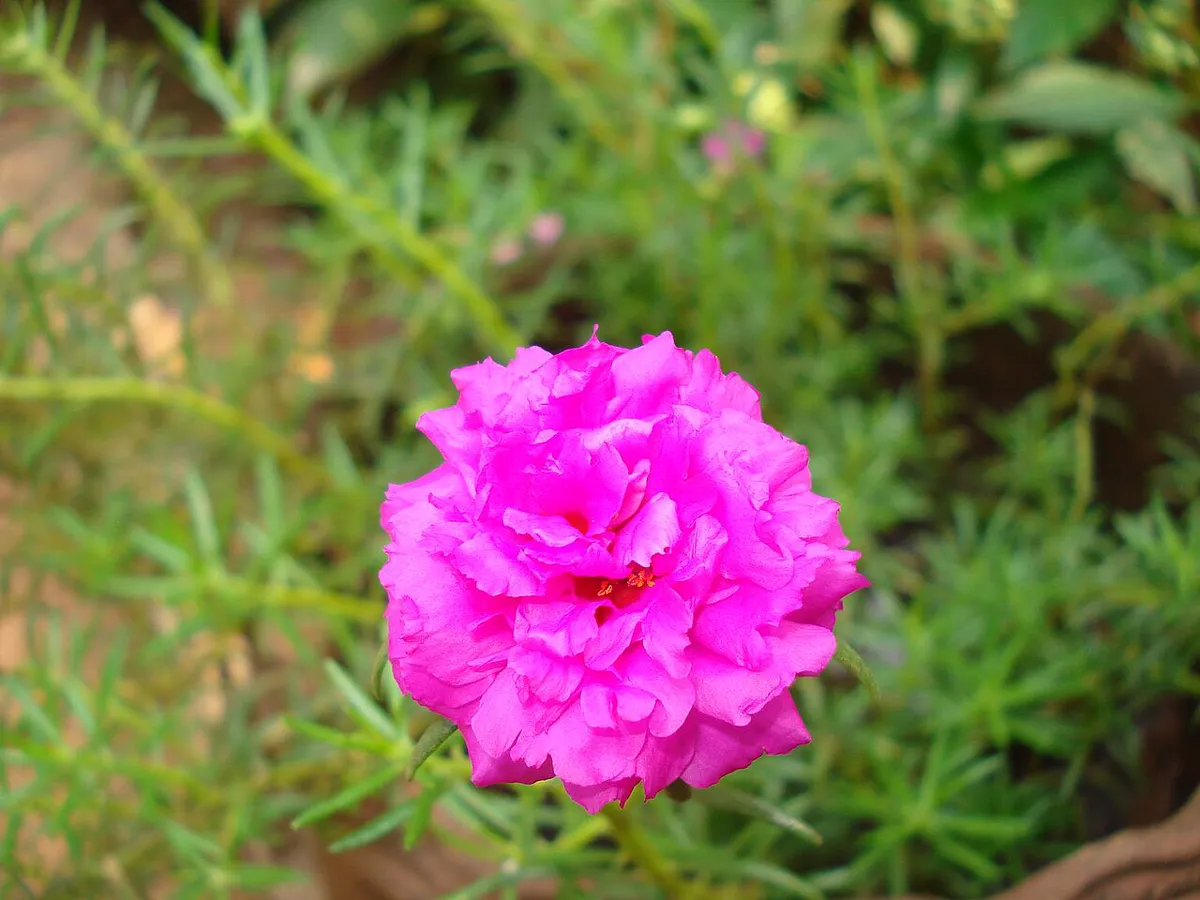
Portulaca is a warm-season annual that loves temperatures of 70–90°F. Sow or plant it after all frost, once it’s warm. It blooms all summer and dislikes cold (below ~50°F). In hot climates like much of India, it’s a brilliant, easy summer flower.
How to grow portulaca
- Sow the tiny seeds on the surface (they need light) or use young plants, after frost.
- Choose full sun — 6–8 hours; in shade it grows leggy and the flowers stay shut.
- Use sandy or gritty, well-drained soil; it actually prefers poor soil (see soil basics if drainage is poor).
Sun, soil & watering
Sun is essential — the flowers open in bright sun and close in shade or cloud. For watering, remember it’s a succulent: water lightly and let it dry out between drinks (see how often to water). It has shallow roots and rots in soggy soil. It’s a star plant for a drought-tolerant garden.
Feeding & care
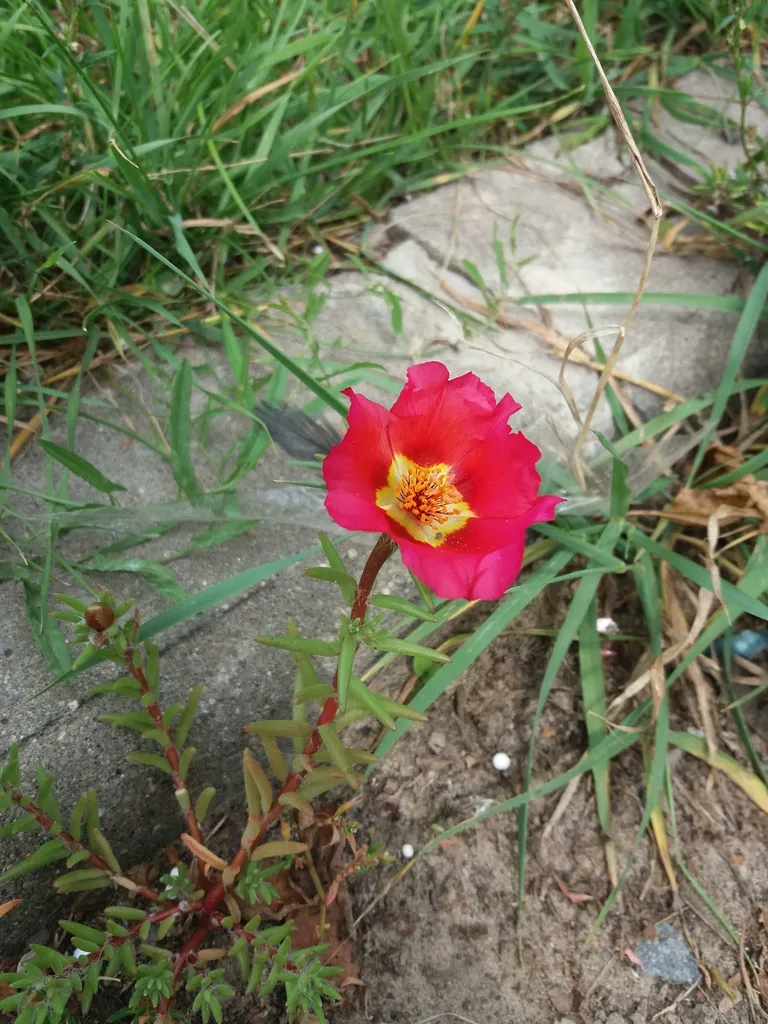
Portulaca needs almost no feeding — lean conditions give the best flowering. It’s largely self-cleaning, so it doesn’t need much deadheading. Just give it sun and warmth, and it does the rest. It also self-seeds, often popping up again next year.
Common pests & diseases
Portulaca is very trouble-free. The main risk is root rot from overwatering or poor drainage. Occasionally aphids appear; rinse them off (see aphid control). In too much shade or wet, it gets leggy and shy to bloom. See organic pest control if needed.
Benefits & uses
Portulaca delivers bright, cheerful, drought-proof colour for the toughest sunny spots, ground cover, and containers. It’s pollinator-friendly and effortless. (Its close cousin, common purslane, is even an edible, nutritious leafy green.) For low-water summer colour, few plants give more.
This article is for general information only and is not medical advice. Talk to a qualified professional before using any plant medicinally.
Common portulaca problems
Flowers won’t open
Too little sun, or cloudy weather. Give 6–8 hours of full sun — the blooms open in bright light.
Leggy growth
Too much shade. Move it to a sunnier spot.
Rotting
Overwatering or soggy soil. Water lightly and ensure sharp drainage.
Sun, soil & care
Portulaca demands full, hot sun. Its flowers close in shade and on dull days (see how often to water plants). So give it the brightest spot you have.
It thrives in poor, sandy, free-draining soil. It needs very little water and no feeding. Rich, wet soil only causes rot, so keep it lean and dry.
Best uses in the garden
Portulaca is perfect for hot, dry spots where little else grows. It spills beautifully over the edge of pots and walls (see container growing).
It makes a bright, low ground cover on a sunny bank or gravelly bed. One habit to plan around: the jewel-bright flowers open in strong sun and close again in shade or on dull days, so give it the middle of the day rather than a spot that only catches evening light. It self-seeds gently and returns each year, so a single sowing can last for seasons. For a baking, neglected corner, it is ideal.
Why grow portulaca
Portulaca is the perfect plant for the hottest, driest, most difficult spot in the garden. Its jewel-bright flowers in pink, orange, yellow, red and white blaze in full sun all summer. As a succulent it thrives on neglect, needing almost no water. Cheap and easy from seed, self-seeding for next year, it turns a baking, barren corner into a carpet of colour with no effort at all.
Common problems and how to fix them
Portulaca is wonderfully easy, but it has clear likes and dislikes. The commonest complaint is flowers that stay shut. This is normal in shade, on dull days or in the early morning, as the blooms only open in bright sun.
Yellowing, mushy stems mean too much water or heavy, wet soil. As a succulent, it stores its own water and hates soggy ground. So water sparingly and grow it in sandy, free-draining soil.
Leggy, sparse growth points to too little sun. It needs the hottest, brightest spot you can give it. In shade it sprawls and flowers poorly.
Tips for the best carpet of colour
Give portulaca full, baking sun and poor, gritty soil. These are exactly the conditions it loves. The harsher and drier the spot, the better it often performs.
Water it only when the soil is quite dry. It truly thrives on neglect and resents fussing. Skip the feeding, as rich soil gives leaves rather than flowers.
It self-seeds gently and often returns the next year on its own. Use it to clothe a hot, dry bank, a gravelly bed or the edge of a sunny pot. Where almost nothing else will grow, portulaca spreads a low carpet of jewel-bright bloom with no effort at all.
Quick grower tips
Portulaca is the perfect plant for a hot, dry spot. Give it full, baking sun for the best flowers. The blooms stay shut in shade and on dull days.
So the brighter the spot, the better the show. Grow it in poor, sandy, free-draining soil. It stores water in its fleshy leaves.
So water it only when the soil is quite dry. Overwatering causes soft, rotting stems. Skip the feeding, as rich soil gives leaves not flowers.
It truly thrives on heat and neglect. Use it on a hot, dry bank or gravelly bed. It spills beautifully over the edge of a pot.
It forms a low, bright carpet of colour. The jewel-bright flowers come in many shades. It self-seeds gently and often returns each year.
Sow it after the last frost in warm soil. Barely cover the tiny seeds and keep them lightly moist. For a baking corner where little else grows, it is ideal.
Related plant guides
- How to grow Vinca
- How to grow Gazania
- How to grow Sedum
- How to grow Gomphrena
- How to grow Gaillardia
- How to grow Sweet Alyssum
Frequently asked questions
Does portulaca need full sun?
Yes — 6–8 hours. The flowers open in bright sun and close in shade or cloudy weather.
How often should I water moss rose?
Lightly and infrequently — it’s a succulent that stores water and rots if overwatered.
Does portulaca come back every year?
It’s an annual, but it self-seeds readily and often reappears on its own.
Is portulaca good for hot, dry spots?
Perfect — it’s heat- and drought-loving and thrives in poor soil where many flowers fail.
Why is my portulaca not flowering?
Nine times out of ten the cause is not enough direct sun. Moss rose needs a genuinely open, unshaded spot to set buds, so a plant tucked under a taller neighbour or on a north-facing balcony will make plenty of leaf and almost no flower. The second most common cause is kindness — rich soil and regular feeding push soft green growth at the expense of blooms, so a lean, gritty mix and a hungry regime actually give you more colour. Pinching the stem tips once early in the season also encourages branching, and more branches means more flower buds.
Why are my portulaca flowers closed?
That is normal behaviour, not a problem. Portulaca blooms respond to light and warmth, opening through the morning and closing again in the afternoon, on dull days, and overnight. If your plant sits somewhere that only gets late-afternoon light, you may hardly ever catch the flowers open. Newer double and semi-double series stay open longer than the old single types, so choose one of those if the closing habit annoys you.
Is portulaca a succulent?
Yes. Portulaca grandiflora stores water in its thick, cylindrical, almost needle-like leaves and in its fleshy stems, which is exactly why it shrugs off heat and drought. That succulence is also the reason it hates wet feet — the same tissue that holds water rots quickly in soggy ground. Treat it like a small annual succulent rather than a bedding flower and you will rarely lose one.
Is portulaca safe for dogs and cats?
No. The ASPCA lists Portulaca as toxic to dogs, cats and horses, with soluble calcium oxalates as the toxic principle; reported signs include drooling, tremors, weakness and digestive upset. Large amounts would need to be eaten before serious trouble occurred, but it is still worth siting pots out of reach of a pet that chews plants. If your animal does eat a quantity of it, ring your vet or a poison-control line. This is general information, not veterinary advice.
Can you eat portulaca?
The garden bedding plant Portulaca grandiflora is not the one people eat. Its close relative Portulaca oleracea — common purslane, kulfa in India, verdolagas in Mexico — is the edible species, and it looks different: flat, paddle-shaped leaves and tiny yellow flowers instead of showy silky ones. Because the two share a genus and a common name, confusion is easy, so only harvest a plant you have positively identified. Given the oxalate content flagged in the pet-toxicity data above, treat ornamental moss rose as a flower, not a salad.
How do you propagate portulaca from cuttings?
It is one of the easiest plants to root. Snap or cut a stem piece four to six centimetres long, strip the lowest leaves, and leave it on a dry surface for a day so the cut end calluses — skipping that step is the usual reason cuttings rot. Push the callused end into barely damp, gritty compost, keep it warm and bright, and roots normally appear within two weeks. A single plant will give you a whole tray of new ones, which is handy because moss rose is often sold only in mixed colours.
How far apart should portulaca be planted?
Space plants roughly 15 to 20 cm apart in the ground. That looks generous at planting time, but each one spreads into a mat 25 to 30 cm across, and crowding traps humidity around the stems, which invites rot. In a container you can cheat and plant a little closer for instant fullness, since pots dry faster and airflow is better around the rim. Along a path edge, a single staggered row at that spacing knits together into a continuous ribbon by midsummer.
Can you grow portulaca indoors?
Only in the brightest position you have, and even then results are usually disappointing. Indoor light is far weaker than it looks to the human eye, and without strong direct sun the stems stretch, the leaves space out, and the flowers stay shut. A south-facing windowsill that gets several hours of unfiltered sun, or a supplementary grow light, can keep a plant respectable through winter. For most people it is easier to treat portulaca as an outdoor summer annual and take cuttings to overwinter on a windowsill instead.
Still stuck? Ask the Plant Doctor
Describe the problem — yellow leaves, holes, no flowers — and get a clear answer in seconds. FreeAI can make mistakes. Answers are guidance, not a guarantee — check anything important against the guide it links to, and always read the label on any product before you use it.