Tomato Blight
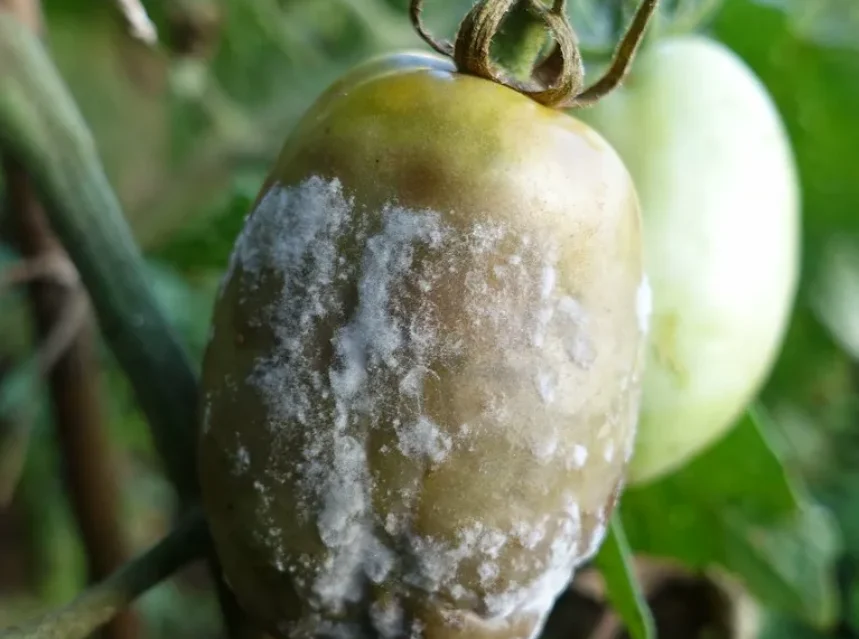
Tomato blight is a fungal-type disease that browns leaves, rots fruit, and — in its worst form — can kill a healthy plant in under a week. The word actually covers two very different diseases. Early blight is the slow one, marking lower leaves with bullseye spots. Late blight is the killer, the same organism that caused the Irish potato famine. Telling them apart decides what you do next. Here is the complete guide to tomato blight.
Quick start: Find brown bullseye rings on the lowest, oldest leaves? That is early blight — strip the marked leaves, mulch, and water at the base only. Found grey-green water-soaked patches spreading fast in cool, wet weather, with white fuzz under the leaf? Treat that as late blight — act the same day, remove affected plants, and never compost them.
Growers who battle blight every season say the difference between a scare and a wipeout is speed. Members of vegetable-growing communities describe early blight as background noise — annoying, manageable, returning every humid summer. Late blight gets a different tone entirely. Allotment growers in the UK report whole plots collapsing within days once a wet spell hits an infected neighbourhood. The consistent advice from those who have lost crops: strip suspicious leaves immediately, keep foliage dry, and choose resistant varieties where blight is a yearly visitor.
🧰 In a hurry? Jump straight to our tested picks for this guide ↓
Tomato blight at a glance
| Feature | Early blight | Late blight |
|---|---|---|
| Organism | Alternaria fungi | Phytophthora infestans (water mould) |
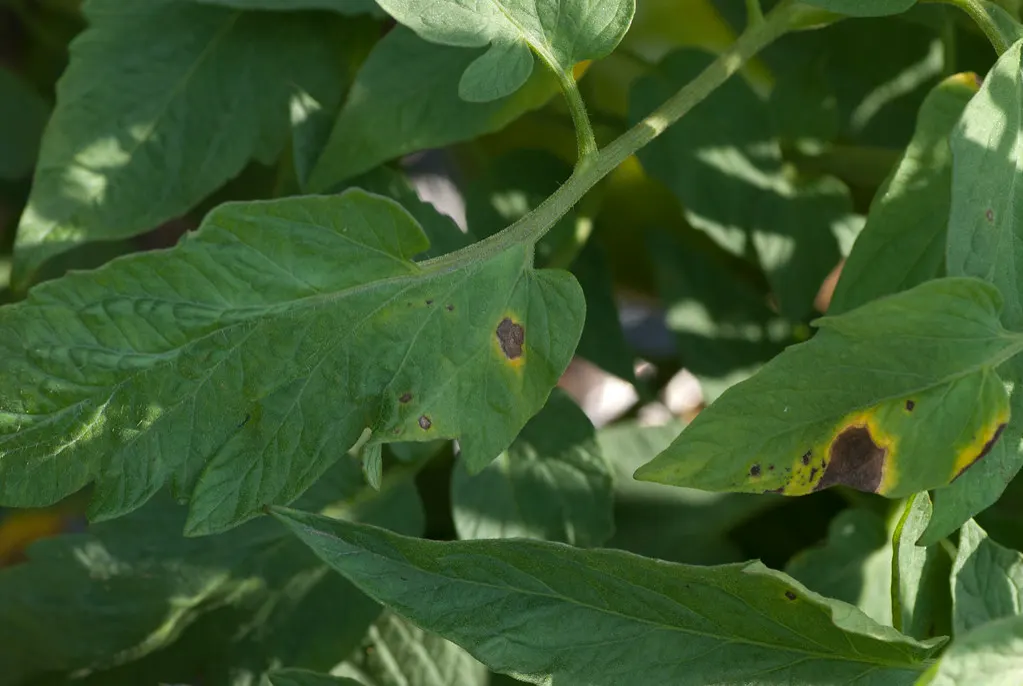
| Spot look | Brown bullseye rings, yellow halo | Grey-green water-soaked patches |
| Starts where | Lowest, oldest leaves | Anywhere, often upper leaves |
| Weather it loves | Warm + humid | Cool + wet |
| Speed | Slow, creeping | Explosive — days |
| Fruit damage | Leathery spots at the stem end | Firm brown rot over whole fruit |
| Plant survival | Usually survives with care | Often dies; remove plant |
| Also attacks | Potatoes, eggplant | Potatoes (main host) |
What is tomato blight?
“Blight” is a gardener’s word for fast leaf-and-fruit destruction. On tomatoes it covers two unrelated organisms. Early blight is caused by Alternaria fungi that linger in soil and debris. It creeps upward from the lowest leaves through warm, humid weeks.
Late blight is not a true fungus but a water mould, Phytophthora infestans. Its spores ride wind and rain for kilometres. This is the organism that destroyed Ireland’s potato crop in the 1840s and changed world history (see the background on Phytophthora infestans).
The two need different responses. The early type is a management job. The late type is an emergency.
Early blight vs late blight: how to tell them apart
Look at three things: the spot, the location, and the weather. Early blight makes dry, brown spots with concentric rings — like a tiny dartboard — each often ringed in yellow. It starts on the oldest leaves nearest the soil. It spreads in warm, muggy spells, one leaf at a time.
Late blight makes irregular, water-soaked, grey-green patches that turn brown. Flip the leaf: in damp conditions you will see a fine white mould fringe underneath. It appears anywhere on the plant, loves cool wet weather, and moves shockingly fast. Stems blacken in streaks, and fruit develops firm, greasy brown shoulders.
Timing helps too. The early disease builds through midsummer heat. The late one classically strikes after a cool, rainy stretch — in the UK that is most summers, in the US it follows storm systems, and in India it hammers winter tomato and potato belts when fog and drizzle set in.
What causes tomato blight?
The early disease lives where last year’s outbreak died. The fungus overwinters in soil, infected debris, and volunteer plants. Rain splashes spores from the soil onto the lowest leaves. That is why bare soil under tomatoes is a risk factor, and why mulch works so well.
The late disease usually arrives from outside. Spores blow in from infected gardens, fields, or — very often — infected potatoes: volunteer plants from missed tubers, or dumped seed potatoes. Phytophthora cannot generally survive in soil without living tissue, so each outbreak needs a living bridge from last season. Community hygiene matters; one neglected allotment plot can seed a whole neighbourhood.
Both diseases share the same accelerant: wet leaves. Overhead evening watering, crowded plants, and weeks of rain give spores the moisture they need to germinate.
How to treat tomato blight: step by step
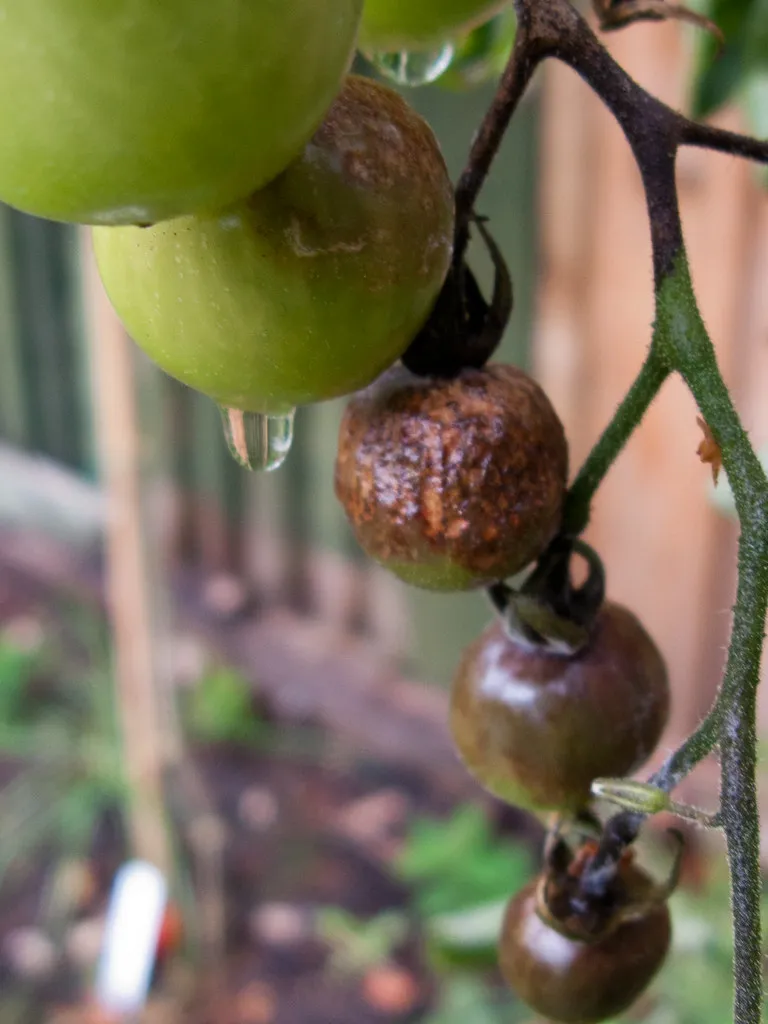
At the first suspicious spots, act in this order:
- 1. Identify which blight using the table above. The response depends on it.
- 2. Strip affected leaves into a bag — not onto the soil. Wash hands and tools after.
- 3. For the early type: remove the lowest leaves up to the first fruit truss, mulch the soil, and switch to base watering in the morning.
- 4. For the late type: if a few leaves are hit, strip hard and watch daily. If stems or many leaves are involved, pull the whole plant the same day.
- 5. Bin or burn infected material. Never home-compost it — diseased debris belongs in the bin, not the heap.
- 6. Harvest what you can. Sound green fruit can ripen indoors; check daily and discard any that brown.
- 7. Protect the survivors. Organic growers use copper-based sprays preventively where allowed; they shield clean leaves but cure nothing already infected.
Through it all, keep the foliage dry. A plant that goes to bed wet feeds the outbreak overnight.
How to prevent tomato blight
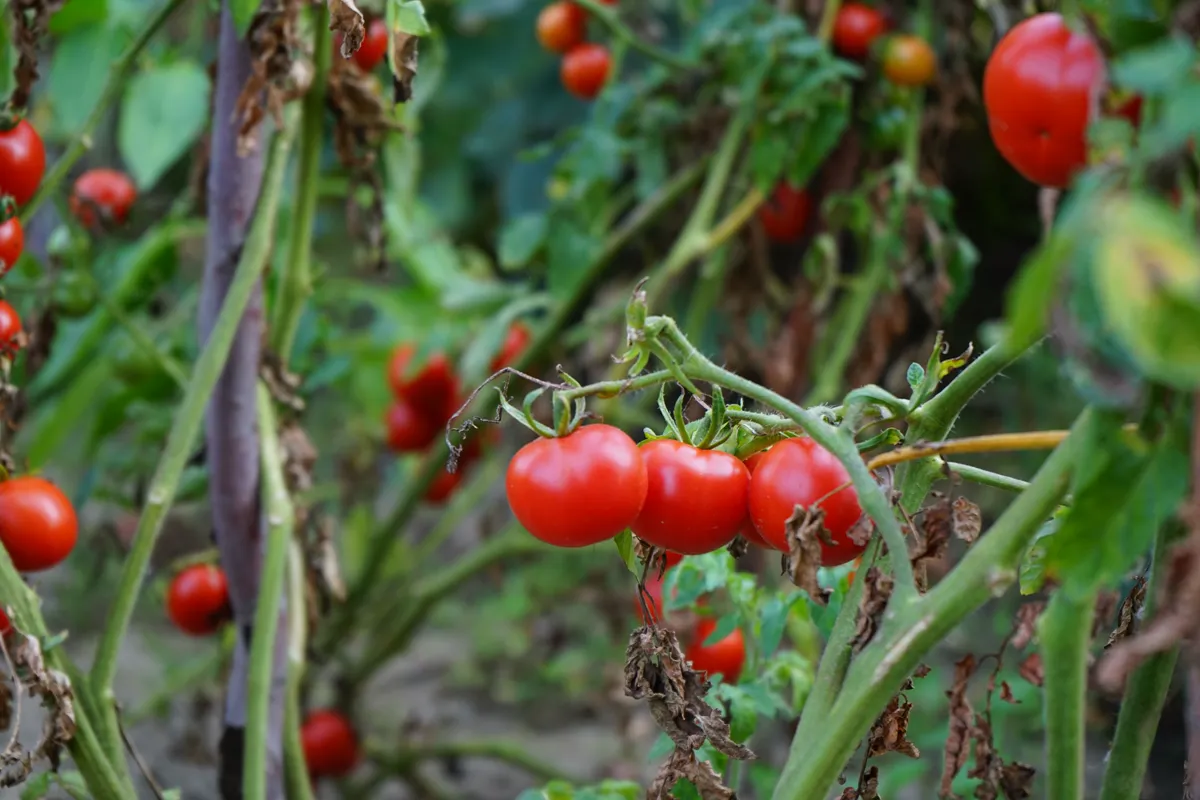
Prevention starts at planting. Space plants generously so air moves through. Stake or cage them so no leaf touches soil. Mulch 5 cm deep to seal off splashing spores — the same mulch that prevents blossom end rot earns double pay here.
Water at the base, in the morning, and never over the leaves (see how often to water plants). Prune the lowest leaves as the plant grows, and feed moderately for sturdy rather than lush growth.
Rotate the family. Keep tomatoes, potatoes, and eggplant off the same ground for three years. Pull volunteer potatoes ruthlessly — they are late blight’s favourite bridge. In blight-prone, wet climates, growing under a rain shelter or in a greenhouse with dry foliage is the single most effective trick UK growers swear by. Indian growers protect the winter crop the same way during fog spells: covered nursery, wide spacing, morning irrigation only.
Blight resistant tomato varieties
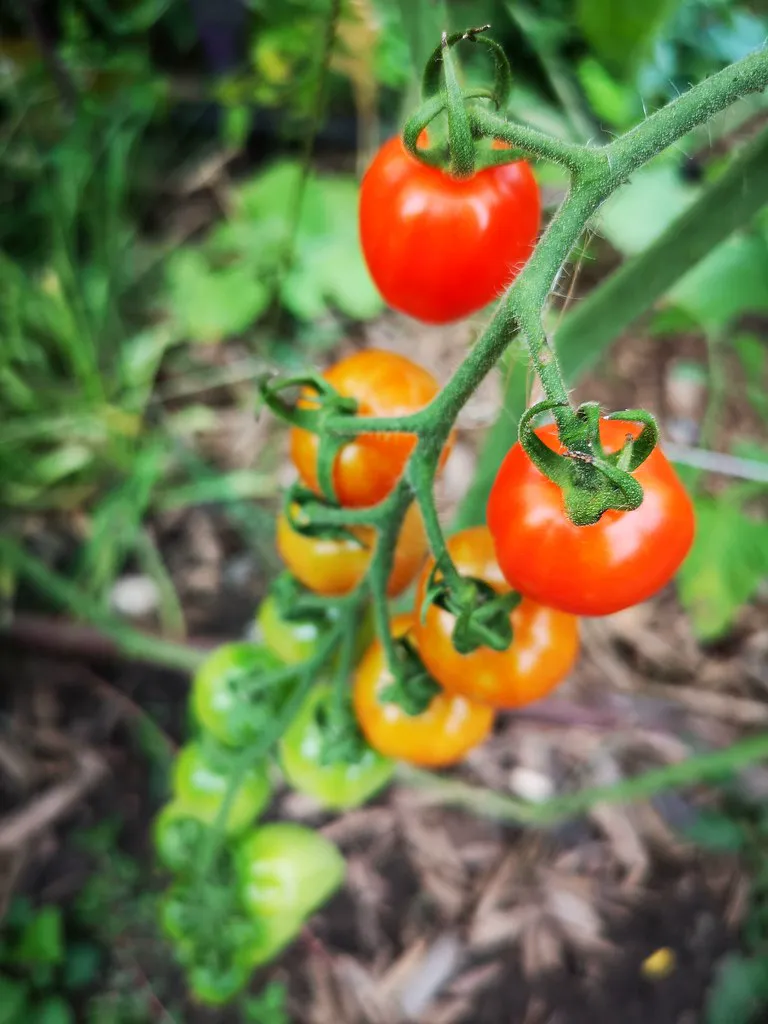
Genetics is the easiest spray you will never need. Against the late disease, look for varieties carrying real resistance: ‘Mountain Magic’, ‘Defiant PhR’, ‘Iron Lady’, and the cherry ‘Jasper’ in the US, or ‘Crimson Crush’, ‘Mountain Magic’, and ‘Lizzano’ in the UK. None is bulletproof, but they stay standing weeks after ordinary varieties fall.
Against the early disease, tolerance is more common than true resistance — ‘Mountain Magic’ and ‘Defiant’ again perform well, as do many modern hybrids. Check seed listings for “EB” and “LB” codes. Cherry tomatoes generally outrun trouble better than big beefsteaks. Where outbreaks strike yearly, pairing a resistant variety with mulch and base-watering turns a losing battle into a routine season — the full growing calendar is in our growing tomatoes guide.
Is it really tomato blight? Look-alikes
Several problems wear the same costume. Septoria leaf spot makes many small, round, grey-centred dots rather than large bullseyes — manage it like the early disease. Leaf mould in greenhouses yellows the top of leaves with olive felt beneath. Nutrient hunger paints smooth yellow patterns with no spots at all — compare with yellow leaves on plants.
Wilts are the other false alarm. Fusarium and verticillium make plants droop and yellow, often one side first, without the wet brown patches. And simple drought stress on a hot afternoon reverses by morning. Confirm spots-plus-weather before you diagnose; the treatments differ.
Common problems: quick answers
Brown rings on bottom leaves every summer
Classic recurring Alternaria from soil splash. Mulch at planting, strip low leaves early, and rotate beds — most growers cut it to a nuisance within two seasons.
Whole plant collapsed brown after a rainy week
Almost certainly the late disease. Remove and bin the plant, harvest sound green fruit to ripen indoors, and plant a resistant variety next year.
Fruit turning brown and firm on healthy-looking vines
The late disease can hit fruit first in marginal weather. Check stems for dark streaks, strip aggressively, and keep remaining foliage dry under cover if possible.
Related plant guides
Frequently asked questions
Can a tomato plant recover from blight?
From the early type, usually yes — strip infected leaves, mulch, water at the base, and the plant keeps producing. From the established late type, rarely; removing the plant protects the rest of the garden.
Can I eat tomatoes from a plant with blight?
Yes, if the fruit itself is sound. Neither disease harms humans. Use unblemished fruit promptly and discard any with brown, greasy patches; flavour suffers in fruit ripened off a sick plant.
Does tomato blight stay in the soil?
The early type does — Alternaria spores overwinter in soil and debris, which is why rotation and mulch matter. The late type generally needs living tissue, surviving between seasons in volunteer potatoes and infected tubers rather than bare soil.
What is the best spray for tomato blight?
No spray cures infected leaves. Copper-based products, where permitted, give organic growers preventive protection on clean foliage. The stronger levers are dry leaves, spacing, mulch, rotation, and resistant varieties.
See also: why your tomato leaves are turning brown.
What is the difference between early blight and late blight?
They are different diseases with different pace. Early blight (Alternaria solani) shows as brown spots with concentric rings, a bullseye look, starting on older lower leaves after fruit sets; it spreads slowly and plants often survive with care. Late blight (Phytophthora infestans) is far more aggressive, causing large greasy dark patches, white mould under leaves, and rotting fruit, and it can destroy a plant in days in cool, wet weather. Late blight is the disease behind the Irish potato famine, which shows how fast it moves.
Does baking soda work on tomato blight?
Baking soda offers partial, preventive help but is not a cure. A common mix is one teaspoon of baking soda in a litre of water with a drop of mild soap to help it stick, sprayed on dry foliage. It slightly raises leaf-surface pH and can slow fungal growth, so it works best applied early as protection, not once blight has taken hold. During an active outbreak, university trials show copper-based fungicides are far more reliable. Treat baking soda as a mild support, not the main defence.
Can I reuse soil after tomato blight?
It depends on the type. Late blight cannot survive in dead plant tissue or bare soil over winter, so that soil is generally safe to reuse next season once the plants are gone. Early blight, however, overwinters in infected debris in the soil and can linger for a year or more. For safety, remove and bin all diseased debris, rotate tomatoes and other nightshades to a fresh spot for three years, and in pots use fresh mix after sterilising containers with a 10 percent bleach solution.
What is the best fungicide for tomato blight?
Copper-based fungicides are the most widely recommended and effective option against both blights, and they are approved for organic gardens. Apply them preventively before symptoms appear and reapply after rain, always following the label rate. Chlorothalonil and mancozeb are common conventional choices where permitted. Whatever you use, spray coverage on leaf undersides and remove infected foliage first. Copper can build up in soil with heavy repeated use, so rotate products and rely on prevention. This is general guidance; check what is registered for use in your region.
How do I prevent tomato blight?
Prevention beats treatment every time. Space plants for good airflow, stake them off the ground, and mulch to stop soil splashing spores onto leaves. Water at the base in the morning so foliage dries fast, never overhead in the evening. Rotate crops away from where nightshades grew for three years, remove volunteer seedlings, and choose blight-resistant varieties. In India, blight risk peaks during humid monsoon spells, so improve drainage and consider growing under cover. Clean tools and remove infected debris promptly to stop the spread.
Is tomato blight contagious to other plants?
Yes, within the nightshade family especially. Late blight spreads readily between tomatoes and potatoes, since it is the same pathogen, and its spores travel on wind and rain to neighbouring plants and gardens. Early blight also affects potatoes, aubergines, and peppers. Spores move on tools, hands, splashing water, and infected debris. Peppers and aubergines can catch these diseases too, so isolate and remove affected plants quickly, disinfect your pruners, and avoid working among wet plants, which spreads spores fastest.
Are there blight-resistant tomato varieties?
Yes, and they are the easiest long-term fix in blight-prone gardens. Varieties bred for late blight resistance include Mountain Magic, Defiant, Jasper, and the Crimson Crush type, while many modern hybrids carry good early blight tolerance. Resistant does not mean immune: they still need airflow, mulch, and rotation, but they hold on far longer under pressure. In India, look for hybrids recommended by state agricultural universities for your region, since local disease pressure and climate decide which lines actually perform.
Sources and further reading
Still stuck? Ask the Plant Doctor
Describe the problem — yellow leaves, holes, no flowers — and get a clear answer in seconds. FreeAI can make mistakes. Answers are guidance, not a guarantee — check anything important against the guide it links to, and always read the label on any product before you use it.