Why Is My Wandering Jew Losing Color? Causes and Fixes
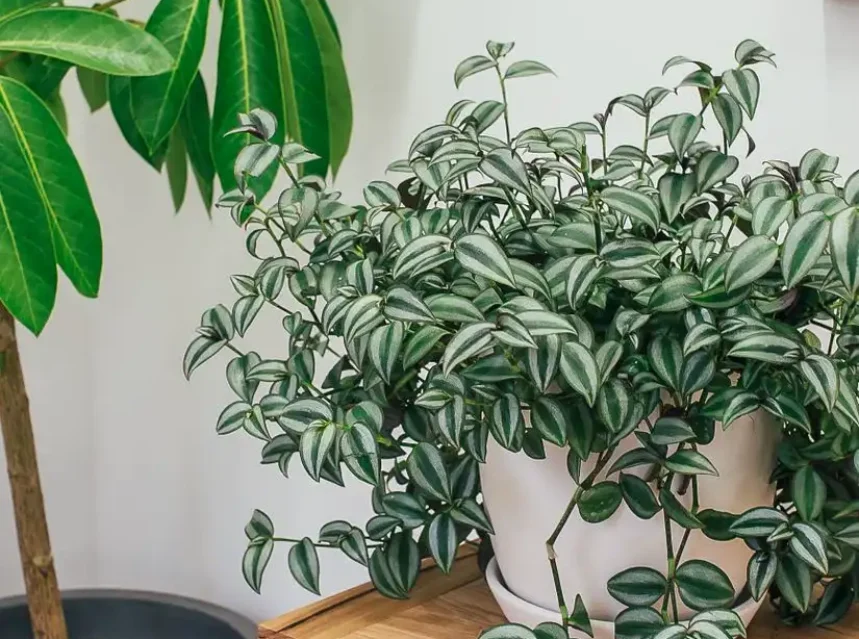
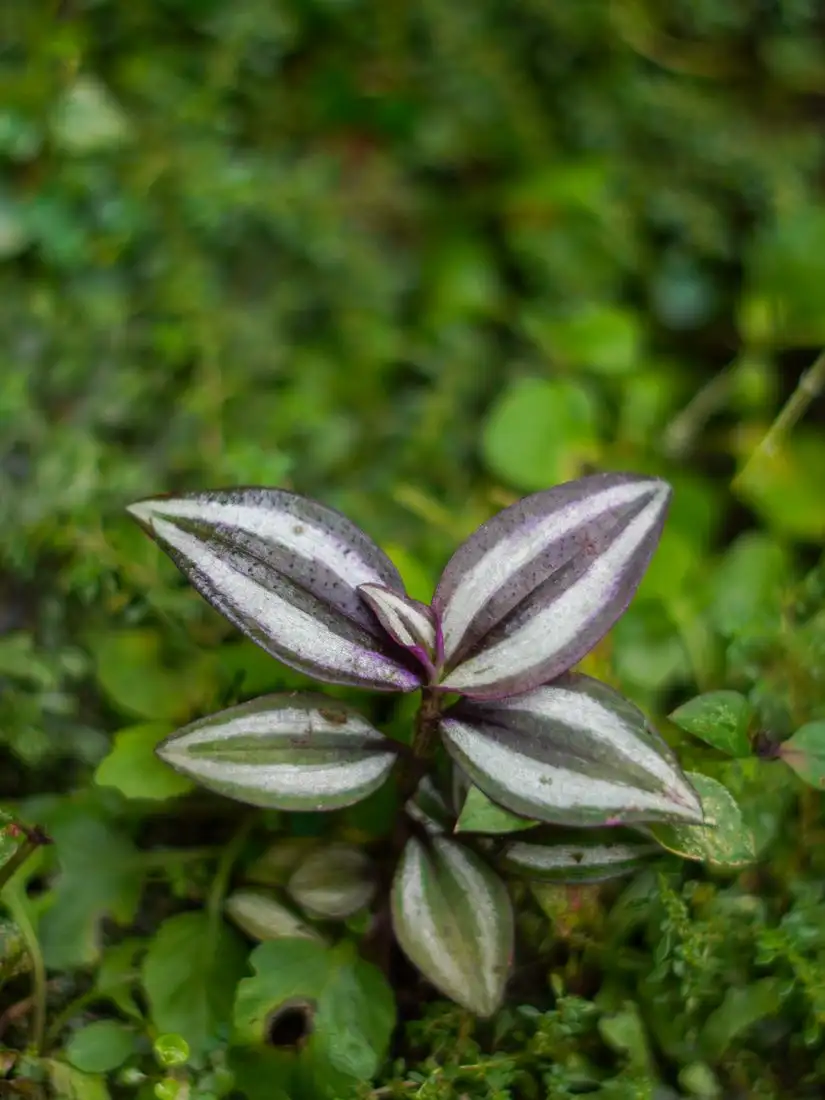
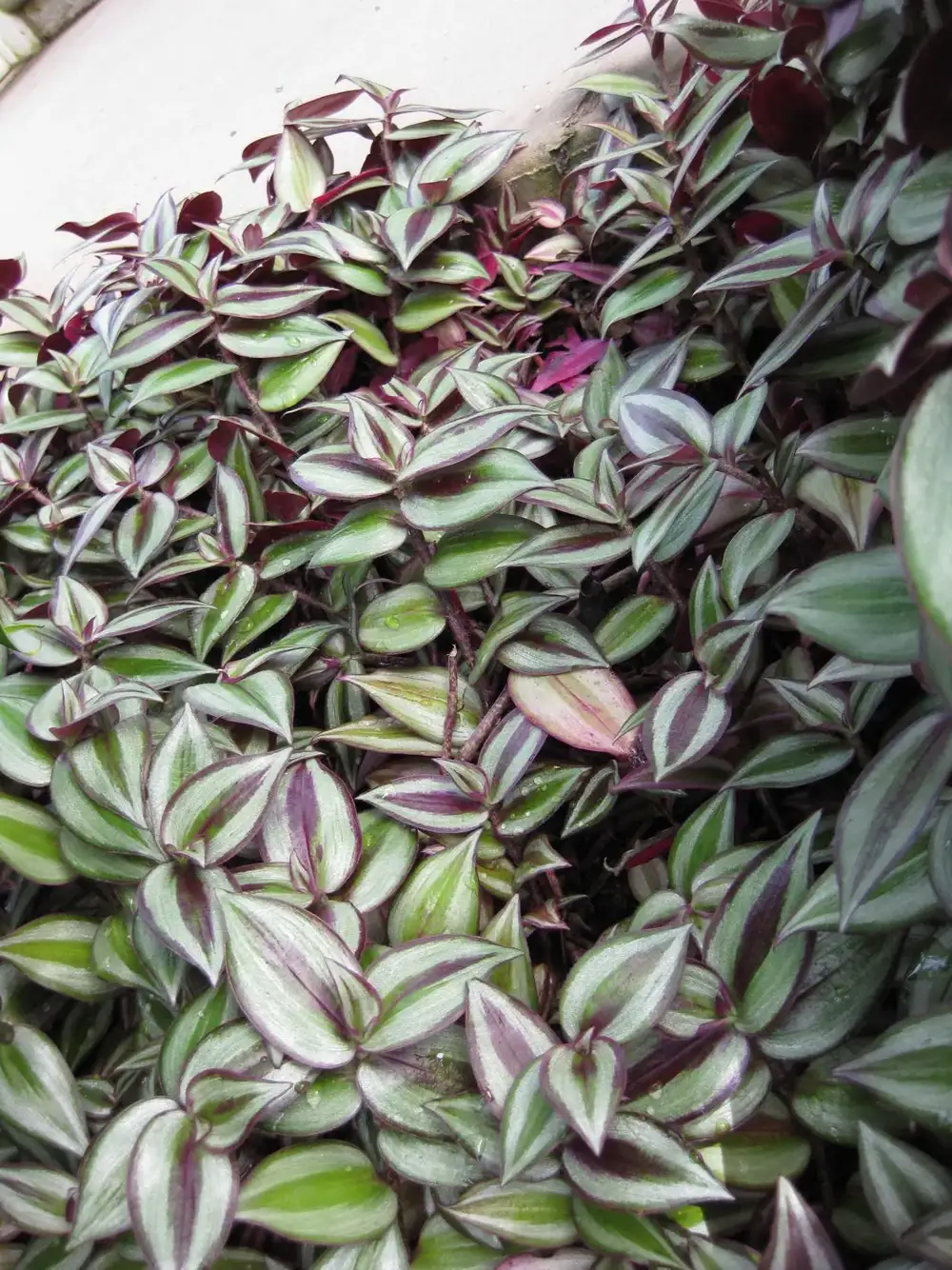
Why is my wandering jew losing color? Too little light is the top cause — a tradescantia needs bright light to make its purple, pink and silver stripes, so in a dim spot the colour fades to dull green. Legginess comes with it, and too much direct sun scorches the leaves instead.
Quick answer: Fading to plain green with long, sparse growth means too little light. Move it somewhere brighter. Crispy, brown, bleached leaves mean too much direct sun. Then pinch and rotate the plant to keep it full and colourful. Match the cause below.
🧰 In a hurry? Jump straight to our tested picks for this guide ↓
Why is my wandering jew losing color? Quick diagnosis
| What you see | Most likely cause |
|---|---|
| Colour fading to dull green, long sparse stems | Too little light |
| Crispy, bleached, brown leaves in strong sun | Too much direct light |
| One side pale and leggy, other side full | Not rotating the plant |
| Long bare stems with leaves only at the tips | No pinching |
| Pale new growth in a dark corner | Stretching for light |
| A few old inner leaves fading | Natural ageing |
Too little light: the number one cause
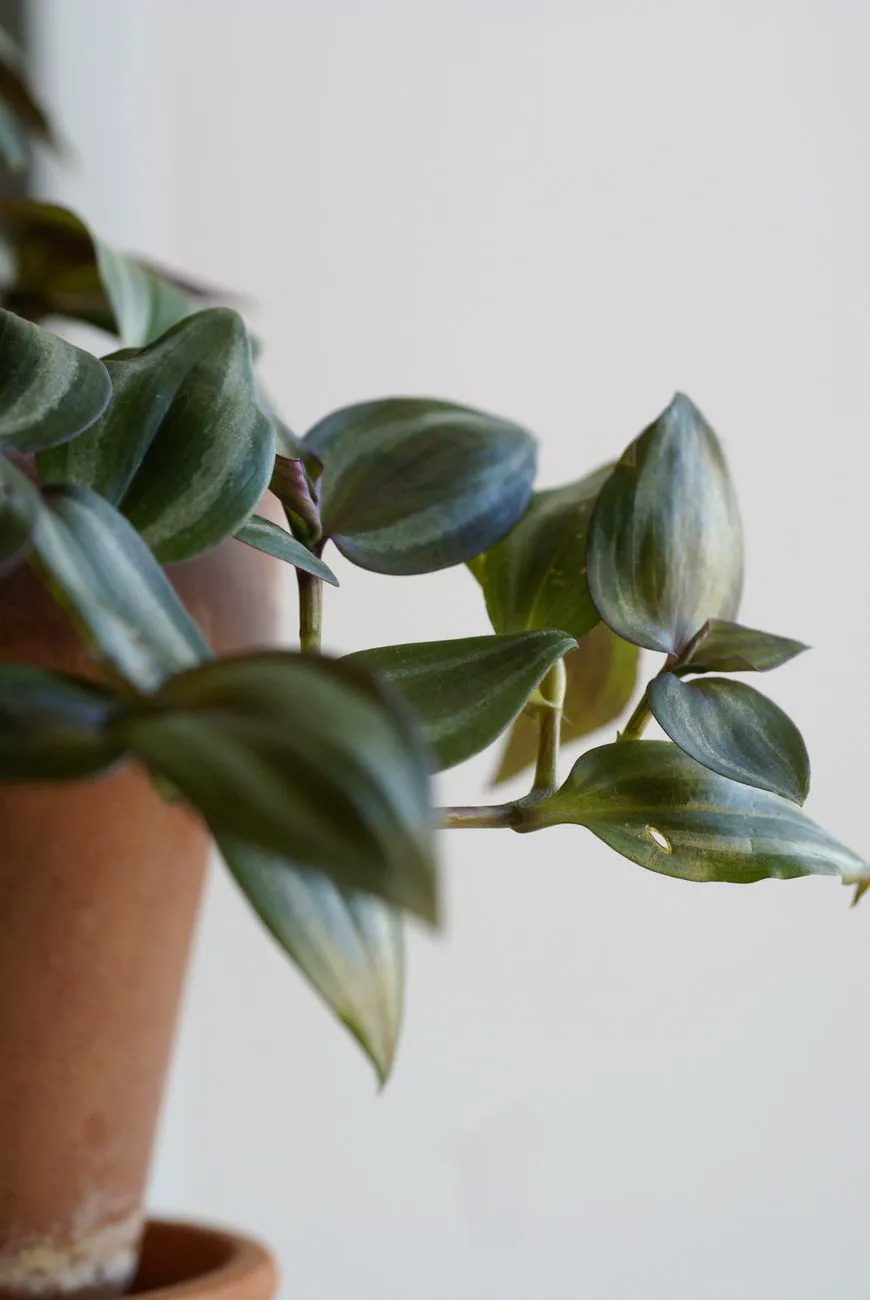
Light drives the colour of a wandering jew. The plant needs plenty of bright light to make its vivid purple, pink and silver stripes. In a dim spot those colours fade to plain, dull green.
The fix is more light. Move it to bright, indirect light, such as near an east or west window. The colours deepen again as new growth comes in. Our tradescantia care guide has the full routine.
Too much sun: the other extreme
Harsh sun causes the opposite problem. A little gentle direct sun boosts the colour. But strong, direct midday sun scorches the delicate leaves, leaving them bleached, crispy and brown at the edges.
So aim for bright light with only gentle morning sun. Keep it out of a hot, sunny window in summer. A sheer curtain softens strong light nicely. In a genuinely dark room, a grow light keeps the colour, as our grow light guide covers.
The Royal Horticultural Society recommends bright, filtered light to keep tradescantia foliage well coloured.
Pinching and rotating for full colour
Fading usually comes with legginess. Both share the same cure. Pinch the plant often, cutting stems just above a leaf node, to force bushy, colourful new growth.
Rotating matters too. The side facing the light colours up and grows full, while the shaded side fades and stretches. So turn the pot a quarter every week for even colour all round. You can root the pinched tips as cuttings. This is the same fix leggy plants need, as our polka dot plant guide shows.
Water, feeding and humidity
Weak care can dull the colour too. Keep the soil lightly, evenly moist in the growing season, letting the top dry a little between waterings. Do not leave it soggy. Our watering guide helps you keep it steady.
Feed lightly for strong, colourful growth. A balanced houseplant feed at half strength every few weeks is plenty. The Missouri Botanical Garden notes tradescantia colours best in bright light with steady moisture. Tradescantia also likes some humidity, being tropical, so a pebble tray helps in dry rooms. Our humidity guide has simple methods.
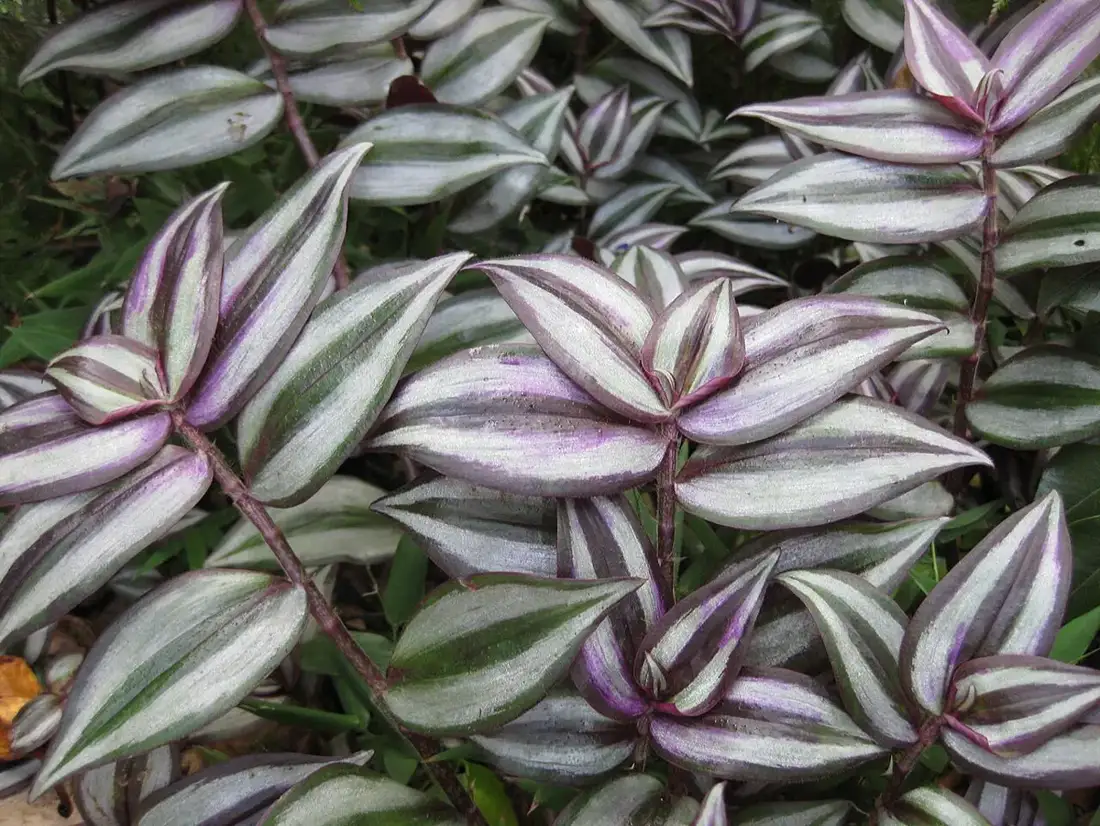
Wandering jew losing color in India
Two settings fade wandering jew colour in India: dim indoor corners and harsh direct sun.
Wandering jew grows easily as an indoor and balcony plant across the country. But a plant in a dark corner fades to plain green, so give it a bright spot near a window. The strong afternoon sun, on the other hand, scorches the leaves, so shield it from harsh midday light. Pinch and rotate it often, and feed lightly in the warm season. Our tradescantia guide has more.
How to bring back a wandering jew’s colour
- Move it to bright, indirect light with gentle morning sun.
- Add a grow light in a dark room to keep the colour.
- Keep it out of harsh, direct midday sun to avoid scorch.
- Pinch the stems above a leaf node to force full, colourful growth.
- Rotate the pot a quarter every week for even colour.
- Water evenly, feed lightly, and raise humidity in dry rooms.
Bright purple, pink and silver stripes on bushy new growth are the sign your wandering jew is back to its best.
Frequently asked questions
Why is my wandering jew turning green?
Usually too little light. The purple, pink and silver stripes need bright light to develop, so in a dim spot they fade to plain green. Move the plant into brighter, indirect light, or add a grow light, and the colour returns on new growth.
How do I make my wandering jew more colourful?
Give it bright, indirect light with a little gentle sun, and pinch it often to force fresh growth. Rotate the pot weekly so all sides colour evenly. Feed lightly in the growing season. Good light is by far the most important factor for vivid colour.
Should I cut back a leggy wandering jew?
Yes. Cutting back is the fix. Pinch or trim the leggy stems just above a leaf node, and the plant branches out fuller and more colourful. You can root the trimmings as cuttings, since tradescantia roots very easily in water or moist soil.
Can too much sun fade a wandering jew?
Harsh sun does not fade it so much as scorch it. Strong, direct midday sun bleaches and crisps the leaves brown at the edges. A little gentle morning sun boosts the colour, but keep the plant out of hot, direct afternoon light.
Does a wandering jew need direct sunlight to stay colourful?
It does not need harsh direct sun, but it does need a lot of light. A couple of hours of soft morning sun deepens the purple and sharpens the silver stripes. Midday and afternoon sun, especially in Indian summers, bleaches and burns the leaves instead. The best spot is right beside a bright window, or on a shaded balcony that stays light all day. Filtered light through a thin curtain works well too.
Can a wandering jew keep its colour in low light?
No. It will survive in a dim corner for months, but it will not stay colourful there. In low light the plant drops the pigment layer it cannot afford to make, so new leaves come out plain green and widely spaced. The old colourful leaves stay put, which fools many owners into thinking nothing is wrong. Check the newest growth at the stem tips instead. Pale, stretched, green tips mean the light is too weak.
Why is my tradescantia nanouk turning green?
Nanouk holds pink and cream stripes only under strong light, so it fades faster than the plain purple types. Two things usually cause it. First, the spot is too dim, so new leaves come out green. Second, heavy nitrogen feeding pushes fast leafy growth that outruns the pigment. Move it to your brightest window, feed at half strength once a month in the growing season, and snip off the stems that have gone fully green.
Why are my wandering jew leaves pale instead of purple?
Pale, washed-out leaves usually mean light and feeding are both a little off. Weak light thins the purple pigment, while a starved plant in old, spent potting mix cannot build strong colour either. Move the plant somewhere brighter first, since light matters most. Then refresh the top few centimetres of soil and feed a balanced liquid fertiliser at half strength every three or four weeks while the plant is actively growing.
Why are my wandering jew leaves turning yellow?
Yellowing is a watering signal, not a light one. Soggy soil is the usual cause, especially in a pot without drainage holes or during a humid monsoon. Roots sitting in water start to fail, and the lower leaves yellow and drop. Let the top two to three centimetres of soil dry before watering again, and empty the saucer. A few yellow leaves at the base of an old stem are simply age and can be pinched off.
Why does my wandering jew lose colour in winter?
Short winter days give the plant far less light, so new growth comes out paler and more spaced out. Cold draughts and cold windowsills slow it further. Move the pot closer to the brightest window for those months, wipe dust off the glass and the leaves, and water less often because the soil dries slowly in cool weather. Colour returns on its own once daylight lengthens in spring, so avoid feeding heavily to force it.
Will a grow light bring the colour back?
Yes, and it is the most reliable fix in a dark home or a north-facing flat. Use a full-spectrum LED placed roughly 25 to 30 centimetres above the plant and run it about 12 hours a day on a timer. The colour will not reappear on leaves that are already green. It shows up in the new growth over the next few weeks, so pinch the plant back to encourage fresh, colourful shoots.
Why has my tradescantia zebrina lost the purple on the leaf undersides?
The deep purple underside is the first thing zebrina drops when light is short, because that pigment is expensive for the plant to make. Cool, dark rooms and a spot set back from the window are the usual reasons. Very hot, scorching sun can fade it too, so aim for bright light without harsh midday rays. Trim the dullest stems, root the cuttings, and grow the new plants in a brighter position.
Sources and further reading
Related guides
- Tradescantia care guide
- Why is my polka dot plant leggy
- Why plants get leggy
- Best grow lights
- Humidity for houseplants
- How often to water plants
Still stuck? Ask the Plant Doctor
Describe the problem — yellow leaves, holes, no flowers — and get a clear answer in seconds. FreeAI can make mistakes. Answers are guidance, not a guarantee — check anything important against the guide it links to, and always read the label on any product before you use it.